Top 11 Lakes in Minorca
Best lakes in Minorca are primarily unique natural water bodies rather than traditional freshwater lakes, a characteristic shaped by the island's limestone geology. Menorca features distinctive aquatic environments such as coastal lagoons, underground lakes within cave systems, and seasonal riverbeds known as barrancs. These diverse water bodies contribute to the island's natural beauty and ecological significance.
Best lakes in Minorca
- The most popular lakes is Cala Turqueta, a beach that is one of the most famous coves in Menorca,…
Last updated: June 25, 2026
Cala Turqueta
Highlight • Beach
Translated by Google •
Tip by

s'Albufera des Grau Natural Park
Highlight • Forest
Translated by Google •
Tip by

Sign up now to discover places like this
Get recommendations on the best single tracks, peaks, & plenty of other exciting outdoor places.
Sign up for free
Maó (Mahón) Old Town and Harbor
Highlight • Settlement
Translated by Google •
Tip by

Camí de Cavalls — Salines d'Addaia
Highlight (Segment) • Natural Monument
Translated by Google •
Tip by

S'Albufera des Grau Wetlands
Highlight • Natural
Translated by Google •
Tip by

Sign up for free to discover even more lakes in Minorca.
Sign up for free
Already have an account?
Start today with a free account
Your next adventure awaits.
Login or Signup
Popular around Minorca
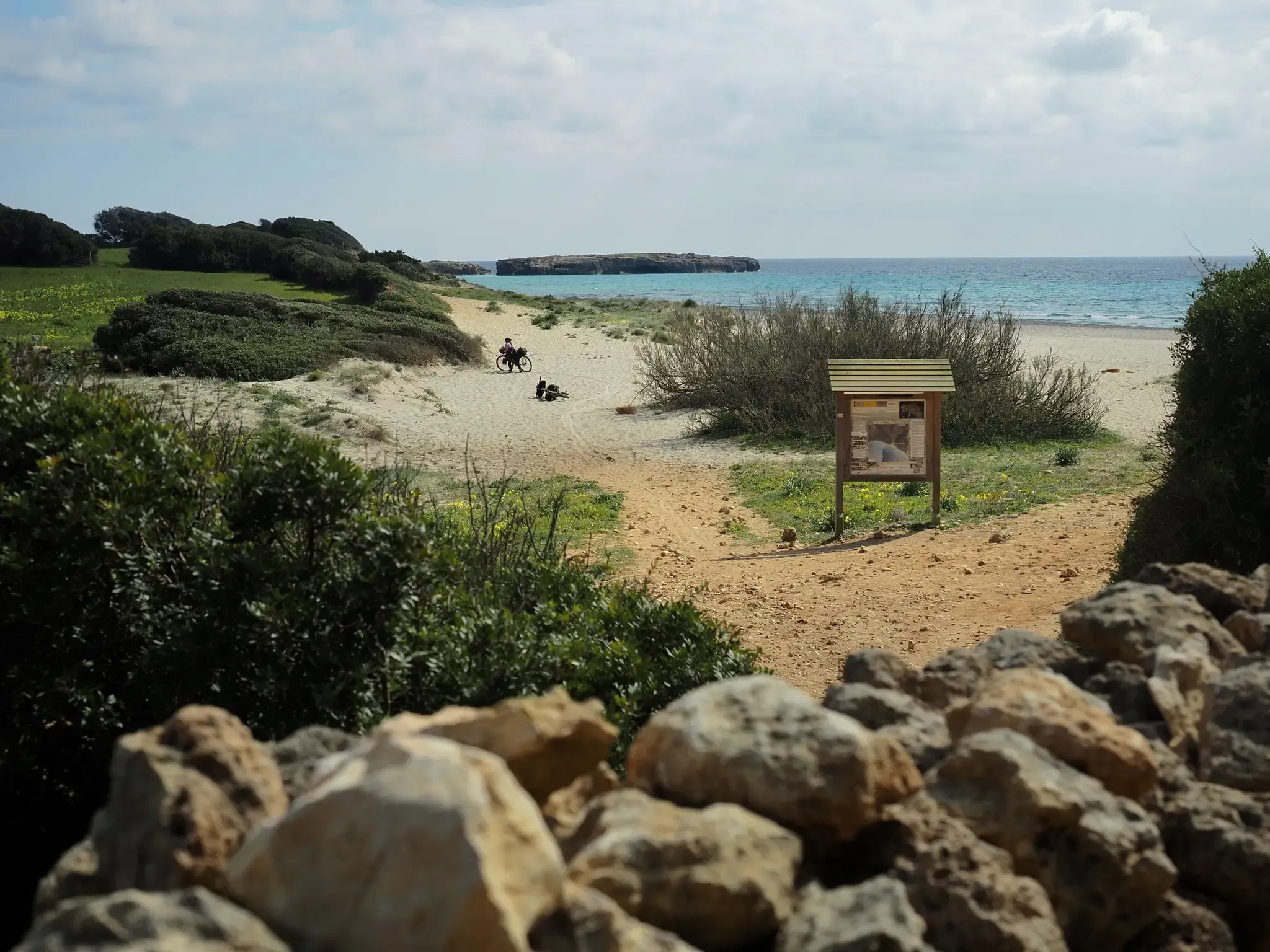
MTB adventure in Menorca – Camí de Cavalls (GR 223)
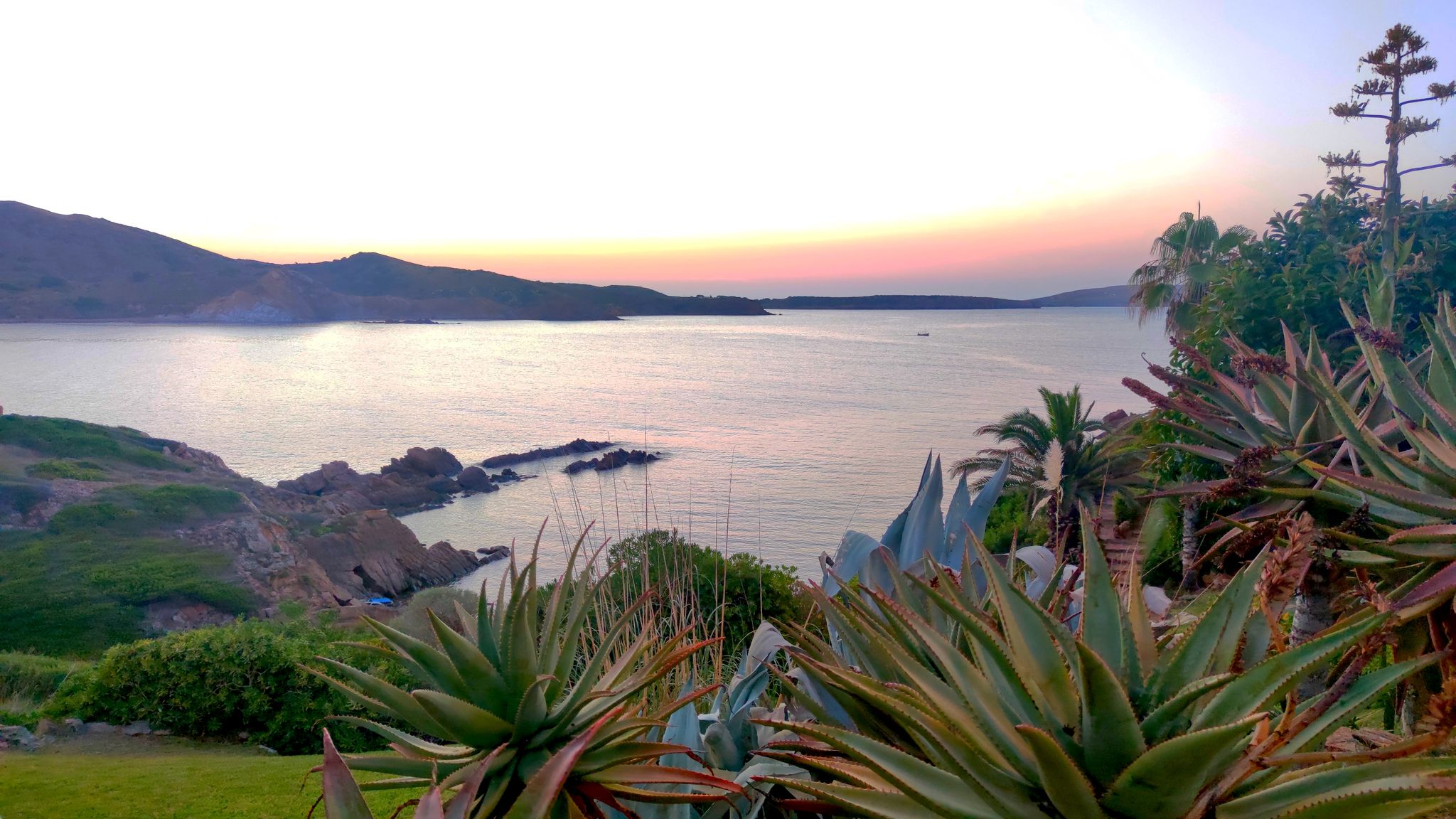
Menorca's turquoise waters and red rocks — Camí de Cavalls (GR223)
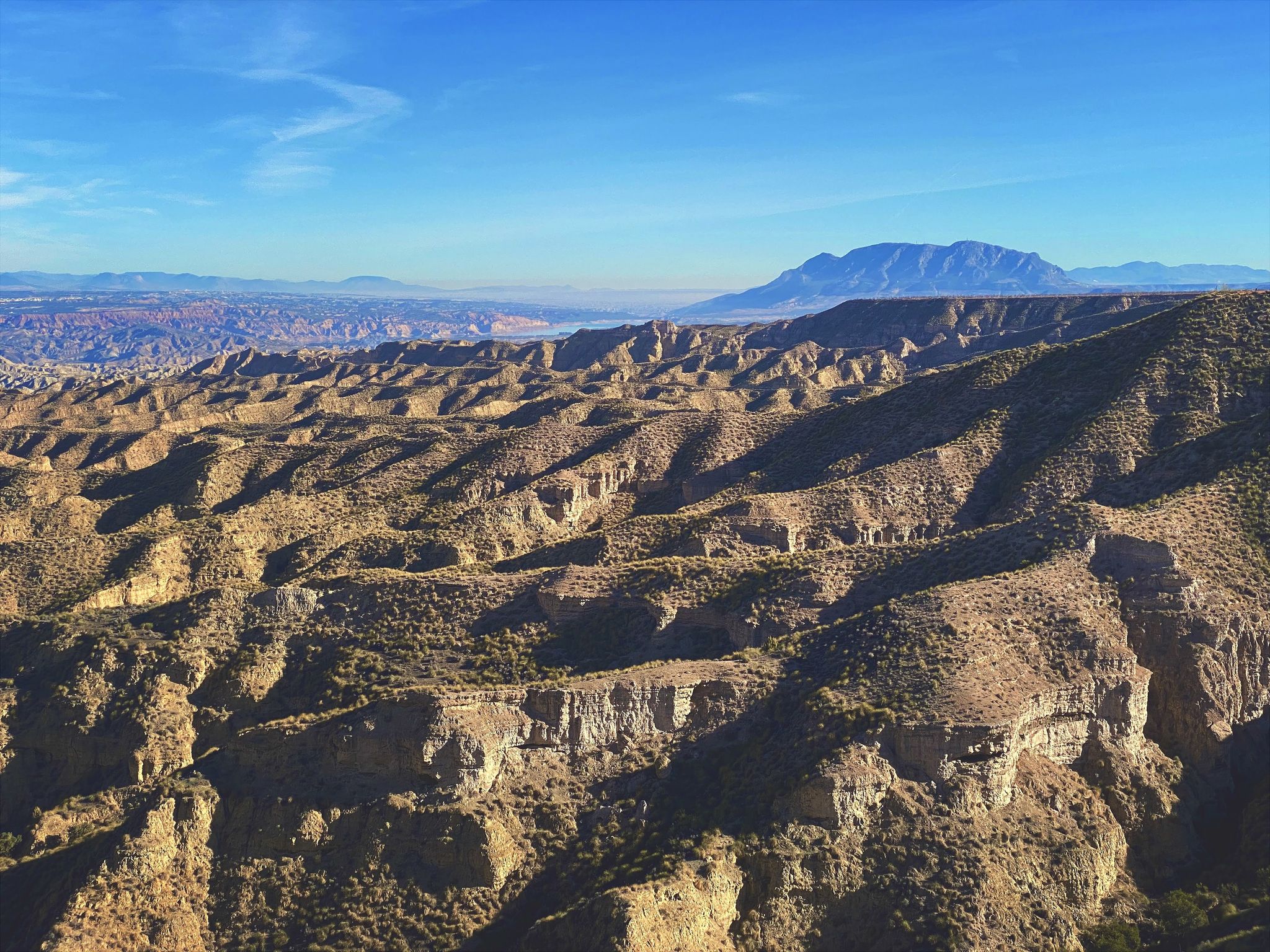
Discover Spain by gravel — a selection of must-see routes
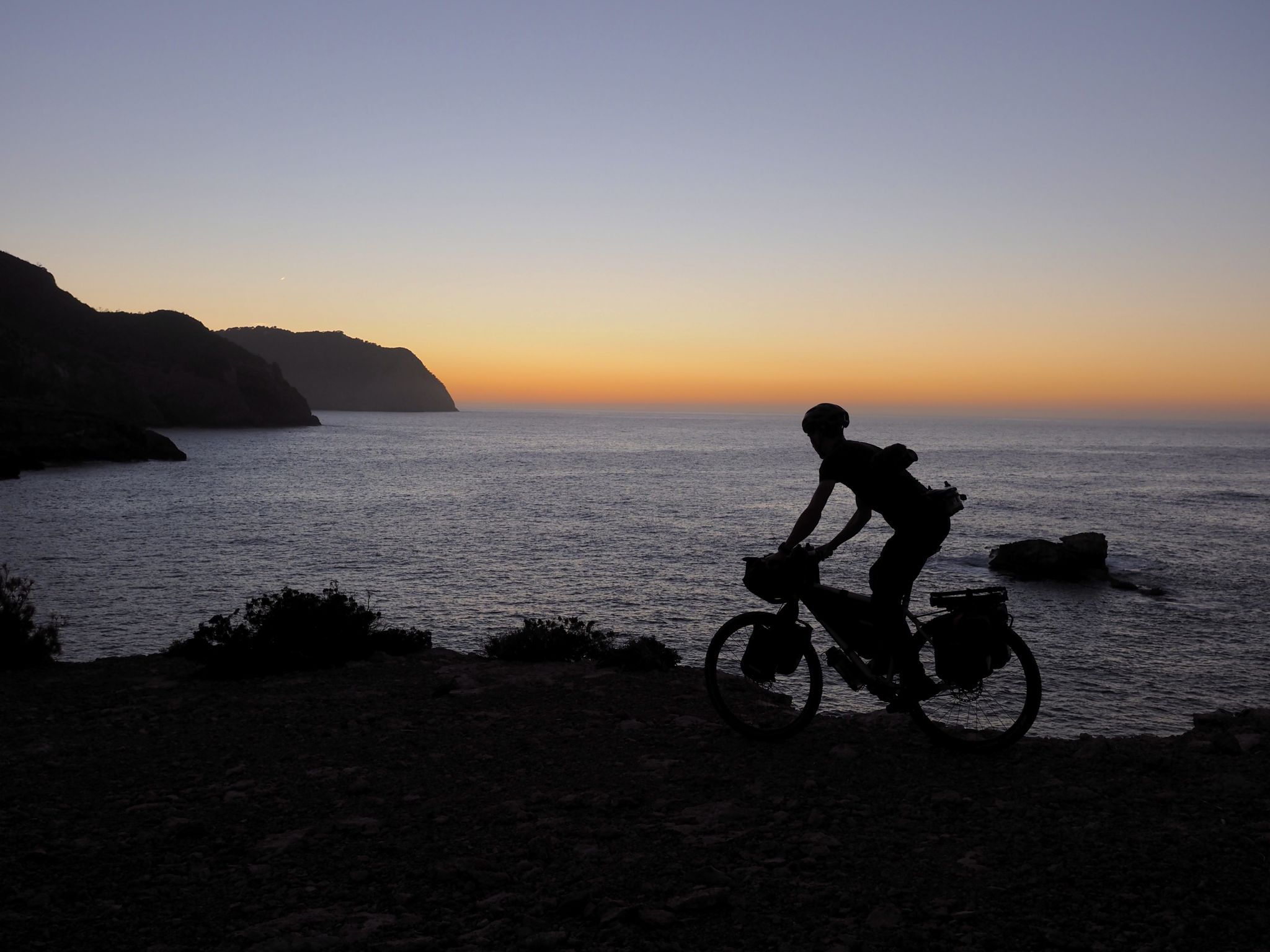
Island hopping in the Spanish Balearic Islands — the TransBaleares
Hiking in Minorca
MTB Trails in Minorca
Cycling in Minorca
Running Trails in Minorca
Road Cycling Routes in Minorca

Gravel biking in Minorca
Other adventures in Minorca


Tips from the Community

Quiet place with various bird species.
0
0

Very nice section here
0
1
Very nice view towards the harbor
3
0

A wonderful nature reserve that is worth a visit!
2
0

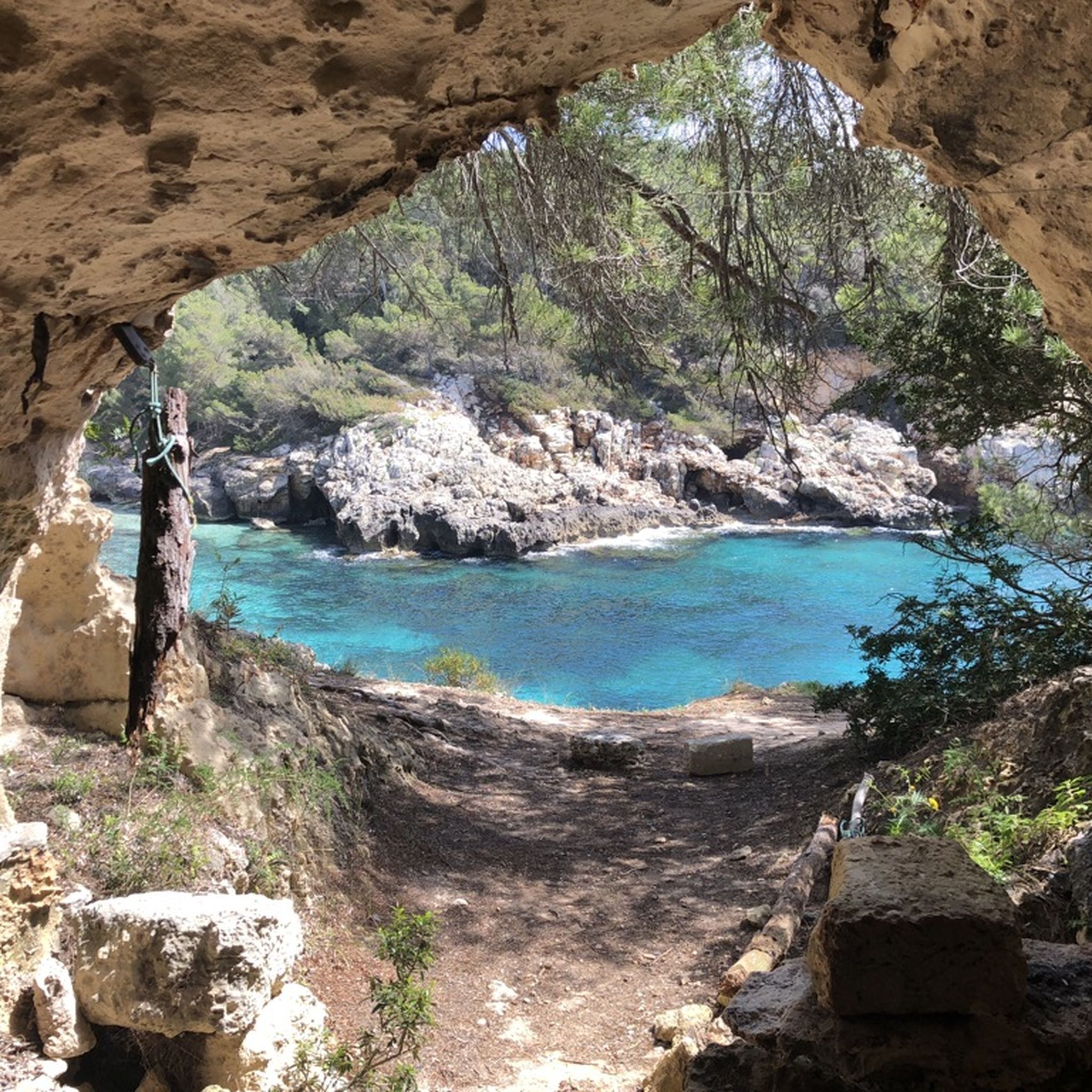
Cala Turqueta is for many the most beautiful cove on the island, with the permission of Cala Pregonda. It is a small beach with blue waters with a white sand bottom surrounded by pine trees and divided into two parts by low rocks. Due to its orientation, in summer the shade reaches it a little earlier than the rest of the beaches, which usually empties quickly. Some say that the name comes from the turquoise color of the water, which is reminiscent of the clearest and most crystalline turquoise. Others say that the name recalls that this beach was a place chosen by the Turkish Pirates to land on Menorca. https://www.youtube.com/watch?v=fS_LZ8Ts3cw
2
0
Take your time and don't miss a single detail of this area, that is if you try to leave it better than you found it. Ses Salines de Addaia are located within the limits of the S'Albufera des Grau Natural Park and are considered the best area in Menorca to observe species linked to saline environments. This is the case of flamingos, for example, a population that lives between the Addaia and Mongofra salt pans and which is one of the most outstanding animals in the Menorcan winter. Its presence, which has been increasing in recent years and has aroused the interest of a growing number of visitors. This large influx of users of the Camí de Cavalls is compromising the breeding of some species and the conservation of endemic plants.https://www.youtube.com/watch?v=Jvf8dJPJAdc
2
0

The art nouveau house can be reached directly from the harbor via the large, white staircase. It is best lit in the morning sun.
3
1

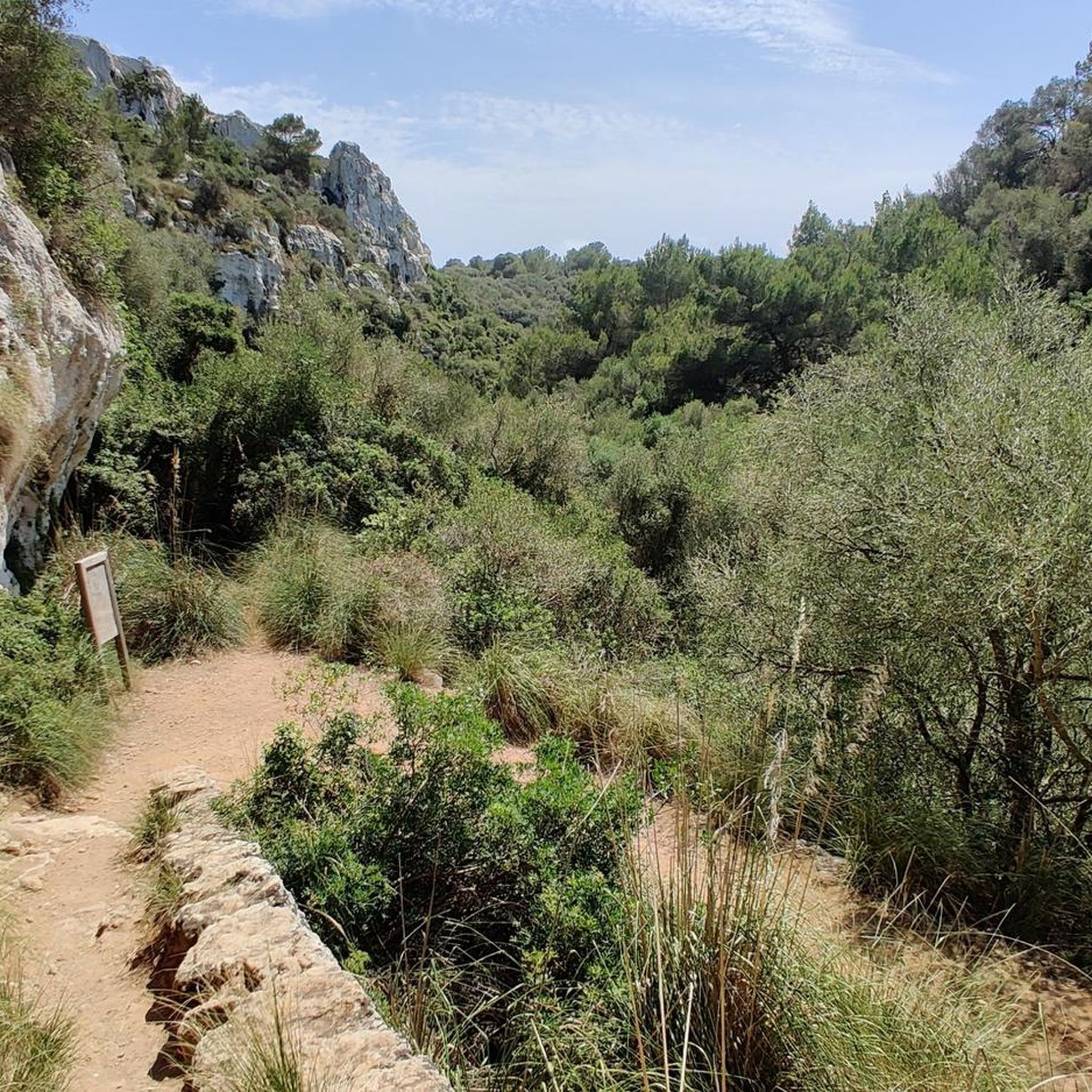
Here you can see a variety of green plants.
4
2
Frequently Asked Questions
What types of 'lakes' can I expect to find in Menorca?
Menorca, due to its limestone geology, doesn't have traditional freshwater lakes. Instead, you'll discover unique natural water bodies such as coastal lagoons, underground lakes within cave systems, and seasonal riverbeds known as 'barrancs'. These diverse environments offer distinct experiences.
Are there any natural parks centered around water bodies in Menorca?
Yes, s'Albufera des Grau Natural Park is a vital natural park and a UNESCO Biosphere Reserve. It's centered around a large saline lagoon, making it a significant bird reserve with rich flora and fauna. The S'Albufera des Grau Wetlands are also part of this park, featuring varied green flora and the island's longest dunes.
Can I go birdwatching near Menorca's water bodies?
Absolutely! s'Albufera des Grau Natural Park is a paradise for birdwatching enthusiasts, boasting a rich variety of birdlife. The Camí de Cavalls — Salines d'Addaia, located within the natural park, is considered the best area in Menorca to observe species linked to saline environments, including flamingos.
Are there any underground lakes to explore in Menorca?
Yes, the Cova de s'Aigua (Water Cave) near Ciutadella offers a fascinating underground experience. This natural cave system culminates in a secluded freshwater lake of extraordinary clarity, known for its magical reflections. Guided tours are available to explore its geology and history.
What are 'barrancs' and how can I explore them?
'Barrancs' are seasonal riverbeds or gorges carved through limestone that are integral to Menorca's landscape. They fill with rainwater in autumn and winter, creating small waterfalls and pools. In summer, they often dry up, revealing rocky riverbeds and lush vegetation. Exploring barrancs like Barranc d'Algendar or Barranc de Binigaus is excellent for hiking and discovering the island's wilder side and archaeological remains.
Are there family-friendly water bodies or activities in Menorca?
Many of Menorca's unique water bodies and surrounding areas are family-friendly. Cala Turqueta is a popular beach with fine white sand and a calm, flat bay, ideal for families. s'Albufera des Grau Natural Park and the S'Albufera des Grau Wetlands offer easy trails and birdwatching opportunities suitable for all ages. Even the Maó (Mahón) Old Town and Harbor provides a family-friendly atmosphere for strolling and enjoying the views.
What kind of hiking trails are available near Menorca's water bodies?
Menorca offers a variety of hiking trails near its unique water bodies. For easy walks, you can explore routes like 'Itinerary Sa Gola and calas of s'Albufera' within the s'Albufera des Grau Natural Park. The island's extensive Camí de Cavalls also features sections near coastal lagoons and barrancs. You can find more options in the Easy hikes in Minorca guide.
When is the best time of year to visit Menorca's natural water bodies?
The best time depends on your interests. For exploring the 'barrancs' and seeing them with water, autumn and winter are ideal, with some flow continuing into spring. For enjoying coastal lagoons and beaches like Cala Turqueta, the warmer months from late spring to early autumn are perfect. Birdwatching is excellent in s'Albufera des Grau Natural Park year-round, with specific migratory seasons offering unique sightings. October often provides fantastic hiking weather.
Are there any historical sites related to water bodies in Menorca?
Yes, the Cova de s'Aigua, with its underground lake, historically served as a crucial water source for the island. The Maó (Mahón) Old Town and Harbor is another significant historical site, featuring a 5 km long natural harbor that has played a vital role in the island's history and development. Additionally, some 'barrancs' contain archaeological remains, offering insights into ancient Menorcan life.
Can I find wild swimming spots near Menorca's unique water bodies?
While traditional lakes for wild swimming are rare, Menorca's coastal lagoons and coves offer excellent opportunities. Cala Turqueta is renowned for its calm, clear waters, perfect for swimming. The protected inlets and coves within s'Albufera des Grau Natural Park also provide unique settings for water activities like kayaking, though specific wild swimming access may be regulated due to its protected status.
What do visitors enjoy most about Menorca's unique water bodies?
Visitors frequently praise the pristine natural beauty and tranquility. The fine white sand and calm, flat bay of Cala Turqueta are highly appreciated. The diverse flora and fauna, especially for birdwatching, in s'Albufera des Grau Natural Park and the S'Albufera des Grau Wetlands are also major draws. The unique experience of exploring underground lakes and the wild, green landscapes of the 'barrancs' are also highly valued.
Are there running trails available near Menorca's water bodies?
Yes, you can find several running trails that pass by or through Menorca's unique water bodies. For example, the 'Sa Gola and s'Albufera coves' trail offers a moderate trailrunning experience within the s'Albufera des Grau Natural Park. More options can be found in the Running Trails in Minorca guide.
Can I cycle or mountain bike near Menorca's water bodies?
Yes, Menorca offers mountain biking opportunities, often utilizing sections of the Camí de Cavalls that may pass near coastal areas and barrancs. Routes like 'Faro de Artrutx — circular desde Ciutadella por Cala Macarella y Cala Turqueta' offer moderate to difficult rides. For more details, check the MTB Trails in Minorca guide.
Most popular routes in Minorca
Most popular attractions in Minorca

Get inspired with the komoot mobile app


Explore more
Still not found your perfect lake in Minorca? Check out the guides of these regions to see even more beautiful places.
