Top 19 Caves in Minorca
Best caves in Minorca offer a diverse range of subterranean experiences across this Balearic Island. The island's geological formations have created numerous caves, from ancient archaeological sites to impressive natural wonders. These formations are a testament to Minorca's rich history and natural landscape, providing insights into past civilizations and unique natural beauty. Visitors can explore various cave types, including sea caves, burial sites, and large natural grottoes.
Best caves in Minorca
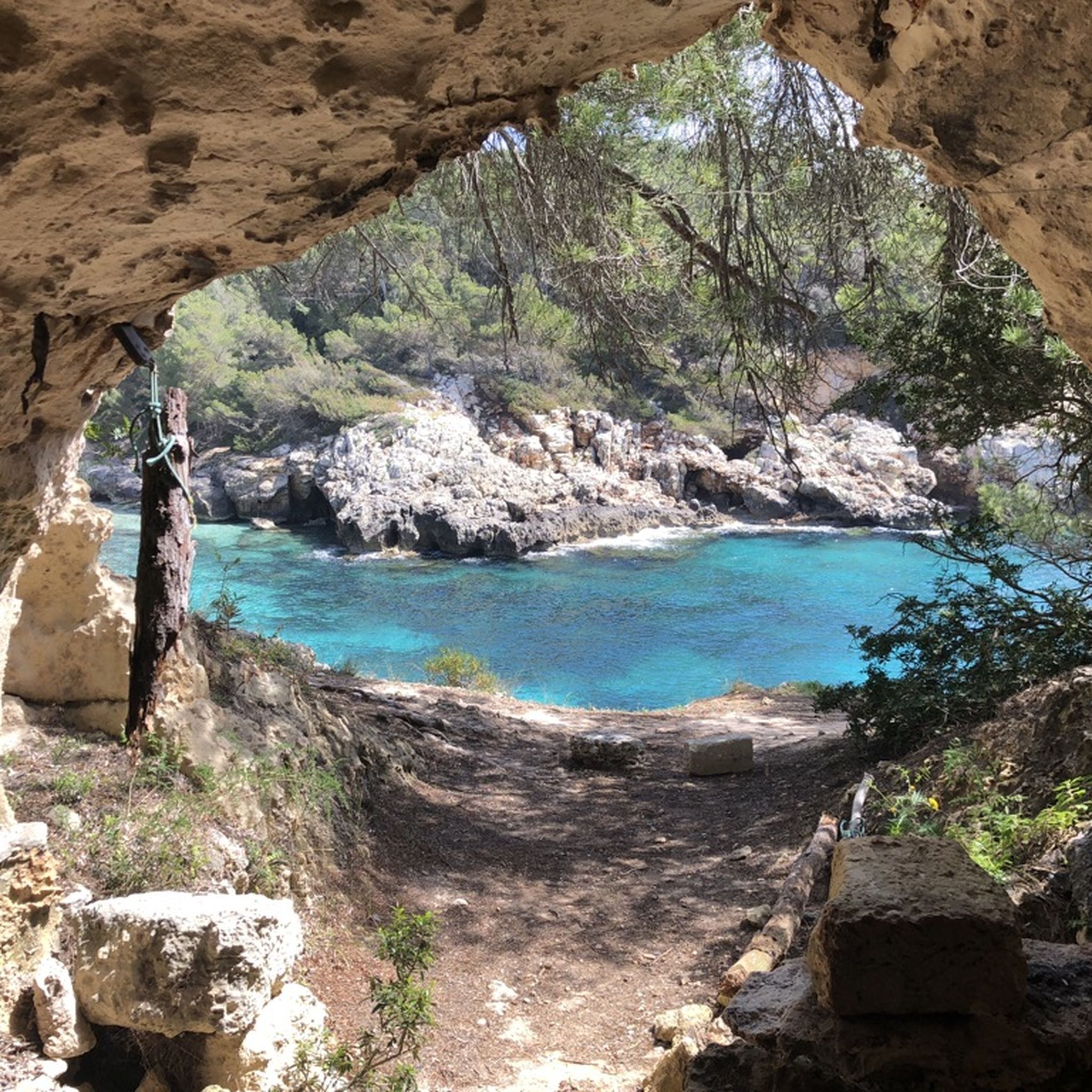
- The most popular caves include Cala Mitjana, a beach area featuring caves accessible from the water. This cove is known for its white sand and turquoise waters, with caves that can be explored with snorkeling gear.
- Another must-see spot is Cales Coves Necropolis, a historical site with more than 90 hand-dug burial caves carved into the cliffs. Some caves contain Roman inscriptions, highlighting its significance as the largest necropolis in Minorca.
- Visitors also love Cova des Coloms, a cave known as "The Cathedral Cave" due to its impressive size. This natural monument is 24 meters high and features a 50-meter-long main cave, protected as a cultural asset.
- Minorca is known for its sea caves, archaeological burial sites, and large natural grottoes. The island offers a variety of caves to explore, from those accessible by water to historical sites on land.
- The caves in Minorca are appreciated by the komoot community, with more than 220 upvotes and 50 photos shared by users.
Last updated: June 25, 2026
Cala Mitjana
Highlight • Beach
Translated by Google •
Tip by

Cova dels Pardals
Highlight • Cave
Its name comes from the large number of sparrows (pardals in Minorcan) that live in the cave.
Translated by Google •
Tip by
Sign up now to discover places like this
Get recommendations on the best single tracks, peaks, & plenty of other exciting outdoor places.
Sign up for free
Cales Coves Necropolis
Highlight • Historical Site
Translated by Google •
Tip by
Torre d'en Galmés Archaeological Site
Highlight • Historical Site
Translated by Google •
Tip by

Talatí de Dalt Archaeological Site
Highlight • Historical Site
Due to the location near one of the main roads with parking, it is also often busy...
Translated by Google •
Tip by

Sign up for free to discover even more caves in Minorca.
Sign up for free
Already have an account?
Start today with a free account
Your next adventure awaits.
Login or Signup
Popular around Minorca
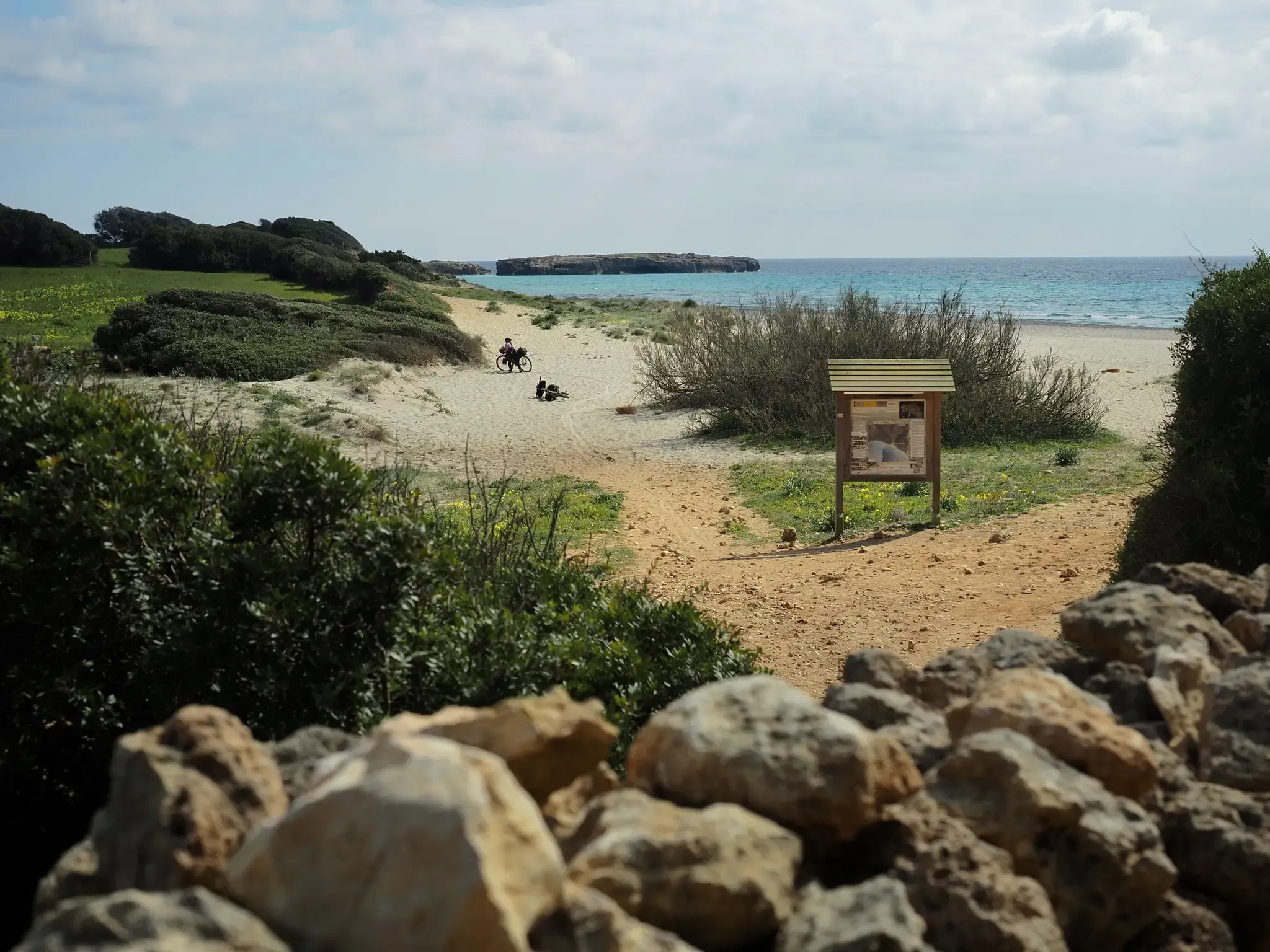
MTB adventure in Menorca – Camí de Cavalls (GR 223)
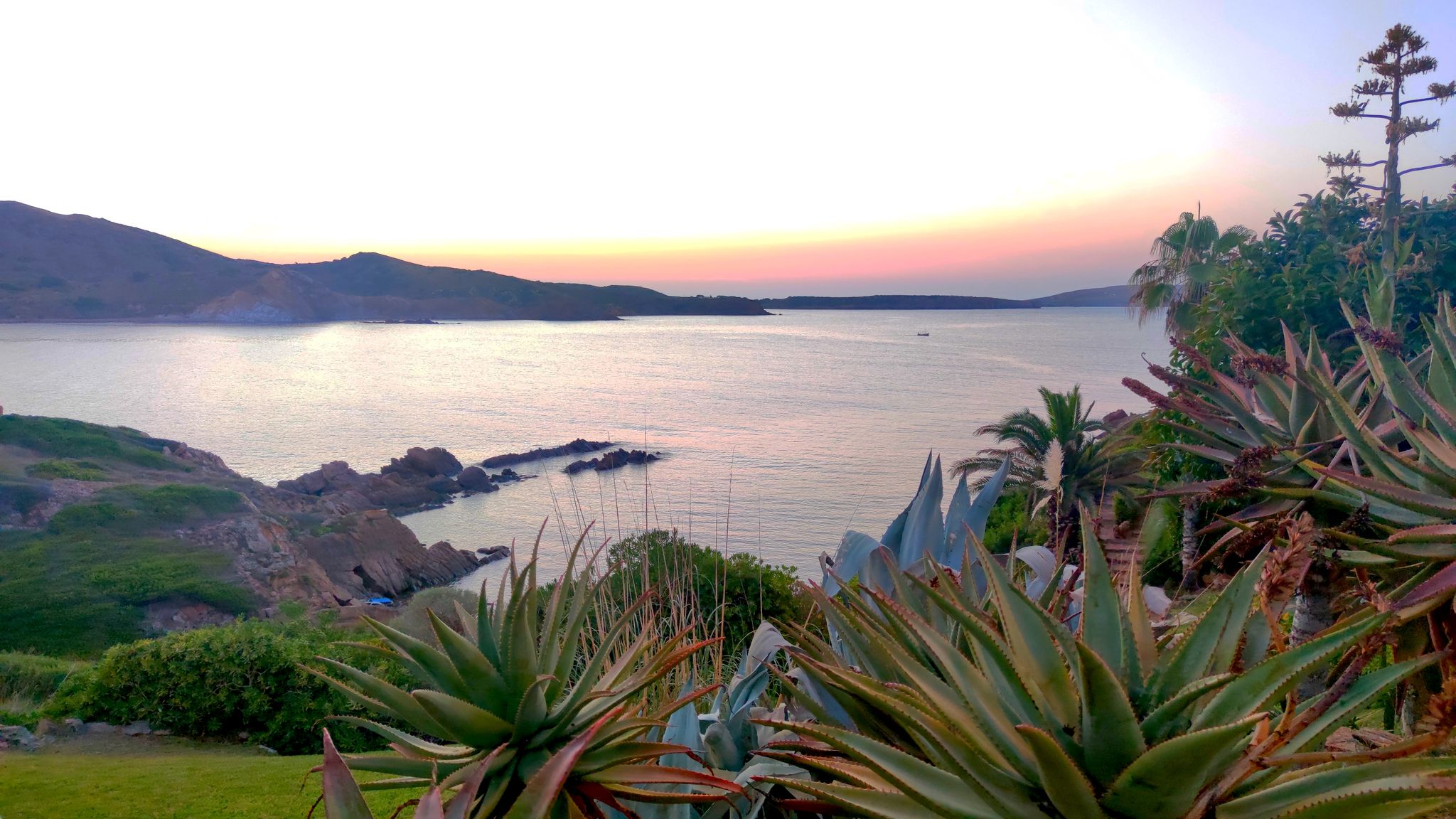
Menorca's turquoise waters and red rocks — Camí de Cavalls (GR223)
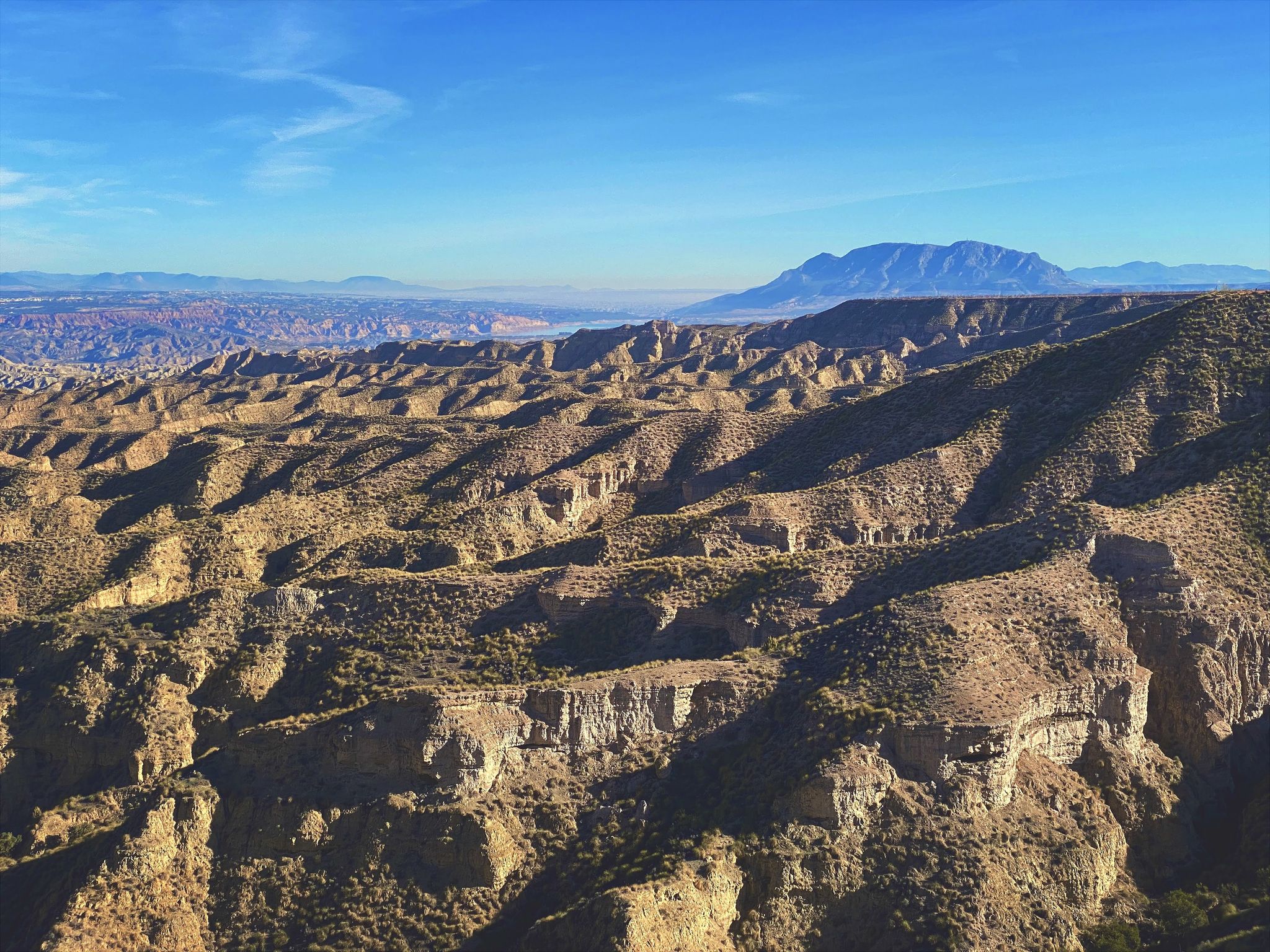
Discover Spain by gravel — a selection of must-see routes
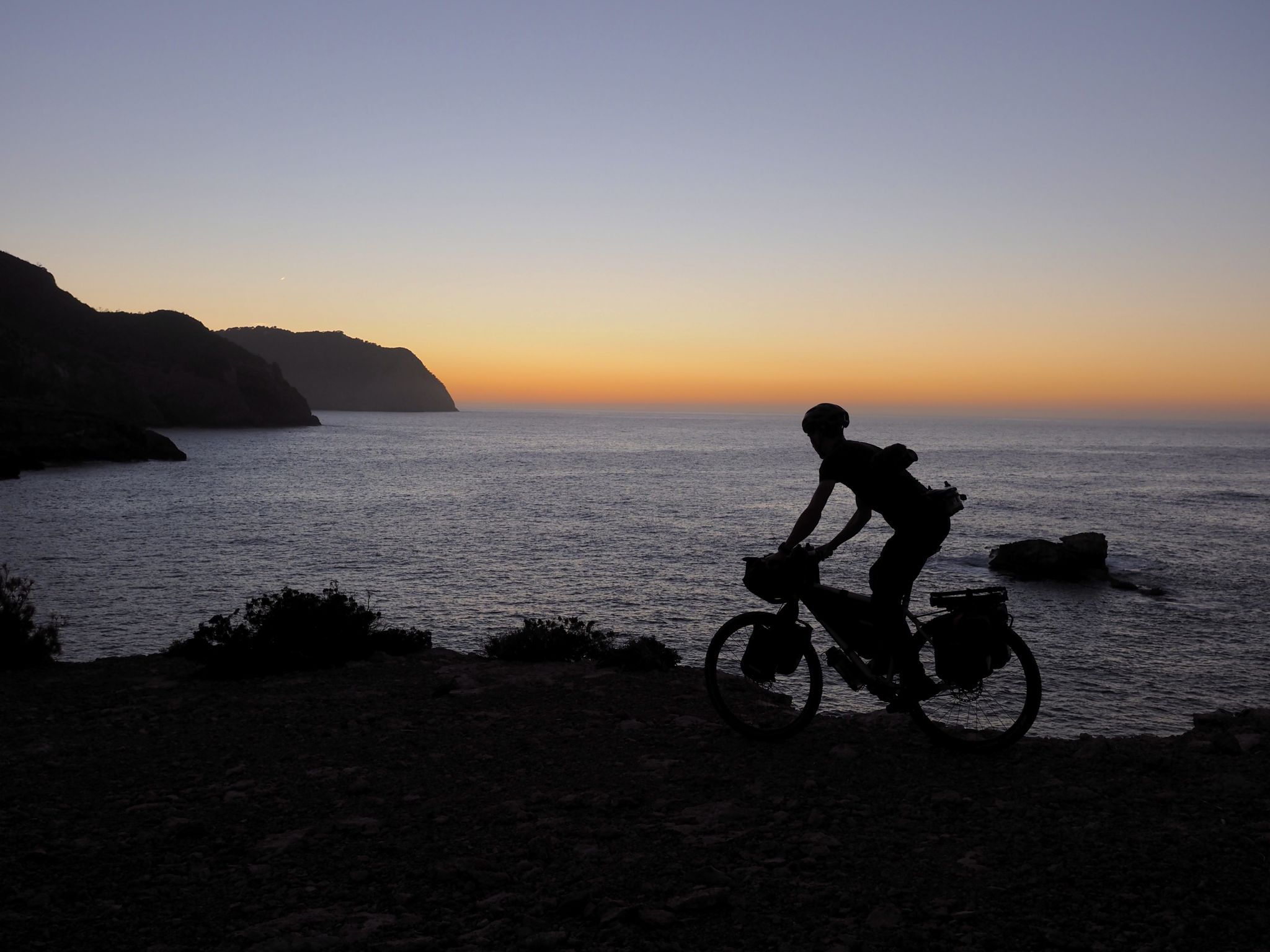
Island hopping in the Spanish Balearic Islands — the TransBaleares
Hiking in Minorca
MTB Trails in Minorca
Cycling in Minorca
Running Trails in Minorca
Road Cycling Routes in Minorca

Gravel biking in Minorca
Other adventures in Minorca


Tips from the Community

Beautiful Taiolotic site, with beautiful remaining ruins, a "taialot" still present dominating the site and above all a superb "Taula", standing stone!
0
0


It is one of the most impressive prehistoric sites in Menorca, notable for its monumental table, one of the best preserved on the island, with an inclined slab resting on the central monolith. It dates from the Talayotic period (1000 BC) and has talayots, caves carved into the rock, houses, cyclopean walls and a ceremonial enclosure. Accessible by mountain bike or gravel, it is ideal for a cycle tour combined with other nearby sites such as Torre d'en Galmés or Naveta des Tudons. An essential place to discover the Talayotic history of Menorca. 🚴♂️
0
0

A dream bay that you shouldn't miss!
5
1
A very beautiful bay, 1.75 km from Cala Galdana, you can get there on the Cami de Cavalls. The colors of the bay are simply fantastic!
3
1
As a good beach in the south of Menorca, Cala Mitjana is protected by high limestone cliffs, which give the environment a character of seclusion and protection that the northern beaches do not.
1
0

Magnificent beach in the south of Menorca, located near Cala Galdana, with fine white sand and a forest populated by pine trees. The cove also has many caves that are only accessible from the water.
5
0

Prehistoric site on the island of Menorca. It is one of the emblematic towns of Menorcan prehistory.
2
0
Frequently Asked Questions
Which caves in Minorca are known for their historical or archaeological significance?
Minorca's caves offer a rich historical perspective. The Cales Coves Necropolis is a significant archaeological site with over 90 hand-dug burial caves, some containing Roman inscriptions. Cova des Coloms, also known as "The Cathedral Cave," was believed to be a sanctuary during the Talayotic Period. Additionally, the Caves of Cala Morell served as ancient burial sites and dwellings, offering a glimpse into the island's early inhabitants.
Are there family-friendly caves to visit in Minorca?
Yes, several caves and cave-related areas in Minorca are suitable for families. Cala Mitjana is a beautiful cove where families can enjoy swimming and snorkeling to explore accessible sea caves. Cova dels Pardals is another family-friendly option, offering an interesting historical context as a former smuggler's cave.
What natural features can I expect to see in Minorca's caves?
Minorca's caves showcase diverse natural beauty. You can find impressive geological formations like stalactites and stalagmites in caves such as Cova de S'Aigua and Cova Polida. Many sea caves, like Cueva de la Luz, feature stunning turquoise waters and marine biodiversity, ideal for swimming and snorkeling. The sheer size of Cova des Coloms, with its 24-meter height, is a natural wonder in itself.
What is the best time of year to visit Minorca's caves?
The best time to visit Minorca's caves is generally during the spring (April-May) and autumn (September-October) when the weather is pleasant, and the island is less crowded. Summer months (June-August) are also popular, especially for sea caves where swimming and snorkeling are ideal, though temperatures are higher and tourist numbers peak.
Are permits required to visit caves in Minorca?
Generally, permits are not required for public access to most natural caves in Minorca. However, some archaeological sites or protected natural monuments, like Cova des Coloms, may have specific regulations or require guided tours. Always check local information for any specific cave you plan to visit.
What outdoor activities can I combine with a visit to Minorca's caves?
Minorca offers many outdoor activities that can be combined with cave exploration. You can find excellent road cycling routes, general cycling tours, and MTB trails across the island. Many caves, such as those near Cala Morell or Cova des Coloms, are accessible via scenic hikes. Sea caves like El Bufador de Binibequer or Cueva de la Luz are perfect for kayaking, snorkeling, and boat tours.
Are there any unique or lesser-known caves to explore in Minorca?
Beyond the well-known sites, Minorca holds several unique experiences. Cova de S'Aigua, meaning "water cave," features a stunning interior lake with crystal-clear waters. El Bufador de Binibequer is a sea cave accessible by kayak, offering an adventurous perspective. The Cueva de la Luz near Cala en Porter is known for its striking skylight that illuminates the turquoise waters within, making it a magical spot for swimming.
How challenging is it to explore caves in Minorca?
The challenge level varies greatly among Minorca's caves. Some, like the Cales Coves Necropolis, involve relatively easy walks to view the cliffside caves. Others, such as Cova des Coloms, require a short hike to access. Sea caves often require swimming, snorkeling, or kayaking skills. Always assess your comfort level and physical ability before attempting more adventurous cave explorations.
Can I find facilities like parking or restaurants near Minorca's caves?
Availability of facilities varies by location. Popular sites like Cova d'en Xoroi in Cala en Porter offer parking, bars, and even a nightclub. Caves near developed beaches such as Cala Mitjana or Binibeca will have nearby parking and dining options. More remote caves, like those requiring a hike or sea access, typically have fewer direct facilities, so it's advisable to plan accordingly.
What do visitors enjoy most about Minorca's caves?
Visitors frequently praise the unique blend of natural beauty and historical intrigue. The stunning views from cliffside caves like Cova d'en Xoroi, especially at sunset, are highly rated. The impressive size of Cova des Coloms and the historical significance of the Cales Coves Necropolis are also major draws. Many appreciate the opportunity to explore sea caves by snorkeling or kayaking, revealing vibrant underwater landscapes.
Are there any caves in Minorca that are only accessible by sea?
Yes, several of Minorca's captivating caves are best, or only, accessed from the sea. Cueva de la Luz near Cala en Porter is a prime example, often explored via kayak or boat tours due to its striking skylight and clear waters. El Bufador de Binibequer is another sea cave that offers a unique perspective when approached by kayak from the water, though it can also be reached on foot over rocks.
What is the Cova d'en Xoroi known for?
Cova d'en Xoroi, located in Cala en Porter, is famous for its dramatic cliffside setting and breathtaking views, particularly at sunset. It functions as a daytime viewpoint and bar, transforming into a lively nightclub in the evenings. Legend says a castaway named Xoroi once took refuge here, adding to its mystique. It's a unique blend of natural wonder and entertainment venue.
Most popular routes in Minorca
Most popular attractions in Minorca

Get inspired with the komoot mobile app


Explore more
Extend your search for the best caves by checking out these guides of the top ones in Minorca:
