Top 20 Caves in Landkreis Regensburg
Best caves in Landkreis Regensburg are found within a diverse landscape featuring the Naab river, Altmühltal, and geological formations of dolomite and limestone. This region offers a range of natural and historically significant cave sites, including ancient dwellings, impressive dripstone formations, and cave castles. The area's terrain provides varied settings for these natural monuments and historical sites, showcasing unique geological features of caves Landkreis Regensburg. Many of these landmarks and natural features have served various purposes throughout history, from prehistoric…
Last updated: October 12, 2026
Schutzfels Pentling
Highlight • Natural Monument
Translated by Google •
Tip by

Vils Riverside Trail and Rock Formations
Highlight (Segment) • Trail
Translated by Google •
Tip by

Sign up now to discover places like this
Get recommendations on the best single tracks, peaks, & plenty of other exciting outdoor places.
Robber's Cave
Highlight • Cave
Translated by Google •
Tip by

Grotto Chapel in the Rock (Mattinger Hänge)
Highlight • Religious Site
Translated by Google •
Tip by

Jurasteig Robber's Cave Trail
Highlight (Segment) • Trail
Translated by Google •
Tip by

Loch Cave Castle Ruins
Highlight • Castle
Translated by Google •
Tip by
Loch Castle Ruins
Highlight • Castle
Translated by Google •
Tip by

Hiasl Cave
Highlight • Cave
komoot.de/highlight/2702179
You will need some time to find the cave. During our visit it was quite overgrown.
Translated by Google •
Tip by

Dürrloch Cave Entrance
Highlight • Cave
Ice Age animal bones, human skeletal remains and ceramic shards were found in this approximately 120 m long cave system. Based on excavation finds, a settlement dating …
Translated by Google •
Tip by

Rock Formation with Caves
Highlight • Cave
Translated by Google •
Tip by

Sign up for free to discover even more caves in Landkreis Regensburg.
Already have an account?
Start today with a free account
Your next adventure awaits.
Popular around Landkreis Regensburg
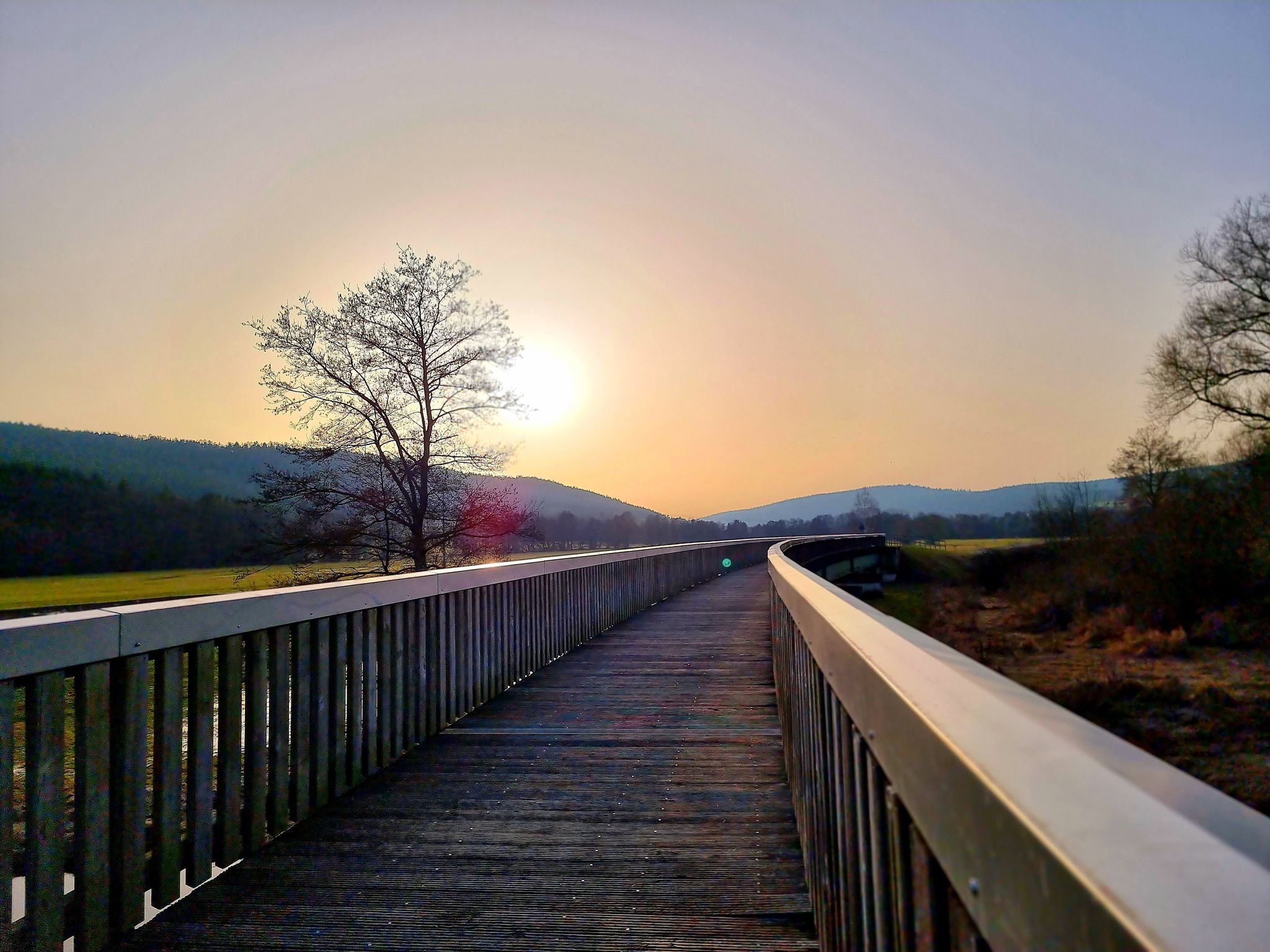
Bavaria-Bohemia long-distance cycling trail – Crossing borders
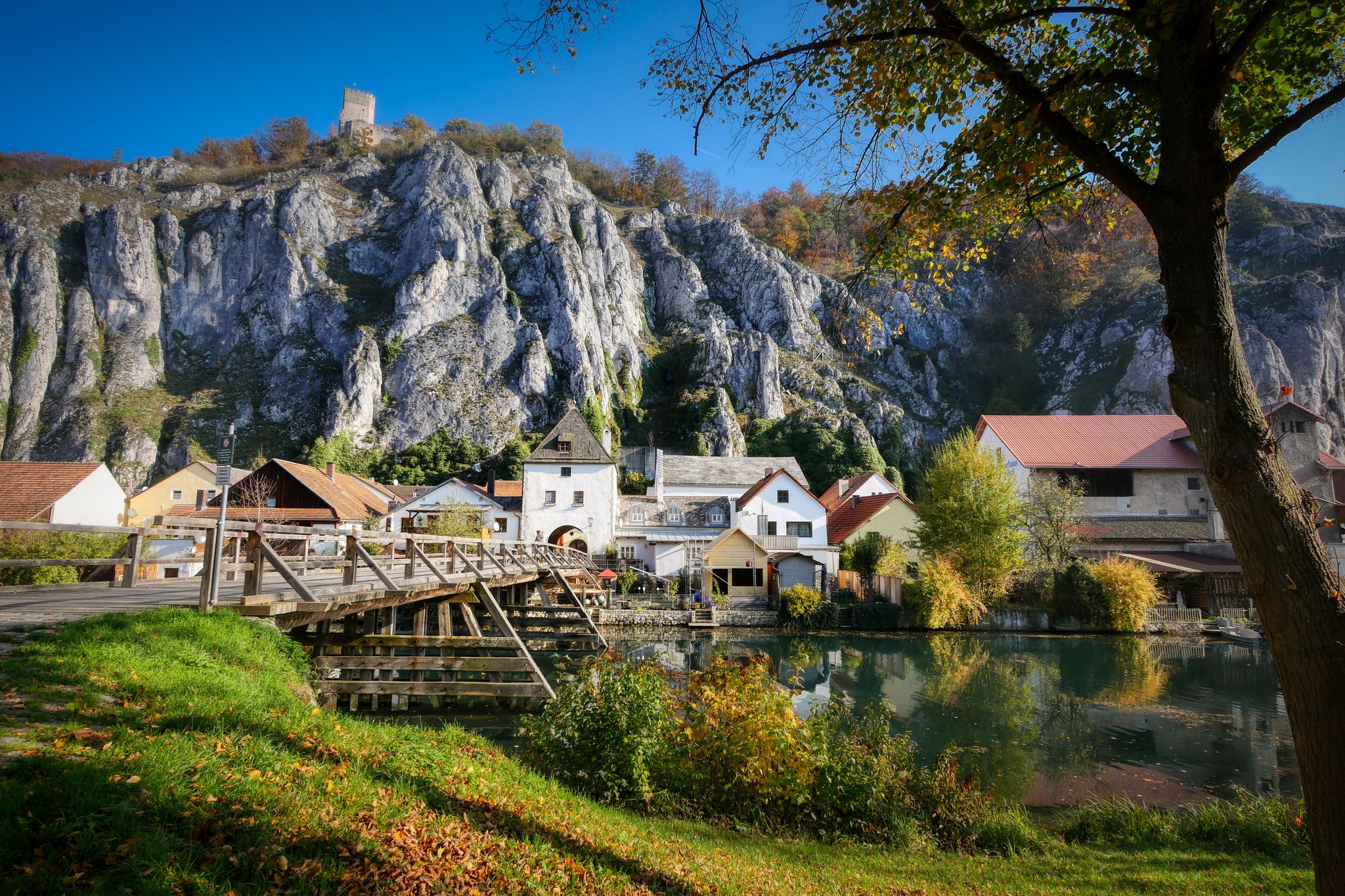
Jurasteig — hiking in the heart of Bavaria
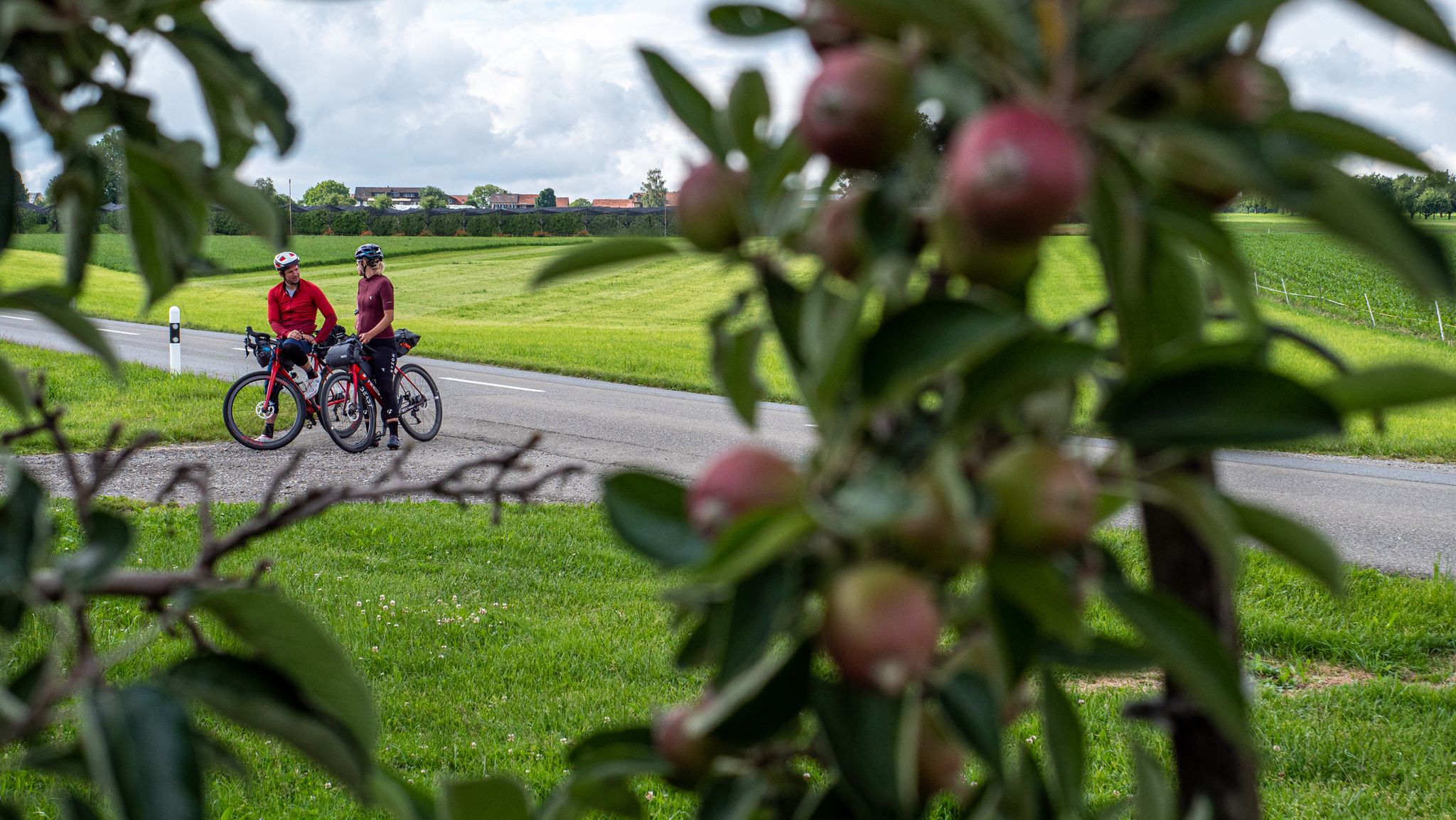
SEND IT! Germany by bike with two mountain bike pros
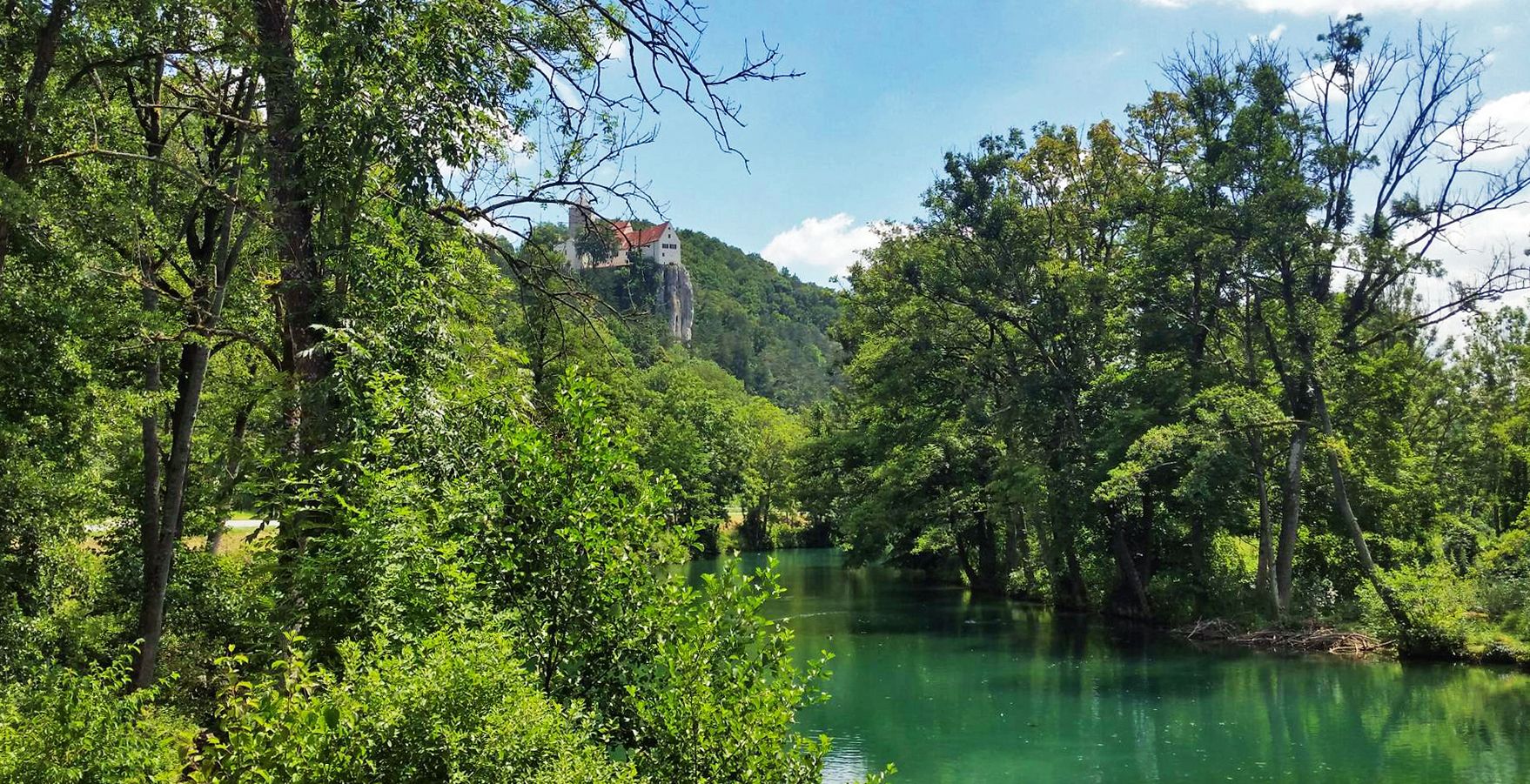
Five Rivers Cycle Path — 5 stages along Bavaria's most beautiful rivers
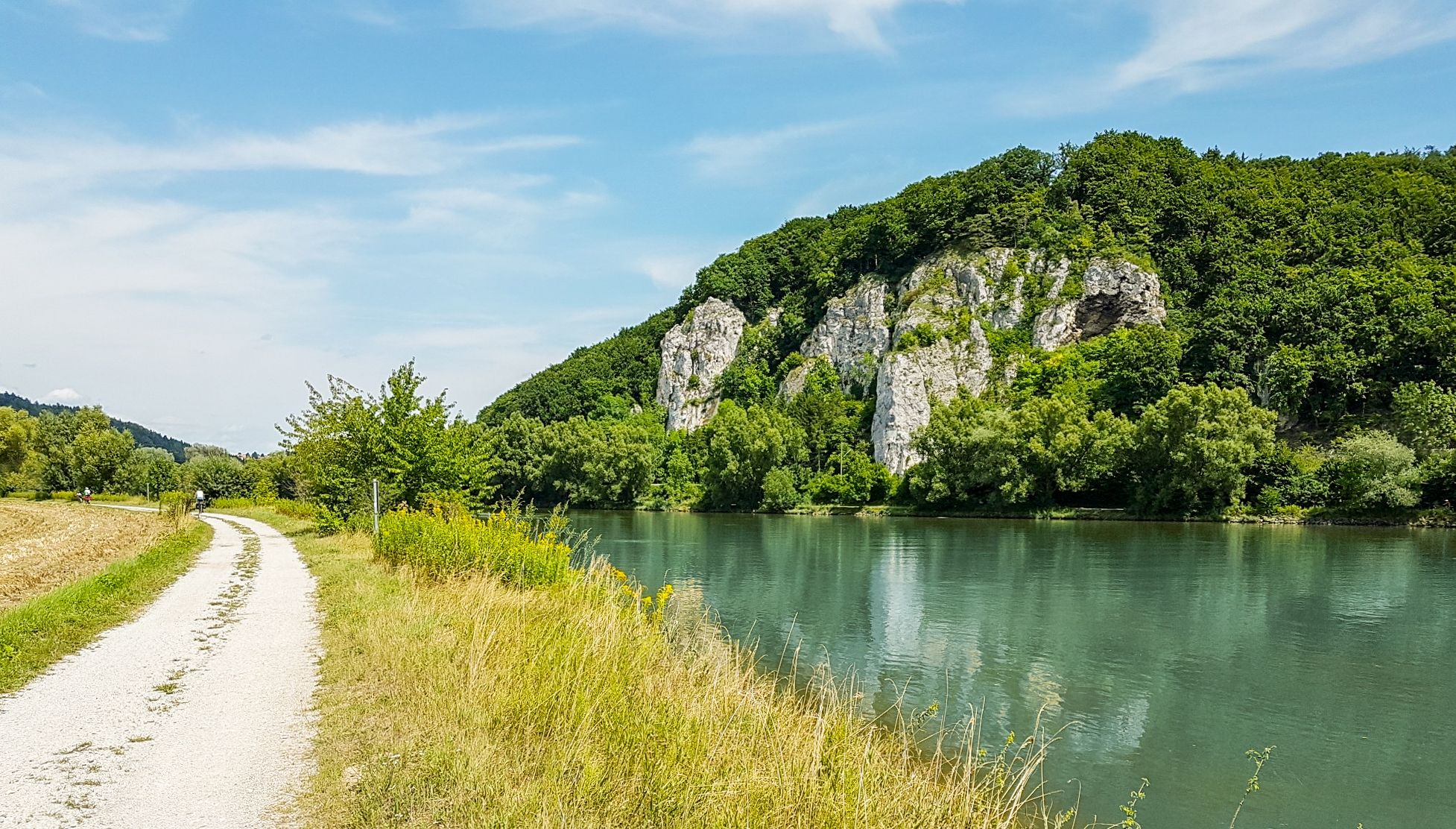
Donau-Panoramaweg – 10 days nature views and cultural insights
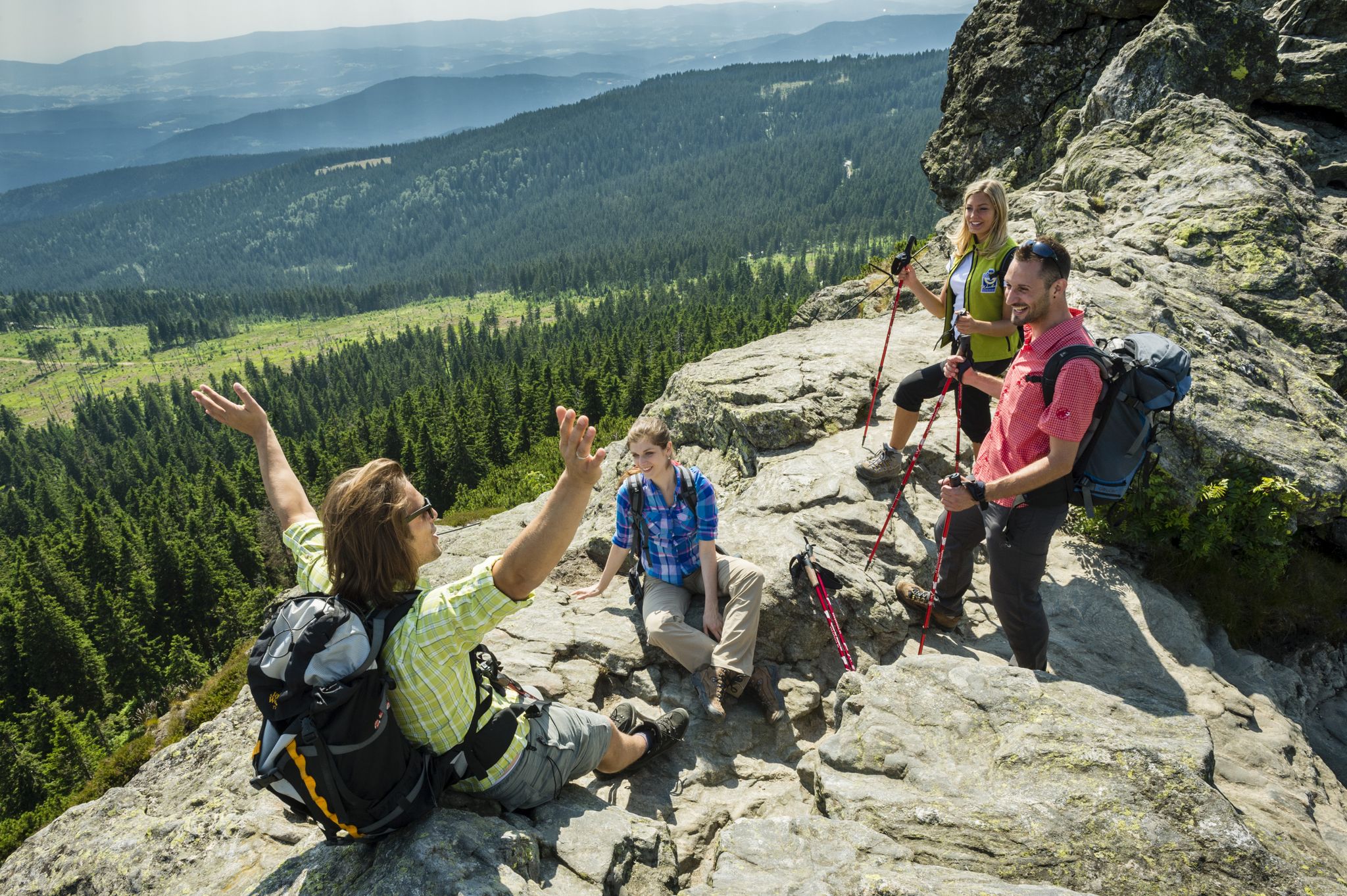
Goldsteig — The best routes for long distance hiking in Eastern Bavaria
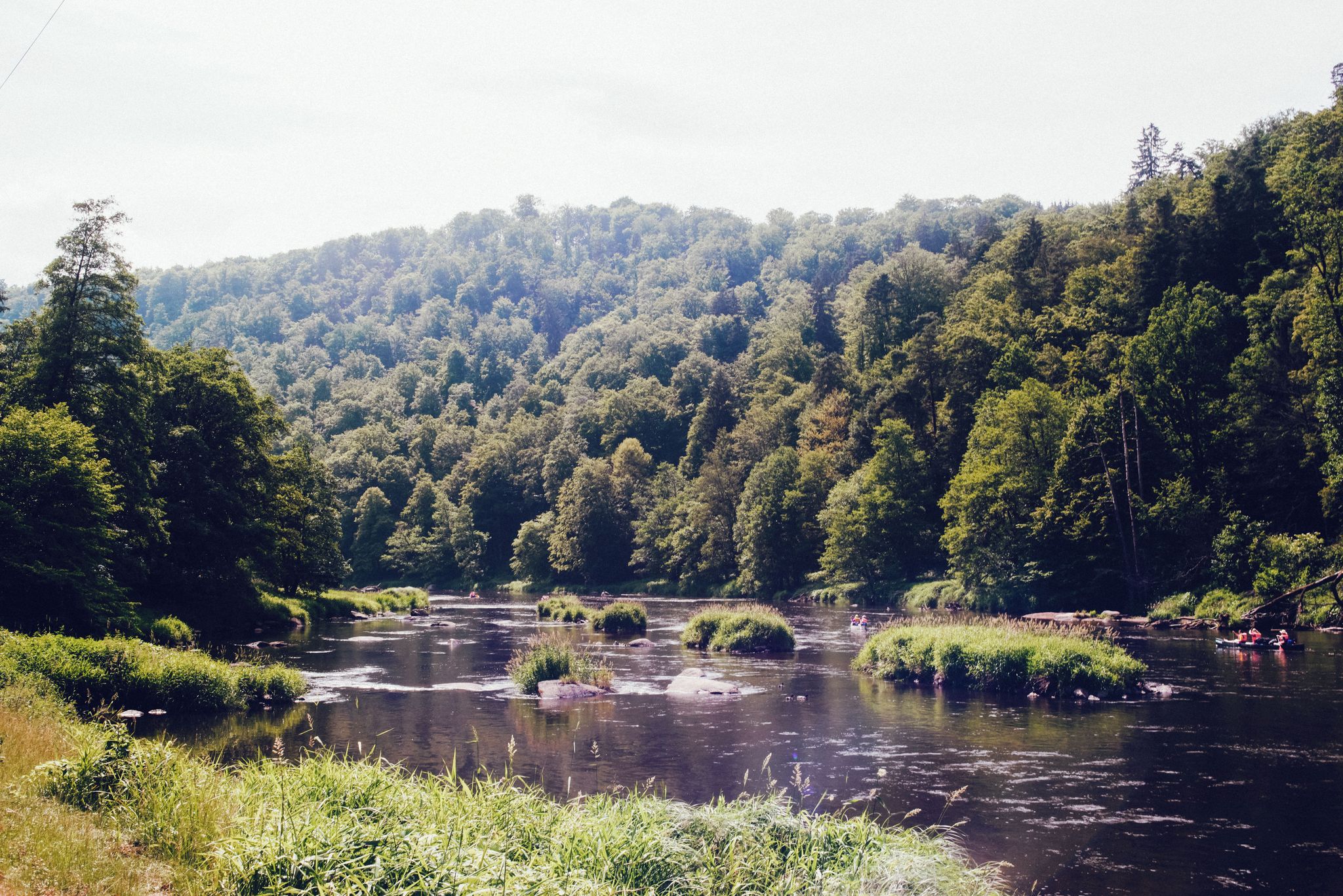
The Rain valley cycle path — 4 days through the Bavarian Forest
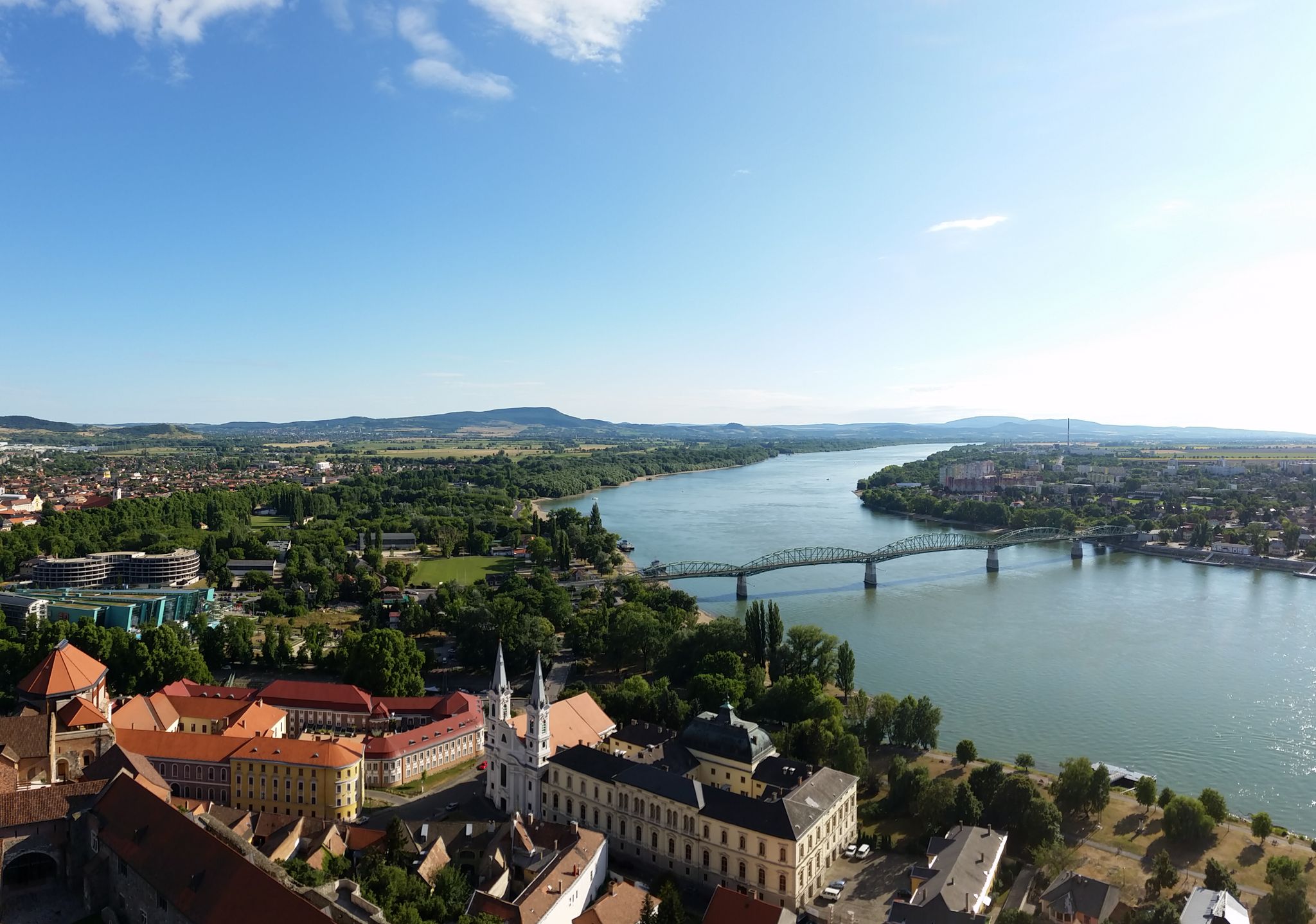
The Danube Cycle Path – From Donaueschingen to Budapest
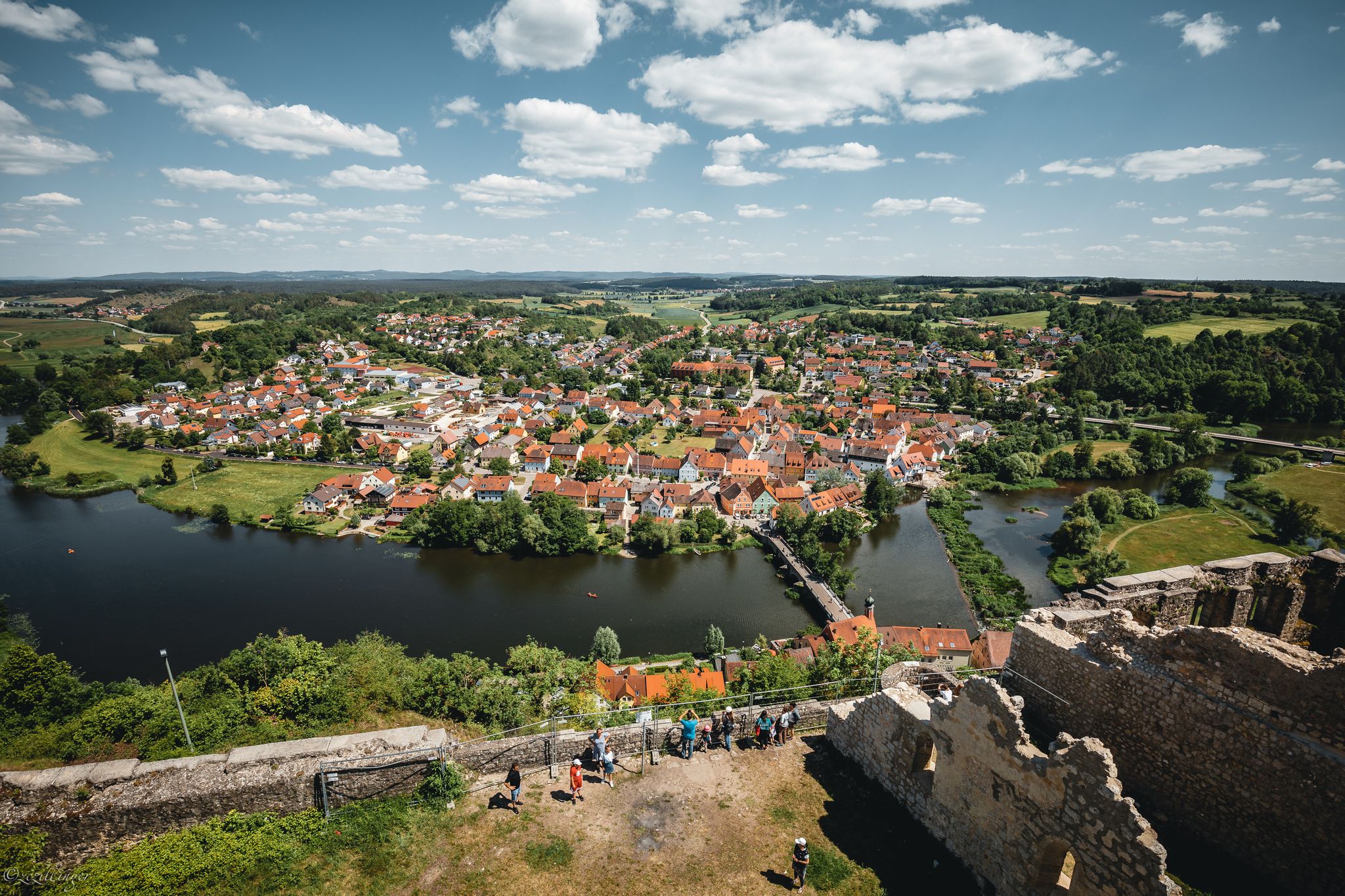
The Jura Trail — Bikepacking Bavaria
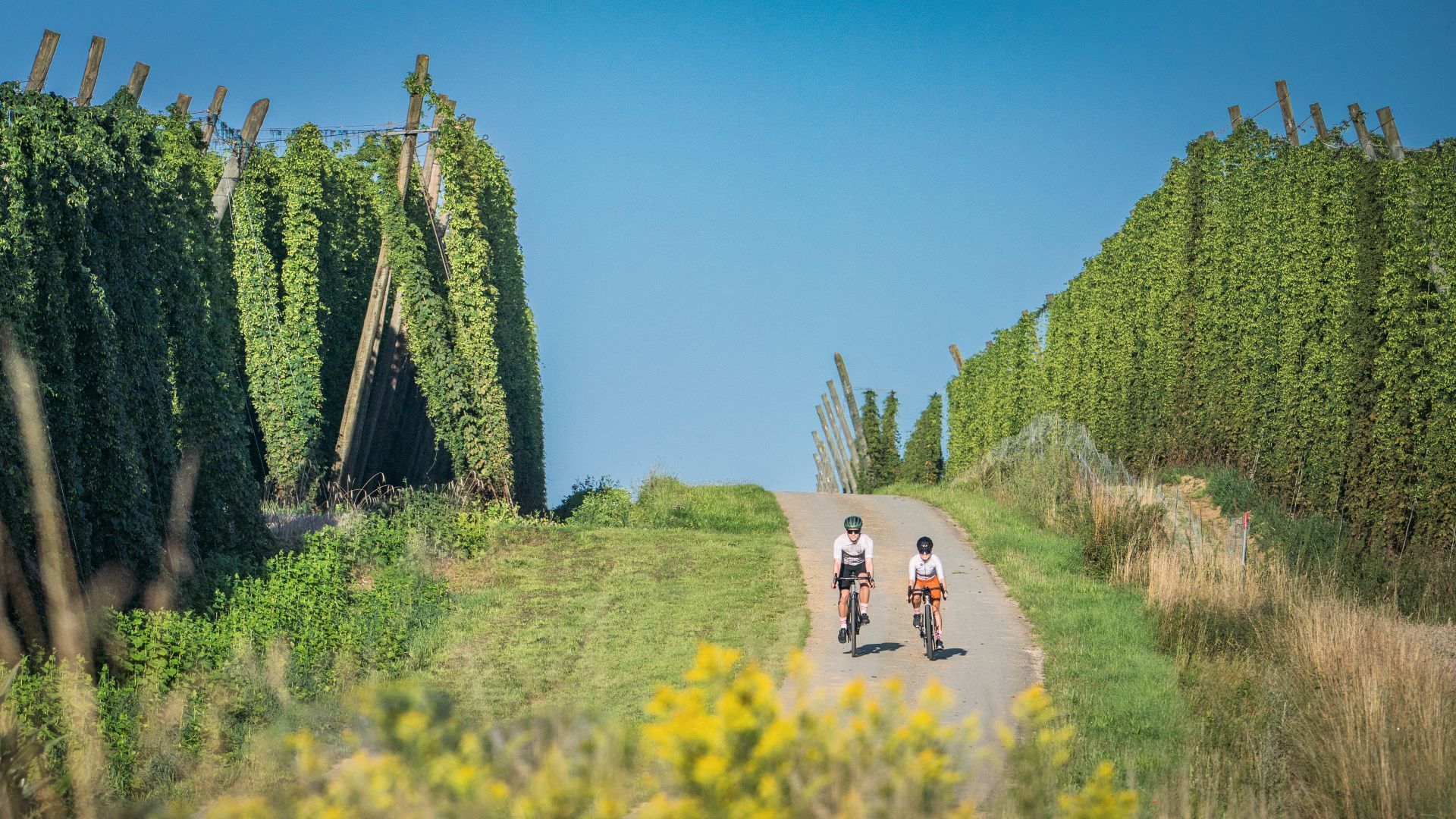
On a gravel bike through Altmühltal & Hallertau
Other adventures in Landkreis Regensburg


Tips from the Community

Hilltop castle built between the 12th and 14th centuries Used until the 16th century https://www.schwarze-laber.de/freizeit-kultur/burgen-schloesser/burgruine-loch
0
0


At the foot of the castle, on the bridge over the Black Laber River, there is a sign erected by the Friends of Loch Castle. A photo is attached to the highlight. Here are the links to short YouTube videos explaining parts of the castle: YouTube Channel https://youtube.com/@foerderkreisburgruineloch6645 The Cave https://youtu.be/7CmBjSyYRPk Castle Ruins https://youtu.be/bVxd4fSuqOU Keep https://youtu.be/kYCP3DWWLNM
0
0

The Höhlenburg Loch > a geotope The Höhlenburg Loch is one of only two cave castles in Bavaria (the second is in Stein an der Traun in Upper Bavaria). The lower, flatter part of the castle complex lies in slab dolomites belonging to the Velburg Horizon. The steep wall, at the base of which the (residential) caves appear, is formed by mass dolomites of the Middle Franconian Alb Formation. Bavarian State Office for the Environment (LfU). https://www.umweltatlas.bayern.de/standortauskunft/rest/reporting/sb_geotope/generate?additionallayerfieldvalue=375A026
1
0

Beautiful rock formations in the forest
2
0

Beautiful view back over the Vils
3
0
Rock formations are now majestically visible in March. They soon disappear into the sea of leaves and are then almost invisible again—unfortunately!
4
0

Frequently Asked Questions
What are some unique historical cave sites in Landkreis Regensburg?
Landkreis Regensburg features several caves with rich history. The House without a Roof (Kallmünz) is a fascinating cave dwelling, last inhabited in 1937, with its opening enclosed by a plastered wall. The Robber's Cave, formed during the Jurassic period, was used by Celts and later as a hideout. Additionally, the Loch Cave Castle Ruins represent one of only two cave castles in Bavaria, combining natural formations with historical fortifications.
Are there any caves in the region that are particularly interesting for nature enthusiasts?
Yes, the Robber's Cave is home to numerous bats, making it an interesting spot for nature observation. Visitors are advised to be quiet to avoid disturbing them. The Schutzfels Pentling is also a valuable geotope featuring a large protective rock cave.
Can I visit caves with guided tours in Landkreis Regensburg?
The Schulerloch Dripstone Cave, located in the Altmühltal about 30 km from Regensburg, can only be visited with a guided tour. It's known for its impressive formations and evidence of Neanderthal habitation.
What kind of geological features can be found in the caves of Landkreis Regensburg?
The region's caves are primarily formed in dolomite and limestone. The Robber's Cave, for instance, was formed by flowing water dissolving limestone during the Jurassic period. The House without a Roof (Kallmünz) is a natural cave in dolomite rock. The Schulerloch Dripstone Cave is a karst cave, estimated to be at least 1.5 million years old, featuring dripstone formations.
Are there any family-friendly options for exploring caves in Landkreis Regensburg?
Many of the publicly accessible caves, like the Robber's Cave, can be explored by families. The Schulerloch Dripstone Cave, with its guided tours and small museum, also offers an educational experience suitable for families. For a unique experience, the House without a Roof (Kallmünz) is a fascinating historical site to observe from the outside.
What outdoor activities can I do near the caves in Landkreis Regensburg?
The region offers various outdoor activities. You can find numerous hiking trails, including easy routes like the 'House without a Roof (Kallmünz) – Kallmünz Castle Ruins loop'. There are also road cycling routes and MTB trails available throughout Landkreis Regensburg, allowing you to combine cave visits with other adventures.
What should I know about visiting the Robber's Cave?
The Robber's Cave is publicly accessible and easy to find, located between Etterzhausen and Penk. It's a large cave hall with cracks and cavities, so bringing a flashlight is recommended. Remember to be quiet inside, as it's home to numerous bats.
Are there any caves that were used as ancient dwellings in the area?
Yes, several caves in the region show evidence of ancient human habitation. The Schulerloch Dripstone Cave has findings confirming Neanderthal, Neolithic, and Bronze Age presence. The Klausenhöhle near Essing also served as a living cave during the Stone Age. The House without a Roof (Kallmünz) is a unique example of a cave adapted as a dwelling into more recent history.
What is the best time to visit the caves in Landkreis Regensburg?
Many caves, such as the Schulerloch Dripstone Cave, are closed in winter due to bat hibernation. Therefore, the warmer months, typically from spring to autumn, are generally the best time to visit to ensure access and enjoy the surrounding natural beauty.
What do visitors enjoy most about the caves in Landkreis Regensburg?
Visitors appreciate the unique combination of natural beauty and historical significance. The House without a Roof (Kallmünz) is a popular highlight for its architectural curiosity, while the Robber's Cave is enjoyed for its size and natural features. The region's cave castles and protective rock caves also offer a glimpse into the area's geological and cultural past.
Are there any challenging cave explorations in Landkreis Regensburg?
The Dürrloch Cave Entrance is categorized as challenging, suggesting a more demanding experience for those seeking adventure.
Can I find rock formations with multiple small caves in the region?
Yes, there is a Rock Formation with Caves that features several small caves, offering an interesting landscape to explore.
Most popular routes in Landkreis Regensburg
Most popular attractions in Landkreis Regensburg

Get inspired with the komoot mobile app


Didn’t find what you were looking for?
Discover more caves in Landkreis Regensburg region by region:
Explore more
Extend your search for the best caves by checking out these guides of the top ones in Landkreis Regensburg:
