Top 20 Lakes in Salzlandkreis
Lakes in Salzlandkreis, located in Saxony-Anhalt, Germany, offer diverse natural and recreational opportunities. The region features former lignite mining areas transformed into significant bodies of water, alongside natural oxbows and quarry lakes. These areas provide habitats for various wildlife and serve as destinations for outdoor activities. Salzlandkreis is characterized by its blend of renatured landscapes and established recreational facilities around its lakes.
Best lakes in Salzlandkreis
- The most popular lakes is Löderburger See Beach and Recreation Area, a beach…
Last updated: October 12, 2026
View of Lake Concordia
Highlight • Viewpoint
Translated by Google •
Tip by

Villa Westerberge
Highlight • Monument
More information under:
villa-westerberge.de
Translated by Google •
Tip by

Sign up now to discover places like this
Get recommendations on the best single tracks, peaks, & plenty of other exciting outdoor places.
Löderburger See
Highlight • Lake
Translated by Google •
Tip by

Silbersee Quarry and Mine Tunnels
Highlight • Structure
But if you are looking for the ultimate highlight, you should go through the tunnel to the other side.
Translated by Google •
Tip by

Concordia Lake
Highlight • Lake
Translated by Google •
Tip by

Saale Oxbow Aderstedt
Highlight • River
Translated by Google •
Tip by

Schloss Warmsdorf Ruins and Pond
Highlight • Castle
Translated by Google •
Tip by
Ice cream parlor at Kolumbussee
Highlight • Cafe
Closed on Mondays
Tuesday 2:00 p.m. – 7:30 p.m
Wednesday 2:00 p.m. – 7:30 p.m
Thursday 2:00 p.m. – 7:30 p.m
Friday 13:00 - 20:30
Saturday 13:00 - 20:30
Sunday 13:00 - 20:30
Translated by Google •
Tip by

Löderburger See Beach and Recreation Area
Highlight • Beach
Translated by Google •
Tip by

Wilslebener Lake
Highlight • Lake
Translated by Google •
Tip by

Sign up for free to discover even more lakes in Salzlandkreis.
Already have an account?
Start today with a free account
Your next adventure awaits.
Popular around Salzlandkreis
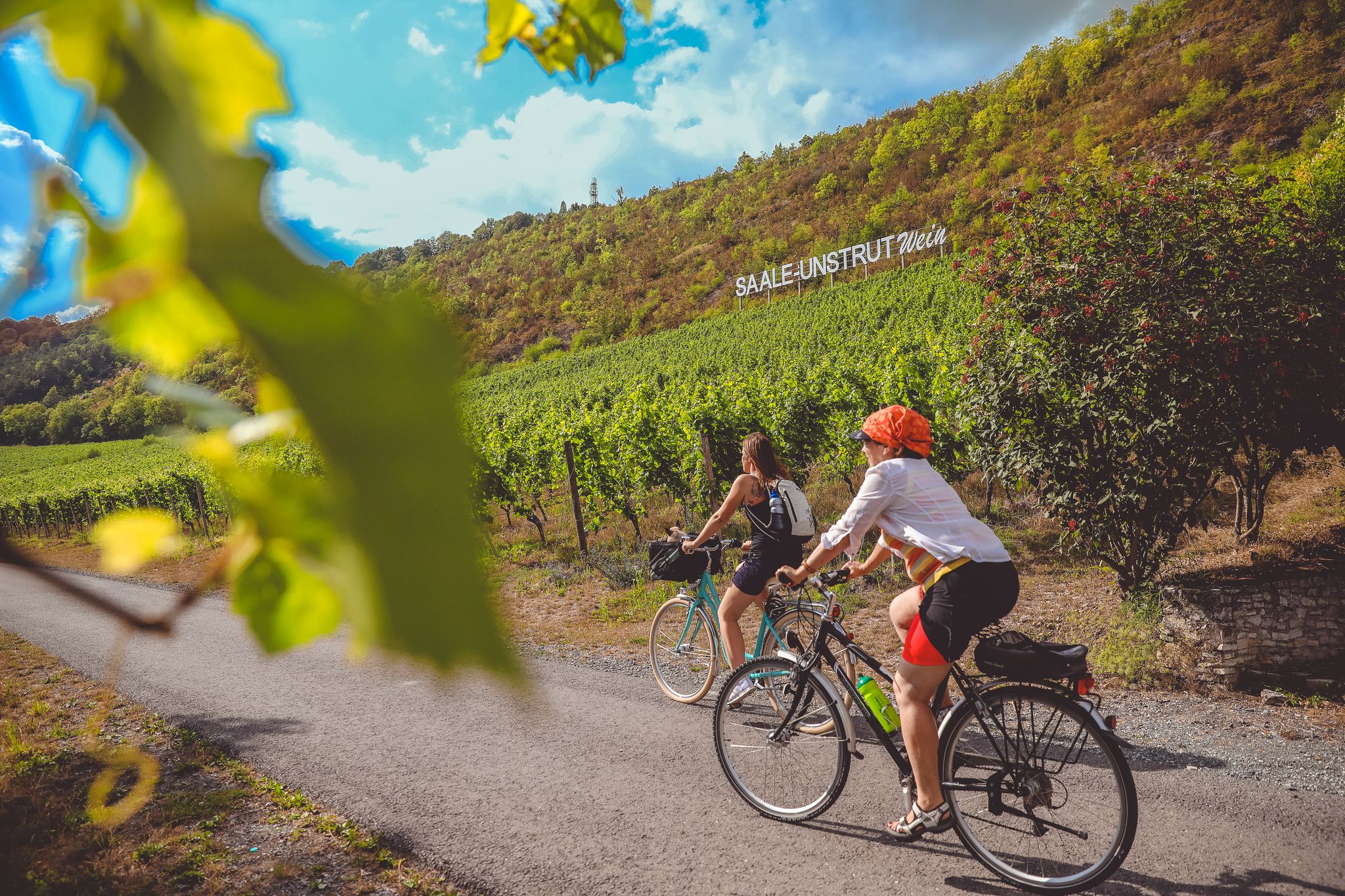
Saale Cycle Path part 2 – culture and nature along the river
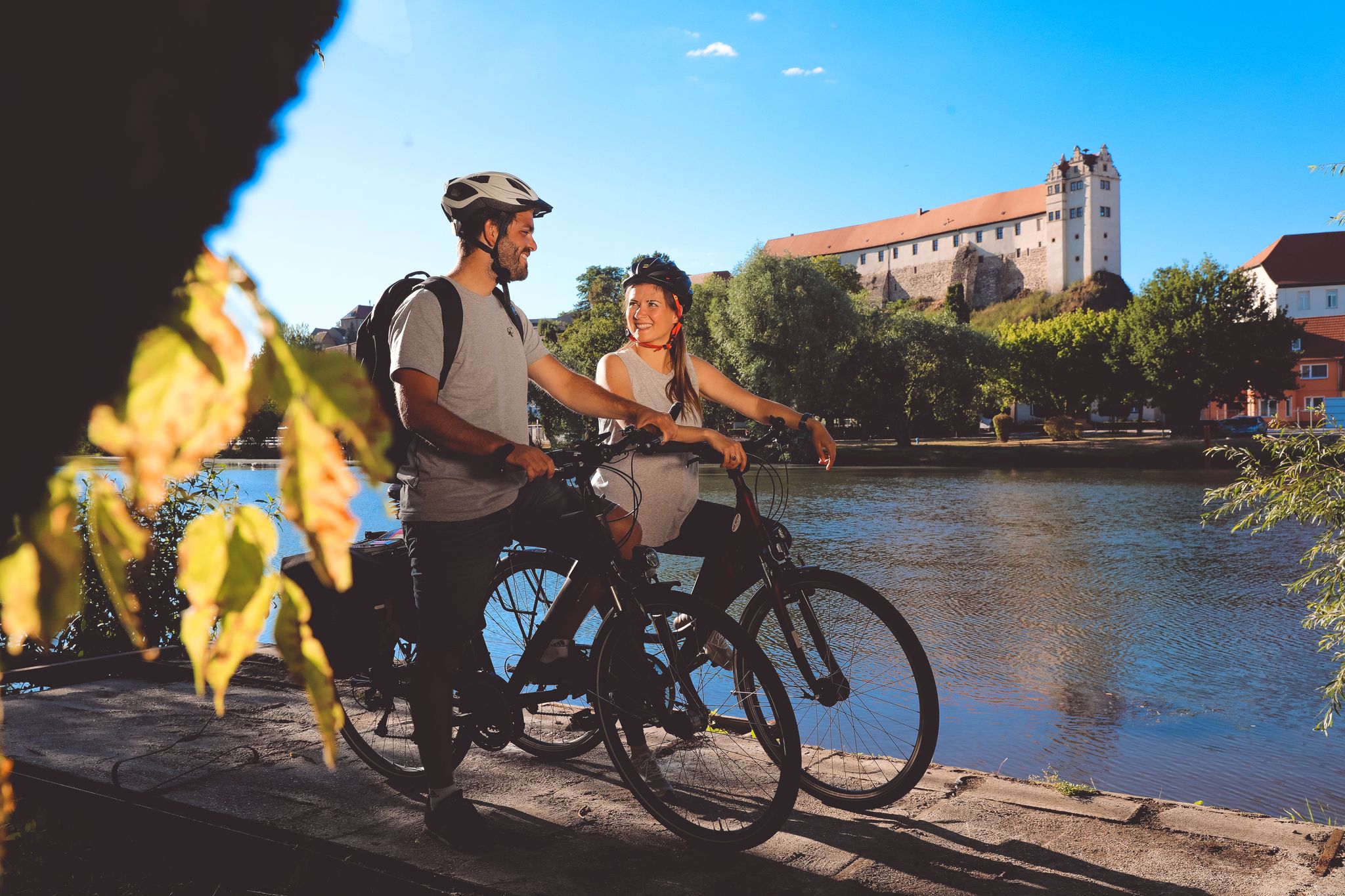
Saale Cycle Path — 9 stages from the source of the Saale to the Elbe
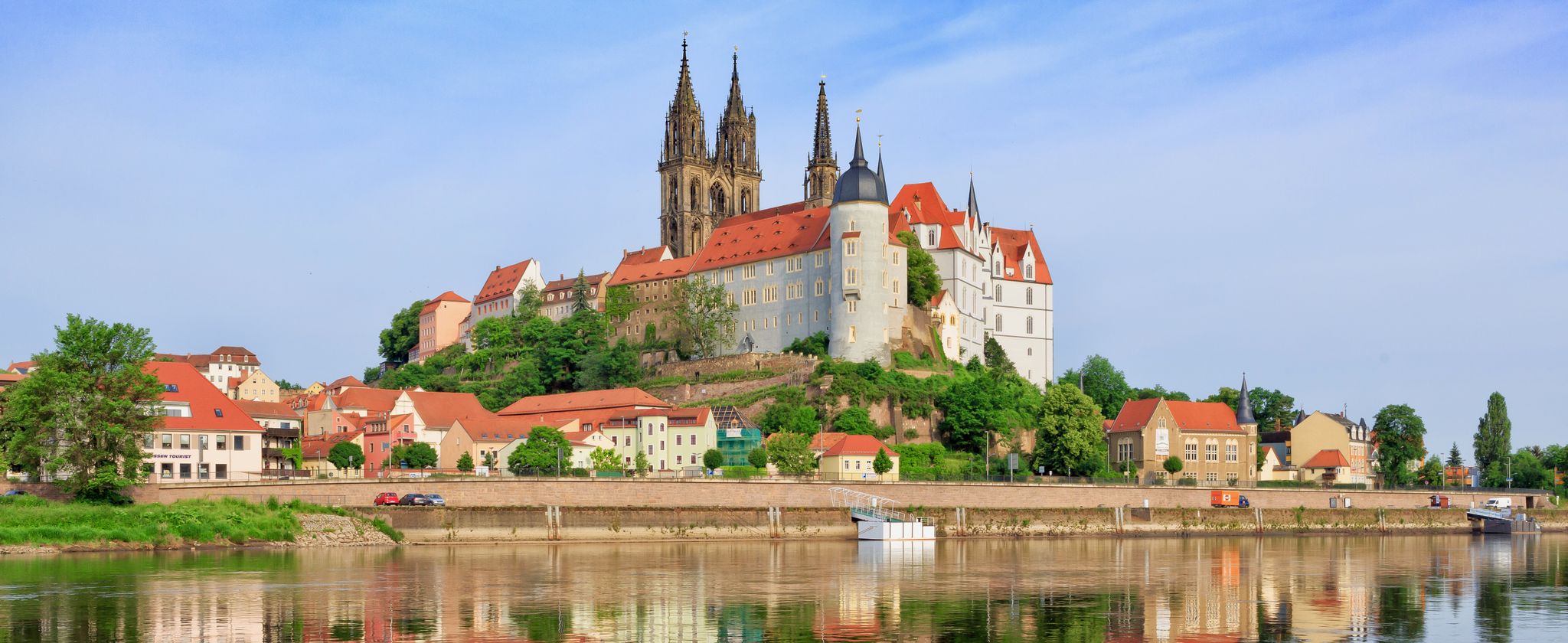
The Elbe Cycle Path — cross-border cycling pleasure
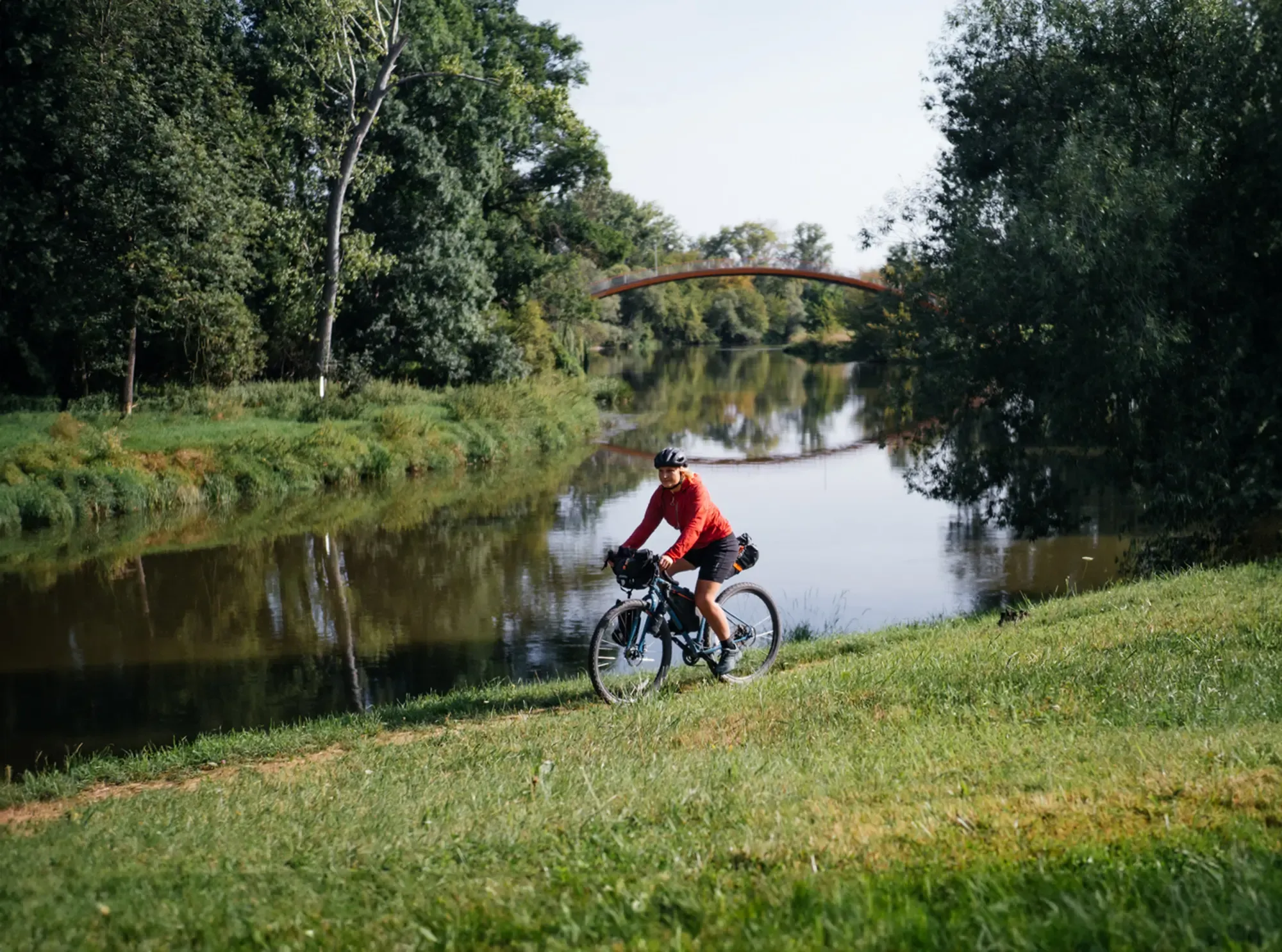
Out with Fräulein Draußen on the Saale Cycle Path
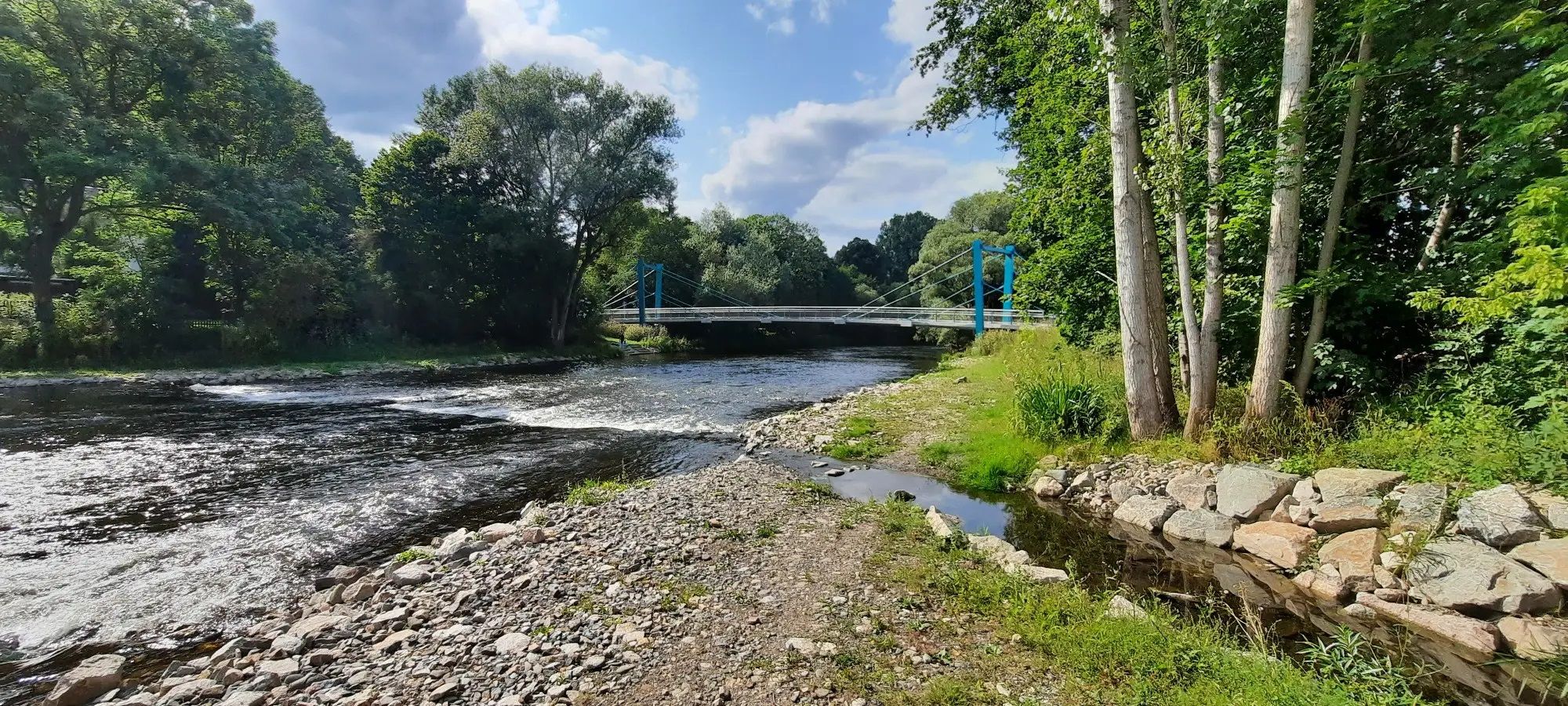
D-Route 11 – Baltic Sea - Upper Bavaria
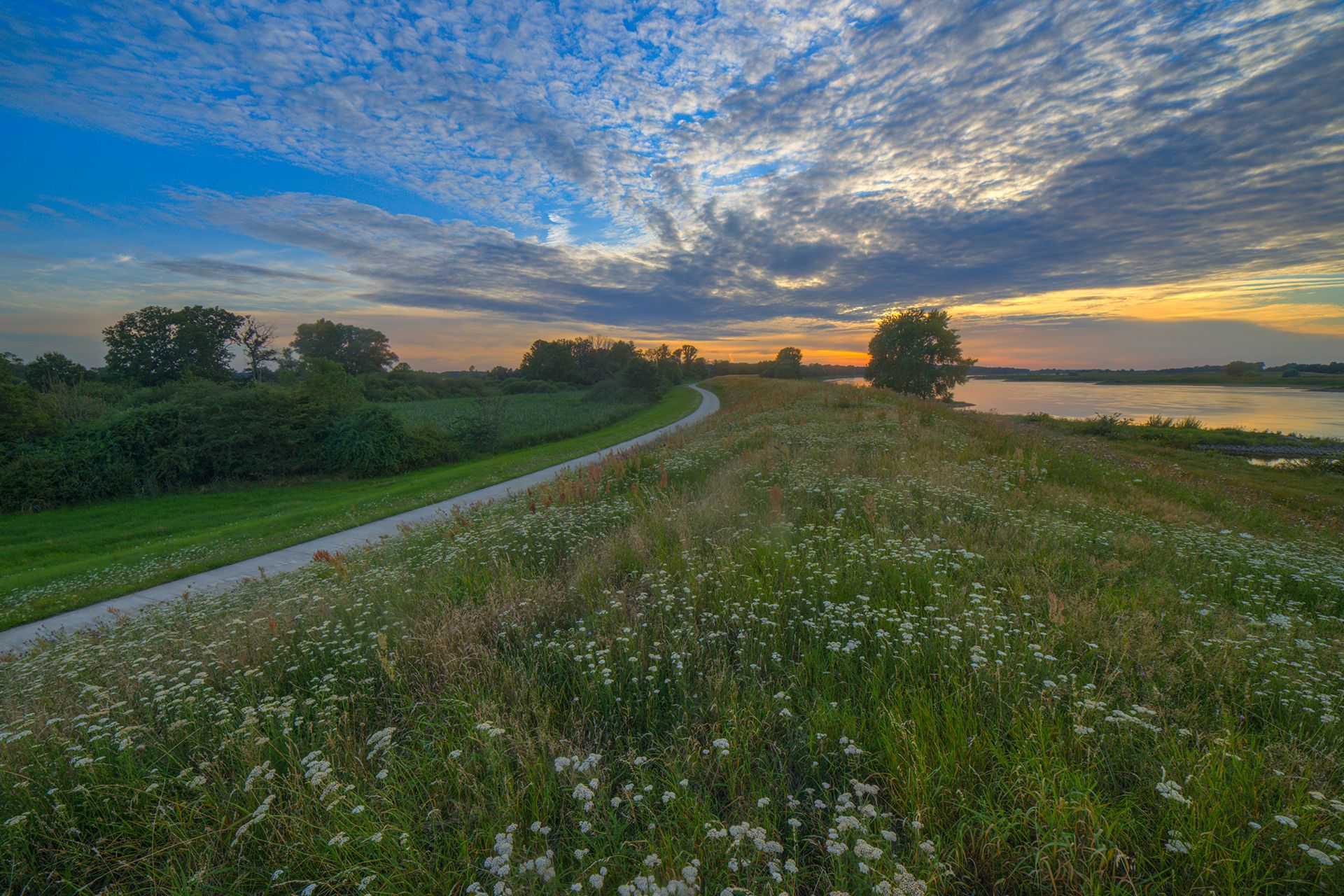
D-Route 10: Elbe Cycle Route
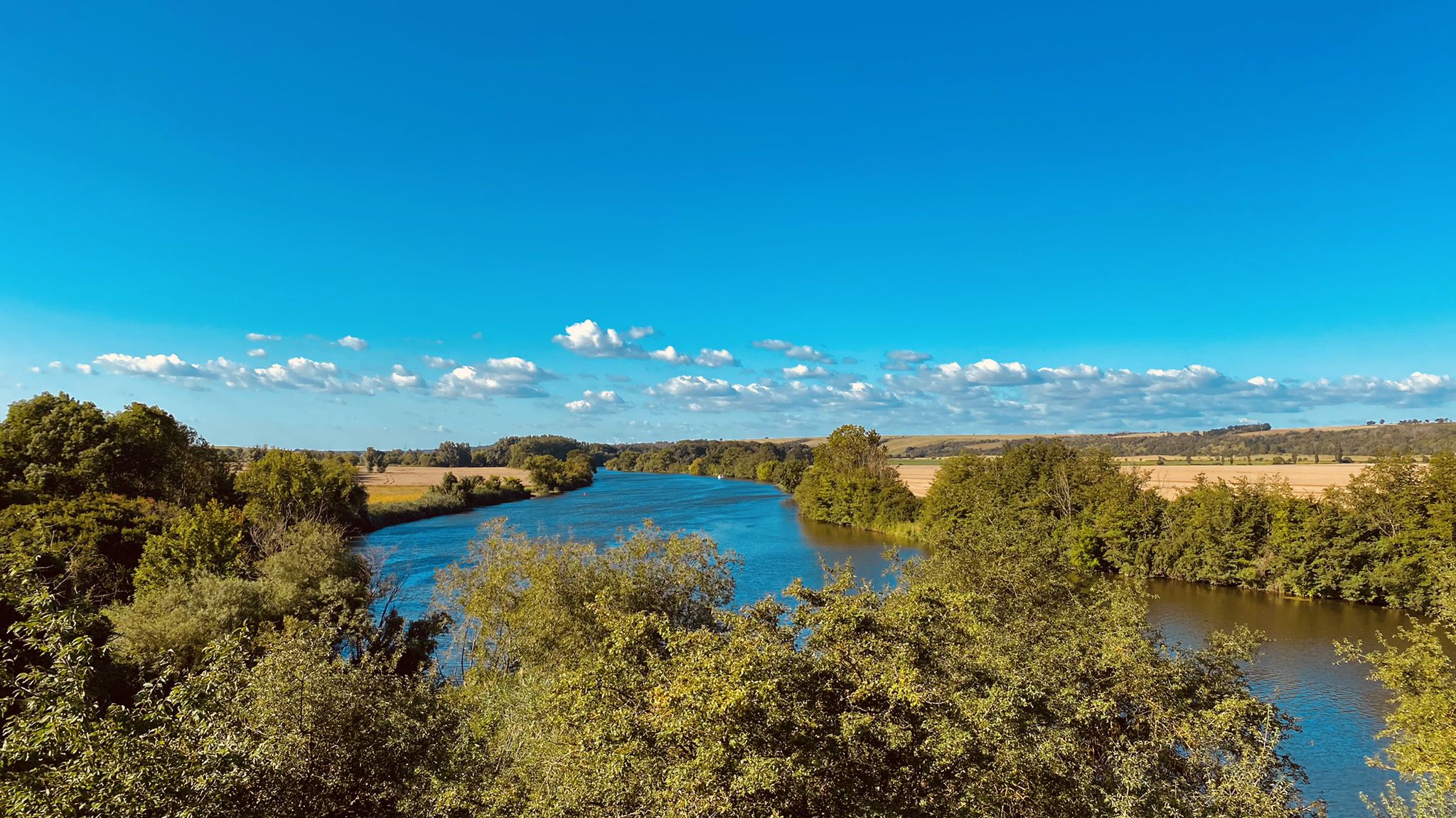
Nature trails for big & small in the nature park "Unteres Saaletal"
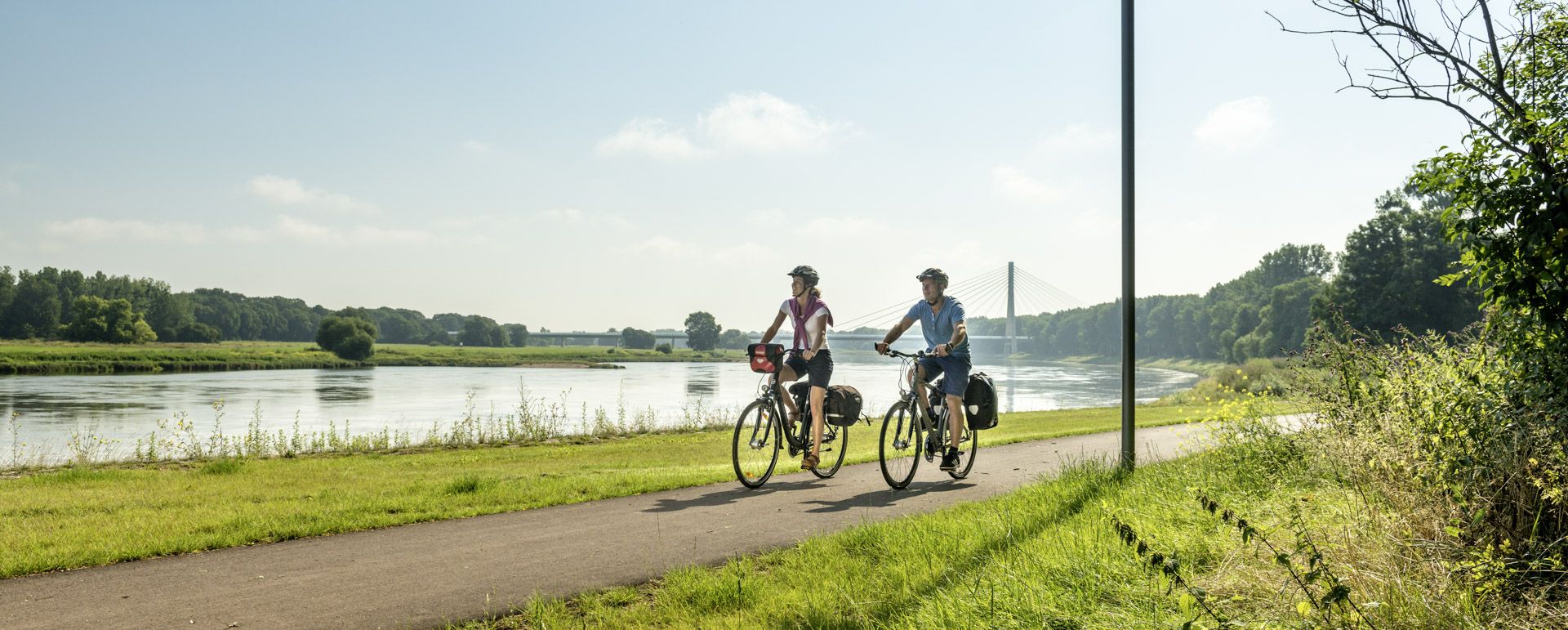
Cycling in Saxony-Anhalt – Where nature and culture combine
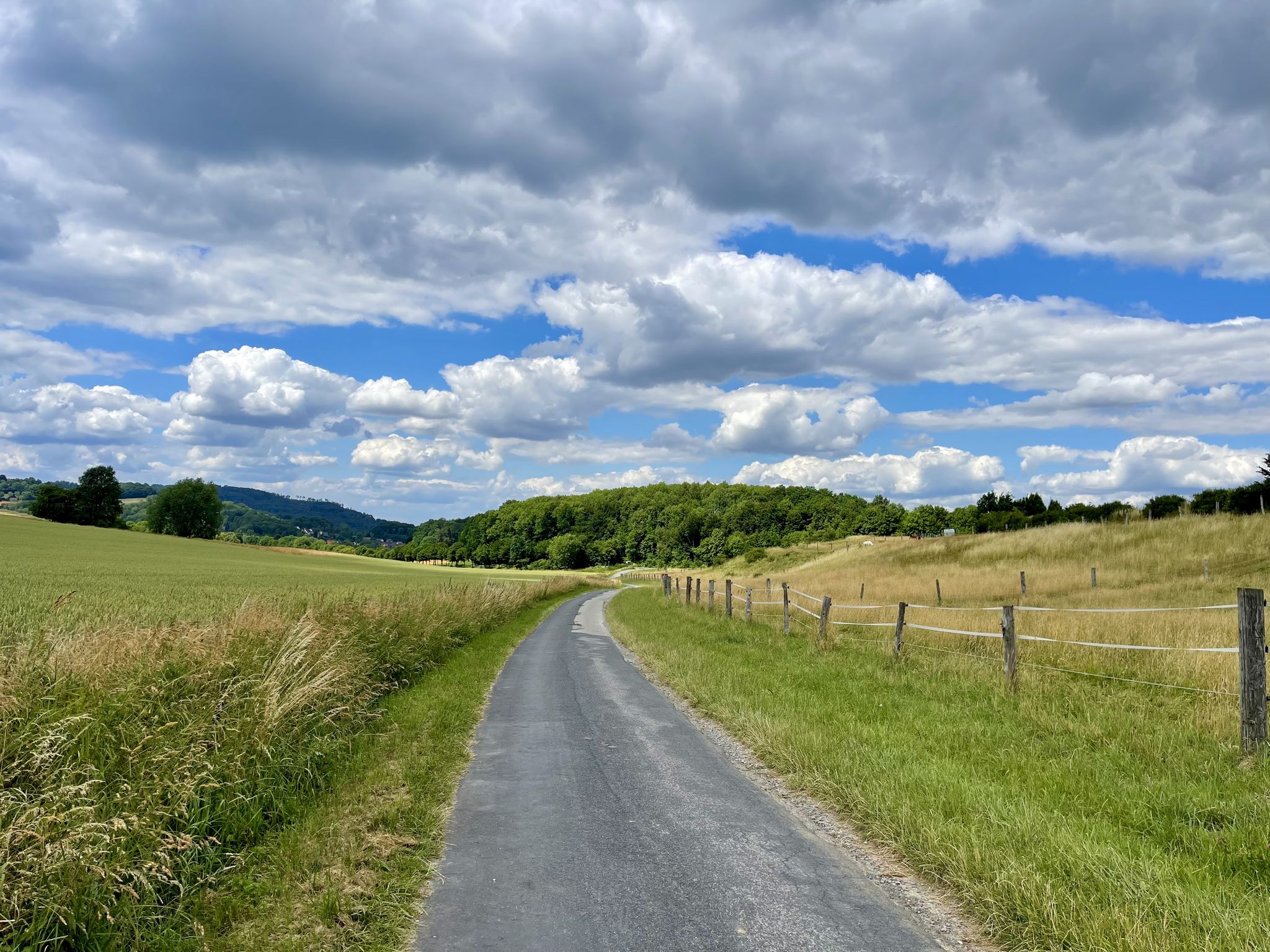
D-Route 3: European Route R1
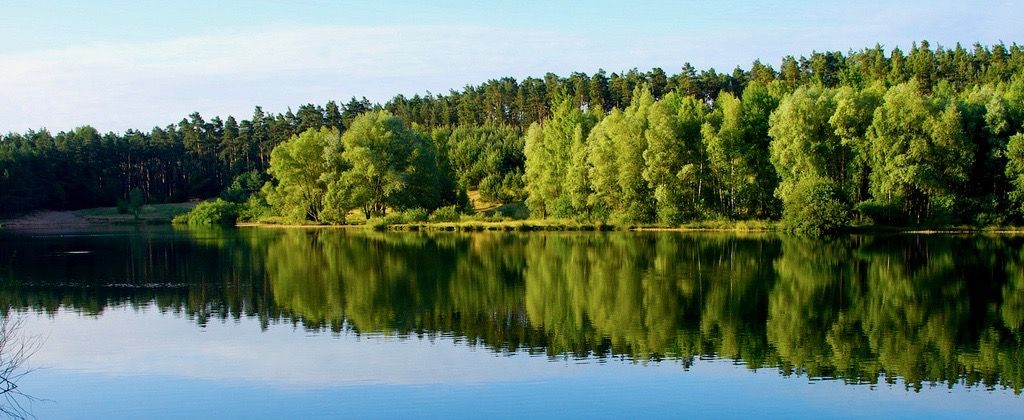
33 lakes for sunny weekends
Other adventures in Salzlandkreis


Tips from the Community

The stamp box is somewhat hidden opposite the entrance stairs - briefly asked at the hotel, friendly led to it, they promised to cut the box a little free
1
0

The lake is almost always used for angling, as fishing rights are legally granted to every body of surface water. Since this is accompanied by a duty of care in most German federal states, the aim is to maintain a near-natural fish population in gravel pits used for fishing through stocking[4]. Some lakes have beaches or are also set up for other types of water sports, particularly boating, water skiing, or windsurfing. Large parking areas, lifeguards, and restaurants are also set up for these uses. Some gravel pits are accessible by public transport. In some cases, the gravel pit is subsequently used for nature conservation, such as the two gravel pits in the Aitrach gravel pit nature reserve.
0
0
Where mining has cut into the groundwater level, groundwater-fed quarry ponds are created. Less frequently, quarry ponds are deliberately created, primarily as local recreation areas. The mining pits are usually landscaped in accordance with legally required renaturation.
0
0
In common parlance, all water-filled remnants of a wet excavation are called "quarry lakes." In technical terms, it has been suggested that bodies of water with a size of less than three hectares and a water depth of less than four meters be called "gravel ponds," as they do not meet the limnological definition of a lake.[2] However, this has not been adopted.
0
0
A gravel pit (also known as a quarry lake, gravel pit, or gravel pond in Austria) is an artificial, usually relatively small lake created by dredging sand and gravel deposits (gravel mining), usually by wet mining. It is often flowed through by groundwater.
0
0

Fishing, sure, maybe dangle your legs and cool off, but definitely not swimming! The lake was formed as a result of subsidence from a former coal mine...so swimming can be life-threatening.
0
0

The Saale oxbow at Aderstedt near Bernburg is a branch of the Saale River, cut off from the Saale and littered with trees. Directly adjacent to the oxbow is an allotment garden colony, and the Wipper River also flows through this area.
1
0
Benches on the path directly between the oxbow lake and the Saale invite you to linger.
1
0
Frequently Asked Questions
What are the main recreational lakes in Salzlandkreis?
The primary recreational lakes in Salzlandkreis are the Löderburger See and the cluster of lakes around Plötzky, including Kleiner Waldsee and Grüner Waldsee. Löderburger See is known for its excellent water quality and extensive amenities, while the Plötzky lakes are part of an adventure park offering various activities.
Are there family-friendly lakes in Salzlandkreis with activities for children?
Yes, several lakes are very family-friendly. Löderburger See Beach and Recreation Area offers a 400-meter sandy beach, playgrounds, a large waterslide, and pedal boat rentals. The Kleiner Waldsee at Plötzky Adventure Park also features a sand beach, a bathing island, a slide, and a water trampoline, alongside other park facilities.
What kind of water sports and activities are available at the lakes?
At Löderburger See, you can enjoy swimming, rowing, pedal boating, stand-up paddleboarding, beach volleyball, sailing, surfing (upon request), fishing, waterskiing, and introductory diving. The Kleiner Waldsee in Plötzky is also suitable for swimming and has a water trampoline.
Are there nature reserves or areas for wildlife observation around the lakes?
Yes, the Wilslebener Lake is a significant nature reserve, recognized for its rich biodiversity. It provides a vital habitat for numerous bird species, dragonflies, amphibians, and reptiles, making it an excellent spot for nature observation. Its shores feature extensive reed belts and riparian forests.
Can I find hiking trails near the lakes in Salzlandkreis?
Absolutely. The region offers various hiking opportunities. For example, you can find trails around Lake Concordia, which is also suitable for cycling. The Plötzky lakes are nestled within a wooded recreational area with paths. For more detailed hiking routes, you can explore the Hiking in Salzlandkreis guide, which includes routes like the 'Naturpark "Unteres Saaletal" - Small hike in Plötzkauer Auwald'.
What is special about Lake Concordia?
Lake Concordia is the largest artificial lake in the Harz foreland, formed from a former lignite mining area. It's a renatured area with lidos, sports facilities, adventure playgrounds, and quiet hiking and nature trails. A beautiful cycle path invites you to ride around the lake, which is also great for families.
Are there any historical sites or landmarks near the lakes?
While the lakes themselves are primarily natural or renatured, you can find historical sites in the broader region. For instance, the Schloss Warmsdorf Ruins and Pond offer a glimpse into the area's history. The Plötzky Adventure Park also has a local history museum nearby.
What amenities are available at Löderburger See?
Löderburger See is a full-service leisure destination. It provides a 400-meter sandy beach, grassy areas, beach chairs and loungers for rent, camping facilities, and gastronomy options. You'll find everything from restaurants to cafes to enhance your visit.
Can I go cycling around the lakes in Salzlandkreis?
Yes, cycling is a popular activity. Lake Concordia has a beautiful cycle path around it, suitable for all ages. The Saale Oxbow Aderstedt also features a well-developed cycle path. For more cycling routes, refer to the Road Cycling Routes in Salzlandkreis guide.
What do visitors enjoy most about the lakes in Salzlandkreis?
Visitors particularly appreciate the well-maintained facilities, clean water, and diverse leisure activities. Many highlight the beautiful beaches, opportunities for swimming and water sports, and the family-friendly atmosphere. The scenic landscapes and peaceful natural settings are also frequently praised.
Is there a 'Silbersee' in Salzlandkreis, and what can I do there?
While some regional lists mention a 'Silbersee', specific details for a prominent recreational 'Silbersee' within Salzlandkreis are not readily available. There is a highlight called Silbersee Quarry and Mine Tunnels, which suggests a more industrial or historical site rather than a typical recreational lake for swimming or extensive water sports.
Most popular routes in Salzlandkreis
Most popular attractions in Salzlandkreis

Get inspired with the komoot mobile app


Didn’t find what you were looking for?
Find the best lakes in Salzlandkreis per region:
Explore more
Still not found your perfect lake in Salzlandkreis? Check out the guides of these regions to see even more beautiful places.
