Top 5 Huts and Cabins in Northwest Mecklenburg
Best huts in Northwest Mecklenburg are found in a region characterized by its location between the Baltic Sea and the Sternberg Lakes, offering diverse natural landscapes. The area features a mix of coastal environments, forests, and hilly grasslands. Northwest Mecklenburg provides opportunities for outdoor activities, with its natural features and historical sites. The region is known for its varied terrain, suitable for exploration.
Best huts in Northwest Mecklenburg
- The most popular huts is Battlefield Memorial of Wakenstädt (Battle of Gadebusch…
Last updated: July 9, 2026
Battlefield Memorial of Wakenstädt (Battle of Gadebusch 1712)
Highlight • Historical Site
Translated by Google •
Tip by

Shelter in the Pine Forest by the Baltic Sea
Highlight • Mountain Hut
Translated by Google •
Tip by

Sign up now to discover places like this
Get recommendations on the best single tracks, peaks, & plenty of other exciting outdoor places.
Sign up for free
Shelter at Zehren–Bad Harzburg Junction
Highlight • Mountain Hut
Translated by Google •
Tip by

Shelter at Hütterberg
Highlight • Mountain Hut
Translated by Google •
Tip by

Start today with a free account
Your next adventure awaits.
Login or Signup
Popular around Northwest Mecklenburg
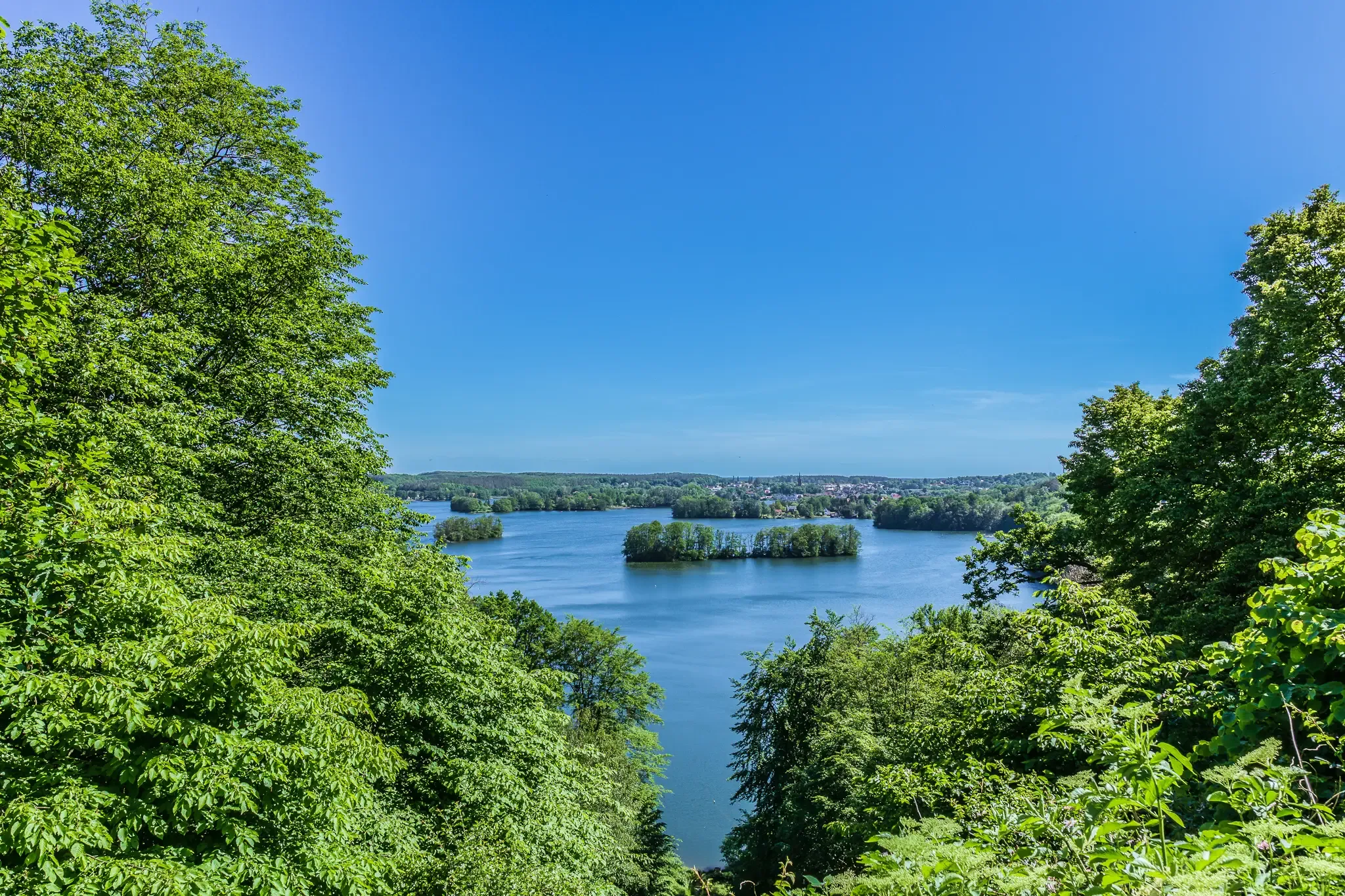
Germany's MV Nature Park Trail — Hike through epic natural landscapes
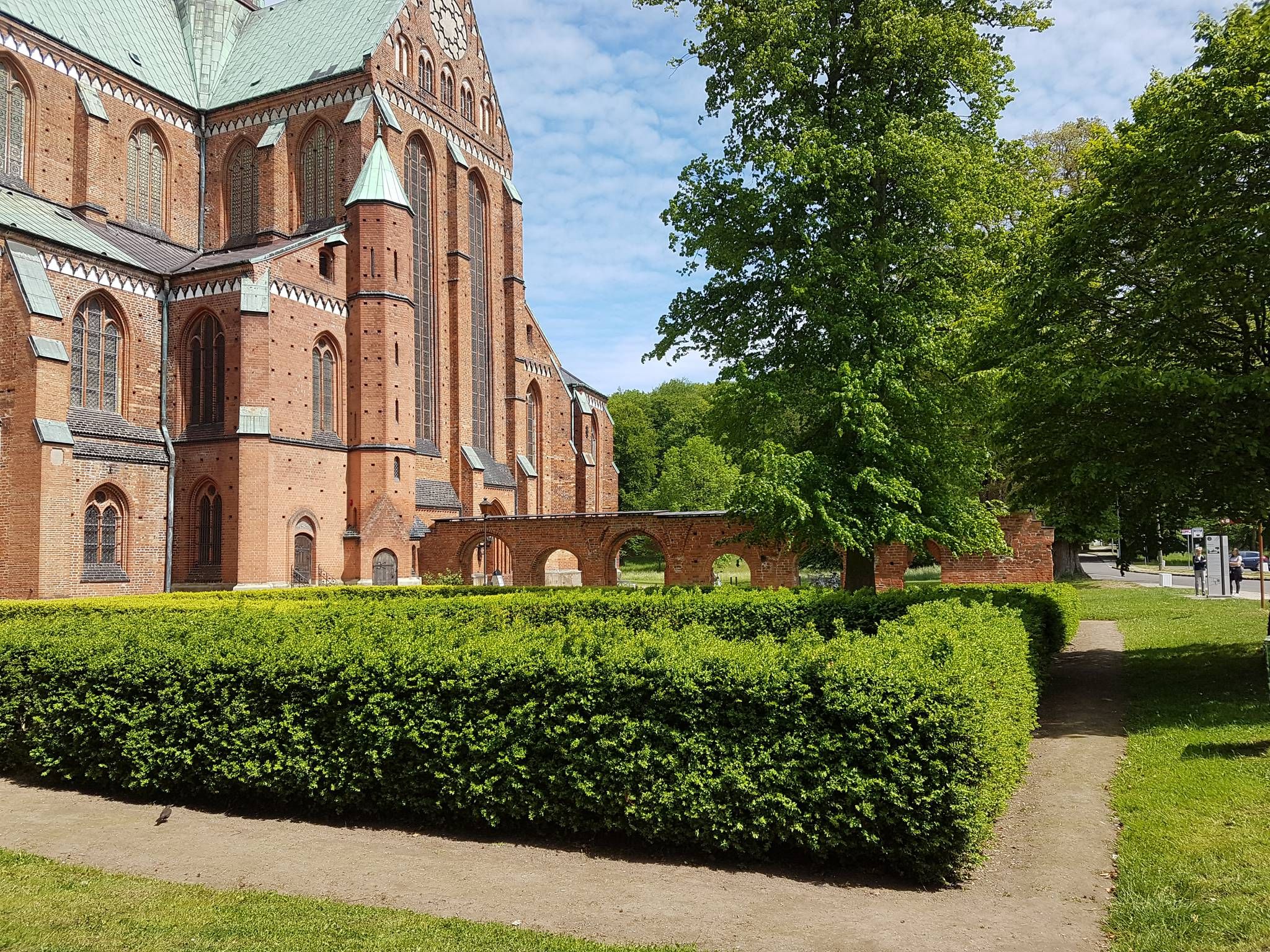
Discover Brick Gothic architecture by bike in Mecklenburg
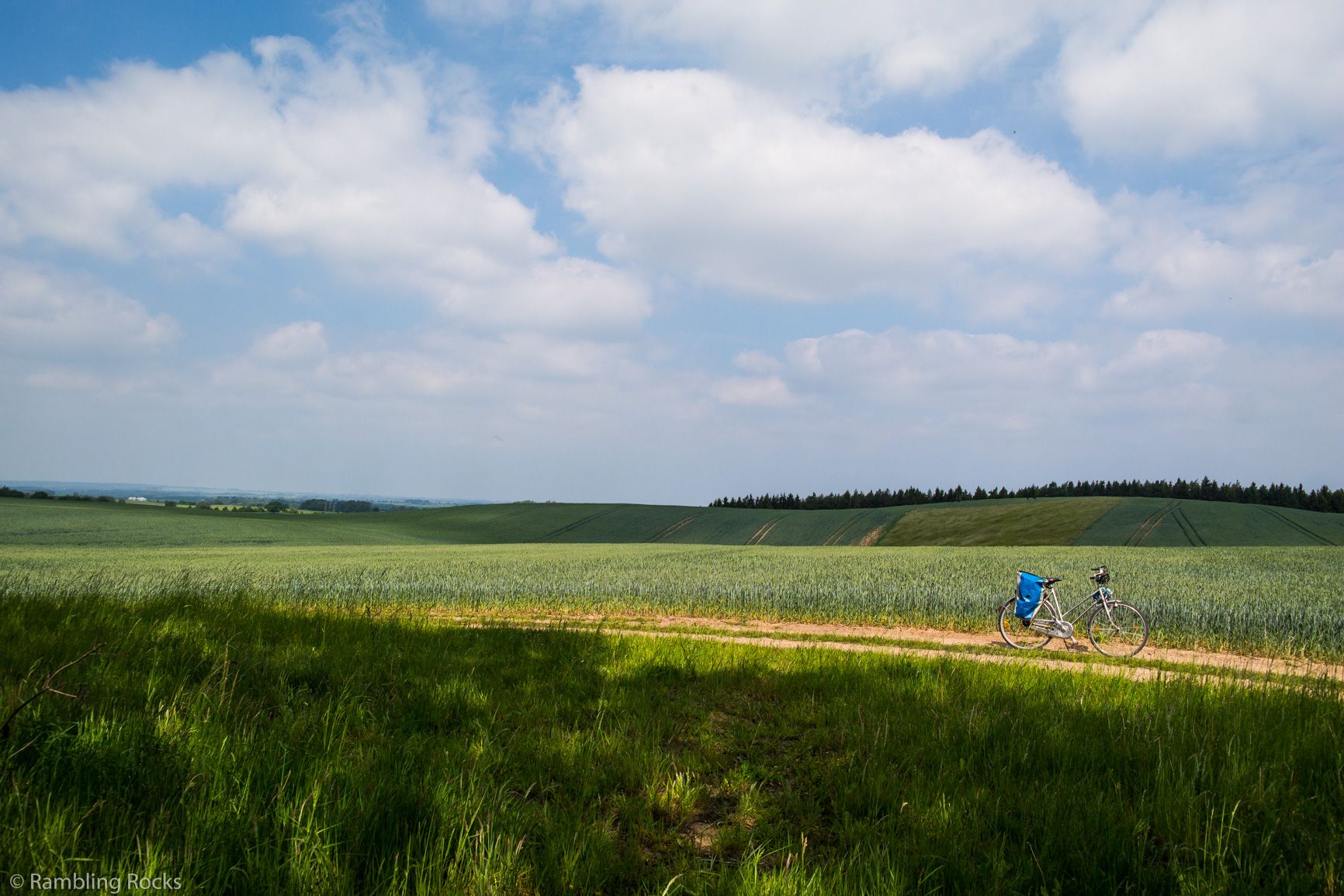
The Hanseatic Way – Cycling across North Germany to Poland, follow the cog!
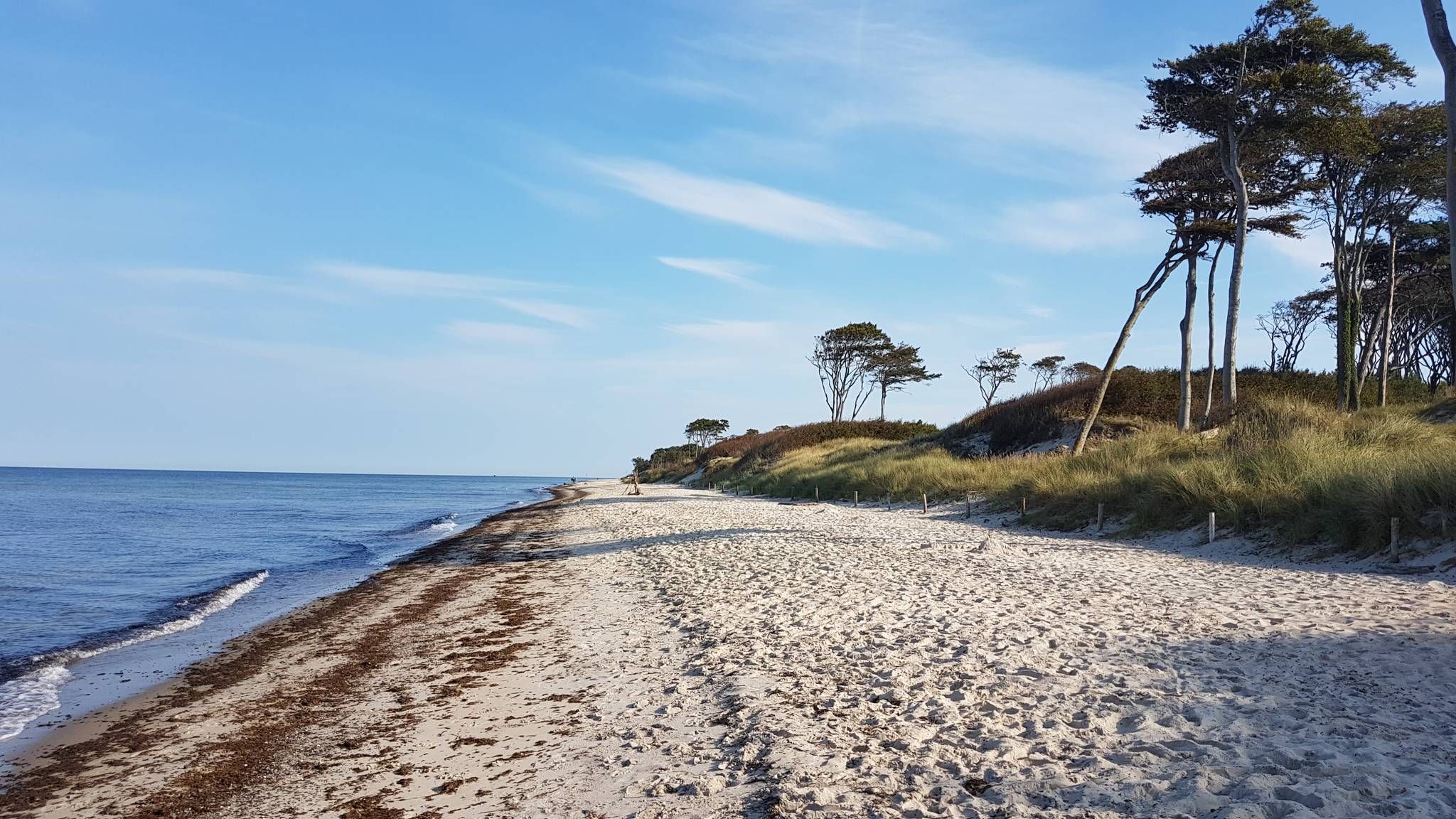
The E9 along the Baltic Sea — Explore an epic coastline
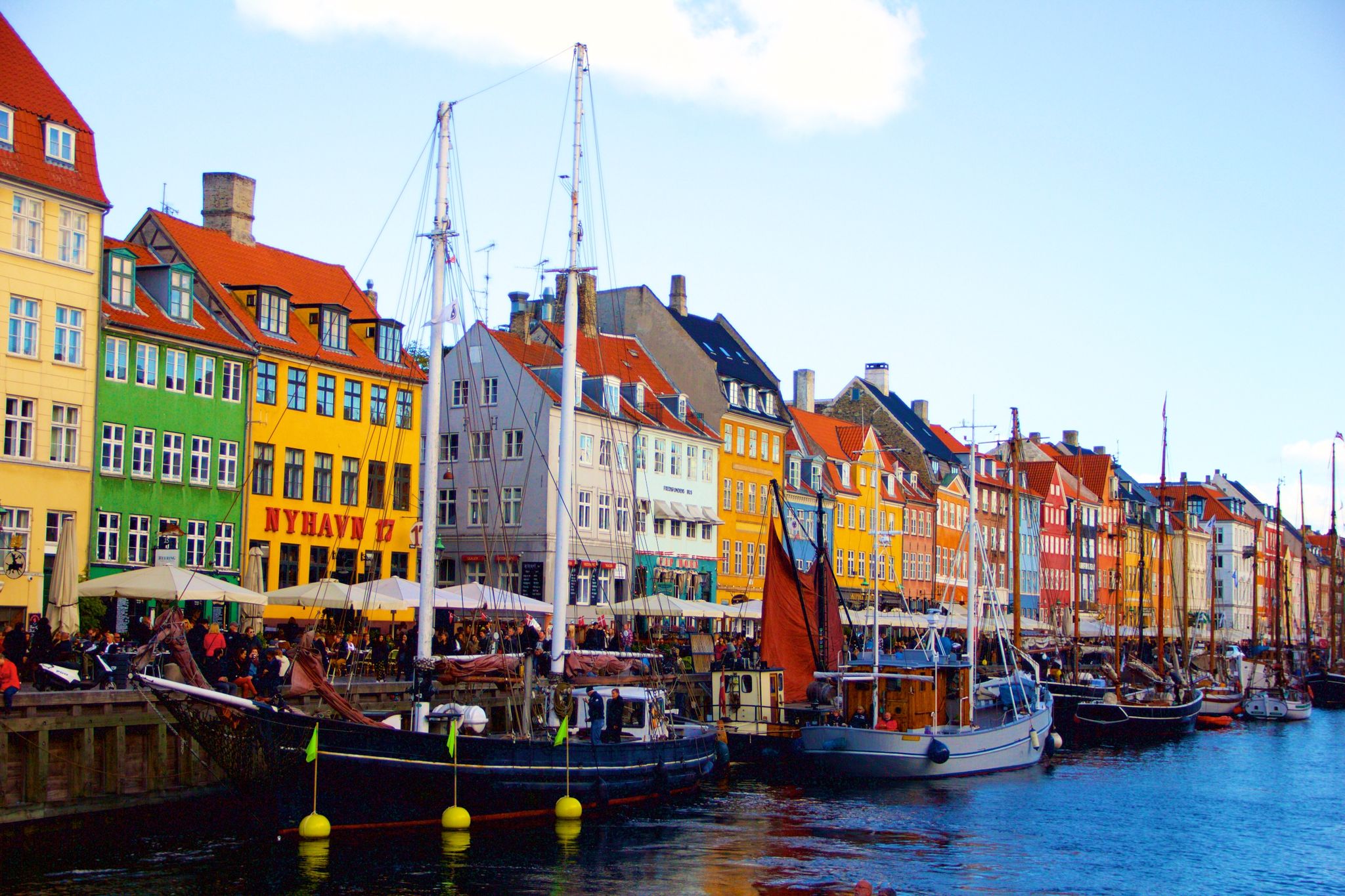
Berlin. Fehmarn. Copenhagen. An adventure on two wheels.
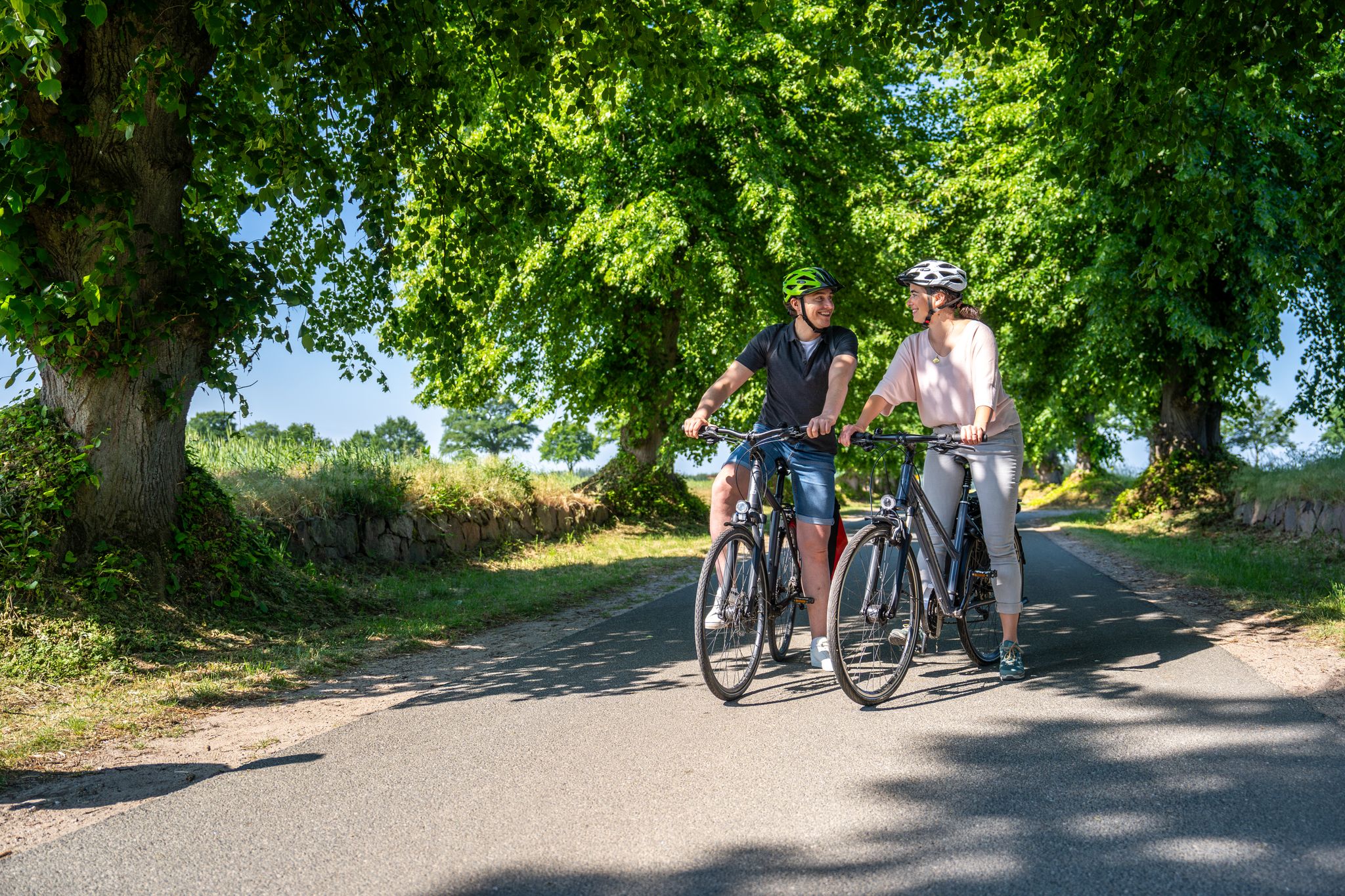
Borderless and free on the trail of history – Iron Curtain Trail (SH)
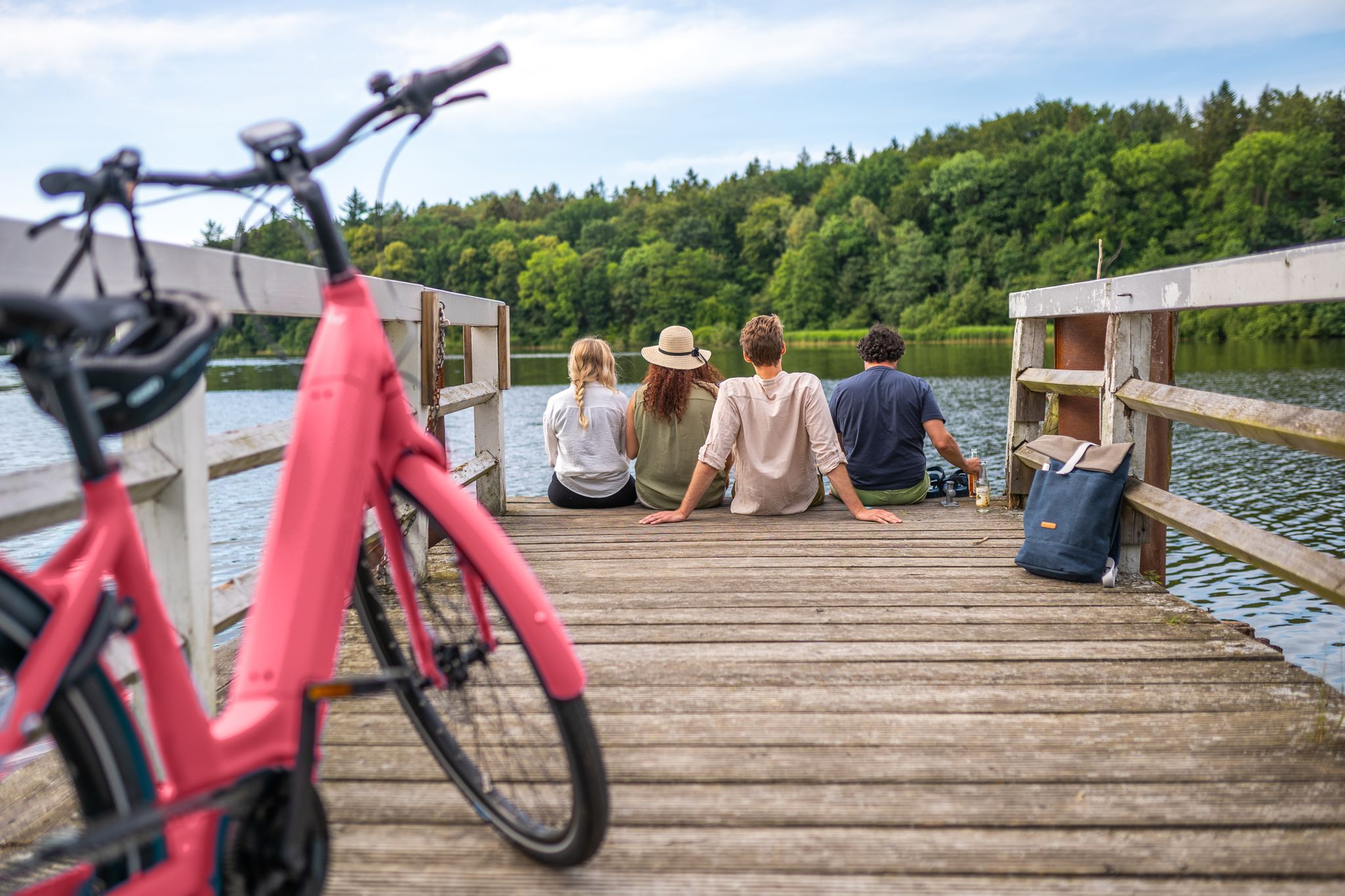
2,919 kilometres of adventure – cycling trails in Schleswig-Holstein
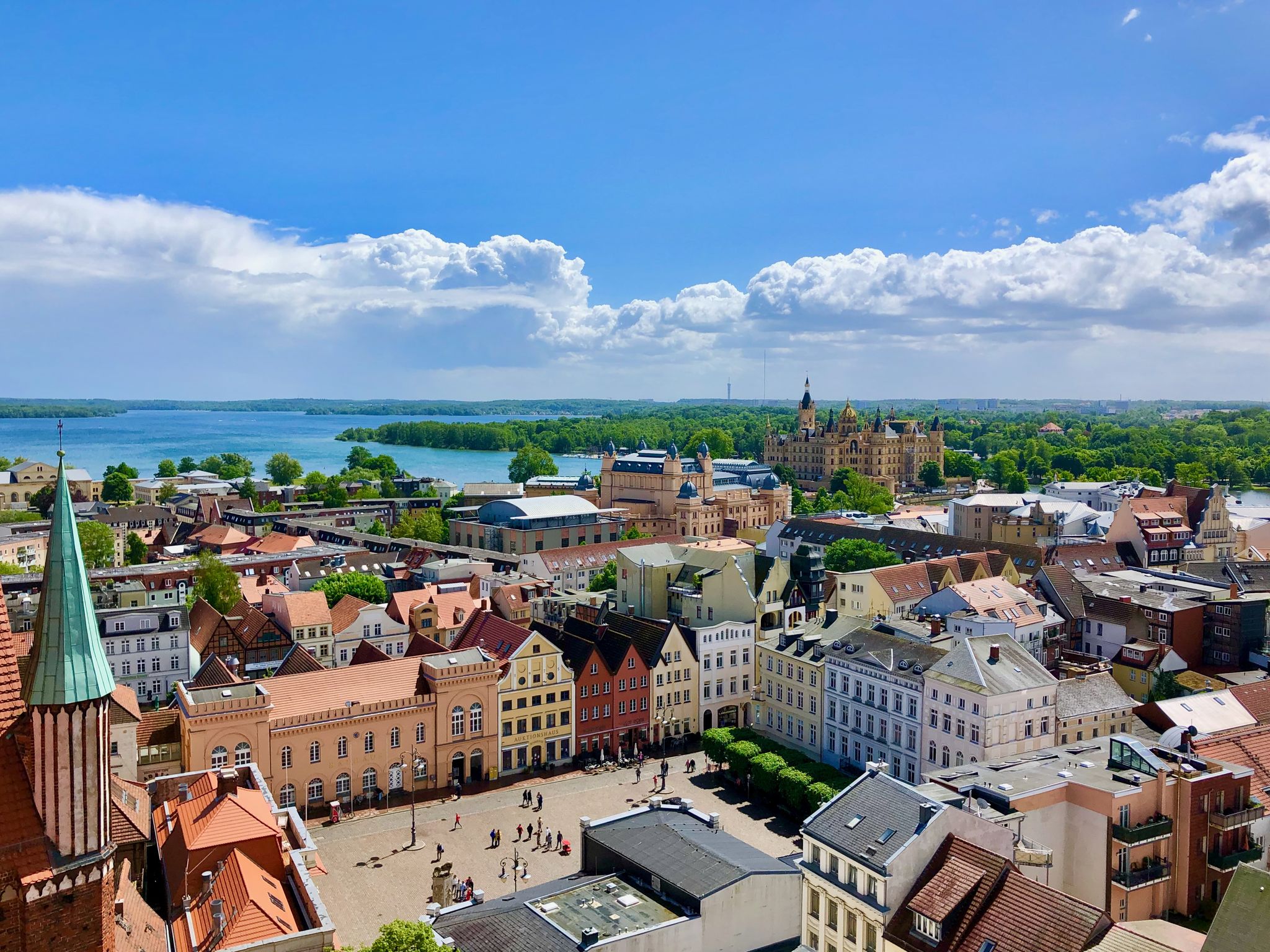
Hike along the water – Lake Schwerin Circular in Germany
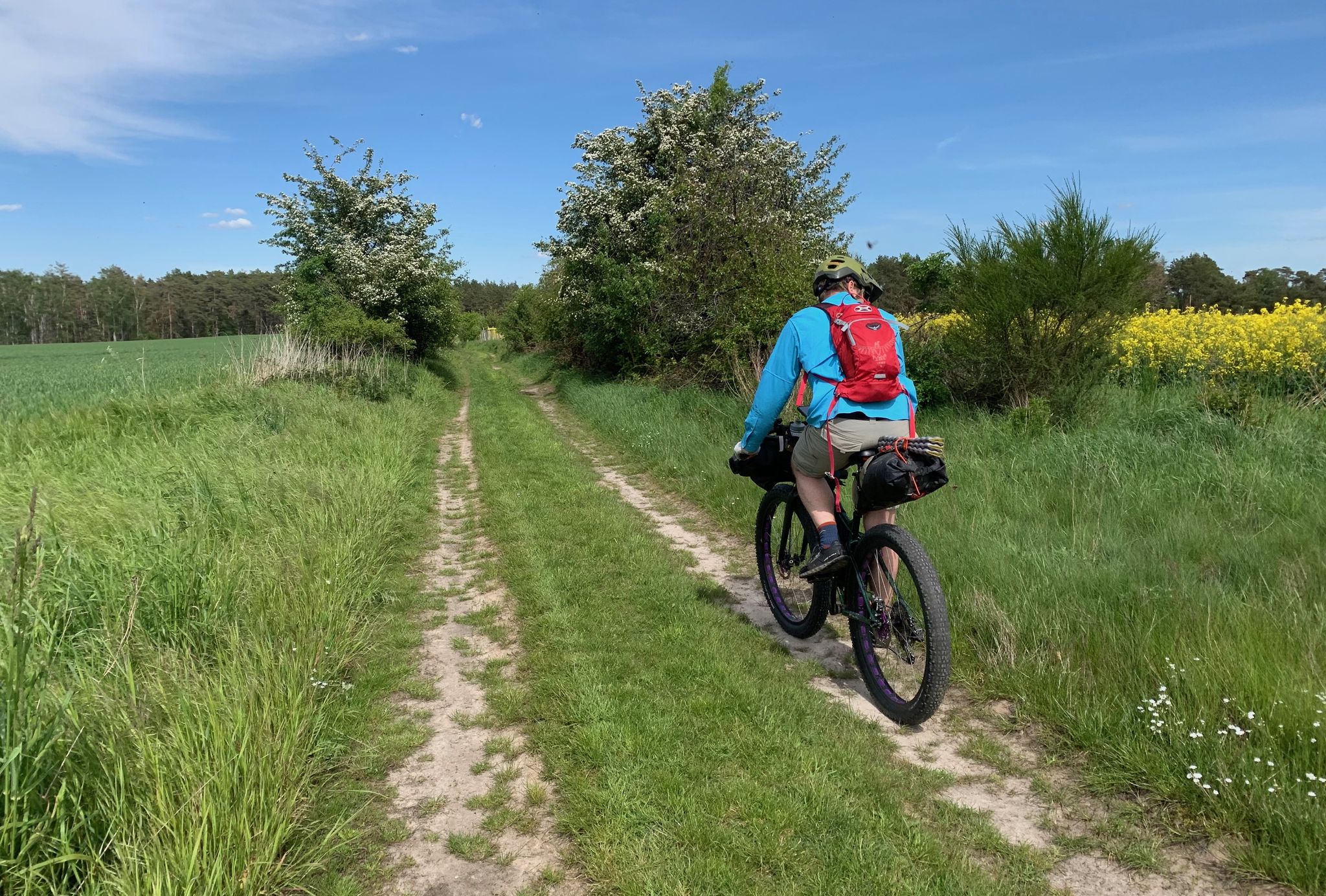
Multi-day tours in the Schaalsee Biosphere Reserve
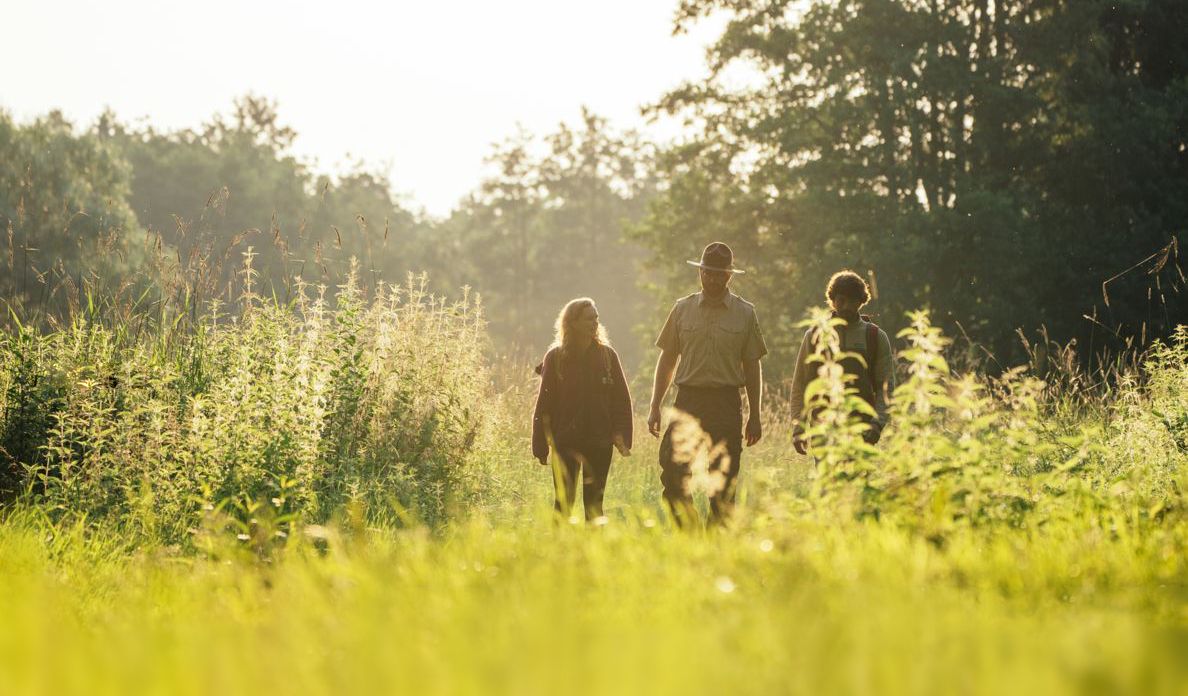
Hiking in the North of the Biosphere Reserve
Other adventures in Northwest Mecklenburg


Tips from the Community

“But perhaps the time is not yet ripe for that (...) lest one day they bring misfortune upon each other, along with their peoples. And if they should nevertheless do so, may the dear Lord, in his will, ordain that at least afterwards, when the calamity has already befallen them all, they find their way back to each other and make peace once and for all in this world.” So writes Otfried Preußler (born in 1923 in Reichenberg, Bohemia), best known as a children's author, in his work “The Flight to Egypt. Royal Bohemian Part.” While his words, within the context of the story, refer to the German and Czech inhabitants of the Kingdom of Bohemia, his statement is actually universal and timeless.
2
0

Fancy a picnic? Or a short break? Next door is a strawberry field and of course the sea. Listen and take it all in.
0
0

Rest point with roof and bench directly on the bike path!
0
0

In the Battle of Wakenstädt, Swedish troops defeated the allied Danish and Saxon troops on December 20, 1712 near Gadebusch in West Mecklenburg during the Great Northern War. The Swedish commander-in-chief, Magnus Stenbock, had previously positioned himself between the Russian-Saxon troops stationed south of Stralsund and the Danish troops gathered near Hamburg in order to prevent the allies from uniting. As coordination difficulties delayed the deployment of the Russian artillery in particular, it was not used in the Battle of Gadebusch, so Stenbock was able to win a victory against a Danish-Saxon army. It was also the last major victory for the Swedes in the Great Northern War. Although the Swedes won the battle, it exacerbated the existing problems of their own army: around 1,500 men were killed or wounded, and the infantry regiments were short of many officers. Furthermore, many horses were killed, which weakened the artillery and cavalry. The supply situation remained tense for the Swedes. The Danish infantry had been fragmented and suffered heavy losses, but was soon able to reorganize and recover. The Danish cavalry suffered only a few losses in the battle. The fate of this Swedish army was to be sealed by a union of the Danes with the Saxons and Russians in Holstein during the siege of Tönning in 1713/14. Since 2000, a memorial complex has been built in Wakenstädt, in the middle of the historic battlefield. Today it consists of several international memorial stones, large information boards and the "Swedish hut". The Swedish hut was modeled on a Swedish soldier's hut from the 18th century. Since August 2016, there has been a completely redesigned exhibition inside on the archaeology of the Battle of Gadebusch with information boards and archaeological finds recovered from the battlefield. Another part of the hut was decorated in the style of the 18th century. It also serves as the centre for events as part of the Gadebusch-Åmål town twinning, where the events of over 300 years ago are remembered together. https://de.wikipedia.org/wiki/Schlacht_bei_Gadebusch
3
0

From this shelter you have a great view of the Baltic Sea. Coniferous forest all around.
0
0

A simple covered bench with seating. It is perfectly adequate for shelter from the rain or for a little shade.
0
0

You can sit out a rain shower here.
2
0

The rest area hut was demolished today (03/09/22) because supporting parts were rotten. A replacement is already planned & approved. However, it is not yet clear when it will be built.
2
0
Frequently Asked Questions
What types of huts can I find in Northwest Mecklenburg?
Northwest Mecklenburg offers a variety of huts, ranging from historical reconstructions like the Swedish hut at the Battlefield Memorial of Wakenstädt to simple shelters for resting or protection from weather, such as the Shelter in the Pine Forest by the Baltic Sea. The broader region also features unique overnight options like glamping yurts, rustic shepherd's huts, and log cabins by lakes.
Are there any historical huts to visit in the region?
Yes, the Battlefield Memorial of Wakenstädt (Battle of Gadebusch 1712) features a fascinating Swedish hut. This hut is modeled on an 18th-century soldier's hut and houses a redesigned exhibition on the archaeology of the Battle of Gadebusch, offering a unique historical insight.
Which huts offer scenic views or are located near natural features?
The Shelter in the Pine Forest by the Baltic Sea provides a great view of the Baltic Sea, nestled within a coniferous forest. For those seeking lake views, the broader region offers options like Holzhaus "See-Romantik" in Klein Upahl, a log cabin directly by a lake, praised for its stunning sunset views and opportunities for stargazing.
Are there family-friendly huts or shelters in Northwest Mecklenburg?
Many huts and shelters in Northwest Mecklenburg are suitable for families. The Battlefield Memorial of Wakenstädt, the Shelter in the Pine Forest by the Baltic Sea, and the Shelter at Hütterberg are all categorized as family-friendly, providing interesting stops or resting points during outings.
What outdoor activities can I do near these huts?
Northwest Mecklenburg offers diverse outdoor activities. You can explore numerous hiking trails, enjoy running routes, or go gravel biking. Many huts, like the Shelter at Hütterberg, are conveniently located directly on bike paths, making them ideal rest stops during your adventures.
Are there opportunities for wildlife observation near huts?
Yes, the region provides excellent opportunities for nature and wildlife observation. For instance, a small hut in Kritzow offers a tranquil setting to observe local wildlife such as dragonflies, kingfishers, deer, and cranes. The Warnker See Birdwatching Hide, while not a traditional overnight hut, is a prime spot for observing gray geese, ducks, and cormorants, especially in autumn when cranes stop by.
What is the best time to visit the huts in Northwest Mecklenburg?
The best time to visit depends on your preferred activities. Spring and autumn are ideal for hiking and biking, with pleasant temperatures and vibrant natural scenery. Autumn is particularly special for birdwatching, with cranes stopping by the lakes. Summer allows for enjoying the Baltic Sea and lake activities, while clear nights in any season are perfect for stargazing at locations with low light pollution.
Are there any unique overnight hut experiences in the broader Mecklenburg-Vorpommern region?
Beyond simple shelters, the broader Mecklenburg-Vorpommern region offers unique overnight stays. Examples include glamping in yurts at Kunterbunthof in Züsow, rustic shepherd's huts at Hoymes Lykke Sheepfarm in Wardow, and the serene Holzhaus "See-Romantik" log cabin by a lake in Klein Upahl. These provide distinct experiences from glamorous camping to peaceful farm stays.
What should I know about the Shelter at Zehren–Bad Harzburg Junction?
The original covered resting point at Zehren–Bad Harzburg Junction was recently demolished due to rotten supporting parts. However, a replacement is planned and approved, though the construction timeline is not yet clear. It's advisable to check for updates before planning a stop there.
What do visitors appreciate most about the huts in Northwest Mecklenburg?
Visitors appreciate the diverse utility of the huts, from providing shelter during a rain shower or a short break with a view of the Baltic Sea at the Shelter in the Pine Forest, to offering a convenient resting point directly on a bike path like the Shelter at Hütterberg. The historical context of sites like the Battlefield Memorial of Wakenstädt is also highly valued.
Can I find huts that are suitable for a quiet retreat in nature?
Absolutely. The region offers options for peaceful retreats. For example, a small hut in Kritzow is described as a green oasis amidst forests, fields, and meadows, close to Lake Kritzow, providing a tranquil setting ideal for those seeking simplicity and quiet observation of nature.
Are there any observation huts for specific interests like birdwatching?
Yes, for birdwatching enthusiasts, the Warnker See Birdwatching Hide (near Warnker See) is an excellent spot. It's known as a haven for gray geese and ducks, and you can observe hundreds of cormorants, especially in the mornings. The Schnakenburg Observation Tower near Lake Müritz also offers magnificent views and opportunities for bird observation, including crane sightings in autumn.
Most popular routes in Northwest Mecklenburg
Most popular attractions in Northwest Mecklenburg

Get inspired with the komoot mobile app


Didn’t find what you were looking for?
See even more amazing huts in Northwest Mecklenburg with these guides per region:
Explore more
Find more beautiful huts and cabins in Northwest Mecklenburg by checking out the top ones in these nearby places:
