Top 13 Lakes in Liechtenstein
Best lakes in Liechtenstein offer diverse natural beauty within this small, landlocked country nestled in the Alps. The region features a mix of naturally formed lakes, alpine bodies of water, and reservoirs, providing various recreational opportunities. These lakes are often set amidst picturesque landscapes, contributing to the country's ecological significance and outdoor appeal.
Best lakes in Liechtenstein
- The most popular lakes is Gänglesee, a lake located in the Rätikon mountain range at 1300 meters above sea level. It is a destination for families and nature enthusiasts, offering barbecue facilities and opportunities for splashing in its waters.
- Another must-see spot is Grenzsee AT/FL in the Ried, a lake that straddles the border between Austria and Liechtenstein. This lake is noted for its unique geographical position.
- Visitors also love Steg Reservoir, a lake characterized by its azure waters in the Malbun region. This reservoir is a popular destination for fishing and is known for its peaceful ambiance.
- Liechtenstein is known for natural lakes, alpine lakes, and reservoirs. These include the only naturally formed lake, Gampriner Seelein, and several man-made bodies of water that serve recreational and functional purposes.
- The lakes in Liechtenstein are appreciated by the komoot community. The guide features 11 highlights, supported by more than 100 photos and over 270 upvotes from visitors.
Last updated: September 29, 2026
Gänglesee
Highlight • Lake
Translated by Google •
Tip by

Steg Reservoir
Highlight • Lake
Translated by Google •
Tip by

Sign up now to discover places like this
Get recommendations on the best single tracks, peaks, & plenty of other exciting outdoor places.
Sägaweiher Pond, Nendeln
Highlight • Lake
The Nendler-Sägaweiher originally served as a reservoir for the operation of the Sägarei Frommelt in Ziegelmahd (Säga industrial area) in Nendeln and was built between 1920 and 1922. Towards the end of the 1950s, hydropower was abandoned and the Sägaweiher was no longer maintained. With the upgrading of the system in 2018/2019, an extinguishing water reservoir with around 300 m3 of water volume could be created at the same time, which meets the needs of public safety and covers an area of the new forest fire concept.
The entrance to the Sägaweiher is located at the forestry operations building in Nendeln and, with a length of 1.2 km, leads past two waterfalls up to 710 m above sea level. There is a resting place with a public barbecue area, right by the green pond. The entrance to the suspension bridge to Planken was planned in the immediate vicinity. This project is expected to be resumed by the public sector shortly.
Translated by Google •
Tip by
Grossabünt Recreation Area
Highlight • Lake
All information can be found at tourismus.li/lie/ort/Freizeitanlage%20Grossab%C3%BCnt.
Showing Translation
Tip by

Sass Little Lake
Highlight • Lake
The Sass-See is an idyllic mountain lake
According to the tradition of our ancestors, a pastor from Malbun bathed in this little lake in the 1950s.
Text / Source: Paul Mura
Translated by Google •
Tip by
Binza Pond and Swallow Hotel
Highlight • Lake
In the spring of 1993, the Binza rainwater retention pond for the municipality of Mauren and the city of Feldkirch was completed. At the same time, the border ditch was expanded from the pond to the ash.
Half of the pond is on Liechtenstein and half on Austrian territory.
The relief water from the sewer system of Mauren and the rainwater from the hub is relieved in the "Binza" in the border ditch. A rainwater retention pond is to be built in order to break the large flow peaks and to hold back pollutants.
The municipality of Mauren and the city of Feldkirch each take on half the construction of the Binza retaining pond and the expansion of border trench 2 from the Binza retaining pond to the Esche (platform ditch).
The retention and settling pond covers an area of 6,666m2. With it, a usable retention volume of approx. 2,200m3 can be achieved. The water level shows a difference of 70cm between still water and maximum water level.
The state border between Liechtenstein and Austria runs right through the pond.
In addition to the advantages for the water balance, the retention and settling pond will also provide a valuable link for landscape design and will also be of major importance as a biotope adapted to the reed.
Swallow Hotel
In 2010, a swallow house with 40 nests was built on the east side of the Binza pond at the suggestion of the Mauren Ornithological Association. Zimmerman Franz Senti built this "swallow hotel" according to the plans of the German Nature Conservation Union and an example of the Liechtenstein Ornithological Association.
Translated by Google •
Tip by
Spoerry Reservoirs in Vaduz
Highlight • Monument
Bereits ab dem Mittelalter entwickelte sich am Mölibach die bis Mitte des 20. Jahrhunderts dichteste Gewerbeachse Liechtensteins. Ab dem 16. Jahrhundert bestanden hier herrschaftliche Mühlen mit Stampfe, Pleuel, Sägerei, Wasserschmiede und dazugehörigen Hofstätten. Anfang des 19. Jahrhunderts kamen fürstliche Getreidemühlen mit Hanfreibe und Gerstenstampfe sowie eine private Gipsmühle, Pulvermühle, Schmiede, Brettsäge und Hammerschmiede dazu. Im Oberen Mühleholz entstand 1861 mit der Baumwollweberei „Weilenmann & Co.“ auch die erste Fabrik Liechtensteins. Im benachbarten Ebaholz entstand 1882 die Baumwollspinnerei „Spoerry“, ab 1905 „Jenny, Spoerry & Cie.“. Sie errichtete zur Energiegewinnung im obersten Teil des Mühleholzes drei ortsbildprägende Wasserspeicher, die sog. „Spoerry-Weiher“. Die 1992 stillgelegte Spinnerei ist seit 2002 Sitz der Universität Liechtenstein.
Zeugen der Industrialisierung
In Zusammenhang mit dem Projekt „Neubau Kraftwerk Mühleholzquellen“ der Liechtensteinischen Kraftwerke (LKW) sowie aufgrund der historischen und industrie-archäologischen Bedeutung der Weiheranlagen als Teil des ehemaligen Kraftwerks der Spinnerei in Vaduz und als schutzwürdige Kulturgüter der Industrialisierungs- und Technikgeschichte Liechtensteins hat das Amt für Kultur die Wasserspeicher nun formell unter Schutz gestellt. Die Weiher, bestehend aus den Speicherbecken im Unterwasserbereich mit der Weiheranlage Nord, dem Schieberbecken und der Weiheranlage Süd im Ober Möliholz sowie dem Spoerry-Weiher im Oberwasserbereich beim Wildschloss, stehen heute alle im Eigentum des Landes Liechtenstein. Als zentrale und weitgehend original erhaltene Bestandteile des überregional wohl ältesten Hochdruckkraftwerks mit Tagesspeicher sind die auf das Jahr 1886 zurückgehenden Bauwerke als wertvolle Zeugen der Technikgeschichte zu bewerten. Zudem bilden sie prägnante Elemente der im Zug der Industrialisierung veränderten Kulturlandschaft.
Erhaltungskonzept in Umsetzung
Während der Weiher beim Wildschloss auf rund 760 m.ü.M. nach wie vor für die Energiegewinnung genutzt wird, sind die Weiher im Mühleholz heute ausser Betrieb und entleert. Von Seiten des Amtes für Kultur wird aus denkmalpflegerischer Sicht der Erhalt der Weiher dennoch angestrebt, denn das ehemalige Kraftwerk hat als Denkmal der Industrialisierung grosse Bedeutung. Das Erhaltungskonzept sieht dabei vor, dass der südliche Weiher weiterhin mit dem Wasser aus dem Sonntagsbächlein gespiesen und wieder hälftig gefüllt werden soll. Da eine aufwendige Sanierung des nördlichen Weihers nicht mehr verhältnismässig erscheint, wird aktuell der Beckenboden zwecks Versickerung von Meteorwasser perforiert und das Becken mit unverschmutztem Aushubmaterial aufgefüllt, wobei die Beckenränder als Zeitzeugen sichtbar bleiben. Die entstehenden extensiv bewirtschafteten Grünflächen können somit als Naherholungsgebiet ausgestaltet werden. Das kleine Schieberbecken vor dem Haus Mühleholz 39 wird als Denkmal erhalten und instand gestellt. Mittels Beschilderung sollen künftig die Historie der Wasserkraftnutzung und die Wirkungsweise im Sinne eines „Kraftwerkweges“ von der ehemaligen Fabrik (Turbinenhaus) bis zum Wildschlossweiher mit erklärenden Tafeln aufgezeigt werden.
Tip by
Gampriner Seelein Nature Reserve
Highlight • Lake
The Gampriner Seelein (also Gampriner See, in dialect Gampriner Seele) is the only naturally occurring lake in Liechtenstein and was created by flooding the Rhine in 1927 with tremendous erosion.
The Gampriner Seelein is surrounded by a floodplain forest of reeds, hedges and trees. The gem was placed under nature protection by the government in 1961. After the rubbish was disposed of, the water quality class stabilized at level II. Fresh water has been fed into the lake by means of a pipeline from the Oberau Canal (Liechtenstein internal canal) since 1979 and around 1000 crayfish were released the following year. Adequate oxygen supply is provided.
Text/Source: Wikipedia
de.wikipedia.org/wiki/Gampriner_Seelein
Translated by Google •
Tip by
Grenzsee AT/FL in the Ried
Highlight • Lake
Small bridge over the stream flowing below.
One sign for Austria, one for Liechtenstein, that's it.
Translated by Google •
Tip by

Natural Pond Near Bendern
Highlight • Lake
Translated by Google •
Tip by

Sign up for free to discover even more lakes in Liechtenstein.
Already have an account?
Start today with a free account
Your next adventure awaits.
Popular around Liechtenstein
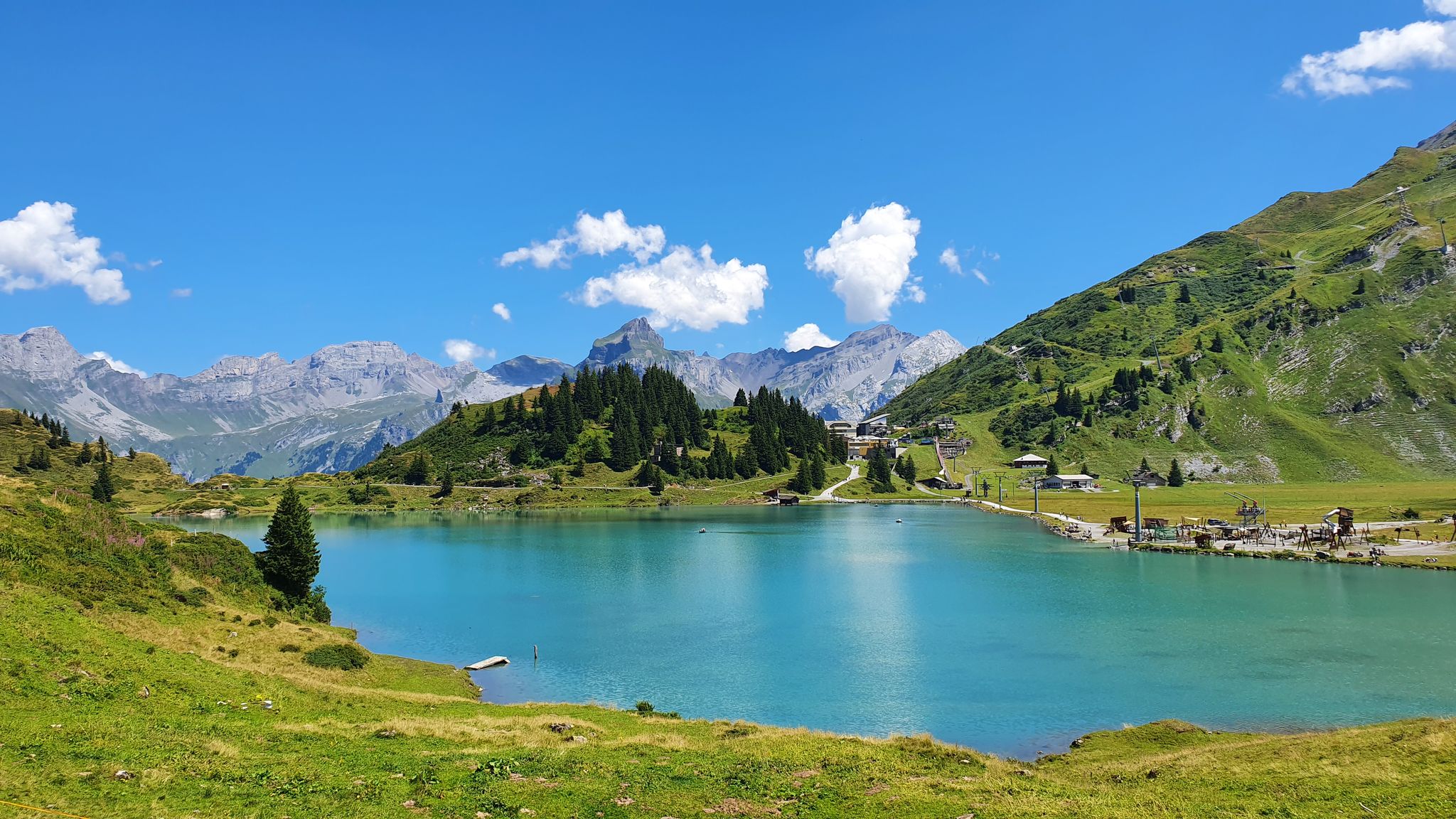
Via Alpina – The 15 stages of the Green Route
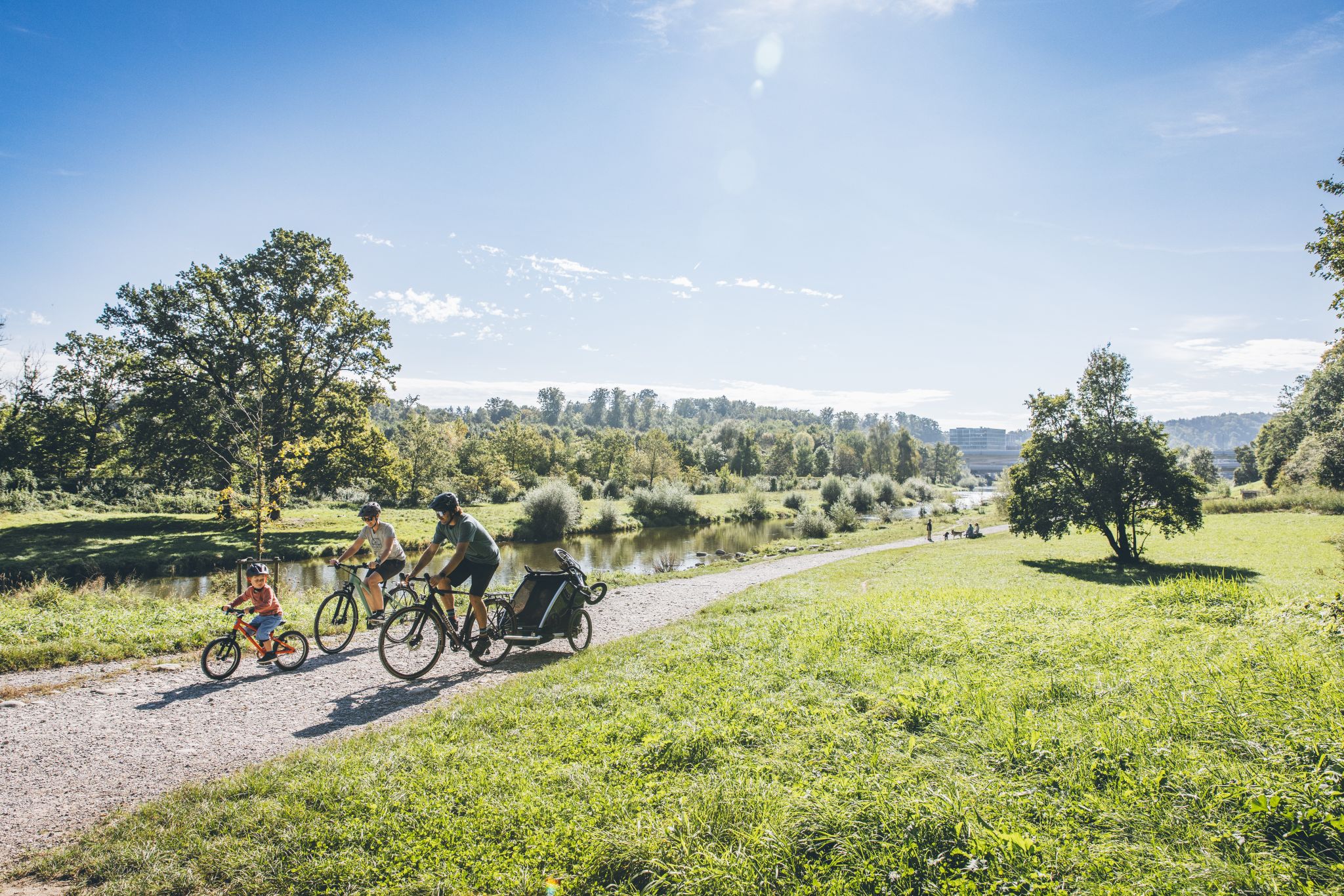
Family fun on two wheels – cycling routes with children around Zürich
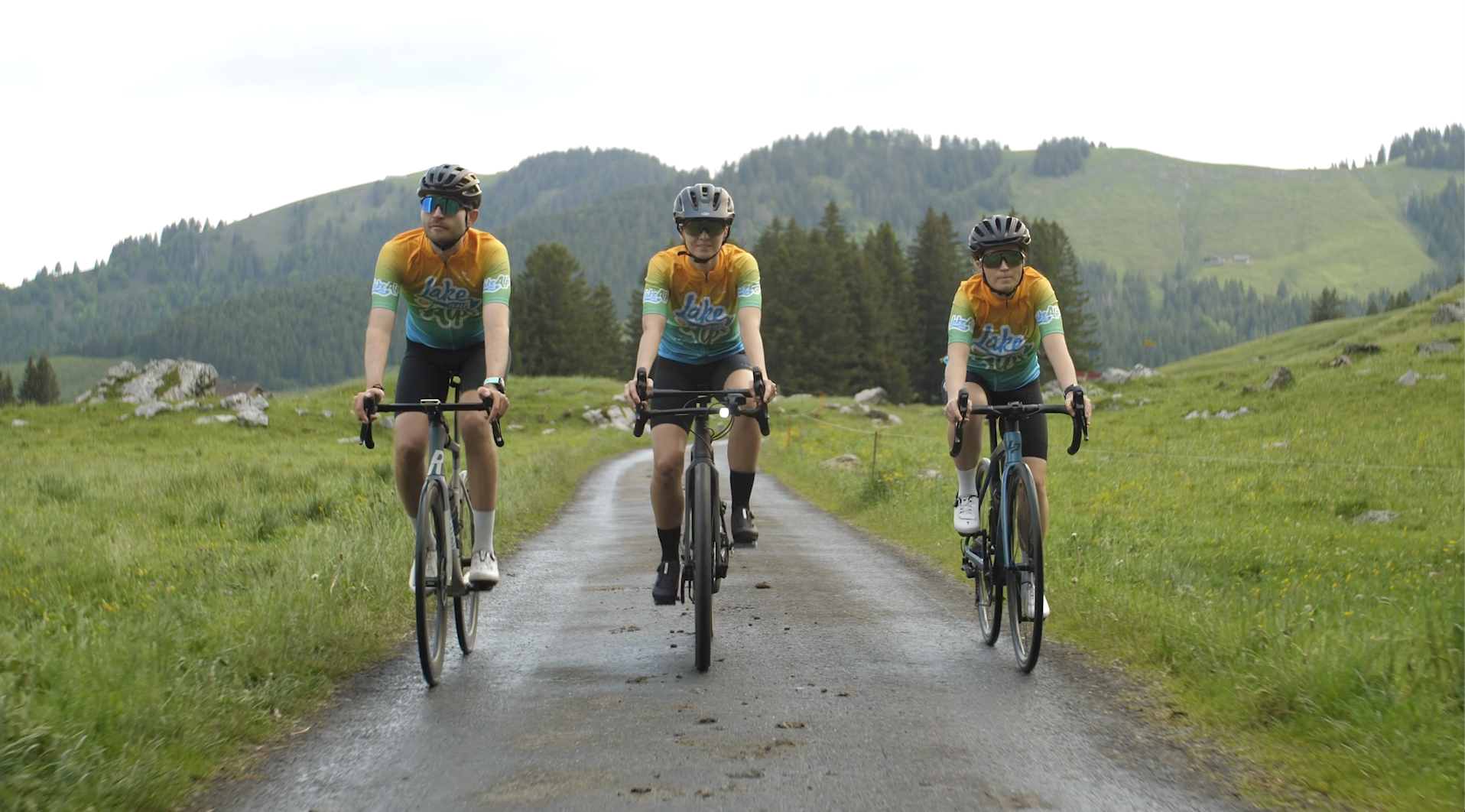
Lake and Alps Adventure – explore 100 dreamy places in our cycling region!
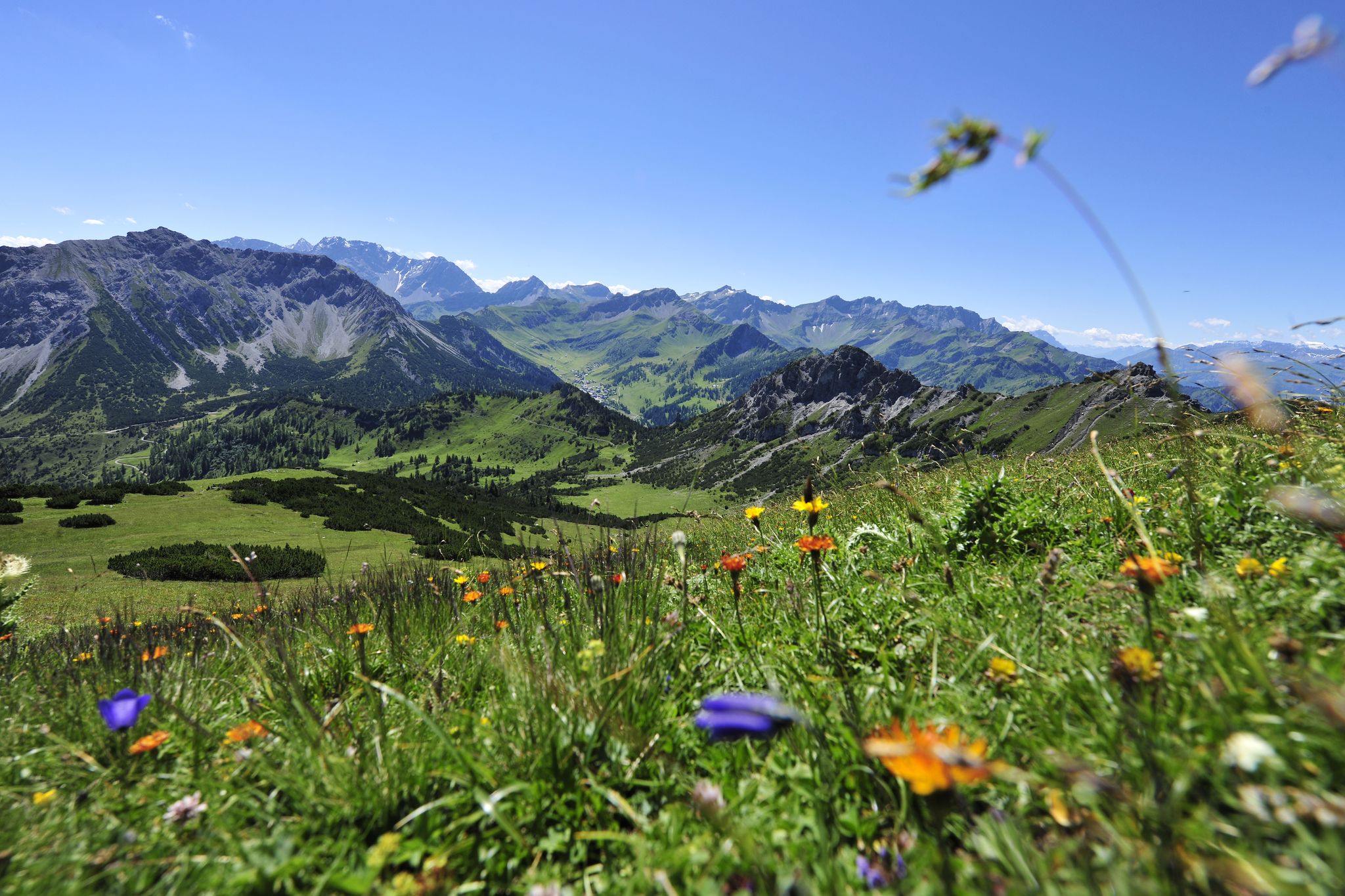
When the snow melts – spring hiking in Liechtenstein
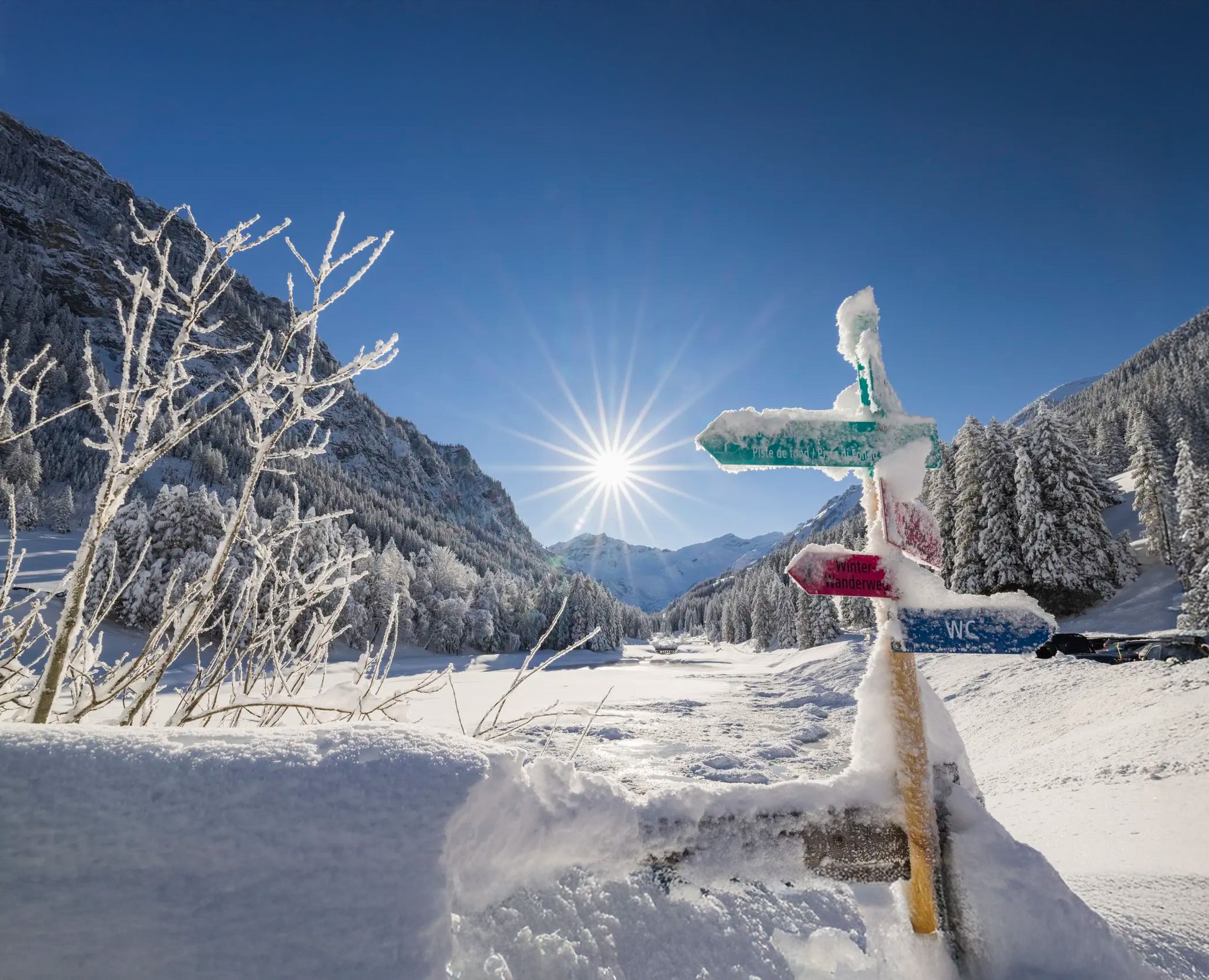
Winter hiking fun in Liechtenstein
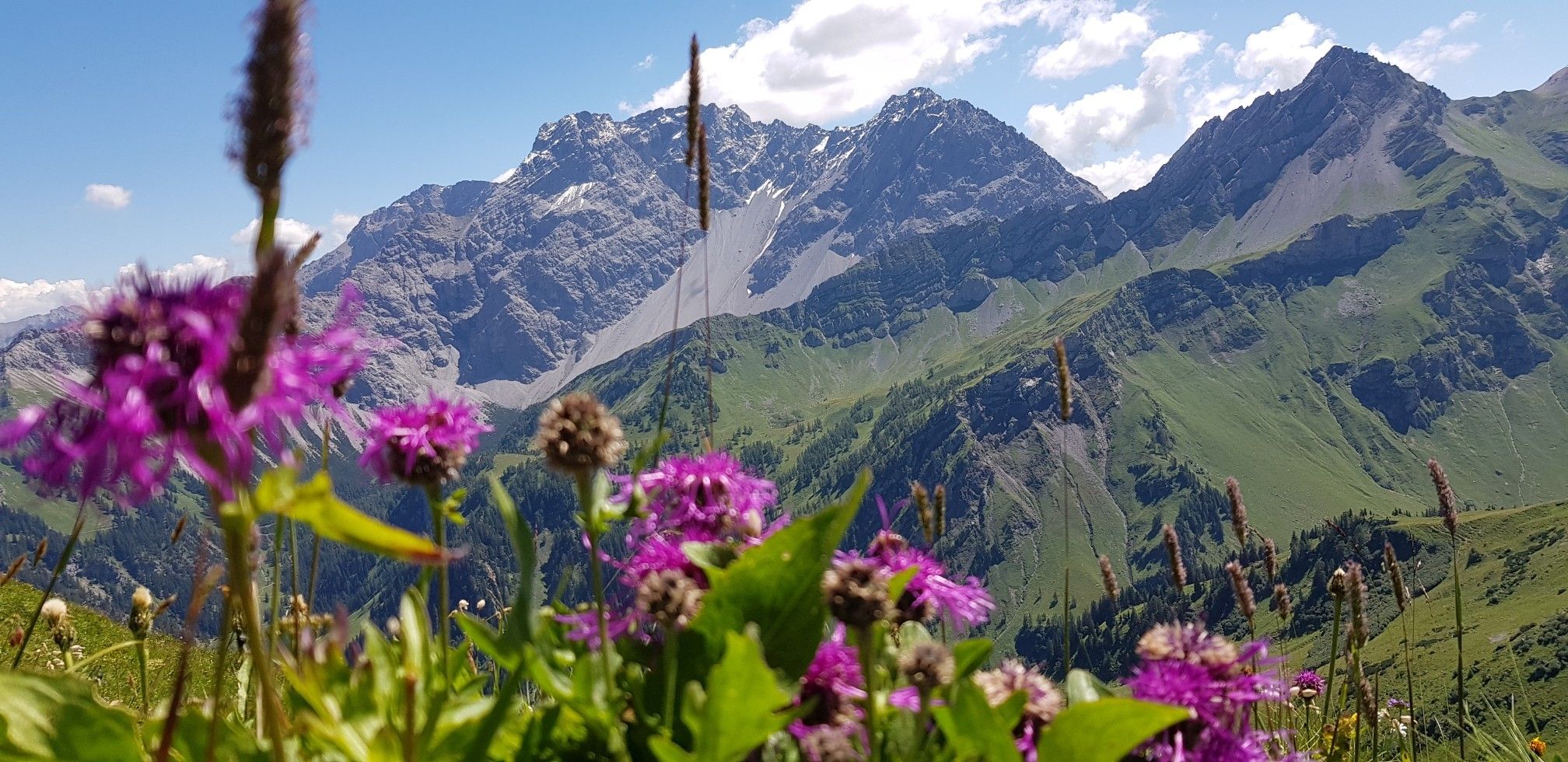
Trans-Rätikon – an adventure in the Tri-Border Region
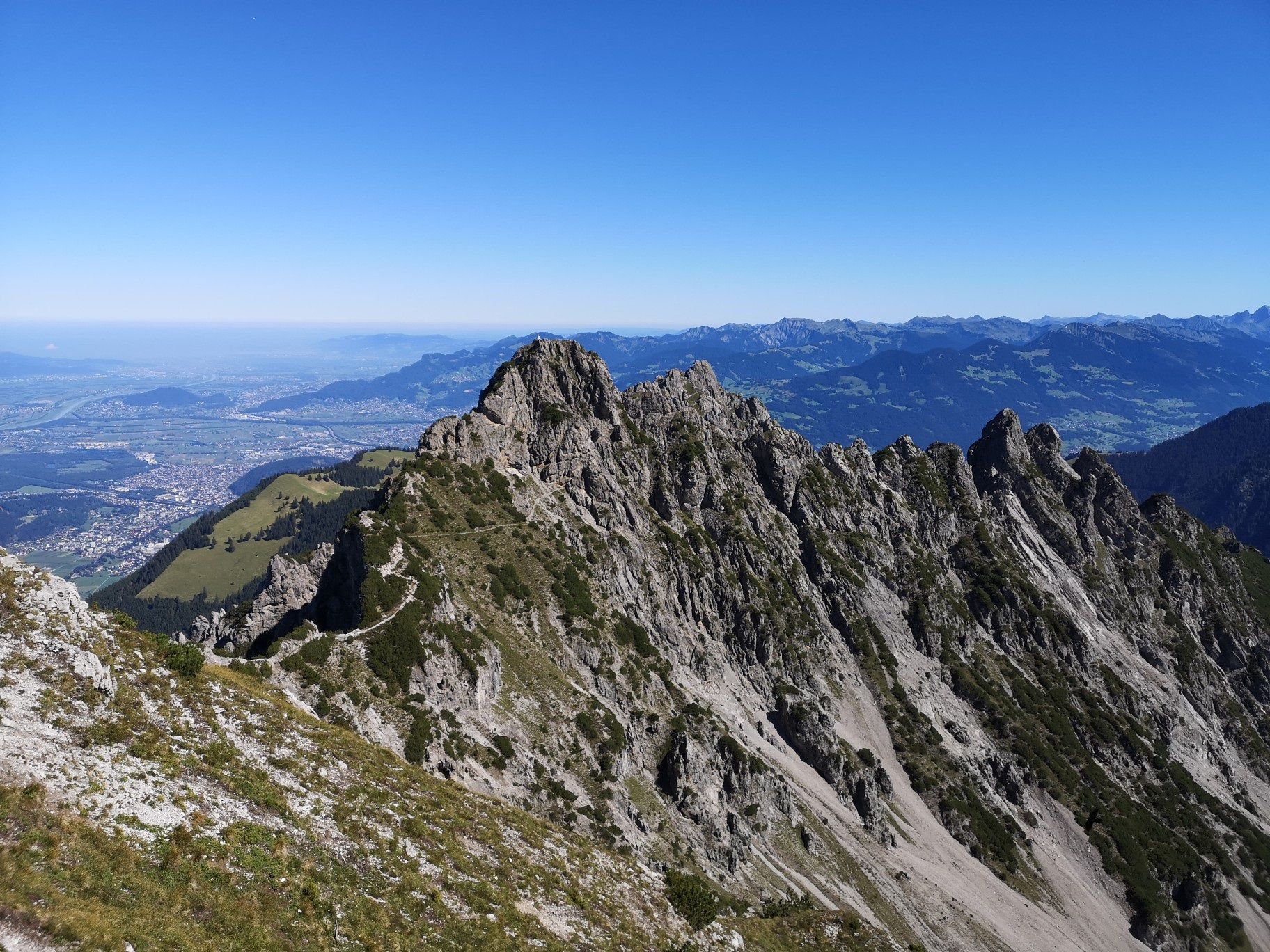
Princely views on the Liechtenstein Panorama Trail
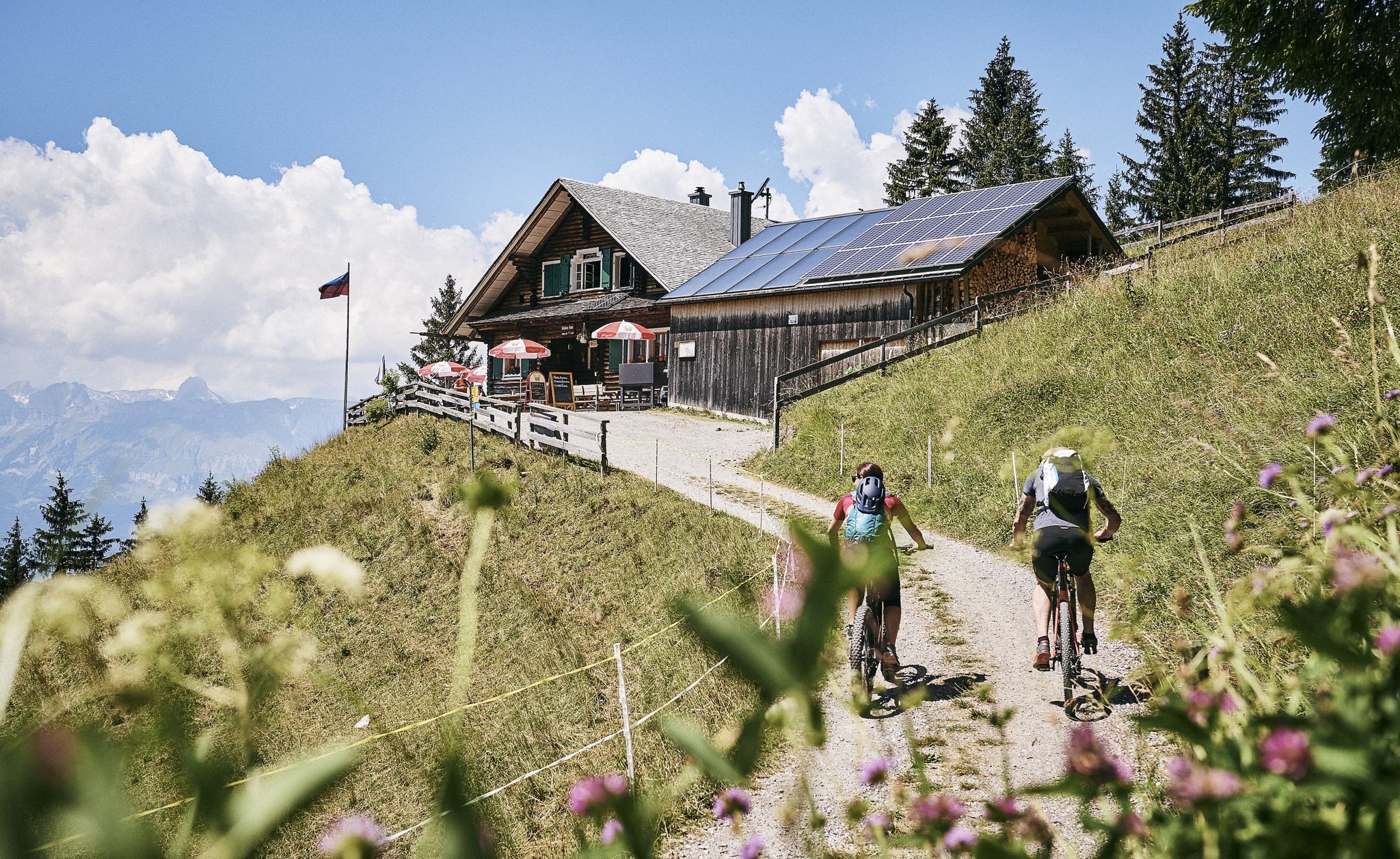
Enjoyable cycling in pristine nature – experience Liechtenstein
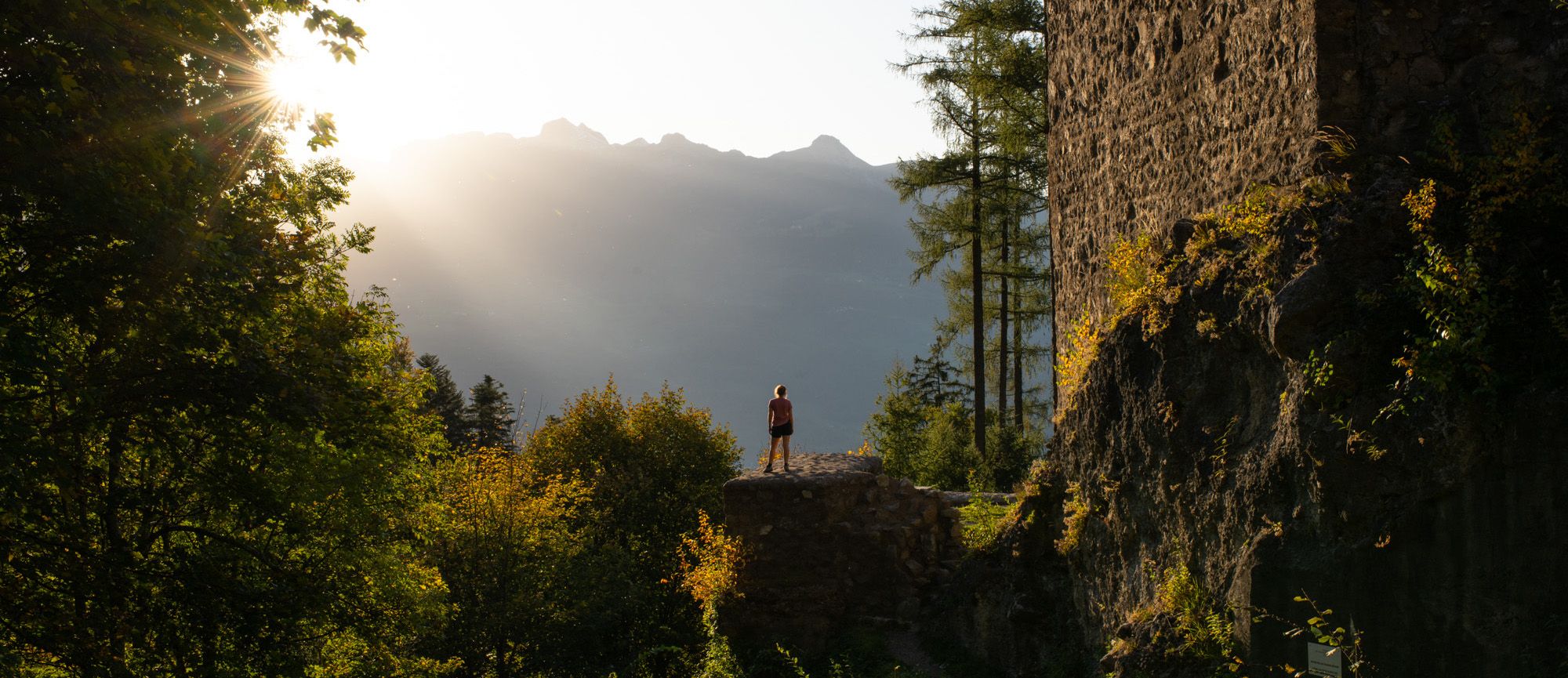
Hike Europe’s fourth smallest country in 5 stages – Liechtenstein Trail
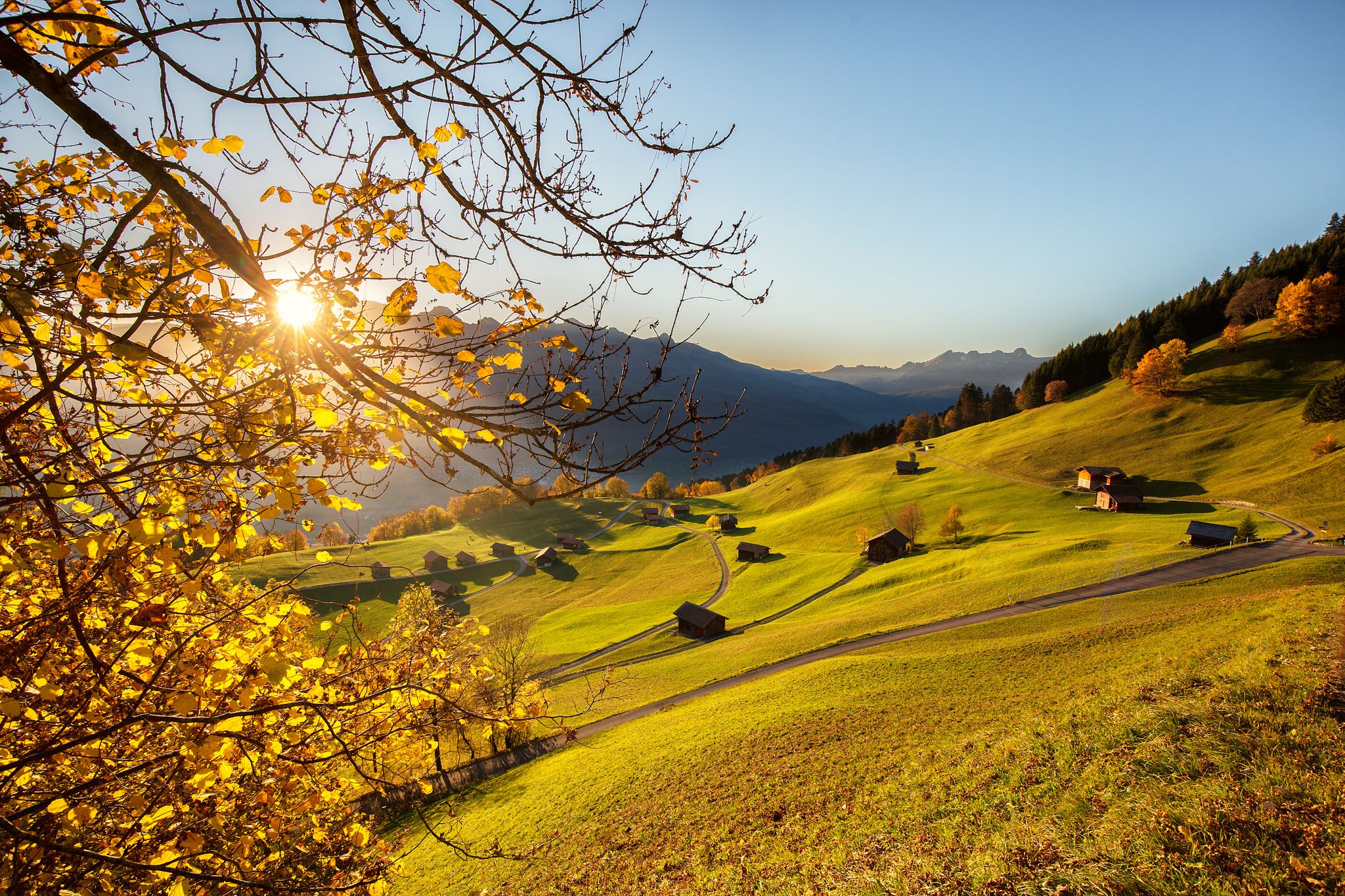
High mountains and winding valleys – autumnal hiking in Liechtenstein
Other adventures in Liechtenstein


Tips from the Community

Winter 25: no pond left, of course maybe someday.
0
0

Beautiful little lake with benches where you can relax
0
0

Very cool and amusing swimming lake
0
0

Relatively inconspicuous. Small bridge over the stream flowing below. One sign for Austria, one for Liechtenstein, that's it.
0
0

what a beautiful landscape
0
0

A wonderful place to jump into the cool water and relax for a while when it's hot and you're exhausted.
0
0

A small, pretty hamlet with all the necessary amenities for a relaxing stay or as a starting point for numerous longer or shorter hikes.
1
0

Rear part of the Steg reservoir, with a great view of the Valünatal valley and the mountains behind it.
1
0
Frequently Asked Questions
Which lakes in Liechtenstein are best for families with children?
Several lakes in Liechtenstein offer excellent family-friendly amenities. Gänglesee is a popular spot with barbecue facilities where children can splash in the cool water. The Grossabünt Recreation Area features a natural swimming lake, a soccer field, climbing wall, slackline, and a large lawn for sunbathing. Sägaweiher Pond also has a public barbecue area and rest options, while Sass Little Lake offers a picnic area and a path suitable for prams.
Are there opportunities for hiking around the lakes in Liechtenstein?
Yes, the lakes in Liechtenstein are surrounded by various hiking opportunities. You can enjoy a 0.5-mile loop hike around Gänglesee. The area around Steg Reservoir is known for extensive hiking trails. For more options, explore the easy hikes in Liechtenstein guide, which includes routes like the 'Gänglesee – Steg Reservoir loop'.
What unique natural features can I find at Liechtenstein's lakes?
Liechtenstein's lakes boast several unique natural features. Gampriner Seelein Nature Reserve is the country's only naturally formed lake, originating from a 1927 Rhine flood, and is a designated nature reserve rich in biodiversity. Binza Pond, which straddles the border with Austria, is an important biotope for reed ecosystems and features a unique 'Swallow Hotel' structure.
Can I swim in any of the lakes in Liechtenstein?
Yes, you can swim in some of Liechtenstein's lakes. The Grossabünt Recreation Area features a natural swimming lake that is freely accessible. Children can also enjoy splashing in the cool waters of Gänglesee during warmer weather.
What is the best time to visit the lakes for their scenic beauty?
The optimal time to witness the brilliant blue color of Steg Reservoir is from June to August. Generally, warmer months offer the best conditions for enjoying the outdoor activities and lush landscapes around all the lakes.
Are there any lakes suitable for fishing in Liechtenstein?
Yes, Steg Reservoir is a popular destination for fishing. Fishing is possible through the management of the Liechtenstein Fishing Association.
Which lake offers amenities like barbecue facilities?
Gänglesee is a favored spot for relaxation, particularly appealing to families, and provides barbecue facilities perfect for picnics. Sägaweiher Pond also offers a public barbecue area with enough firewood.
Are there any lakes that are easily accessible or pram-friendly?
Sass Little Lake has a path that is suitable for prams, making it an accessible option for families with young children. The Grossabünt Recreation Area is also freely accessible and offers spacious lawns.
What kind of wildlife can be observed around Liechtenstein's lakes?
The Gampriner Seelein Nature Reserve is a haven for biodiversity, supporting various fish species like roach, rudd, bleak, bream, and pike, as well as crayfish and numerous birds, including swans, little grebes, and mallards. The Binza Pond is notable for its reed ecosystems and the 'Swallow Hotel' structure, attracting many birds.
Are there cycling routes near the lakes?
Yes, the Grossabünt Recreation Area is an excellent location for a leisurely break during a bike tour. For dedicated cycling, you can find various options in the Road Cycling Routes in Liechtenstein guide, which includes routes like 'Ruggell Rhine Embankment – Schellenberg Near Feldkirch loop'.
What is the significance of the Steg Reservoir?
The Steg Reservoir, located in the Malbun region, is cherished for its vivid turquoise waters and peaceful ambiance. Built in 1947–48, it collects water from the Valüna and Malbunbach, feeding it to the Samina plant in Vaduz for electricity production. It's also a popular spot for fishing and offers extensive hiking opportunities.
Is there a lake that marks a border between countries?
Yes, Grenzsee AT/FL in the Ried is unique as it straddles the border between Austria and Liechtenstein, offering a distinctive geographical experience.
Most popular routes in Liechtenstein
Most popular attractions in Liechtenstein

Get inspired with the komoot mobile app


Explore more
Still not found your perfect lake in Liechtenstein? Check out the guides of these regions to see even more beautiful places.
