Top 5 Lakes in Fuerteventura
Best lakes in Fuerteventura are primarily coastal lagoons and natural pools, as the arid volcanic island lacks conventional freshwater lakes. These water bodies are often formed by volcanic rock and sand, replenished by the ocean, or are man-made reservoirs. Fuerteventura's landscape features diverse aquatic environments, from shallow tidal lagoons ideal for water sports to secluded natural pools. The island offers unique opportunities to explore these distinct "lakes" and their surrounding natural habitats.
Best lakes in Fuerteventura
- The most popular lakes is Sotavento Beach, a beach that features extensive lagoons, particularly between Playa de la Barca and Risco del Paso. These lagoons are suitable for walking and water sports like windsurfing and kitesurfing.
- Another must-see spot is View of Playa de la Barca Lagoon, Fuerteventura, a viewpoint offering perspectives of the large tidal lagoon. This area is known for its expansive shallow waters that form at high tide.
- Visitors also love Las Peñitas Dam and Reservoir, a man-made reservoir. This site serves as an important bird sanctuary, providing a habitat for local and migratory birdlife.
- Fuerteventura is known for coastal lagoons, natural pools, and reservoirs. These diverse water bodies offer varied experiences, from swimming and relaxation to birdwatching.
- The lakes in Fuerteventura are appreciated by the komoot community, with more than 230 upvotes and 80 photos shared across the highlights.
Last updated: July 9, 2026
Sotavento Beach
Highlight • Beach
Translated by Google •
Tip by

Sotavento Lagoon
Highlight • Beach
Translated by Google •
Tip by

Sign up now to discover places like this
Get recommendations on the best single tracks, peaks, & plenty of other exciting outdoor places.
Sign up for free
Las Peñitas Dam and Reservoir
Highlight • Structure
Translated by Google •
Tip by

Tidal Lagoon at Laguna de Sotavento
Highlight • Beach
Translated by Google •
Tip by

View of Playa de la Barca Lagoon, Fuerteventura
Highlight • Viewpoint
Translated by Google •
Tip by

Start today with a free account
Your next adventure awaits.
Login or Signup
Popular around Fuerteventura
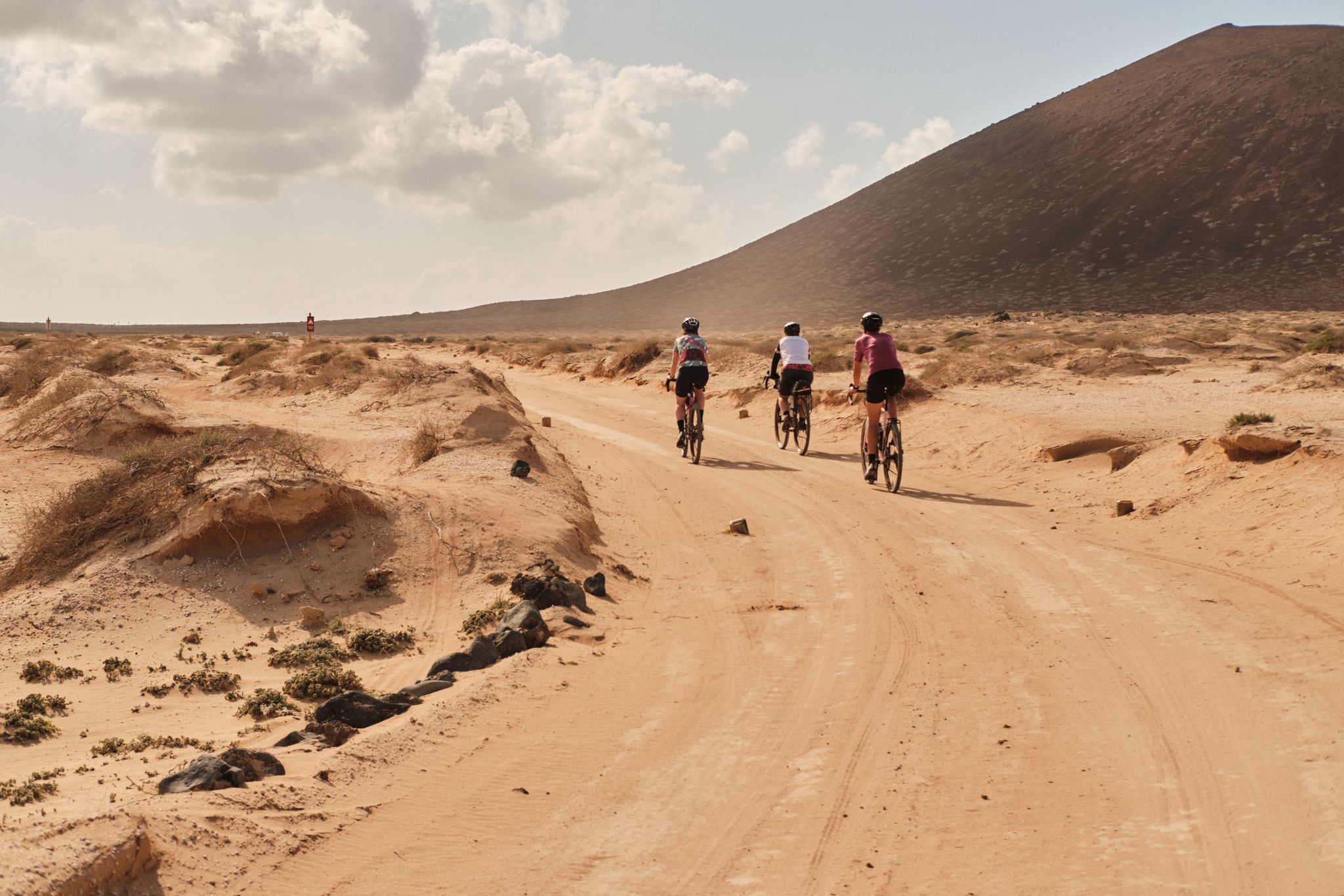
GranGuanche gravel – Komoot women's rally 2023
GranGuanche Audax Trail – my first ultra race on the Canary Islands
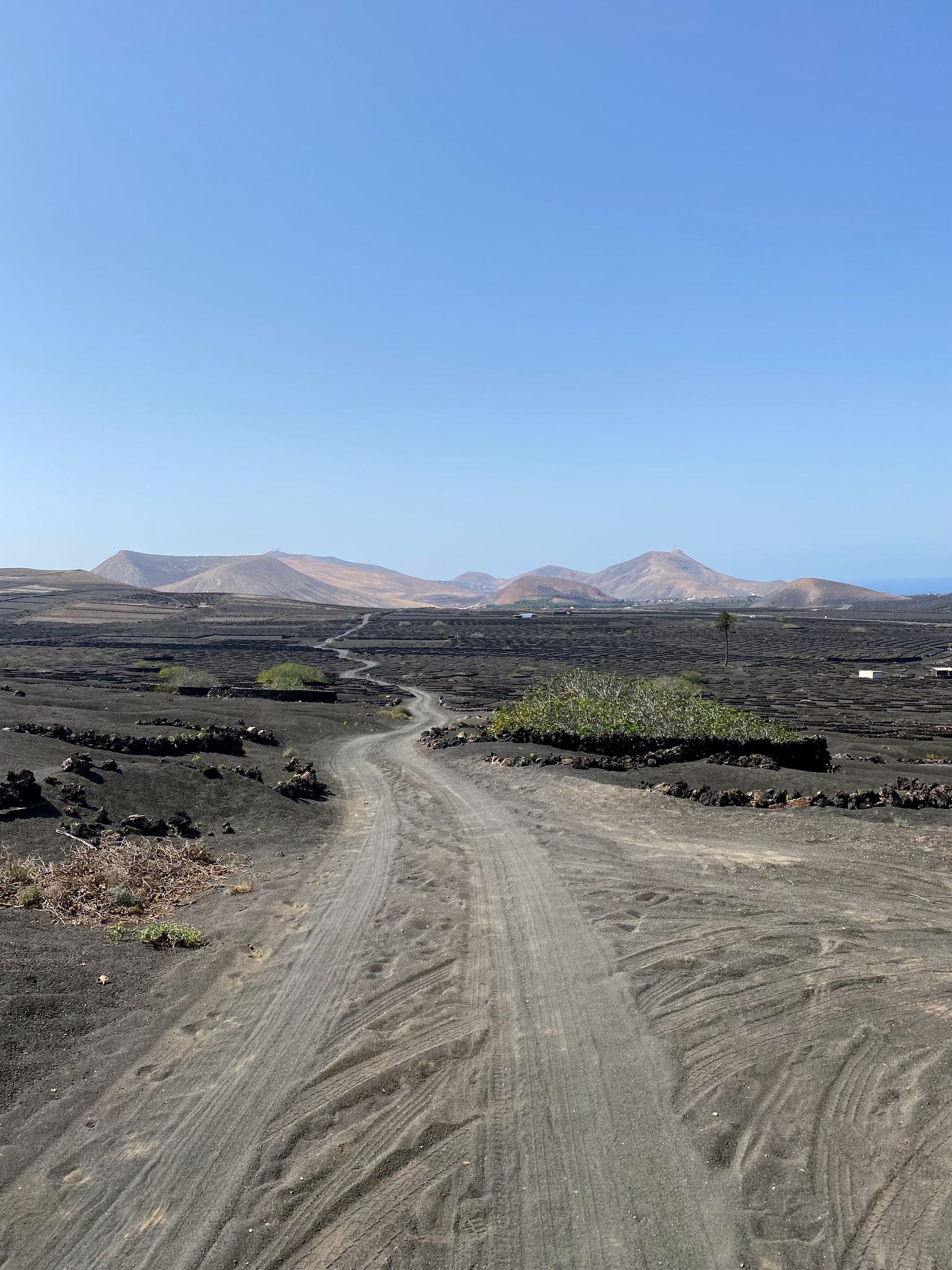
Bikepack in the Canary Islands – surprising adventures in the sun
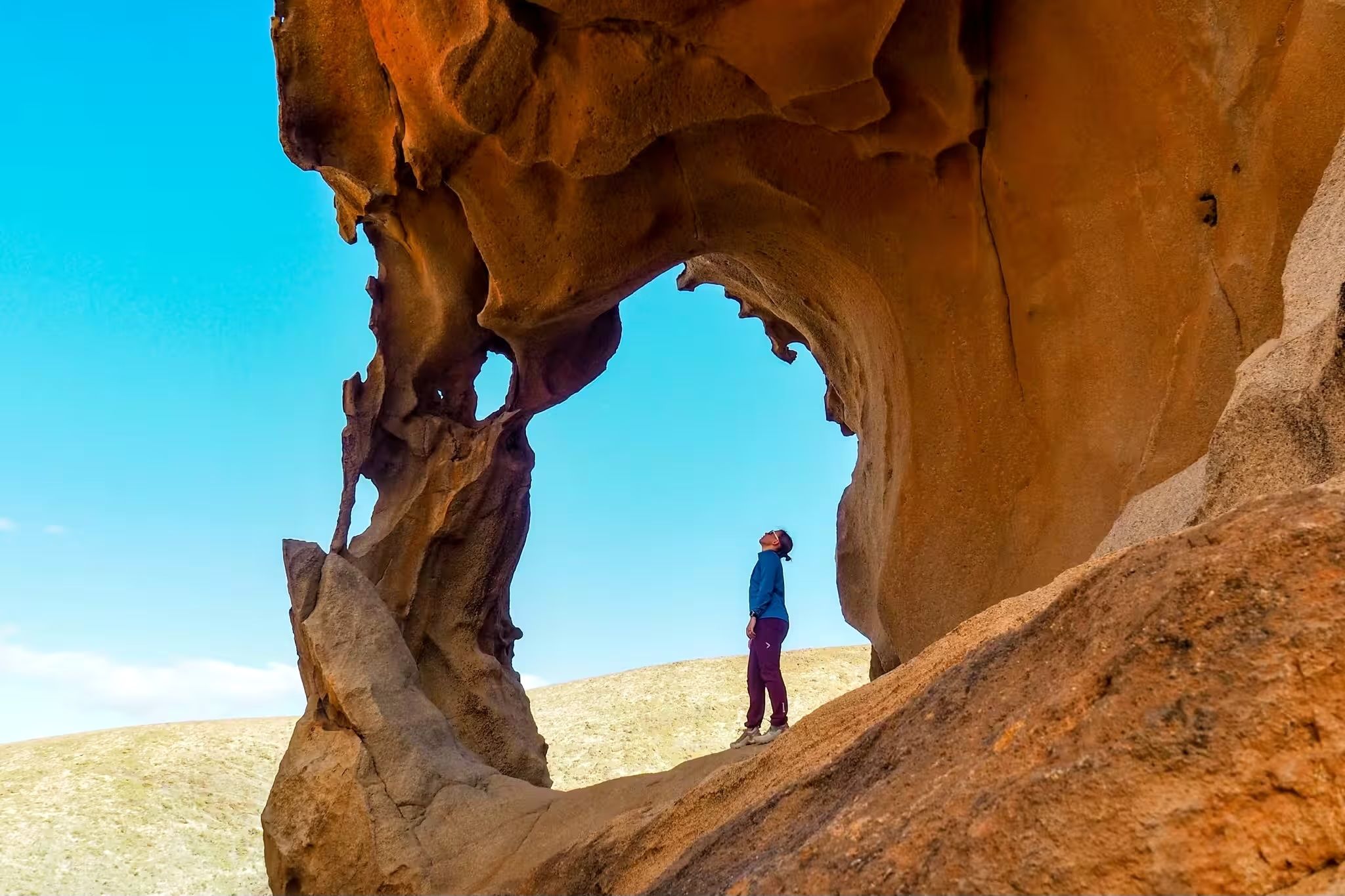
Canary Islands at a slow pace – six hikes immersed in nature
A lunar expedition – Fuerteventura on wheels
Land of sand and sea – Fuerteventura Nature Trail (GR 131)
GranGuanche Audax Gravel — five islands in two and a half days
On TOUR in Fuerteventura: dream tours in the Canary Islands
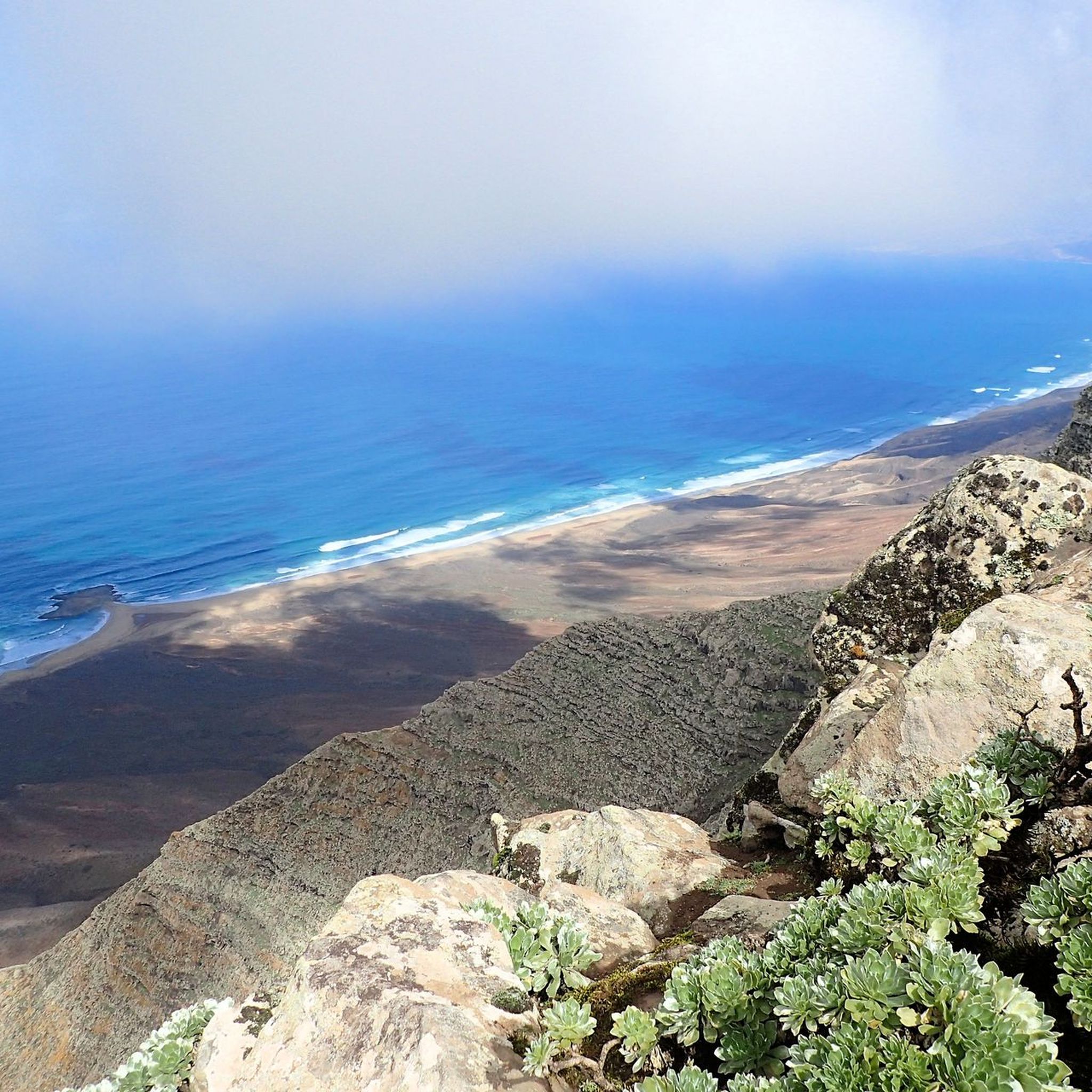
Hiking in Fuerteventura
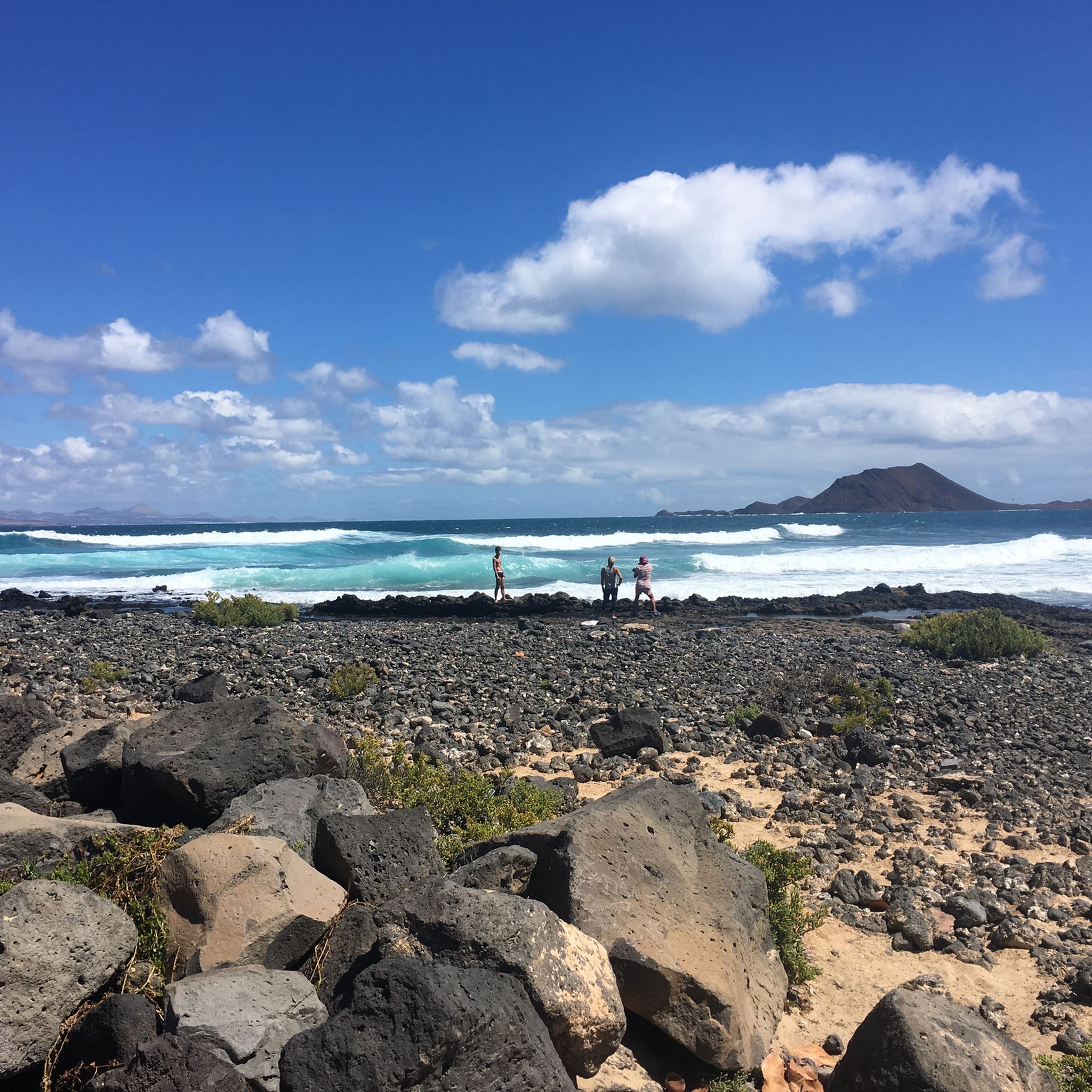
Road Cycling Routes in Fuerteventura
Other adventures in Fuerteventura


Tips from the Community

It used to be a beautiful place for birds, but now that there is no more water, they are almost impossible to find there.
0
0

I specifically walked the GR 131 over the hills to enjoy the view of the lagoon.
0
0


This is one of my favourite spots - on Fuerte, in Spain, in Europe...
1
0


It is the internationally best-known beach in Fuerteventura. Its length of nine kilometers alone takes the visitor's breath away. In reality, Sotavento consists of five individual beaches: La Barca, Risco del Paso, Mirador, Malnombre and Los Canarios. You don't have to wait for low tide to enjoy endless walks along its crystal-clear water. A sand barrier approximately 100 to 300 meters from the shore creates a huge lagoon three kilometers long.
0
1

One of the most famous places on Fuente. Great backdrop.
2
0

Frequently Asked Questions
What kind of 'lakes' can I expect to find in Fuerteventura?
Fuerteventura, being an arid volcanic island, doesn't have traditional freshwater lakes. Instead, you'll discover stunning natural pools, coastal lagoons formed by volcanic rock and sand, often replenished by the ocean, and one significant man-made reservoir. These offer diverse aquatic experiences.
Are there any natural pools suitable for swimming and relaxation?
Yes, several natural pools are perfect for swimming and relaxation. La Concha del Cotillo is particularly famous for its calm, clear, and shallow waters, protected by a coral-reef barrier, making it ideal for families. Another excellent option is Aguas Verdes on the west coast, offering six kilometers of natural pools carved into volcanic rock, best enjoyed at mid-tide.
Where can I find lagoons ideal for water sports like windsurfing or kitesurfing?
The Sotavento Lagoons at Playa de Sotavento are renowned for water sports. These vast, shallow pools form particularly during the five-day periods around the full and new moon at high tide, creating perfect conditions for windsurfing and kitesurfing. The Tidal Lagoon at Laguna de Sotavento is also a popular spot for these activities.
Are there any lakes or lagoons that are particularly family-friendly?
Absolutely. La Concha del Cotillo is highly recommended for families due to its calm, shallow, and clear waters. The pools near the Tostón lighthouse at Los Charcos del Cotillo are also very family-friendly for paddling and soaking. Additionally, the Sotavento Lagoons offer tranquil coves near Risco del Paso that are suitable for families, especially when the lagoons are full.
Where can I go for birdwatching near a 'lake' in Fuerteventura?
The Los Molinos Reservoir (also known as Las Peñitas Dam and Reservoir) is the most important bird sanctuary on the island. Despite being man-made and rarely full, it provides a vital habitat for local and migratory birdlife, making it one of Fuerteventura's best birdwatching areas. You can find more information about the reservoir at visitafuerteventura.com.
Can I find secluded or hidden natural pools away from crowds?
Yes, for a more secluded experience, consider Aguas Verdes on the rugged west coast. Its isolated location means fewer tourists, allowing you to enjoy its transparent waters and beautiful rock formations in peace. The natural pools of El Puertito de Lobos on Isla de Lobos also offer a pristine, secluded experience, often requiring a permit or guided excursion.
What kind of marine life can I expect to see in the coastal lagoons?
In pristine lagoons like those at El Puertito de Lobos, you can expect to see diverse marine life. The crystal-clear waters offer excellent visibility, revealing species such as parrotfish, bream, rays, and starfish, making it ideal for snorkeling.
Are there any viewpoints to appreciate the lagoons from above?
Yes, the View of Playa de la Barca Lagoon, Fuerteventura offers excellent perspectives of the large tidal lagoon at Sotavento. It's a great spot to observe the expansive shallow waters that form at high tide.
What outdoor activities can I do near Fuerteventura's 'lakes'?
Beyond swimming and water sports, the areas around Fuerteventura's lagoons and reservoirs offer opportunities for various outdoor activities. You can find gravel biking routes, road cycling routes, and running trails nearby. For example, there are gravel biking routes like the 'View of Playa de la Escalera – Bayuyo Volcano Trail loop' and running trails such as the 'Volcán Calderón Hondo y Montaña Colorada - circular'. You can explore more options in the Gravel biking in Fuerteventura, Road Cycling Routes in Fuerteventura, and Running Trails in Fuerteventura guides.
What is the best time to visit the coastal lagoons for the fullest experience?
For the fullest experience, especially for swimming and water sports, it's best to visit the coastal lagoons at mid to high tide. Lagoons like those at El Puertito de Lobos and Aguas Verdes are fullest and most sheltered then. The Sotavento Lagoons are particularly expansive during the five-day periods around the full and new moon when high tides maximize their depth and swimming area.
Are there any 'lakes' that are easily accessible by foot from a town?
Yes, La Concha del Cotillo is easily accessible, typically a 10-15 minute walk from El Cotillo's center. This makes it a convenient option for those staying in the town.
What makes the 'lakes' of Fuerteventura unique compared to other islands?
Fuerteventura's 'lakes' are unique because they are primarily natural pools and coastal lagoons formed by the island's volcanic geology and interaction with the ocean, rather than conventional freshwater bodies. This creates distinct landscapes of black volcanic rock, white sand, and brilliant turquoise waters, offering experiences from sheltered swimming to prime windsurfing conditions, alongside a significant birdwatching reservoir.
Most popular routes in Fuerteventura
Most popular attractions in Fuerteventura

Get inspired with the komoot mobile app


Explore more
Still not found your perfect lake in Fuerteventura? Check out the guides of these regions to see even more beautiful places.
