Top 20 Gorges in the Aosta Valley
Best canyons in the Aosta Valley are characterized by natural gorges carved by mountain streams. The region offers a variety of terrain, including narrow rock passages and deep basins. These geological formations provide opportunities for exploring natural features. The Aosta Valley is known for its alpine environment and diverse landscapes.
Best canyons in the Aosta Valley
- The most popular canyons is Rutor Waterfalls, a waterfall that features three water jumps into gorges and precipices. The inauguration of a bridge over the third waterfall allows for viewing.
- Another must-see spot is Orrido di Pré-Saint-Didier Panoramic Walkway, a viewpoint over the Orrido di Pré-Saint-Didier gorge. Visitors can expect a panoramic walkway at 160 meters height, offering views of the Mont Blanc chain and the Orrido waterfall.
- Visitors also love Panoramic Terrace, a viewpoint over the Pré-Saint-Didier gorge. This terrace provides views of the Mont Blanc group and the waterfall in the gorge.
- Aosta Valley is known for gorges, valleys, and waterfalls. The region offers a variety of natural formations to see and explore.
- The canyons in the Aosta Valley are appreciated by the komoot community, with more than 40 upvotes and 5 photos across the highlights.
Last updated: October 12, 2026
Saint-Barthélemy Valley
Highlight • Gorge
Translated by Google •
Tip by

Rutor Waterfalls
Highlight • Waterfall
Translated by Google •
Tip by

Sign up now to discover places like this
Get recommendations on the best single tracks, peaks, & plenty of other exciting outdoor places.
Orrido di Pré-Saint-Didier Panoramic Walkway
Highlight • Viewpoint
With its 160 meters of height, it offers emotions and an incomparable view of the Mont Blanc chain, the Pré-Saint-Didier basin with the villages of Champex, Palleusieux and Verrand, as well as a breathtaking view of the Orrido waterfall and the thermal spring cave.
Translated by Google •
Tip by

Val Veny
Highlight (Segment) • Gorge
Translated by Google •
Tip by

Palasinaz Valley
Highlight • Gorge
Translated by Google •
Tip by
Panoramic Terrace
Highlight • Viewpoint
The panoramic bridge is closed in winter.
Source: lovevda.it/de/katalog/7/seen-wasserfalle/pre-saint-didier/die-schlucht-von-pre-saint-didier-panoramasteg/2553
Translated by Google •
Tip by

Old arched bridge
Highlight • Bridge
Here you look into the gorge of the "Orrido" and high up you can see the viewing platform that protrudes into the gorge.
Unfortunately, I do not know the historical background of this bridge and the building.
It is an old round arch bridge, like those built in Roman times. In the immediate vicinity of the bridge there is an abandoned stone house built into the rock face.
Translated by Google •
Tip by
Pontboset village and ancient stone bridges
Highlight • Settlement
Translated by Google •
Tip by

Nivolet Valley Entrance, Valsavarenche
Highlight • Gorge
Translated by Google •
Tip by

Val di Rhêmes
Highlight • Gorge
The valley, which was carved out by the river Dora di Rhêmes, opens up at Arvier in the central Aosta Valley. Here the Dora di Rhêmes flows into the Dora Baltea. There are two small municipalities in the valley: Rhêmes-Notre-Dame (112 inhabitants) and Rhêmes-Saint-Georges (195 inhabitants). The eastern part of the valley belongs to the Gran Paradiso National Park. At the end of the valley lies the striking peak of the Granta Parei with the vast Goletta Glacier.
Translated by Google •
Tip by

Sign up for free to discover even more gorges in the Aosta Valley.
Already have an account?
Start today with a free account
Your next adventure awaits.
Popular around Aosta Valley
Alta Via n. 1 of the Aosta Valley — a walk among Italian giants
Piemont's Via Francigena
Giro del Gran Paradiso – A trail running adventure in the Italian Alps
Ultra-Trail du Mont-Blanc – following the footsteps of legends
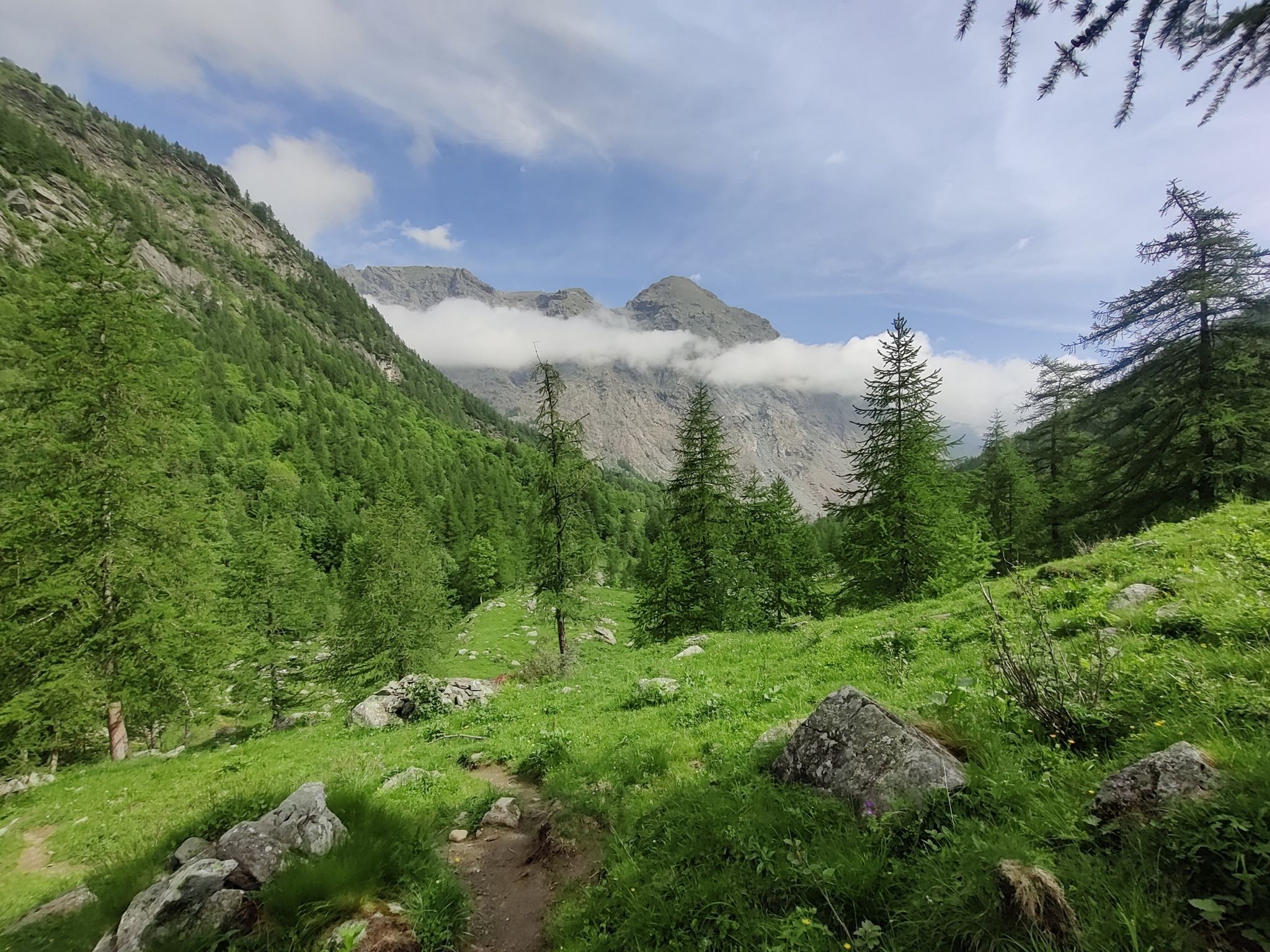
GTA Central Piedmont – Dense forests, lakes and impressive waterfalls
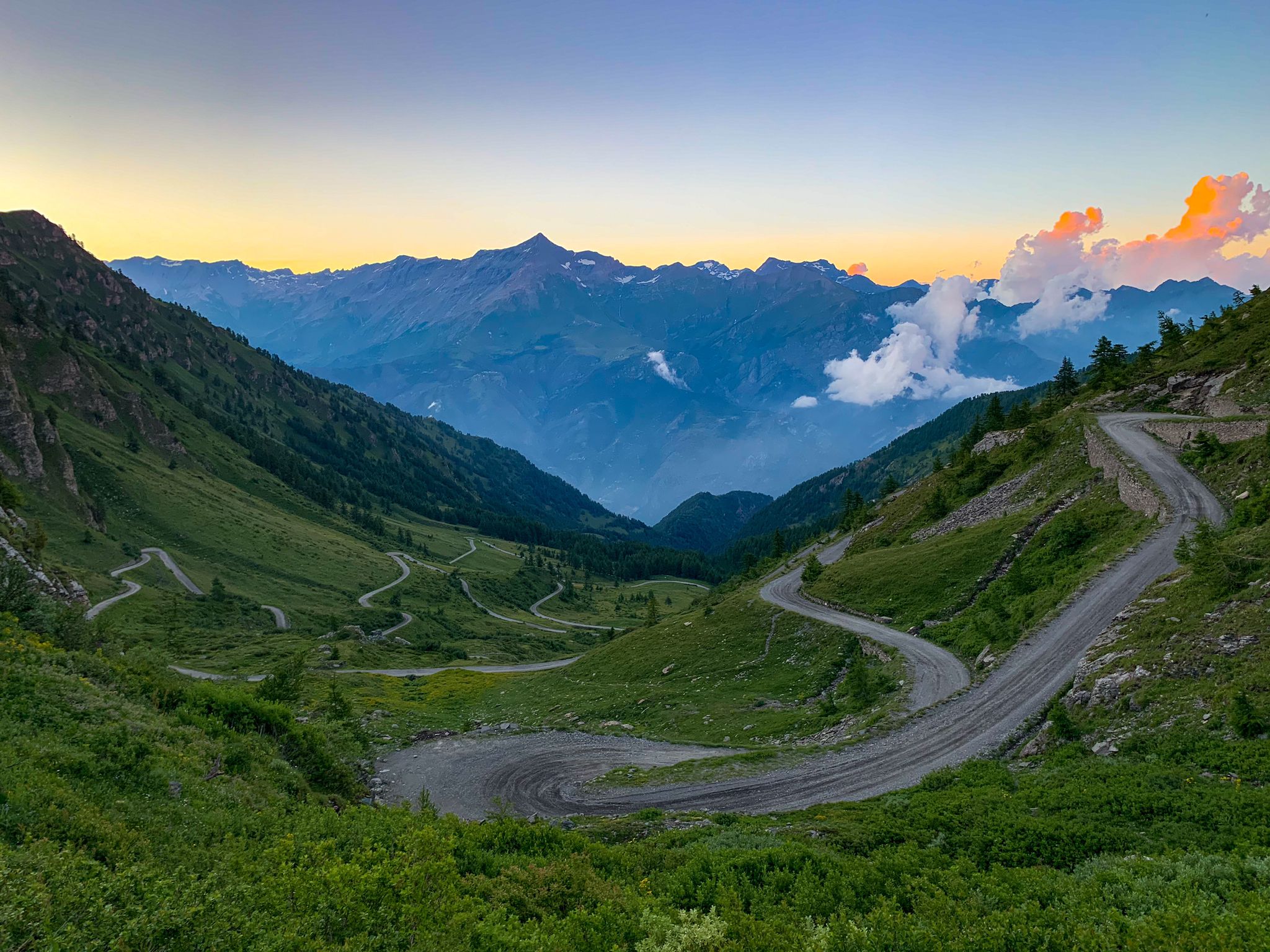
Chasing the sun across the Alps — unsupported solo
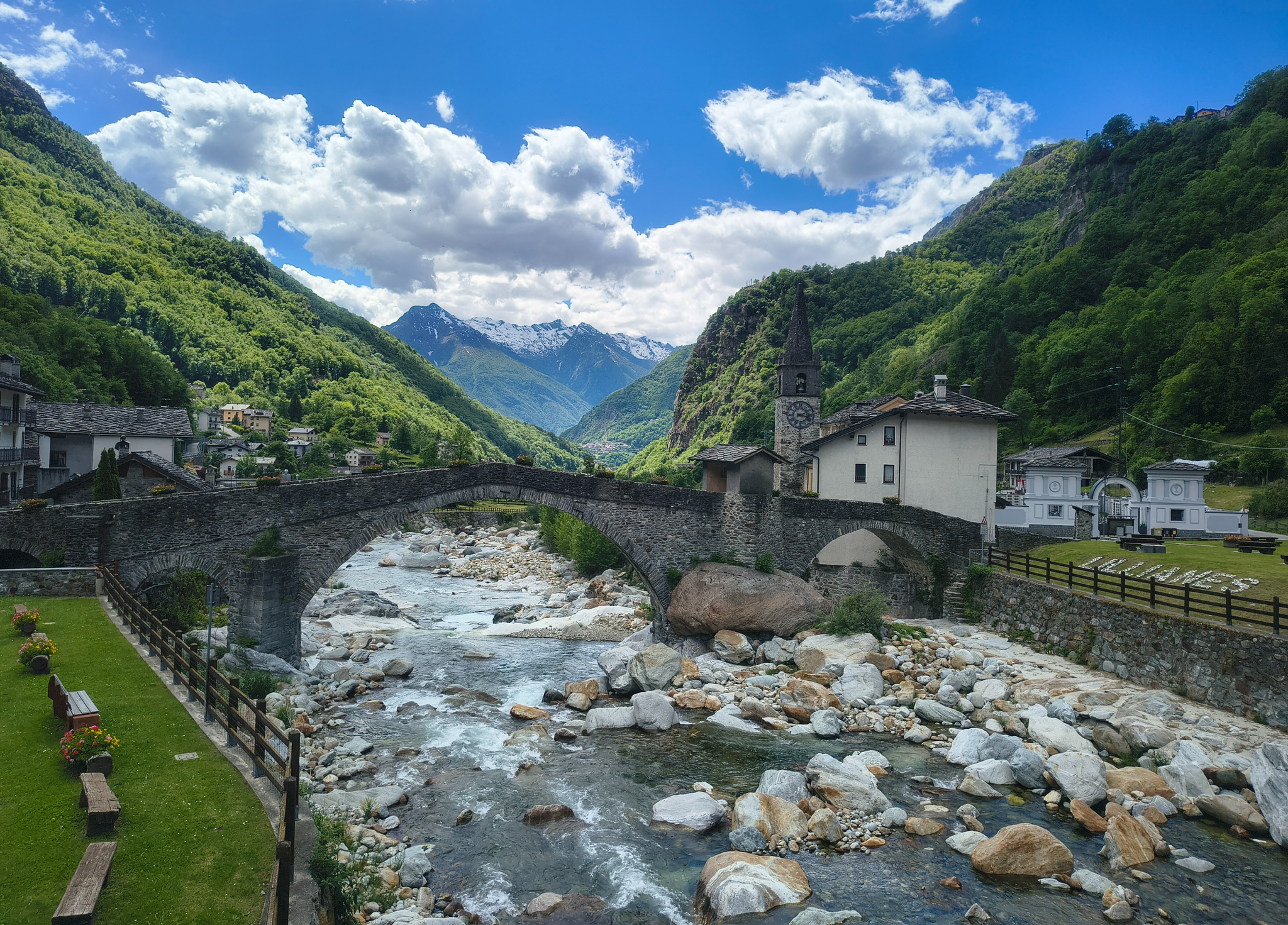
Three days on the Cammino Balteo – The historic Aosta Valley
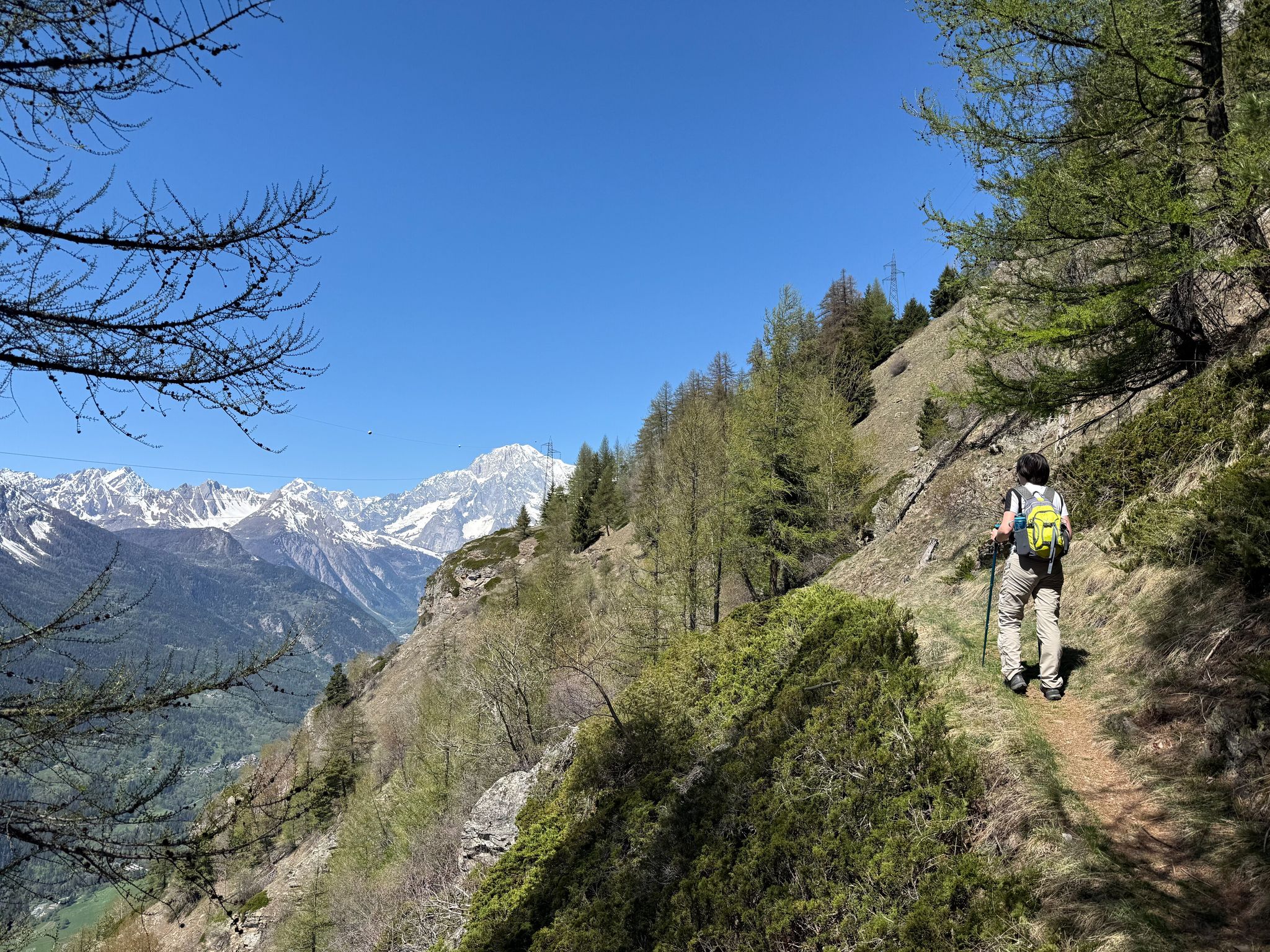
Cammino Balteo – castles, vineyards and trails of the Aosta Valley
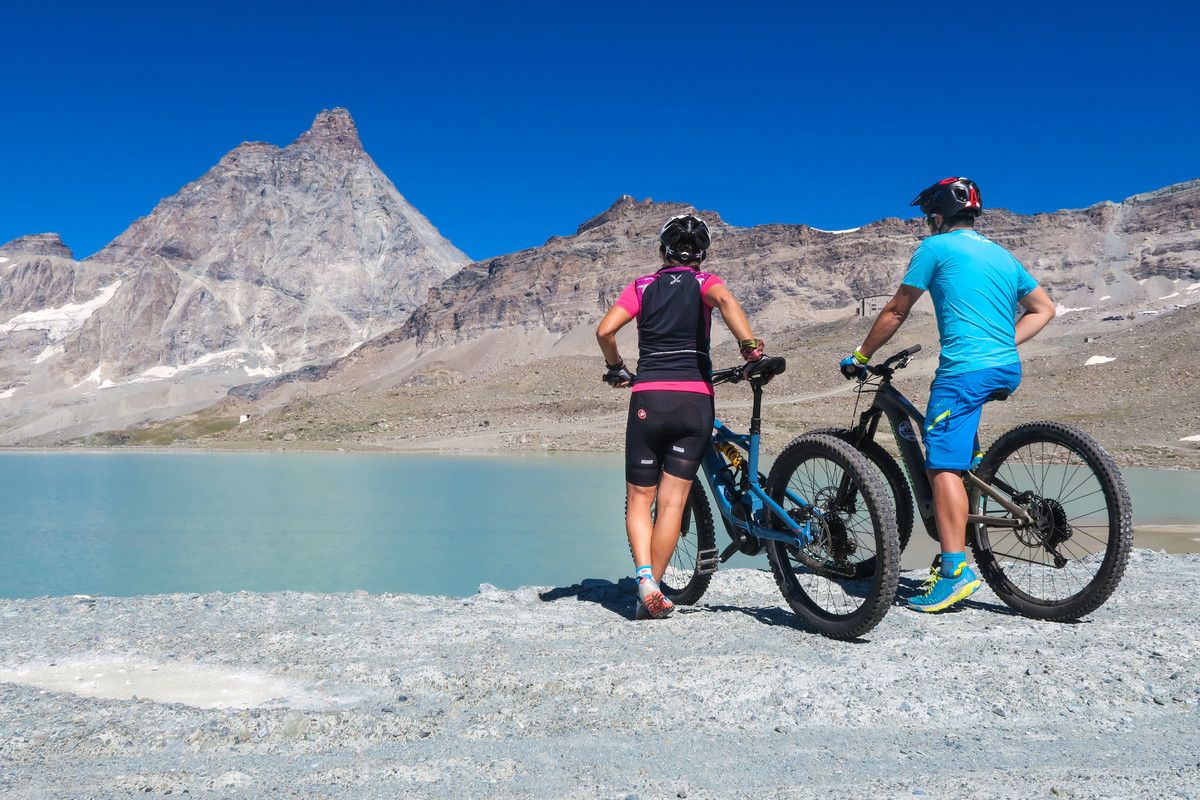
The Aosta Valley by MTB – between valleys and majestic peaks
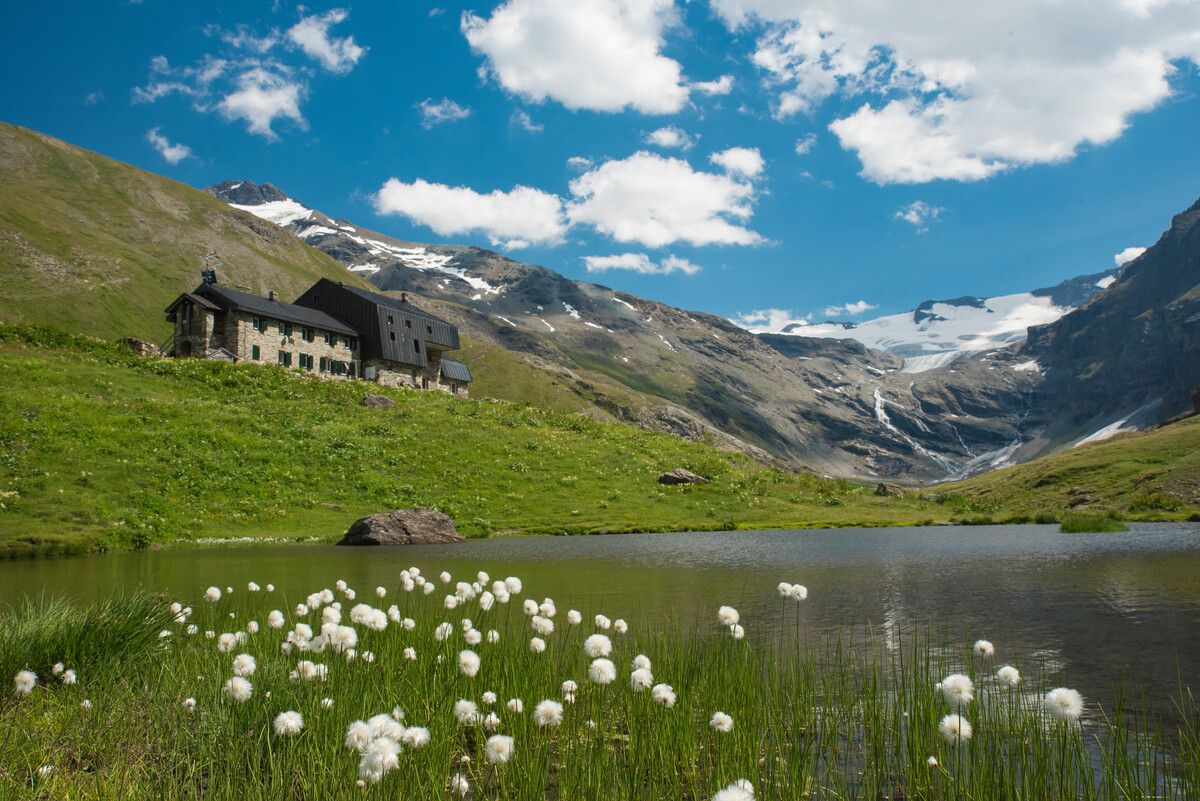
Hiking to the Aosta Valley’s mountain huts: 10 beautiful trails
Other adventures in the Aosta Valley


Tips from the Community

The Val di Rhêmes is a mountain valley in the northern Italian region of Valle d'Aosta. The valley, which was carved out by the river Dora di Rhêmes, opens up at Arvier in the central Aosta Valley. Here the Dora di Rhêmes flows into the Dora Baltea. There are two small municipalities in the valley: Rhêmes-Notre-Dame (112 inhabitants) and Rhêmes-Saint-Georges (195 inhabitants). The eastern part of the valley belongs to the Gran Paradiso National Park. At the end of the valley lies the striking peak of the Granta Parei with the vast Goletta Glacier.
0
0

A rushing mountain stream makes its way through the rocks through flowering meadows. While the peak across the valley is called that, you really feel like you're in paradise here. That's the only way it can look.
0
0

While you wait for a clear night sky in Saint-Barthélemy (we can't forget that this is the location of the Regional Astronomical Observatory), don't miss the chance for a ski "trial lesson" on the surrounding slopes. Sunscreen and sunglasses should not be forgotten, because the 30 km long resort has no less than 250 days of sunshine per year. The cross-country trails cross the snow-covered meadows of Lignan, reaching an altitude of 1,700 meters at their highest point and the village of Champcombre, where the tracks begin at 1800 meters. There is a huge panorama to see: the Val Clavalité, the great valley of Saint Marcel and Mont Emilius in the south; the gorge of the Saint Barthélemy valley in the north. The slope at Lignan, starting from the town square, directly above the church, extends over a circuit of 3.5 km and in two circuits of 2 km, with easy to medium difficulty. The slopes of Champcombre start in the small hamlet of Porliod and extend to the upper valley of Saint Barthélemy, following the extensive semicircular morphology, until Ollière, at an altitude of 2000 meters. The slopes in Champcombre follow a linear route, on the sides of which there are three circuits: each of the routes can still be followed, from one to the other via dedicated transfer tracks. The direct route is of easy to medium difficulty and is located far from roads and inhabited centers, in a beautiful natural environment. Source: https://www.lovevda.it/en/sport/cross-country-skiing/saint-barthelemy
1
0

Stunning, the route a little steep but not difficult
0
1
Beautiful, watch out for those with vertigo
0
0
Great place, close to the car park
0
0

Pontboset is made up of many small villages scattered along the middle Champorcher valley. The village is crossed by the impetuous Ayasse torrent which, over the millennia, has dug deep and wild gorges, creating very suggestive views. The confluence with two other lateral streams, the Brenve and the Manda, made it necessary to build numerous bridges, which gave the locality its name and which distinguish its territory in a peculiar way.
1
0

This bridge over the Dora di Verney mountain stream is definitely worth seeing and a photo highlight. Here you look into the gorge of the "Orrido" and high up you can see the viewing platform that protrudes into the gorge. Unfortunately, I do not know the historical background of this bridge and the building. It is an old round arch bridge, like those built in Roman times. In the immediate vicinity of the bridge there is an abandoned stone house built into the rock face.
28
0
Frequently Asked Questions
What types of canyoning experiences are available in the Aosta Valley?
The Aosta Valley offers diverse canyoning experiences, from family-friendly routes to more challenging adventures. For instance, the Chalamy Stream in Champdepraz caters to various skill levels, including a 'Family' option for children as young as six, and more difficult 'Sporting Spirit' routes for ages 14 and above. These experiences often involve abseiling descents, water slides, and opportunities for jumping into clear pools.
Are there any family-friendly canyoning options in the Aosta Valley?
Yes, the Aosta Valley has family-friendly canyoning options. The Chalamy Stream in Champdepraz, for example, offers a dedicated 'Family' program suitable for children aged six and up, providing an easier experience with abseiling, slides, and swimming in a safe environment.
What natural features can I expect to see in the Aosta Valley's canyons?
The canyons in the Aosta Valley are characterized by stunning natural features. You'll find narrow rock passages, deep basins, and impressive waterfalls. Highlights like the Rutor Waterfalls showcase three powerful water jumps into gorges. Other areas like Saint-Barthélemy Valley and Val Ferret offer picturesque river and forest landscapes within their gorges.
Where can I find panoramic views of the Aosta Valley's gorges?
For breathtaking panoramic views, consider visiting the Orrido di Pré-Saint-Didier Panoramic Walkway. This walkway, situated at 160 meters height, offers spectacular views of the Mont Blanc chain, the Pré-Saint-Didier basin, and the Orrido waterfall. Another excellent spot is the Panoramic Terrace, also overlooking the Pré-Saint-Didier gorge.
What is the best time to visit the canyons in the Aosta Valley?
The best time for canyoning in the Aosta Valley is generally during the warmer months, typically from late spring through early autumn. This period offers suitable water levels and more favorable weather conditions for outdoor activities like abseiling, swimming, and sliding through the gorges.
Are there any historical sites or unique bridges near the canyons?
Yes, the region features historical elements alongside its natural beauty. For example, the Pontboset Village and Historic Stone Bridges offer a glimpse into the past with its ancient structures nestled near a gorge. Additionally, an Old arched bridge over the Dora di Verney mountain stream provides views into the Orrido gorge and is a notable photo opportunity.
What makes the Pacoulla Torrent a notable canyoning destination?
The Pacoulla Torrent in Fontainemore is renowned for its beautiful gorge, featuring a continuous series of descents into deep basins surrounded by high rock walls. A spectacular 12-meter toboggan at the halfway point makes this short canyon particularly famous and a highlight for many visitors seeking an exhilarating experience.
What kind of terrain can I expect when exploring the canyons in the Aosta Valley?
The Aosta Valley's canyons present a varied terrain, including narrow rock passages, smooth rock walls, and deep basins carved by mountain streams. You'll encounter sections requiring abseiling, natural water slides, and clear pools for swimming, all set within the stunning alpine environment.
What outdoor activities can I do near the canyons in the Aosta Valley?
Beyond canyoning, the Aosta Valley offers a wide range of outdoor activities. You can explore various routes for mountain hikes, including challenging trails like the 'Rifugio Vittorio Emanuele II – Gran Paradiso Summit loop'. For cycling enthusiasts, there are options for gravel biking and road cycling, such as the 'Via Francigena: Aosta to Grand St. Bernard Pass' or the 'Val Veny Tour'.
Which canyon offers a more extended and immersive canyoning experience?
For those seeking a more extended and immersive canyoning experience, the Fer Stream near Donnas is an excellent choice. It is known for being a long and adventurous canyon, characterized by crystal clear water and gigantic pools, providing a comprehensive exploration of the natural gorge.
What are some other notable valleys or gorges to explore in the Aosta Valley?
Beyond the well-known canyoning spots, the Aosta Valley boasts several other impressive valleys and gorges. These include the serene Val Veny, the beautiful high Malatrà Valley with its glaciers, and the scenic Val di Rhêmes, all offering unique natural beauty and opportunities for exploration.
Is professional guidance recommended for canyoning in the Aosta Valley?
While specific training is not always required for all routes, it is highly recommended to engage certified guides for canyoning in the Aosta Valley. Guides ensure safety, help you choose the most suitable route for your experience level, and provide the necessary equipment and expertise for navigating the challenging terrain.
Most popular routes in the Aosta Valley
Most popular attractions in the Aosta Valley

Get inspired with the komoot mobile app


Didn’t find what you were looking for?
Want to see even more gorges? See the best ones in the Aosta Valley region by region:
Explore more
Already discovered everything in this region? See additional gorges in the Aosta Valley for your next adventure:
