Top 17 Caves in Upper Lusatia
Best caves in Upper Lusatia include a variety of natural rock formations, historical mines, and unique geological features. This region in eastern Germany, while not known for extensive underground cave systems, offers intriguing sites for exploration. Its landscape provides opportunities to discover rock cellars and natural monuments. Many locations are integrated into picturesque surroundings, enhancing the outdoor experience.
Best caves in Upper Lusatia
- The most popular caves is Geldkeller Rock Formation, a natural monument that features a small cave…
Last updated: June 25, 2026
Hochstein (Sibyllenstein) – Highest Point of Westlausitz
Highlight • Summit
Translated by Google •
Tip by

Schwarzes Loch Show Mine
Highlight • Structure
The rock alleys are impressive.
Translated by Google •
Tip by

Sign up now to discover places like this
Get recommendations on the best single tracks, peaks, & plenty of other exciting outdoor places.
Sign up for free
Gratzer Rocks
Highlight • Natural Monument
Translated by Google •
Tip by

Karasek Cave
Highlight • Natural Monument
Translated by Google •
Tip by

Geldkeller Rock Formation
Highlight • Natural Monument
Translated by Google •
Tip by

Statue of Siegfried the Dragon-Slayer
Highlight • Monument
Translated by Google •
Tip by

Treasure Chamber Ruins, Zittau Nature Park
Highlight • Cave
Translated by Google •
Tip by
Grubschützer Robber's Cave and Climbing Rocks
Highlight • Cave
Before and after there are also climbing rocks with appropriate safety devices that are hammered into the granite.
Translated by Google •
Tip by

Finstere Tülke Sandstone Gorge
Highlight • Gorge
The rock formations rising to the left and right of the …
Translated by Google •
Tip by

Basalt Grottoes in Bärwalde Park
Highlight • Structure
Translated by Google •
Tip by

Sign up for free to discover even more caves in Upper Lusatia.
Sign up for free
Already have an account?
Start today with a free account
Your next adventure awaits.
Login or Signup
Popular around Upper Lusatia
Triathlon around Germany
Cycling from Dresden to Berlin – lakes, nature and Sorbian culture
Mountains, heaths & lakes – hiking in Lusatia
From Warsaw to Berlin — in the footsteps of the Peace Race part 1
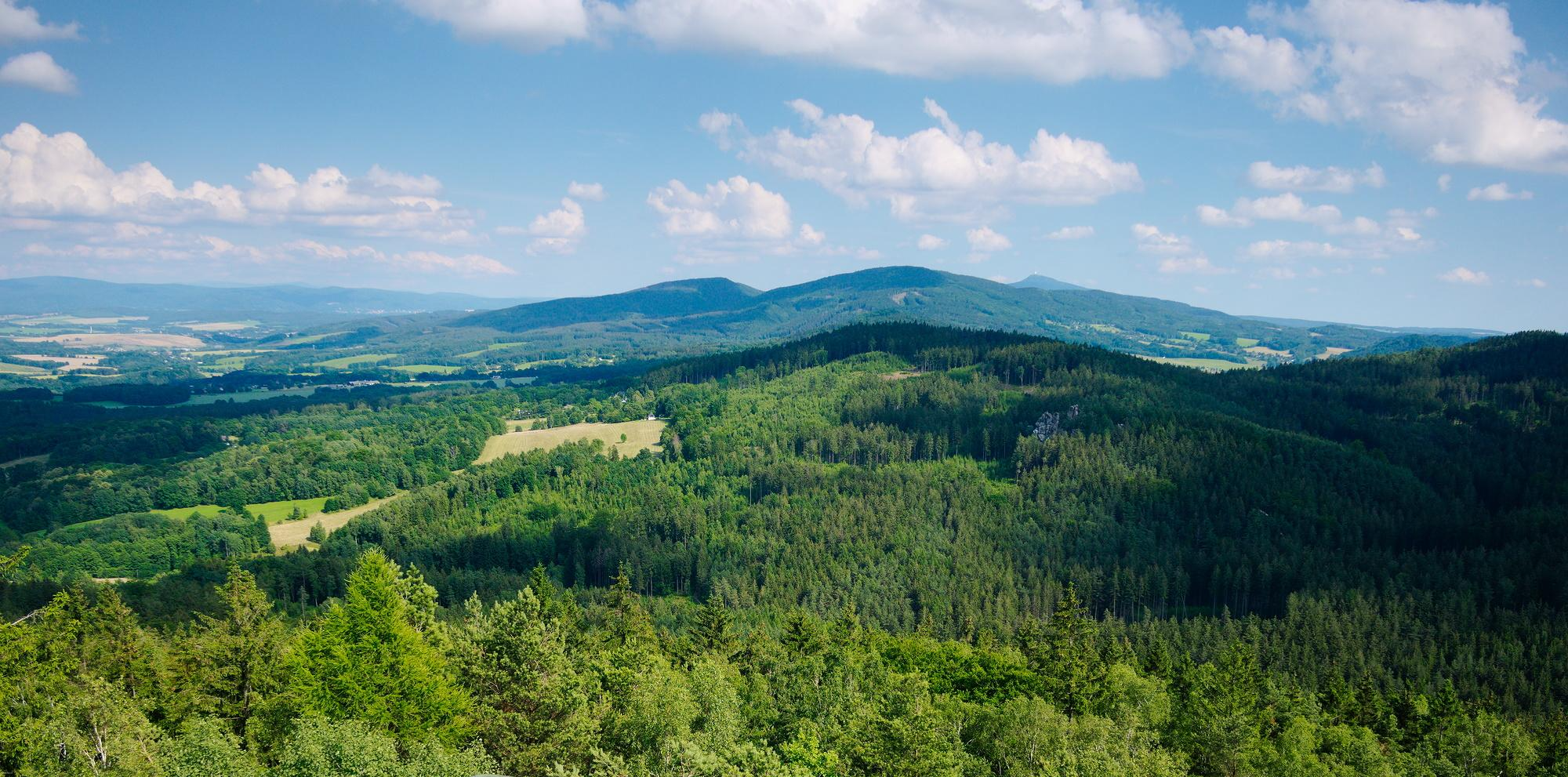
The National Natural Landscapes in Saxony
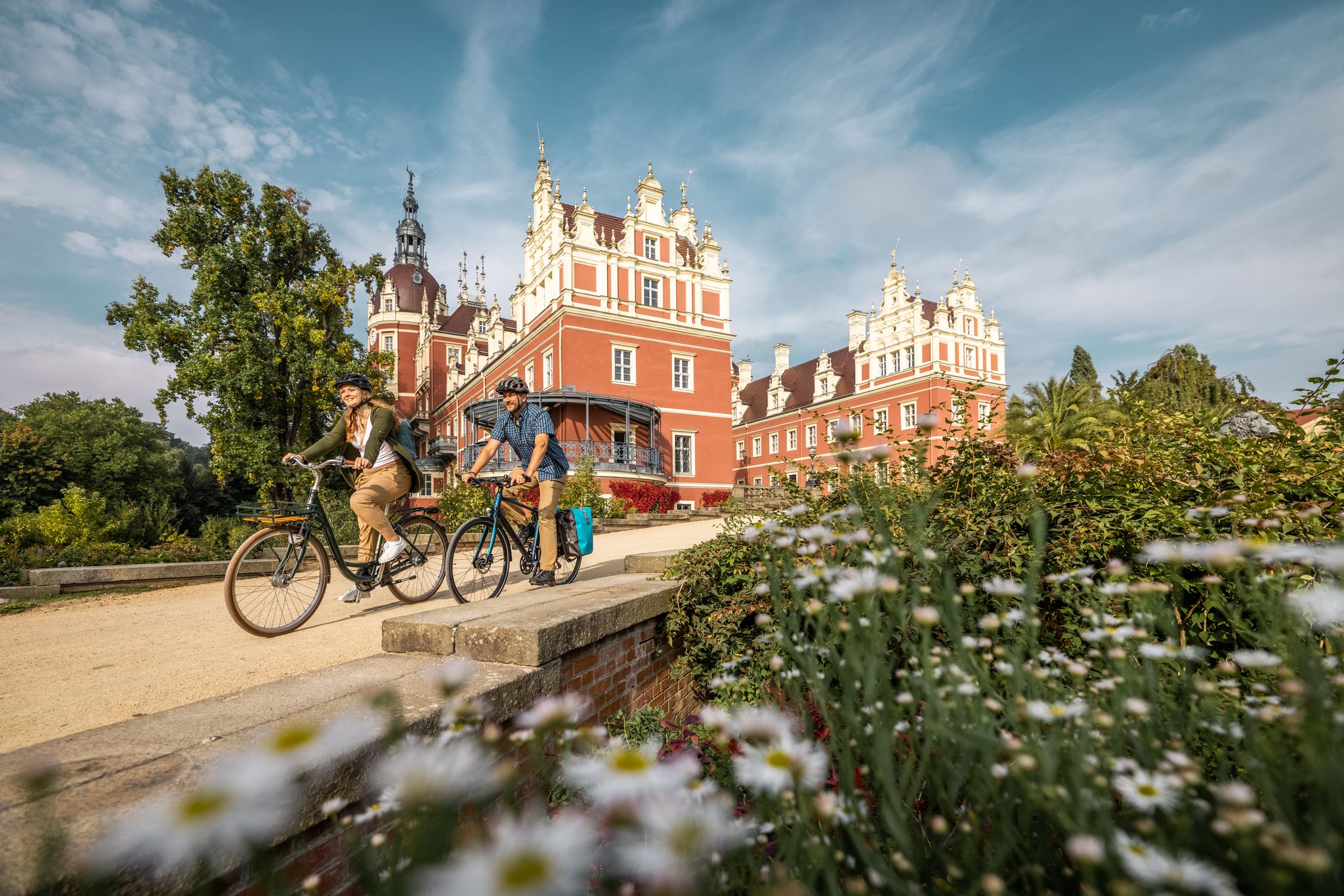
Oberlausitz Cycling Region – 18 superb routes in Upper Lusatia
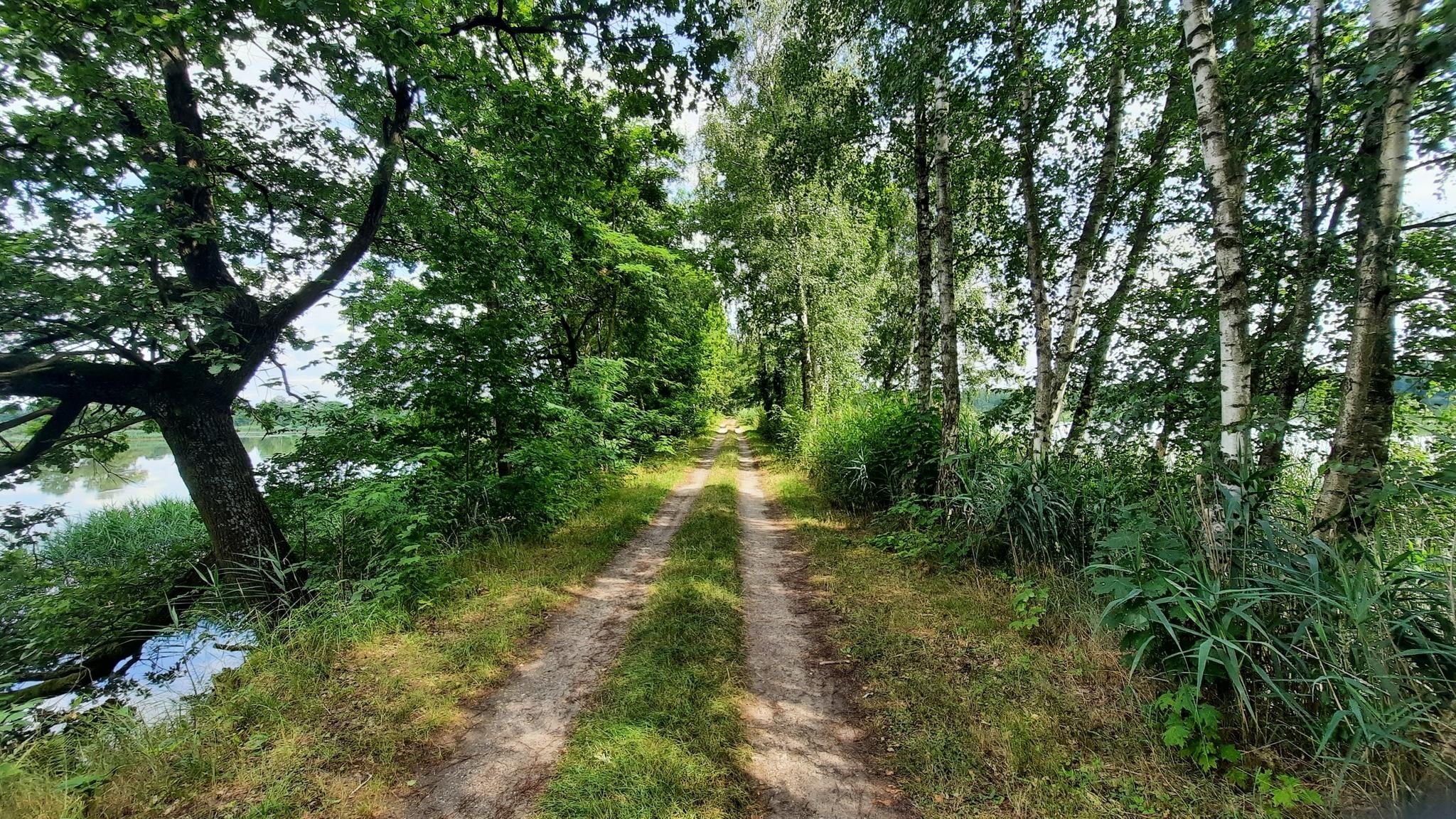
On two wheels through the ponds – Neißeland Tour
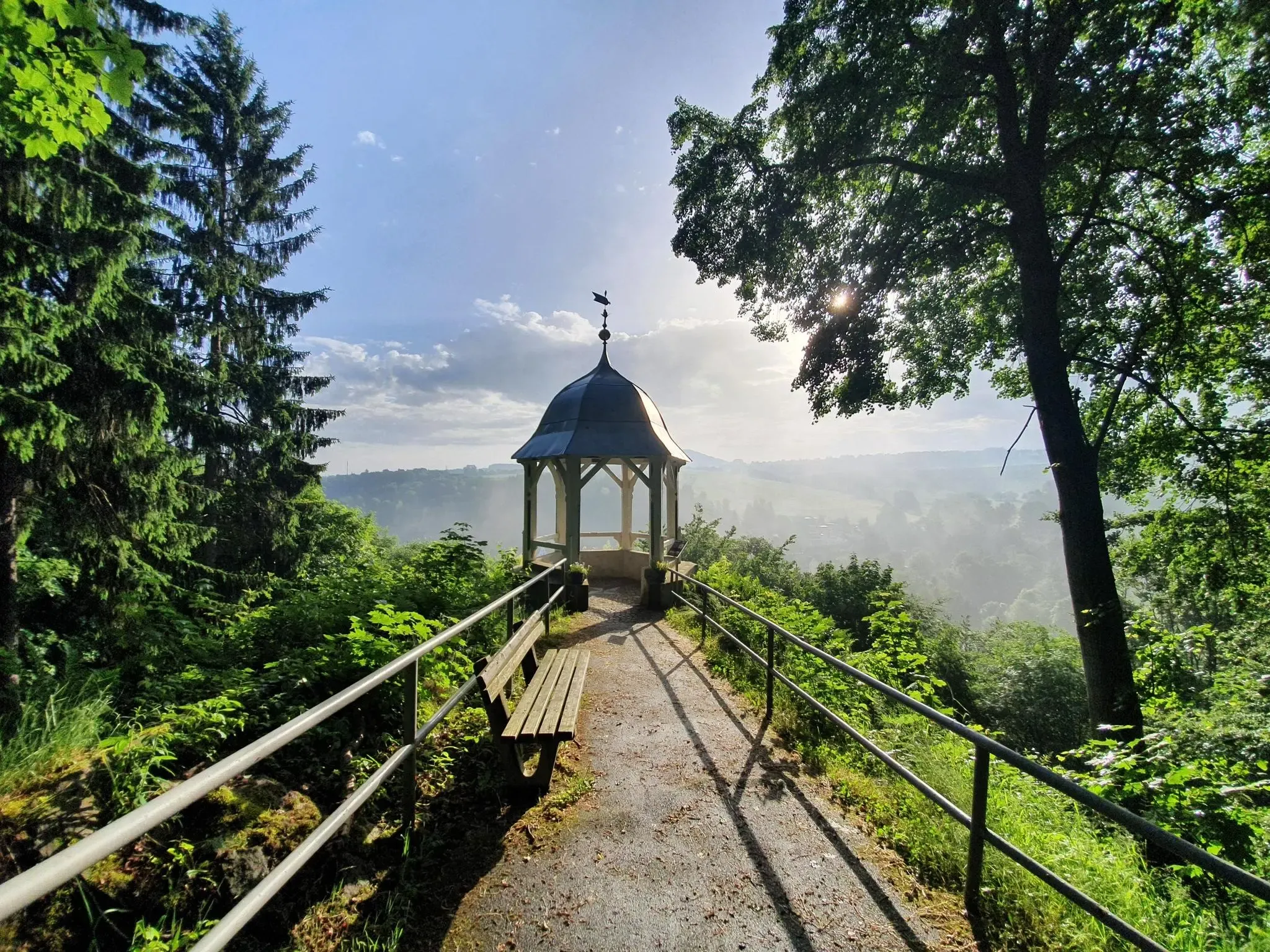
#GoFurther – discover the views of Germany!
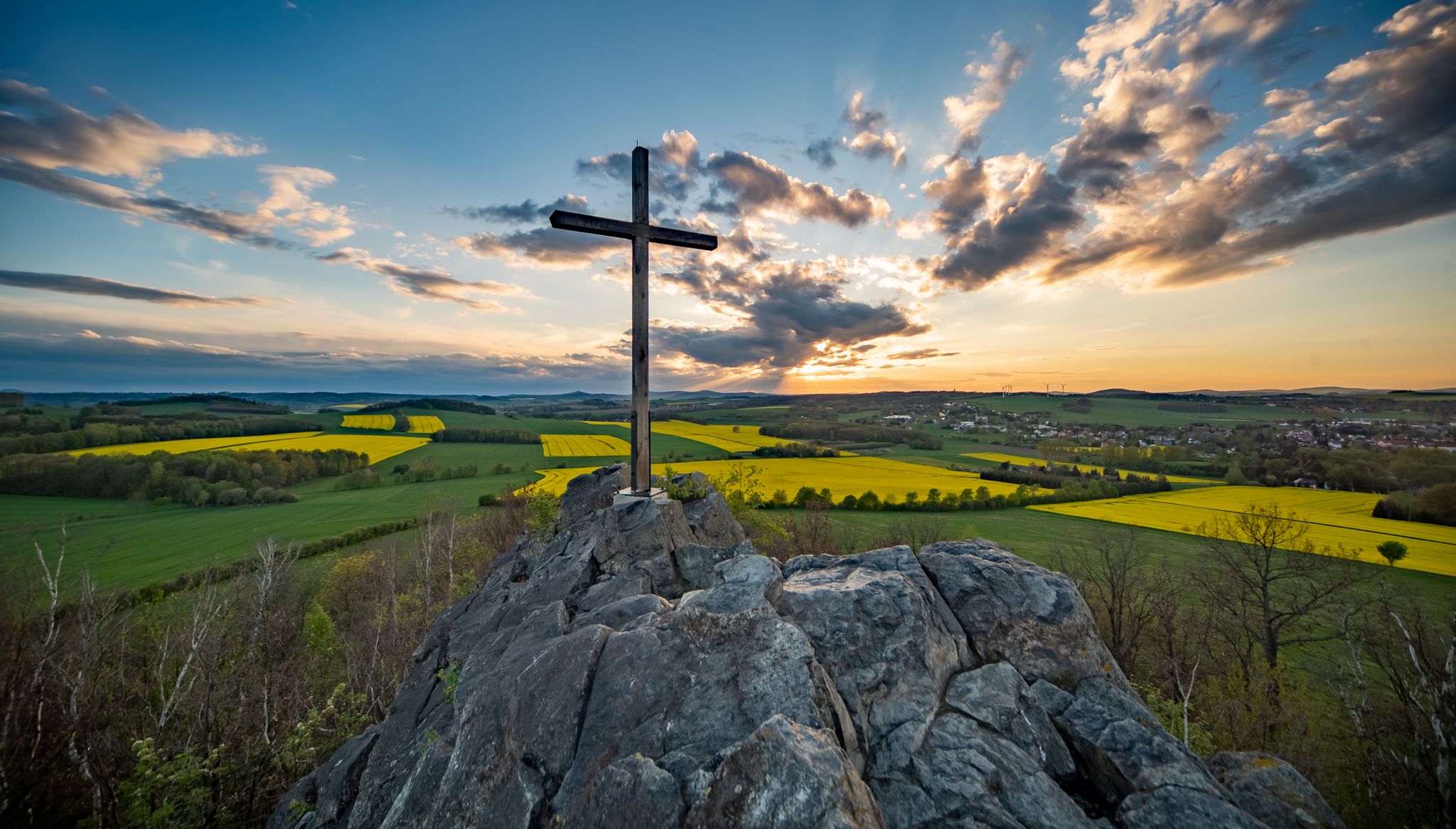
Legendary views on the Upper Lusatia Mountain Trail
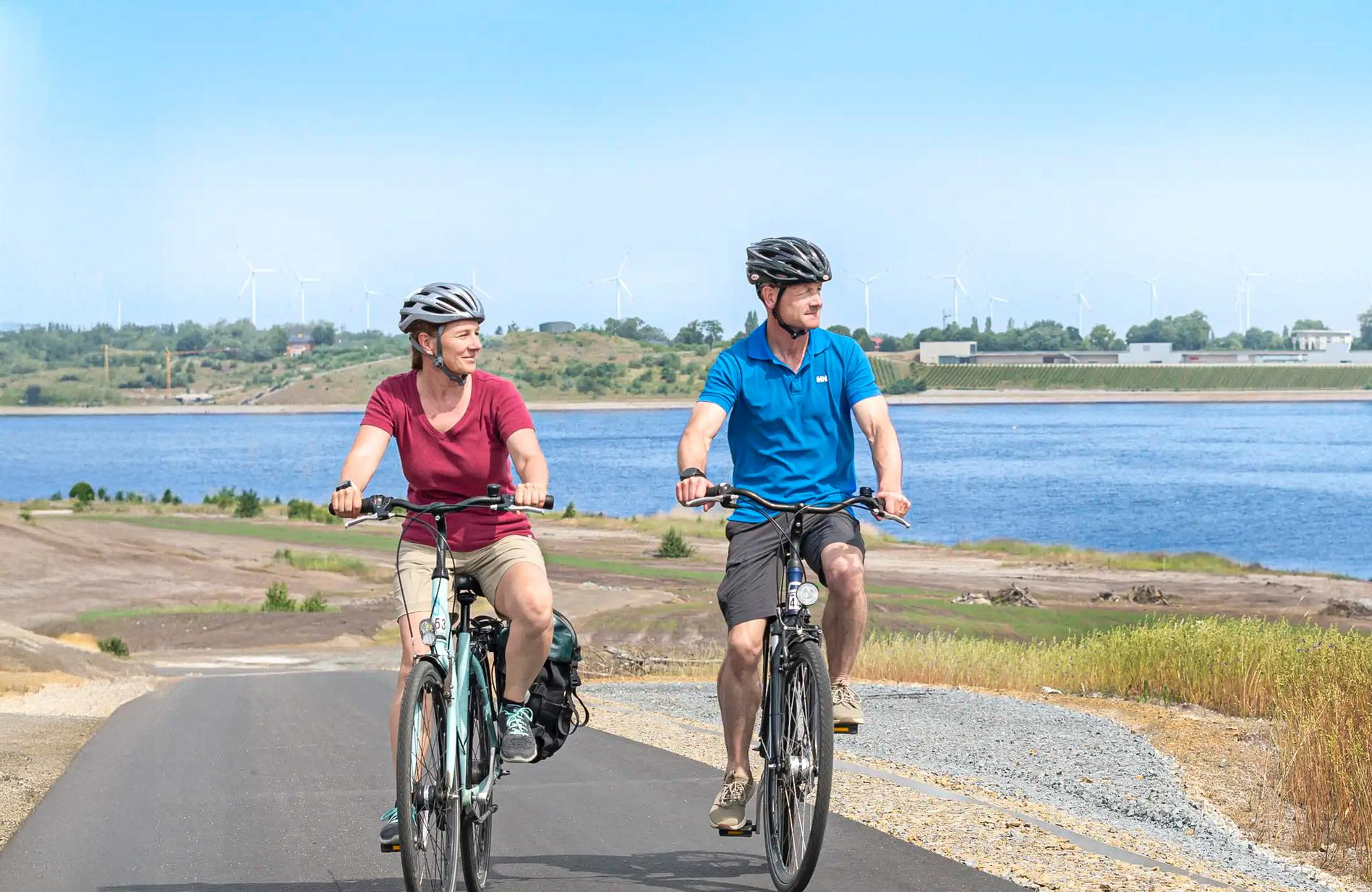
From old villages to new shores – lake circuits in Lusatian Lakeland
Other adventures in Upper Lusatia


Tips from the Community

Great rock formation; With due attention, you can climb well and conquer the rocks and surroundings.
0
0

Mountains always attract magically - nicely depicted here.
0
0

Looking up, we already see the Gratzer rocks, in this section the trees around us have died. We look back, far into the distance. We reach the rock formation, we are now standing between the freestanding sandstone rocks, with boulders in between, as if someone had dropped them here. If we don't deny ourselves a little climb on them, we feel like we are in an adventure land. The rock formation is permeated with small caves everywhere. A fantastic landscape, we walk between the rocks, through the autumnal forest surrounded by moss and ferns, the sandstone now sounds dull, almost hollow under our feet. https://youtu.be/N2GgTh6HEzQ
0
0
In the lower church, we barely squeeze through the passage to the secret hiding place, where parts of the Prague Cathedral treasury were stored in 1421. Back outside, we're greeted by the library window, which served as the inspiration for Caspar David Friedrich's painting "The Dreamers." https://youtu.be/qvBJv_Fnfis
0
0

To the Dark Tilke As far as I know, the Dark Tilke is a former quarry. Stones for the construction of the Jonsdorf church were quarried there.
1
0
The money cellar is an interesting rock formation
0
0

Grottos in Bärwalde. Two more grottos are located nearby. Magnificent structures.
1
0

The White Stone marks a regional geological feature. Here, a rock formation consisting of a quartz vein emerges, striking for its atypical white color. This formation is also known as the Karasek Cave, named after the robber captain Johannes Karasek. This is said to have been the meeting place of the gang before and after several raids. While the robber captain actually existed, legend has it that his treasure, which has not yet been found, is hidden at this location. The story of the robber captain and information on the geology can be found in the Karasek Museum in Seifhennersdorf. Coming from Großschönau, it's worth taking a detour about 300 meters from the road and then continuing on to the Karasek Museum.
0
0
Frequently Asked Questions
What are some of the most popular caves and rock formations to explore in Upper Lusatia?
Upper Lusatia offers a variety of intriguing sites. The Geldkeller Rock Formation is a natural monument known for its unique sun phenomena during solstices. Another popular spot is the Schwarzes Loch Show Mine, a man-made site offering guided tours through impressive rock alleys. You can also visit the Karasek Cave, a natural monument steeped in local legend.
Are there family-friendly caves in Upper Lusatia?
Yes, several caves are suitable for families. The Geldkeller Rock Formation is very easy to reach. The Grubschützer Robber's Cave offers a small adventure, especially for children. Additionally, the Basalt Grottoes in Bärwalde Park are also considered family-friendly.
What historical or cultural sites can I find among the caves in Upper Lusatia?
The region's caves often have historical significance. The Schwarzes Loch Show Mine is a historical quarry expanded into a museum. The Karasek Cave is associated with local legends of a robber captain. You can also explore the Treasure Chamber Ruins in Zittau Nature Park, which is a historical cave site.
What kind of natural features can I expect to see in Upper Lusatia's caves and rock formations?
Upper Lusatia's geological makeup provides unique natural features. The Geldkeller Rock Formation is known for its striking rock structure and light phenomena. The Karasek Cave is a natural monument formed by erosion within a bright quartzite rock. You can also find impressive rock formations at the Gratzer Rocks and the Finstere Tülke Sandstone Gorge.
Are there any caves in Upper Lusatia that require special equipment or offer a more challenging experience?
While many sites are accessible, some offer more adventurous exploration. The Deep Cave, located near the border in Saxon Switzerland, features an ice chamber and a narrow descent, where ropes for climbing are recommended. Some rock caves in Saxon Switzerland are also only accessible via challenging trails.
What outdoor activities can I do near the caves in Upper Lusatia?
The region around the caves offers diverse outdoor activities. You can find numerous MTB Trails in Upper Lusatia, including singletracks and longer loops. There are also many easy hikes, such as the Bautzen city wall loop or trails around local lakes. For cyclists, there are various cycling routes, including scenic loops around Bärwalder See and Geierwalder See.
What is the best time to visit the caves in Upper Lusatia?
The best time to visit largely depends on the specific cave and your preferred activities. Many natural rock formations and outdoor sites are enjoyable during spring, summer, and autumn. For show mines like Schwarzes Loch, check their specific operating hours, which might vary seasonally. Winter visits can offer a unique, quieter experience, but some natural caves might be less accessible due to weather.
Are there guided tours available for any of the caves?
Yes, the Schwarzes Loch Show Mine near Jonsdorf offers guided tours on certain days, allowing visitors to experience its impressive rock alleys and learn about its history as a quarry and museum.
Are there any hidden gems or lesser-known caves worth exploring in Upper Lusatia?
Beyond the well-known spots, the region has smaller, intriguing sites. The Old Mill Site with a Water Tunnel, while not a natural cave, offers an exploratory experience where visitors are advised to bring a torch. The Grubschützer Robber's Cave is a cut in the granite rock that provides a small adventure.
What should I wear when exploring caves in Upper Lusatia?
For most natural rock formations and accessible caves, comfortable hiking attire and sturdy shoes are sufficient. If you plan to explore deeper or more challenging caves, like the Deep Cave where ropes are recommended, appropriate climbing gear and headlamps are essential. Always be prepared for cooler temperatures inside caves, even on warm days.
Can I bring my dog to the caves in Upper Lusatia?
Policies vary by location. Natural outdoor rock formations and trails leading to them are generally dog-friendly, provided dogs are kept on a leash. For specific show mines or protected natural monuments, it's best to check their individual regulations beforehand to ensure dogs are permitted.
Are there viewpoints near the caves in Upper Lusatia?
Many cave and rock formation sites in Upper Lusatia are integrated into picturesque landscapes and offer scenic views. The Hochstein (Sibyllenstein), while a summit, is also listed with cave features and provides views. The Geldkeller Rock Formation and Gratzer Rocks are also known for their impressive surroundings and potential viewpoints.
Most popular routes in Upper Lusatia
Most popular attractions in Upper Lusatia

Get inspired with the komoot mobile app


Didn’t find what you were looking for?
Discover more caves in Upper Lusatia region by region:
Explore more
Extend your search for the best caves by checking out these guides of the top ones in Upper Lusatia:
