Top 10 Caves in Schleswig-Holstein
Best caves in Schleswig-Holstein offers a unique exploration of underground sites, distinguishing itself from regions known for extensive karst cave systems. The northernmost German state features a blend of natural monuments, archaeological sites, and man-made grottoes. These locations provide insights into geological formations, ancient history, and unique cultural curiosities. The region's underground attractions are notable for their historical significance and ecological importance, particularly as bat habitats.
Best caves in Schleswig-Holstein
- The most popular caves is Kalkberg, Bad Segeberg, a…
Last updated: October 12, 2026
Kalkberg, Bad Segeberg
Highlight • Natural Monument
The view in good weather is fantastic.
And it is the only rock mountain in the big circle! The next one should be in the Harz …
Translated by Google •
Tip by

Bat cellar
Highlight • Structure
Translated by Google •
Tip by

Sign up now to discover places like this
Get recommendations on the best single tracks, peaks, & plenty of other exciting outdoor places.
Idstedt Robber's Cave — Megalithic Tomb
Highlight • Historical Site
Translated by Google •
Tip by
Noctalis Bat Centre Bad Segeberg
Highlight • Structure
Translated by Google •
Tip by

Denghoog Burial Mound
Highlight • Historical Site
Translated by Google •
Tip by

Old Tunnel Entrance at Lummenfelsen
Highlight • Cave
Translated by Google •
Tip by

Spiegelgrotte
Highlight • Cave
You can find out more about it here:
museumsberg-flensburg.de/de/neuigkeiten/details/120.html
Translated by Google •
Tip by

Barrow Museum and Children's Play Cave
Highlight • Historical Site
Translated by Google •
Tip by

Mumiengrotte (Mummy Grotto) in Christiansenpark
Highlight • Cave
Translated by Google •
Tip by

Kalkberg and Noctalis Bat Centre
Highlight (Segment) • Natural Monument
Around 800 bats use the Kalkberg cave as summer quarters.
Translated by Google •
Tip by

Sign up for free to discover even more caves in Schleswig-Holstein.
Already have an account?
Start today with a free account
Your next adventure awaits.
Popular around Schleswig-Holstein
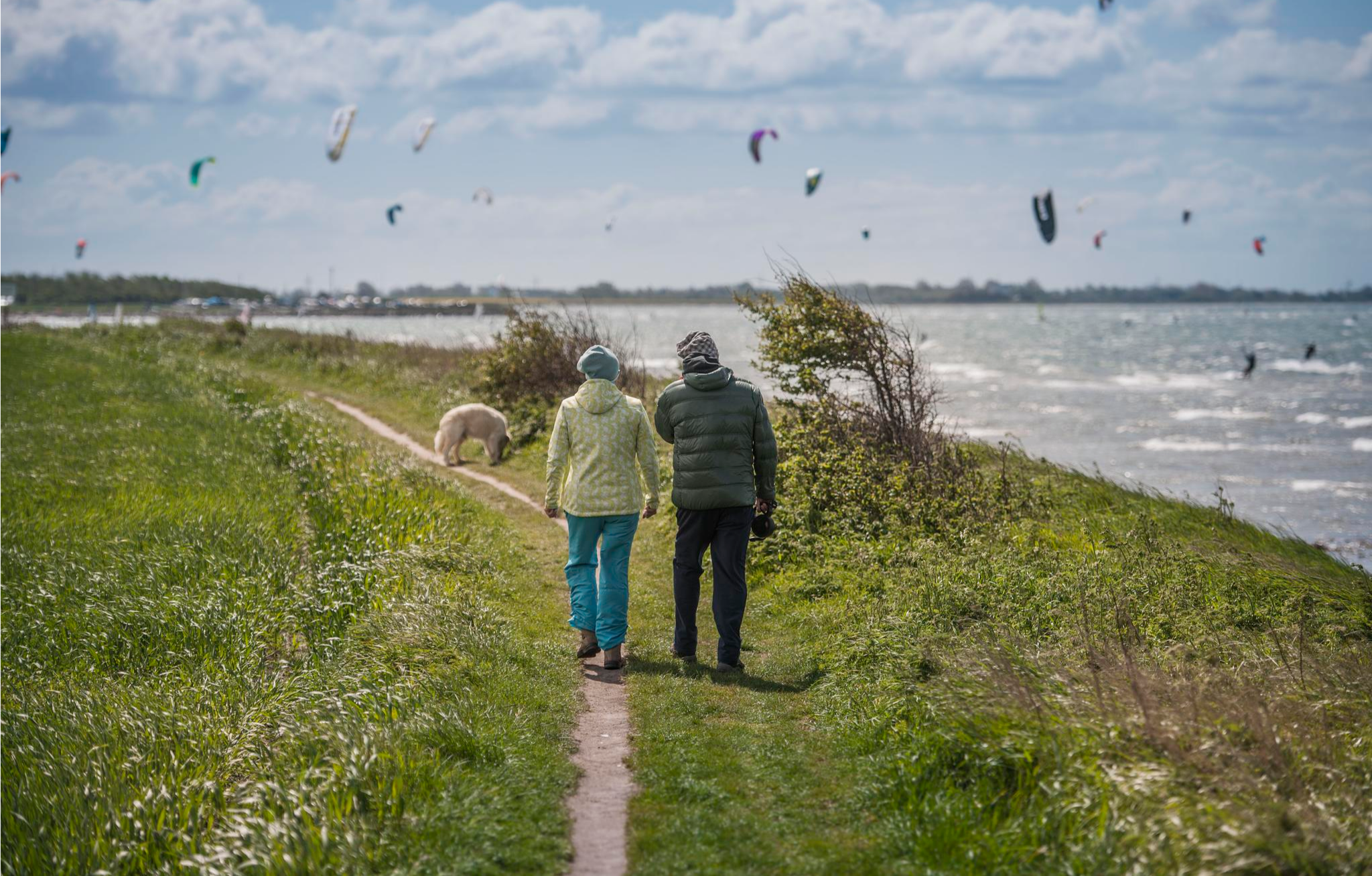
Autumn walks on Fehmarn – between coast and culture
Triathlon around Germany
European Divide Trail — 7,600 km across the continent
North-Baltic Sea Hiking Trail – Between the Seas
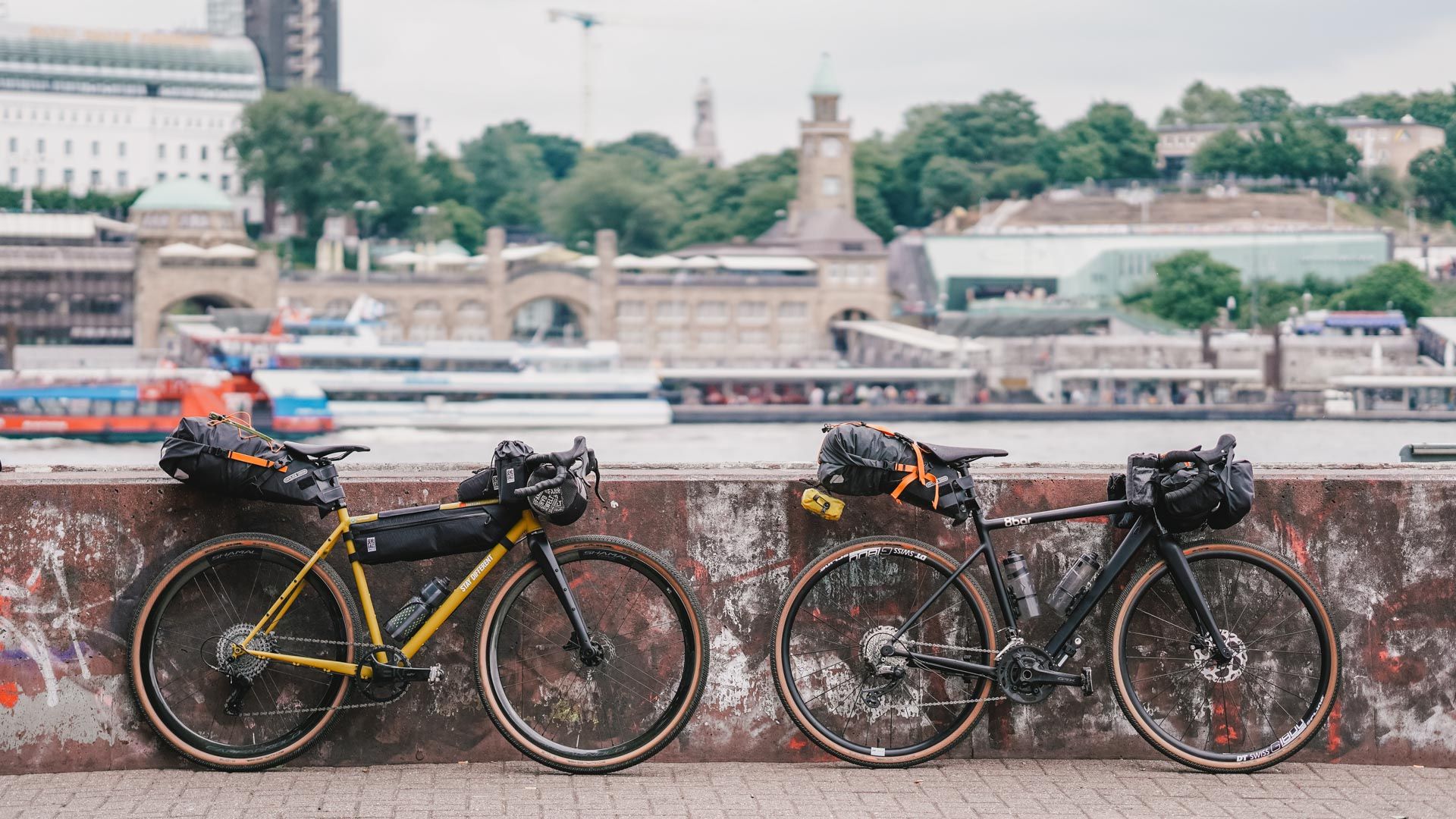
North Sea Deluxe — bikepacking with Radelmädchen
Naples to North Cape — Two friends, one purpose and many scoops of ice-cream
The Hanseatic Way – Cycling across North Germany to Poland, follow the cog!
EuroVelo 3 – A cycling pilgrimage from Norway to France
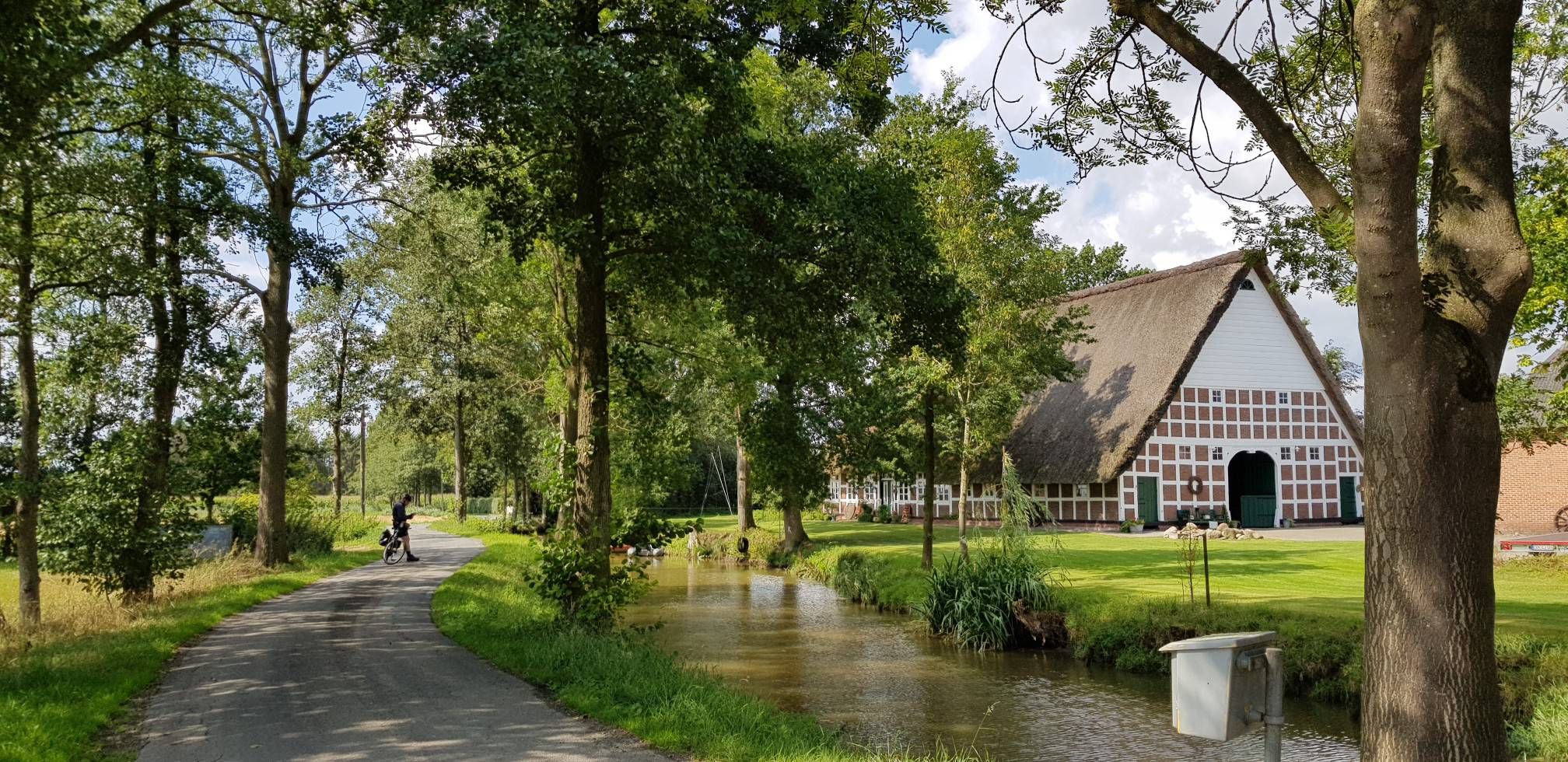
The Monks' Trail – From Bremen to the Baltic Sea
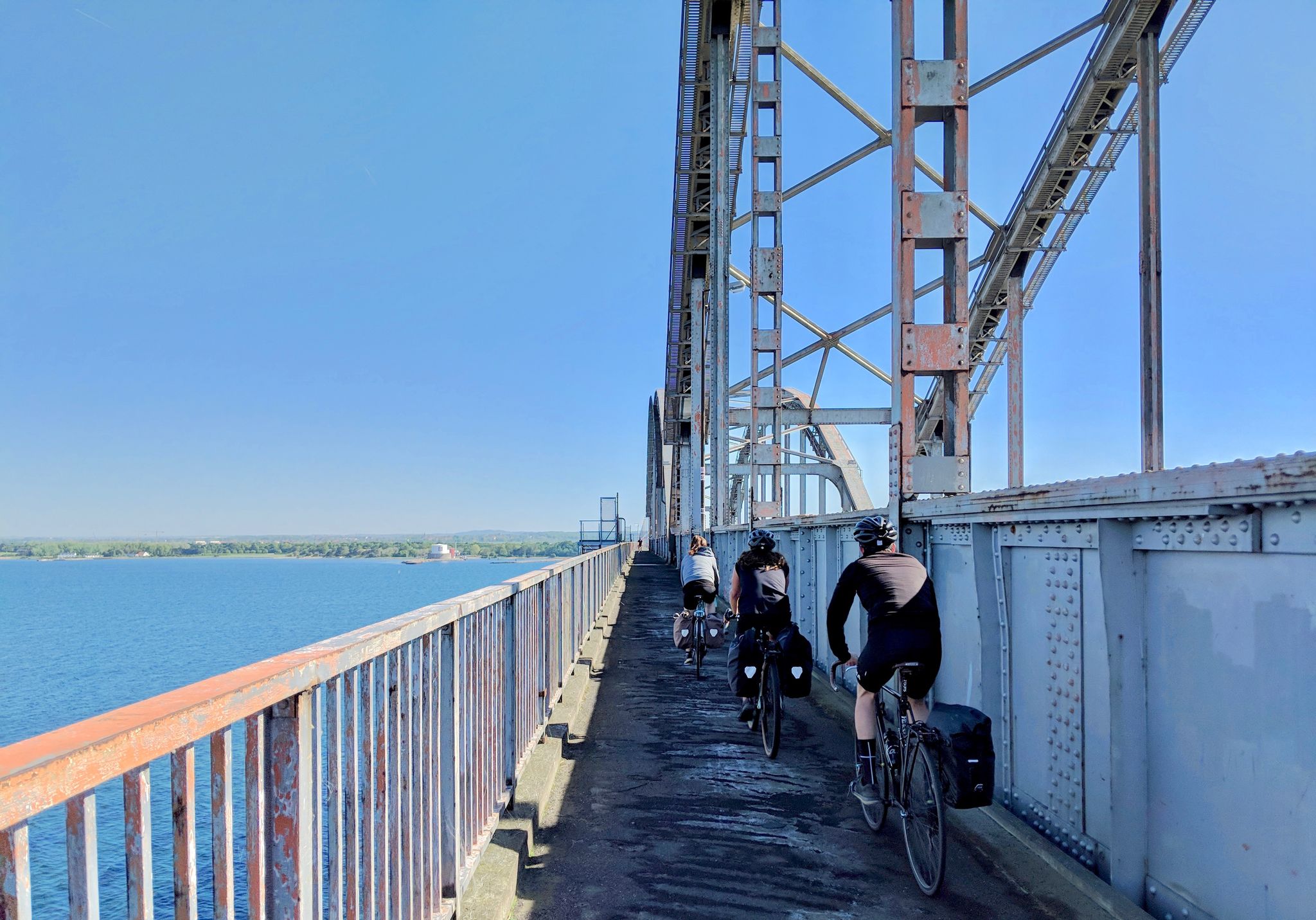
Cycling from Hamburg to Copenhagen – salty air included
Other adventures in Schleswig-Holstein


Tips from the Community

The key to the Mirror Grotto can be obtained from the museum.
0
0

The Mummy Grotto is part of the Christiansen Park in Flensburg, which was commissioned by the merchant Peter Clausen Stuhr. The Mummy Grotto was created around 1800 during Stuhr's lifetime. It houses a human-shaped Phoenician sarcophagus dating from around 400 or 360 BC. The sarcophagus was placed in the landscape garden and then covered with a rock grotto. Its origin is unclear; it may have come to Flensburg by chance as ballast. Source: https://de.m.wikipedia.org/wiki/Mumiengrotte
0
0

The "Robbers' Cave" is located in the Idstedt Forest south of the town of Idstedt. Coming from Schleswig, it is located 150 meters behind the "Wilhelmslust" junction on the right-hand side of the road. The Idstedt Robbers' Cave is one of the few passage graves in Schleswig-Holstein that is still in good condition. It consists of a chamber and a structurally separated passage. The Neolithic megalithic structure dates from the Funnel Beaker culture and was built between 3,500 and 2,800 BC. To this day, it has not been proven whether robbers ever stayed inside the cave.
3
0

A beautiful place. Here you can find out about the bats' winter quarters and enjoy a picnic on the bench with a wonderful view over the moor and meadow.
1
0

@Outbarz someone changed the title, changing it back unfortunately doesn't work
0
0

Mirror Grotto You can find out more about it here: https://www.museumsberg-flensburg.de/de/neuigkeiten/details/120.html
0
0

Interesting history of the house. Beautiful paths.
1
1

The exhibition is very interesting and varied. The staff are very friendly and willing to provide any information.
0
0
Frequently Asked Questions
What kind of underground sites can I expect to find in Schleswig-Holstein?
Schleswig-Holstein offers a unique blend of underground attractions, including natural monuments like the Kalkberg in Bad Segeberg, ancient megalithic tombs such as the Idstedt Robber's Cave, and man-made grottoes like the Mumiengrotte in Christiansenpark. Unlike regions with extensive karst cave systems, the focus here is on historical, ecological, and geological curiosities.
Are there any natural caves with stalactites or stalagmites in Schleswig-Holstein?
Schleswig-Holstein is not known for extensive natural cave systems with stalactites and stalagmites, which are more common in other German regions with significant karst landscapes. The region's underground attractions are primarily natural monuments, archaeological sites, and man-made grottoes.
Can I see bats in the caves of Schleswig-Holstein?
Yes, the Kalkberg in Bad Segeberg is a crucial bat habitat, especially during winter hibernation. The Noctalis Bat Centre there offers opportunities to learn about and observe bats. The Bat cellar is also a winter quarters for bats.
When is the best time to visit the caves in Schleswig-Holstein?
The best time to visit depends on the specific site. For instance, the Segeberger Kalkberghöhle at Kalkberg is closed to visitors during the winter months to protect hibernating bats and is only accessible with a guide during the summer. Other sites like the Idstedt Robber's Cave are generally accessible year-round, though weather conditions might affect comfort.
Are the caves in Schleswig-Holstein suitable for families with children?
Many of the underground attractions in Schleswig-Holstein are family-friendly. For example, the Kalkberg and the Noctalis Bat Centre offer educational experiences. The Idstedt Robber's Cave and the Mumiengrotte are also accessible for families looking for historical and unique sights.
What is the Idstedt Robber's Cave?
The Idstedt Robber's Cave is not a natural cave but a well-preserved Neolithic megalithic tomb, or passage grave, dating from between 3,500 and 2,800 BC. Located in the Idstedt Forest, visitors can enter its chamber, which is approximately 4 meters long and nearly 2 meters wide, offering a glimpse into ancient history.
What is the Mumiengrotte in Christiansenpark, Flensburg?
The Mumiengrotte (Mummy Grotto) is a man-made grotto created around 1800 within the Christiansenpark in Flensburg. It houses a human-shaped Phoenician sarcophagus from around 400 or 360 BC, making it a unique historical and artistic curiosity within a natural setting.
Are there any accessible caves for disabled visitors in Schleswig-Holstein?
While specific accessibility details for all sites vary, the nature of many of Schleswig-Holstein's 'caves' (such as megalithic tombs with steps or guided tours in natural monuments) may present challenges. It is recommended to check with individual sites directly for detailed accessibility information before planning your visit.
What historical underground sites can I explore in the region?
Beyond the Idstedt Robber's Cave and the Mumiengrotte, you can also visit the Denghoog Burial Mound, which is considered the most important hill grave in Schleswig-Holstein, dating back over 5,000 years.
What outdoor activities can I do near these underground attractions?
Schleswig-Holstein offers a variety of outdoor activities. You can find numerous cycling routes, such as those in Cycling in Schleswig-Holstein, including tours around Lake Plön or along the Baltic Sea fjord Schlei. There are also many Running Trails in Schleswig-Holstein and MTB Trails in Schleswig-Holstein to explore the region's diverse landscapes.
Are there any less crowded or hidden gem underground sites?
While the Kalkberg is popular, sites like the Spiegelgrotte or the Ziegelteich-Graben Underground Entrance might offer a quieter experience. The Barrow Museum and Children's Play Cave also provides a unique, family-oriented historical exploration.
Most popular routes in Schleswig-Holstein
Most popular attractions in Schleswig-Holstein

Get inspired with the komoot mobile app


Didn’t find what you were looking for?
Discover more caves in Schleswig-Holstein region by region:
Explore more
Extend your search for the best caves by checking out these guides of the top ones in Schleswig-Holstein:
