Top 14 Caves in the Valais
Caves in the Valais offer a diverse range of subterranean experiences within Switzerland's alpine landscapes. The region, known for its high mountains and glaciers, also features geological formations shaped by centuries of natural processes. These include natural caves, ice grottoes, and man-made tunnels. Valais provides opportunities to explore unique underground environments, from ancient ice to historical mining sites.
Best caves in the Valais
- The most popular caves is Ice Palace at the Jungfraujoch, a man-made structure and natural monument.…
Last updated: October 12, 2026
Mattmark Reservoir
Highlight • Lake
Translated by Google •
Tip by

Entrance to Grotte aux Fées
Highlight • Cave
Translated by Google •
Tip by

Sign up now to discover places like this
Get recommendations on the best single tracks, peaks, & plenty of other exciting outdoor places.
Rhone Glacier
Highlight • Natural Monument
Translated by Google •
Tip by

Rhone Glacier Ice Cave
Highlight • Cave
Translated by Google •
Tip by
Cave
Highlight • Cave
At first you will feel inclined to enter but …
Tip by

Tunnel entrance on the hiking trail along the Suone Claveau
Highlight • Cave
Translated by Google •
Tip by

Tunnel, Suspension Bridges and Waterfall in Valais
Highlight • Trail
Translated by Google •
Tip by

Bunker Tunnel
Highlight • Structure
Translated by Google •
Tip by

Lac Souterrain de Saint-Léonard
Highlight • Cave
Translated by Google •
Tip by

Old Mines of Mont Chemin
Highlight • Historical Site
Translated by Google •
Tip by

Sign up for free to discover even more caves in the Valais.
Already have an account?
Start today with a free account
Your next adventure awaits.
Popular around Valais
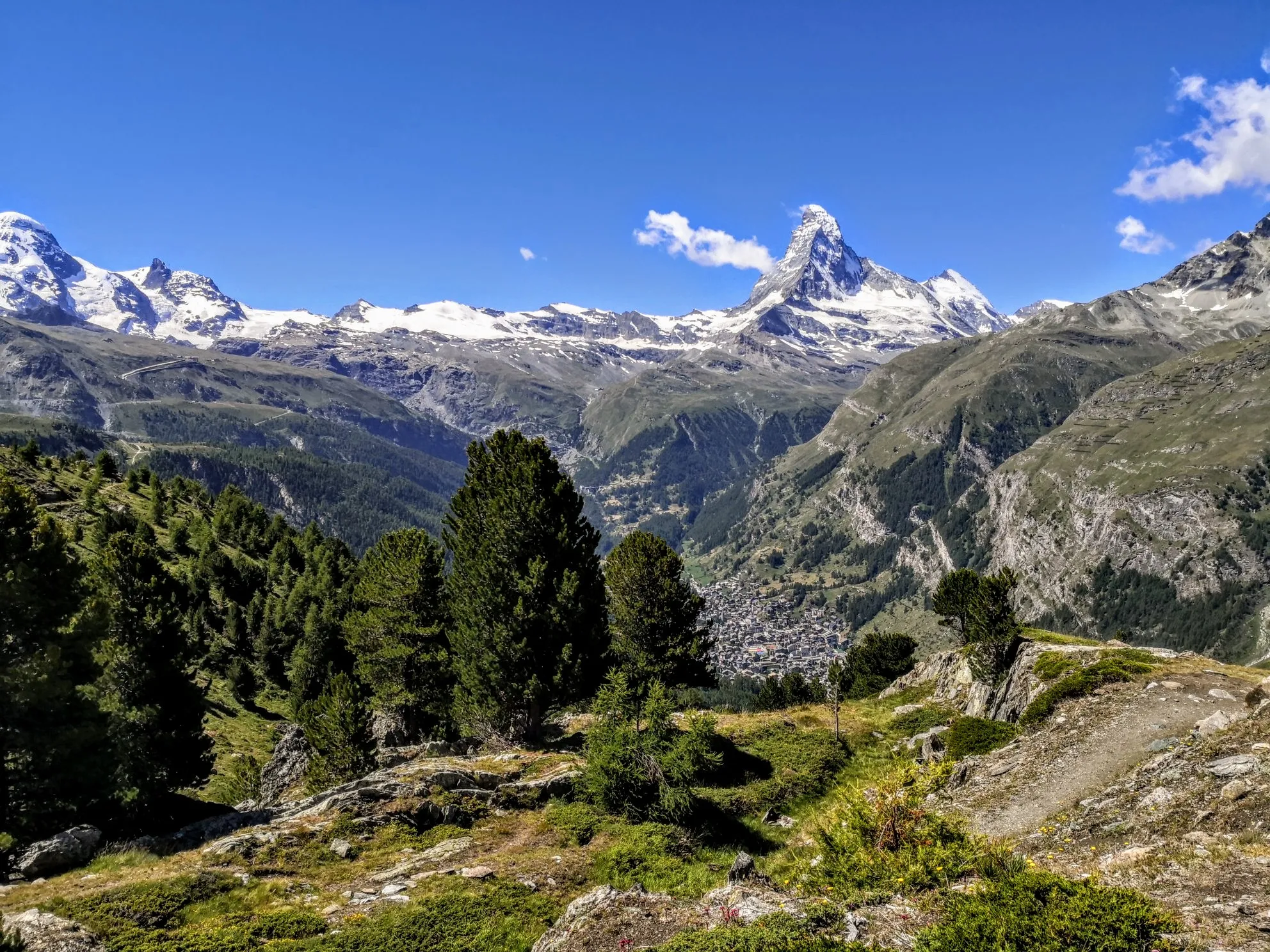
Walker's Haute Route – The ultimate alpine adventure
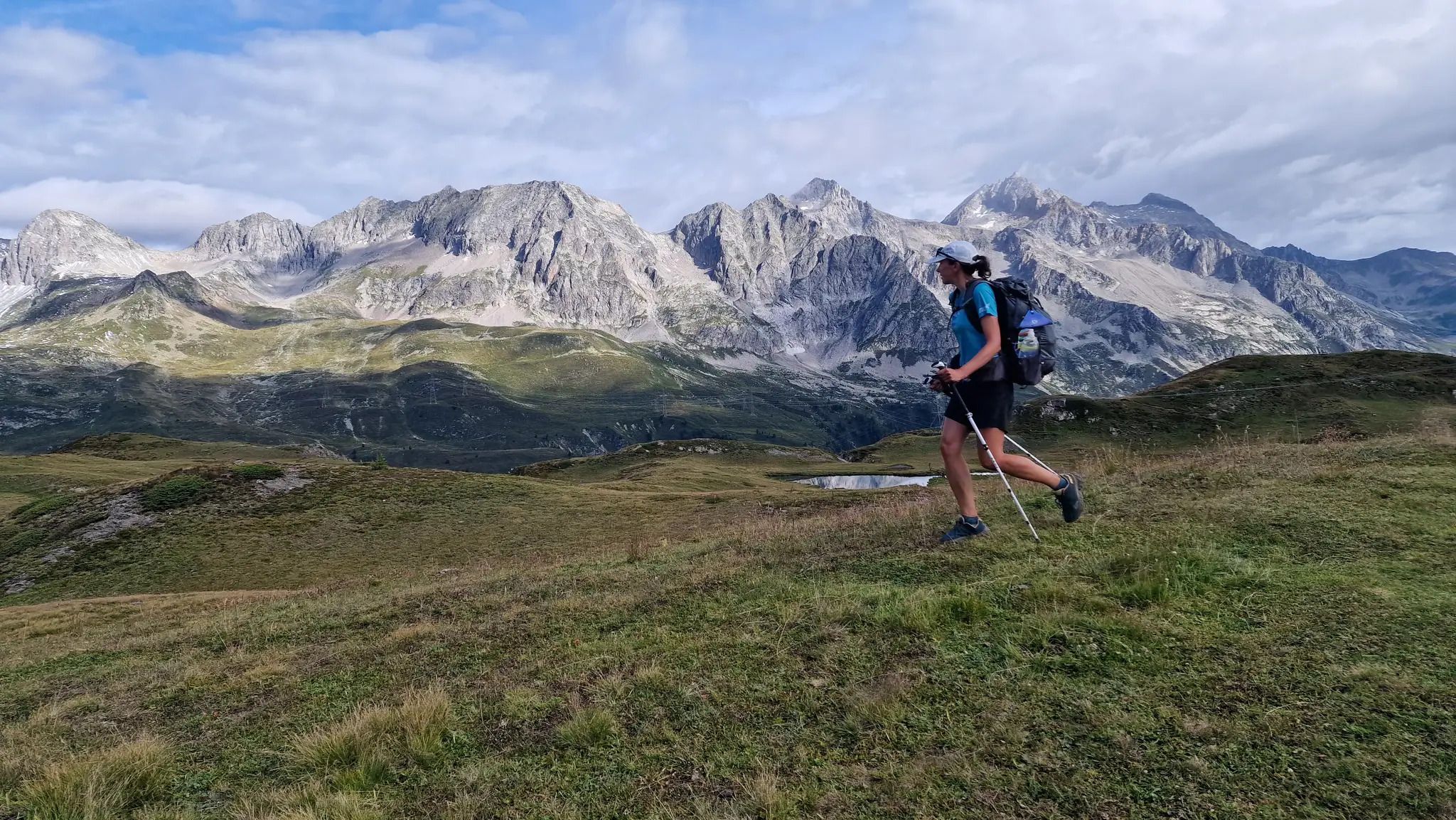
Alpine Passes Trail – hiking 700km across Switzerland
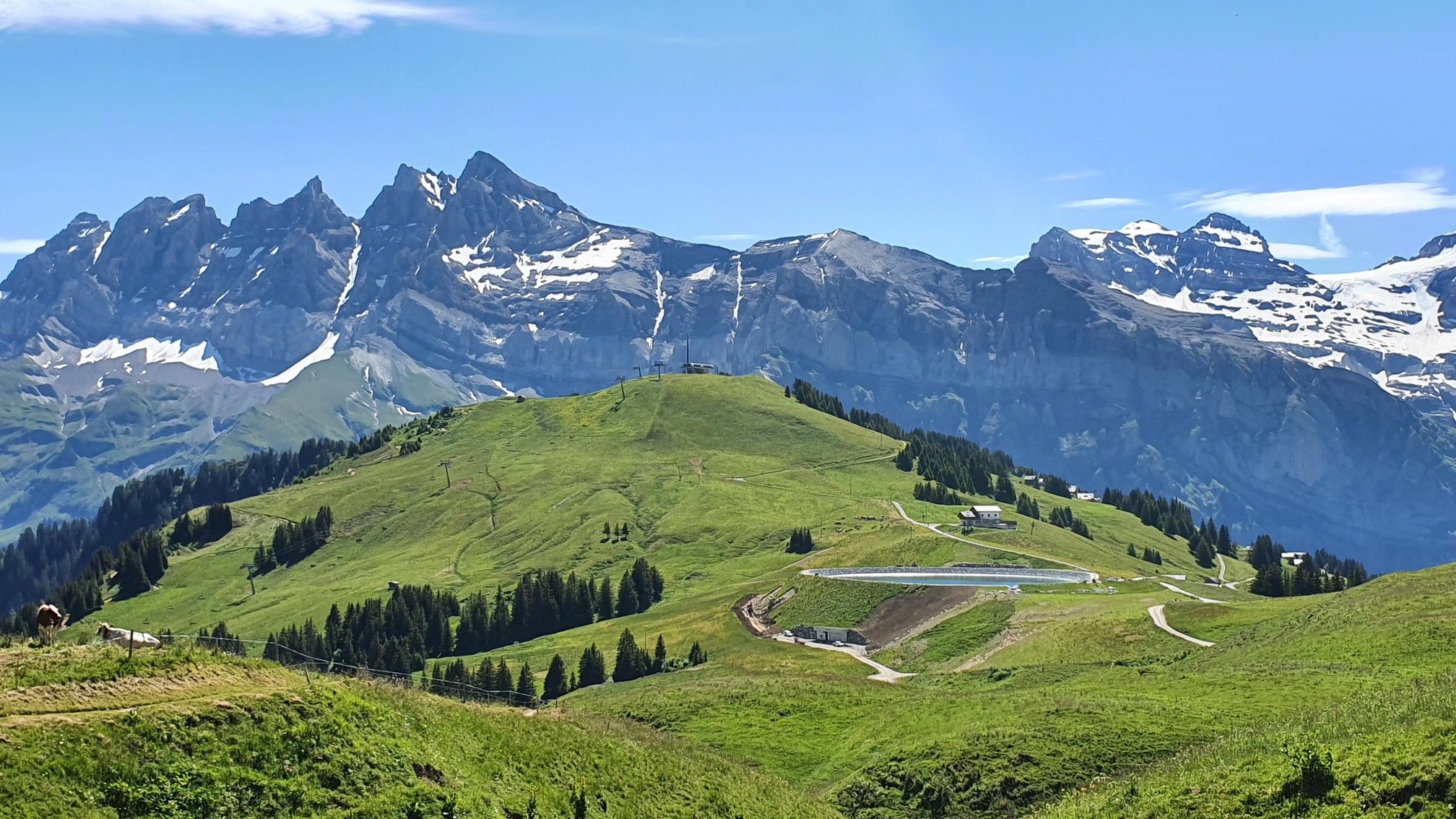
Europe Trail (GR 5) – Hike from Landry to Thonon-les-Bains
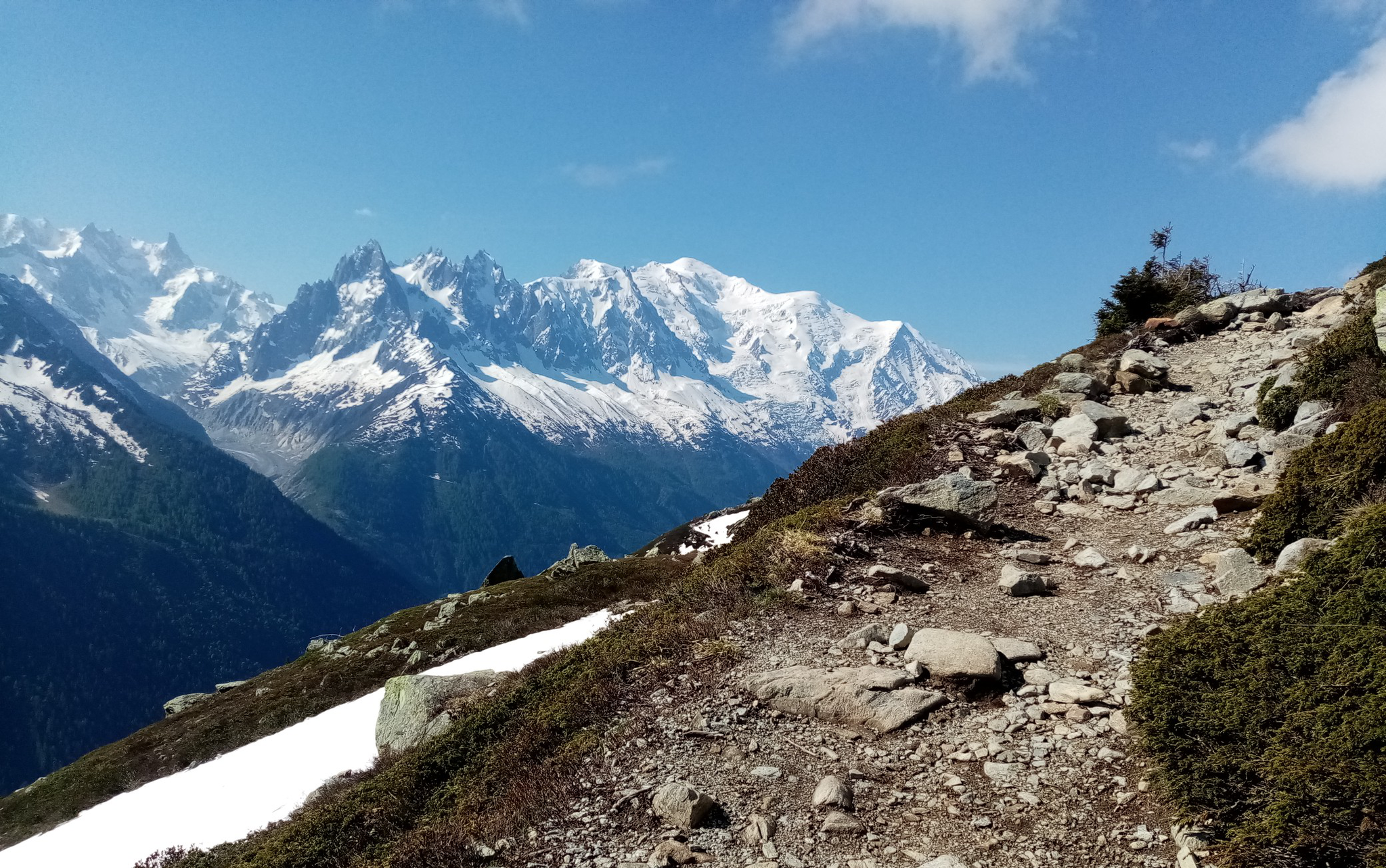
Ultra-Trail du Mont-Blanc – following the footsteps of legends
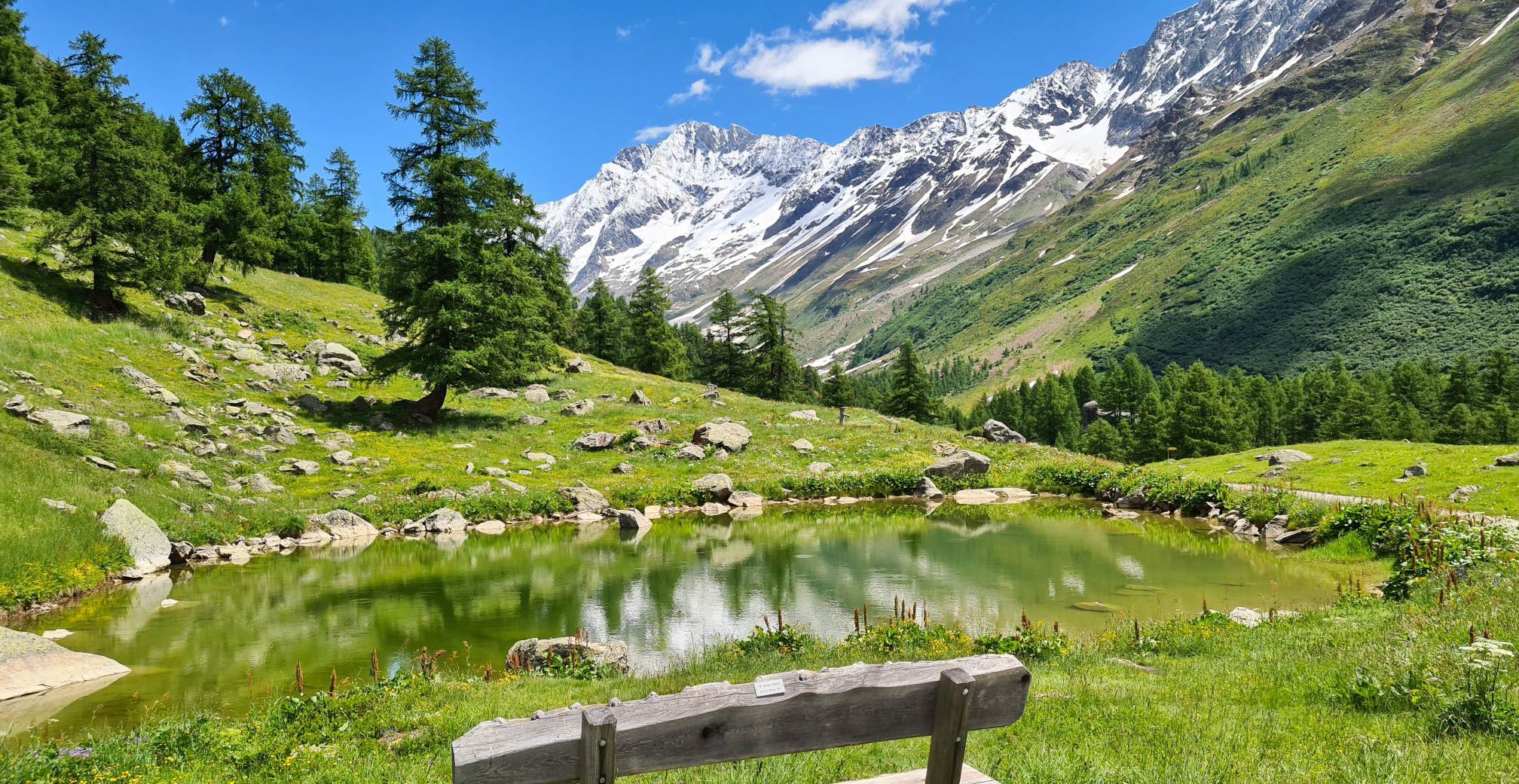
Lötschberg Panorama Trail – 4 days of alpine views in Switzerland
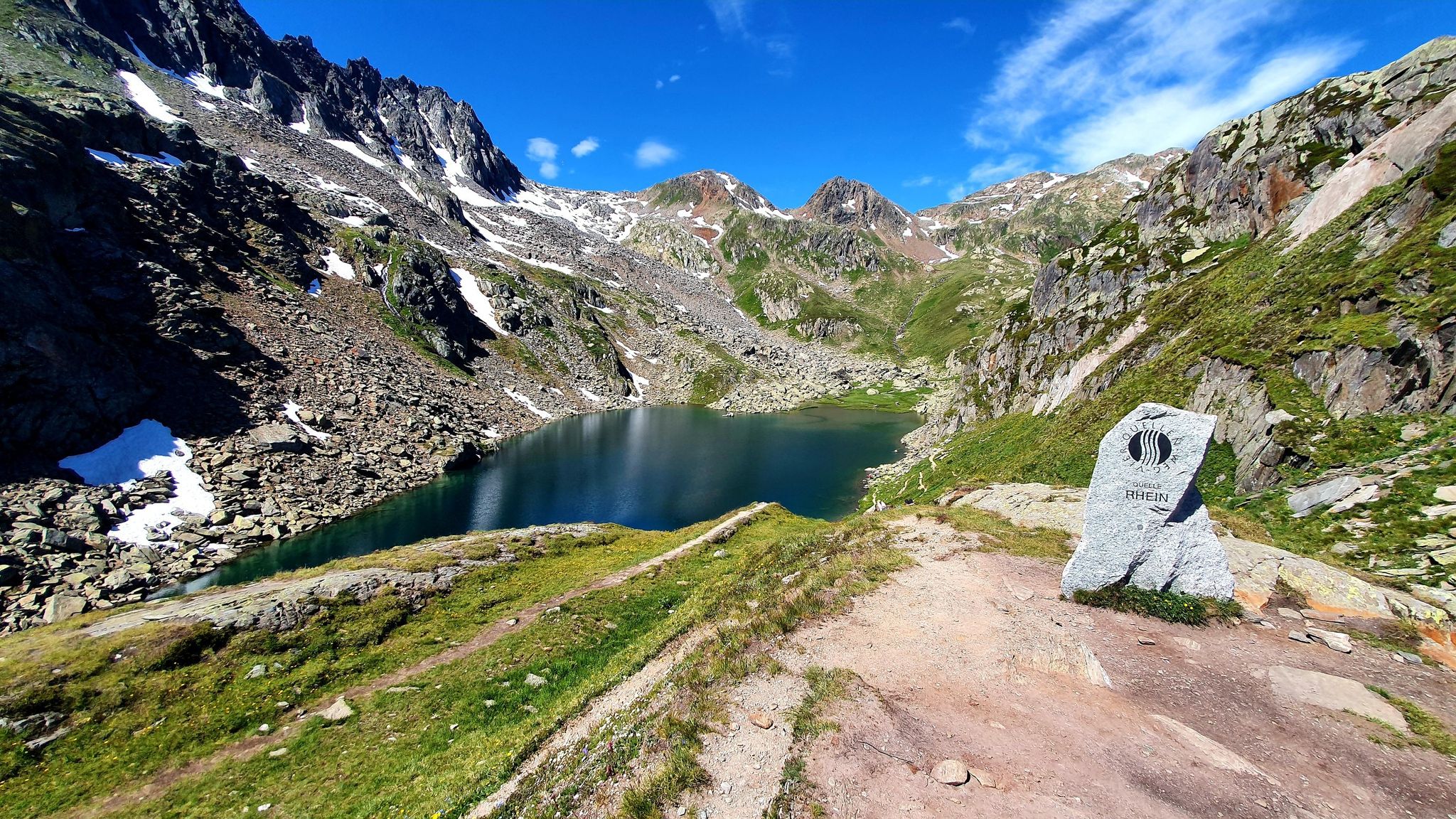
Four Springs Trail — Find flow in Switzerland's Gotthard Massif
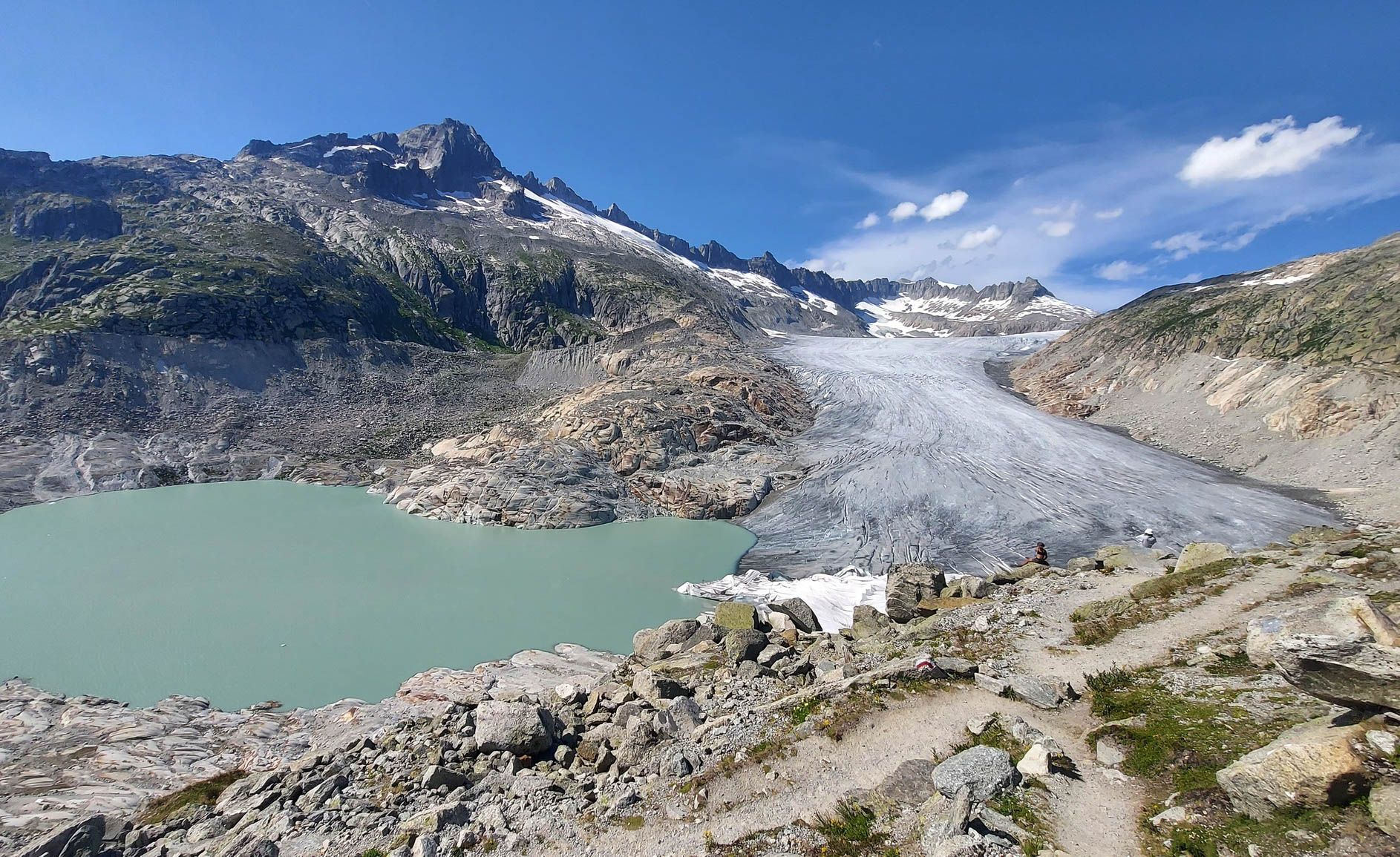
Switzerland's Furka High Trail – Two days of history and nature
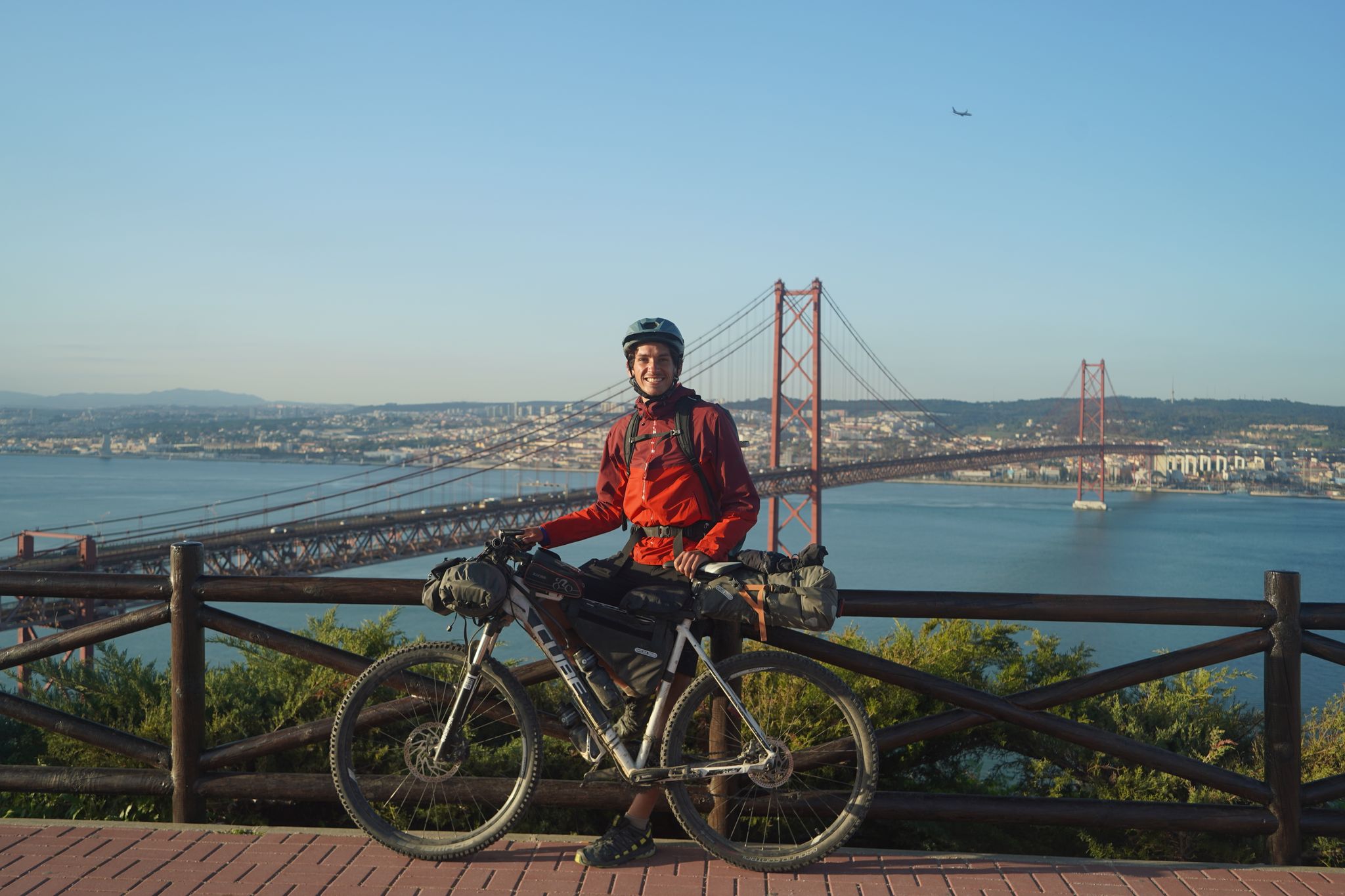
Road to Lisbon – bikepacking the Alps, Pyrenees and Picos de Europa
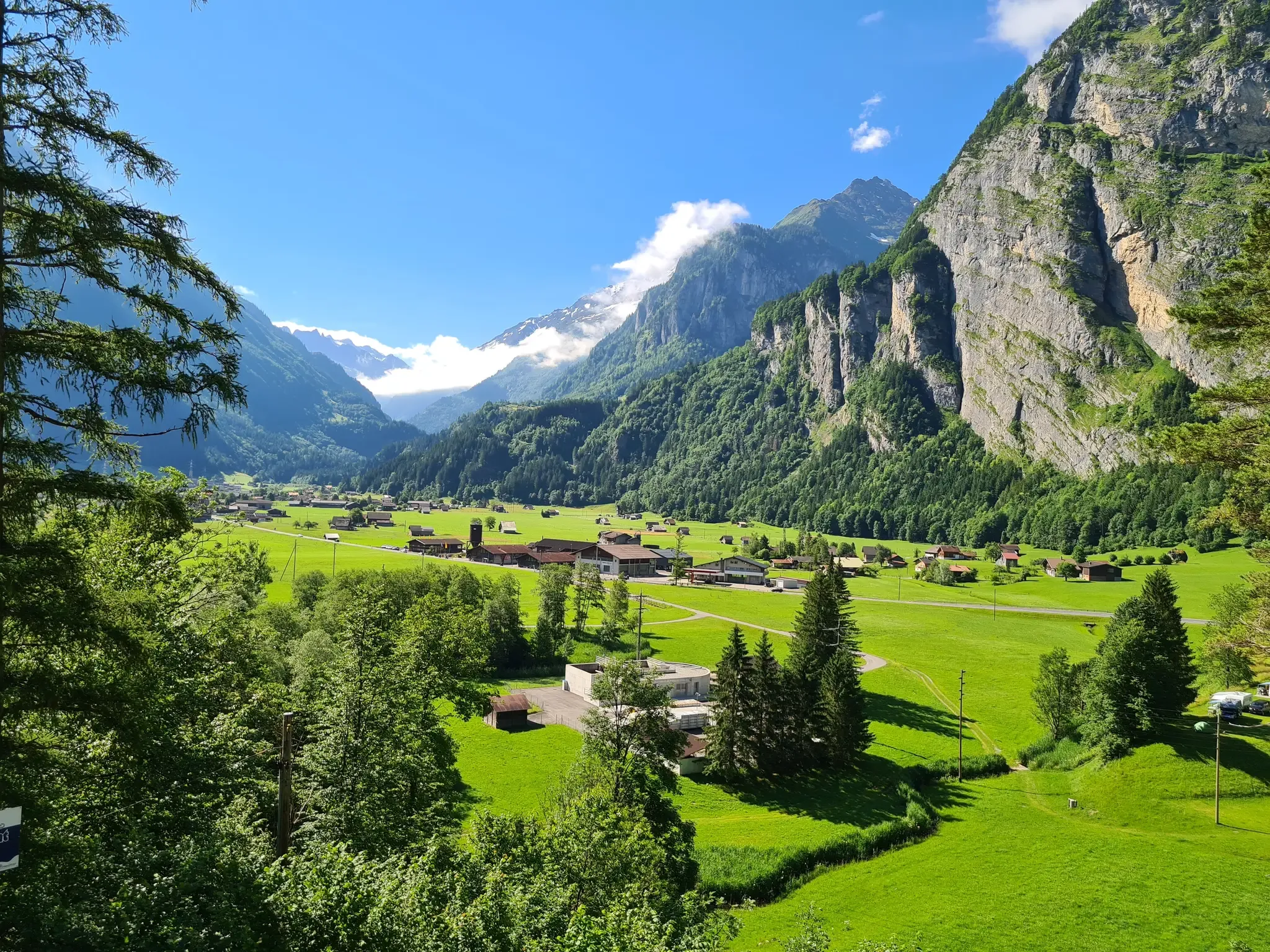
Aare Route – Everything Switzerland has to offer
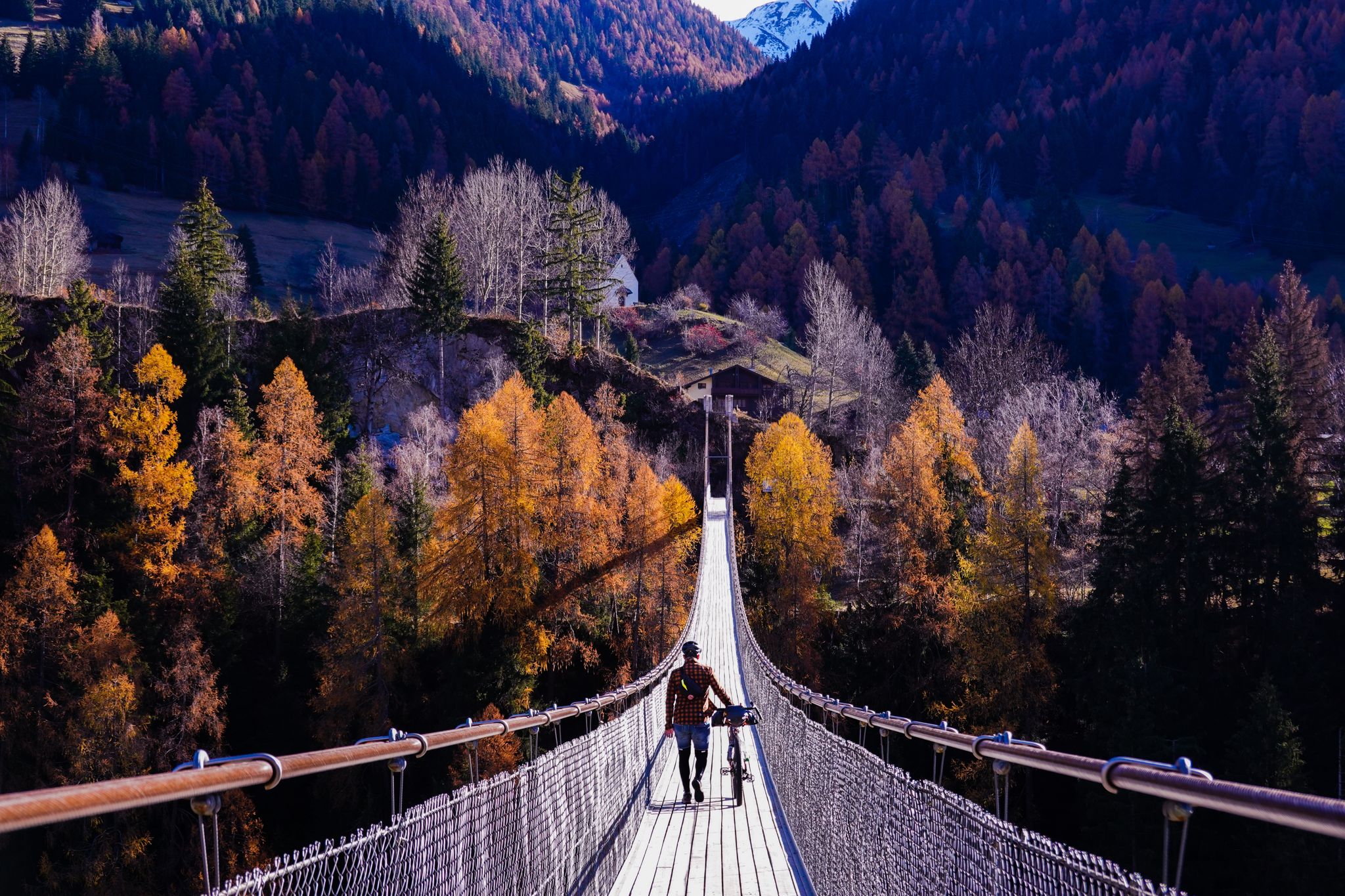
Valais Weekender – 3 days of adventure in Switzerland's Simplon region
Other adventures in the Valais


Tips from the Community

As long as it's still possible, you should visit the glacier.
1
0

To pass with a mountain bike, remove your front wheel and turn your handlebars to 90°...
0
0

Cave entrance, well... If you want to hike the Claveau irrigation channel, you have to go through this tunnel. Anyone with claustrophobia should definitely bring a flashlight. The lights weren't working in October 2025.
1
0

From the dam you have a great view of the Saas Valley and the Valais mountains.
7
0

Super beautiful view ☺️ , also of the many waterfalls.
5
0


A really great, varied section with bridges, tunnels and a waterfall.
1
0

Surrounded by high alpine tranquility and glacial peaks, the turquoise-blue Mattmarksee lies at your feet. This artificial lake is located at over 2,000 meters in the farthest reaches of the Saas Valley. It stores meltwater and supplies the region with renewable energy.
1
0
Frequently Asked Questions
What are some of the most popular caves to visit in the Valais region?
The Valais region offers a variety of subterranean experiences. Among the most popular are the Ice Palace at the Jungfraujoch, known for its impressive ice formations, and the Tunnel, Suspension Bridges and Waterfall in Valais, which features a cave as part of a varied trail.
Are there any family-friendly caves in Valais?
Yes, several caves in Valais are suitable for families. The Old Mines of Mont Chemin is considered a family-friendly attraction, offering insight into historical mining activities. Additionally, the St. Michael's Rock Church, built into the rock, is also family-friendly.
What is the Lac Souterrain de St-Léonard and how can I visit it?
The Lac Souterrain de St-Léonard is Europe's largest natural underground navigable lake, located between Sion and Sierre. You can explore it via guided boat tours. Reservations are recommended, and you can find more information on their official site: sierretourisme.ch or myswitzerland.com.
Can I visit an ice cave in Valais?
Yes, the Ice Pavilion in Saas-Fee offers a unique experience. Located on Mount Mittelallalin within the Fee Glacier, it's a man-made glacier cave accessible via the Metro Alpin cable car. It provides a fascinating glimpse into ancient ice layers and features ice sculptures.
What is the Grotte aux Fées and when can I visit it?
The Grotte aux Fées (Fairy's Cave) near Saint-Maurice is historically significant as Switzerland's first tourist cave. It features a well-lit educational trail and an underground lake with a 70-meter waterfall. Please note that the Grotte aux Fées will be closed throughout 2026 for renovations and is projected to reopen in spring 2027.
Are there any tunnels or unique cave-like structures accessible on hiking trails?
Yes, the Tunnel entrance on the hiking trail along the Suone Claveau is a notable example. This tunnel is part of the Claveau irrigation channel trail and requires a flashlight as it can be very dark. Another interesting spot is the Bunker Tunnel, which offers a unique shortcut and historical insight.
What kind of geological formations can be found in Valais caves?
Valais caves showcase diverse geological formations. The Lac Souterrain de St-Léonard, for instance, was formed by the slow dissolution of gypsum over centuries. Other sites, like the Ice Pavilion in Saas-Fee, offer insights into ancient glacial ice layers, some millions of years old.
What outdoor activities can I do near the caves in Valais?
The Valais region offers numerous outdoor activities. You can find various easy hikes, challenging running trails, and scenic road cycling routes throughout the canton. Many of these routes pass near or offer views of the region's natural wonders.
Is there an icicle tunnel I can visit in Valais?
Yes, the Icicle Tunnel at the Mattmark Reservoir is a notable natural monument and cave that can be explored. It offers a unique visual experience, especially during colder periods.
What is the best time of year to visit caves in Valais?
Many natural caves and underground lakes, like the Lac Souterrain de St-Léonard, are generally open from spring to autumn. Ice caves, such as the Ice Pavilion in Saas-Fee, are typically accessible year-round due to their glacial nature, though specific opening times can vary. Always check individual attraction websites for current operating hours.
Are there any historical sites related to caves in Valais?
Yes, the Old Mines of Mont Chemin provide a historical perspective on past mining activities in the region. The Grotte aux Fées also holds historical significance as one of Switzerland's earliest tourist caves.
What should I wear when visiting caves in Valais?
Temperatures inside caves are often consistently cool, regardless of the outside weather. It's advisable to wear warm layers, even in summer. Comfortable, sturdy shoes with good grip are also recommended, especially for caves with uneven terrain or wet surfaces.
Most popular routes in the Valais
Most popular attractions in the Valais

Get inspired with the komoot mobile app


Explore more
Extend your search for the best caves by checking out these guides of the top ones in the Valais:
