Top 9 Caves in the Deister
Best caves in the Deister primarily refer to its historical mining tunnels and adits, which offer unique underground experiences. These former coal mines provide insight into the region's industrial past and the significant role mining played. While predominantly known for its mining heritage, the Deister also features some natural rock formations. Exploring these sites connects visitors with both the industrial history and the natural landscape of the area.
Best caves in the Deister
- The most popular caves is Feggendorfer Adit…
Last updated: April 27, 2026
Feggendorfer Adit
Highlight • Historical Site
Translated by Google •
Tip by

Bärenhöhle Restaurant
Highlight • Restaurant
Translated by Google •
Tip by

Sign up now to discover places like this
Get recommendations on the best single tracks, peaks, & plenty of other exciting outdoor places.
Sign up for free
Mögebier Adit
Highlight • Cave
Translated by Google •
Tip by

Seating grotto at the Ministerstollen
Highlight • Structure
Translated by Google •
Tip by

Entrance to the Egestorfer Stollen
Highlight • Historical Site
Translated by Google •
Tip by

Feggendorfer Stollen
Highlight • Historical Site
Translated by Google •
Tip by
König-Wilhelm-Stollen
Highlight • Historical Site
Translated by Google •
Tip by
Bremsbergstollen II
Highlight • Structure
Translated by Google •
Tip by

Start today with a free account
Your next adventure awaits.
Login or Signup
Popular around Deister
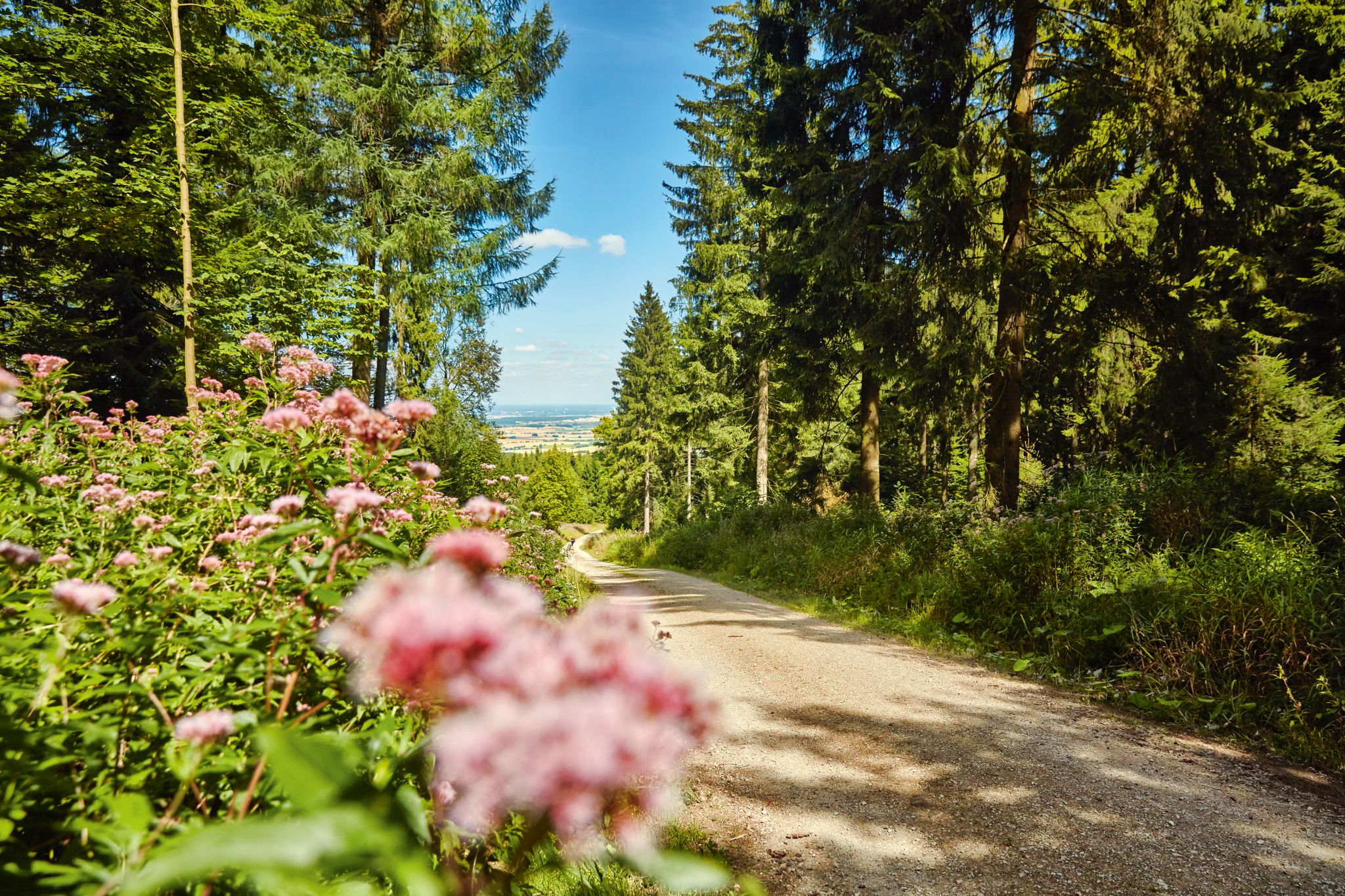
Hanover trails – hiking between Steinhuder Meer and Deister
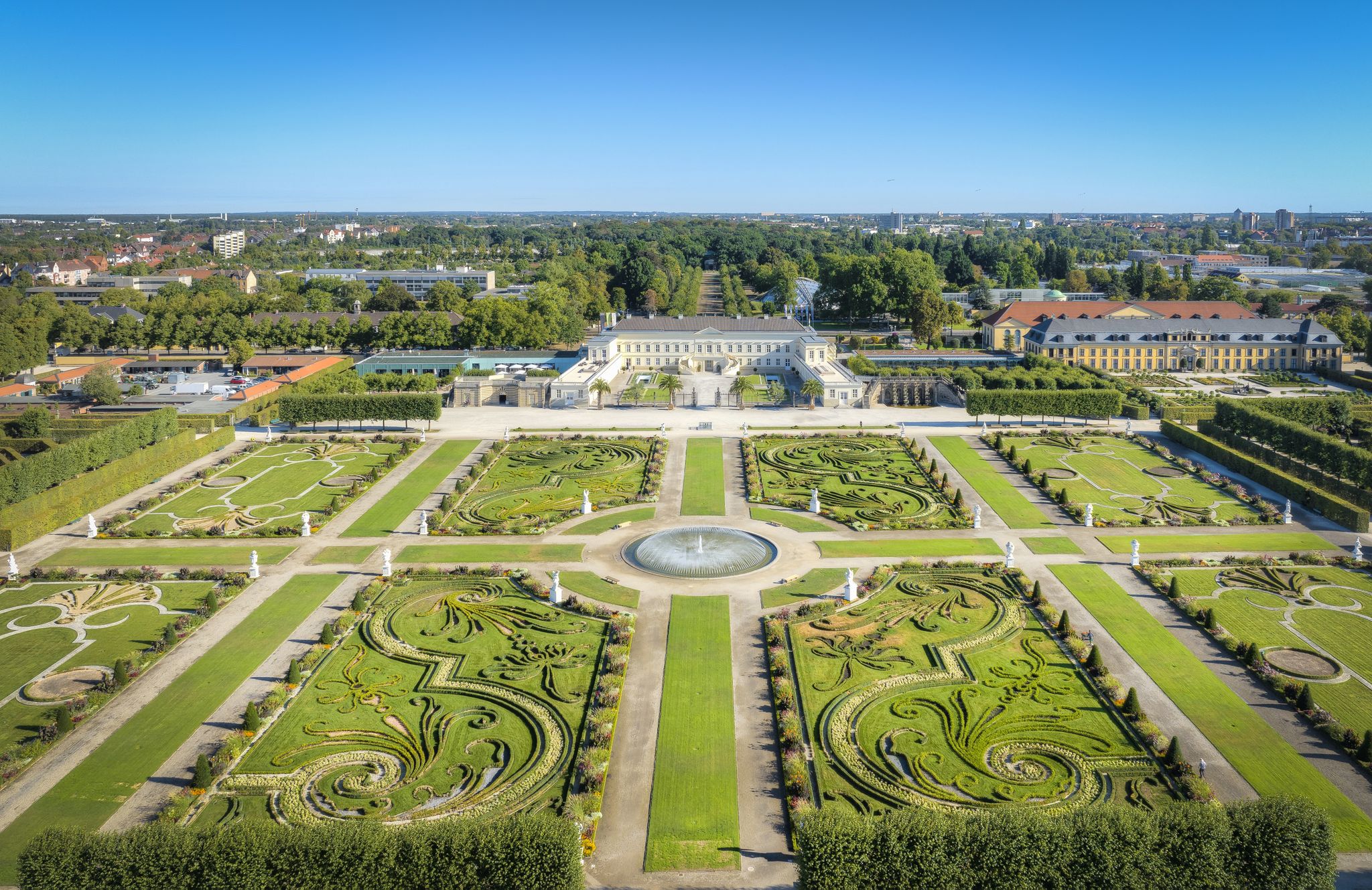
Hannover holiday region – varied cycling experiences in culture and nature
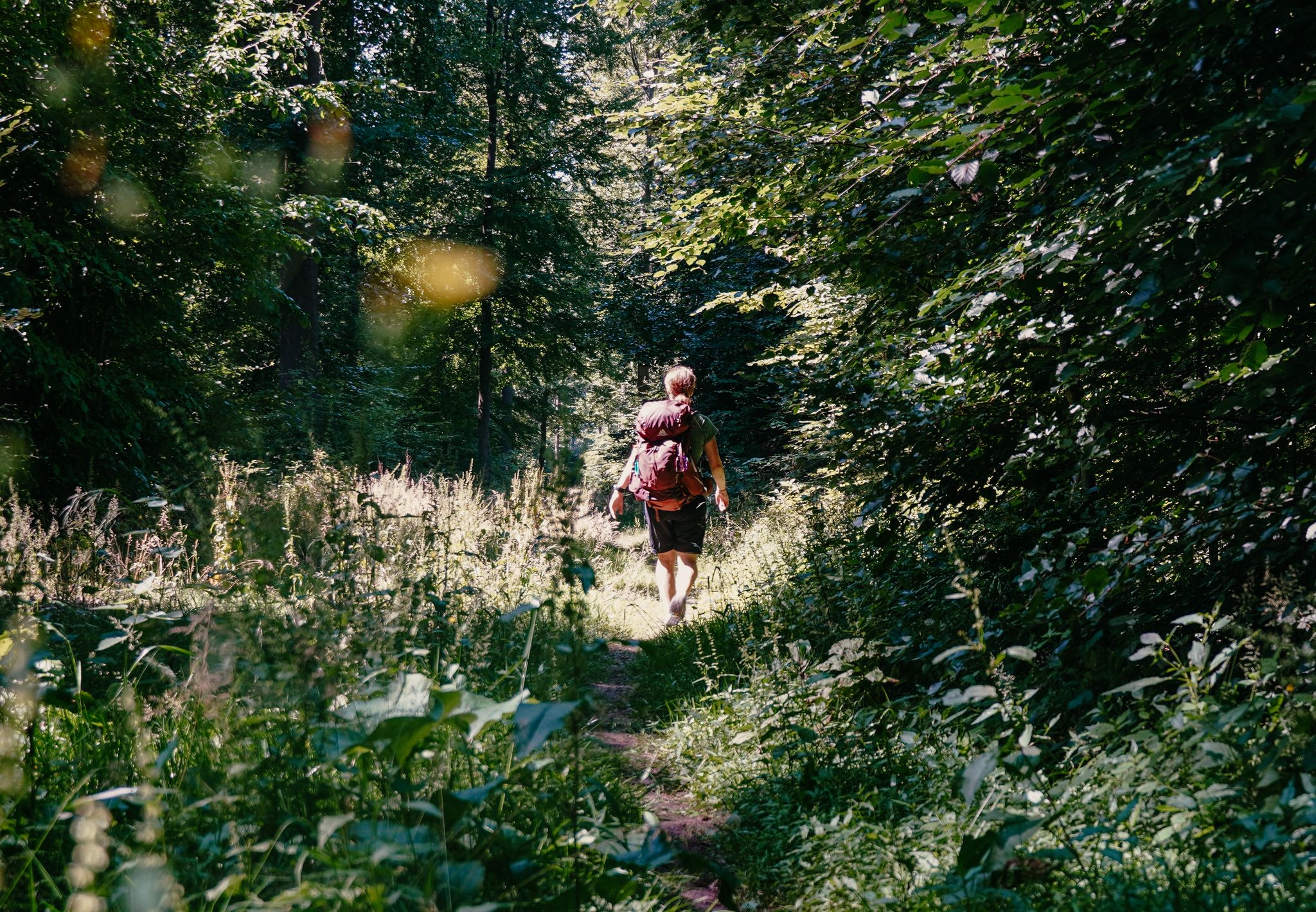
Experience nature with all your senses in the Weserbergland
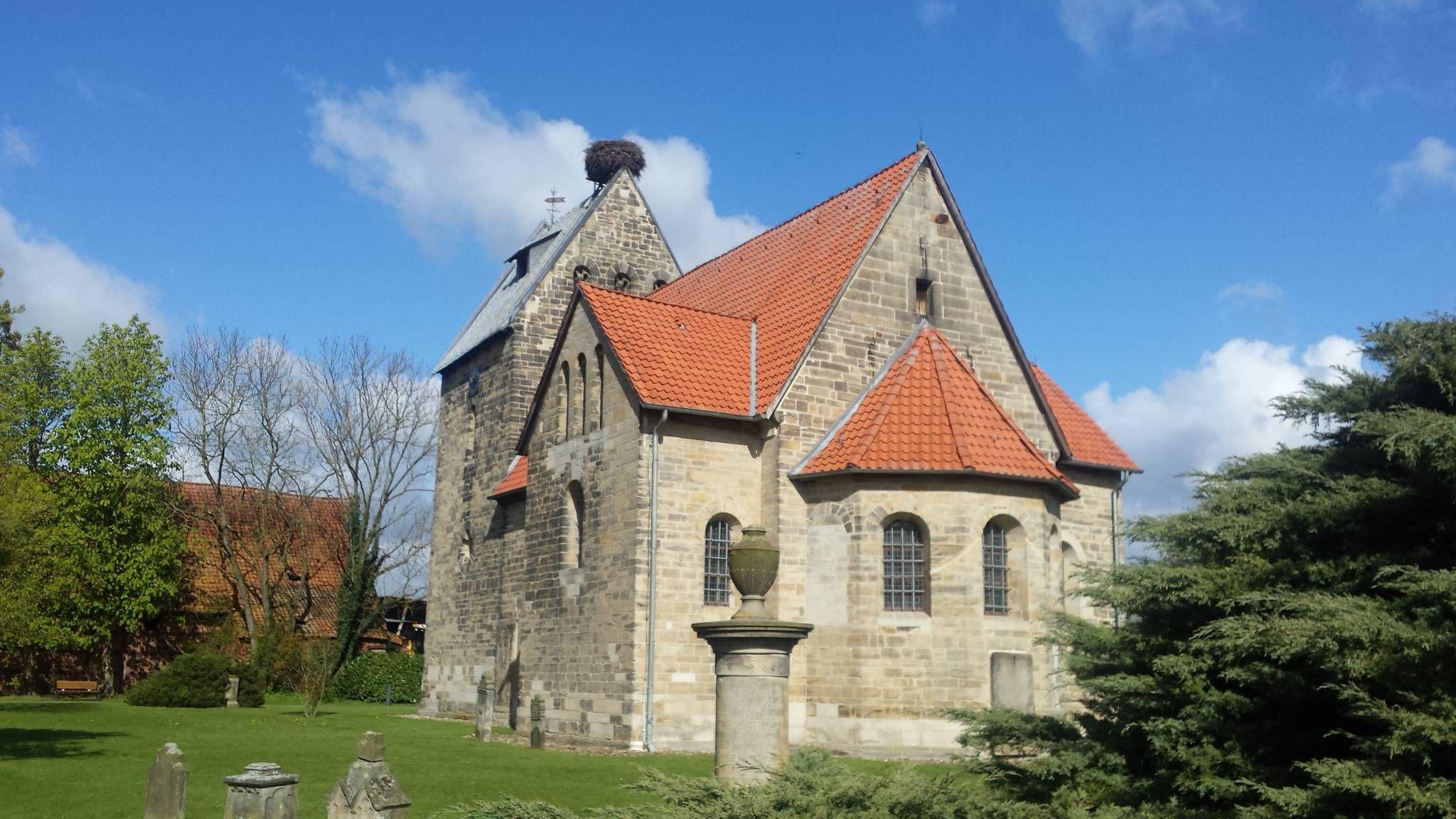
A 10-day pilgrimage in Lower Saxony – Sigwardsweg
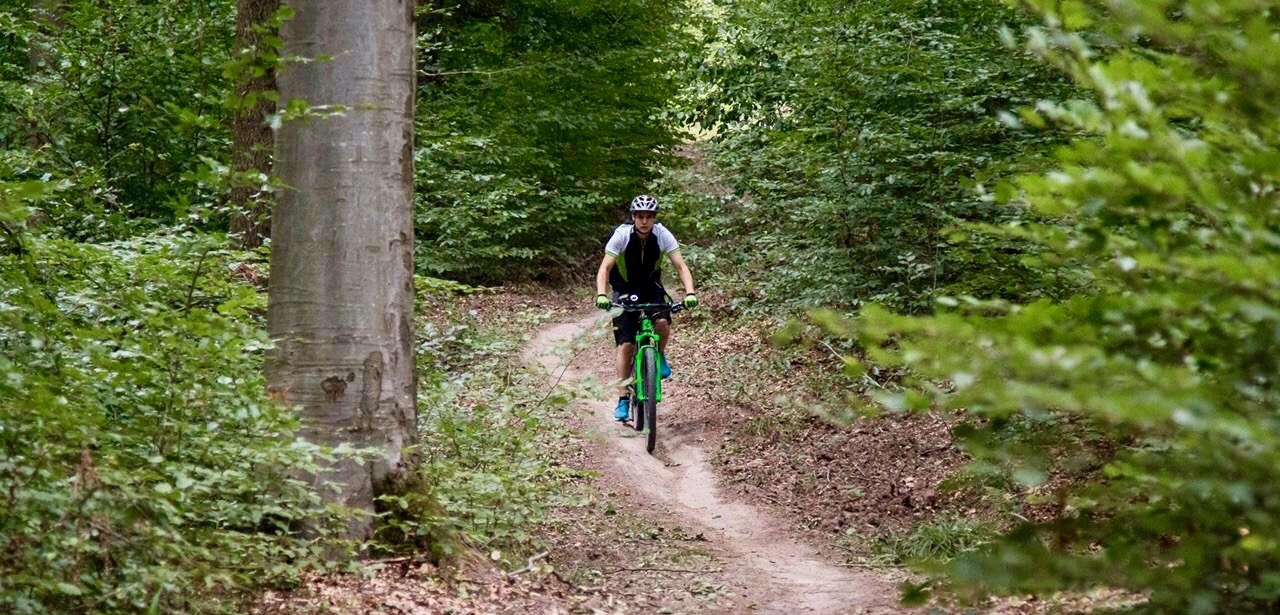
33 MTB trails through German forests
Hiking in the Deister
Cycling in the Deister
MTB Trails in the Deister
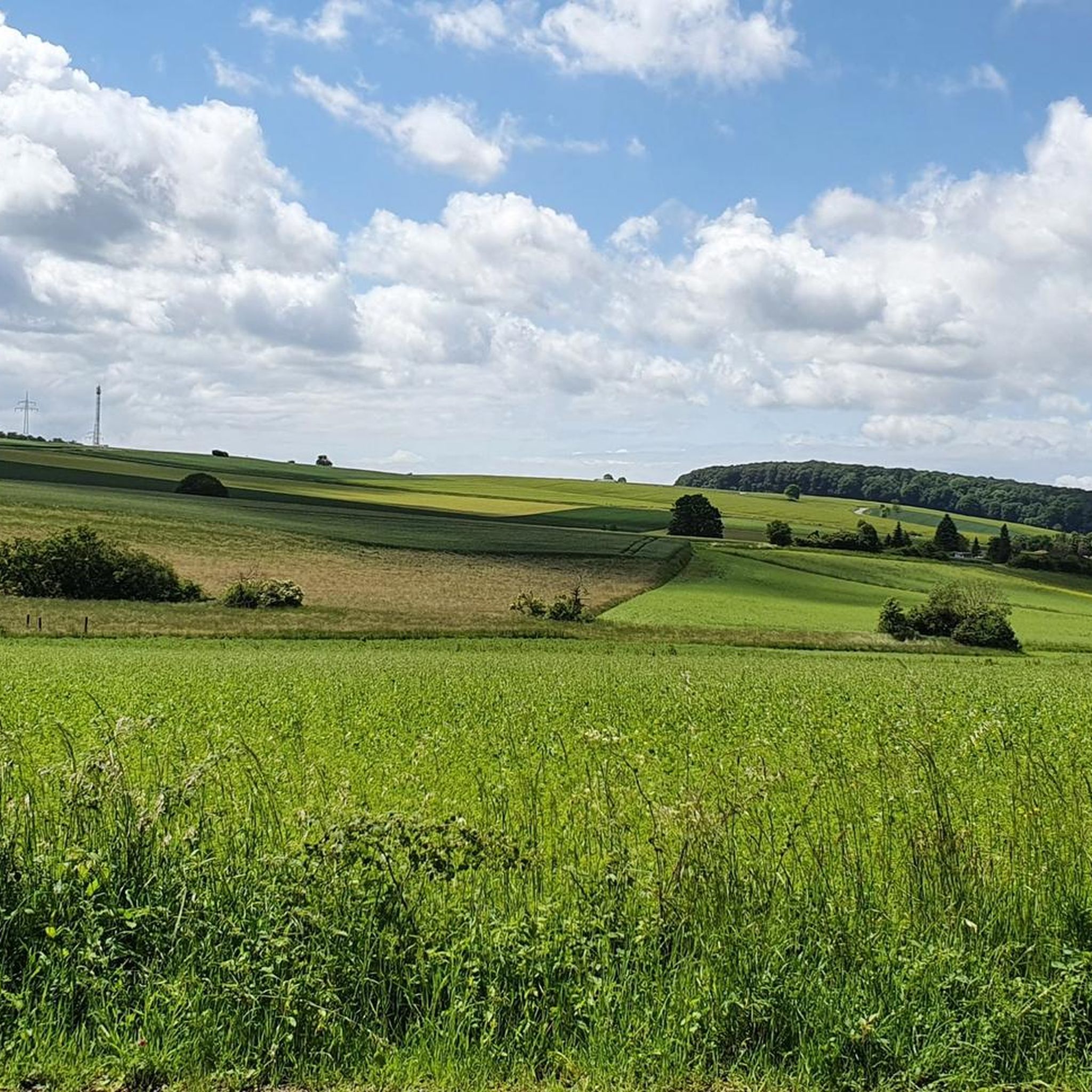
Road Cycling Routes in the Deister
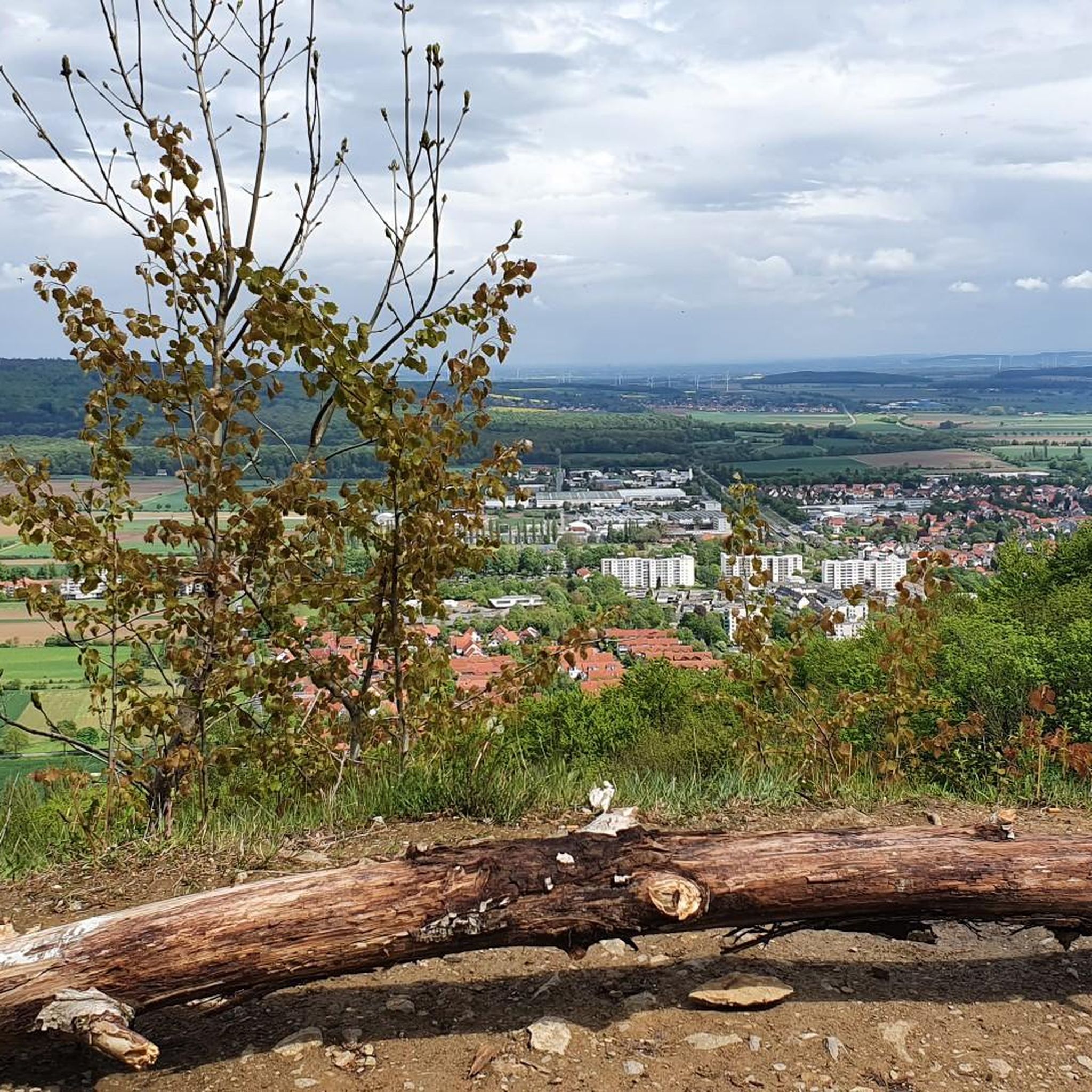
Running Trails in the Deister
Other adventures in the Deister


Tips from the Community

The Bärenhöhle forest inn is idyllically situated in the Deister hills near Egestorf (Barsinghausen) and is a popular destination for hikers and day-trippers. Surrounded by ancient beech trees, it offers a cozy atmosphere with a rustic dining room, a conservatory, and a large beer garden nestled in the greenery. The kitchen combines regional and seasonal dishes – from game and asparagus specialties to the popular schnitzel day. Breakfast is served in the mornings, and on weekends a generous buffet featuring regional products and homemade jams is offered. Thanks to its proximity to the Egestorf S-Bahn station, the Bärenhöhle is easily accessible and perfect for a break after a hike. Whether for a family outing, a celebration, or a casual get-together – here, good food meets genuine Deister idyll.
1
0

a piece of mining history with a very informative panel in front of the tunnel
1
0
Named after the farm owner Giesecke. "It earned its name in the presence of a minister who was present to settle a dispute by approaching the minister from among those present and giving all the necessary information about the regulation. This resulted in the minister immediately agreeing to the proposals." The tunnel was opened in 1845 and operated until 1875. In 1864, 21,800 tonnes of coal were produced. A railway line was built from the tunnel entrance in 1860, which took the coal to Rehrbrinkstrasse. The line was in operation until 1896. Today, not much of this factory can be seen, but in the seating grotto you can meditate a little on the meaning of life, like the miners did back then. Source: https://www.barsinghausen.de/regional/touren/erlebnistour-2-bullerbachtal-903000002-20002.html?title=erlebnistour+2+-+Bullerbachtal
1
0

The information board is very well done and provides you with some information about the tunnel here and the coal mining in the Deister. On the other side of the path you can walk a bit along the spoil heap. The stream that carries the water from the old tunnel also runs along there.
1
0
The first mention of a coal seam can be found in 1738. Excavation only began on October 31, 1831. After 103 meters, mining could begin in 1832. The mined coal was used to supply local industrial plants and as domestic fuel and forge coal. In 1862, the Feggendorfer tunnel was penetrated by a direct connection to the Hohenbostel tunnel. The natural air circulation created by the approximately 100 m difference in height between the two mouths was used for ventilation. Annual production rose from 840 t to 1600 t and finally fell to 540 t. In 1879, the mine was closed for economic reasons, but was maintained to ventilate the Hohenbostel tunnel until 1895, when it was closed. In 1917, the last year of the First World War, the tunnel was reopened and expanded after a 40-year break due to the poor supply situation. In 1921, 139 men mined 80 to 90 tons per day. The mine was officially closed in 1947, but continued to be used on a small scale until 1952. In that year, all still usable facilities were demolished and the access was blown up. The tracks and the mine cars were used in other Deister mines. Source: https://de.wikipedia.org/wiki/Feggendorfer_Stolln
1
0

Unfortunately, driving is forbidden because it is not a trail
0
0

Coal was dug in the Mögebier tunnel. The mouth hole is still visible today and the studs are being restored today www.moegebierstollen.de/?link=home
2
0
On November 20, 1919, the Friedrichshall potash works acquired the mining rights at the Upper and Lower Deistersollen and began operations in the same year. A railway was built from the lower Deister gallery to the Wennigser Waldkater. Since the funding was too low, Friedrichshall also acquired the rights to the Egestorffsche pits at thelee brink in order to develop the mining area between the two mines. Since it was uneconomical, the entire operation was shut down in September 1924. From the Wennigser miner Heinrich Nonnenkamp, called "Mögebier", the vernacular transferred the nickname to the Lower Deisterstollen and made it the "Mögebierstollen". The tunnel, which was excavated from 1874 with a door frame extension, reached a length of 225m. After the Friedrichshall period of operation from 1919-1924, the mouth hole quickly fell into disrepair, but the memory of the lower Deister tunnel, the "Mögebier tunnel" remained alive. Source: http://www.moegebierstollen.de/?link=historical
2
2
Frequently Asked Questions
What kind of "caves" can I expect to find in the Deister region?
The Deister region is primarily known for its historical mining tunnels and adits, which are often referred to as "caves." These sites offer a unique glimpse into the area's industrial past, particularly its coal mining heritage. While most are man-made, there are also some natural rock formations mentioned, such as the Cliffs and Bat Caves in the Kleiner Deister.
Which historical mining tunnels offer the most immersive experience?
For an immersive experience, the Feggendorfer Adit is highly recommended. Visitors can experience mining up close with equipment like helmets and miner's lamps. Guided tours and "taster shifts" are available, offering an authentic look into historical mining practices. The Mögebier Adit also offers exclusive tour experiences, showcasing the impressive scale of past mining activities.
Can I learn about the history of coal mining in the Deister?
Yes, the Deister's "caves" are deeply rooted in its coal mining history. Sites like the Seating grotto at the Ministerstollen and the König-Wilhelm-Stollen provide historical context through information boards and the preserved structures themselves. The Klosterstollen in Barsinghausen, though not listed as a highlight here, is also a significant site for understanding the region's mining past.
Are the cave sites in the Deister suitable for families with children?
Many of the historical mining sites are family-friendly. The Feggendorfer Adit, for example, is noted as family-friendly and offers engaging experiences for all ages with its hands-on approach to mining history. The Bärenhöhle Restaurant, which is also categorized as a cave, is family-friendly and offers a place to eat nearby.
What is the typical difficulty level for exploring these sites?
Most of the historical mining tunnels and adits in the Deister are considered to be of intermediate difficulty for exploration. While some, like the Feggendorfer Adit, are developed for tourism with guided tours, others might involve navigating uneven, wet, or low passages, as described for the Feggendorfer Adit itself. It's advisable to check specific site details for accessibility.
What is the best time of year to visit the Deister's caves?
The historical mining tunnels can generally be visited year-round, though specific opening times for guided tours, such as those at the Feggendorfer Adit, often run from April to September. For exploring the surrounding natural landscape and historical markers, spring and autumn offer pleasant weather for hiking, while summer is also suitable. Winter visits might require checking for snow or ice conditions, especially on trails leading to the sites.
Are there places to eat or drink near the cave sites?
Yes, there are options for refreshments. The Bärenhöhle Restaurant is a notable spot, offering food and drinks in a location close to transport links. Additionally, towns like Barsinghausen, Wennigsen, and Bad Münder in the Deister region offer various cafes and pubs.
What outdoor activities can I do near these caves?
The Deister region offers a variety of outdoor activities. You can find numerous routes for gravel biking, road cycling, and mountain hikes. Popular hiking trails often pass by or lead to these historical mining sites, allowing you to combine historical exploration with active outdoor pursuits.
Are there hiking trails near the historical mining tunnels?
Absolutely. The Deister is well-known for its hiking opportunities. Many trails, including those for mountain hikes, lead through the forested areas where these historical mining tunnels are located. For instance, the area around the Seating grotto at the Ministerstollen combines mining history with beautiful nature, making it ideal for a walk.
What should I wear when visiting the Deister's underground sites?
When visiting the historical mining tunnels, it's advisable to wear sturdy, closed-toe shoes suitable for uneven and potentially wet surfaces. Given that underground environments can be cooler, even in summer, bringing a light jacket or sweater is a good idea. If you're planning to explore more authentic, less developed tunnels, a headlamp or flashlight can be useful.
Can I visit the Entrance to the Egestorfer Stollen?
Yes, the Entrance to the Egestorfer Stollen is a point of interest and a historical site in the Deister. It serves as a visible marker of the region's mining heritage, offering a glimpse into the past.
What do visitors enjoy most about the Deister's historical sites?
Visitors particularly enjoy the blend of historical education and outdoor exploration. The opportunity to experience mining history firsthand, as offered by sites like the Feggendorfer Adit, is highly appreciated. Many also value the combination of historical significance with the beautiful natural surroundings, providing a unique and reflective experience.
Most popular routes in the Deister
Most popular attractions in the Deister

Get inspired with the komoot mobile app


Explore more
Extend your search for the best caves by checking out these guides of the top ones in the Deister:
