Top 20 Natural Monuments on Sylt
Natural monuments on Sylt showcase the island's diverse landscapes in the North Sea. This German island features unique ecological features, from dynamic dune systems to ancient geological formations. Sylt's natural environment provides varied terrain for exploration, including coastal cliffs, expansive heathlands, and the UNESCO-listed Wadden Sea. These sites offer insights into the region's geology and ecology.
Best natural monuments on Sylt
- The most popular natural monuments is Lister shifting dunes, a natural monument that features the largest contiguous shifting…
Last updated: June 26, 2026
Lister shifting dunes
Highlight • Natural Monument
Translated by Google •
Tip by

Uwe Dune (Uwe-Düne)
Highlight • Summit
Showing Translation
Tip by

Sign up now to discover places like this
Get recommendations on the best single tracks, peaks, & plenty of other exciting outdoor places.
Sign up for free
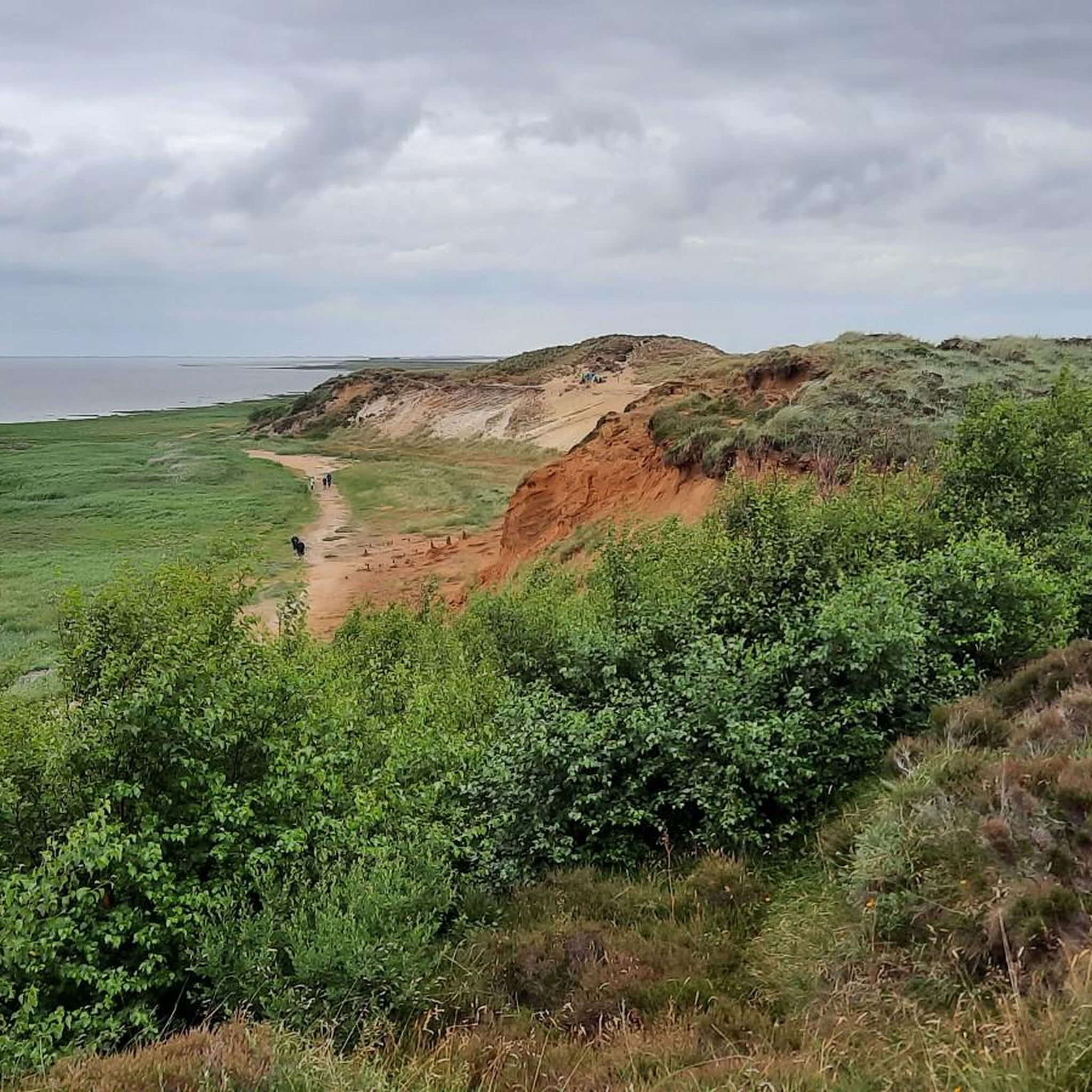
Red Cliff (Rotes Kliff)
Highlight • Natural Monument
Translated by Google •
Tip by

The Wandering Dunes at List, Sylt
Highlight • Natural Monument
Please stay tuned and help preserve this beautiful nature.
Translated by Google •
Tip by

Ellenbogen, Sylt – Northernmost point of Germany and lighthouse
Highlight • Viewpoint
Translated by Google •
Tip by

Sign up for free to discover even more natural monuments on Sylt.
Sign up for free
Already have an account?
Start today with a free account
Your next adventure awaits.
Login or Signup
Popular around Sylt
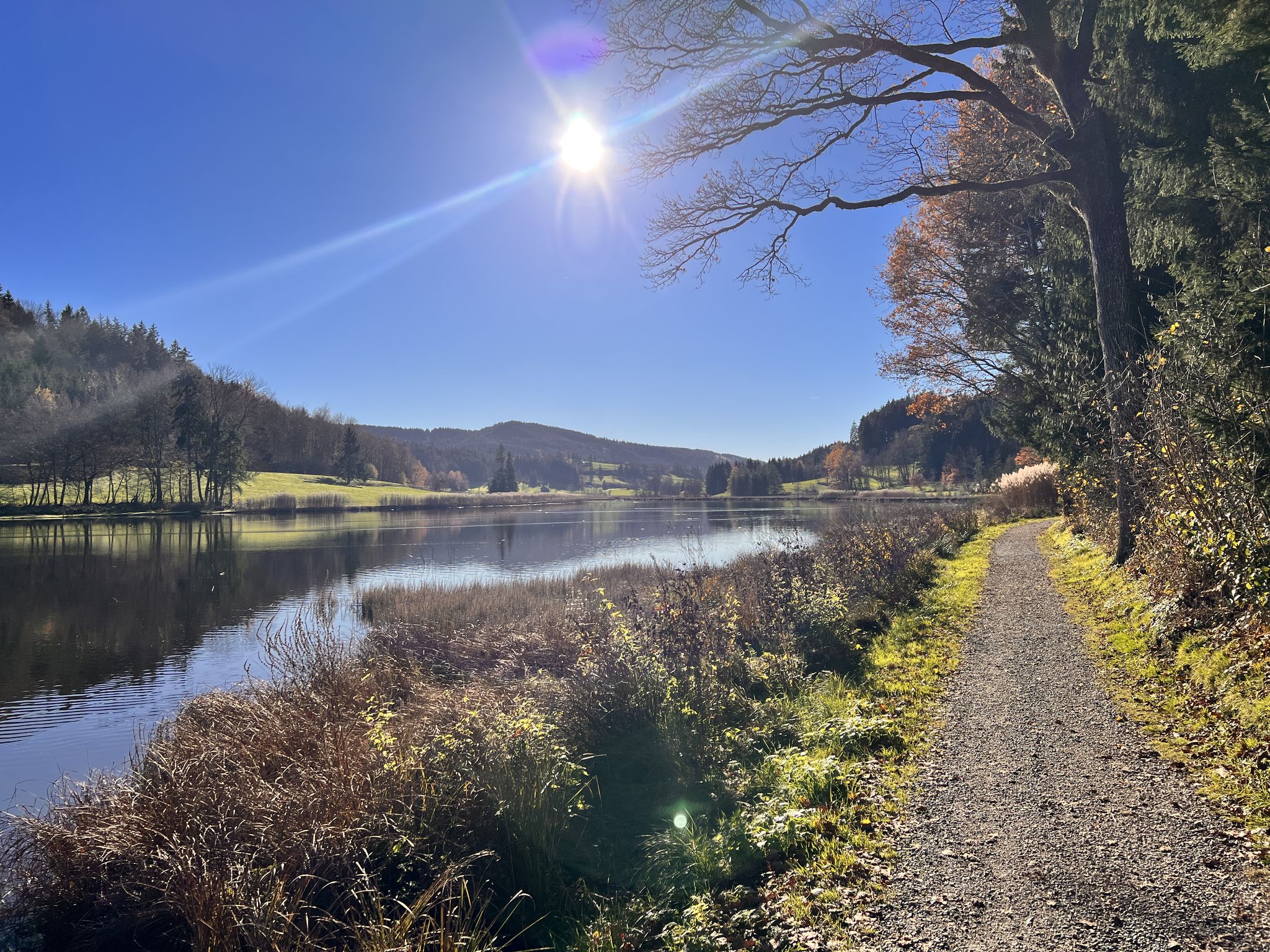
Run Wild – trail running routes throughout Germany
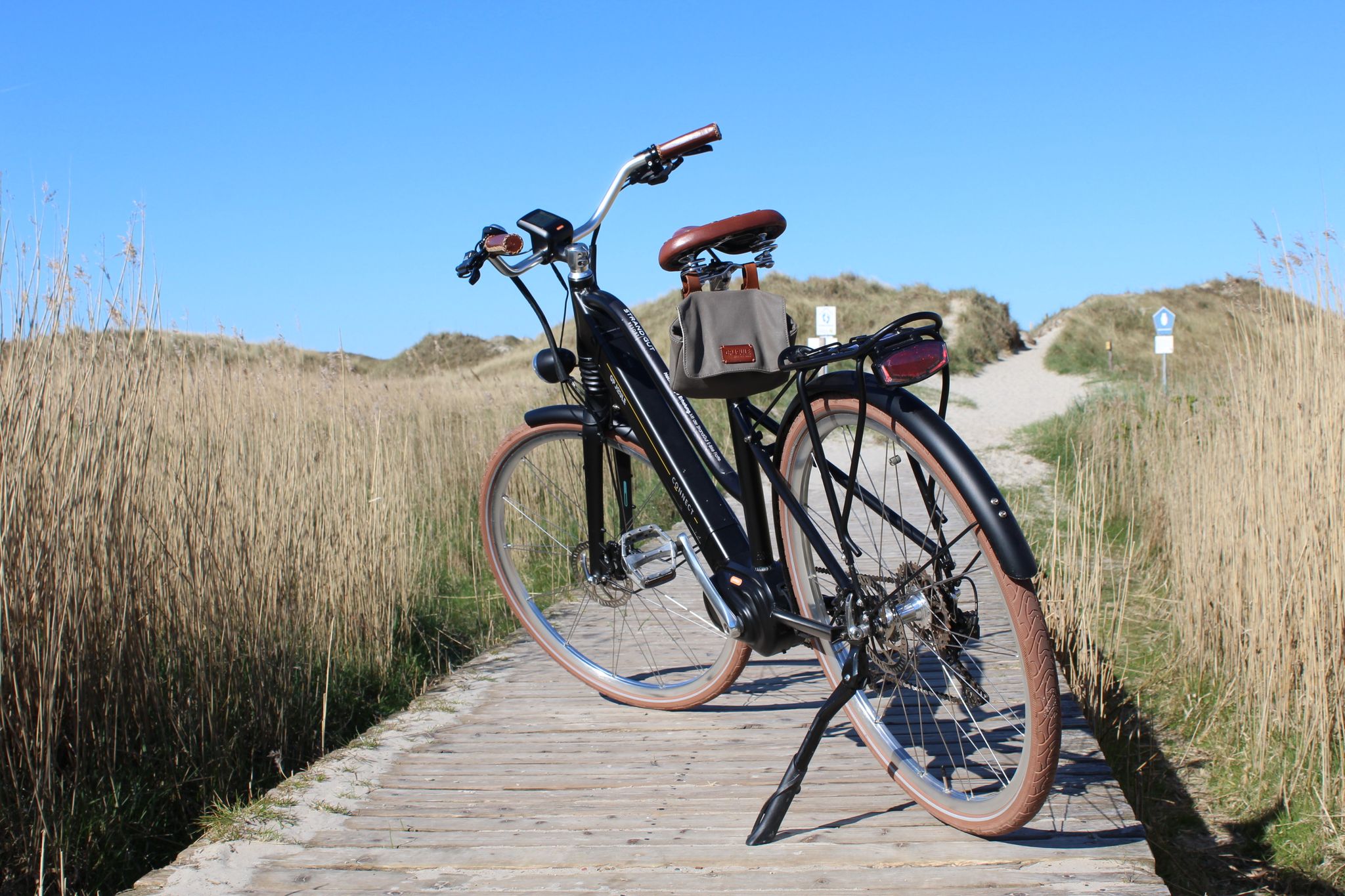
Rolling dunes & a sea breeze – cycling along the North Sea
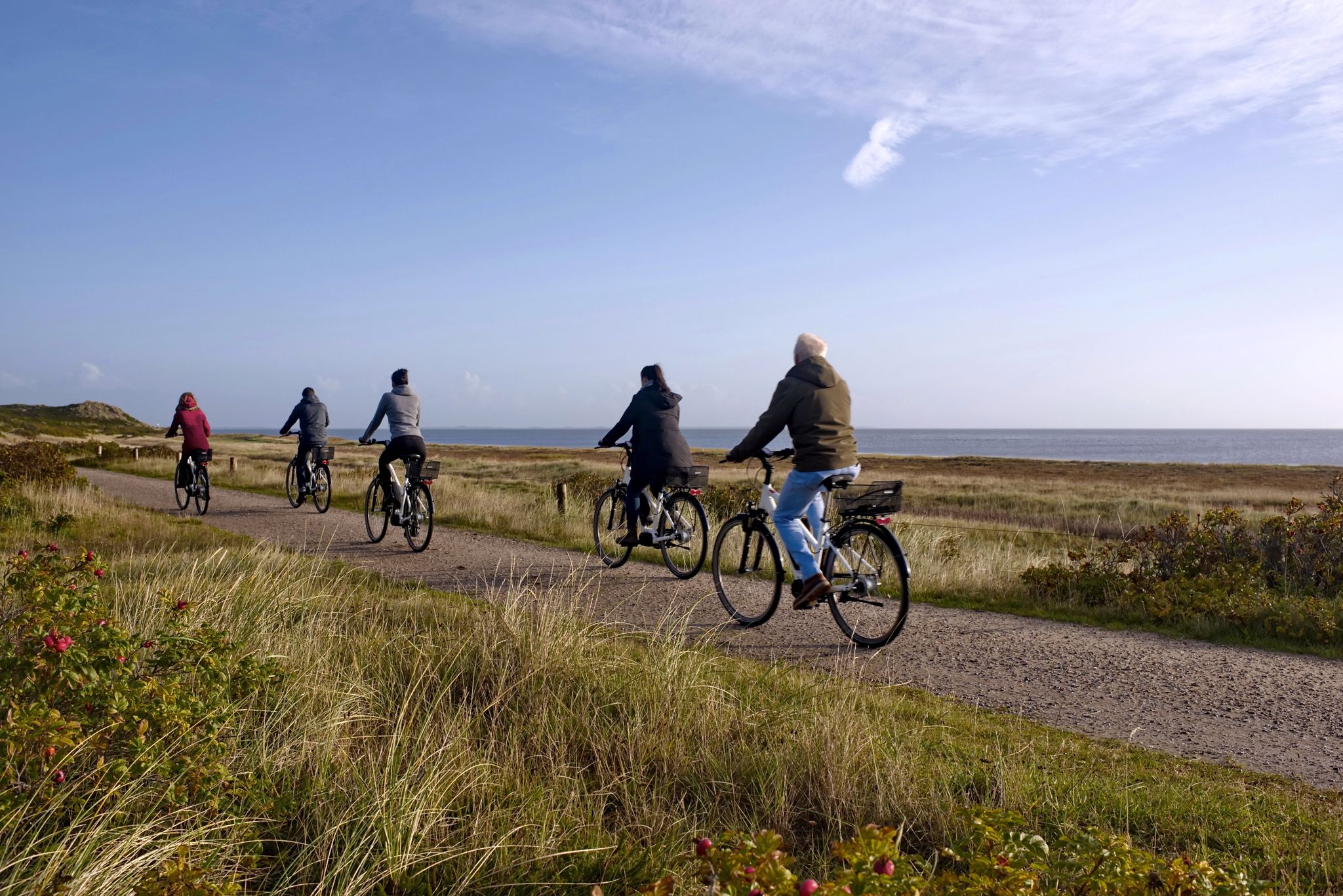
Discovering Sylt from your saddle
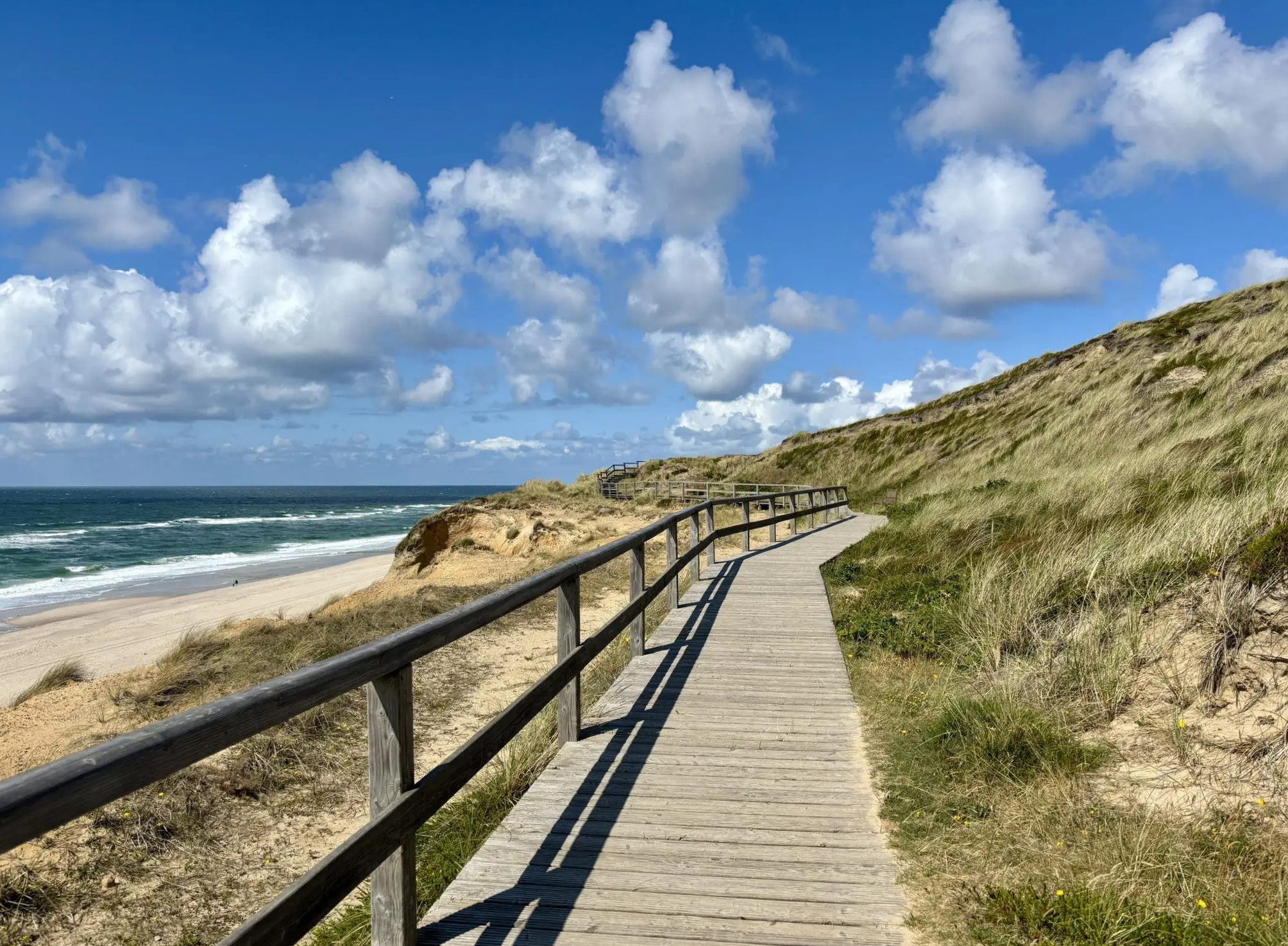
Zwischen Meer, Wald & Dünen – Mikroabenteuer in Schleswig-Holstein & Hamburg
Cycling on Sylt
Hiking on Sylt
Running Trails on Sylt
Road Cycling Routes on Sylt
MTB Trails on Sylt
Gravel biking on Sylt
Other adventures on Sylt


Tips from the Community

A great destination on Sylt
4
1


White dunes wander through the heath
4
1

The wandering dune is the absolute highlight in List on Sylt. From the road that leads to the town, you get an exclusive insight into the beautiful nature and the largest continuous shifting dune area in Europe. The shifting dunes reach an impressive height of 30 meters.
18
2

The dunes of light yellow sand are very impressive.
10
1
At 52 meters above sea level, the highest point on Sylt and with a magnificent view of the heath, the west beach and the red cliff.
8
0

The shifting dunes of List are around 30 meters high and move at a maximum of 10 meters per year. In the past, the shifting dunes buried not only arable land, but also houses.
10
1

The shifting dune is the highlight in List on Sylt. From the street you get an exclusive insight into the beautiful nature.
8
1
Frequently Asked Questions
What are some of the most impressive natural monuments to visit on Sylt?
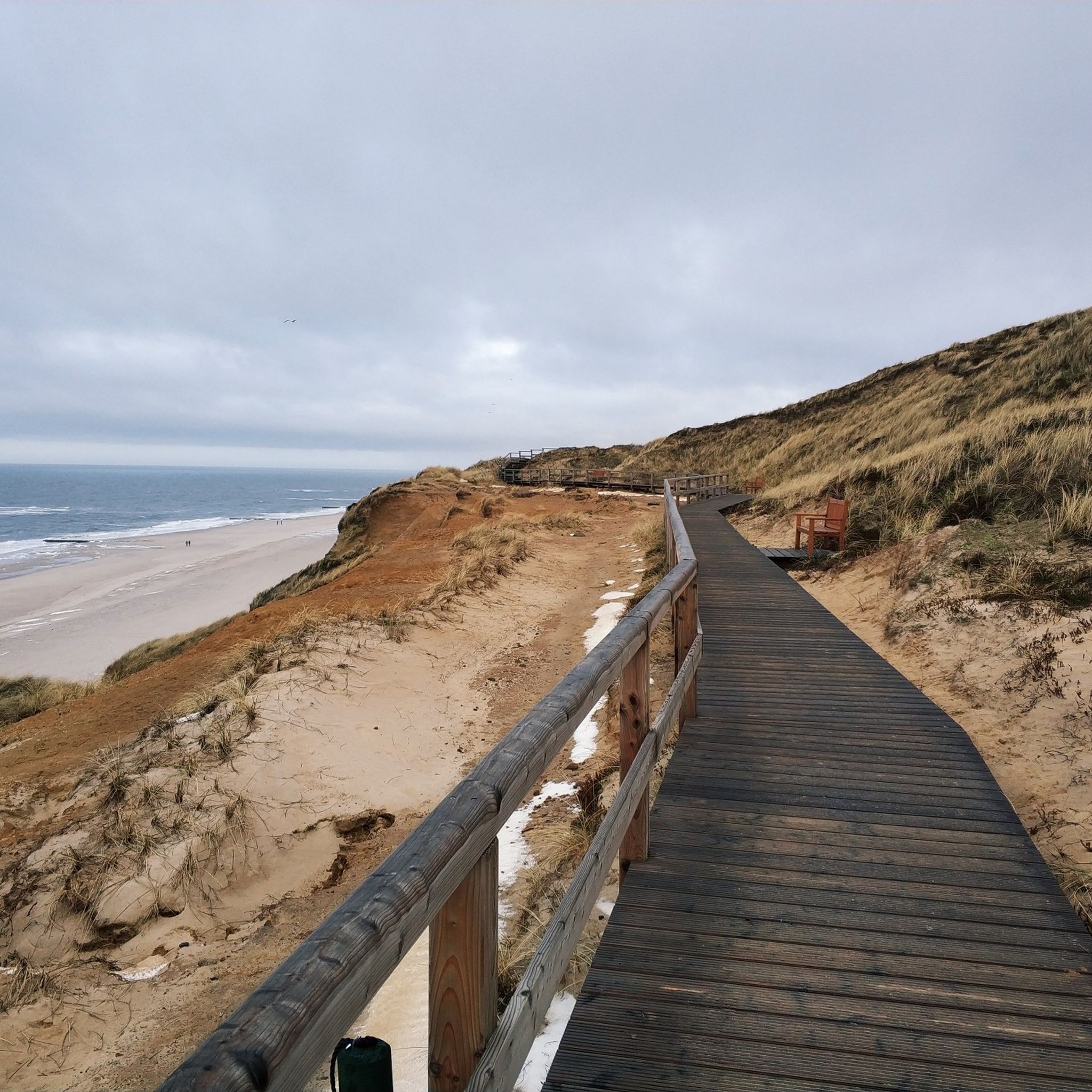
Sylt offers several impressive natural monuments. The Lister shifting dunes are Europe's largest contiguous shifting dunes, constantly reshaped by the wind. The Uwe Dune (Uwe-Düne) provides panoramic views across the island and the North Sea from its summit. Additionally, the Red Cliff (Rotes Kliff), stretching over four kilometers, is known for its distinctive red hue, especially striking at sunset.
Are there natural monuments on Sylt suitable for families with children?
Yes, several natural monuments on Sylt are family-friendly. The Uwe Dune, while requiring a climb of 110 steps, offers a rewarding experience for active families. The Red Cliff provides scenic walks along the coast. The Ellenbogen, Sylt's northernmost point, is also a great spot for families to explore dunes and beaches.
What kind of geological features can I observe at Sylt's natural monuments?
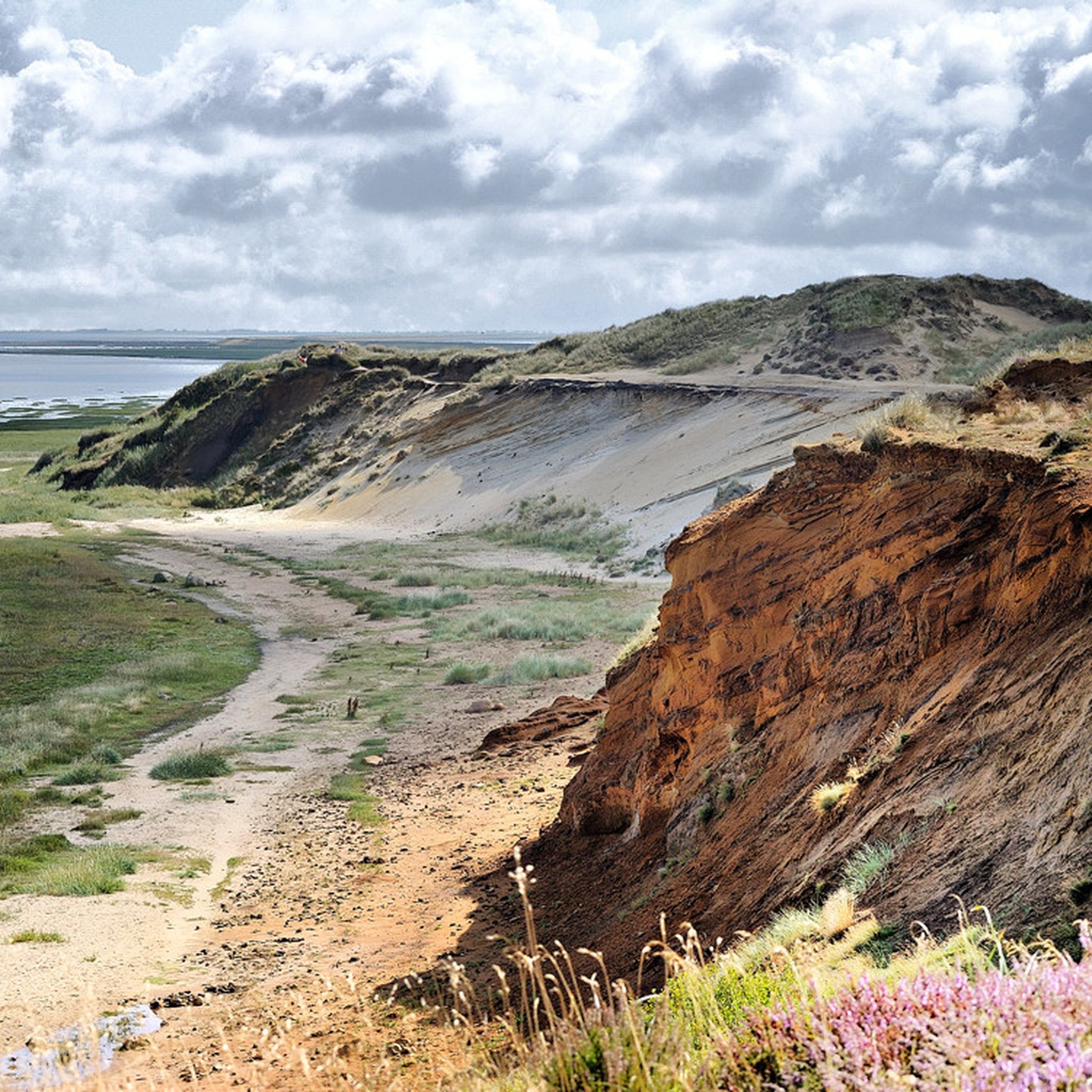
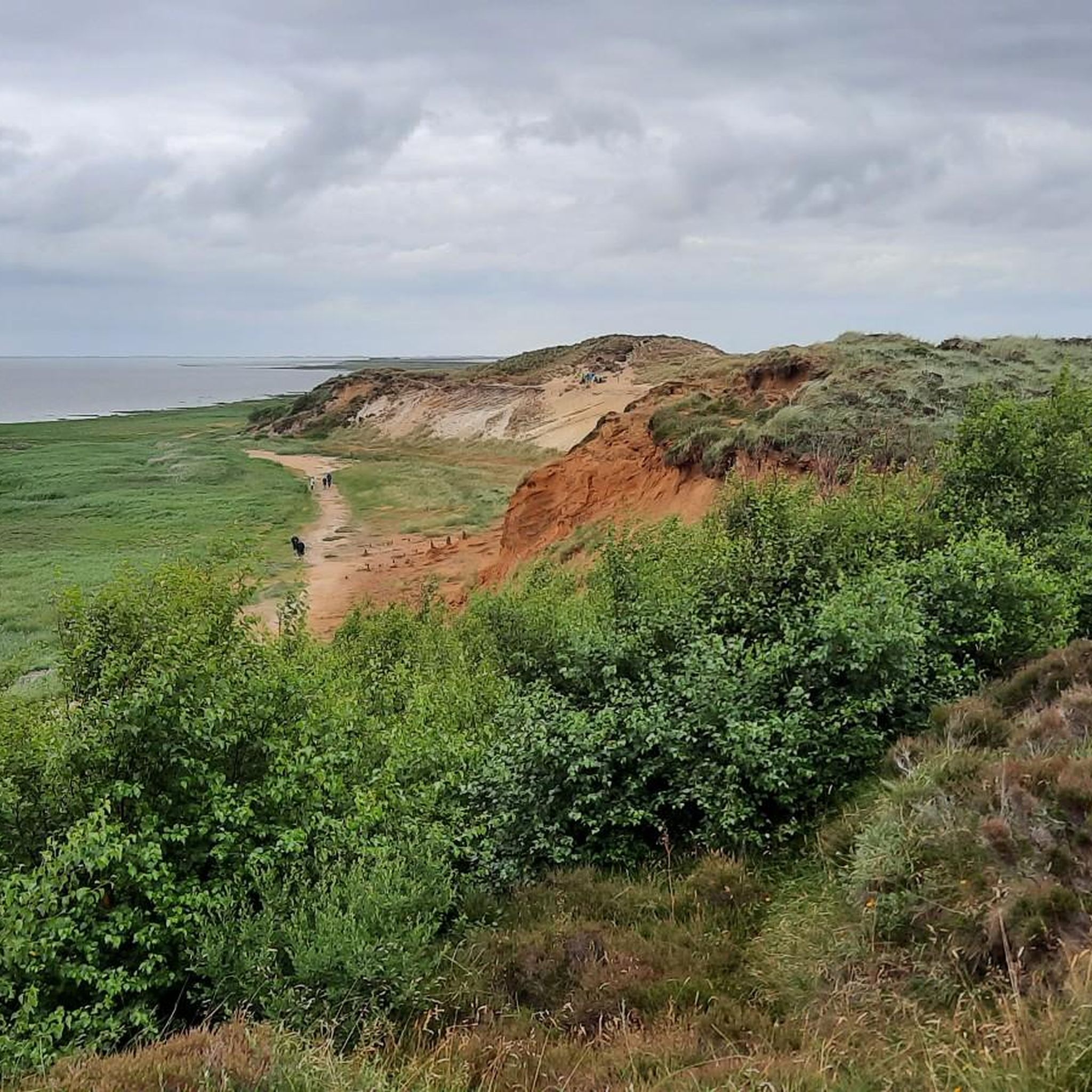
Sylt's natural monuments showcase diverse geological formations. The Red Cliff is a striking example, with its red color resulting from high iron oxide content, bearing witness to glacial movements. The Lister shifting dunes demonstrate dynamic geological processes as they are constantly reshaped by wind. The Morsum Cliff, at the island's eastern tip, also offers insights into climatic changes over millennia through its colorful moors and dunes.
When is the best time of year to visit Sylt's natural monuments?
The best time to visit depends on what you wish to experience. Late summer is particularly enchanting for the Braderup Heath when the heather blossoms in vibrant purple hues. The Red Cliff is especially recommended at sunset for its warm red glow. The Wadden Sea, a UNESCO World Heritage Site, can be explored year-round, but guided mudflat hikes are best during low tide, which varies daily.
Are there opportunities for wildlife observation at Sylt's natural monuments?
Yes, Sylt's natural monuments are rich in wildlife. Hörnum Odde, the southernmost tip, is known for its rich bird life and offers chances to observe seals in the water. The Wadden Sea is a species-rich ecosystem where you can find a vast variety of animals and plants adapted to the tides, including mudflat snails, cockles, and worms. Braderup Heath also provides a habitat for numerous animal and plant species.
Can I find easy walking trails at the natural monuments on Sylt?
Yes, there are options for easy walks. The Braderup Heath features picturesque wooden paths that lead through the tranquil landscape, offering views of the Wadden Sea. The Morsum Cliff also has good trail networks ideal for mindful walks. While the Lister shifting dunes are a protected nature reserve, designated paths allow for unique hiking opportunities and viewing platforms.
What outdoor activities can I do near Sylt's natural monuments?
You can enjoy various outdoor activities near Sylt's natural monuments. For hiking, consider routes like the 'Braderuper Heide Coastal Trail' near Braderup, or the 'Red Cliff (Rotes Kliff) – Red Cliff viewpoint loop' near Wenningstedt. Cyclists can explore routes such as the 'Rantum - Hörnum Cycle Path' or the 'Lister Harbor – Nord-Sylt Cycle Path'. Mountain biking trails are also available, including the 'Morsum Cliff – Rantumbecken Dike Path'. You can find more details on these activities in the Hiking on Sylt, Road Cycling Routes on Sylt, and MTB Trails on Sylt guides.
Are there any natural monuments on Sylt that are dog-friendly?
Yes, some natural monuments on Sylt are dog-friendly. The Ellenbogen, Sylt's northernmost point, is a popular spot where dogs are generally welcome to explore the dunes and beaches. However, always ensure to check local regulations and keep dogs on a leash, especially in protected nature reserves, to protect the sensitive ecosystems and wildlife.
What makes the Wadden Sea on Sylt a significant natural monument?
The Wadden Sea on Sylt is a UNESCO World Heritage Site and one of Europe's last two large wilderness areas. It's a species-rich ecosystem where a vast variety of animals and plants have adapted to the daily rhythm of the tides. Guided mudflat hikes offer a unique opportunity to explore this idiosyncratic world, observing creatures like mudflat snails, cockles, and worms, highlighting its ecological importance.
How can I reach the Uwe Dune and what can I expect there?
The Uwe Dune (Uwe-Düne) is located in Kampen. You can reach it by car, with parking available nearby, or incorporate it into a round trip walk. To reach the summit, you'll ascend 110 wooden steps. From the top, you are rewarded with breathtaking panoramic views across the island, the Wadden Sea, and the North Sea, with the Danish island of Rømø often visible on clear days.
What is special about the Braderup Heath?
The Braderup Heath, situated on Sylt's east coast between Braderup and Keitum, is a unique 137-hectare cultural landscape and a significant natural highlight. It is particularly enchanting in late summer when the heather blossoms in purple hues, providing a habitat for numerous animal and plant species. Picturesque wooden paths lead through this tranquil landscape, offering serene views of the Wadden Sea.
Are there any natural monuments on Sylt that are particularly good for photography?
Absolutely. The Uwe Dune offers expansive panoramic views, making it a prime spot for landscape photography. The Red Cliff is stunning, especially at sunset when its distinctive red hue glows warmly. The dynamic landscapes of the Lister shifting dunes also provide unique photographic opportunities with their ever-changing forms and vastness.
Most popular routes on Sylt
Most popular attractions on Sylt

Get inspired with the komoot mobile app


Explore more
Extend your search for the best caves by checking out these guides of the top ones on Sylt:
