Top 7 Caves in Macerata
Caves in Macerata offer a range of underground experiences within the Marche region of Italy. The area features natural karst formations and historical sites, including those with religious significance. While Macerata itself has medieval underground tunnels, the most prominent cave systems are found nearby. These geological features are shaped by natural processes over millions of years, providing diverse exploration opportunities.
Best caves in Macerata
- The most popular caves is Cave of the Friars, a cave that requires suitable shoes…
Last updated: June 25, 2026
Cave of the Friars
Highlight • Cave
Translated by Google •
Tip by

Santa Sperandia Cave
Highlight • Cave
Translated by Google •
Tip by

Sign up now to discover places like this
Get recommendations on the best single tracks, peaks, & plenty of other exciting outdoor places.
Sign up for free
Abbey and Cave of Sant'Eustachio
Highlight • Cave
Translated by Google •
Tip by

Earthquake Sinkhole
Highlight • Natural Monument
Translated by Google •
Tip by

Vurgacci Trail of Pioraco
Highlight (Segment) • Trail
Translated by Google •
Tip by

Natural Cave of Pievebovigliana
Highlight • Cave
Translated by Google •
Tip by

Hermitage of Sant’Angelo di Cingoli
Highlight • Religious Site
Translated by Google •
Tip by
Start today with a free account
Your next adventure awaits.
Login or Signup
Popular around Macerata
Italian Coast2Coast – From Portonovo to Orbetello
A journey of faith between Umbria and Marche – Via Lauretana
The Sibillini Mountains to Gran Sasso – the Great Apennine Crossing
On the trail of the Queen of the Fairies – Grande Anello dei Sibillini
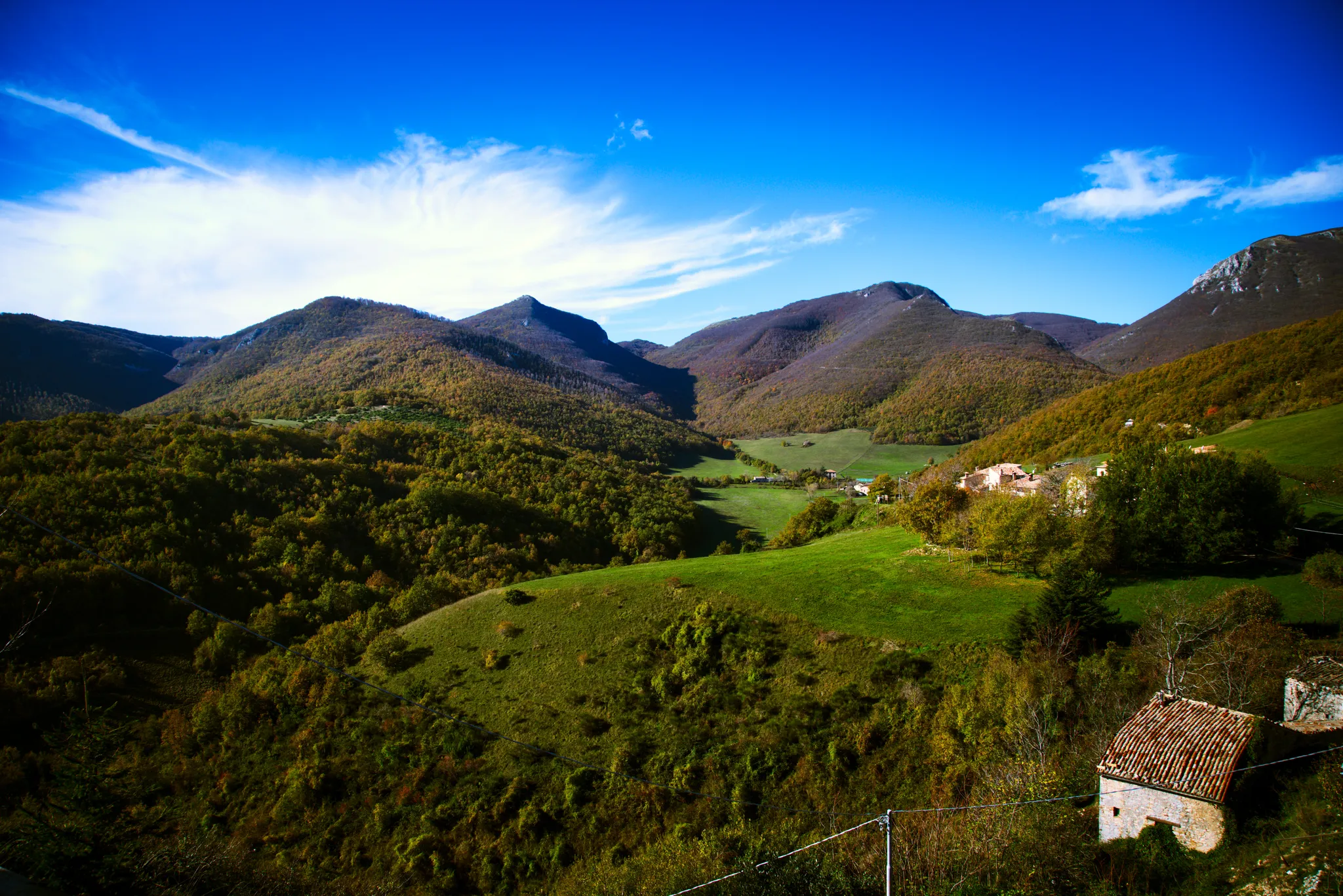
In the heart of Le Marche – Cammino dei Forti
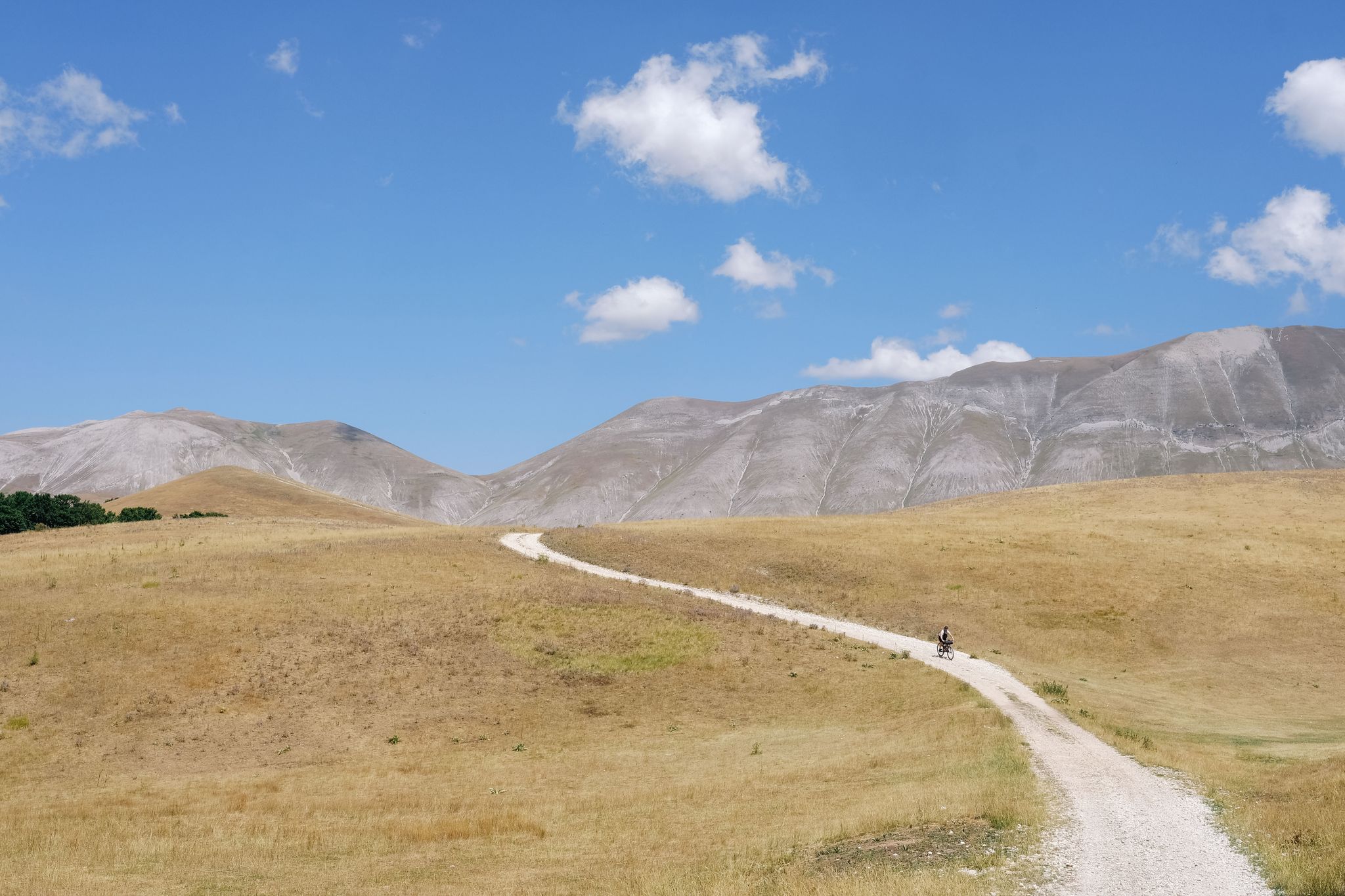
A journey through nature and legend – Great Sibillini Mountain Ring
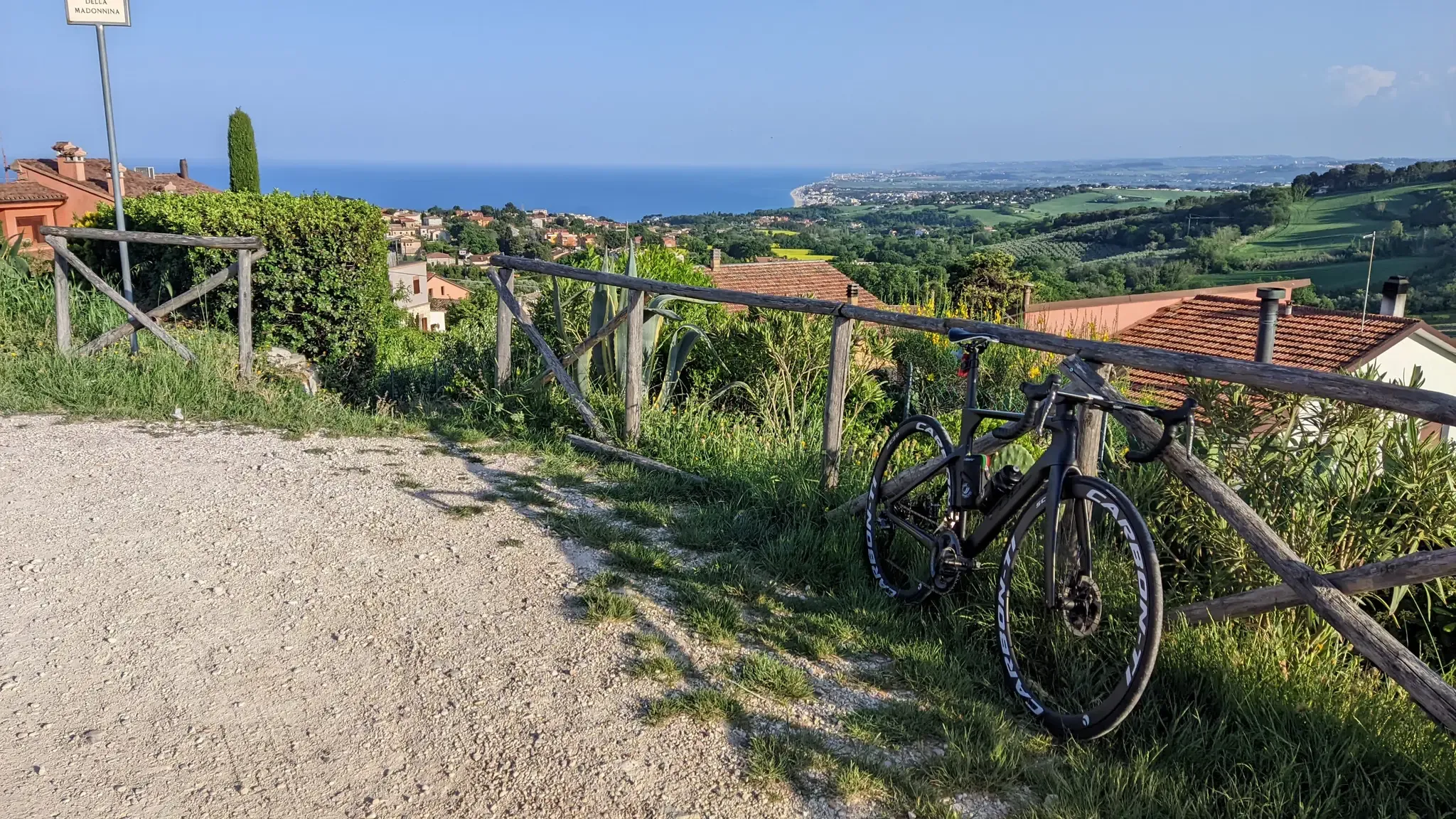
Between mountains and sea — road cycling in Italy’s Marche
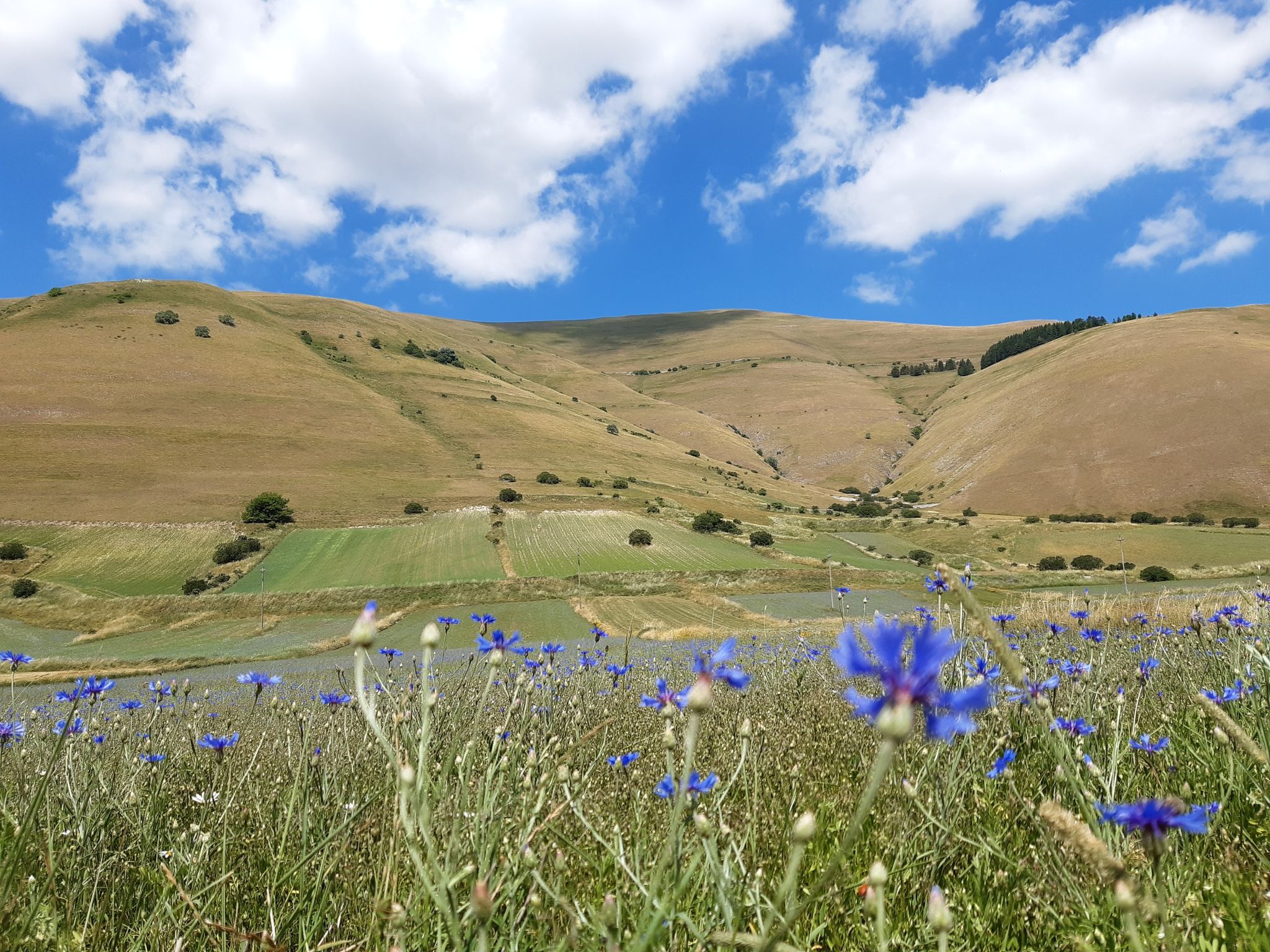
A journey through changed lands – Cammino nelle Terre Mutate
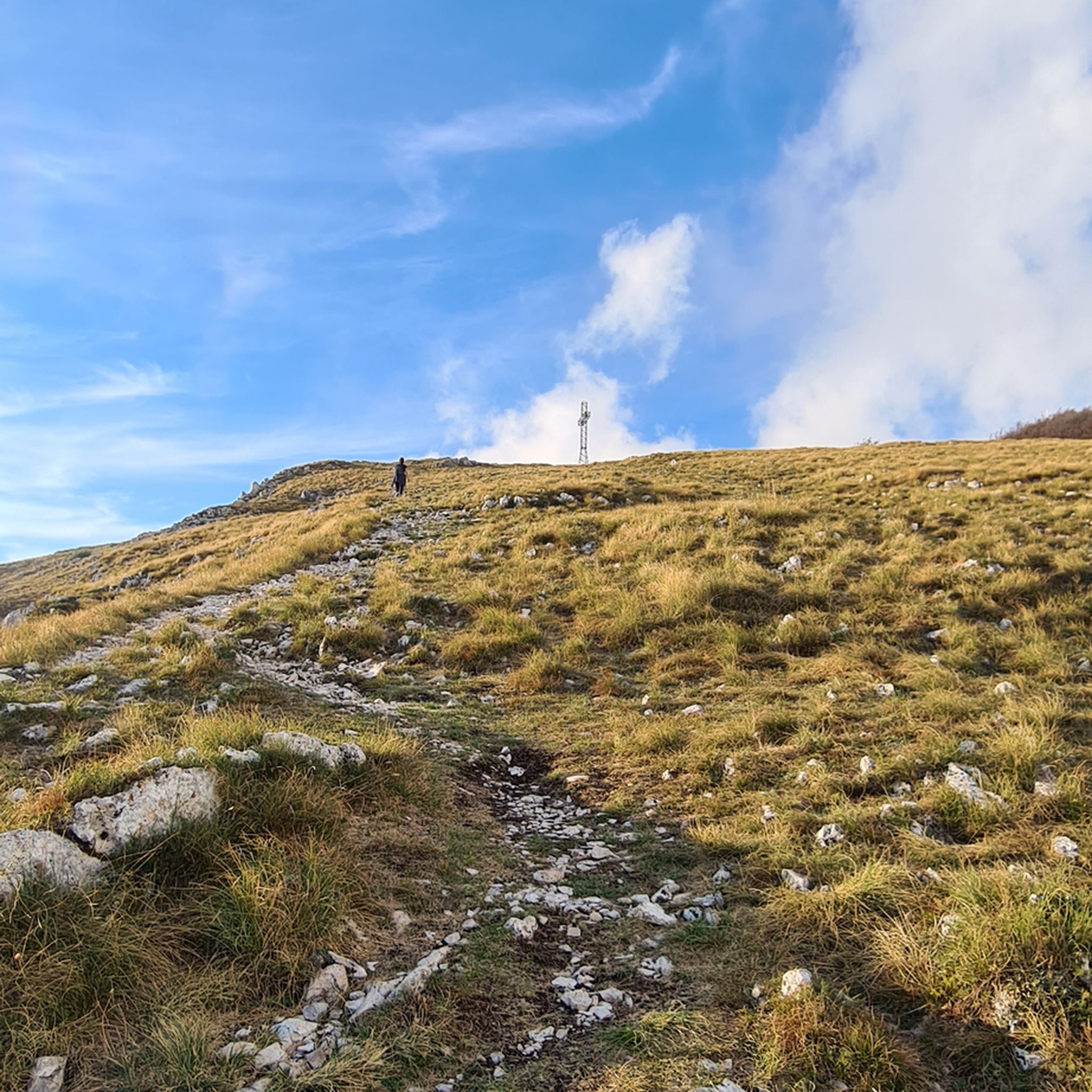
Hiking in Macerata
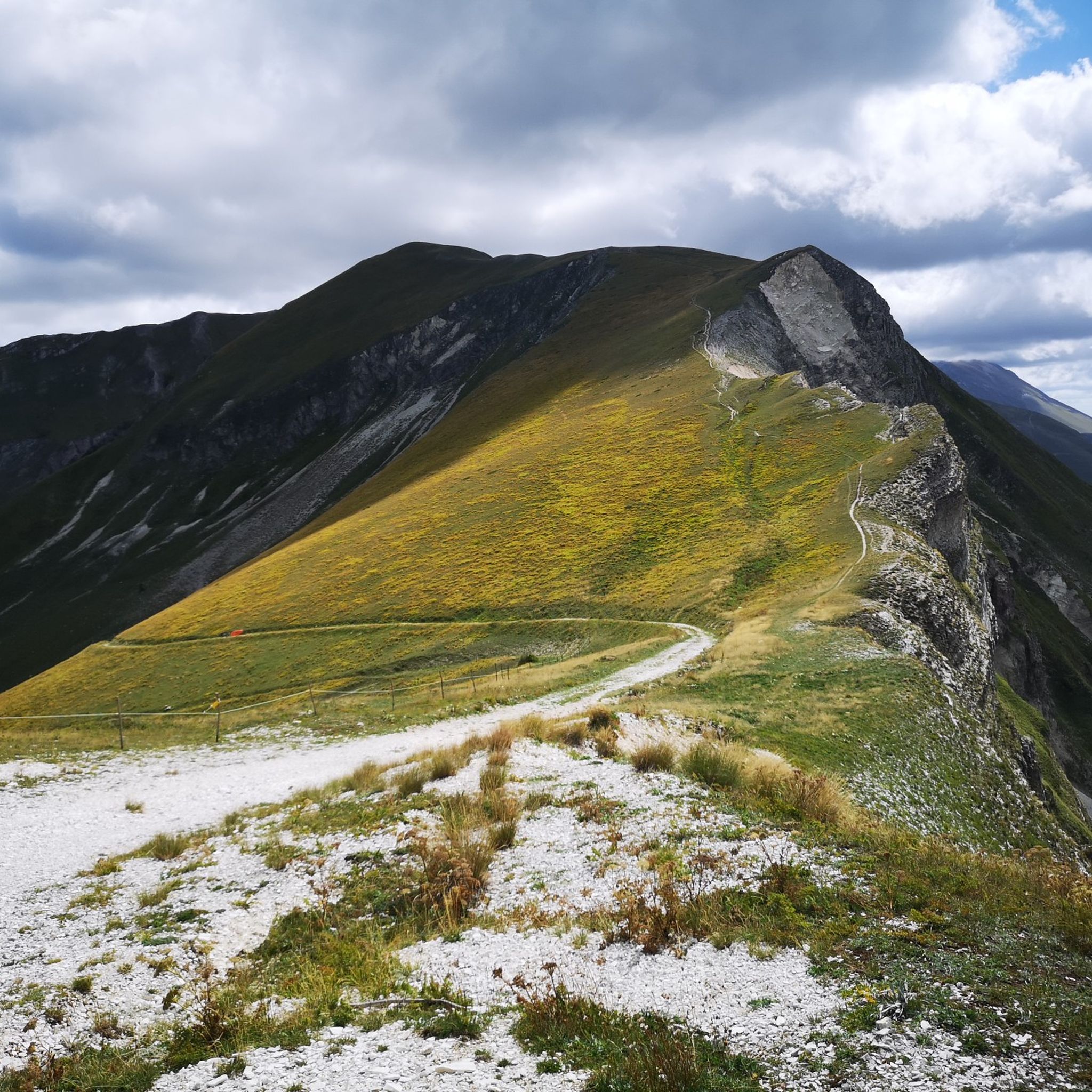
MTB Trails in Macerata
Other adventures in Macerata


Tips from the Community

Avoid this destination. The trail is steep, long, and dangerous, and beyond the river it's even impassable!
0
0

Simple circular trail of about 2 km to discover the Vurgacci. The Vurgacci are the caves and stone sculptures that characterize this trail that develops in the most suggestive stretch of the Gola di Pioraco along the course of the Potenza River.
1
0

One of the most beautiful sacred places in the Marche. An abbey nestled in the rocks near the Grotta d'Eustachio. The mastery of sculpting the stone is still clearly visible. How much hidden beauty! Absolutely to be restored and preserved. But also in its current state to be admired and with the imagination to be transported to the times of its glory.
1
0
I recommend not doing the whole route but going back after reaching Grotta dei Frati. In fact, going down further, you reach the river and to continue you literally have to walk into it. There is no path on the side. In addition, after crossing the river and taking the path again, the road is impassable due to a landslide since 2022. Nice route but the circular tour is no longer possible.
3
0
From Grotta dei Frati go back and do not continue the path towards the river. Dangerous path and also closed by an ordinance of 2022 due to subsidence of the land. The path literally passes inside the river (in reality a real path no longer exists) and once you have resumed the marked path, you will find yourself in front of a sign prohibiting access to pedestrians due to danger.
2
1

Cloister attached to the church of San Francesco sec. XIV and seat of the Town Hall
0
0

The last stretch to reach the cave is very steep and insidious, I absolutely recommend suitable shoes and don't disdain poles to keep your balance. Once reached, it pays off the effort made to get there. As of today, the next stretch is off-limits, so you can only go back uphill, facing the particularly challenging stretch.
3
0

Frequently Asked Questions
What are the most challenging caves to explore in the Macerata region?
For a challenging experience, the Cave of the Friars is known for its steep and insidious last stretch, requiring suitable shoes and poles. The Abbey and Cave of Sant'Eustachio can also be challenging, with accessibility sometimes affected by potential rockfalls. The Earthquake Sinkhole offers an imposing descent, which can be dangerous.
Are there family-friendly cave experiences near Macerata?
Yes, the Vurgacci Trail of Pioraco is a simple, approximately 2 km circular trail that features caves and stone sculptures along the Potenza River, making it suitable for families. For a more extensive experience, the Frasassi Caves, while not directly in Macerata, offer an easy, guided walk suitable for all ages.
What natural features can I expect to see in the caves around Macerata?
The region features diverse natural formations. The Earthquake Sinkhole is a unique, enormous chasm formed by a collapsed underground cave. The Vurgacci Trail of Pioraco showcases caves and natural stone sculptures along a river gorge. Further afield, the Frasassi Caves are renowned for immense stalactites, stalagmites, and vast chambers like the 'Ancona Abyss'.
Are there historical or religious caves to visit in the Macerata area?
Absolutely. The Santa Sperandia Cave is a characteristic site with historical and religious significance, associated with Saint Sperandia, reached by a long staircase. The Abbey and Cave of Sant'Eustachio features an abbey carved into the rock by Benedictine monks, offering a glimpse into ancient religious practices.
What is the best time of year to visit caves in the Macerata region?
Caves generally maintain a constant temperature year-round, making them a good destination in any season. For instance, the Frasassi Caves maintain approximately 14°C (57°F) throughout the year, offering a cool escape in summer and a mild environment in winter. Local cave accessibility might vary, so checking specific site conditions is advisable.
What should I wear when visiting caves in the Macerata area?
Given the constant cool temperatures inside caves, even in summer, it's advisable to wear layers and bring a light jacket or sweater. For challenging caves like the Cave of the Friars, suitable shoes with good grip are essential, and poles are recommended for balance on steep sections.
What outdoor activities can I combine with a cave visit in Macerata?
The Macerata region offers various outdoor activities. You can find numerous hiking trails, including challenging mountain hikes in the Sibillini Mountains, or more moderate options like the Lame Rosse Trail. Gravel biking is also popular, with routes around Lake Cingoli or Lake Fiastra. For more details, explore the Hiking in Macerata or Gravel biking in Macerata guides.
How long does it typically take to explore the caves in Macerata?
Exploration times vary by cave. For example, the Vurgacci Trail of Pioraco is a circular route of about 2 km. For the Frasassi Caves, a guided tourist route typically lasts around 1 hour and 15 minutes, while more adventurous speleological tours can take longer.
Are there any unique geological formations or hidden gems near Macerata?
Beyond the well-known sites, the Earthquake Sinkhole is an imposing and unique chasm formed by a collapsed underground cave. The Natural Cave of Pievebovigliana also offers a natural monument experience. For truly spectacular formations, the Frasassi Caves, though a drive, are considered one of Europe's largest and most stunning cave systems.
What makes the Frasassi Caves unique compared to those directly in Macerata?
While Macerata has its own historical underground tunnels and natural caves, the Frasassi Caves, located in the wider Marche region, are a natural wonder of immense scale. They feature vast chambers, stunning stalactites and stalagmites, and are considered one of Italy's most spectacular cave systems, offering a different kind of experience compared to the more localized and often historical caves directly in Macerata.
Are dogs allowed in any of the caves or on trails leading to them?
Information on dog accessibility varies by specific cave and trail. Generally, natural trails like the Vurgacci Trail of Pioraco might be more dog-friendly than managed cave systems. It is always best to check specific regulations for each site before planning your visit with a dog.
Where can I find parking when visiting caves in the Macerata region?
Parking availability depends on the specific cave location. For sites like the Santa Sperandia Cave, you might need to park and then cover the last stretch on foot. For larger attractions like the Frasassi Caves, dedicated parking facilities are usually available. Always check local signage or official websites for parking information before your visit.
Most popular routes in Macerata
Most popular attractions in Macerata

Get inspired with the komoot mobile app


Didn’t find what you were looking for?
Discover more caves in Macerata region by region:
Explore more
Extend your search for the best caves by checking out these guides of the top ones in Macerata:
