Top 11 Lakes in Bergpark Wilhelmshöhe
Best lakes in Bergpark Wilhelmshöhe are integral to this UNESCO World Heritage site in Kassel, Germany, known for its landscape design and water features. The park's artificial lakes and ponds contribute to its beauty and hydraulic system, powered solely by gravity. These natural features are central to the park's Baroque and Romantic aesthetics. Visitors can explore various lakes that are part of the park's intricate water arts.
Best lakes in Bergpark Wilhelmshöhe
- The most popular lakes is Höllenteich, a…
Last updated: July 8, 2026
Höllenteich
Highlight • Lake
Translated by Google •
Tip by

Jussow Temple at the Fountain Pond (Bergpark Wilhelmshöhe)
Highlight • Monument
Translated by Google •
Tip by

Sign up now to discover places like this
Get recommendations on the best single tracks, peaks, & plenty of other exciting outdoor places.
Sign up for free
Lac (Castle Pond) in Bergpark Wilhelmshöhe
Highlight • Lake
Showing Translation
Tip by

Aschsee
Highlight • Lake
Translated by Google •
Tip by

Lac (Wilhelmshöhe Palace Park)
Highlight • Lake
Translated by Google •
Tip by

Sign up for free to discover even more lakes in Bergpark Wilhelmshöhe.
Sign up for free
Already have an account?
Start today with a free account
Your next adventure awaits.
Login or Signup
Popular around Bergpark Wilhelmshöhe
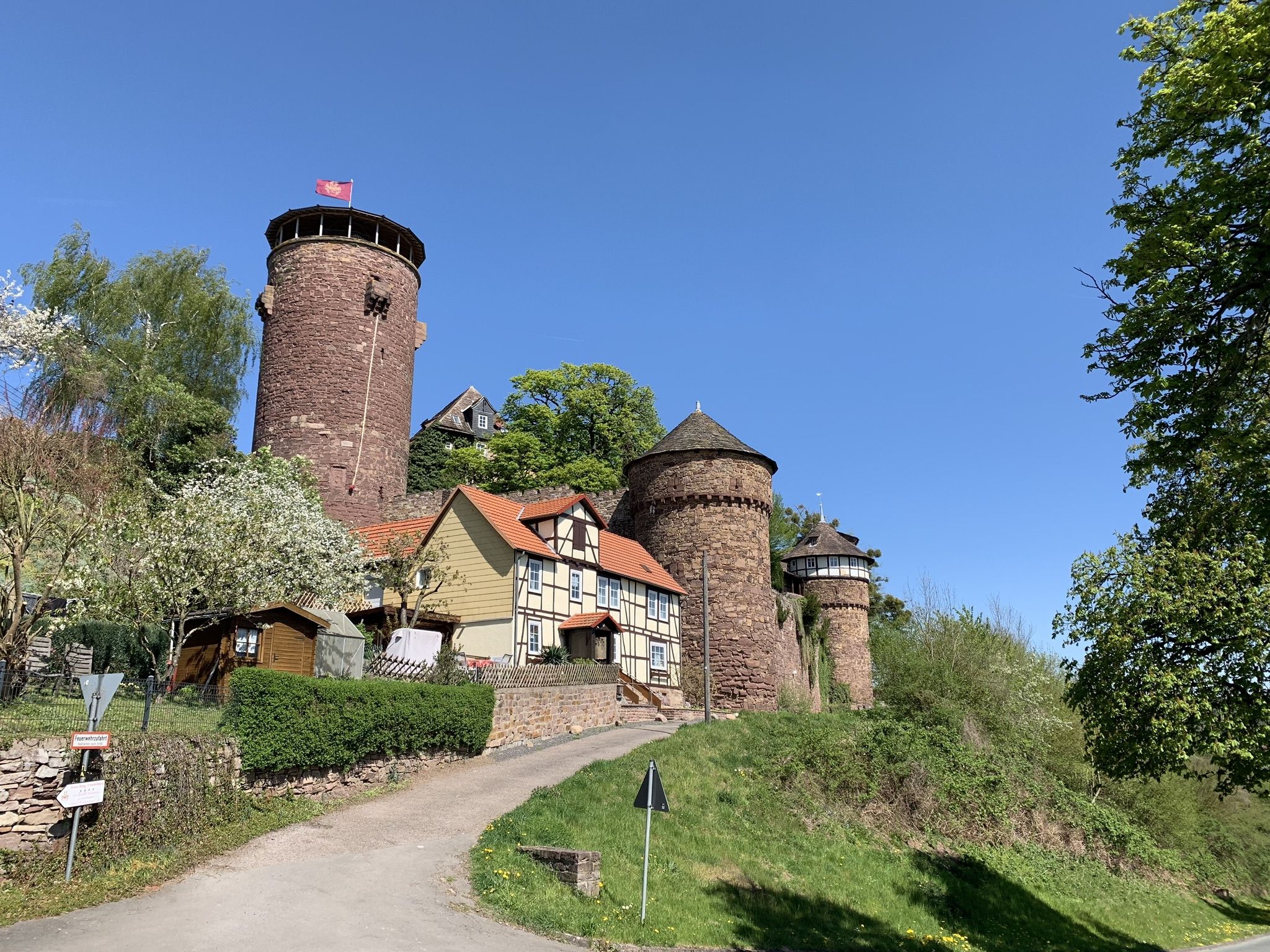
Hike the Fairy Tale Route – Enchanting days in Germany
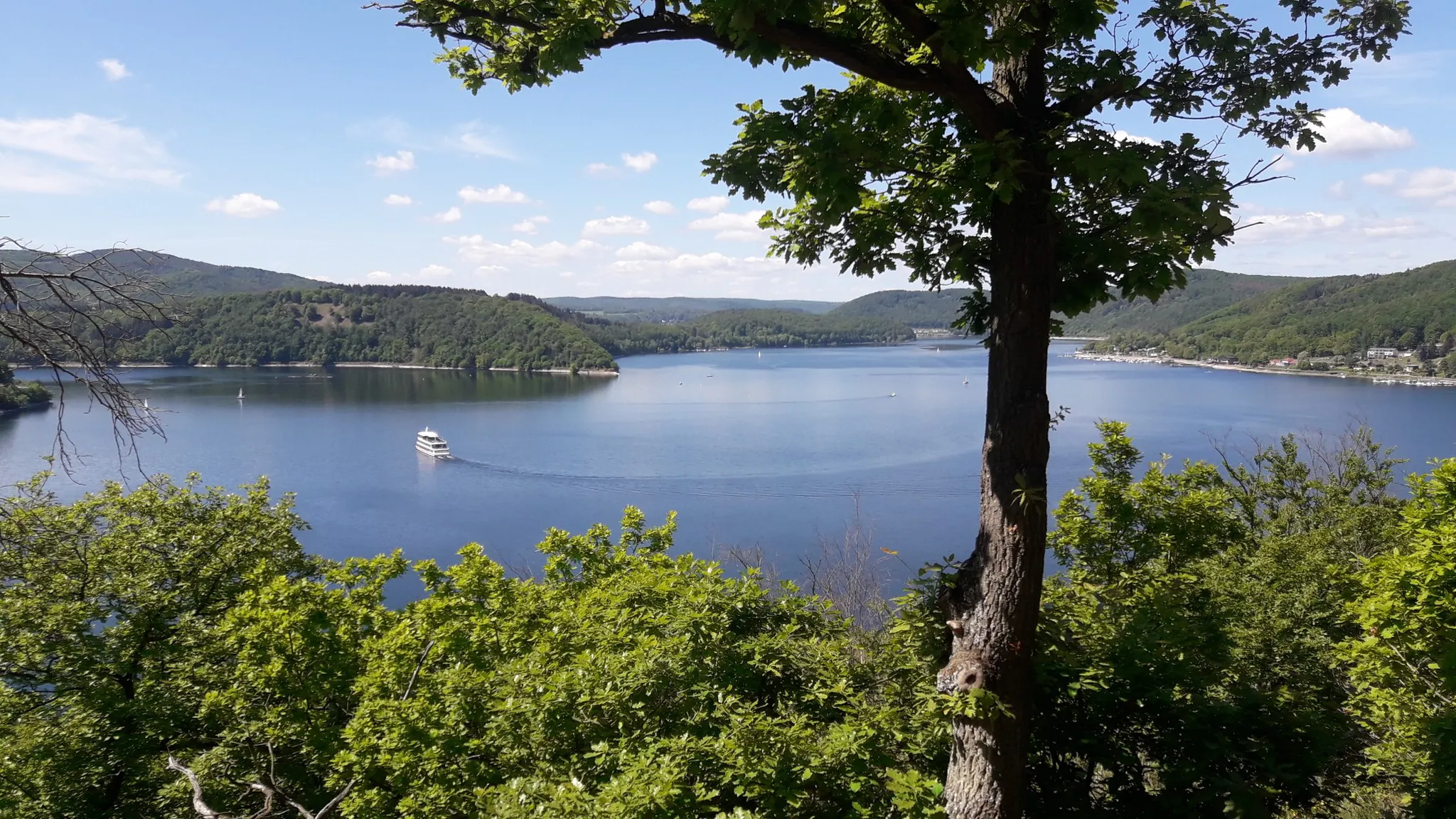
Ederseeweg trail — three stages from the city to the lake
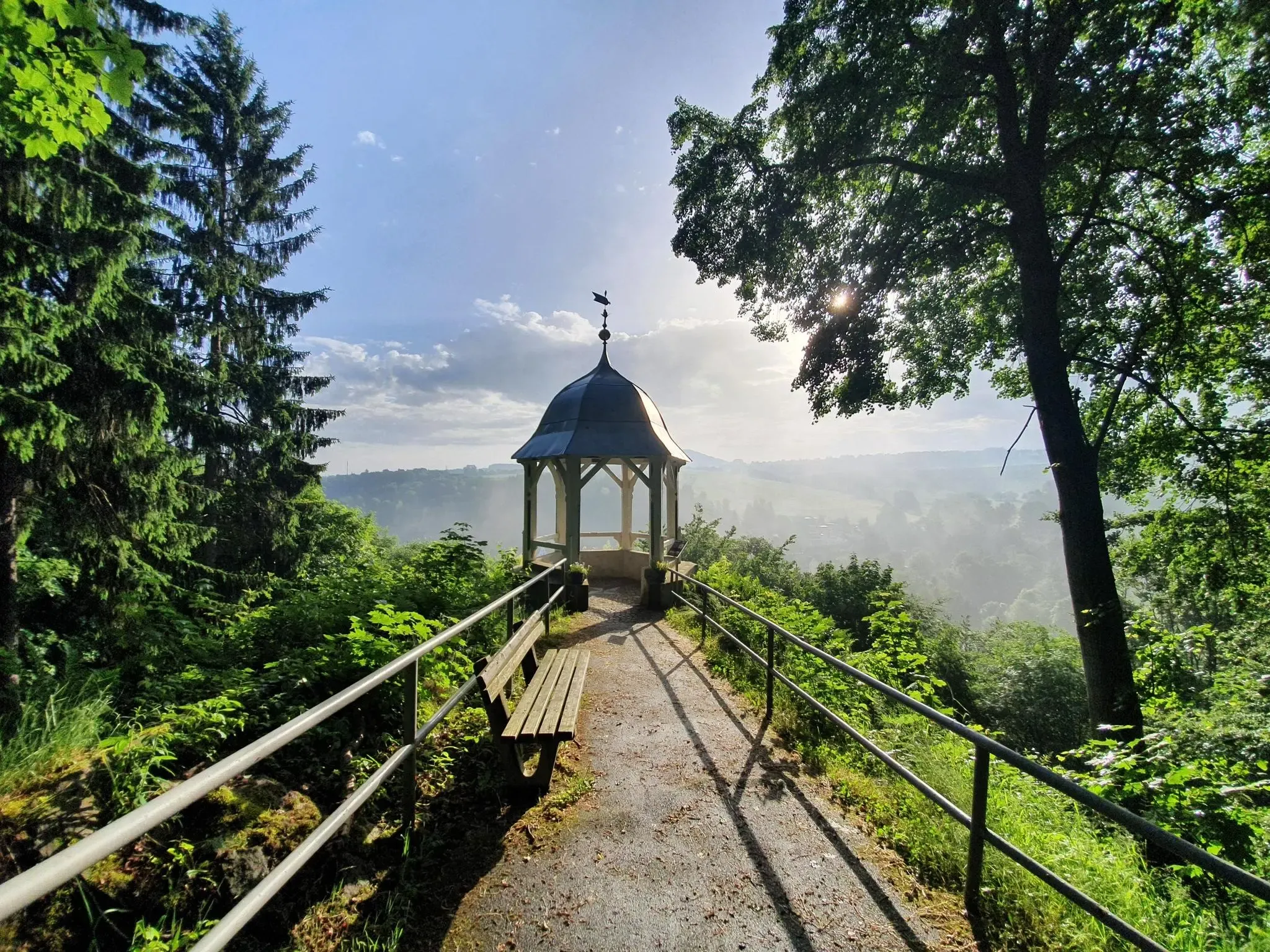
#GoFurther – discover the views of Germany!
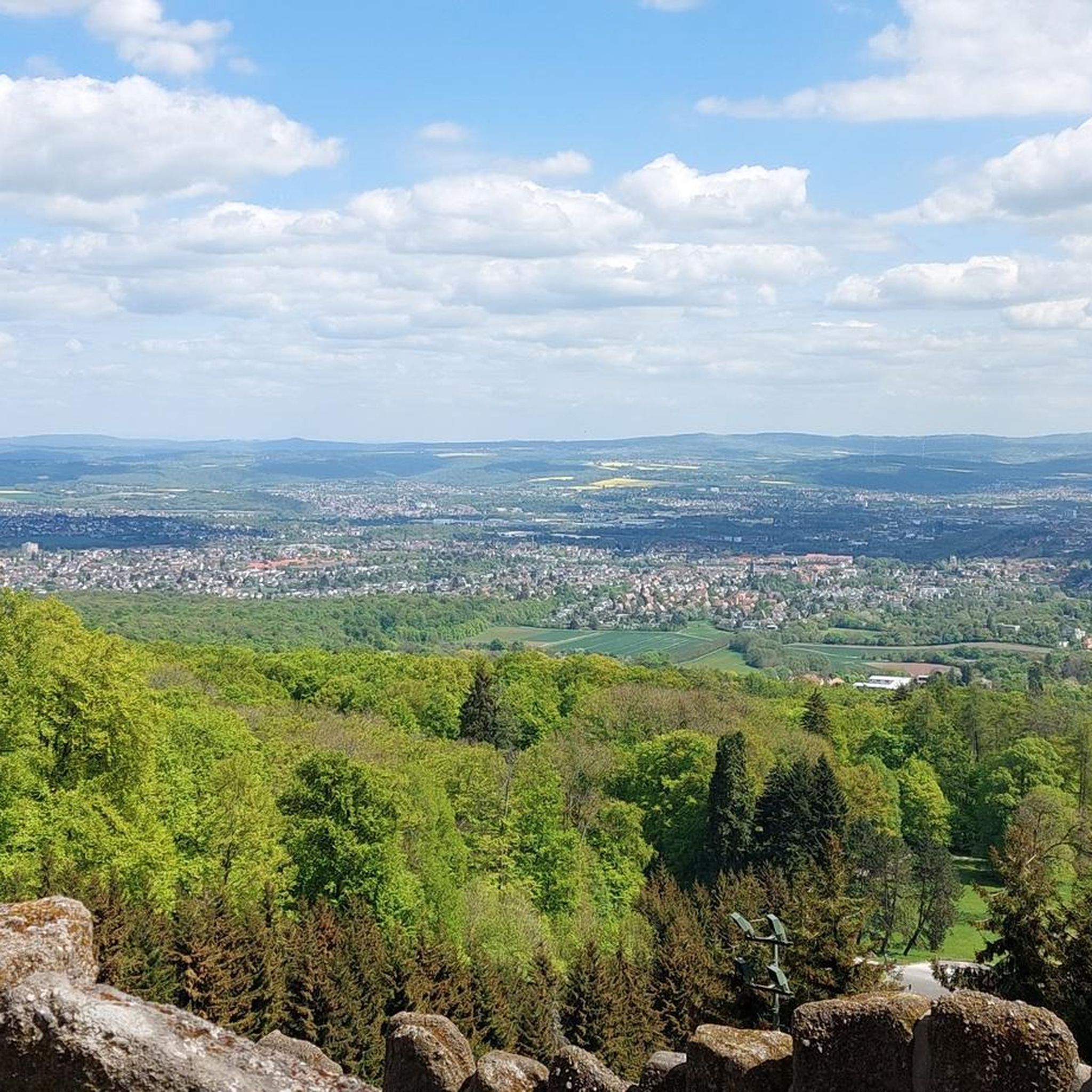
Road Cycling Routes in Bergpark Wilhelmshöhe
Hiking in Bergpark Wilhelmshöhe
MTB Trails in Bergpark Wilhelmshöhe
Gravel biking in Bergpark Wilhelmshöhe
Running Trails in Bergpark Wilhelmshöhe
Cycling in Bergpark Wilhelmshöhe
Mountain Hikes in Bergpark Wilhelmshöhe


Tips from the Community


The current palace, designed in the classicist style, was built between 1786 and 1794 for Landgrave Wilhelm IX of Hesse-Kassel (from 1803 Elector Wilhelm I) based on designs by the architects Simon Louis du Ry (Weißenstein wing and church wing) and Heinrich Christoph Jussow (central wing). The electors and landgraves of Hesse-Kassel spent their "summer holidays" in Wilhelmshöhe Palace, which is over 200 years old. Today it is a museum for important art and cultural collections. Landgrave Wilhelm IX had Wilhelmshöhe Palace built as the center of his mountain park. Originally it consisted of three individual buildings. Later, Elector Wilhelm II had these buildings connected. This is how the palace acquired its current closed and massive appearance. The imperial family used Wilhelmshöhe Palace as a summer residence until 1918. It was badly damaged in the Second World War and gradually rebuilt from 1945 onwards. Today the left wing serves as an administration building. The central building houses unique collections such as the Old Masters Picture Gallery. The museum in the right part of the building (Weißenstein wing) is currently being renovated and normally displays the historically furnished rooms of the Landgraves. Source: https://www.heritage-kassel.de/standorte/schloss-wilhelmshoehe
3
1
The Lac is the largest of the ponds, it is located below Wilhelmshöhe Palace and is surrounded by a walking path and old trees. It was created between 1785 and 1791 by Heinrich Christoph Jussow. There are several benches right on the dam where visitors can sit down and enjoy a beautiful view of the small lake. On the south-west bank facing the mountain is the rose garden, which was created in 1790 and is particularly notable for its diverse collection of different roses.
2
0

The park around the castle is beautifully laid out with flower borders and the café invites you to linger with tables in the countryside and a good offer.
14
3

The Jussow Temple was built from 1817 to 1818 according to plans by Heinrich Christoph Jussow. The temple stands at the fountain pond at the end of the Peneus Cascades. He finds his role model in Stowe, England. The Jussow Temple is still often referred to as the Temple of Apollo. The confusion stems from the fact that the Jussow Temple was built up the slope shortly after the demolition of the wooden Apollo Temple.
14
2

The Jussow Temple was built in 1818 and is located at the fountain pond.
10
3

The Jussow Temple was built in 1817/1818 right next to the fountain pond. The temple with an open colonnade and a closed interior also finds its model in Stowe, England. Today a World Heritage Site and a wonderful photo opportunity.
12
2
The Höllenteich, as well as the Steinhöfer waterfalls, the Teufelsbrücke and Herkules, are among the most beautiful excursion sites that I have hiked to. Shady in summer, beautiful in autumn, EVERYONE must have been here.
19
3
Frequently Asked Questions
What are the most notable lakes in Bergpark Wilhelmshöhe?
The most notable lakes include the central Lac (Castle Pond), known for its diverse tree and shrub populations and as a popular spot for ice skating in winter. Another significant one is Höllenteich, associated with the Devil's Bridge and offering views of the water features. The artificial Aschsee also serves as a crucial water reservoir for the park's hydraulic system.
Are the lakes in Bergpark Wilhelmshöhe suitable for families with children?
Yes, many areas around the lakes are family-friendly. The Lac (Castle Pond) is a popular spot for leisurely strolls, and the Jussow Temple at the Fountain Pond offers a picturesque setting for photos. The park's overall design with its water features and open spaces makes it enjoyable for all ages.
What historical significance do the lakes hold within Bergpark Wilhelmshöhe?
The lakes are integral to the park's historical water arts, a UNESCO World Heritage site. They are part of an intricate hydraulic system, powered solely by gravity, demonstrating 18th-century engineering marvels. The Höllenteich, for instance, is linked to the Devil's Bridge and the Pluto Grotto, evoking Roman mythology. The Lac itself was created in 1785 by connecting smaller lakes, reflecting the era's landscape design.
Can I go ice skating on the lakes in winter?
Yes, in colder months, if the ice is thick enough, the Lac (Castle Pond) can be used for ice skating. It's a cherished local tradition when conditions allow.
What kind of wildlife can be observed around the lakes?
The Lac (Castle Pond) is a habitat for various wildlife, including ducks, swans, and a significant number of bat species, especially on mild summer evenings. It's a known meeting point for biologists due to this biodiversity.
Are there hiking trails near the lakes in Bergpark Wilhelmshöhe?
Absolutely. The lakes are integrated into the park's extensive trail network. You can find numerous hiking opportunities, including easy loops like the "Löwenburg, Kassel – Aschsee loop" or the "Aschsee – Aschsee loop". For more options, explore the easy hikes in Bergpark Wilhelmshöhe or the broader hiking guide for the park.
What is the best time to visit the lakes in Bergpark Wilhelmshöhe?
The lakes offer beauty year-round. Spring brings blooming flora, summer allows for leisurely strolls and evening wildlife observation, and autumn transforms the landscape with vibrant colors. In winter, if conditions are right, you might even experience ice skating on the Lac. The water features, including the Grand Fountain, typically operate from May to October.
Are dogs allowed on trails around the lakes?
The Aschsee is listed as dog-friendly, and generally, dogs are permitted on leash throughout much of Bergpark Wilhelmshöhe's trails. However, specific restrictions might apply in certain sensitive areas or during water displays, so it's always best to check local signage.
Where can I find viewpoints overlooking the lakes?
Many spots offer excellent views. The Devil's Bridge at Höllenteich provides a spectacular vantage point of the water features. The Jussow Temple at the Fountain Pond also offers scenic views of the main Lac and surrounding parkland.
What makes the Lac (Castle Pond) unique?
The Lac is unique for its historical creation in 1785, its role as a central element of the park's water features, and its ecological significance. It boasts rare tree and shrub species from distant continents and is a crucial habitat for bats, making it a point of interest for both nature lovers and historians. It also features the historic Roseninsel (Rose Island).
Are there any cafes or restaurants near the lakes?
While specific cafes directly on the lake shores are limited, Bergpark Wilhelmshöhe has several dining options within the park or nearby. You'll find places to refresh yourself after exploring the lake areas, often with views of other park attractions.
How do the lakes contribute to the famous water features of Bergpark Wilhelmshöhe?
The lakes are fundamental to the park's renowned water features. The Aschsee, for example, functions as a reservoir, storing water that is then released to power the cascades, grottoes, and fountains, culminating in the spectacular Grand Fountain at the Lac. This entire system operates purely by gravity, showcasing remarkable historical engineering.
Most popular routes in Bergpark Wilhelmshöhe
Most popular attractions in Bergpark Wilhelmshöhe

Get inspired with the komoot mobile app


Explore more
Still not found your perfect lake in Bergpark Wilhelmshöhe? Check out the guides of these regions to see even more beautiful places.
