Top 5 Caves in Naturpark Diemelsee
Best caves in Naturpark Diemelsee include both natural geological formations and historical visitor mines. The region, while not primarily known for natural stalactite caves, features several underground attractions that offer insights into its rich mining heritage and geological past. These sites provide an opportunity to explore man-made tunnels and natural rock shelters. The landscape around Naturpark Diemelsee is characterized by its diverse terrain, shaped by millions of years of geological processes and historical human activity.
Best caves in Naturpark Diemelsee
…Last updated: July 8, 2026
Draken Caves, Obermarsberg
Highlight • Cave
Translated by Google •
Tip by

Lanzstollen Entrance, Grube Reinhard
Highlight • Cave
Translated by Google •
Tip by

Sign up now to discover places like this
Get recommendations on the best single tracks, peaks, & plenty of other exciting outdoor places.
Sign up for free
Trail to the Drakenhöhlen and Rittersprung
Highlight • Trail
Translated by Google •
Tip by

Natural Slate Cave by the Trail
Highlight • Cave
Translated by Google •
Tip by

Start today with a free account
Your next adventure awaits.
Login or Signup
Popular around Naturpark Diemelsee
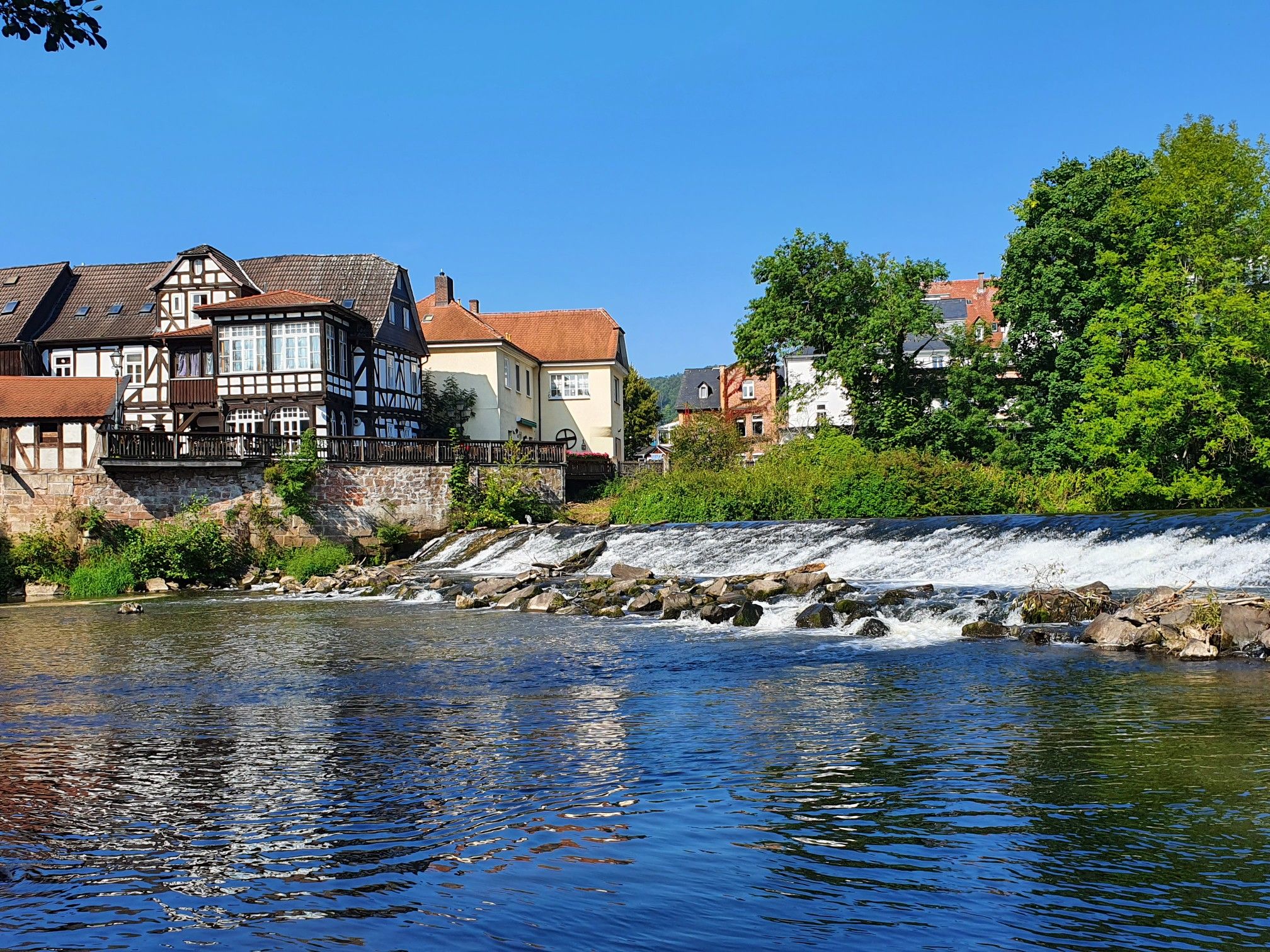
11 Hessen trails – criss-cross through the countryside
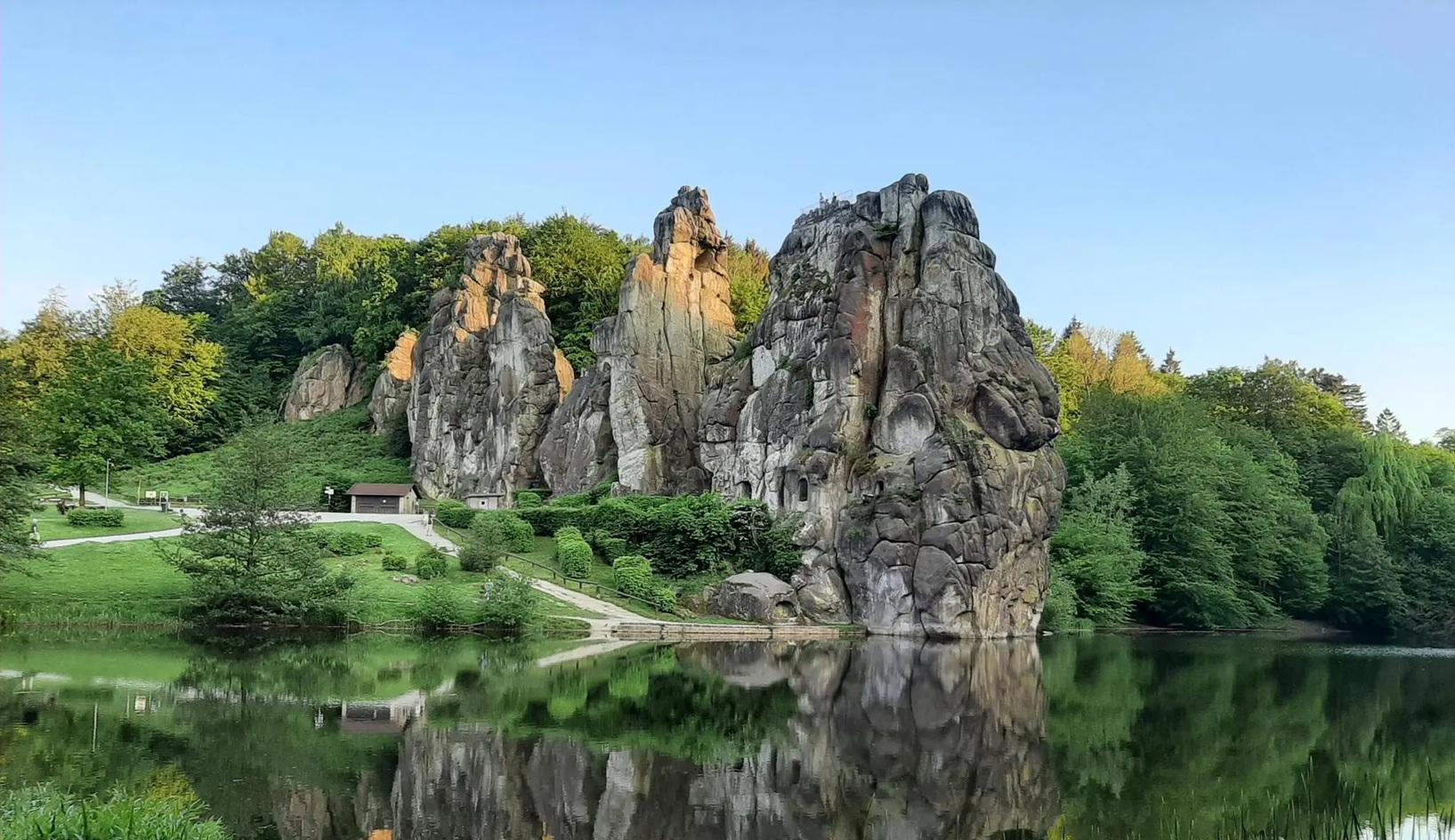
The National Natural Landscapes in Nordrhein-Westfalen
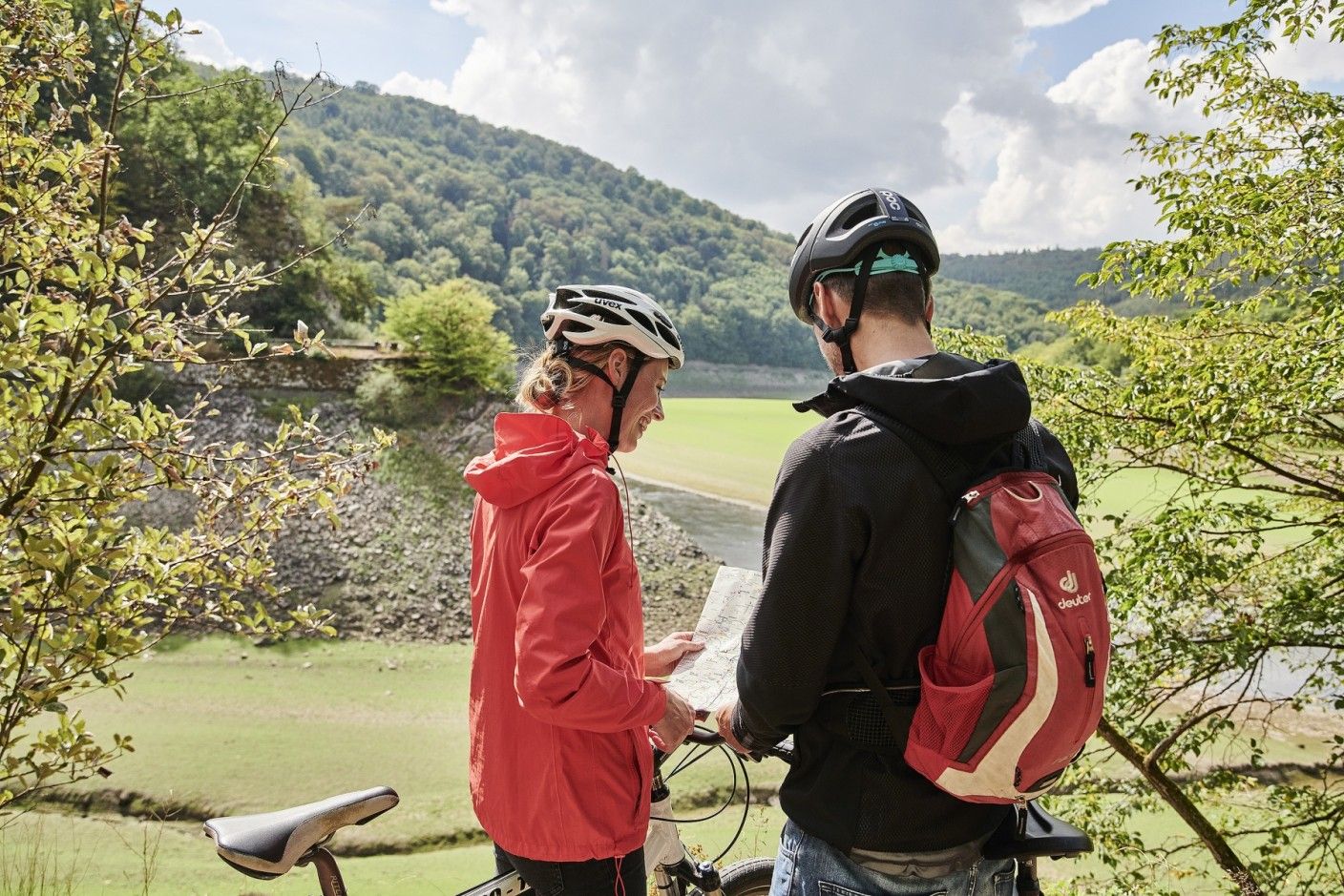
Zauberhafte Radrouten – Erlebe die GrimmHeimat NordHessen
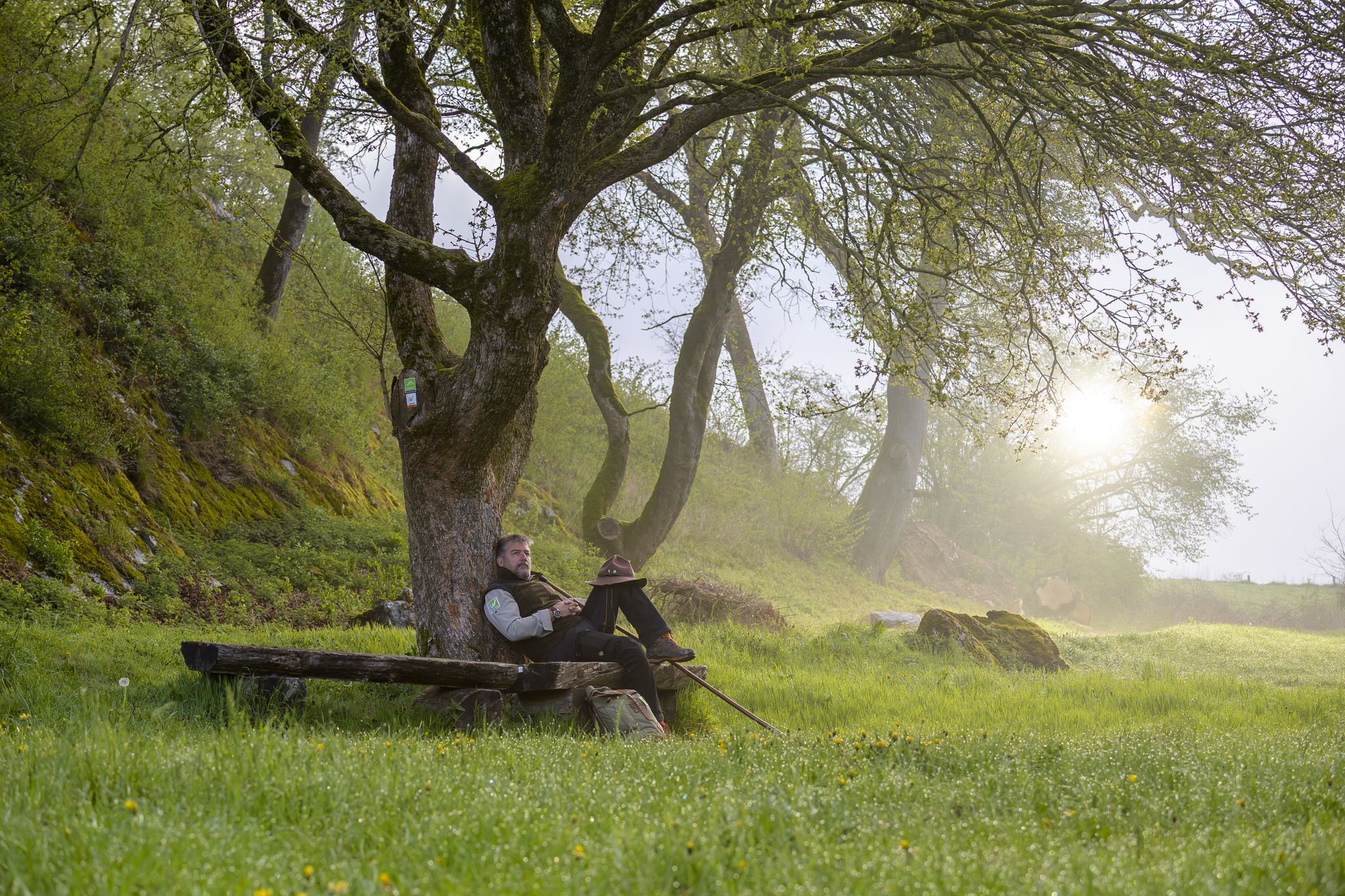
Zauberhaft mystisch - Die Sauerland-Waldroute
Hiking in Naturpark Diemelsee
MTB Trails in Naturpark Diemelsee
Cycling in Naturpark Diemelsee
Road Cycling Routes in Naturpark Diemelsee
Gravel biking in Naturpark Diemelsee
Running Trails in Naturpark Diemelsee
Other adventures in Naturpark Diemelsee


Tips from the Community

nice path to the Drakenhöhlen and further to the knight's jump
0
0

Nearby, the Giershagen Geological Garden can be visited with almost 40 different types of rock from the 3 geological eras of Devonian, Carboniferous and Permian on the geological ground plan of the Giershagen district. The motto of this unique project is: "Stones tell their story". There is also an accompanying brochure. The stones are between 20,000 and 400 million years old. Among them are some very special specimens. All the stones are from the district of Giershagen, which lies at the intersection of three major landscapes, the Rhenish Slate Mountains, the Munsterland chalk basin and the Hessian Depression. Definitely worth seeing.
0
0

Legendary figures are said to have lived here
1
2

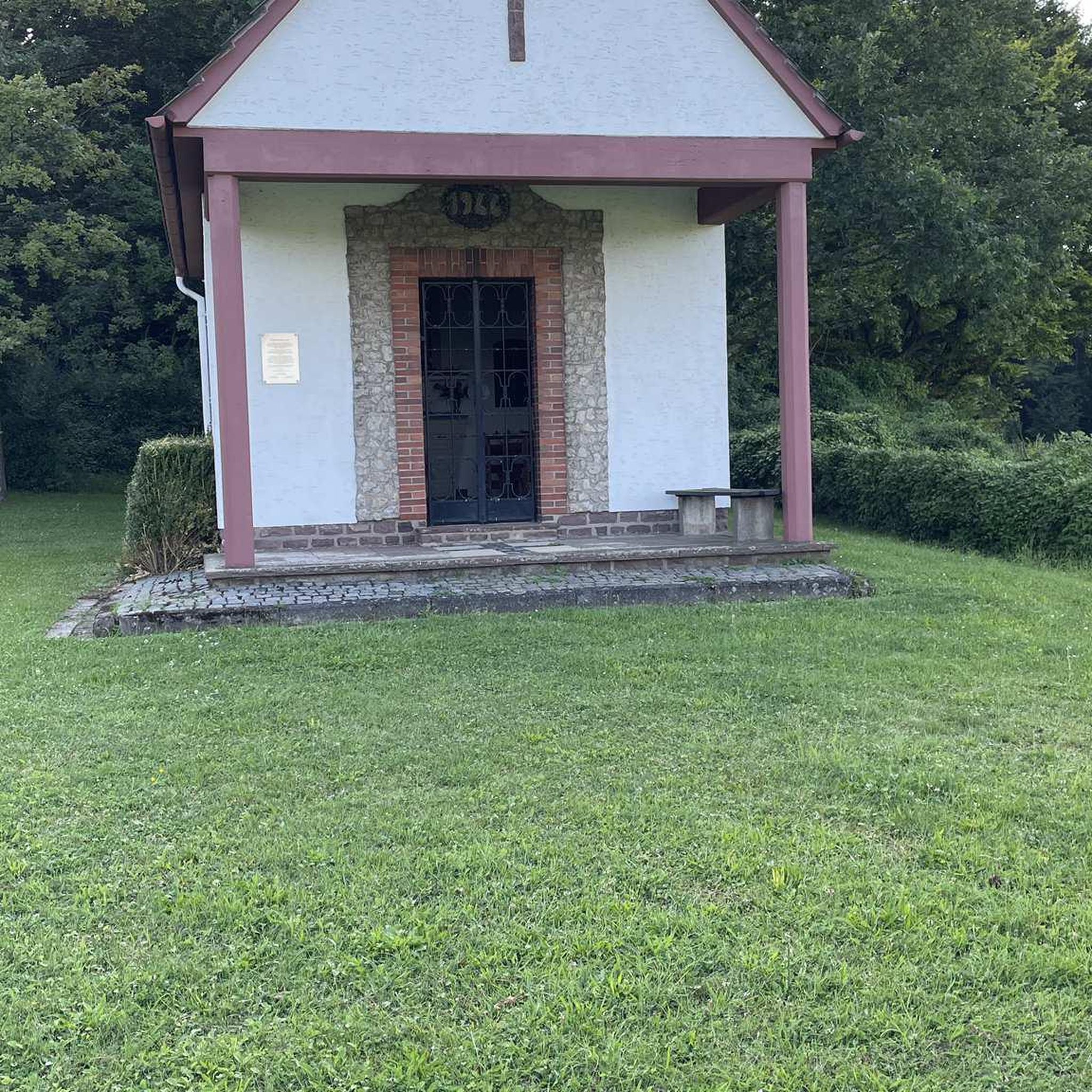
Next to the mine entrance is a very informative sign about the Reinhard mine.
2
0

"Below the Butten Tower are the Drake Caves. Here, too, there were springs that supplied the city with water." https://www.sauerlandfenster.de/obermarsberg/ "Various legends are entwined around the Draken caves on the north-western side of the mountain massif. Supposedly, Irminsul treasures are still buried in the widely branched passages, which are said to reach under the former Eresburg - today's collegiate church. The Zechstein caves are of natural origin, however, were made by human hands expanded, two springs rise in a cave, which used to ensure the drinking water supply of Obermarsberg. The big cave has a length of 62 m, small cave I=15 m, II with source=68 m, III=45 m, IV=25 m, V=22 m, VI= 7.00 m" https://www.touristik-marsberg.de/hauptseite/pdf/Ortsteil_Obermarsberg_historisch.pdf
4
1
"...The Lanz adit of the Reinhard mine, whose restored adit entrance lies in the Diemel valley, reaches the ore deposit after 670 m. It was driven between 1872 and 1876. As a 40 m level, it is located approximately 19 m below the older Lülingshohler adit (20 m level). Together with an intermediate level (30 m level) and three deep working levels, these two adits form the Reinhard mine workings. The adit system extends to 110 m below the valley floor. Until around 1800, the mine was called "Lülingshohl" (Spatzenloch/Spatzental)...." https://www.bergbauspuren-bredelar.de/b6-grube-reinhard/
1
0

slight ascent and a few roots, but that's how easy it is to get to the city
0
0

After the mine was closed, the dumps were still exploited in the 20th century. When the amusement park was built, the leftovers were then used.
2
0
Frequently Asked Questions
What types of underground experiences can I find in Naturpark Diemelsee?
Naturpark Diemelsee offers a mix of natural geological formations and historical visitor mines. You can explore natural rock shelters like the Draken Caves, Obermarsberg, or delve into the region's mining heritage at sites such as the Lanzstollen Entrance, Grube Reinhard, which showcases historical ore extraction techniques.
Are there any historical visitor mines in or near Naturpark Diemelsee?
Yes, the region is rich in mining history. While not all are within the immediate Naturpark Diemelsee boundaries, notable visitor mines nearby include Besucherbergwerk Grube Christiane in Diemelsee-Adorf, which offers insights into iron ore mining, and Besucherbergwerk Grube Christine in Willingen, focusing on slate extraction. Further afield, Goldbergwerk Goldhausen in Korbach-Goldhausen details gold mining history, and Besucherbergwerk Kilianstollen in Marsberg highlights copper mining.
Are there family-friendly caves or underground attractions in Naturpark Diemelsee?
Yes, the Lanzstollen Entrance, Grube Reinhard is considered family-friendly and offers an engaging look into historical mining. Many visitor mines in the broader region are also designed to be educational and accessible for families, providing guided tours that explain the history and geology in an understandable way.
What geological features can I expect to see in the caves of Naturpark Diemelsee?
The region's underground sites showcase diverse geological features. The Draken Caves, Obermarsberg are Zechstein caves of natural origin, expanded by human hands. You can also find natural slate formations, such as the Natural Slate Cave by the Trail, which serves as a natural monument.
What is the best time of year to visit the caves and mines in Naturpark Diemelsee?
Many visitor mines, like Goldbergwerk Goldhausen, offer regular guided tours from May to October. Natural caves are generally accessible year-round, though weather conditions might affect surrounding trails. Visiting during spring or autumn can offer pleasant temperatures for exploring both underground and the surrounding natural park.
Are there hiking or cycling routes near the caves in Naturpark Diemelsee?
Yes, the region offers numerous outdoor activities. You can find various MTB Trails, Cycling routes, and Gravel biking routes throughout Naturpark Diemelsee. For example, the Trail to the Drakenhöhlen and Rittersprung is a popular path that leads directly to the Draken Caves.
What should I wear when visiting caves or visitor mines in Naturpark Diemelsee?
Underground environments typically maintain a cool, consistent temperature regardless of the season, so it's advisable to wear layers, even in summer. Sturdy, closed-toe shoes with good grip are essential, as surfaces can be uneven or damp. For visitor mines, specific safety gear like helmets might be provided.
Are there any legends or historical stories associated with the caves in Naturpark Diemelsee?
The Draken Caves, Obermarsberg are steeped in local legends, including tales of dragons and hidden treasures. Historically, these caves also served as a water source for the city. Visitor mines like Grube Christiane and Grube Christine offer stories of the challenging lives of miners and the region's industrial past.
Can I find natural shelters or viewpoints near the caves?
Yes, the Natural Slate Cave by the Trail is located roadside and can serve as a shelter during rain or storms. Additionally, the Trail to the Drakenhöhlen and Rittersprung offers viewpoints along its path, providing scenic vistas of the surrounding landscape.
What do visitors enjoy most about the underground attractions in Naturpark Diemelsee?
Visitors appreciate the unique blend of natural beauty and historical insight. The Draken Caves are popular for their legends and natural formations, while the visitor mines offer an engaging look into the region's rich mining heritage and geological past. The komoot community has shared over 240 photos and given more than 200 upvotes to the caves in Naturpark Diemelsee, highlighting their appeal.
Is parking available near the caves and visitor mines?
Parking availability varies by location. For popular sites like the visitor mines, dedicated parking areas are usually provided. For natural caves or those accessible via trails, parking might be found at nearby trailheads or designated spots. It's recommended to check specific location details before your visit.
Are permits required for cave exploration in Naturpark Diemelsee?
For established visitor mines and publicly accessible natural caves, permits are generally not required, though guided tours often have an entrance fee. If you plan to explore undeveloped or restricted natural caves, it's crucial to research local regulations and safety guidelines, as permits or specialized equipment might be necessary.
Most popular routes in Naturpark Diemelsee
Most popular attractions in Naturpark Diemelsee

Get inspired with the komoot mobile app


Explore more
Extend your search for the best caves by checking out these guides of the top ones in Naturpark Diemelsee:
