Top 20 Caves in Naturpark Frankenwald
Best caves in Naturpark Frankenwald are located within a landscape characterized by dense forests, deep valleys, and significant geological formations in northern Bavaria. This natural park features a rich history of ore mining, which has contributed to the formation of many accessible cave systems. The region offers a blend of natural rock formations and historical mining tunnels, providing insights into its geological past and industrial heritage. These sites are suitable for exploration, revealing the unique underground world of the Frankenwald.
…Last updated: July 7, 2026
Kupferloch Former Ore Mining Site
Highlight • Cave
Translated by Google •
Tip by

Blauer Löw Mine Entrance
Highlight • Cave
Translated by Google •
Tip by

Sign up now to discover places like this
Get recommendations on the best single tracks, peaks, & plenty of other exciting outdoor places.
Sign up for free
Dürrenwaid Drinks Cave
Highlight • Cave
Translated by Google •
Tip by

Güldenstein — Former settlement and rock cellar
Highlight • Historical Site
Translated by Google •
Tip by
Dwarves' Cave
Highlight • Cave
According to legend, once lived here a few hundred dwarfs.
Today there are still a few plastic dwarves in the entrance hole.
A …
Translated by Google •
Tip by

Sign up for free to discover even more caves in Naturpark Frankenwald.
Sign up for free
Already have an account?
Start today with a free account
Your next adventure awaits.
Login or Signup
Popular around Naturpark Frankenwald
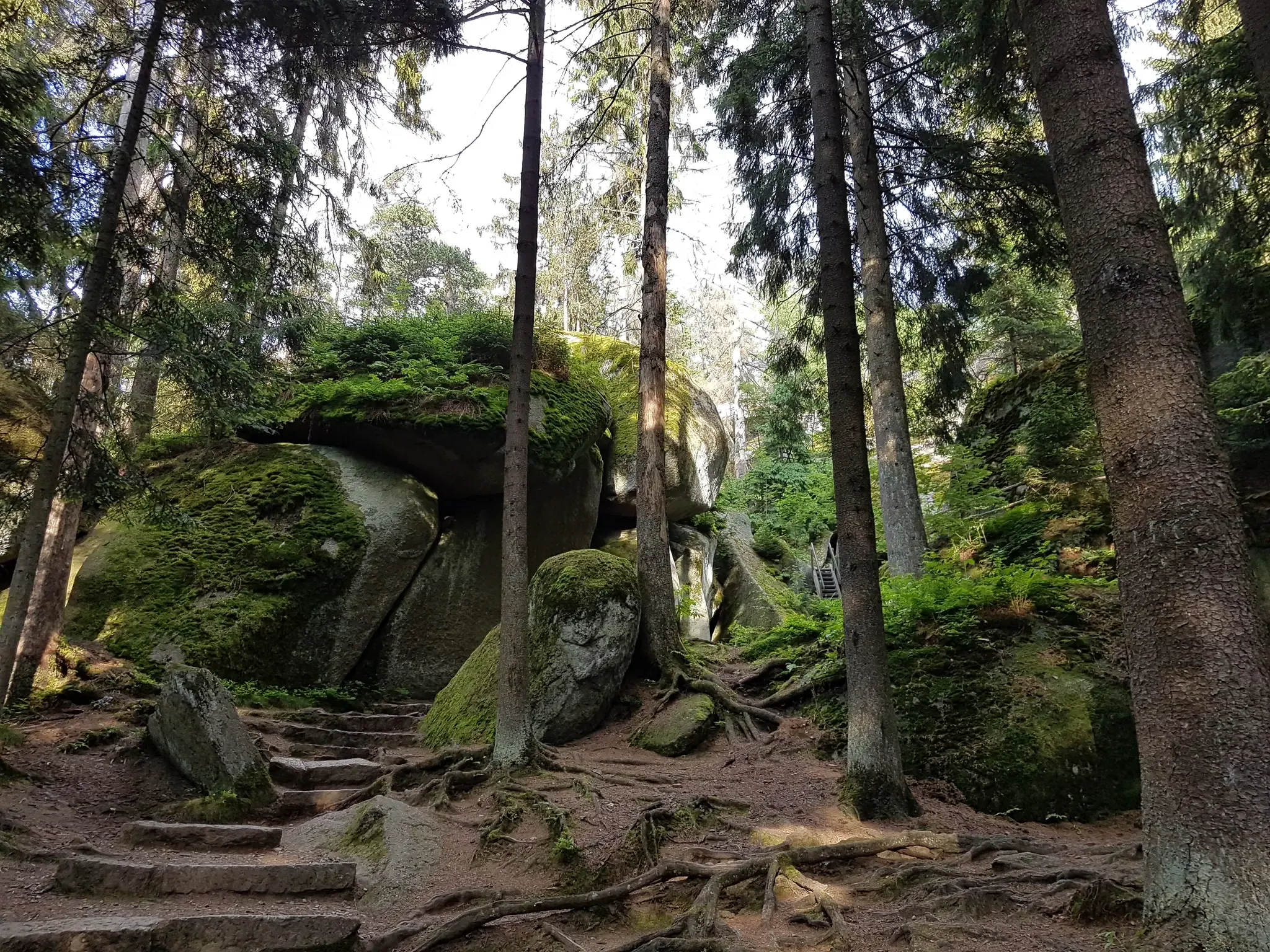
Nature, the outdoors and adventure – hiking through the VGN's nature parks
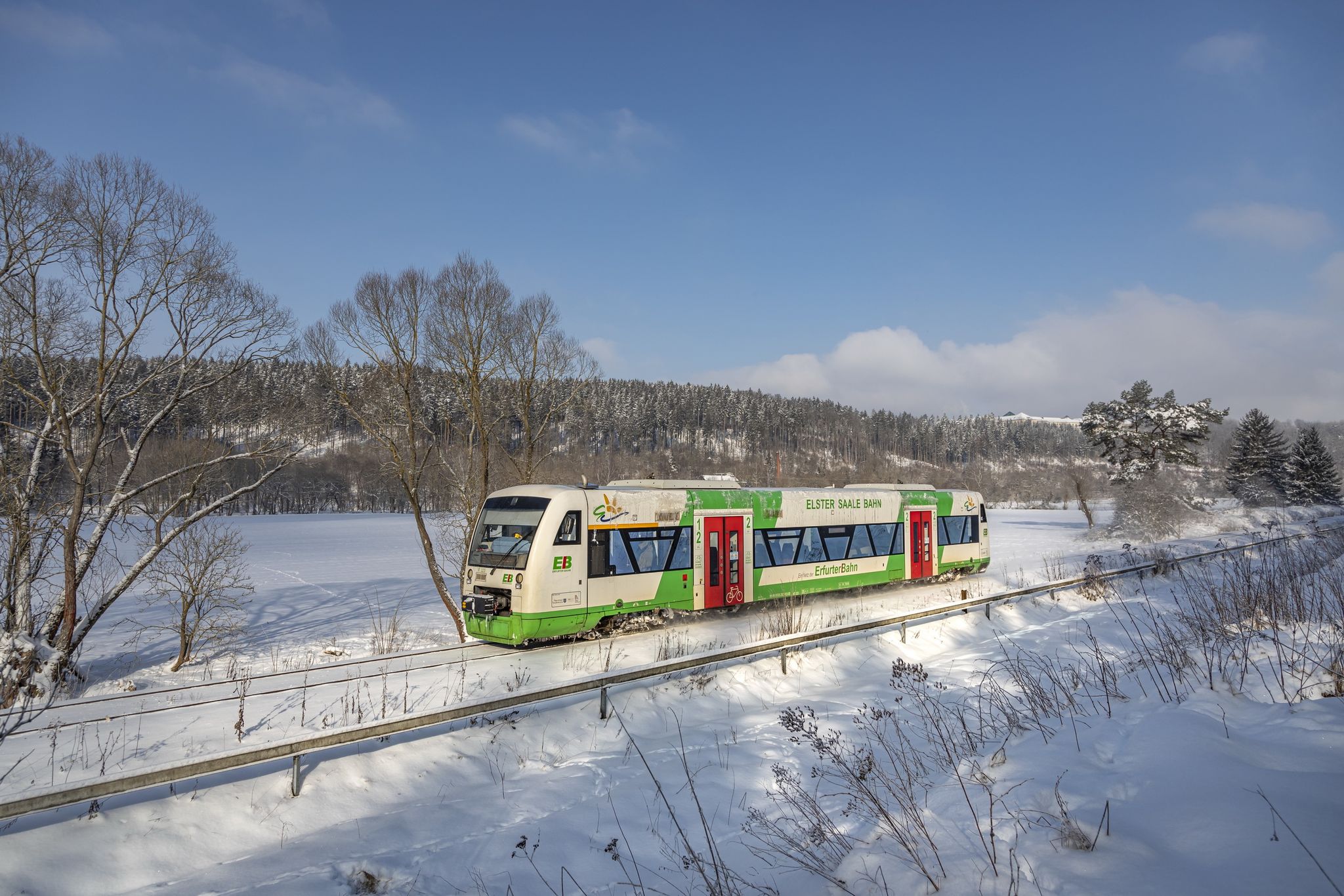
Discover Thuringia – winter hiking with the Erfurter Bahn
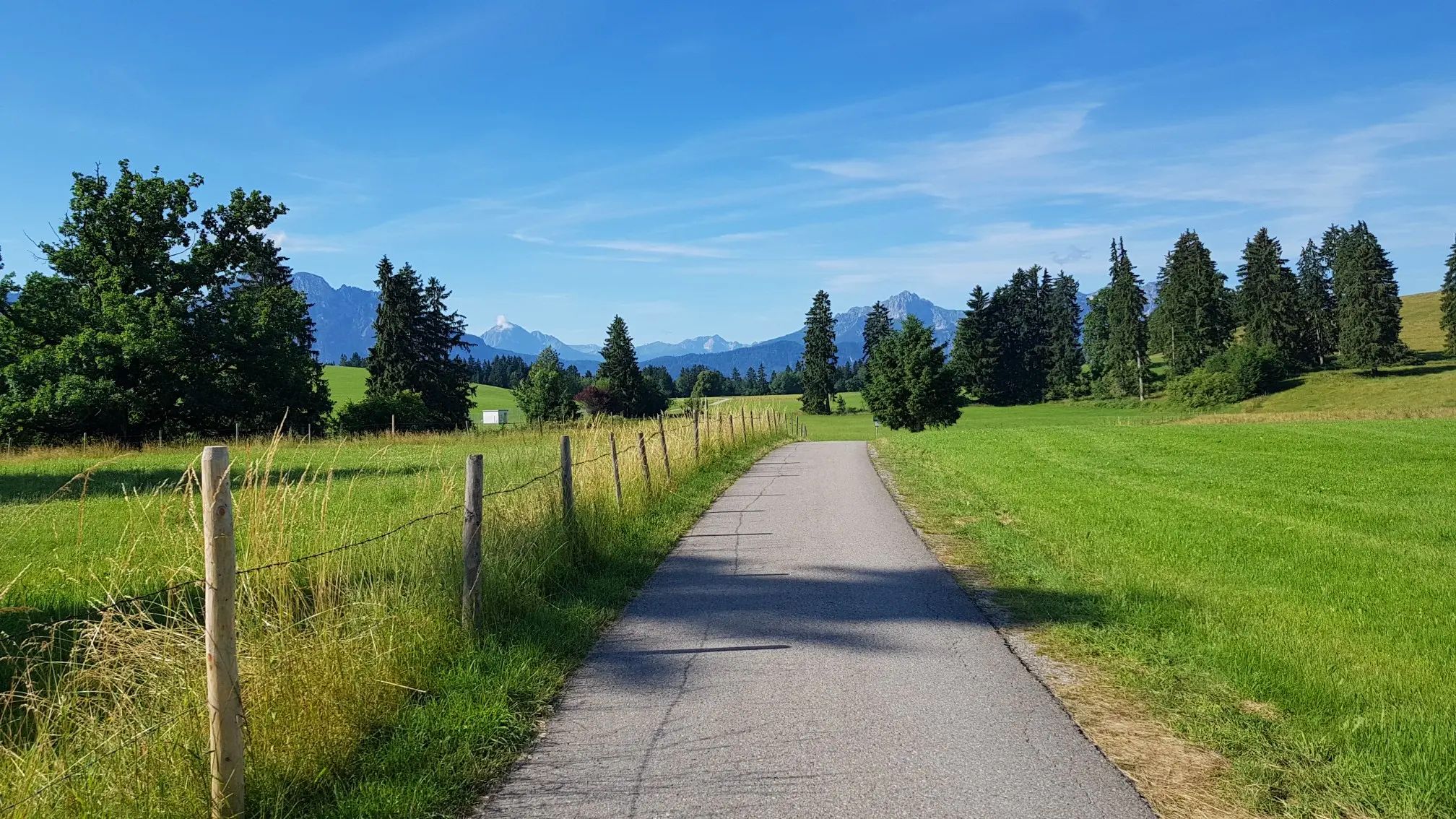
Transbavaria – north to south across Bavaria
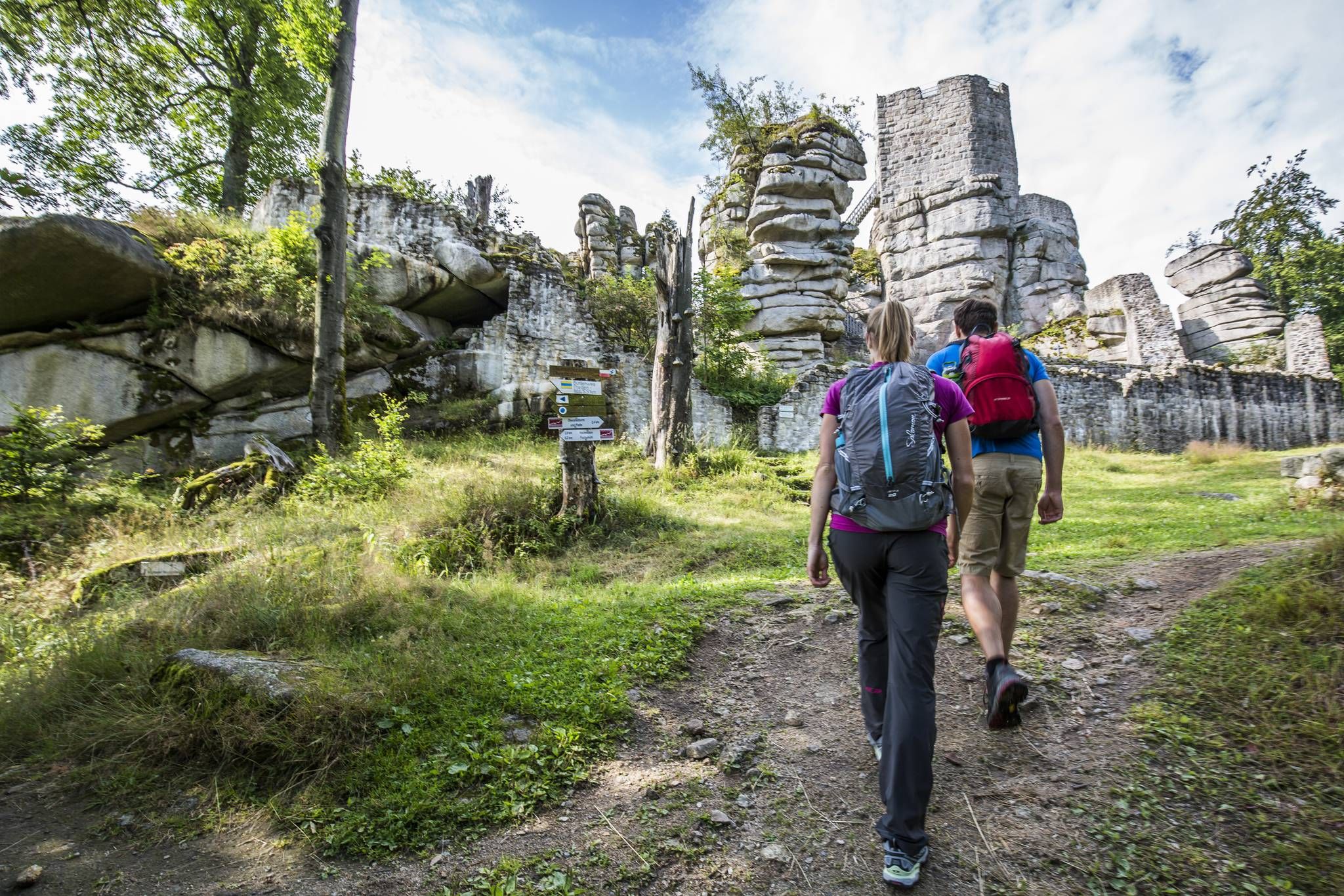
Thousands of kilometres of hiking fun – long-distance hiking trails in Bavaria
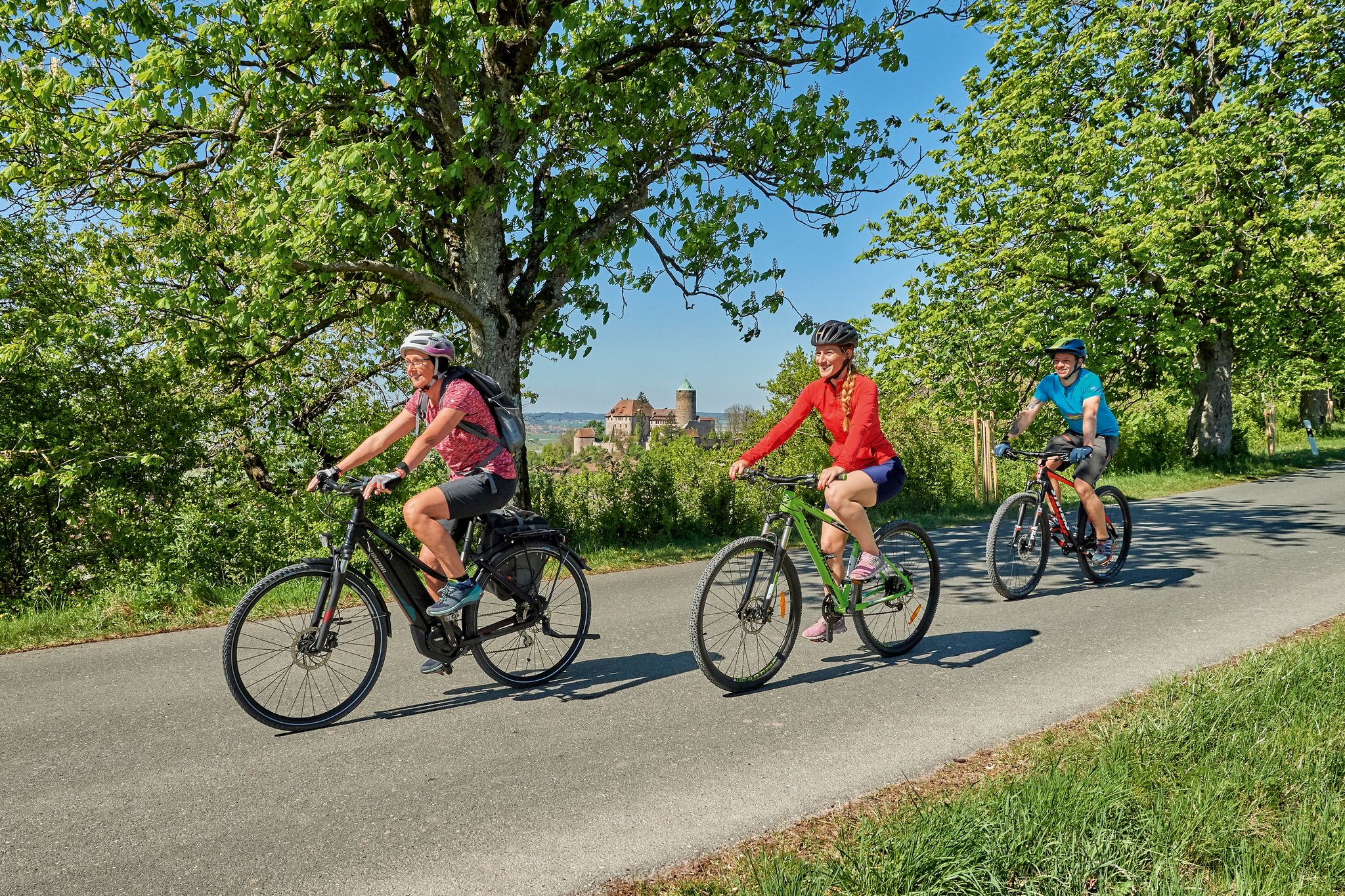
Sustainable cycling holidays — e-bike Tours through Franconia
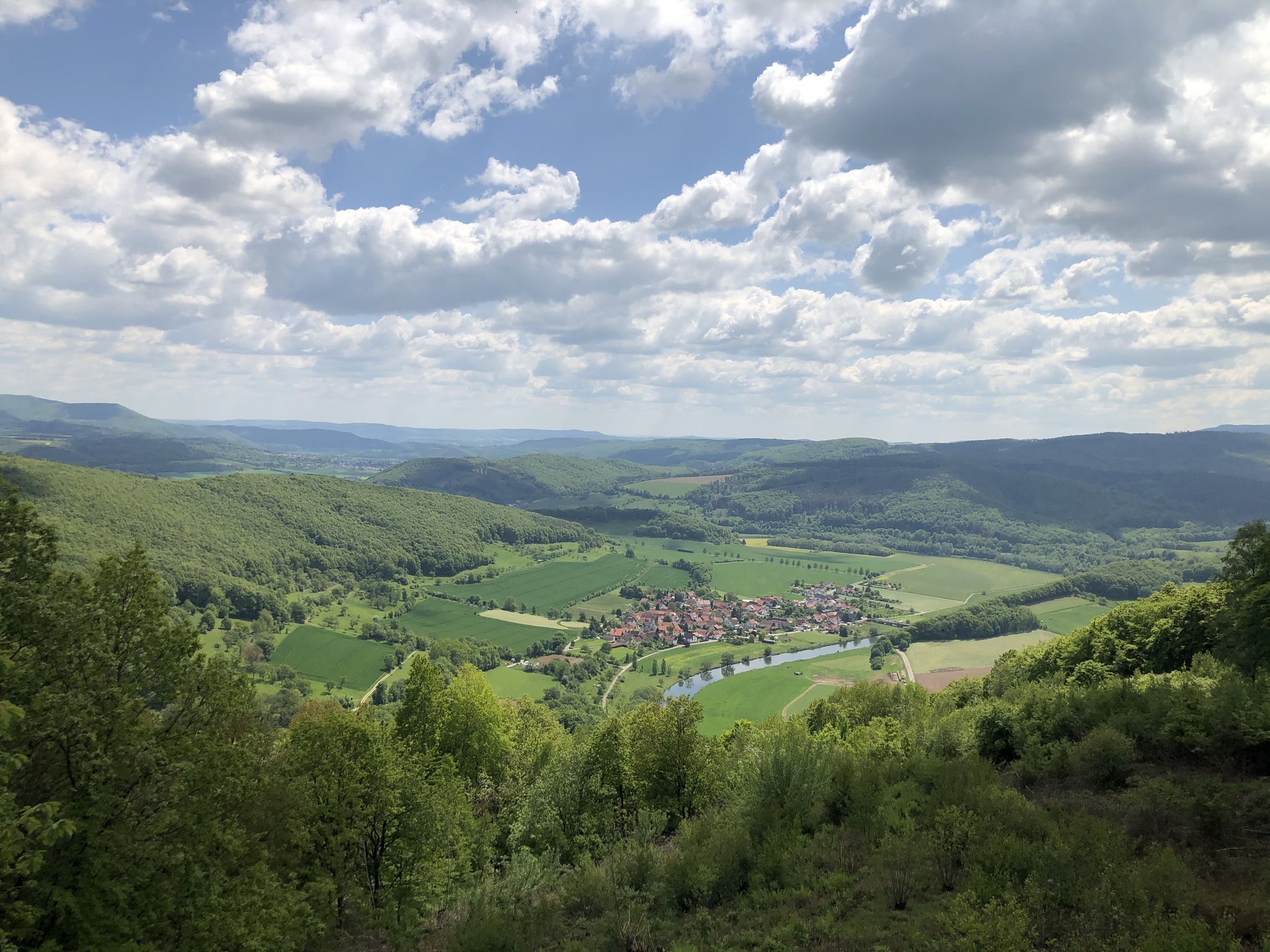
Wonderful Green Band
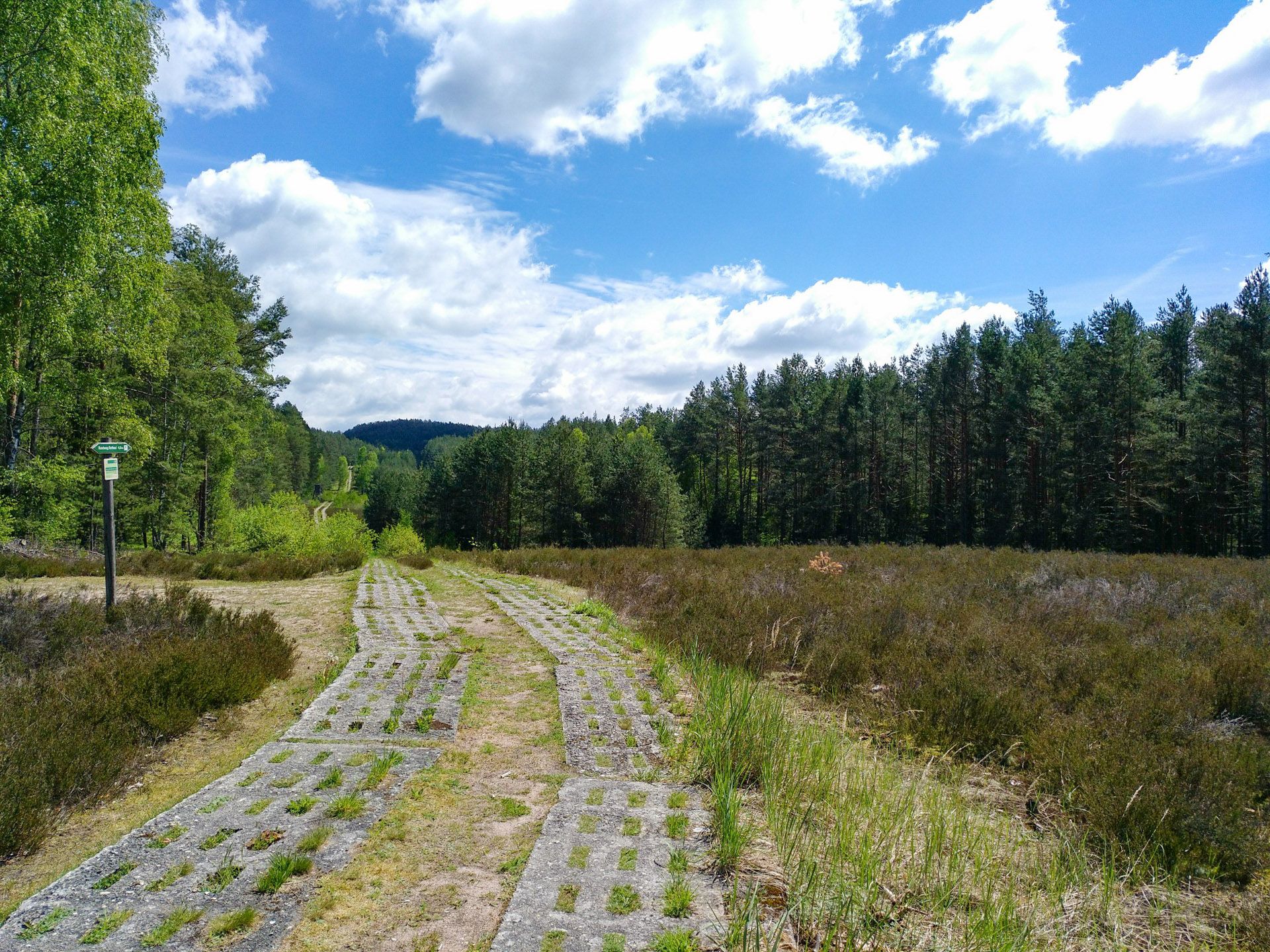
Discover the Green Belt in Germany’s Thuringian Slate Mountains with BUND
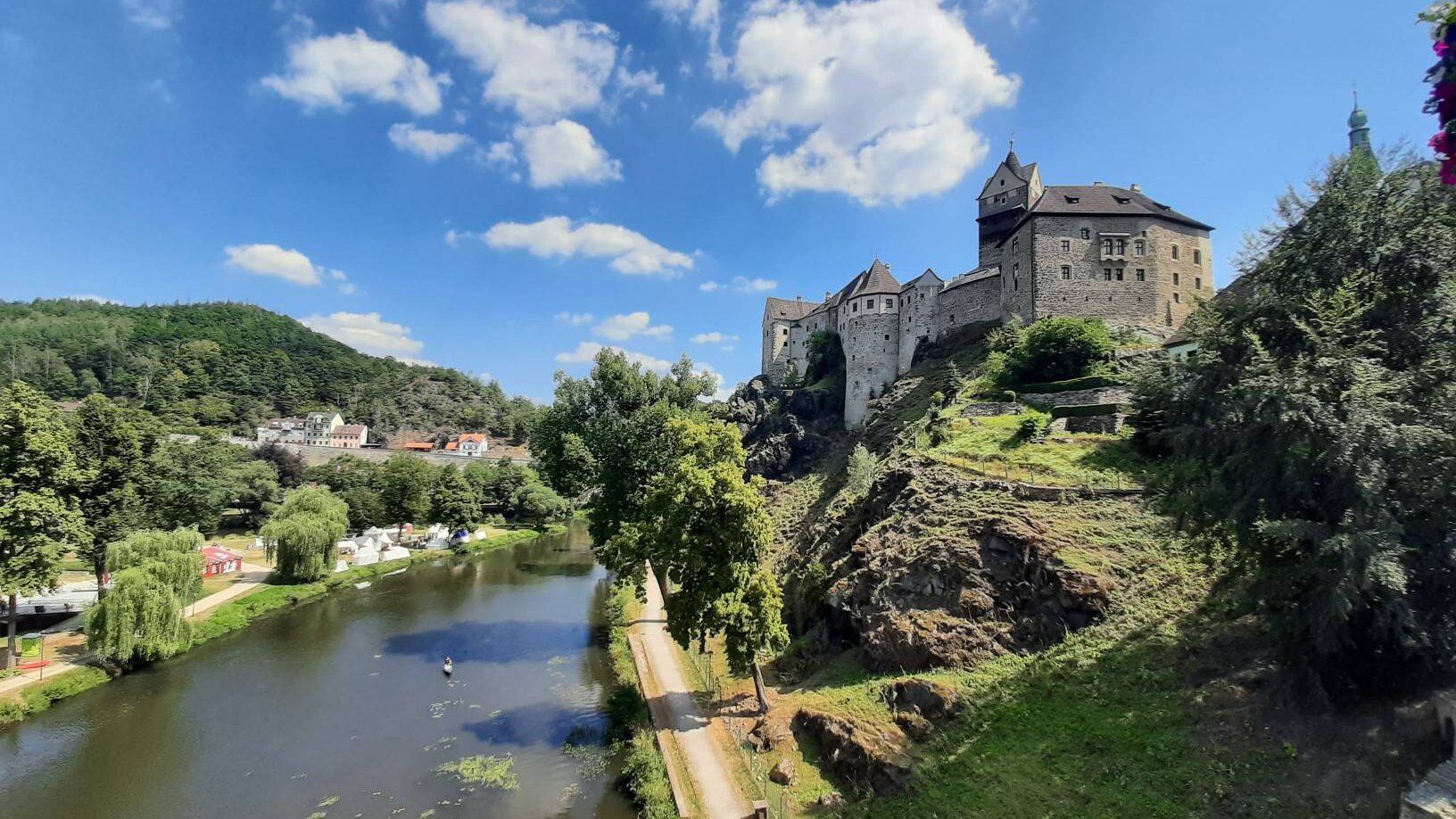
Through the heart of Europe – riding the Euregio Egrensis
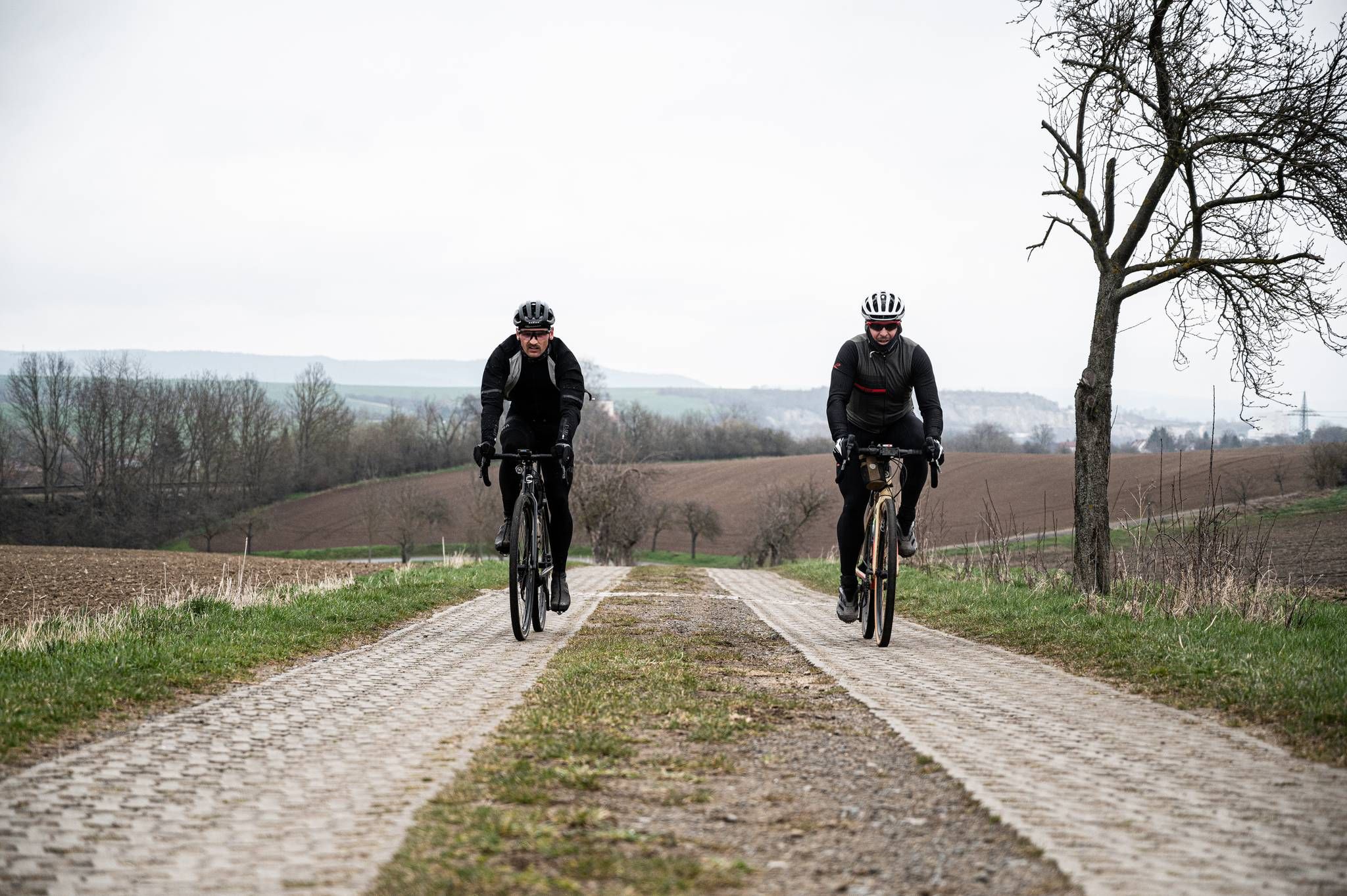
Cycling across Germany – my journey to the southernmost point of Germany
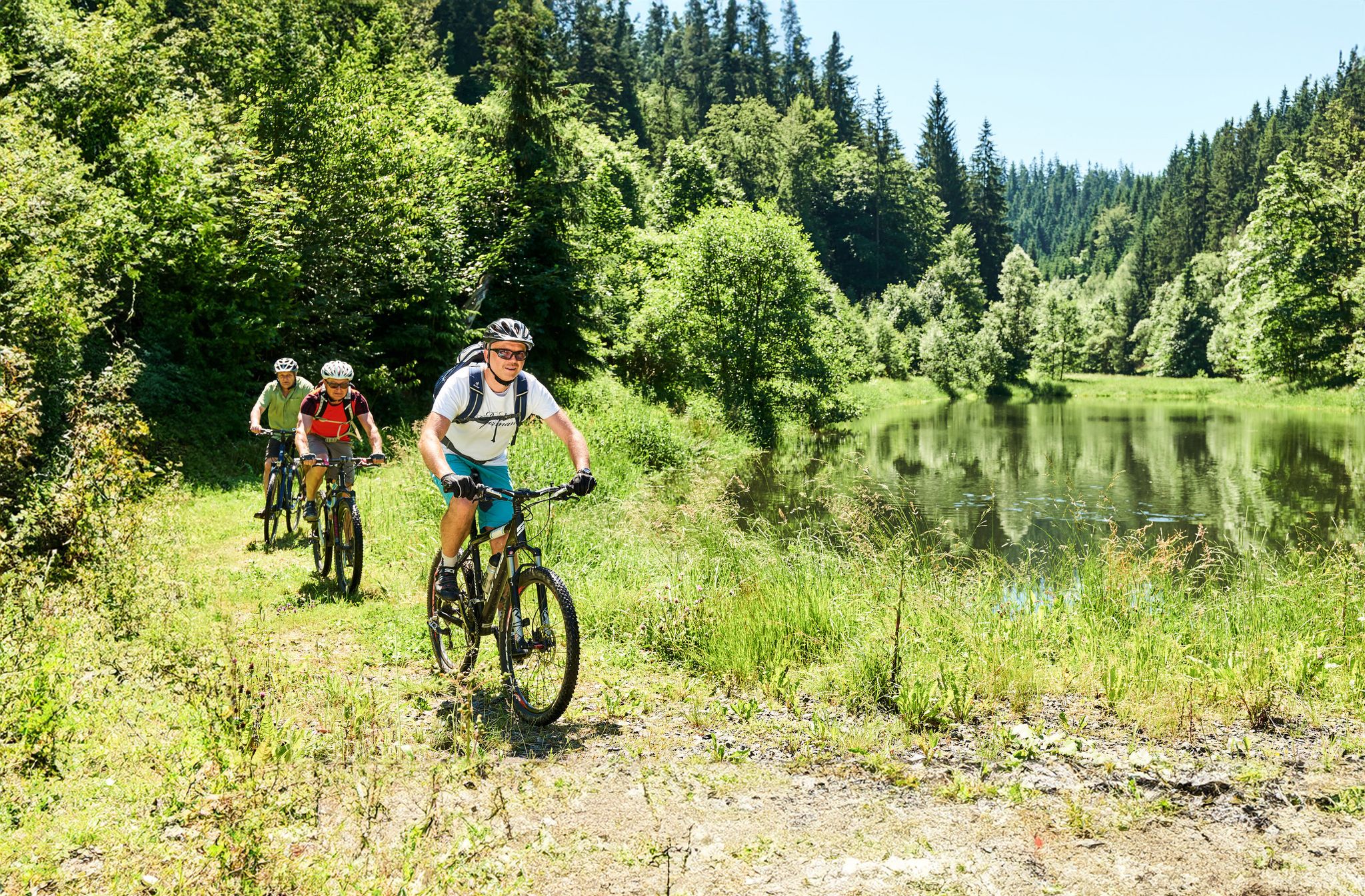
Magical woodland & trails – cycling in Germany’s Franconian Forest
Other adventures in Naturpark Frankenwald


Tips from the Community

Former mine entrance with cute gnome figures. Information panel attached.
1
0

The Zwergenloch is a tunnel entrance in the mining area surrounding the historic mine in the Naila region. It is located near the underground access area of the "Unterer Wilder Mann" mine. Mining in this area was predominantly active in the late 19th and early 20th centuries. Tunnel entrances like the Zwergenloch served for mining or access to the ore-bearing rock layers.
2
0

What a great idea with the cash register! The drinks are wonderfully chilled. I was happy to take advantage of the offer. You can leave a message on the slate stones!🤩
0
0

The first inhabitants of the Güldenstein estate were probably forestry assistants or woodcutters. Bird trapping was also a lucrative sideline. The Güldenstein bird herd was located above the hillside on a flat area. Only the owners of the estate had the right to trap all types of finches, larks, tits, blackbirds, and thrushes. Selling them was not a problem, as the songbirds were considered a delicacy in the city. Bird trapping was not banned until the end of the 19th century. However, the most important means of survival in this remote area was always agriculture. In 1930, Güldenstein was abandoned by its last inhabitants.
18
0

The cave is a bit hidden so keep your eyes open when hiking 🥾 😀
0
0

Amazingly, it is not locked and can be entered - provided you have a lamp with you. After just a few steps it is pitch black and you can already hear the water at the end.
0
0

One of the most beautiful places I discovered on my tour.
1
0
desertification. The house was razed to the ground, the rock cellar that served as a water source for the residents still exists and is secured with a railing.
5
0
Frequently Asked Questions
What kind of caves can I explore in Naturpark Frankenwald?
Naturpark Frankenwald offers a mix of natural rock formations, historical mining tunnels, and grottoes. You can explore former ore mining sites, preserved rock cellars, and even religious grottoes, showcasing the region's geological past and industrial heritage.
Are there any family-friendly caves in Naturpark Frankenwald?
Yes, several spots are suitable for families. The Kupferloch Former Ore Mining Site allows for exploration of small caves where ore veins are still visible. The Marian Grotto on Roßlacher Berg is also categorized as family-friendly, offering a unique cultural experience.
What historical insights can I gain from visiting the caves?
Many caves in Naturpark Frankenwald are linked to the region's rich history of ore mining. For instance, the Blauer Löw Mine Entrance is an 18th-century ore mine tunnel, and the Kupferloch Former Ore Mining Site reveals past mining activities with visible ore veins. Güldenstein — Former settlement and rock cellar provides a glimpse into the life of past inhabitants with its preserved rock cellar.
What should I bring when exploring the mine tunnels?
When visiting mine tunnels like the Blauer Löw Mine Entrance, it's essential to bring a flashlight or use your mobile phone light, as parts of the tunnel can be dark. The gallery is about 35 meters long, with 25 meters being walkable.
Are there any caves with unique natural features?
The Blauer Löw Mine Entrance, while a mine tunnel, features a recognizable Roteisenerzflöz (red iron ore seam) and a quartz passage shortly after the entrance, offering a look at the geological composition of the area.
Can I find any hidden or lesser-known caves in the region?
The Dwarves' Cave (Zwergenloch) in Naila is a tunnel entrance in a historic mining area. According to legend, dwarfs once lived here, and today you can find plastic dwarves in the entrance hole. It's a less conventional spot with a local tale.
What outdoor activities can I combine with a visit to the caves?
Naturpark Frankenwald offers various outdoor activities. You can find numerous hiking routes, including easy and moderate trails, or explore gravel biking paths. For more details, check out the Hiking in Naturpark Frankenwald or Gravel biking in Naturpark Frankenwald guides.
Are there easy hiking trails that include cave features?
Yes, you can find easy hikes in the region. While specific trails directly entering caves might be limited, you can combine a visit to accessible cave highlights with routes from the Easy hikes in Naturpark Frankenwald guide, such as the Eulenspiegel Trail or On Jägersteigen in Langenautal, which are both rated as easy.
What is the significance of the Marian Grotto on Roßlacher Berg?
The Marian Grotto on Roßlacher Berg is a religious site located at the entrance to the Tiefenbachtal. It was created in the 1950s by the Steinberg parish, expanding a natural niche in the slate rock. Every year in early May, a statue of the Virgin Mary is ceremoniously carried into the grotto, and people gather there to worship.
What is the geological context of the caves in Naturpark Frankenwald?
The caves in Naturpark Frankenwald are situated within a landscape characterized by significant geological formations. The region's history of ore mining has led to the formation of many accessible cave systems, often revealing mineral veins like the red iron ore and quartz passages found in the Blauer Löw Mine Entrance.
What do visitors particularly enjoy about the caves in Naturpark Frankenwald?
Visitors appreciate the blend of natural rock formations and historical mining tunnels. They enjoy the opportunity to explore past mining activities, see visible ore veins, and discover unique historical sites like preserved rock cellars. The community has shared over 67 photos and given more than 250 upvotes across the various cave highlights.
Most popular routes in Naturpark Frankenwald
Most popular attractions in Naturpark Frankenwald

Get inspired with the komoot mobile app


Explore more
Extend your search for the best caves by checking out these guides of the top ones in Naturpark Frankenwald:
