Top 17 Lakes in Schwinzer Heide
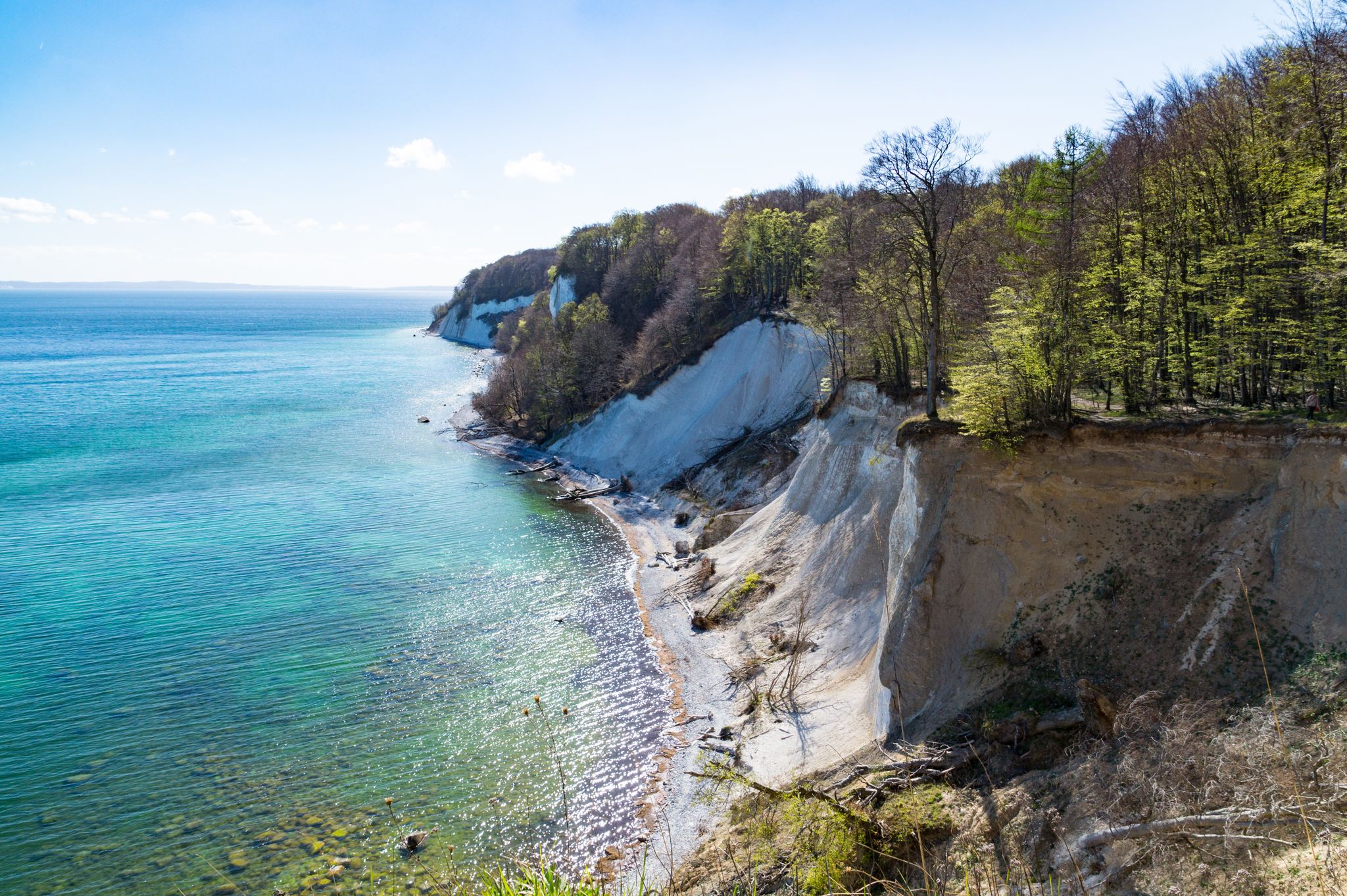
Best lakes in Schwinzer Heide are found within the Nossentiner/Schwinzer Heide Nature Park, a region characterized by extensive forests, moors, and clear-water lakes. This area offers diverse natural beauty and recreational opportunities for visitors. The landscape provides a habitat for various wildlife, including numerous bird species. It is a destination for those seeking natural exploration and tranquility.
Best lakes in Schwinzer Heide
- The most popular lakes feature is View of the Krakower Obersee, a viewpoint that offers an unobstructed…
Last updated: October 4, 2026
Seeadler Observation Tower at Krakower Obersee
Highlight • Viewpoint
Translated by Google •
Tip by

Nordufer Plauer See Nature Reserve
Highlight • Natural Monument
Source:de.m.wikipedia.org/wiki/Naturschutzgebiet_Nordufer_Plauer_See
Translated by Google •
Tip by
Sign up now to discover places like this
Get recommendations on the best single tracks, peaks, & plenty of other exciting outdoor places.
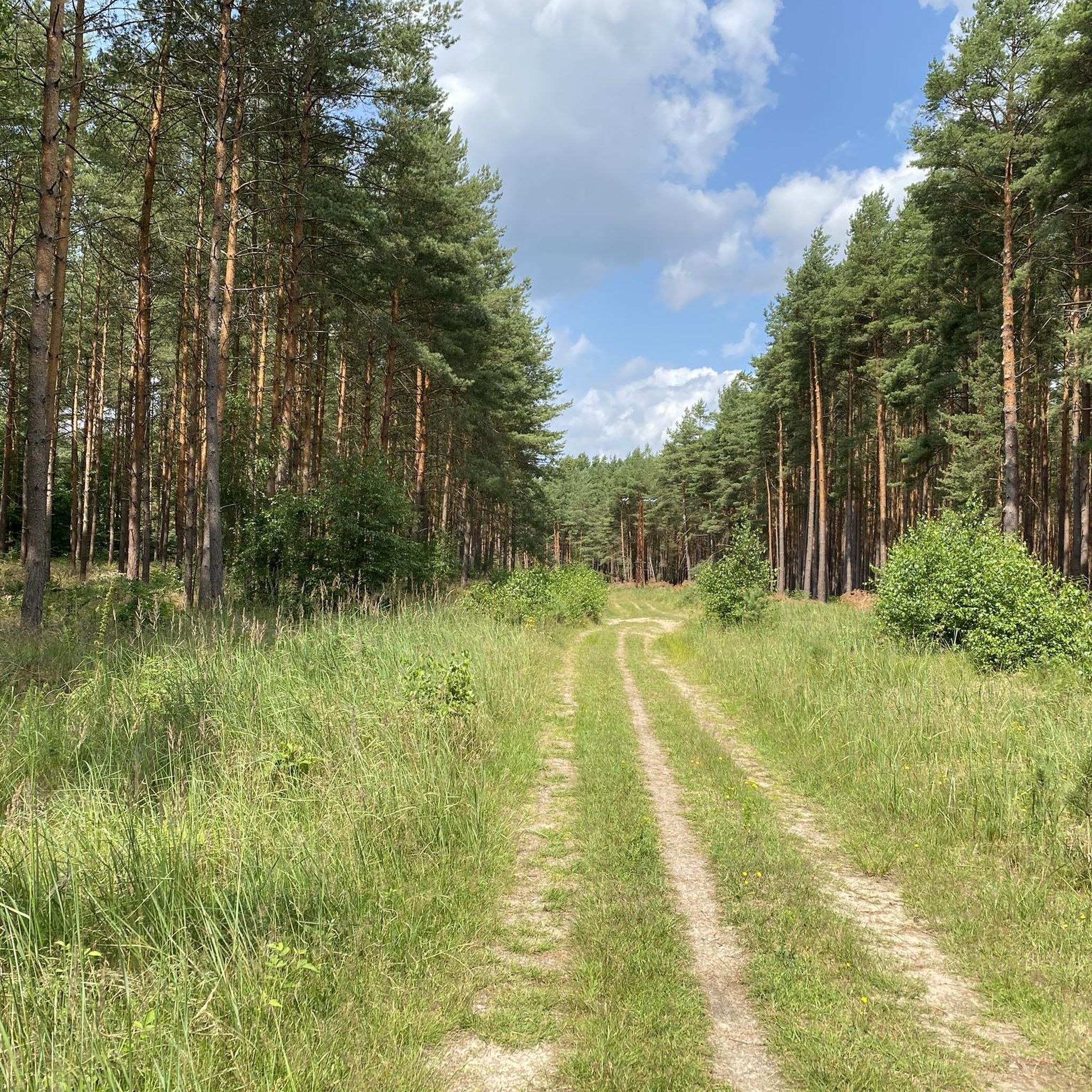
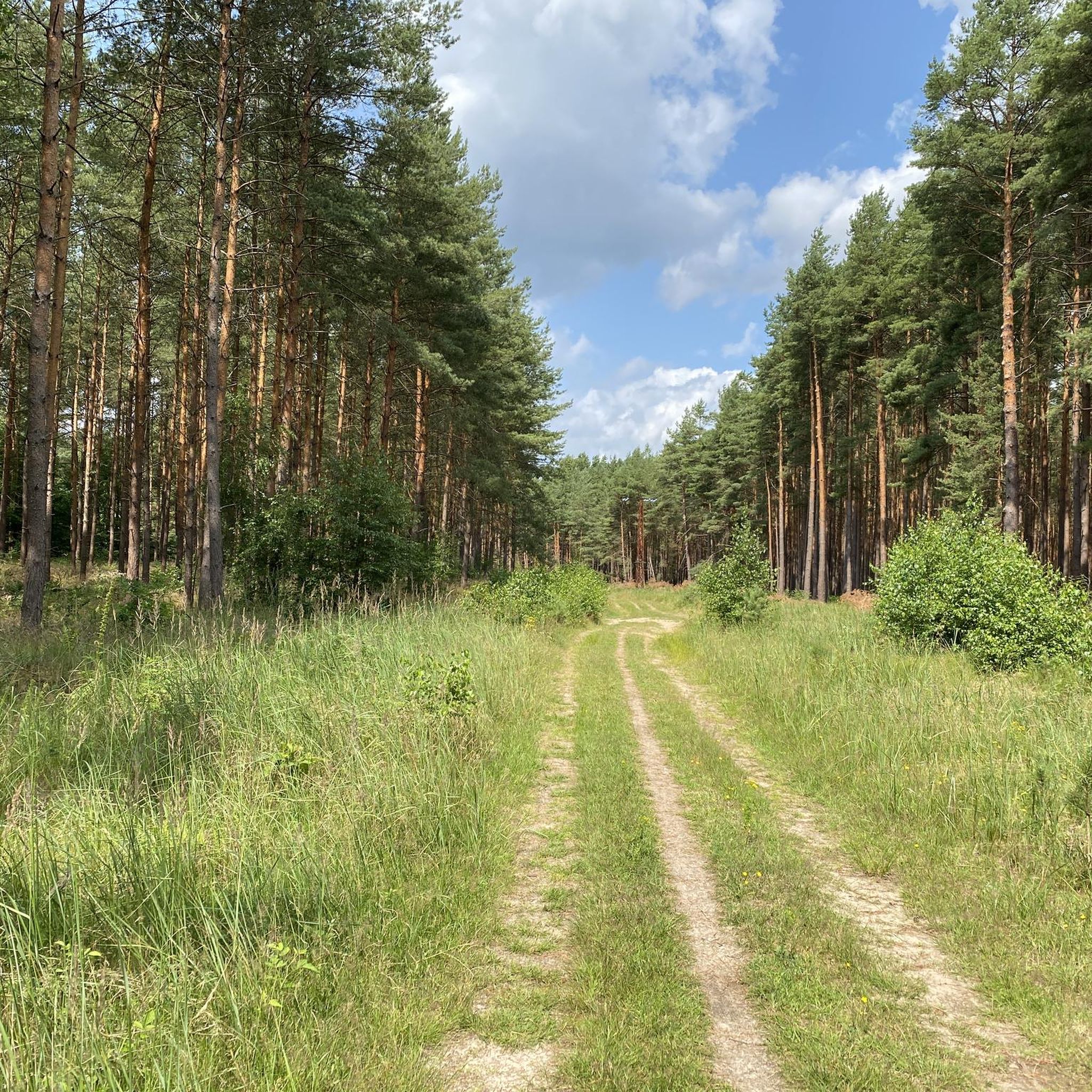
Nossentiner/Schwinzer Heide Nature Park
Highlight • Forest
Translated by Google •
Tip by

Entrance to Nossentiner/Schwinzer Heide Nature Park
Highlight • Rest Area
Translated by Google •
Tip by
Bathing Area at Langhagensee
Highlight • Beach
Translated by Google •
Tip by

Sign up for free to discover even more lakes in Schwinzer Heide.
Already have an account?
Start today with a free account
Your next adventure awaits.
Other adventures in Schwinzer Heide

Tips from the Community

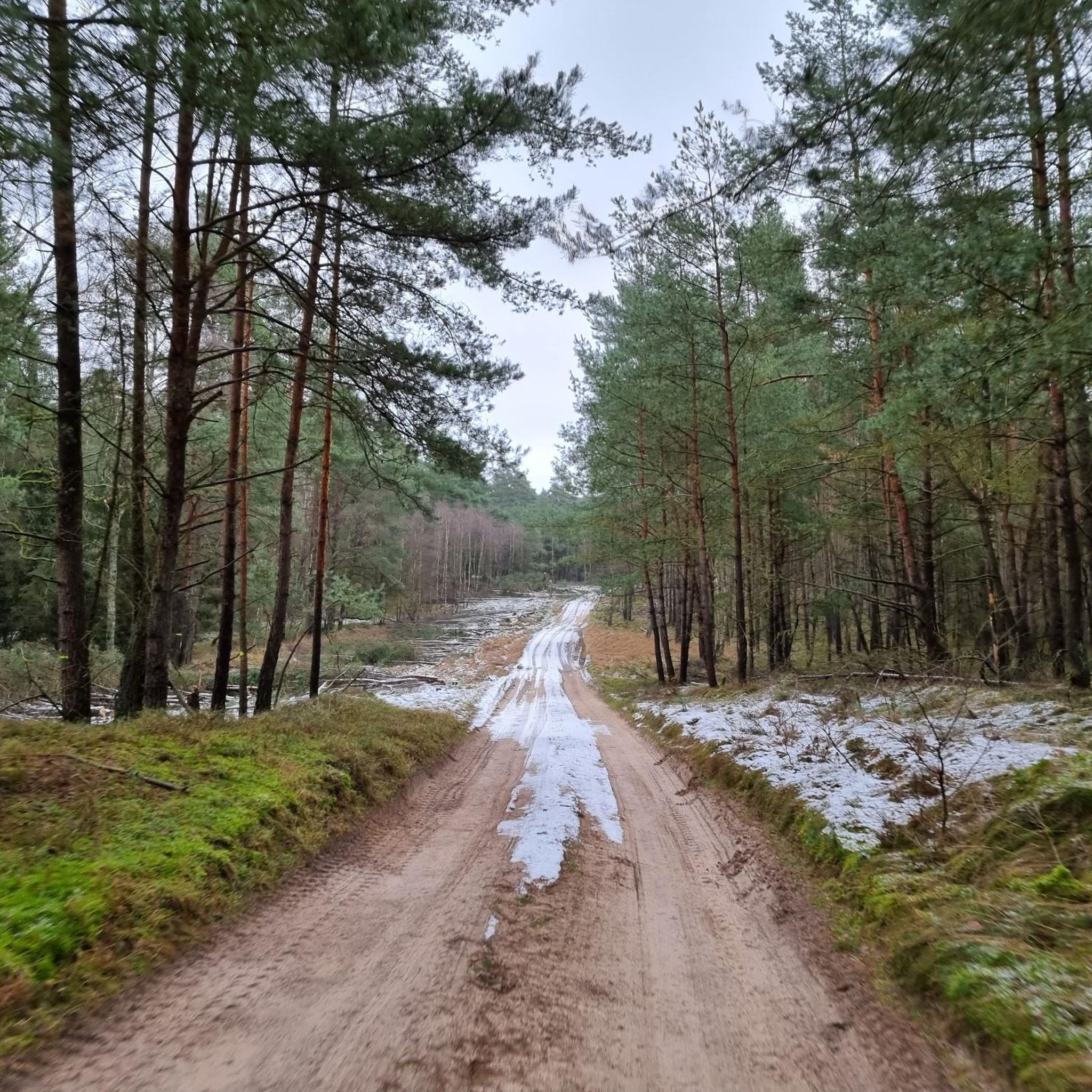
Great cycling region; I cycled through here on my round trip. The paths are great, sometimes sandy, up and down. I would recommend a mountain bike or gravel bike.
0
1

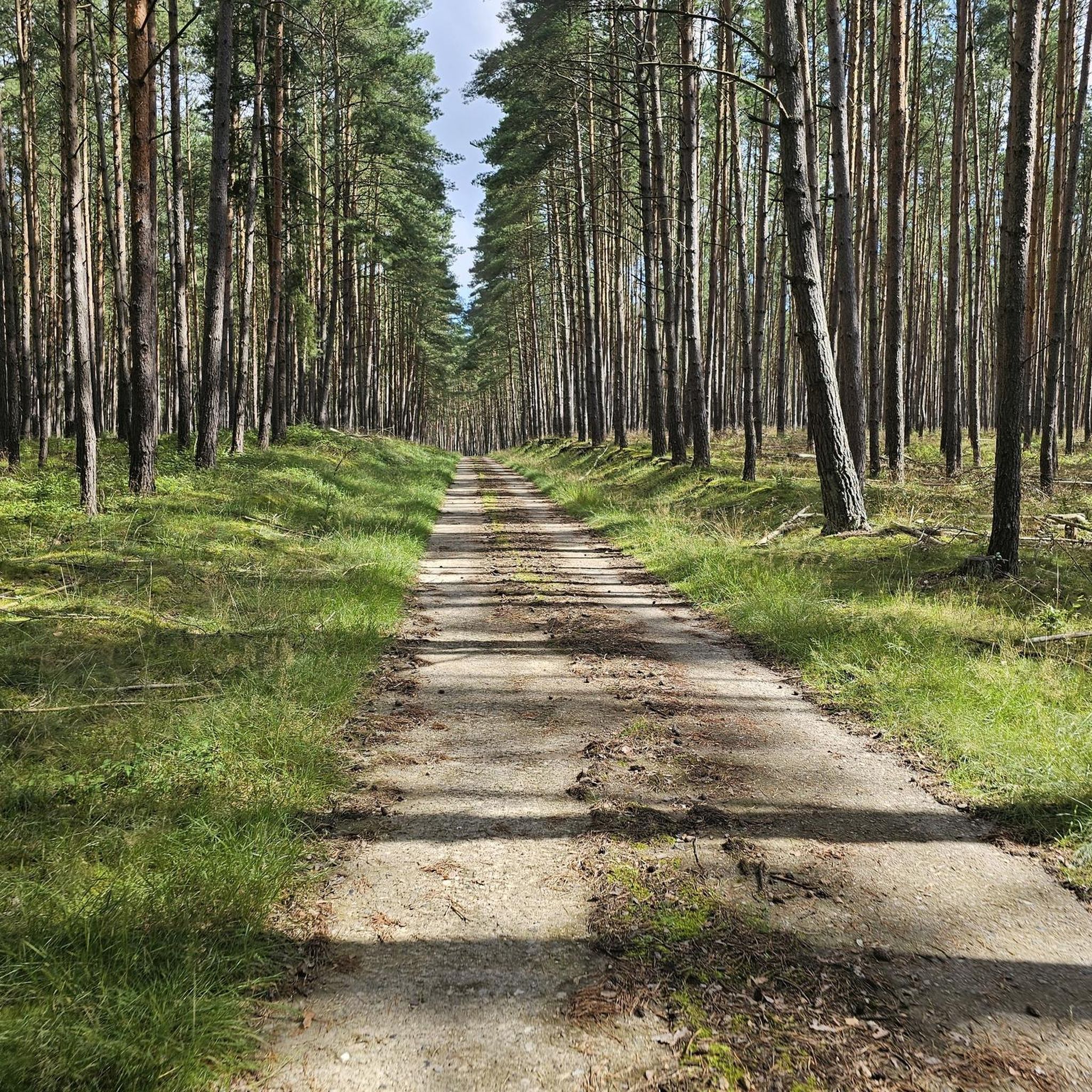
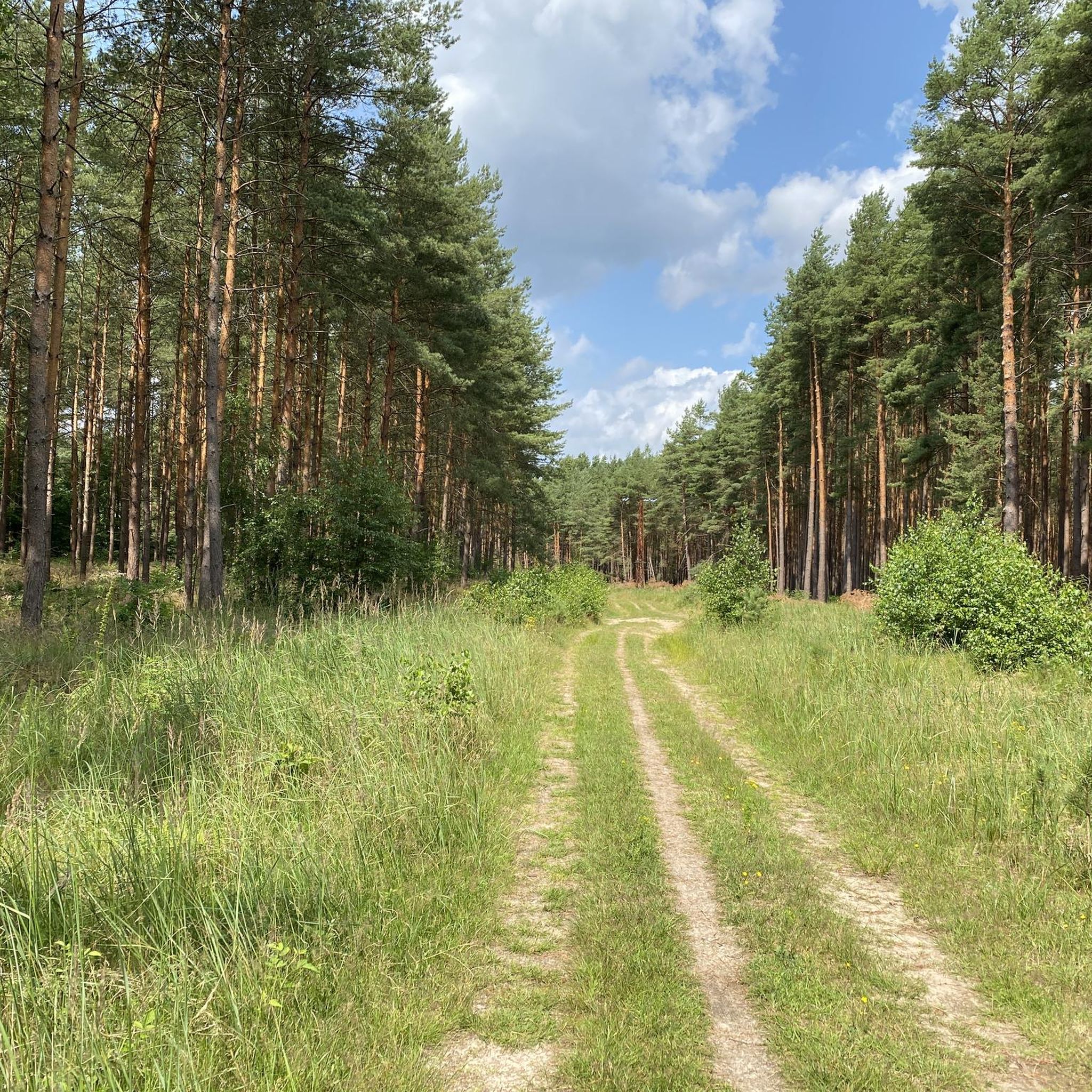
In the Nossinter / Schwinzer Heide Nature Park, you can expect vast pine forests, lakes, moors, dunes, wet meadows, dry grasslands, heaths, and quiet villages. About 60 percent of the area is forest, which is managed in a natural way. The remaining land is used for agriculture. Almost all of the lakes are managed by four fishing companies. You can enjoy fresh fish in restaurants, buy it directly, or even fish for yourself. Important goals include the restoration of moors and rivers and visitor management. The park is a European Bird Sanctuary with 143 breeding bird species, including white-tailed eagles, ospreys, and great bitterns. Otters and many rare plants also call this area home. Educational and adventure trails offer fascinating information about nature. You can also learn more about the region in museums such as the Goldberg Local History Museum, the Alt Schwerin Agricultural History Museum, or the Karower Meiler Cultural and Information Center.
1
0

Great scenery, beautiful paths and lots of driving fun.
14
0

The total area of the nature park is 355 km². 56 percent of this area is covered with forest, 13 percent are lakes and rivers, 13 percent grassland, 12 percent fields, 4 percent moors and heaths, the rest is cultural landscape. There are a total of 60 lakes in the nature park, and the Nebel and Mildenitz rivers have their source here. A special feature of the nature park are the sandurs, leftover sand and gravel deposits from the Ice Age. Numerous moors also characterize the landscape. Source: https://de.m.wikipedia.org/wiki/Naturpark_Nossentiner/Schwinzer_Heide
17
0
The lakes in the northern part of the area are lined by a wide belt of woodland with black alder, willow and marsh fern.[1] The central part of the area consists of peat pits, where the original moor vegetation is replaced by birch-alder swamp forest.[2] Bittern, crane, kingfisher, great grey shrike, snipe, penduline tit and cormorant are breeding birds in the protected area. Numerous species of duck and goose use the open areas to rest in spring and autumn. Numerous species of bat can be observed, including the greater noctule, Daubenton's bat, Natterer's bat, pipistrelle and brown long-eared bat. Otters live in this area. Source:https://de.m.wikipedia.org/wiki/Naturschutzgebiet_Nordufer_Plauer_See
12
0
The North Shore of Plauer See Nature Reserve is a 631 hectare nature reserve in Mecklenburg between Karow (Plau am See) and Alt Schwerin. It was designated on September 19, 1960, with an extension in 1990. Source:https://de.m.wikipedia.org/wiki/Naturschutzgebiet_Nordufer_Plauer_See
12
0
Here, directly on Lake Obersee, you can enjoy stunning views and observe the numerous bird species. It's a good idea to bring binoculars. Even the sea eagle can sometimes be spotted here. It's a beautiful spot and a great place to rest with a direct view of the lake.
19
0

From here you have a beautiful view over Lake Krakow and the NSG Krakower Obersee. You can simply enjoy the view or take the time to observe the numerous water birds more closely.
3
0
Frequently Asked Questions
What makes the Drewitzer See a unique destination in Schwinzer Heide?
The Drewitzer See, also known as Alt Schweriner See, is renowned for having some of the clearest water in Mecklenburg-Vorpommern, making it excellent for swimming. It's a highly calcareous lake surrounded by a nature reserve, featuring extensive pine forests. The area also offers opportunities for hiking and cycling, and a former hunting residence on its shore has been converted into a hotel with amenities like boat rentals and nature trails.
What kind of wildlife can I observe around the Krakower Obersee?
The Krakower Obersee is a significant nature reserve and a paradise for water birds and other wildlife. It's a designated European bird protection area, hosting over 193 bird species, including the largest inland Black-headed Gull colony, Common Terns, and White-tailed Eagles. Observation towers like the Seeadler Observation Tower at Krakower Obersee offer excellent vantage points for birdwatching.
Are there good spots for swimming in the Schwinzer Heide lakes?
Yes, several lakes in Schwinzer Heide offer excellent swimming opportunities. The Drewitzer See is known for its exceptionally clear water. Additionally, the Bathing Area at Langhagensee provides a dedicated spot for swimming and enjoying the lake.
What are the best places for birdwatching in the Schwinzer Heide?
For birdwatching, the Krakower Obersee is a prime location, especially from the Seeadler Observation Tower at Krakower Obersee, where you can spot sea eagles, greylag geese, and many other species. The northern shore of Plauer See, within the nature park, also offers great birdwatching opportunities from the 'Moorochse' observation tower, where you might see ospreys and white-tailed eagles.
Can I go hiking near the lakes in Schwinzer Heide?
Absolutely. The region around the lakes in Schwinzer Heide offers numerous hiking trails through diverse landscapes, including forests and wetlands. You can find various routes, from easy walks to more moderate trails. For detailed hiking routes, explore the Hiking in Schwinzer Heide guide.
Are there cycling routes around the lakes in Schwinzer Heide?
Yes, the Schwinzer Heide is well-suited for cycling, with paths leading through forests and along lake shores. Both gravel biking and road cycling routes are available. You can find routes like the 'Krakower Lake – Malchow Swing Bridge loop' or 'View of the Krakower Obersee – Lake Krakow loop'. For more options, check out the Gravel biking in Schwinzer Heide and Road Cycling Routes in Schwinzer Heide guides.
What is the Nossentiner/Schwinzer Heide Nature Park known for?
The Nossentiner/Schwinzer Heide Nature Park is known for its vast pine forests, numerous lakes, moors, and diverse ecosystems. It's a European Bird Sanctuary, home to 143 breeding bird species, including white-tailed eagles and ospreys. The park also focuses on restoring moors and rivers, and offers educational trails and cultural centers for visitors.
Are the lakes in Schwinzer Heide suitable for families?
Many areas around the lakes are family-friendly. The Bathing Area at Langhagensee is a great spot for families to enjoy swimming. Additionally, the nature park offers educational and adventure trails, and many viewpoints like the View of the Krakower Obersee are easily accessible and enjoyable for all ages.
Where can I find scenic views of the lakes?
For stunning panoramic views, visit the View of the Krakower Obersee, which offers an unobstructed perspective of the lake. The Seeadler Observation Tower at Krakower Obersee also provides expansive views, particularly for observing wildlife. The northern shore of Plauer See has observation towers that offer broad vistas over the nature reserve.
Is it possible to go stargazing in the Schwinzer Heide?
Yes, the Krakower Obersee is recognized as an 'International Dark Sky Park' due to minimal light pollution. This makes it an exceptional location for stargazing and enjoying the night sky in a serene environment.
What is the best time of year to visit the lakes in Schwinzer Heide?
The lakes in Schwinzer Heide offer beauty year-round. Spring and autumn are ideal for birdwatching, as many species use the open areas for resting. Summer is perfect for swimming and water activities due to the clear waters. The extensive forests and diverse landscapes also make it a pleasant destination for hiking and cycling during milder seasons.
Are there any specific rules for dog owners when visiting the lakes?
While the region is generally dog-friendly, it's important to be aware that the lakes are situated within the Nossentiner/Schwinzer Heide Nature Park. This means dogs should typically be kept on a leash, especially in nature reserves and during breeding seasons, to protect wildlife. Always check local signage for specific regulations in different areas.
What kind of natural features can I expect to see around the lakes?
The lakes are nestled within a landscape characterized by extensive pine forests, moors, and clear-water bodies. You'll find diverse habitats, including submerged vegetation, reed beds, and wetlands. The Nordufer Plauer See Nature Reserve, for instance, features a wide belt of woodland with black alder and willow, and areas of peat pits.
Most popular routes in Schwinzer Heide
Most popular attractions in Schwinzer Heide

Get inspired with the komoot mobile app


Explore more
Still not found your perfect lake in Schwinzer Heide? Check out the guides of these regions to see even more beautiful places.
