Top 6 Castles around Pragal
Best castles around Pragal are found in the broader Lisbon metropolitan area, as Pragal itself, a former civil parish in Almada, is not primarily known for housing significant castles. While Pragal has historical roots and landmarks like the Sanctuary of Christ the King, its fortifications are limited to remnants such as the Fort of Cacilhas. The region offers access to a variety of historic fortresses and castles that provide insights into Portugal's past.
Best castles around Pragal
- The most popular…
Last updated: May 3, 2026
St. George's Castle
Highlight • Castle
Translated by Google •
Tip by

Belém Tower
Highlight • Monument
Translated by Google •
Tip by

Sign up now to discover places like this
Get recommendations on the best single tracks, peaks, & plenty of other exciting outdoor places.
Sign up for free
Caxias Beach
Highlight • Beach
Translated by Google •
Tip by

Bom Sucesso Fort (Combatant's Museum)
Highlight • Historical Site
Translated by Google •
Tip by
Casa do Alentejo, Lisbon
Highlight • Restaurant
Glimpses of Morocco in the entrance hall, with …
Translated by Google •
Tip by
Sign up for free to discover even more castles around Pragal.
Sign up for free
Already have an account?
Start today with a free account
Your next adventure awaits.
Login or Signup
Tips from the Community

Behind the simple facade on Rua das Portas de Santo Antão lies one of the city's most magnificent palaces – a true architectural gem. What now serves as a cultural center and restaurant was originally built in the 17th century as the city palace of the Alverca family. The magnificent rooms, with their Moorish and neo-Baroque elements, speak of bygone splendors. Access to the courtyard in front of the restaurant is free, but in return, quiet and consideration for the "actual" guests are expected. ;-)
2
1

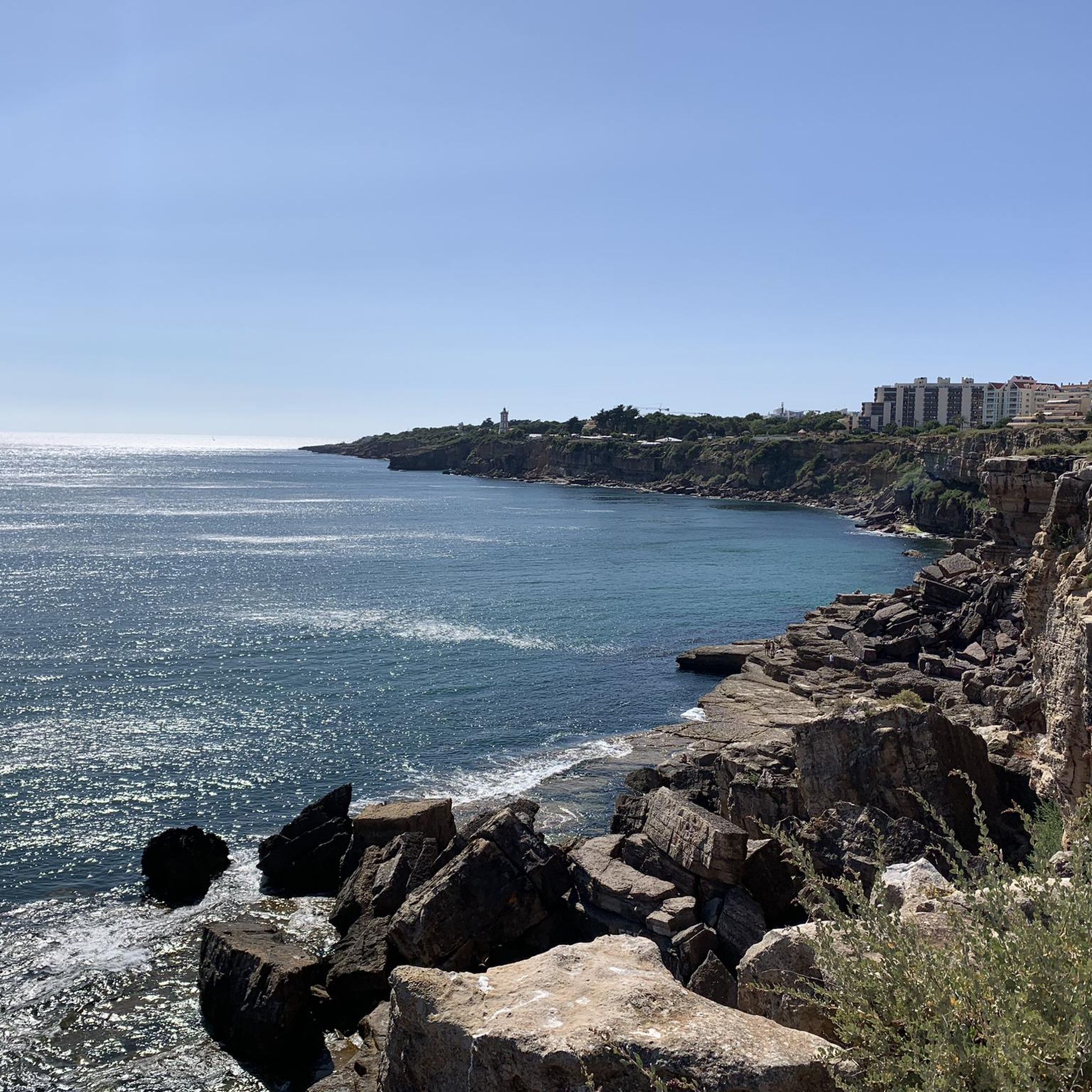
beautiful here along the Atlantic
2
0

The Forte do Bom Sucesso is a historic fortification located in Lisbon, Portugal. It was built in the 17th century to protect the city of Lisbon from sea attacks. It is located in the Belém area of Lisbon, next to the Tagus River. It was built between 1660 and 1670, during the reign of King Afonso VI. The fort is a stone and earth structure, with a pentagonal shape and a central tower and was equipped with cannons and other weapons to defend the city of Lisbon.
0
1

The Belém Tower is a 16th-century military construction designed by Francisco de Arruda and Diogo de Boitaca. It played a crucial role during the Age of Discovery as a fortress and port. Throughout its history, it has served as a prison, lighthouse, and tax collection center. Along with the Jerónimos Monastery, it was declared a UNESCO World Heritage Site in 1983. I hope this information is useful to you! 😊
19
2
The Belém Tower is a 16th-century military construction designed by Francisco de Arruda and Diogo de Boitaca. It played a crucial role during the Age of Discovery as a fortress and port. Throughout its history, it has served as a prison, lighthouse, and tax collection center. Along with the Jerónimos Monastery, it was declared a UNESCO World Heritage Site in 1983. I hope this information is useful to you! 😊
24
1

Great photo point to photograph the entire Castelo 🤩
14
0

The Bom Sucesso Fort, located on the current Plaza de la Imperio (Imperial Square), next to the Belém Tower, was built in 1780 between the Bom Sucesso and Pedrouços beaches on the right bank of the Tagus River as a complement to the Belém Defense Line under the direction of General Guilherme de Vallerée. It was completed in 1782. Since 1994, the premises of the old fort have been part of the Memorial to the Ultramar Fighters. It houses the permanent exhibition "The Portuguese Fighter." Outside, there are three rooms containing equipment related to the various branches of the armed forces.
1
0
This castle, located on the highest hill in the Alfama neighborhood, still has eleven towers and presents some characteristic architectural elements of military fortifications from the Arab period. The stairs attached to the walls give access to the battlements and towers, making it possible to visit their entire perimeter.
12
1
Frequently Asked Questions
Where are the main castles located that are covered in this guide?
While Pragal itself doesn't house significant castles, this guide focuses on historic fortresses and castles located in the broader Lisbon metropolitan area. These include iconic sites like St. George's Castle in Lisbon and the Belém Tower guarding the Tagus Estuary.
What is the historical significance of the castles near Pragal?
The castles and fortifications in the Lisbon metropolitan area offer deep insights into Portugal's past. For example, St. George's Castle showcases architectural elements from the Arab period, while the Belém Tower played a crucial role during the Age of Discovery as a fortress and port. The Bom Sucesso Fort, initiated in 1780, was part of Lisbon's defensive line and now houses the Museu do Combatente.
Are there family-friendly castles to visit near Pragal?
Yes, several castles and fortifications are suitable for families. The Belém Tower and the Bom Sucesso Fort (Combatant's Museum) are both categorized as family-friendly. The Fort of São Bruno, near Caxias Beach, also offers an interesting historical visit in a pleasant setting.
What natural features or viewpoints can I expect near these castles?
Many of the castles offer stunning viewpoints. St. George's Castle is located on the highest hill in the Alfama neighborhood, providing panoramic views of Lisbon. The Belém Tower offers views of the Tagus Estuary, and nearby Caxias Beach provides coastal scenery.
What outdoor activities can I do near these castles?
The area around Pragal and the Lisbon metropolitan region offers various outdoor activities. You can find easy hikes, such as the 'Statue of Jesus Christ – Ferry to Lisbon loop from Cacilhas,' or explore gravel biking routes like the 'Monsanto Forest Park – Montes Claros Viewpoint loop from Algés.' For more options, check out the easy hikes around Pragal guide or the gravel biking around Pragal guide.
How long does it typically take to visit these castles?
Visiting a major castle like St. George's Castle or the Belém Tower can take anywhere from 1.5 to 3 hours, depending on how much you wish to explore the grounds, battlements, and any internal exhibitions. Smaller forts or specific sections might take less time.
Are there any hidden gem castles or lesser-known fortifications worth visiting?
While not a 'hidden gem' in the traditional sense, the Fort of São Bruno, located near Caxias Beach, is a well-preserved example of maritime military architecture from the 17th century. It's less crowded than the major Lisbon attractions and offers a unique historical perspective.
What public transport options are available to reach these castles?
Many of the castles, especially those in Lisbon like St. George's Castle and the Belém Tower, are well-served by public transport, including trams, buses, and metro. From Pragal, you can typically take a ferry to Lisbon and then connect to local transport. Specific routes will depend on your exact destination.
Can I find cafes or restaurants near the castles?
Yes, the areas around these historic sites, particularly in Lisbon, are well-equipped with cafes and restaurants. For a unique experience, Casa do Alentejo in Lisbon, a beautiful 17th-century Moorish mansion, houses a restaurant serving typical Portuguese dishes, primarily from the Alentejo region.
What do visitors enjoy most about the castles around Pragal?
Visitors frequently appreciate the rich history, stunning architecture, and panoramic views offered by these sites. The opportunity to explore ancient battlements, learn about Portugal's Age of Discovery, and capture memorable photos are often highlighted in visitor tips. The blend of historical significance and scenic beauty makes these castles highly rated by the komoot community.
Are there any castles that are particularly good for photography?
Absolutely. St. George's Castle is noted as a 'Great photo point' for capturing the entire castle and its surroundings. The unique Manueline architecture of the Belém Tower also makes it a highly photogenic landmark, especially against the backdrop of the Tagus River.
Most popular attractions around Pragal

Get inspired with the komoot mobile app


Explore more
Looking for the best castles somewhere else? Discover other guides around Pragal:
