Top 4 Castles around São Nicolau
Best castles around São Nicolau are primarily historical defensive structures, reflecting the island's past struggles against piracy. São Nicolau, part of Cape Verde, is characterized by its volcanic terrain, deep valleys, and rugged coastline. The island's history is marked by strategic fortifications built to protect its settlements and trade routes from sea-based threats. These sites offer insights into the island's development and its strategic importance as a port.
Best castles around São Nicolau
- The most popular castles is Fort of…
Last updated: July 1, 2026
Fort of Saint Francis Xavier (Cheese Castle)
Highlight • Castle
Translated by Google •
Tip by

Fort of Our Lady of the Snows
Highlight • Castle
Translated by Google •
Tip by

Sign up now to discover places like this
Get recommendations on the best single tracks, peaks, & plenty of other exciting outdoor places.
Sign up for free
Fort of Saint Francis Xavier
Highlight • Castle
Translated by Google •
Tip by

Forte de Leça or Castelo de Matosinhos
Highlight • Castle
Translated by Google •
Tip by
Fort of St. John the Baptist
Highlight • Castle
A fine example of military architecture, the original …
Translated by Google •
Tip by

Start today with a free account
Your next adventure awaits.
Login or Signup
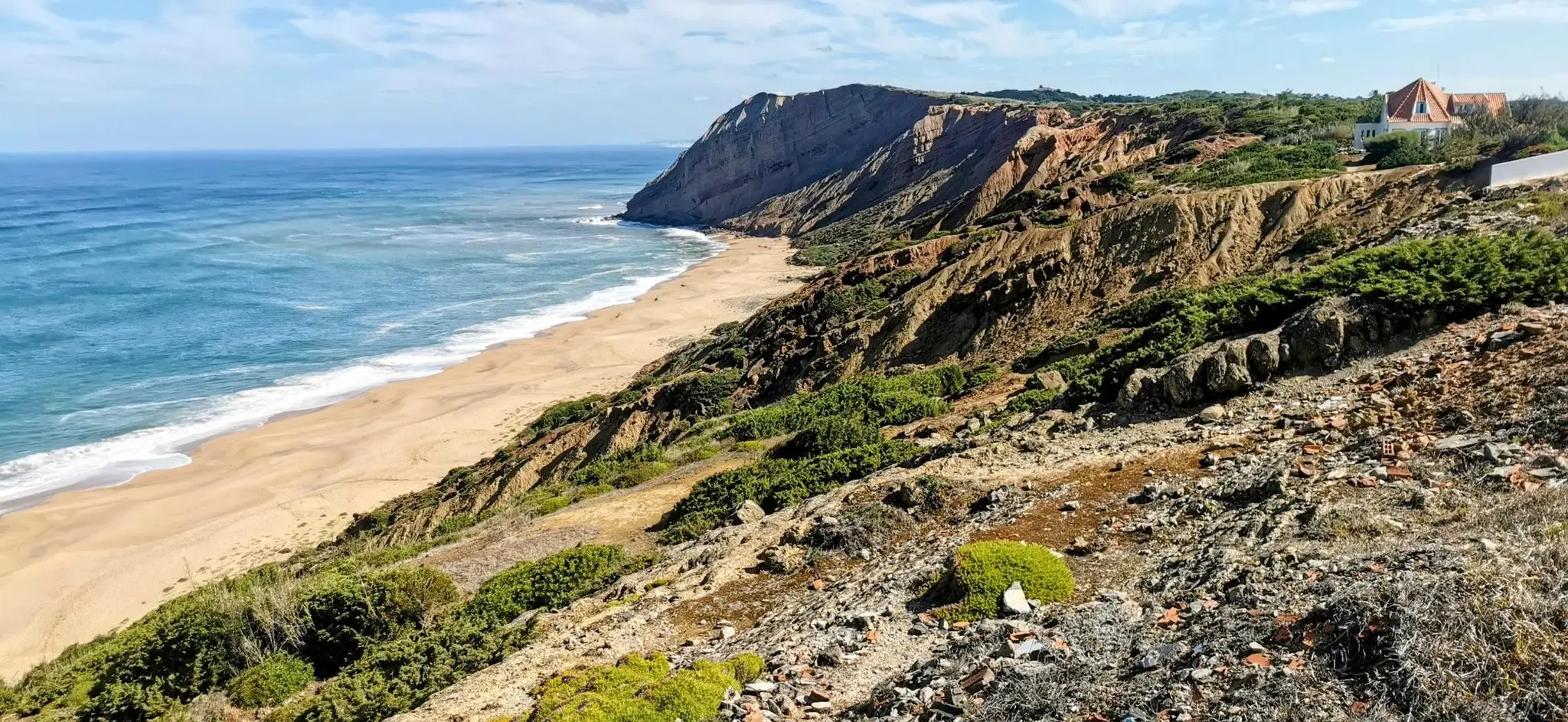
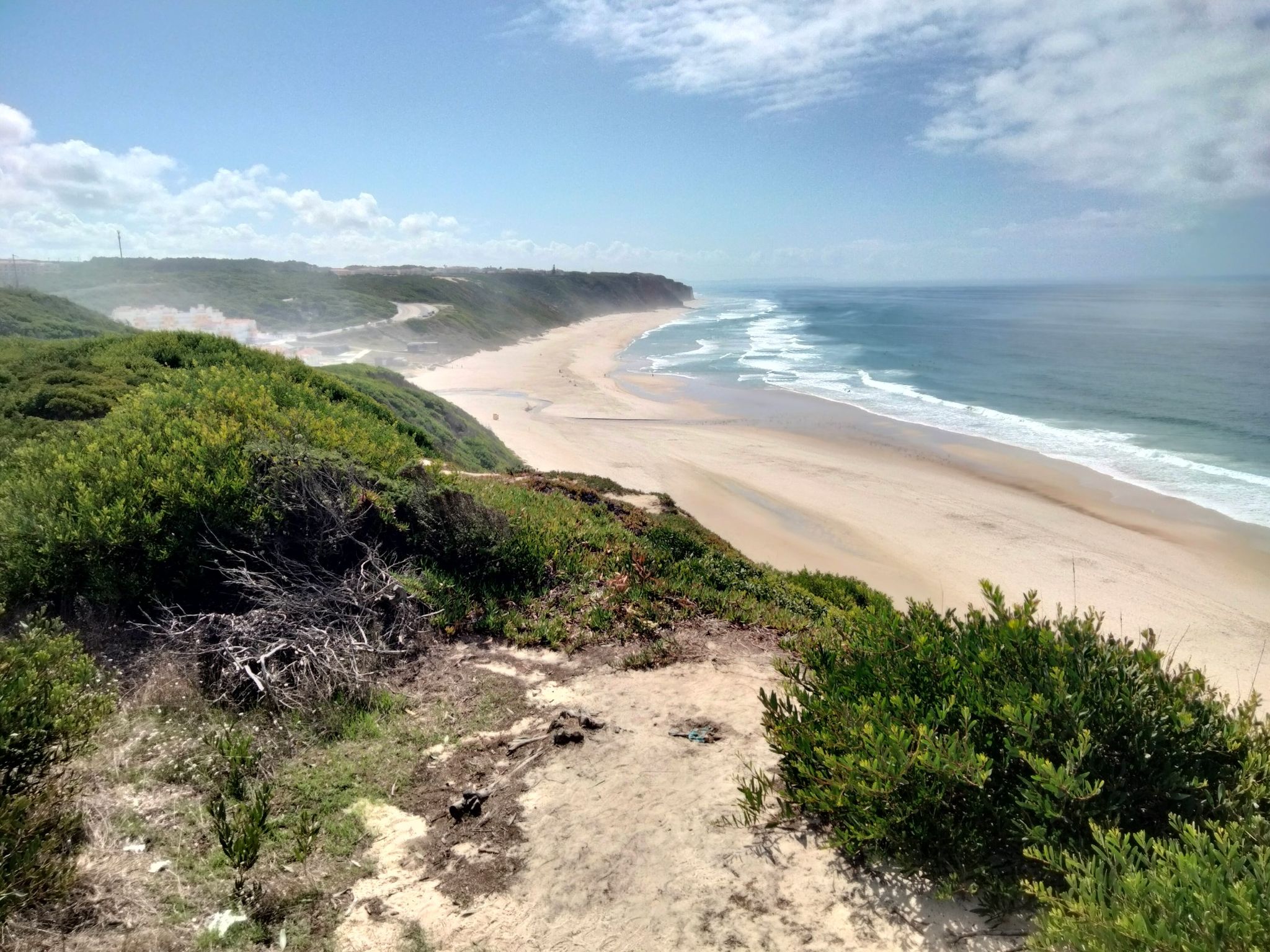
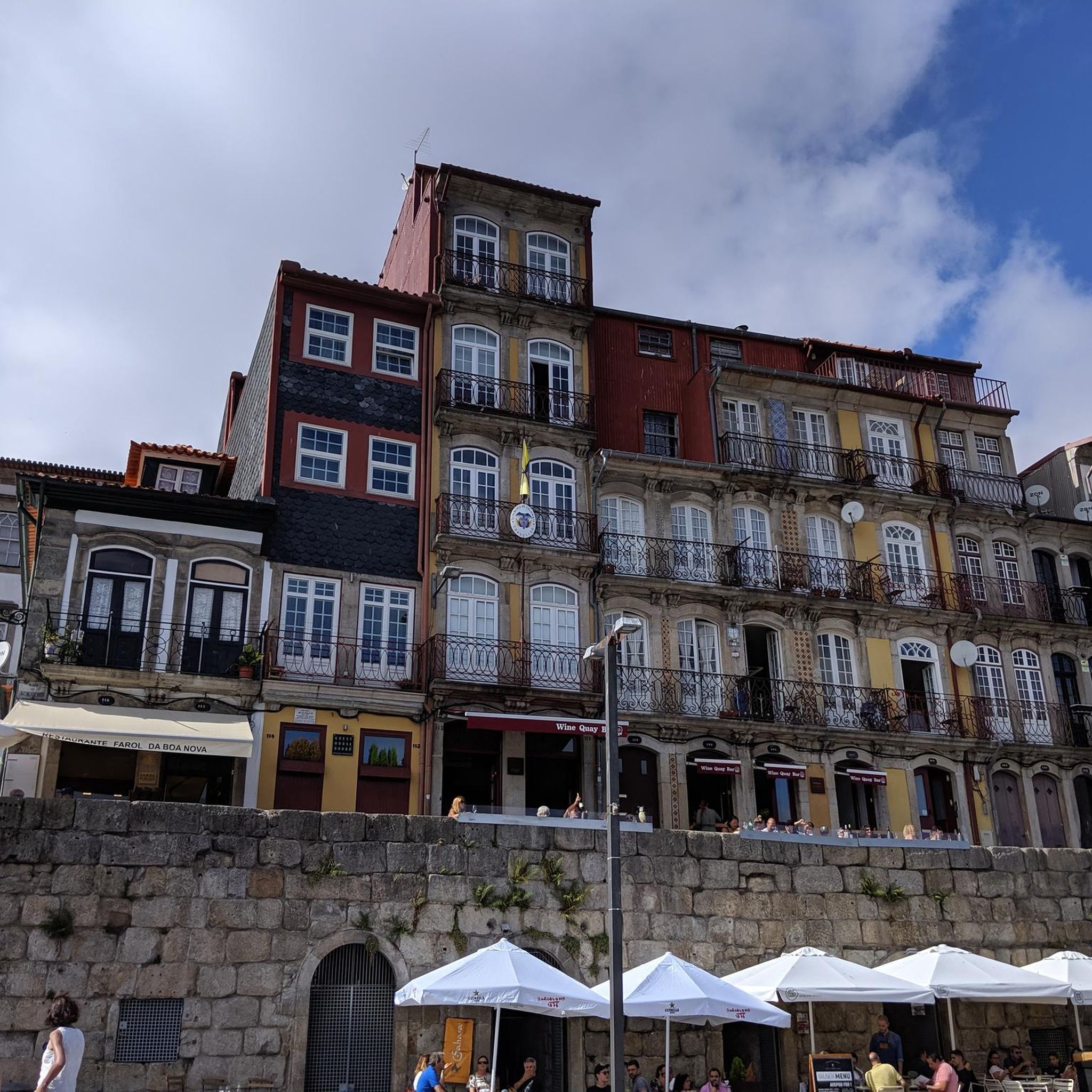
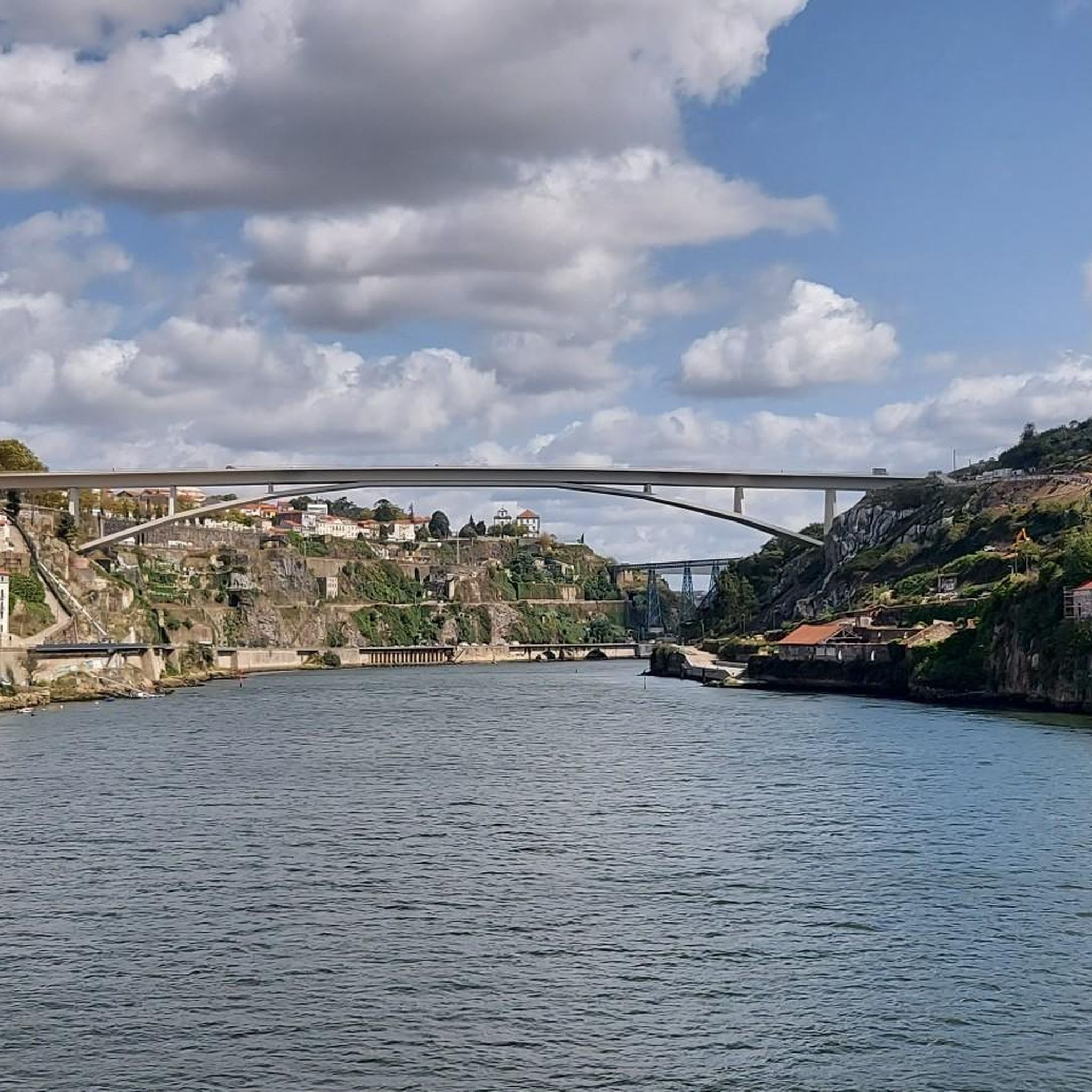


Tips from the Community

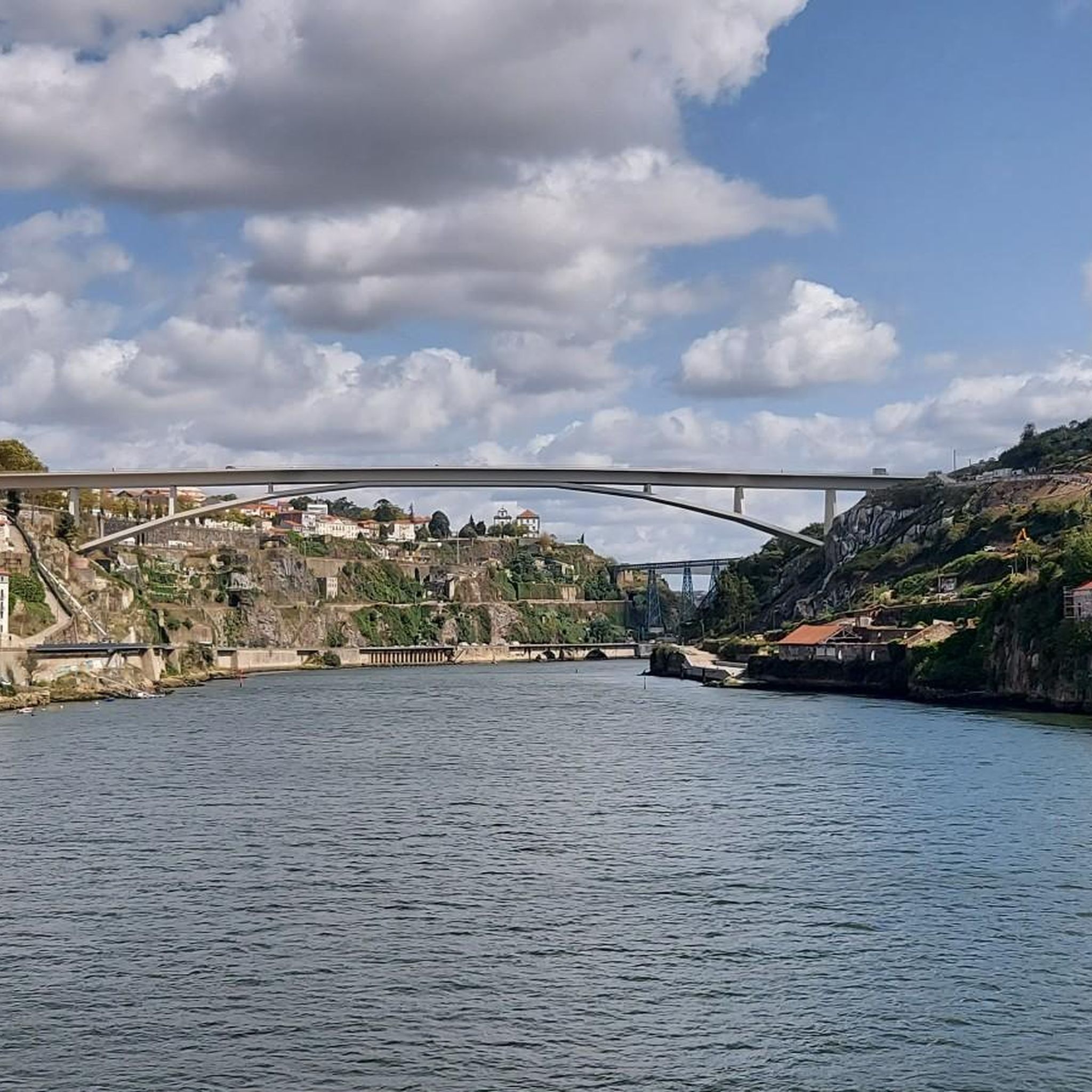
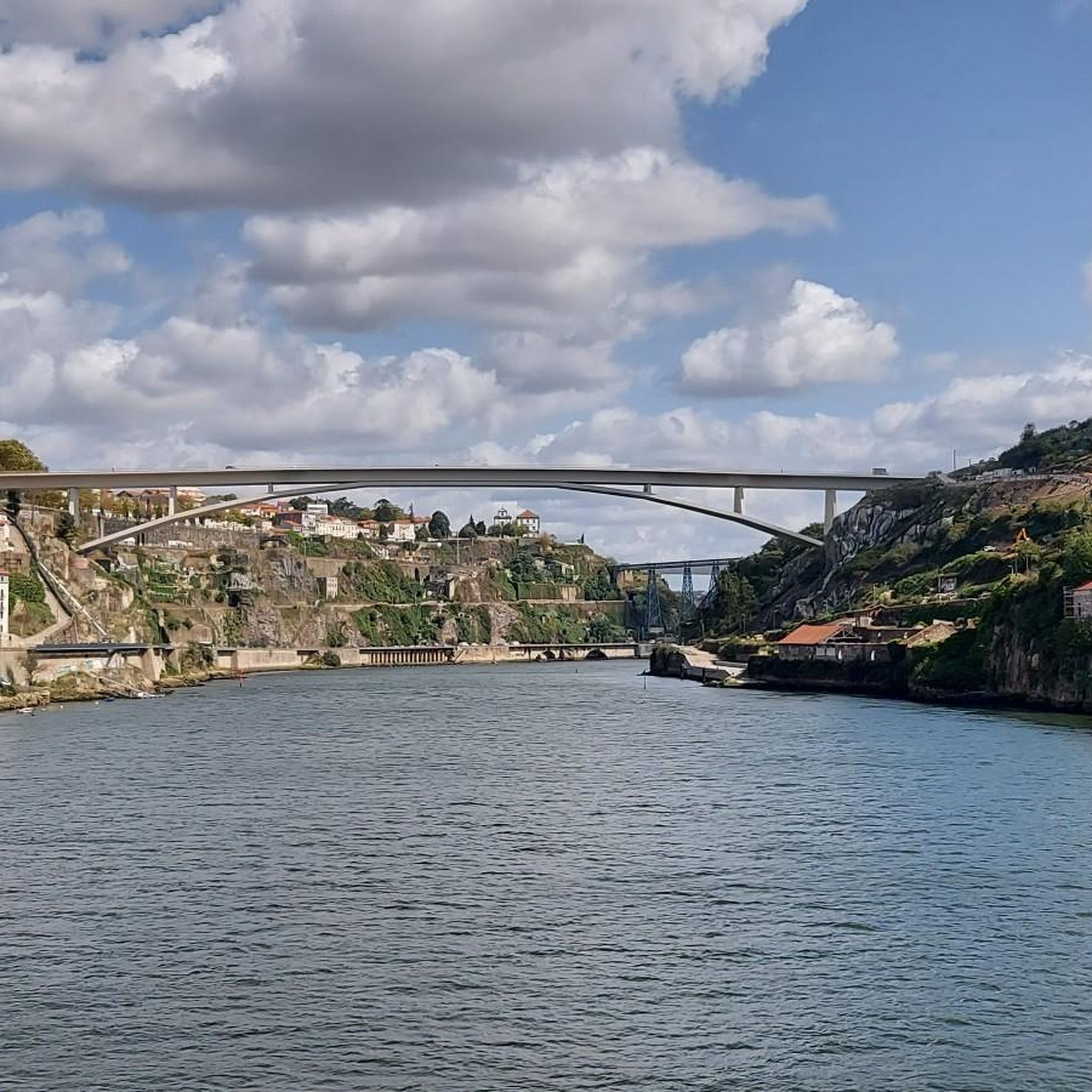
Ordered to be built at the end of the 16th century to defend the coast and the entrance to the Douro River. A fine example of military architecture, the original structure was augmented by modern bastions (17th century) and the entrance gate to the fort (18th century). Currently, the Porto Regional Delegation of the National Defense Institute is located there. It has been classified as a property of Public Interest since June 6, 1967.
0
0

Beautiful old fort with a museum inside. The interplay of old and new in the background is also wonderful.
0
0

Unspectacular, but beautiful view from above.
9
1

Great Fortress
10
0
Large fortress
7
0

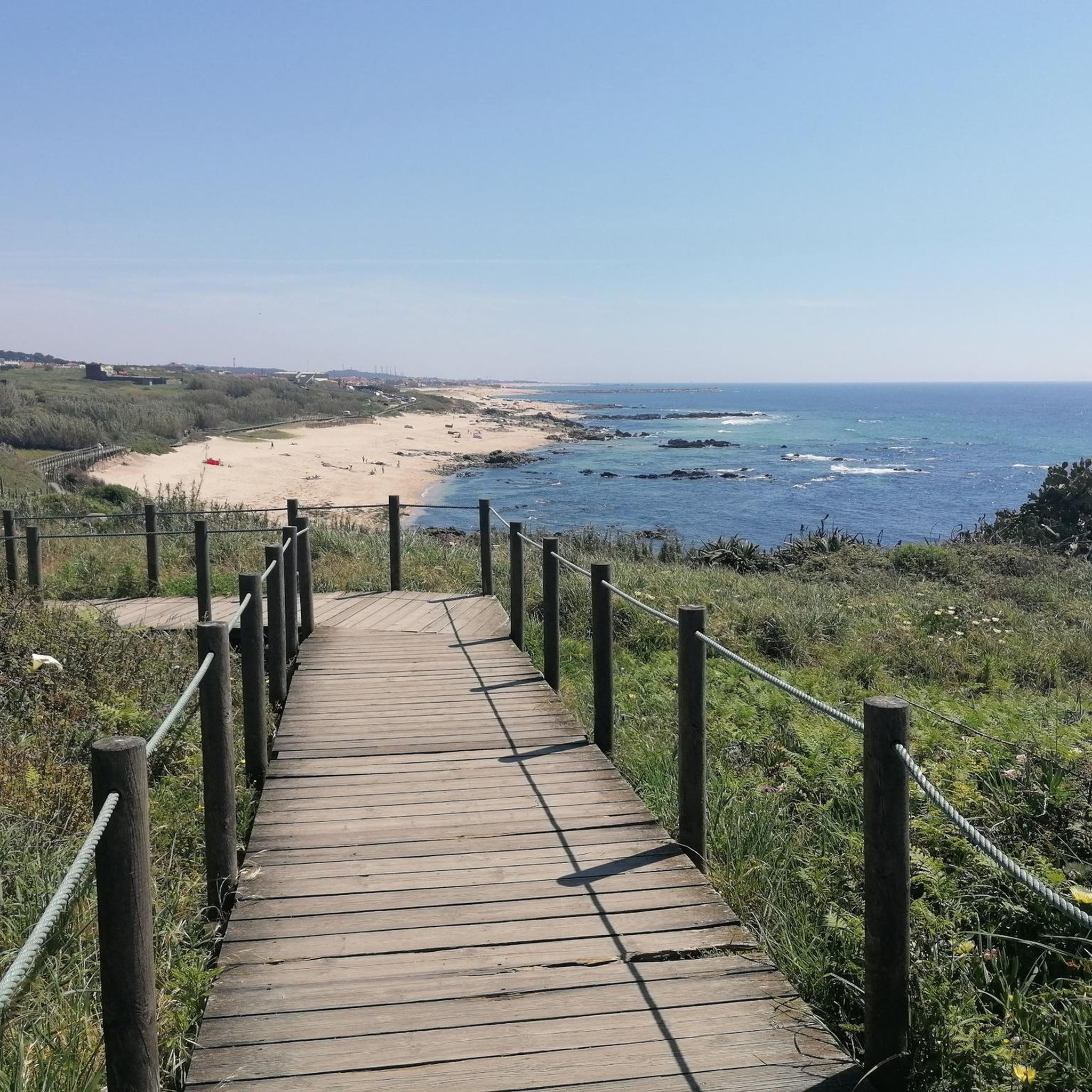
Fort on the way from Foz to Matosinhos. It's easy to walk around the fort, but it's nothing special.
12
2
The Nossa Senhora das Neves Fort is also known as the Leça da Palmeira Fort or Matosinhos Castle. Its construction began during the Philippine Dynasty in 1638 or 1639, by order of D. João Rodrigues Sá e Menezes, 1st Count of Penaguião, on the site of Santa Catarina, with the aim of defending that port against threats from pirates and corsairs. After the Restoration of Portuguese Independence, considering its great strategic importance for the defense of the bar, in 1642, the officials of the Porto City Council asked the King to complete the works as soon as possible. A Report from 1701 states that the fortification was still incomplete, although it was armed with four guns and manned by eight soldiers under the command of a lieutenant. It is believed that the fort was completed in 1720.
1
0
Fort of Our Lady of the Snows
1
0
Frequently Asked Questions
What kind of 'castles' can I expect to find on São Nicolau?
São Nicolau does not feature traditional European-style castles. Instead, the island is home to significant historical defensive structures, primarily built to protect against pirate attacks. The most notable is the Príncipe Real Fort, also known as Preguiça Fort, which served as a strategic defense point.
Where is the main historical fortification located on São Nicolau?
The most prominent historical fortification, the Príncipe Real Fort (Preguiça Fort), is situated on a hill in the village of Preguiça. It overlooks the roadstead and the village, offering strategic views of the waterfront.
What is the historical significance of the Príncipe Real Fort?
The Príncipe Real Fort was built in 1820 to defend São Nicolau from constant pirate attacks that plagued the island. It represents a crucial part of the island's history, showcasing its struggles for protection and its strategic importance as a port. The fort also serves as a tribute to Portuguese navigator Pedro Álvares Cabral.
Can I visit the Príncipe Real Fort, and what can I see there?
Yes, you can visit the site of the Príncipe Real Fort. Although it is now in ruins, visitors can still observe remnants of its defense walls and some centuries-old artillery that once protected the fort. It offers a tangible connection to the island's past.
Are there any viewpoints or scenic spots near the Príncipe Real Fort?
The Príncipe Real Fort is located at an elevation of approximately 50 meters, providing views overlooking the waterfront and the village of Preguiça. It's a good spot to appreciate the strategic location and the surrounding landscape.
What is the best time of year to visit São Nicolau and its historical sites?
The best time to visit São Nicolau is generally during the dry season, from November to June, when the weather is warm and sunny, making it ideal for exploring historical sites and enjoying outdoor activities.
Are there any hiking or walking trails near the historical fortifications?
While specific walking routes directly to the fort might not be formally marked, the island of São Nicolau offers various hiking opportunities. You can explore easy hikes around São Nicolau or more challenging trails across its volcanic terrain. The fort itself is accessible by foot within Preguiça village.
What outdoor activities can I do on São Nicolau besides visiting historical sites?
São Nicolau is known for its rugged natural beauty, offering opportunities for various outdoor activities. You can find gravel biking routes or explore running trails across the island's diverse landscapes.
Is the Príncipe Real Fort accessible for visitors with mobility challenges?
The Príncipe Real Fort is located on a hill, and while the site is open, its historical and ruined nature means that accessibility for visitors with mobility challenges, including wheelchair users, may be limited due to uneven terrain and lack of dedicated facilities.
Are there any facilities like cafes or restrooms near the Príncipe Real Fort?
The Príncipe Real Fort is located in the village of Preguiça. While there might not be dedicated facilities directly at the fort ruins, you can find local amenities, including small shops or cafes, within the village itself.
What should I wear when visiting historical sites on São Nicolau?
Given São Nicolau's warm climate and often uneven terrain, it's advisable to wear comfortable walking shoes, light clothing, a hat, and sunscreen. Bringing water is also recommended, especially when exploring during warmer hours.
How long does it typically take to visit the Príncipe Real Fort?
A visit to the Príncipe Real Fort is typically brief, as it consists of ruins. You might spend 30 minutes to an hour exploring the remnants and enjoying the views. Allow extra time for travel to and from Preguiça village.
Most popular routes around São Nicolau
Most popular attractions around São Nicolau

Get inspired with the komoot mobile app


Explore more
Looking for the best castles somewhere else? Discover other guides around São Nicolau:
