Top 4 Castles around Bonfim
Best castles around Bonfim include a variety of historical fortifications located near the Douro River mouth and along the Atlantic coast. Bonfim, a district in Porto, serves as a base for exploring these significant structures that played roles in Portugal's defense. The region offers access to coastal forts and medieval castles, providing insight into the area's maritime and historical past. These sites are situated within a short distance, making them accessible for exploration.
Best castles around Bonfim
- The most popular…
Last updated: July 1, 2026
Fort of Saint Francis Xavier (Cheese Castle)
Highlight • Castle
Translated by Google •
Tip by

Fort of Our Lady of the Snows
Highlight • Castle
Translated by Google •
Tip by

Sign up now to discover places like this
Get recommendations on the best single tracks, peaks, & plenty of other exciting outdoor places.
Sign up for free
Fort of Saint Francis Xavier
Highlight • Castle
Translated by Google •
Tip by

Forte de Leça or Castelo de Matosinhos
Highlight • Castle
Translated by Google •
Tip by
Fort of the Mills
Highlight • Castle
Translated by Google •
Tip by

Sign up for free to discover even more castles around Bonfim.
Sign up for free
Already have an account?
Start today with a free account
Your next adventure awaits.
Login or Signup
Tips from the Community

Abandoned and forgotten, they were easy prey for the relentless and merciless action of natural elements, accelerated by the plundering to which they were subjected. Their architecture became disfigured, and some collapsed.
0
0

Beautiful old fort with a museum inside. The interplay of old and new in the background is also wonderful.
0
0

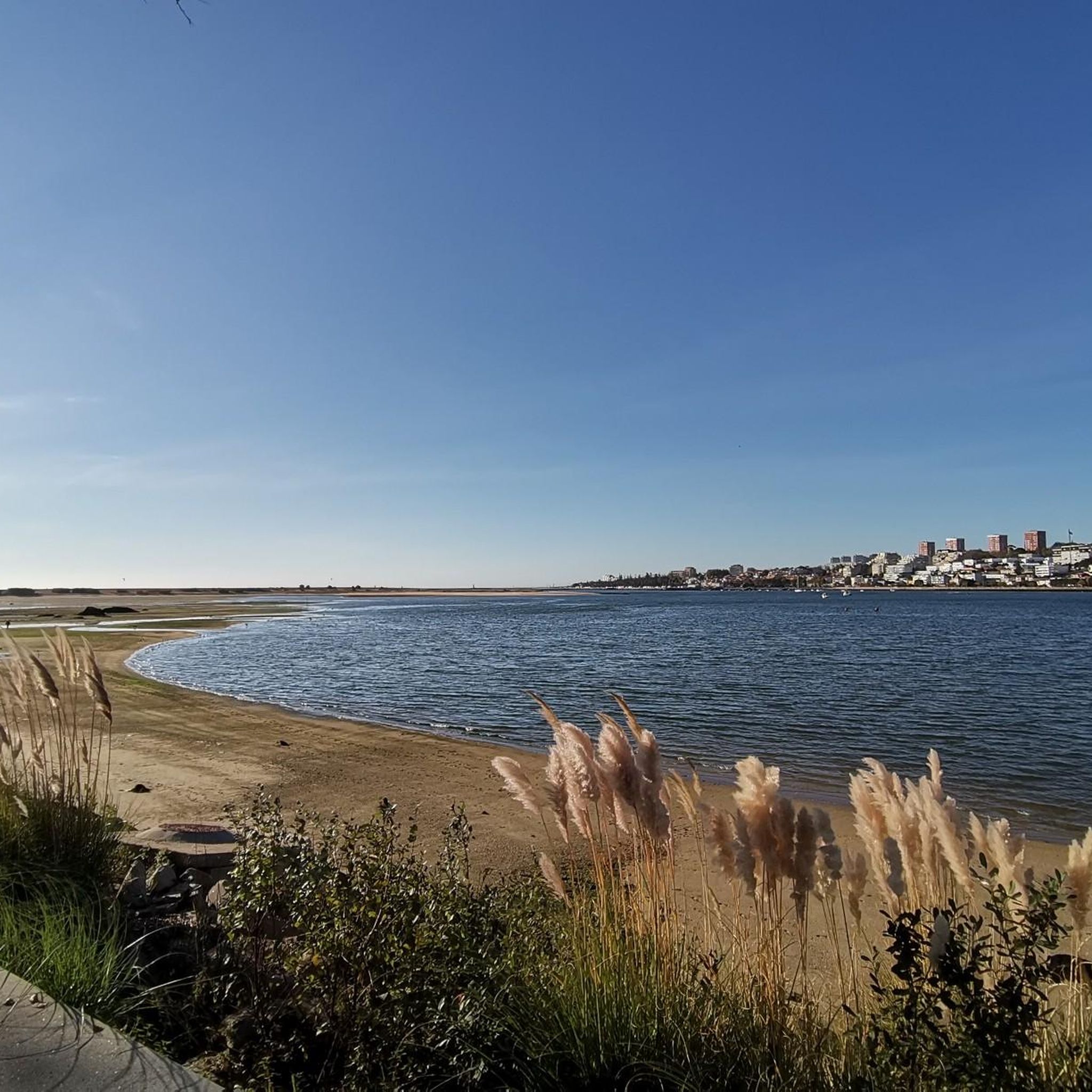
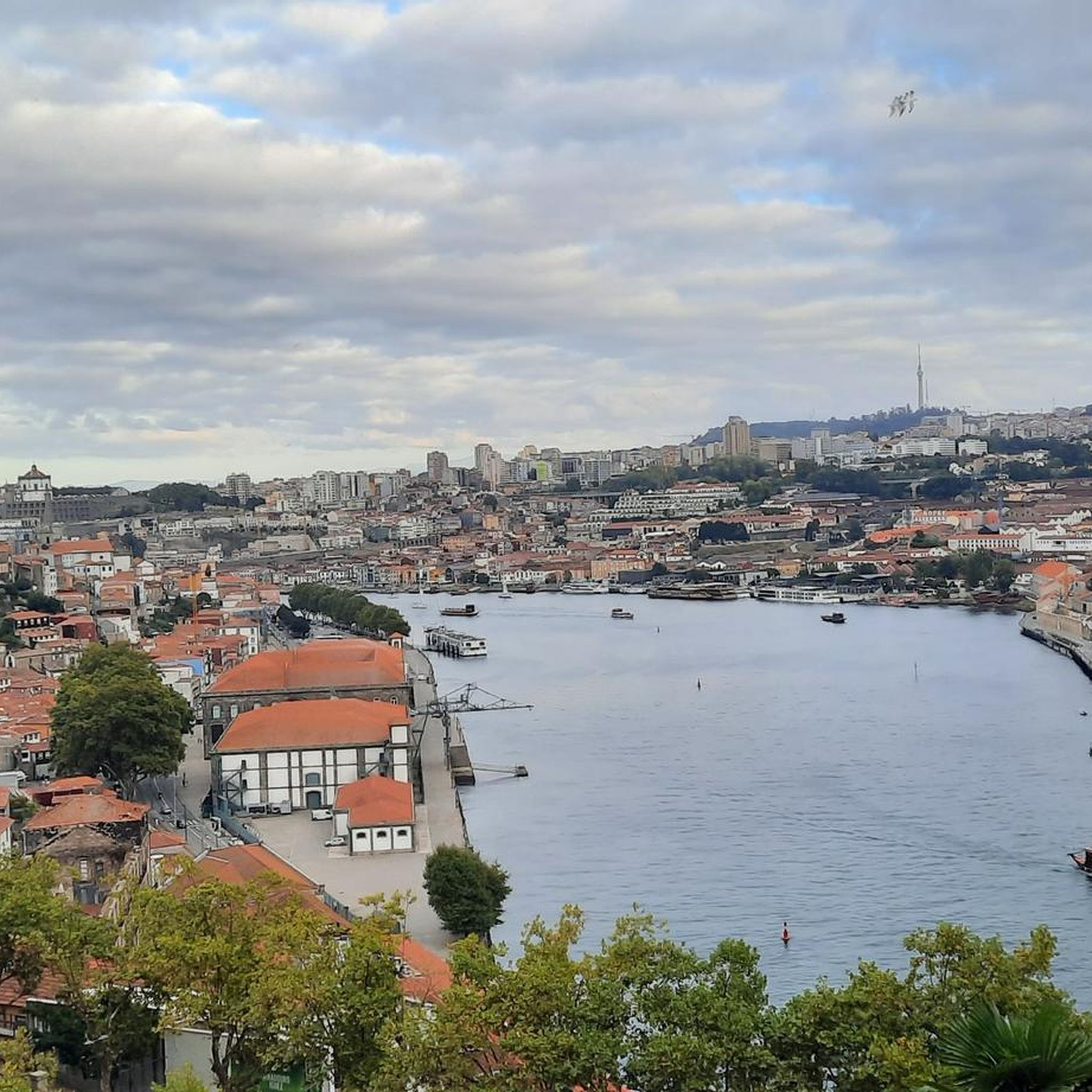
Unspectacular, but beautiful view from above.
9
1

Great Fortress
10
0
Large fortress
7
0

Fort on the way from Foz to Matosinhos. It's easy to walk around the fort, but it's nothing special.
12
2
The Nossa Senhora das Neves Fort is also known as the Leça da Palmeira Fort or Matosinhos Castle. Its construction began during the Philippine Dynasty in 1638 or 1639, by order of D. João Rodrigues Sá e Menezes, 1st Count of Penaguião, on the site of Santa Catarina, with the aim of defending that port against threats from pirates and corsairs. After the Restoration of Portuguese Independence, considering its great strategic importance for the defense of the bar, in 1642, the officials of the Porto City Council asked the King to complete the works as soon as possible. A Report from 1701 states that the fortification was still incomplete, although it was armed with four guns and manned by eight soldiers under the command of a lieutenant. It is believed that the fort was completed in 1720.
1
0
Fort of Our Lady of the Snows
1
0
Frequently Asked Questions
What types of historical fortifications can I explore near Bonfim?
Near Bonfim, you can explore a range of fortifications, from 17th-century coastal defenses to older medieval structures. The region offers access to impressive coastal forts like the Fort of Saint Francis Xavier (Cheese Castle) and Forte de Leça, which protected the Douro River mouth and Atlantic coast. Further afield, you'll find significant medieval castles such as Santa Maria da Feira Castle and Guimarães Castle, offering a deeper dive into Portugal's early history.
Which castles near Bonfim are known for their medieval history and architecture?
For a deep dive into Portuguese medieval history, consider visiting Santa Maria da Feira Castle, about 30 minutes from Porto. It's considered one of the most complete examples of Portuguese medieval architecture. Another key site is Guimarães Castle, a 10th-century landmark in the birthplace of the Portuguese nation, just over 40 minutes from Porto. Both offer robust walls, towers, and rich historical narratives.
Are there any coastal forts near Bonfim that offer historical insights and ocean views?
Yes, the Fort of Saint Francis Xavier (Cheese Castle) is strategically located overlooking the Atlantic Ocean near the Douro River mouth. It offers a beautiful old structure with a museum inside, providing insight into the region's coastal defenses. Another option is Forte de Leça, built in 1651, which was part of Porto's defensive line and now serves as the secretariat of the port of Leixões.
What is the 'Cheese Castle' and why is it called that?
The 'Cheese Castle' is the nickname for the Fort of Saint Francis Xavier. It earned this name because it was built on a rounded granite rock that resembles a cheese. Founded in 1661 or 1662, this fort is located in a dominant position over the Atlantic Ocean and offers a unique blend of history and natural features.
Can I find any castles that are more ruinous but offer great views?
Yes, the Tower of Aguiar de Sousa Castle is a great option. All that remains of this 9th-century castle is a quadrangular tower, but it offers stunning 360° views of the Sousa River valley and surrounding hills. Despite being a ruin, it provides a unique glimpse into ancient fortifications and rewards visitors with picturesque panoramic views after a climb.
Are there family-friendly castles to visit near Bonfim?
Many of the castles and forts near Bonfim can be family-friendly. The Fort of Saint Francis Xavier (Cheese Castle) is a popular spot for families, offering a beach nearby where children can play. Forte de Leça is also listed as family-friendly, providing an accessible historical experience. Exploring these sites can be an engaging way to learn about history together.
What outdoor activities can I do near the castles around Bonfim?
The region around Bonfim offers various outdoor activities, especially cycling. You can find several routes for touring bicycles, road cycling, and gravel biking. For example, there are routes like 'From Porto to Matosinhos — circular route' for touring bicycles or 'Dom Luís I Bridge – Chapel of Senhor da Pedra (Chapel of the Lord of the Rock) loop' for road cycling. You can explore more options on the Cycling around Bonfim guide or the Gravel biking around Bonfim guide.
What do visitors enjoy most about the castles around Bonfim?
Visitors appreciate the blend of history and scenic beauty. Many enjoy the strategic coastal locations of forts like the Fort of Saint Francis Xavier, offering ocean views and a chance to relax by the sea. The historical significance of sites like Guimarães Castle and Santa Maria da Feira Castle, along with their well-preserved architecture, also draws many visitors interested in Portugal's past. The komoot community has shared over 140 photos and given more than 390 upvotes to these sites.
Are there any lesser-known or 'hidden gem' castles worth visiting?
Arnoia Castle, set in a picturesque landscape, features well-preserved ruins and offers tranquility and scenic beauty. Visitors can wander through its ruins and experience panoramic views, and it's possible to walk from the castle to the Arnoia medieval village. Another significant, though perhaps less frequented, site is Lanhoso Castle, over a thousand years old, built on Monte do Pilar, offering an enviable military defense location and rich historical stories.
What is the best time of year to visit the castles near Bonfim?
While specific seasonal considerations vary by castle, generally, spring (April-June) and autumn (September-October) offer pleasant weather for exploring the castles and their surroundings. These periods avoid the peak summer heat and crowds, making for a more comfortable visit. Coastal forts can be enjoyed year-round, but the cooler months might require warmer clothing due to ocean breezes.
How long should I allocate for visiting a castle near Bonfim?
The time needed depends on the castle. For coastal forts like the Fort of Saint Francis Xavier or Forte de Leça, a visit might take 1-2 hours to explore the structure and enjoy the views. For larger medieval castles like Santa Maria da Feira or Guimarães, you might want to allocate 2-3 hours or more, especially if you plan to explore the surrounding towns or attend events like medieval reenactments.
Are there cafes or amenities near these castles?
Yes, many of the castles, especially those closer to urban areas or popular tourist spots, have nearby amenities. For instance, the coastal forts near Porto are often close to cafes, restaurants, and other facilities. Larger medieval castle towns like Santa Maria da Feira and Guimarães are well-equipped with cafes, pubs, and accommodation options for visitors.
Most popular attractions around Bonfim

Get inspired with the komoot mobile app


Explore more
Looking for the best castles somewhere else? Discover other guides around Bonfim:
