Top 4 Castles around Perafita
Best castles around Perafita are found along the Atlantic coast, a region historically significant for its maritime defenses. This area features a collection of forts and castles that once protected the coastline and the entrance to the Douro River. These historical sites offer insights into Portugal's past and its strategic importance. The landscape combines coastal views with architectural heritage, providing a setting for exploring historical fortifications.
Best castles around Perafita
- The most popular castles is Fort of Saint Francis Xavier…
Last updated: July 1, 2026
Fort of Saint Francis Xavier (Cheese Castle)
Highlight • Castle
Translated by Google •
Tip by

Fort of Our Lady of the Snows
Highlight • Castle
Translated by Google •
Tip by

Sign up now to discover places like this
Get recommendations on the best single tracks, peaks, & plenty of other exciting outdoor places.
Sign up for free
Fort of Saint Francis Xavier
Highlight • Castle
Translated by Google •
Tip by

Forte de Leça or Castelo de Matosinhos
Highlight • Castle
Translated by Google •
Tip by
Fort of St. John the Baptist
Highlight • Castle
A fine example of military architecture, the original …
Translated by Google •
Tip by

Start today with a free account
Your next adventure awaits.
Login or Signup
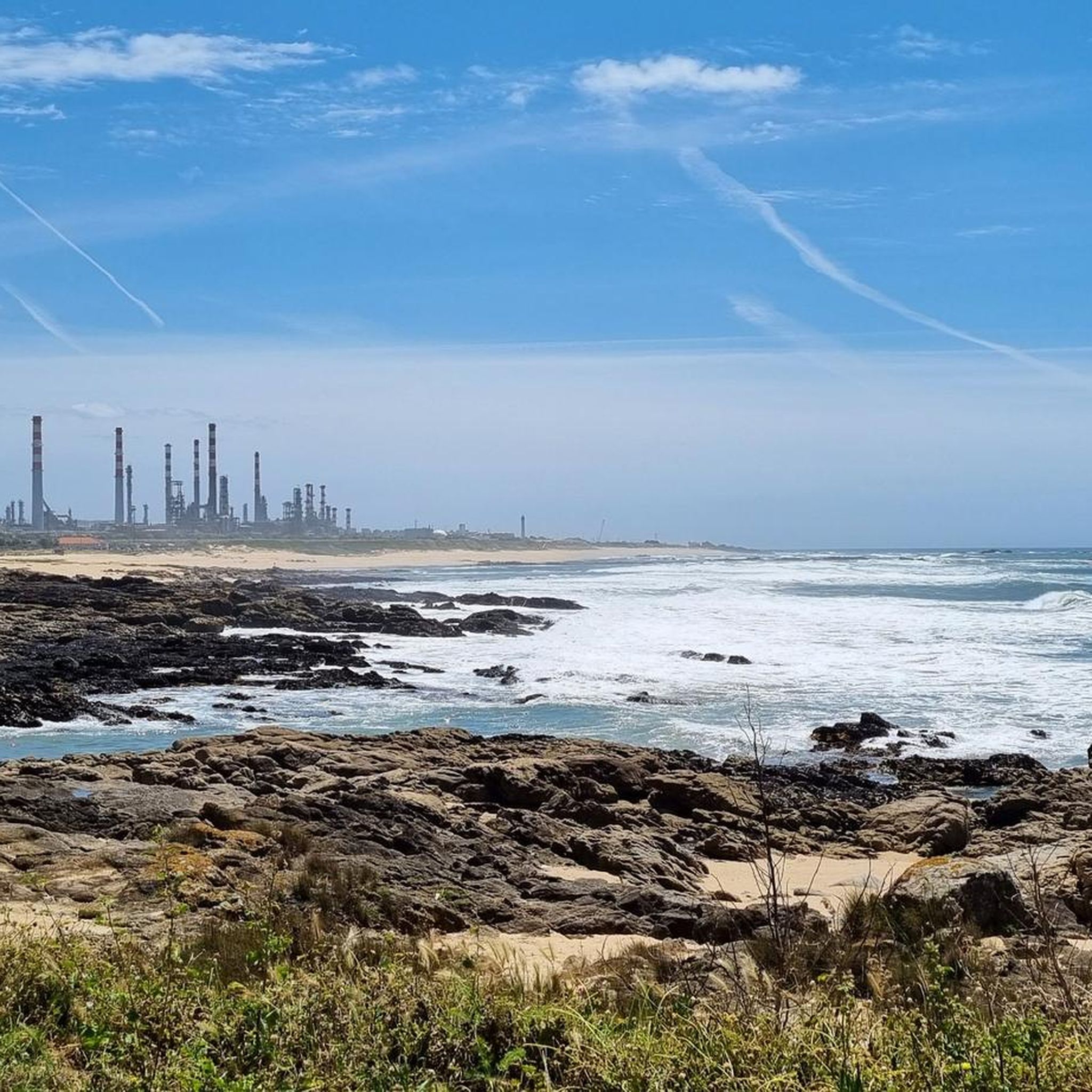
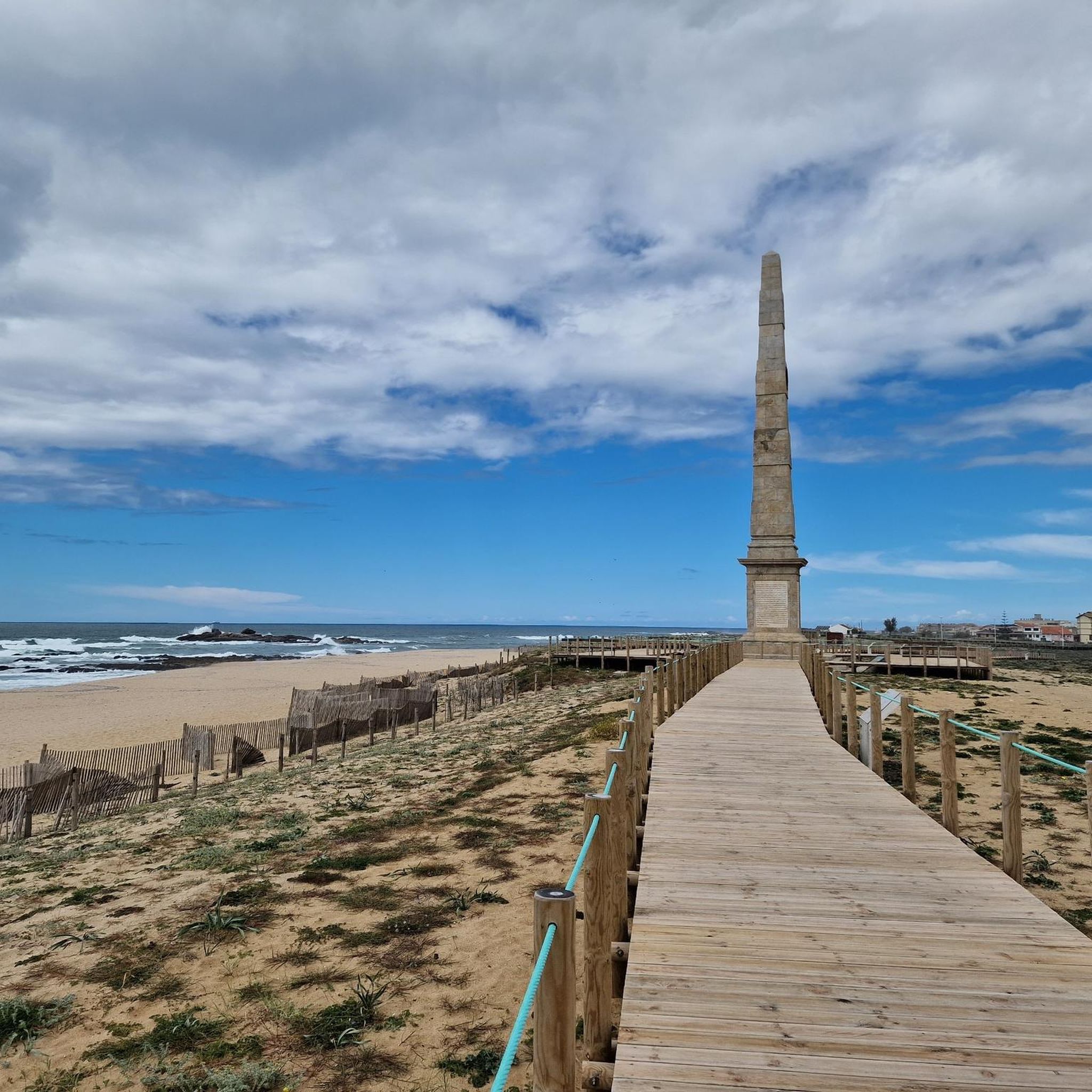
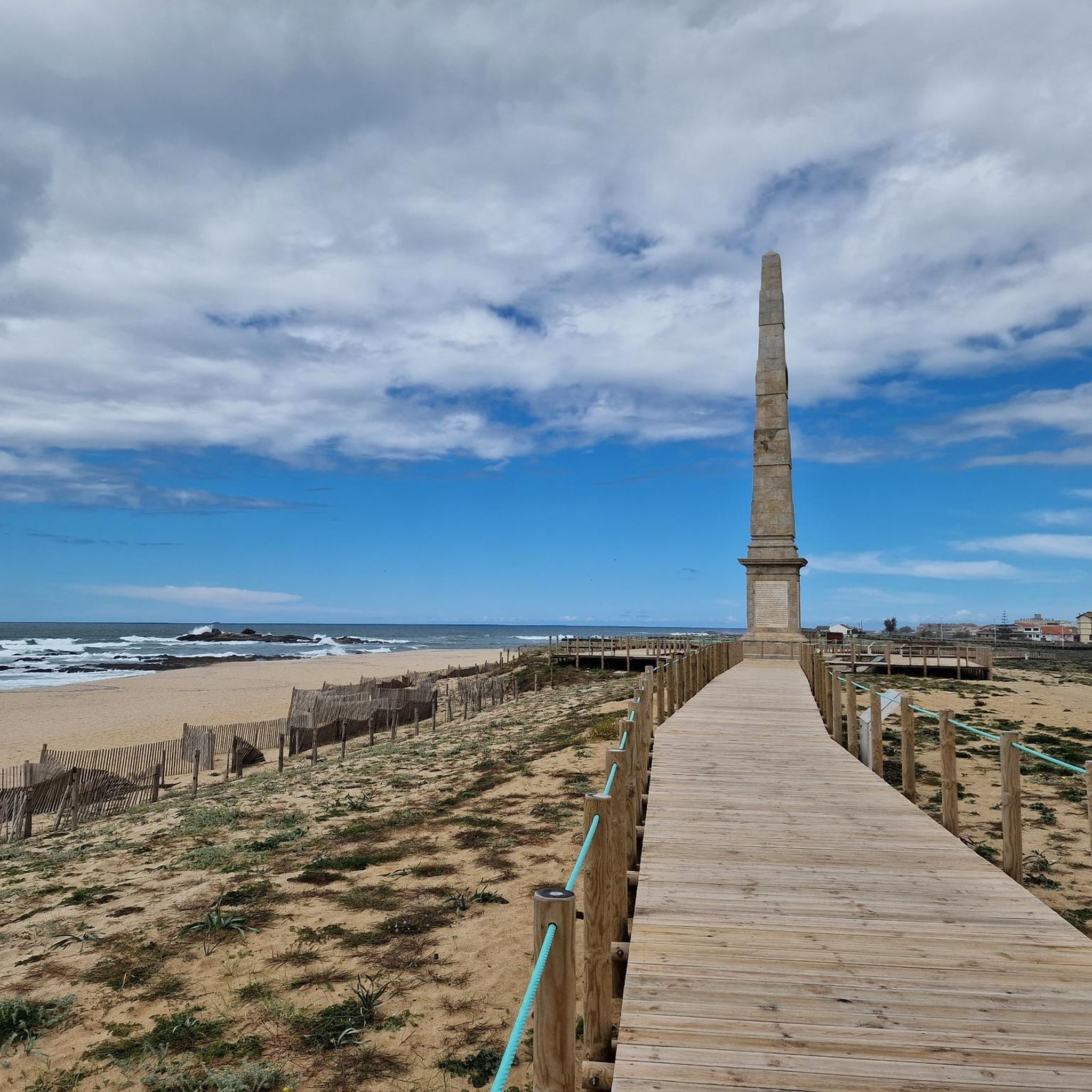
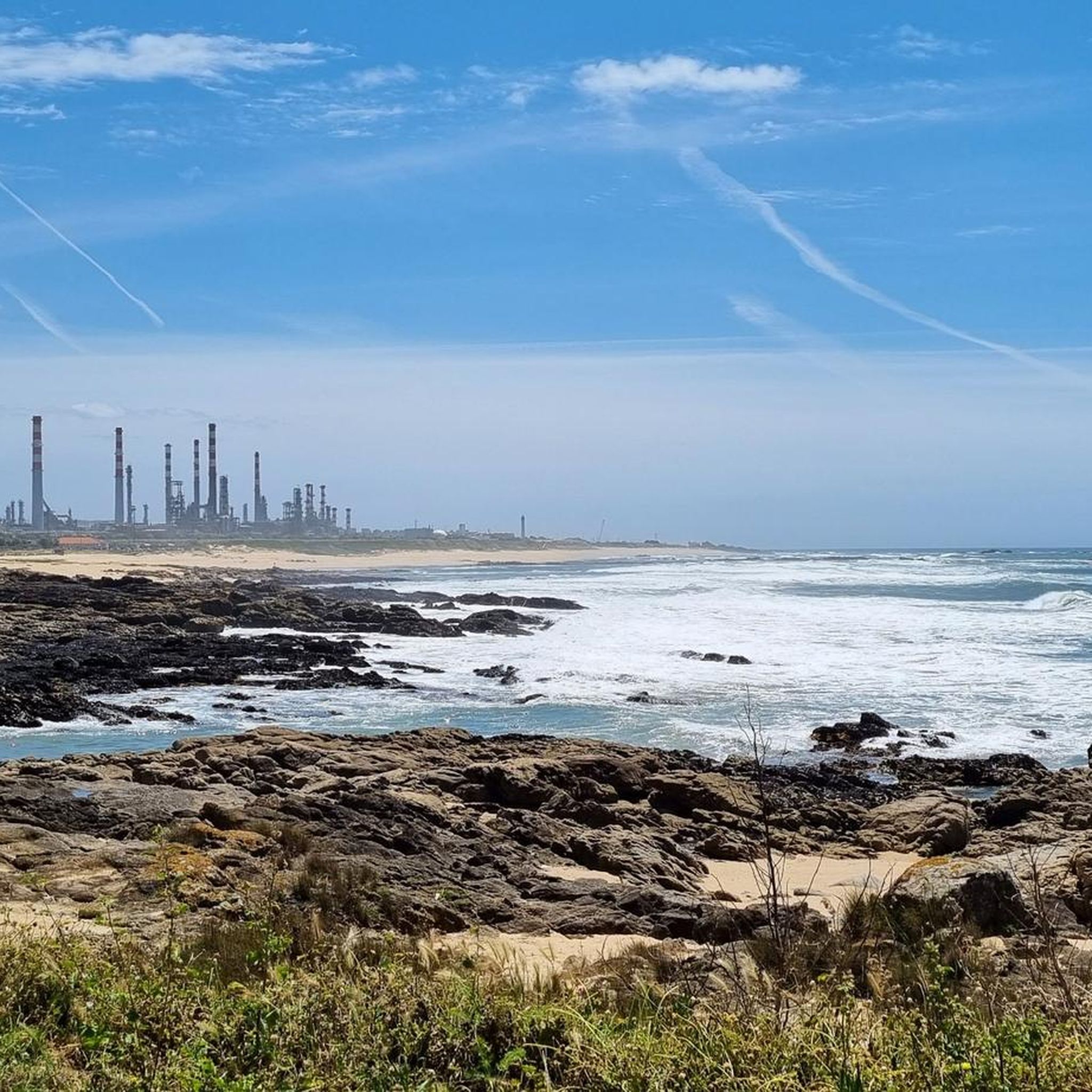
Tips from the Community

Ordered to be built at the end of the 16th century to defend the coast and the entrance to the Douro River. A fine example of military architecture, the original structure was augmented by modern bastions (17th century) and the entrance gate to the fort (18th century). Currently, the Porto Regional Delegation of the National Defense Institute is located there. It has been classified as a property of Public Interest since June 6, 1967.
0
0

Beautiful old fort with a museum inside. The interplay of old and new in the background is also wonderful.
0
0

Unspectacular, but beautiful view from above.
9
1

Great Fortress
10
0
Large fortress
7
0

Fort on the way from Foz to Matosinhos. It's easy to walk around the fort, but it's nothing special.
12
2
The Nossa Senhora das Neves Fort is also known as the Leça da Palmeira Fort or Matosinhos Castle. Its construction began during the Philippine Dynasty in 1638 or 1639, by order of D. João Rodrigues Sá e Menezes, 1st Count of Penaguião, on the site of Santa Catarina, with the aim of defending that port against threats from pirates and corsairs. After the Restoration of Portuguese Independence, considering its great strategic importance for the defense of the bar, in 1642, the officials of the Porto City Council asked the King to complete the works as soon as possible. A Report from 1701 states that the fortification was still incomplete, although it was armed with four guns and manned by eight soldiers under the command of a lieutenant. It is believed that the fort was completed in 1720.
1
0
Fort of Our Lady of the Snows
1
0
Frequently Asked Questions
What makes the castles around Perafita unique?
The castles in the Perafita region are primarily coastal forts, strategically built along the Atlantic coast and near the mouth of the Douro River. They served as crucial maritime defenses, protecting the region from corsairs, pirates, and other threats. Their unique location offers a blend of historical significance and scenic coastal views.
Which castles are most popular with visitors?
Among the most popular is the Fort of Saint Francis Xavier (Cheese Castle), known for its distinctive construction on a rounded granite rock. Another favorite is the Forte de Leça or Castelo de Matosinhos, which was an integral part of Porto's defensive line.
Are there family-friendly castles to visit in the Perafita area?
Yes, several castles are suitable for families. The Fort of Saint Francis Xavier (Cheese Castle) is considered family-friendly, offering a chance to explore a historic fort right by the beach. The Forte de Leça or Castelo de Matosinhos is also noted as family-friendly.
What kind of historical insights do these castles offer?
These castles provide a deep dive into Portugal's past, particularly its maritime defense strategies. For instance, the Fort of Our Lady of the Snows began as harbor fortifications in 1638 to protect against corsairs and pirates. The Fort of St. John the Baptist, ordered in the late 16th century, showcases military architecture designed to defend the coast and the entrance to the Douro River.
What outdoor activities can I do near the castles?
The coastal location of these castles makes them ideal starting points for various outdoor activities. You can find numerous hiking and cycling routes nearby. For example, the Hiking around Perafita guide features routes like the 'Capela de São Félix – Matosinhos Seafront Promenade loop'. For cyclists, the Cycling around Perafita guide offers options such as the 'Leça River and Atlantic Coast Loop'.
Are there easy hiking trails near the castles?
Yes, there are several easy hiking options. The Easy hikes around Perafita guide includes routes like the 'Wreck of the Veronese – Chapel of São Paio loop' and the 'Praia de Angeiras – Facho Beach loop', both rated as easy and offering scenic coastal walks near the historic sites.
What natural features can I expect to see around the castles?
Given their coastal location, you'll encounter beautiful Atlantic beaches and dramatic ocean views. The Fort of Saint Francis Xavier (Cheese Castle) is situated on a beach with golden sand and rocky areas, offering a chance to relax by the sea while enjoying the historical backdrop.
What do visitors enjoy most about the Perafita castles?
Visitors frequently appreciate the combination of history and natural beauty. Many enjoy the unique architecture of the forts, their strategic coastal positions, and the opportunity to explore structures that once defended the region. The scenic views over the Atlantic Ocean and the proximity to beaches are also highly valued.
Is there an entrance fee for any of the castles?
Some castles may have an entrance fee. For example, the Fort of Saint Francis Xavier (also known as Cheese Castle) can be visited, but there is an entrance fee. It's advisable to check specific castle websites for the most current information on entry requirements and fees.
Can I find cafes or amenities near the castle walks?
While specific cafes are not detailed for every castle, the Perafita region is developed, and coastal areas often have amenities. Given the popularity of these sites and nearby beaches, you can generally expect to find cafes and other facilities in the surrounding towns and along the seafront promenades.
What is the best time to visit the castles around Perafita?
The coastal location means the weather is generally mild. Spring and autumn offer pleasant temperatures for exploring without the peak summer crowds. However, visiting during any season can be rewarding, with winter offering a different, often dramatic, coastal experience.
Most popular attractions around Perafita

Get inspired with the komoot mobile app


Explore more
Looking for the best castles somewhere else? Discover other guides around Perafita:
