Top 7 Castles around São Domingos De Benfica
Best castles around São Domingos De Benfica include historical palaces and manor houses that offer insight into Portuguese aristocracy and architecture. This Lisbon parish is characterized by its historical residences and green spaces, providing a blend of urban and natural environments. The area features significant historical structures that evoke the grandeur associated with castles, reflecting centuries of Portuguese heritage. These sites are often set within carefully arranged grounds, showcasing the architectural standards of noble houses.
Best castles around São Domingos…
Last updated: July 1, 2026
St. George's Castle
Highlight • Castle
Translated by Google •
Tip by

Belém Tower
Highlight • Monument
Translated by Google •
Tip by

Sign up now to discover places like this
Get recommendations on the best single tracks, peaks, & plenty of other exciting outdoor places.
Sign up for free
Caxias Beach
Highlight • Beach
Tip by

Bom Sucesso Fort (Combatant's Museum)
Highlight • Historical Site
Translated by Google •
Tip by
Palácio Nacional de Queluz
Highlight • Historical Site
Translated by Google •
Tip by

Sign up for free to discover even more castles around São Domingos De Benfica.
Sign up for free
Already have an account?
Start today with a free account
Your next adventure awaits.
Login or Signup
Tips from the Community

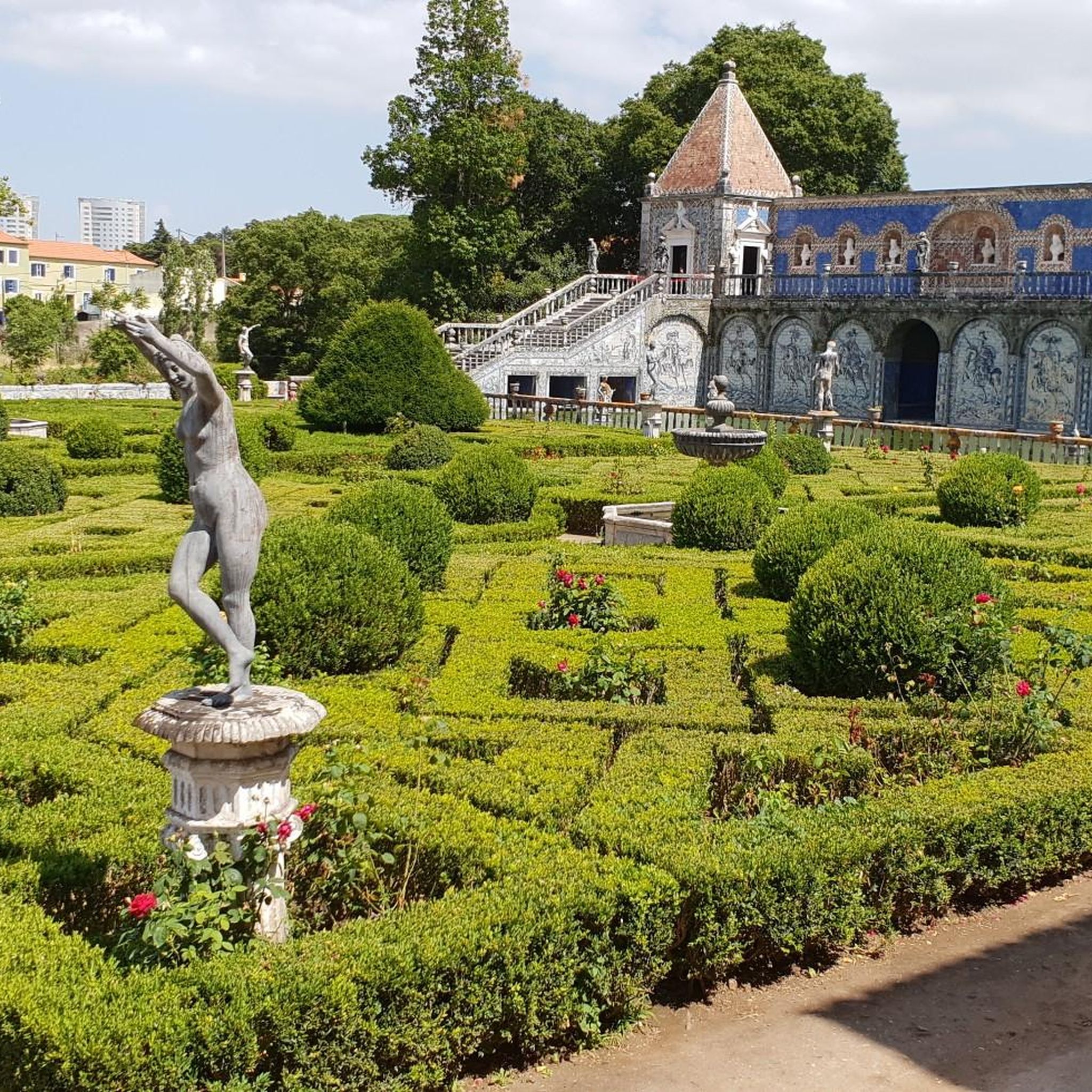
The National Palace of Queluz is enchanting for its grandeur and the exuberance of its architectural details. Closely linked to the experiences of three generations of the Portuguese Royal Family, and the scene of intense emotions, the palace reflects the evolution of tastes and styles of the time, including Baroque, Rococo and Neoclassicism. Surrounding it, scenic gardens invite you to “stroll” back to the time when the court organised sumptuous parties there and preserve memories of gondola rides on the canal, theatre, hunting, musical and literary evenings, masked balls, games and open-air performances. A dreamlike setting, enlivened by waterfalls and delicate water features.
1
1
The National Palace of Queluz charms whether for its imposing nature or the sheer exuberance of its architectural details closely bound up with the lives of three generations of the Portuguese Royal Family and the scene of intense emotions. The Palace furthermore reflects the evolution in the tastes and styles over different period, moving from the Baroque to the Rococo and onto Neoclassicism. Its surrounding scenic gardens invite you for a “stroll” through a period in which the court organised sumptuous parties and that hold the memories of trips by gondola along the canal, theatre, hunting, musical and literary performances, masked balls, games and open-air recitals. A dreamlike scenario, animated by the waterfalls and delicate water games.
1
1

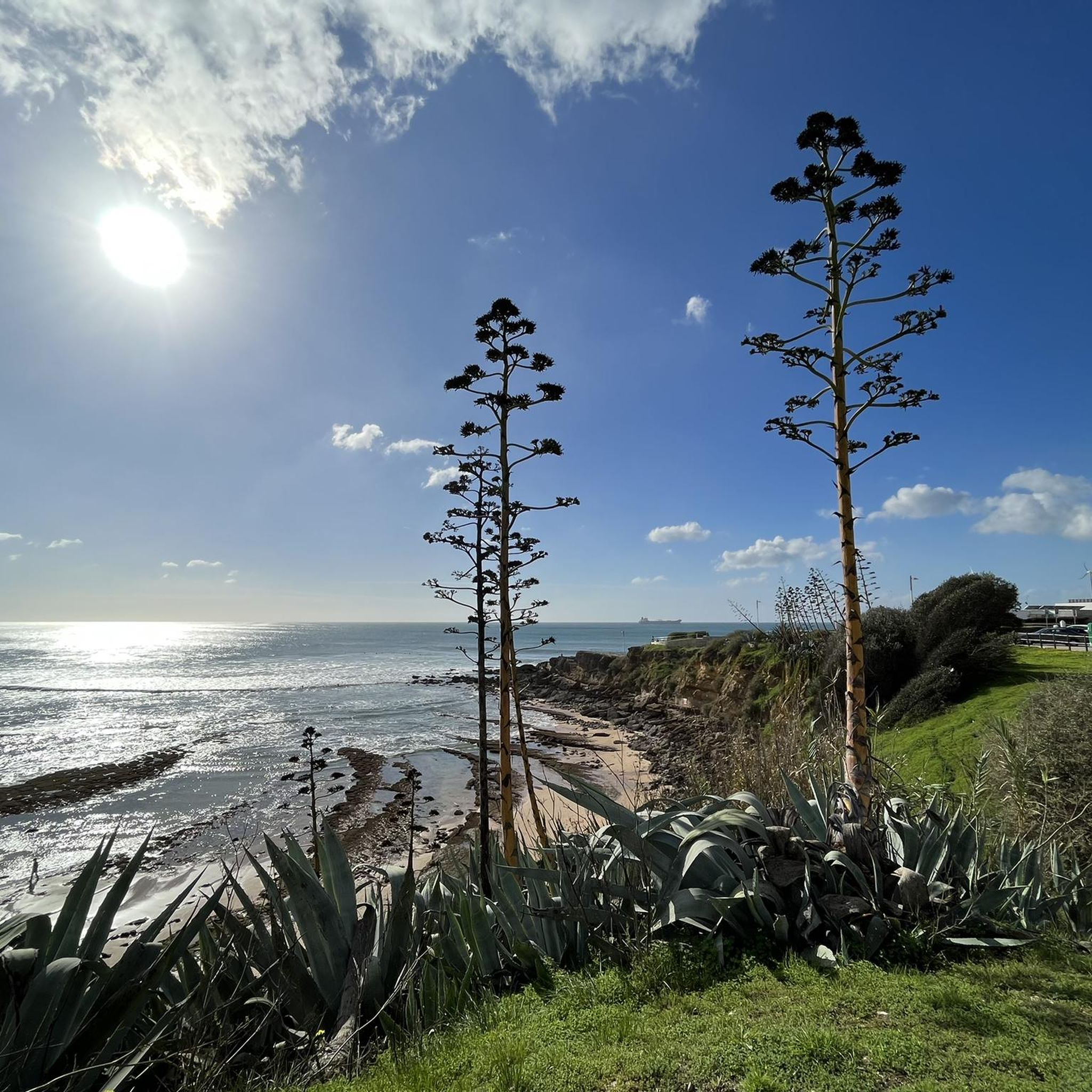
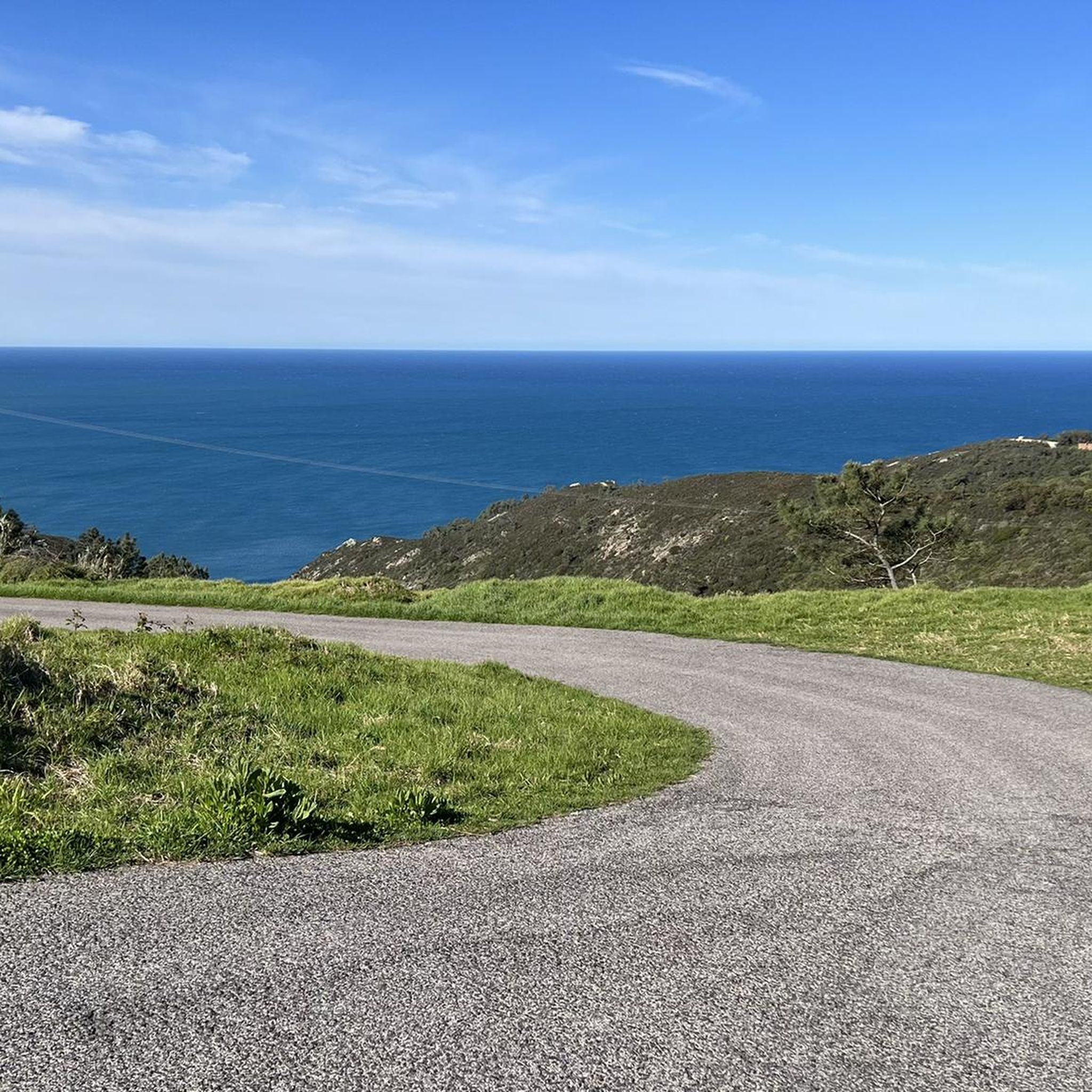
beautiful here along the Atlantic
2
0

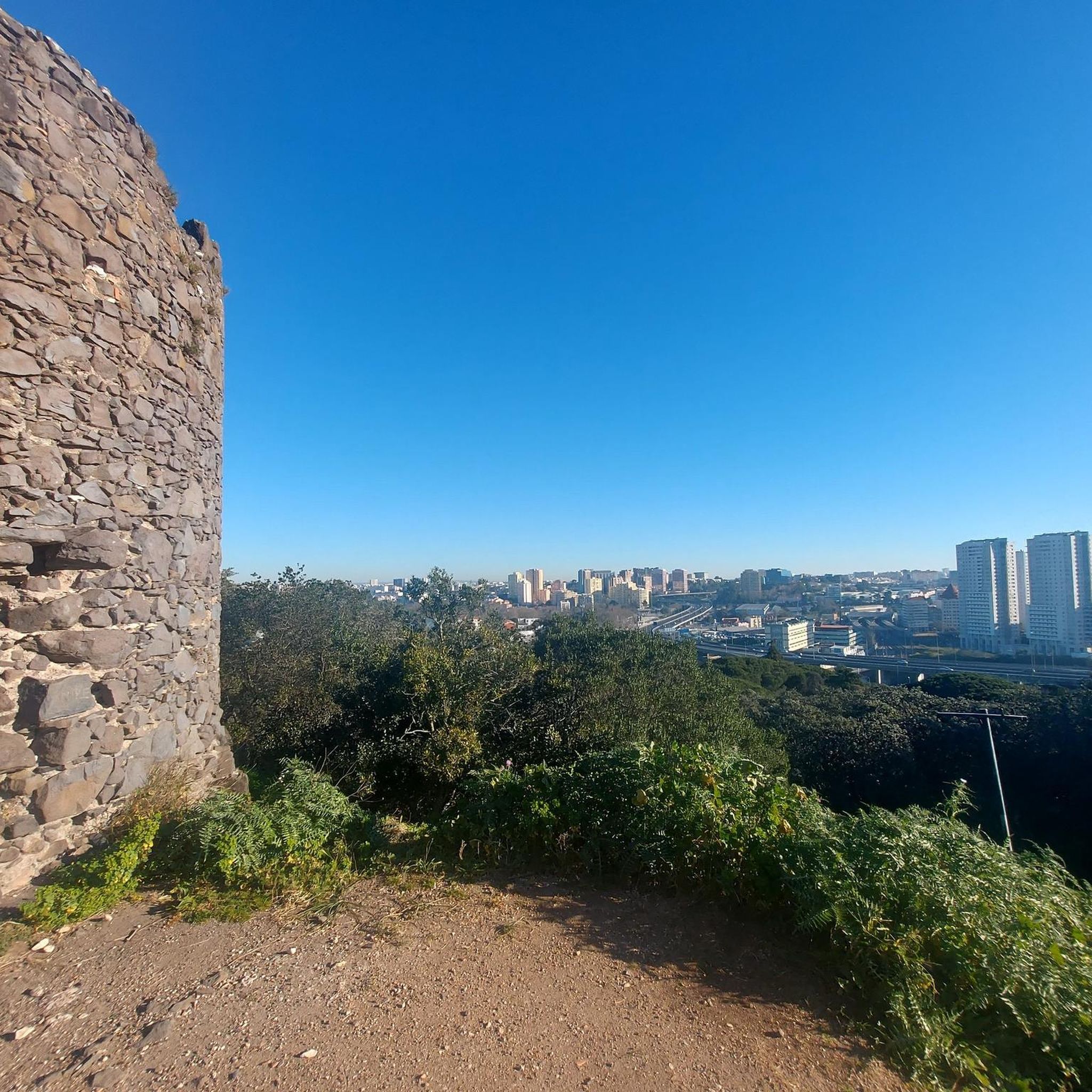
The Forte do Bom Sucesso is a historic fortification located in Lisbon, Portugal. It was built in the 17th century to protect the city of Lisbon from sea attacks. It is located in the Belém area of Lisbon, next to the Tagus River. It was built between 1660 and 1670, during the reign of King Afonso VI. The fort is a stone and earth structure, with a pentagonal shape and a central tower and was equipped with cannons and other weapons to defend the city of Lisbon.
0
1

The Belém Tower is one of the most iconic monuments in Lisbon, Portugal. Built between 1515 and 1519 by architect Francisco de Arruda, this Manueline-style tower was originally a fortress intended to protect the entrance to the port of Lisbon across the Tagus River. Over time, the tower also served as a tax collection center, a lighthouse, and a prison. In 1983, it was declared a UNESCO World Heritage Site along with the nearby Jerónimos Monastery.
17
3
The Belém Tower is a 16th-century military construction designed by Francisco de Arruda and Diogo de Boitaca. It played a crucial role during the Age of Discovery as a fortress and port. Throughout its history, it has served as a prison, lighthouse, and tax collection center. Along with the Jerónimos Monastery, it was declared a UNESCO World Heritage Site in 1983. I hope this information is useful to you! 😊
19
2

Beautiful royal castle in an otherwise rather inconspicuous suburb.
0
0
The Belém Tower is a 16th-century military construction designed by Francisco de Arruda and Diogo de Boitaca. It played a crucial role during the Age of Discovery as a fortress and port. Throughout its history, it has served as a prison, lighthouse, and tax collection center. Along with the Jerónimos Monastery, it was declared a UNESCO World Heritage Site in 1983. I hope this information is useful to you! 😊
25
1
Frequently Asked Questions
What types of historical sites can I visit around São Domingos de Benfica?
São Domingos de Benfica and its surroundings offer a rich variety of historical sites, including magnificent palaces, manor houses, and defensive forts. You can explore 17th-century Baroque palaces like the Palace of the Marquesses of Fronteira, 19th-century manor houses such as Beau-Séjour Palace, and significant fortifications like the Belém Tower and the Fort of São Bruno at Caxias Beach. These sites provide a glimpse into different periods of Portuguese history and aristocracy.
Are there family-friendly historical sites or castles in the area?
Yes, several historical sites around São Domingos de Benfica are suitable for families. The Belém Tower and Caxias Beach (with the Fort of São Bruno) are both listed as family-friendly. The Bom Sucesso Fort, which houses the Combatant's Museum, also offers engaging exhibits for various ages. Additionally, the extensive gardens of the Palace of the Marquesses of Fronteira can be a pleasant experience for families.
Which historical sites offer the best views?
For panoramic views, St. George's Castle, located on the highest hill in the Alfama neighborhood, is an excellent choice. The Belém Tower also provides scenic views of the Tagus Estuary. Caxias Beach, with its fort, offers views of the river and coastline.
What are some less crowded historical sites to visit?
While popular sites can draw crowds, the Palace of the Marquesses of Fronteira is often considered one of Portugal's most beautiful and less crowded treasures, offering a tranquil escape. It provides a rare insight into the lavish lifestyle of Portuguese nobility with its stunning Baroque gardens and unique azulejo tiles.
How can I reach these historical sites using public transport?
Many historical sites in Lisbon are accessible via public transport. For example, the Palace of the Marquesses of Fronteira is located within São Domingos de Benfica, and local buses or metro lines can get you close. St. George's Castle is reachable by walking or taking trams/buses up the hill in Alfama. The Belém Tower is well-served by trams and buses from central Lisbon.
Are there any historical sites with significant gardens or natural features?
Absolutely. The Palace of the Marquesses of Fronteira is renowned for its stunning Baroque gardens, adorned with fountains, lakes, and statues, providing a beautiful natural setting. The Beau-Séjour Palace is also situated within an estate (Quinta) with a garden. The Palace of the Counts of Farrobo features carefully arranged grounds, reflecting the artistic tastes of its period.
What outdoor activities can I do near these historical sites?
The area around São Domingos de Benfica offers various outdoor activities. You can find numerous cycling routes, including easy, moderate, and difficult options, such as the 'Caxias Beach – Municipal Square loop' or the 'Magic Path – Panorâmico de Monsanto loop'. There are also easy hiking trails, like the 'Golf loop from National Library of Portugal' or routes around the Lisbon Zoo. For more details, explore the Cycling around São Domingos De Benfica, Road Cycling Routes around São Domingos De Benfica, and Easy hikes around São Domingos De Benfica guides.
What is the best season to visit the historical sites around São Domingos de Benfica?
Lisbon generally enjoys mild weather, making visits pleasant throughout much of the year. Spring (April-May) and early autumn (September-October) are often ideal, with comfortable temperatures and fewer crowds than the peak summer months. These seasons are perfect for exploring gardens and outdoor areas without excessive heat.
Are there options for dining or refreshments near these historical sites?
Yes, you'll find various dining options. For example, Casa do Alentejo, a beautiful 17th-century Moorish mansion, houses a restaurant serving typical Portuguese dishes. The areas around popular sites like St. George's Castle and Belém Tower also have numerous cafes and restaurants catering to visitors.
Can I find historical sites that are wheelchair accessible?
Accessibility varies by site. While some older structures may have limitations due to their historical nature, modern renovations often include accessibility features. It is advisable to check specific site information for detailed accessibility options. For example, the grounds and some areas of the Palace of the Marquesses of Fronteira might be more accessible than the interior of very old castles.
What is the historical significance of the palaces in São Domingos de Benfica?
The palaces in São Domingos de Benfica, such as the Palace of the Marquesses of Fronteira, Beau-Séjour Palace, and Palace of the Counts of Farrobo, are significant for showcasing the lavish lifestyle, architectural styles, and artistic tastes of Portuguese nobility from the 17th to 19th centuries. They reflect the area's long-standing appeal to the elite, with some even serving as summer residences for sovereigns, highlighting centuries of Portuguese heritage and aristocratic culture.
What makes the Palace of the Marquesses of Fronteira unique?
The Palace of the Marquesses of Fronteira stands out for its stunning 17th-century Baroque gardens, which are adorned with fountains, lakes, and statues. It also features unique and well-preserved rocaille decorations and 17th-century azulejo tiles, particularly in the Sala dos Painéis Holandeses (Dutch Panel Room) and the Sala das Batalhas (Battle Room). It offers a rare insight into the lavish lifestyle of Portuguese nobility and is considered one of Portugal's most beautiful and less crowded historical treasures.
Is there parking available at these historical sites?
Parking availability varies. In central Lisbon areas near sites like St. George's Castle or Belém Tower, street parking can be limited, and paid parking garages are common. For sites like the Palace of the Marquesses of Fronteira, there might be more direct parking options, but it's always best to check specific venue information beforehand.
What do visitors appreciate most about the historical sites in São Domingos de Benfica?
Visitors frequently appreciate the rich history and architectural beauty of the sites. For example, the Belém Tower is recognized as an iconic symbol of Lisbon and its Manueline architecture. St. George's Castle is loved for its historical exploration and panoramic views. The well-preserved nature of sites like the Fort of São Bruno at Caxias Beach and the unique gardens of the Palace of the Marquesses of Fronteira also receive high praise.
Most popular routes around São Domingos De Benfica
Most popular attractions around São Domingos De Benfica

Get inspired with the komoot mobile app


Explore more
Looking for the best castles somewhere else? Discover other guides around São Domingos De Benfica:
