Top 6 Lakes around Vilar
Lakes around Vilar offer a diverse range of water features, from artificial lagoons to quarry lakes. The region features a landscape where water bodies often serve historical or agricultural purposes, providing unique natural and man-made attractions. These lakes are integrated into areas with local flora and fauna, making them suitable for quiet exploration. Visitors can find a mix of family-friendly spots and more challenging terrains.
Best lakes around Vilar
- The most popular lakes is Lagoa de Alcoentre, an artificial…
Last updated: August 24, 2026
Lagoa de Alcoentre
Highlight • Lake
Translated by Google •
Tip by

Cabeço de Meca Quarry Lake
Highlight (Segment) • Lake
Translated by Google •
Tip by
Sign up now to discover places like this
Get recommendations on the best single tracks, peaks, & plenty of other exciting outdoor places.
Sign up for free
Quinta de Santo António Dam - Sobrena
Highlight • Monument
The dam is an …
Translated by Google •
Tip by
Malhada dos Touros
Highlight • Natural
Translated by Google •
Tip by
Azambuja Artificial Lagoon
Highlight • Lake
Translated by Google •
Tip by
Sign up for free to discover even more lakes around Vilar.
Sign up for free
Already have an account?
Start today with a free account
Your next adventure awaits.
Login or Signup

Tips from the Community

Artificial lake, with a very pleasant surrounding area. In summer, especially at weekends, the area is very popular with families and groups for picnics. Note: The description below seems to refer to another place, which I think is the Ermida Bridge
2
0
Small artificial lake, where we can sometimes see some wild birds. There is a shooting range nearby, if you hear gunshots, be careful.
3
0

Surrounded by beautiful and abundant trees, it is a bridge with a Romanesque arch. There are several theories regarding its construction; some argue that it was built during the reign of D. João II, in order to facilitate the King's movement when he went to meet Queen D. Leonor for a swim in Caldas, while others claim that it was built in the 19th century due to a technical issue, namely its width. Interestingly, this bridge supports two enormous pine trees at the top of the road.
1
1
Artificial lake, with a very pleasant surrounding area. In summer, especially at weekends, the area is very popular with families and groups for picnics.
1
0
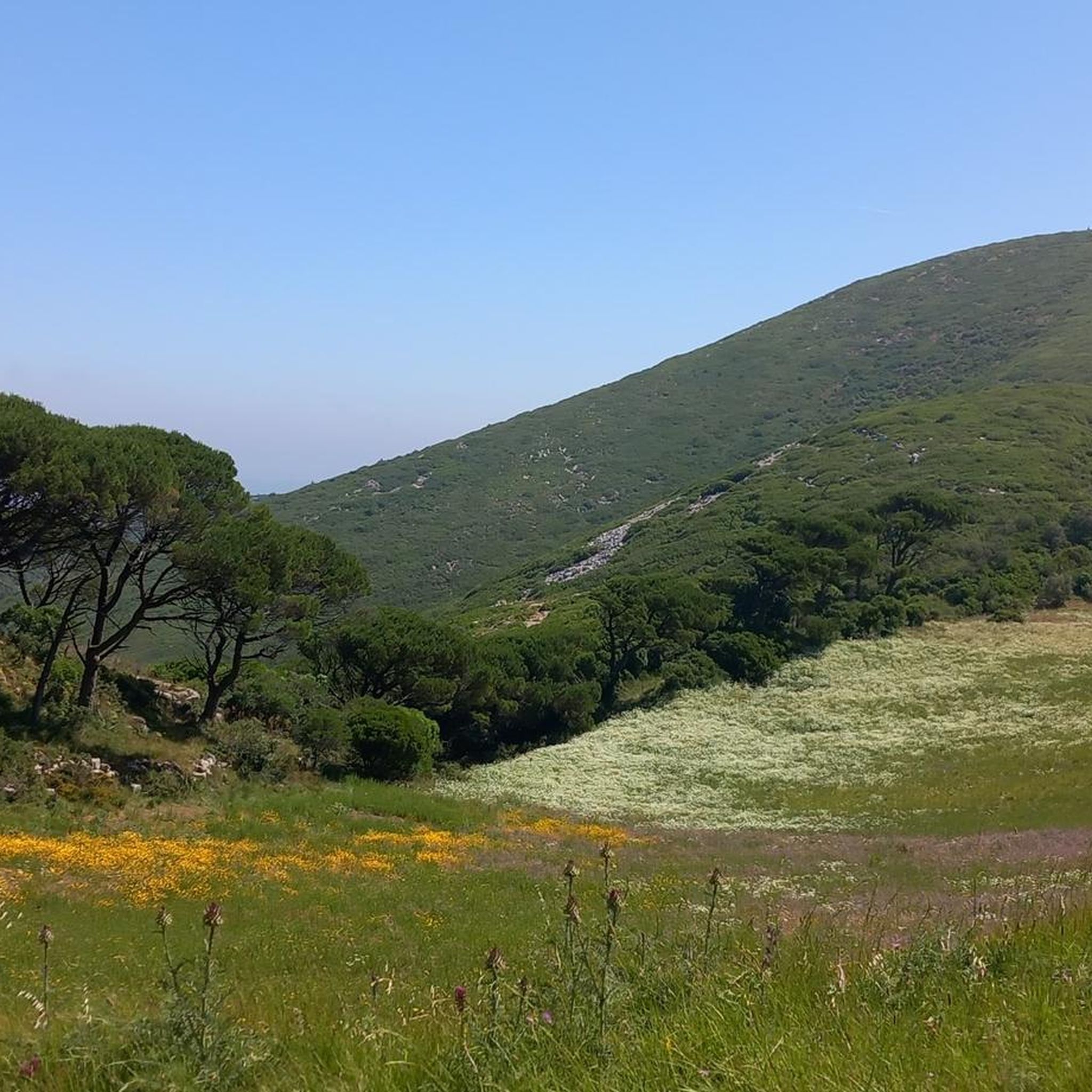
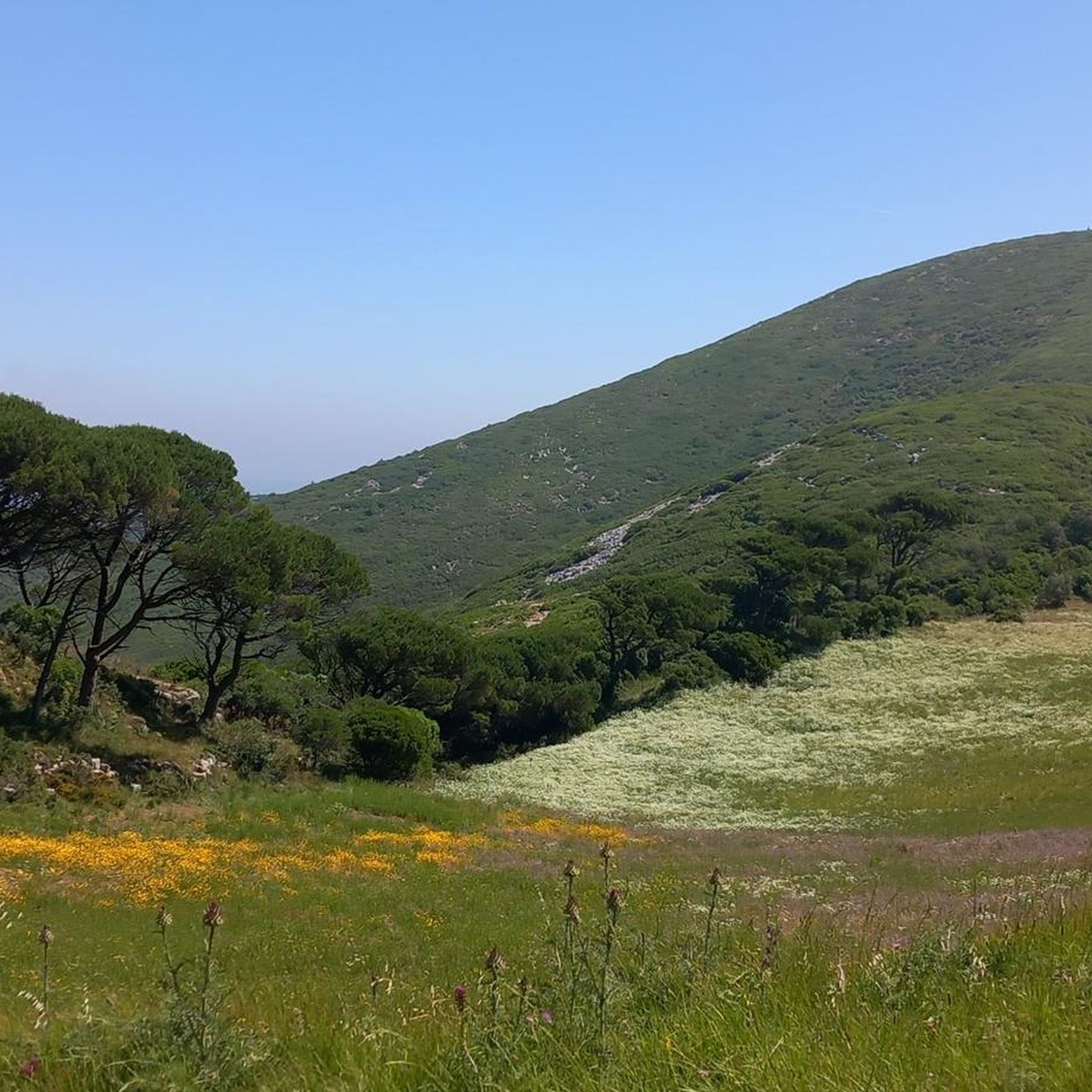
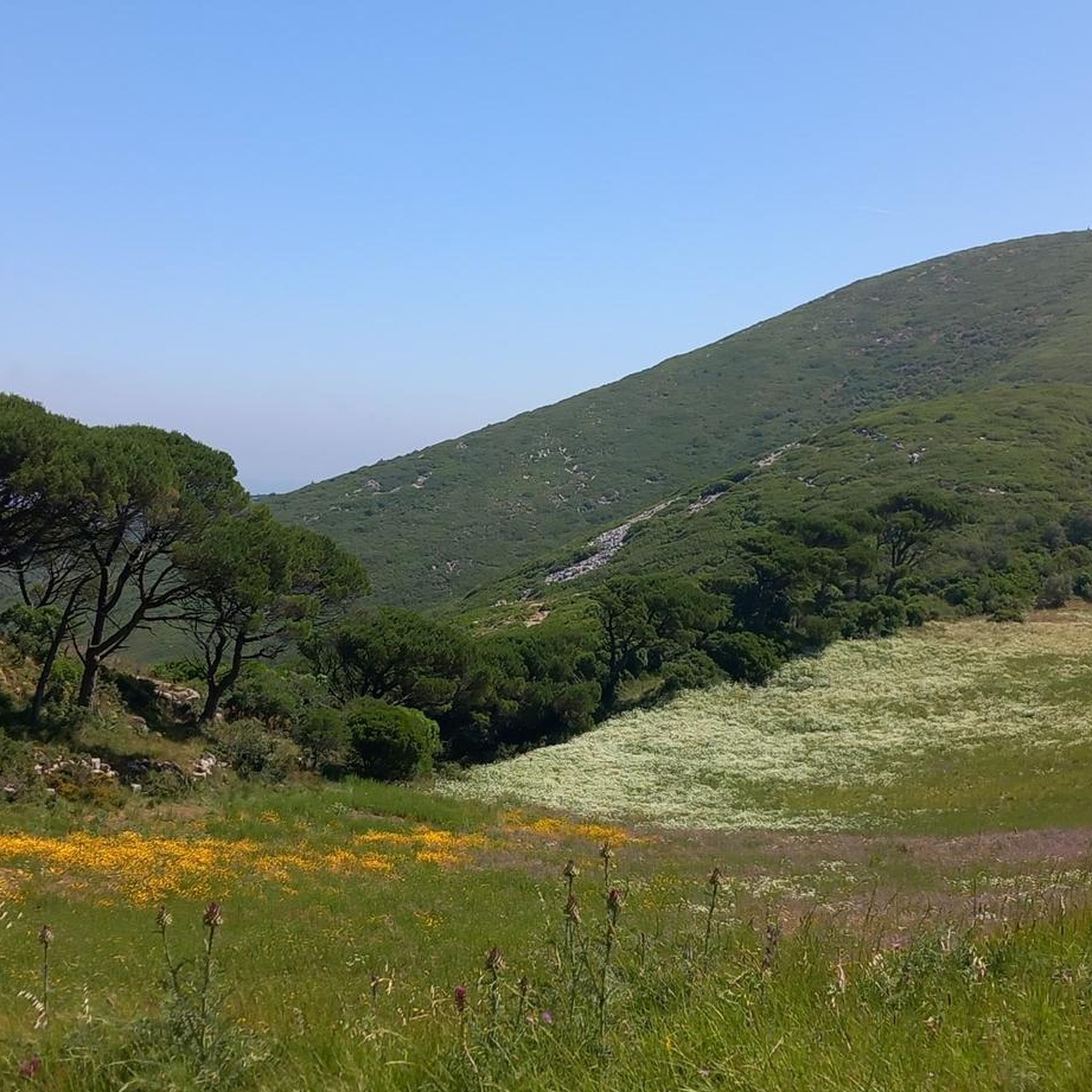
This area, which is home to vast meadows, owes its name to the fact that in the past (80 or 90 years ago) it was a place where wild cattle were allowed to graze freely. Next to a small lake created to retain rainwater (surface water is rare in the Serra de Montejunto, as it is a mountain made up mostly of limestone), you can still see the ruins of an old stable where the animals spent the night to protect themselves from the cold. Today, this area, especially in the autumn and winter months, is used as a grazing area for goats and sheep. In the spring and summer, these fertile meadows are used by the populations of the nearby villages (Cercal and Rocha Forte) to grow crops such as potatoes and other dryland crops.
5
0
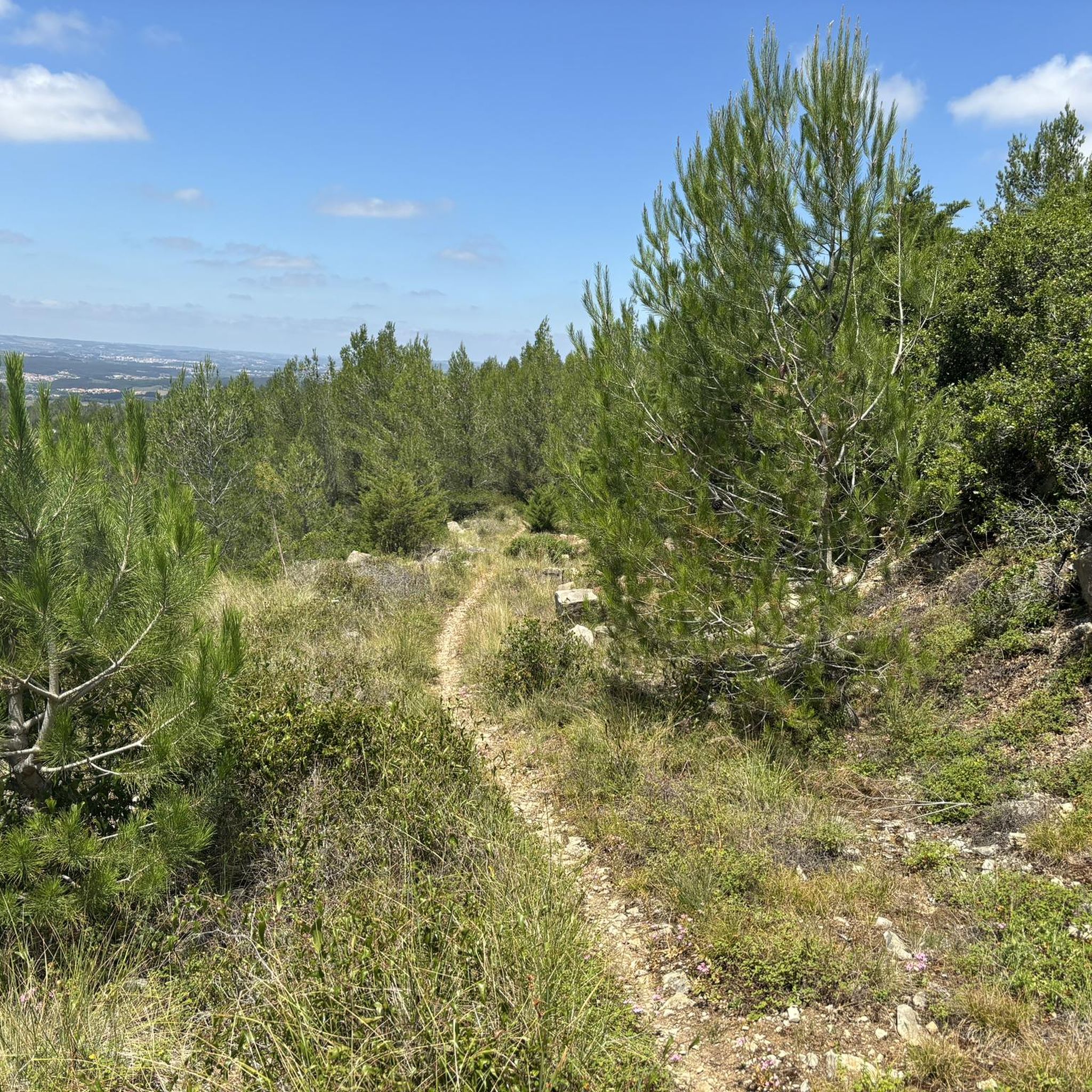
At the top of Mount Mecca, there was once, I believe it was still working in the 90s, a basalt quarry. it has been closed and has barbed wire to prevent people from entering. As I found out, there were people who went there to bathe, but there was someone who cut part of that fence, and you can get there by bike. The panorama is amazing...
1
0
This crater is located in the place usually known as Cabeço de Meca or Cabeço de Santa Quitéria, and is classified as having been a volcanic chimney. This chimney, which was operated as a quarry for the extraction of basaltic material for years, is currently unprotected, as a result of the impasse caused by the PARP, leaving visible the industrial structures that support this extraction, such as a lake in the center of its crater, also a consequence of the same exploitation.
2
0
Built in 1997, the Sobrena (Cadaval) dam never filled. It was expected to irrigate 100 hectares of agricultural land, benefiting 120 farmers, mainly Rocha pear producers. The dam is an exposed ruin, with the support buildings invaded by brambles and a wall from which a pond can be seen in the place where a reservoir should have been. All around you can see eucalyptus trees. And these trees are precisely one of the reasons for the failure of this investment of more than two million euros.
2
0
Frequently Asked Questions
What types of lakes can I explore around Vilar?
The Vilar region offers a diverse range of water features, including artificial lagoons, quarry lakes, and small lakes created for rainwater retention. These lakes often serve historical or agricultural purposes, providing unique natural and man-made attractions integrated into areas with local flora and fauna.
Are there family-friendly lakes around Vilar?
Yes, Lagoa de Alcoentre is an artificial lake with a very pleasant surrounding area, popular with families and groups for picnics, especially in summer.
What outdoor activities can I do near the lakes around Vilar?
Beyond exploring the lakes themselves, you can find various outdoor activities. For running, consider trails like the 'Serra de Montejunto Windmills Trail' or 'Quinta da Serra Trail'. Cycling enthusiasts can explore routes such as the 'Pink House with Bougainvillea – Castelo de Torres Vedras loop' for road cycling or the 'Quinta da Abrigada – View of Serra de Montejunto loop' for touring. You can find more details on these routes in the Running Trails around Vilar, Road Cycling Routes around Vilar, and Cycling around Vilar guides.
Are there any unique natural features or hidden gems among the lakes near Vilar?
Yes, Cabeço de Meca Quarry Lake is a unique site, classified as a former volcanic chimney that was operated as a quarry. It now features a lake in the center of its crater. Another interesting spot is Malhada dos Touros, an area with vast meadows and a small lake created to retain rainwater, where you can also see the ruins of an old stable.
Can I see wildlife around the lakes in Vilar?
Yes, the lakes are integrated into areas with local flora and fauna. For instance, the Azambuja Artificial Lagoon is known for occasional sightings of wild birds.
What is the best time to visit the lakes around Vilar?
Many of the lakes, such as Lagoa de Alcoentre, are particularly popular in summer, especially on weekends, for picnics and enjoying the pleasant surroundings. However, the autumn and winter months can also be ideal for quieter exploration and observing local wildlife, especially in areas like Malhada dos Touros where the fertile meadows are used for grazing.
Are there any historical or cultural points of interest near the lakes?
Yes, near Malhada dos Touros, you can find the ruins of an old stable where wild cattle used to spend the night. Additionally, the region of Vilar da Veiga, close to Peneda-Gerês National Park, features sites like 'Fojo do Lobo' (an old wolf hunting structure) and ancient 'levadas' (irrigation channels) near Sete Lagoas, and the submerged village of Vilarinho das Furnas Lake, which can sometimes be seen during low water periods.
Are there any dams or artificial water bodies worth visiting?
Yes, the region has several artificial water bodies. The Quinta de Santo António Dam - Sobrena, though an exposed ruin, offers a unique perspective on a large-scale agricultural project. The Azambuja Artificial Lagoon is another example of a man-made lake integrated into the landscape.
What kind of terrain can I expect when exploring the lakes?
The terrain around the lakes varies. Some areas, like Lagoa de Alcoentre, offer pleasant, flat surroundings suitable for picnics. Other locations, such as Cabeço de Meca Quarry Lake, involve more challenging terrain due to their quarry origins. Generally, the lakes are integrated into areas with local flora and fauna, offering a mix of easy and more challenging exploration.
Are there opportunities for quiet reflection or unwinding near the lakes?
Absolutely. Many of the lakes around Vilar are suitable for quiet exploration. For example, the lesser-known Lagoa do Vilar in Trás-os-Montes is described as a peaceful haven surrounded by forest and rich in birdlife, perfect for quiet picnics or simply unwinding.
What do visitors enjoy most about the lakes around Vilar?
Visitors appreciate the diverse range of water features, from artificial lagoons to quarry lakes, and the unique blend of natural and man-made attractions. The pleasant surrounding areas, opportunities for picnics, and the chance to observe local flora and fauna are frequently highlighted. The komoot community has shared 35 photos and given 2 upvotes to the highlights, indicating a positive experience.
Most popular attractions around Vilar

Get inspired with the komoot mobile app


Explore more
Still not found your perfect lake around Vilar? Check out the guides of these regions to see even more beautiful places.
