The 4 Most Amazing Peaks around Cabeça
Best mountain peaks around Cabeça are situated within the Serra da Estrela mountain range, Portugal's highest. The village of Cabeça is nestled on a granite hill, providing a characteristic mountain village atmosphere. This region is known for its steep slopes and prominent granite formations. Visitors can explore a variety of elevated features, from high summits to unique rock formations.
Best mountain peaks around Cabeça
- The most popular mountain peaks is Cântaro Magro, a natural monument that is one of…
Last updated: August 10, 2026
Torre (Serra da Estrela Summit)
Highlight • Summit
Tip by

Cântaro Magro
Highlight • Natural Monument
Translated by Google •
Tip by

Sign up now to discover places like this
Get recommendations on the best single tracks, peaks, & plenty of other exciting outdoor places.
Sign up for free
Torre (1993 m)
Highlight • Summit
Translated by Google •
Tip by

Panoramic View of Serra da Lousã
Highlight (Segment) • Viewpoint
Translated by Google •
Tip by

Start today with a free account
Your next adventure awaits.
Login or Signup
Other adventures around Cabeça

Tips from the Community

The Torre is the highest point of Continental Portugal, at 1,993 meters above sea level. It is located in the heart of the Serra da Estrela Natural Park and serves as the dividing line between the municipalities of Seia, Manteigas, and Covilhã. To reach the round 2,000 meters, King D. João VI had a stone monument built at the top of the plateau in the early 19th century.👍🥾
0
0
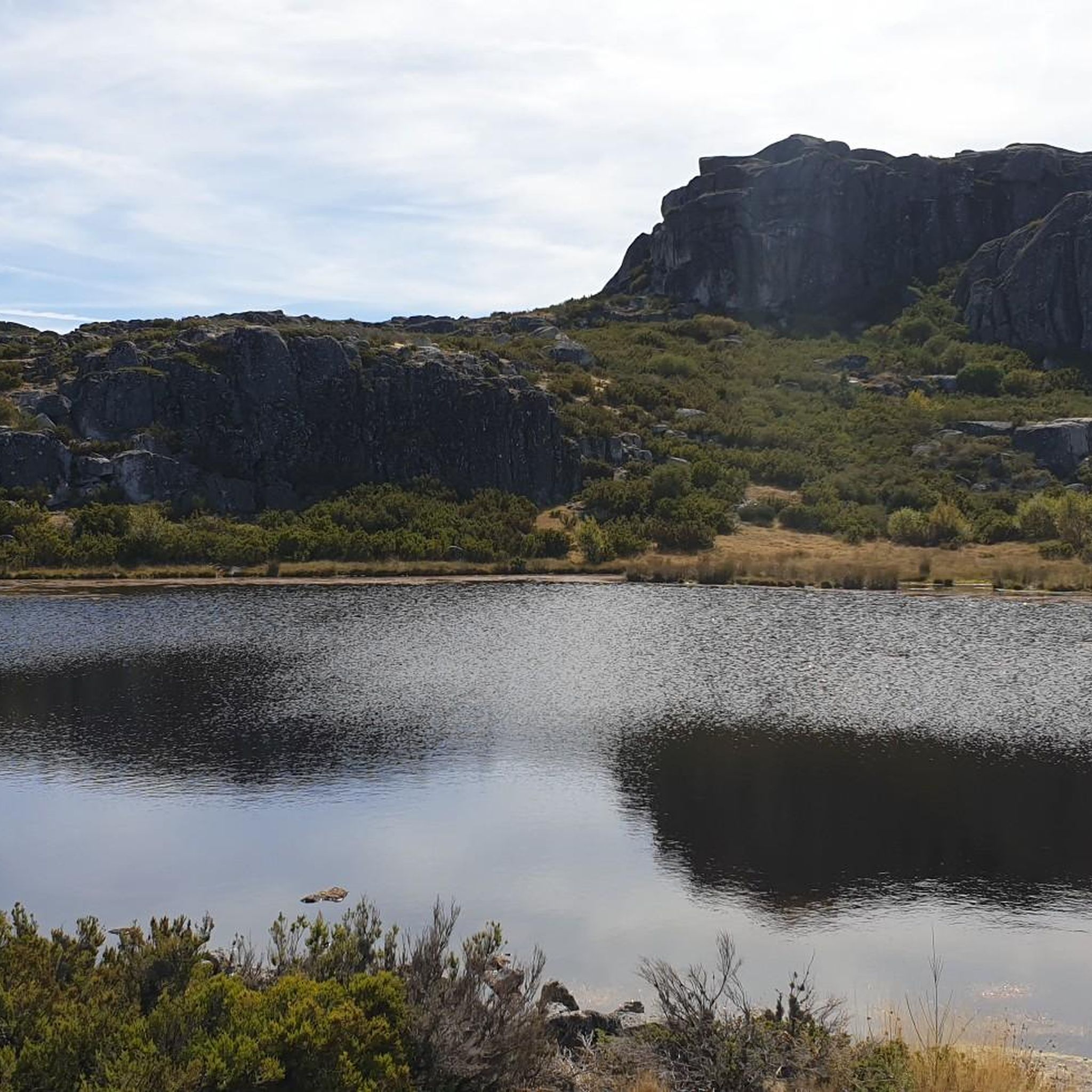
Cântaro Magro is one of the "commonplaces" of the Serra da Estrela mountain range, whose summit rises to 1928 m altitude, deserving a visit at any time of year. Viewed from west to east, its silhouette resembles a pitcher. In summer, its rocky face is interrupted by small terraces of soil, where some of the rarest botanical jewels of the mountain range grow. In winter, it is covered in snow and ice which, as they melt, form ephemeral waterfalls. These recall the overflowing liquid from the pitchers carried on the heads of women when, in the past, they went to the fountains. #CISE #VisitSeia #ParqueNaturaldaSerradaEstrela
0
0

The Serra da Estrela Natural Park is something truly special. This 1,000-square-kilometer park, spread across six municipalities, was the first and currently the largest protected natural park in Portugal. It is home to the highest point on the Portuguese mainland, the country's only ski slope, the source of two important rivers, and a fascinating, alpine-like landscape formed by glaciers.
5
1
At exactly 1993 meters above sea level, Torre is the highest point in mainland Portugal, where the only ski resort is located. The landscape on the upper plateau of the Serra da Estrela is like a sprinkling of granite rocks over low scrub and patches of snow and ice, which the sun threatens to melt soon in the summer and which always returns the following winter. In winter, it sometimes becomes inaccessible.
6
0

Cântaro Magro is one of the most iconic and spectacular rock formations in the Serra da Estrela, the highest mountain range in mainland Portugal. This imposing granite spire is the result of millions of years of glacial erosion and weathering. Its name, which means "Skinny Pitcher", perfectly describes its slender and elongated silhouette.
3
0

We were lucky with the weather, bright sunshine. There was still a lot of snow in May, children were able to borrow a bobsleigh and play in the snow. At a cool 8°C!!
10
3

On the way to the summit, look on your right side. Cantaro Magro.
1
0

It´s the highest point in Portugal (continental)
4
0
Frequently Asked Questions
What are the most popular mountain peaks and viewpoints around Cabeça?
The most popular mountain peaks and viewpoints in the region include Cântaro Magro, an iconic granite spire, and Torre (Serra da Estrela Summit), the highest point in mainland Portugal. Visitors also highly appreciate the Panoramic View of Serra da Lousã for its extensive vistas.
Are there family-friendly mountain peaks or viewpoints near Cabeça?
Yes, Torre (Serra da Estrela Summit) is considered family-friendly. You can drive close to the summit and walk a short distance to the top, making it accessible for most visitors. It also has facilities nearby.
What kind of natural rock formations can I see around Cabeça?
The region is known for its prominent granite formations. A prime example is Cântaro Magro, an imposing granite spire formed by millions of years of glacial erosion and weathering, known for its slender silhouette.
What is the highest point in mainland Portugal near Cabeça?
The highest point in mainland Portugal is Torre (Serra da Estrela Summit), standing at 1993 meters above sea level. It's easily accessible, as you can drive close to the top.
What outdoor activities can I do near the mountain peaks around Cabeça?
The area around Cabeça offers a variety of outdoor activities. You can explore numerous running trails, such as the challenging Oh Meu Deus 50k Trail, or opt for easier hikes like the Tour da Eira (PR 4). Road cycling is also popular, with routes like the Covão do Ferro Lagoon – Serra da Estrela loop. For more details, check the guides for Running Trails around Cabeça, Easy hikes around Cabeça, and Road Cycling Routes around Cabeça.
Are there hiking trails for different difficulty levels around Cabeça?
Yes, the region caters to various hiking abilities. You can find challenging routes like the Pico da Serra da Estrela loop from Loriga for experienced hikers, or easier options such as the Tour da Eira (PR 4) and the Ribeira de Loriga loop from Cabeça. For more options, refer to the Easy hikes around Cabeça guide.
What do visitors enjoy most about the mountain peaks around Cabeça?
Visitors particularly enjoy the stunning panoramic views, the unique geological formations like Cântaro Magro, and the accessibility of the highest point, Torre. The characteristic mountain village atmosphere of Cabeça itself, especially during festive seasons, also adds to the appeal.
Can I find challenging climbs among the peaks near Cabeça?
Absolutely. Cântaro Magro is known for offering challenging experiences. The broader Serra da Estrela range, where these peaks are located, features steep slopes and rugged terrain suitable for more experienced climbers and hikers.
Is there a specific village named Cabeça associated with these mountains?
Yes, the village of Cabeça in the Center of Portugal is nestled on a curvy granite hill within the Serra da Estrela mountain range. It's known for its charming mountain atmosphere and unique Christmas celebrations using natural materials from the surrounding area.
What are the best viewpoints for panoramic scenery around Cabeça?
For extensive panoramic views, the Panoramic View of Serra da Lousã is highly recommended. Additionally, the higher ridges of the Serra da Estrela, particularly near Torre, offer broad vistas of the surrounding landscape.
Are there any unique geological features to explore near Cabeça?
The region is rich in geological interest, primarily due to its granite formations. Cântaro Magro is a prime example of a unique granite spire, showcasing millions of years of glacial erosion and weathering. The entire Serra da Estrela range features prominent granite and schist walls.
What is the best time to visit the mountain peaks around Cabeça?
The Serra da Estrela region offers different experiences depending on the season. While specific 'best times' for hiking aren't detailed, the area is known for snow and ice in winter, which can sometimes make higher elevations inaccessible. For general outdoor activities, spring and autumn typically offer milder weather. The village of Cabeça is particularly charming during its Christmas celebrations.
Are there options for road cycling near the mountain peaks around Cabeça?
Yes, the area is a cycling paradise. There are several road cycling routes, including challenging ones like the Covão do Ferro Lagoon – Serra da Estrela loop (80.9 km) and the Mural A Farrapeira – Jardim do Lago loop (99.6 km). You can find more details in the Road Cycling Routes around Cabeça guide.
Most popular attractions around Cabeça

Get inspired with the komoot mobile app


