Top 11 Castles around Porches
Best castles around Porches are found in a region known for its strategic coastal locations and rich history. The area offers a variety of fortifications, from ancient defenses to later reconstructions, reflecting centuries of military significance and cultural heritage. These sites often provide panoramic views of the Atlantic Ocean and the Algarve coastline. The most notable historical fortification directly in the area is the Fort of Nossa Senhora da Rocha, strategically perched on a rocky promontory.
Best castles around Porches
…Last updated: October 17, 2026
Silves Castle
Highlight • Castle
Translated by Google •
Tip by

Silves Historic Centre
Highlight • Historical Site
The castle has something, but looks like it's only a few years old, that's how well it's been restored.
Translated by Google •
Tip by

Sign up now to discover places like this
Get recommendations on the best single tracks, peaks, & plenty of other exciting outdoor places.
São João do Arade Castle
Highlight • Castle
Translated by Google •
Tip by

Castle of S. João de Arade 🏰 Angrinha Beach
Highlight • Castle
Translated by Google •
Tip by

Silves, the oldest city in the Algarve 🇵🇹
Highlight • Settlement
Translated by Google •
Tip by

Sign up for free to discover even more castles around Porches.
Already have an account?
Start today with a free account
Your next adventure awaits.
Tips from the Community

Very beautiful city center with a long history and many interesting buildings
0
0

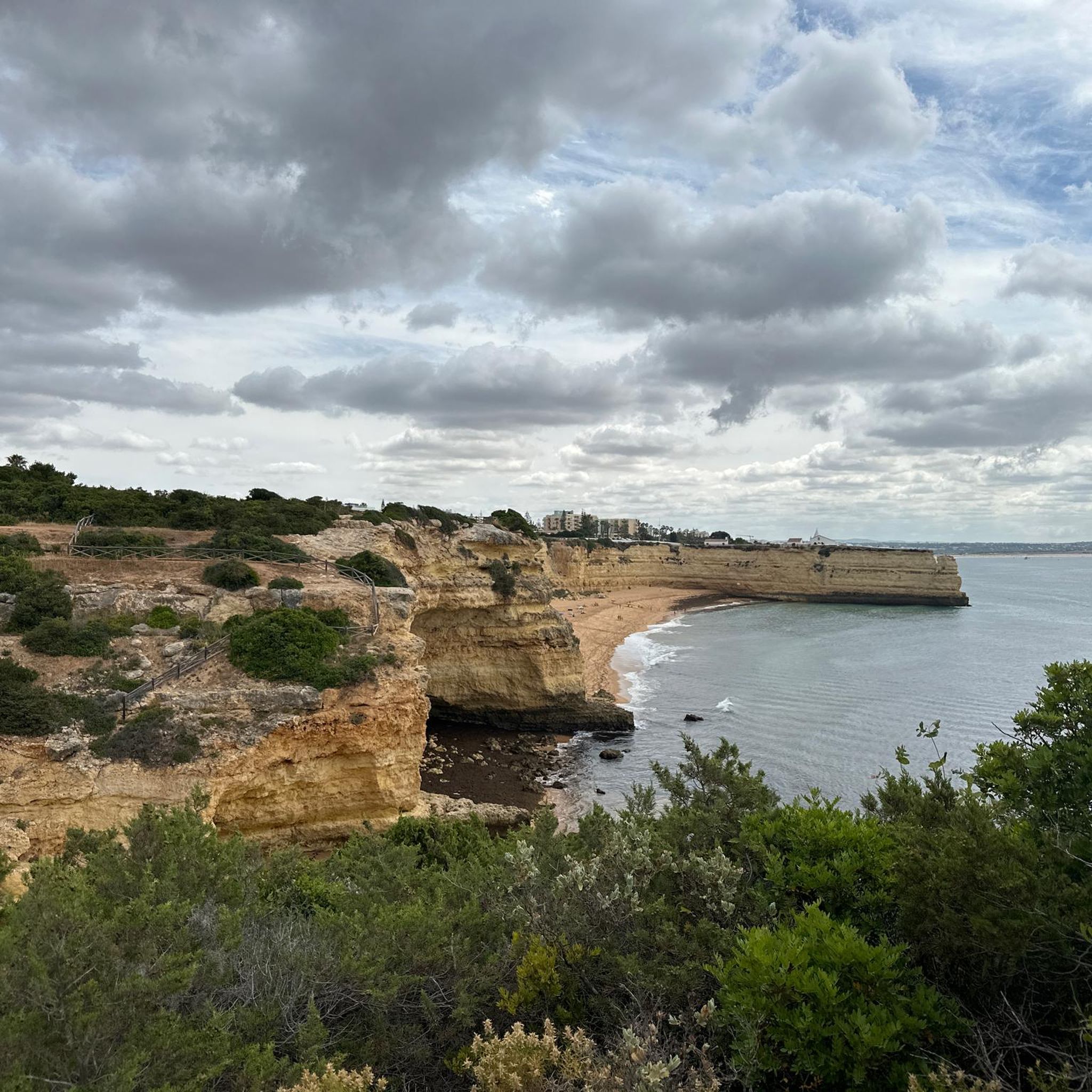
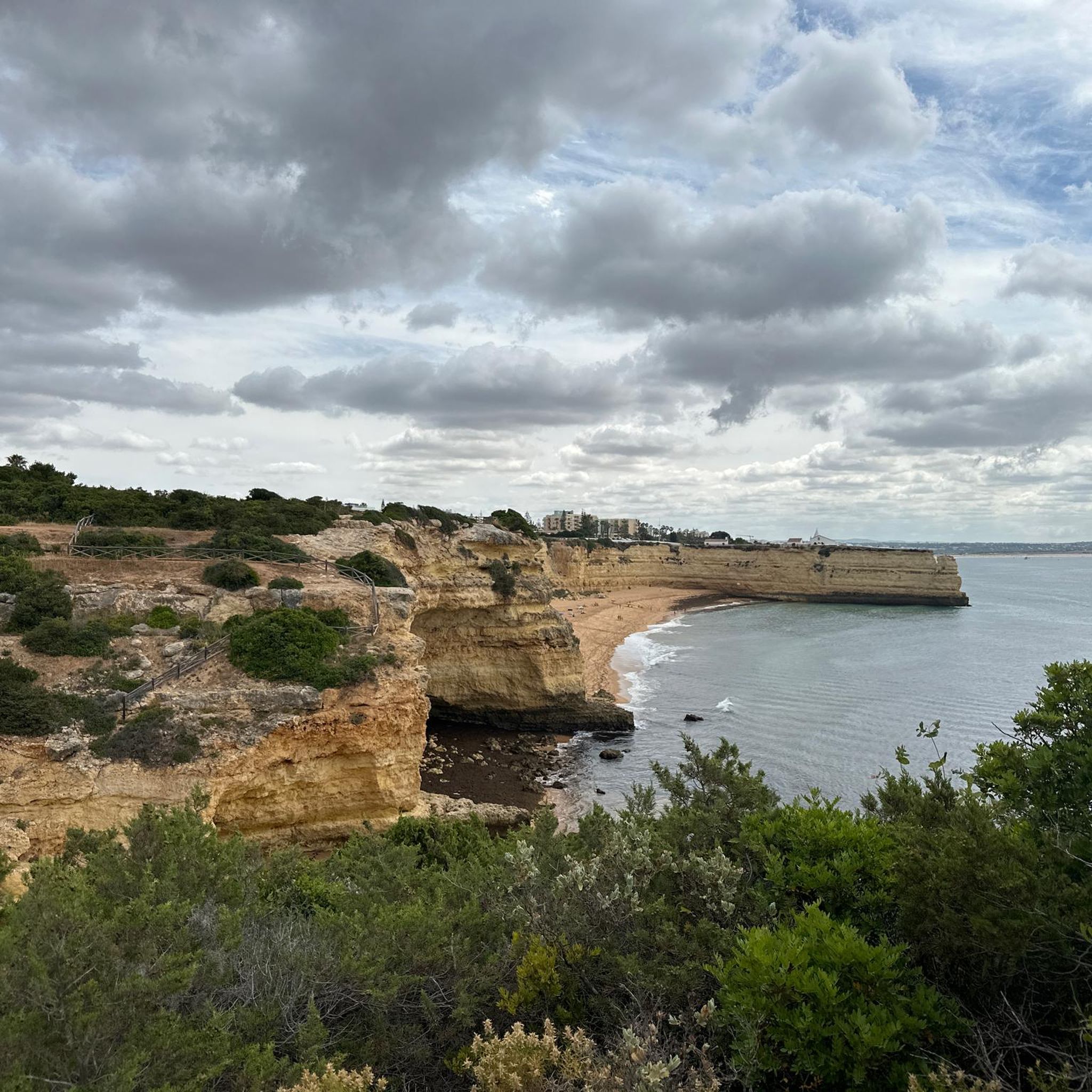
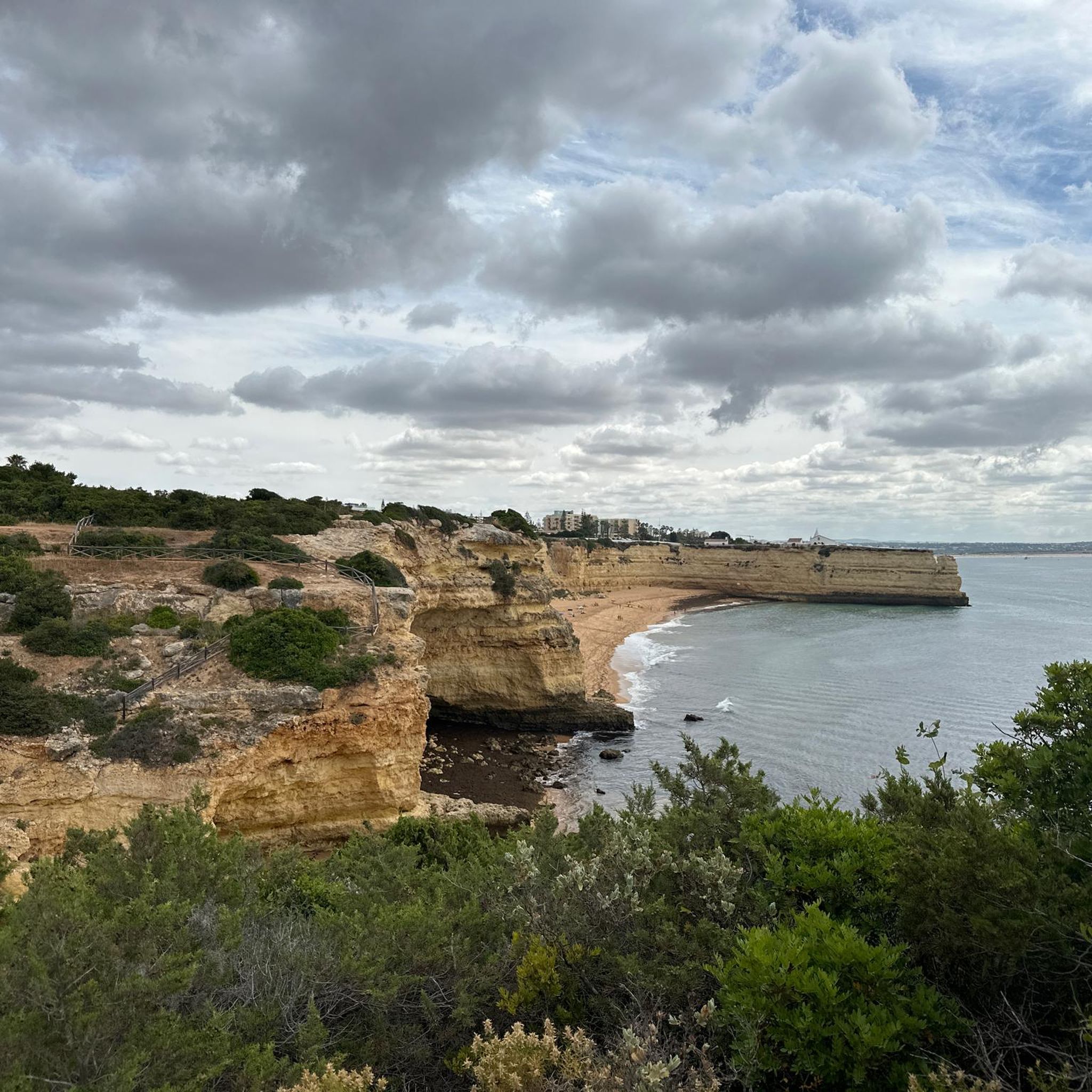
Castelo de São João do Arade is an old fort in Ferragudo, built to defend the mouth of the Rio Arade River from pirates and invasions. It is situated on a rocky outcrop between Praia da Angrinha and Praia Grande. The fort is now privately owned and not open to the public, but it is a striking and photogenic part of Ferragudo's coastal landscape.
3
0
Silves is a charming, historic town in the Algarve, southern Portugal, known for its well-preserved castle and rich Moorish past. In the Middle Ages, it was the regional capital and an important cultural and political center. Today, Silves exudes tranquility, with cobbled streets, whitewashed houses, orange groves, and a blend of Christian and Islamic influences visible throughout the town.
2
0
Castelo de Silves (Silves Castle) is an impressive medieval castle in the city of Silves, located in the Algarve region of southern Portugal. It is one of the best-preserved Moorish castles in the country and a major tourist and historical attraction.
4
1
The statue of King Dom Sancho I is located in Silves, Algarve, Portugal. This monument commemorates the second king of Portugal, known as "O Povoador" (the Populator), who reigned from 1185 to 1211. He played a crucial role in the reconquest of Silves from the Moors in 1189, which strengthened the kingdom and contributed to the establishment of Portuguese influence in the region.
4
0
From this point you have a panoramic view
5
0

You can hardly miss them when you stroll through Silves; it is full of stork nests. On top of the high towers, on the roofs of old buildings or around the fort, the birds look for a safe place to carefully build their nest. The Algarve is a favorite place for storks to stay.
1
0
In the rolling hinterland, less than twenty kilometres from the sea, lies the former capital of the Algarve. Silves is best known for its beautiful red castle built on a hill. But there is more to discover in this charming town. The location of Silves, on the edge of the Serra de Monchique, gives the city an edge. This mountain range in the western part of the Algarve is a protected nature reserve. Rugged, fertile landscapes with fields full of orange trees surround Silves. The medieval town was the centre of the Arab occupation in this area about a thousand years ago. No matter which way you come towards Silves, you can see the enormous castle in the distance. This iconic building of red sandstone was built by the Moors on the highest point of the city. At that time, they ruled over Silves and the surrounding area and were able to defend their valuable territory. Castelo dos Mouros means 'the castle of the Moors'.
1
0
Frequently Asked Questions
What is the main castle to visit directly in Porches?
The most prominent historical site directly in Porches is the Fort of Nossa Senhora da Rocha, often referred to as Porches Castle. Perched on a promontory, it offers a blend of history, stunning natural beauty, and cultural significance, including the charming whitewashed Chapel of Nossa Senhora da Rocha.
Beyond Porches, what other significant castles are worth visiting in the wider region?
In the wider Algarve region, two other significant historical sites are highly recommended. You can visit Silves Castle, an imposing 12th-century fortress known for its panoramic views and Moorish history. Another must-see is São João do Arade Castle, a picturesque fort rising above the beach of Ferragudo, built to defend the mouth of the Rio Arade River.
What kind of views can I expect from the castles around Porches?
The castles in the Porches area, especially the Fort of Nossa Senhora da Rocha, offer breathtaking panoramic views of the Algarve coastline and the Atlantic Ocean. From these clifftop locations, you can see for miles, making them highly photogenic spots, particularly during golden hour.
What is the historical significance of the castles in the Porches area?
The castles in the Porches area reflect centuries of military significance and cultural heritage. Sites like the Fort of Nossa Senhora da Rocha were strategically important for coastal defense against pirate incursions and protecting trade. Silves Castle, for instance, has origins dating back to Roman or Visigothic times and was a major Moorish stronghold. These sites provide a tangible link to the region's rich past.
Are there hiking trails near the castles around Porches?
Yes, there are several hiking opportunities near the castles. For example, from the Fort of Nossa Senhora da Rocha, you can access routes like the 'Albandeira Arch – View of the Algarve cliffs loop' or the 'Beijinhos Beach – New Beach loop'. You can find more details and routes in the Hiking around Porches guide.
What outdoor activities can I do near the castles in the Porches region?
Besides exploring the castles, the Porches region offers various outdoor activities. Hiking is popular, with trails ranging from easy to moderate, often featuring coastal views. You can also find mountain biking trails. For more information on routes, check out the Hiking around Porches and MTB Trails around Porches guides.
Are there beaches accessible from the castles?
Yes, the Fort of Nossa Senhora da Rocha is uniquely connected to beaches. A tunnel carved into the rock connects Praia da Senhora da Rocha beach to the neighboring Praia Nova beach. This allows visitors to combine historical exploration with beach relaxation. The sheltered cove of Praia da Senhora da Rocha is known for its calm waters.
Are the castles around Porches family-friendly?
Many of the castles and historical sites in the area are considered family-friendly. For example, Silves Castle and Silves Cathedral are suitable for families, offering historical exploration in a safe environment. The Fort of Nossa Senhora da Rocha also provides an engaging experience with its views and coastal access.
What is the best time of year to visit the castles in the Porches area?
The Algarve region generally enjoys mild weather, making castle visits pleasant for much of the year. Spring (April-May) and Autumn (September-October) offer comfortable temperatures and fewer crowds. Summer can be hot, but coastal locations benefit from sea breezes. The main festival day for the Chapel of Nossa Senhora da Rocha is the first Sunday of August.
How long does it typically take to visit the main castle in Porches?
A visit to the Fort of Nossa Senhora da Rocha in Porches can typically take anywhere from 1 to 2 hours, allowing time to explore the chapel, enjoy the panoramic views, and perhaps walk down to the nearby beaches. If you combine it with beach time, you could easily spend half a day there.
Is there parking available for visitors to the castles?
For the Fort of Nossa Senhora da Rocha, there is usually parking available nearby, though it can get busy during peak season. For other major castles like Silves Castle, parking is generally available in the town of Silves, often within walking distance of the castle entrance.
Are there any cafes or refreshments available near the castles?
Yes, you can often find cafes and refreshment options near the castles. For instance, Silves Castle has a cafe on-site, and the town of Silves itself offers various dining choices. Near the Fort of Nossa Senhora da Rocha, there are establishments in the village of Porches and by the adjacent beaches.
Are the castles around Porches accessible for visitors with mobility challenges?
Accessibility can vary. While some areas of the Fort of Nossa Senhora da Rocha might be manageable, its clifftop location and historical nature may present challenges. Silves Castle has some accessible areas, but its ancient walls and towers may involve uneven surfaces and steps. It's advisable to check specific accessibility details for each site prior to your visit.
What makes the Fort of Nossa Senhora da Rocha unique?
The Fort of Nossa Senhora da Rocha is unique for its dramatic clifftop location offering breathtaking ocean views, its charming whitewashed chapel which is a site of pilgrimage, and a distinctive tunnel carved into the rock connecting two beaches. Its blend of military history, religious significance, and natural beauty in one compact site makes it a truly special place.
Most popular routes around Porches
Most popular attractions around Porches

Get inspired with the komoot mobile app


Explore more
Looking for the best castles somewhere else? Discover other guides around Porches:
