Top 5 Castles around gmina gmina Police
Best castles around gmina gmina Police offers a diverse historical landscape in northwestern Poland. The area features remnants of early medieval fortified settlements and monastic structures. The broader region includes several notable castles and historical sites, providing insights into the area's past. These landmarks showcase various architectural styles and historical periods.
Best castles around gmina gmina Police
- The most popular castles is Pomeranian Dukes’ Castle (Szczecin), a castle that was built by Duke Barnim III and expanded into a…
Last updated: June 30, 2026
Castle of the Pomeranian Dukes (Szczecin)
Highlight • Castle
Translated by Google •
Tip by

Old Town Hall (Ratusz Staromiejski), Szczecin
Highlight • Historical Site
Translated by Google •
Tip by
Sign up now to discover places like this
Get recommendations on the best single tracks, peaks, & plenty of other exciting outdoor places.
Sign up for free
Stolec Palace (Palace in Stolec)
Highlight • Castle
Translated by Google •
Tip by

Manowce Palace
Highlight • Castle
Translated by Google •
Tip by

Karszno Palace
Highlight • Castle
Translated by Google •
Tip by

Sign up for free to discover even more castles around gmina gmina Police.
Sign up for free
Already have an account?
Start today with a free account
Your next adventure awaits.
Login or Signup

Tips from the Community

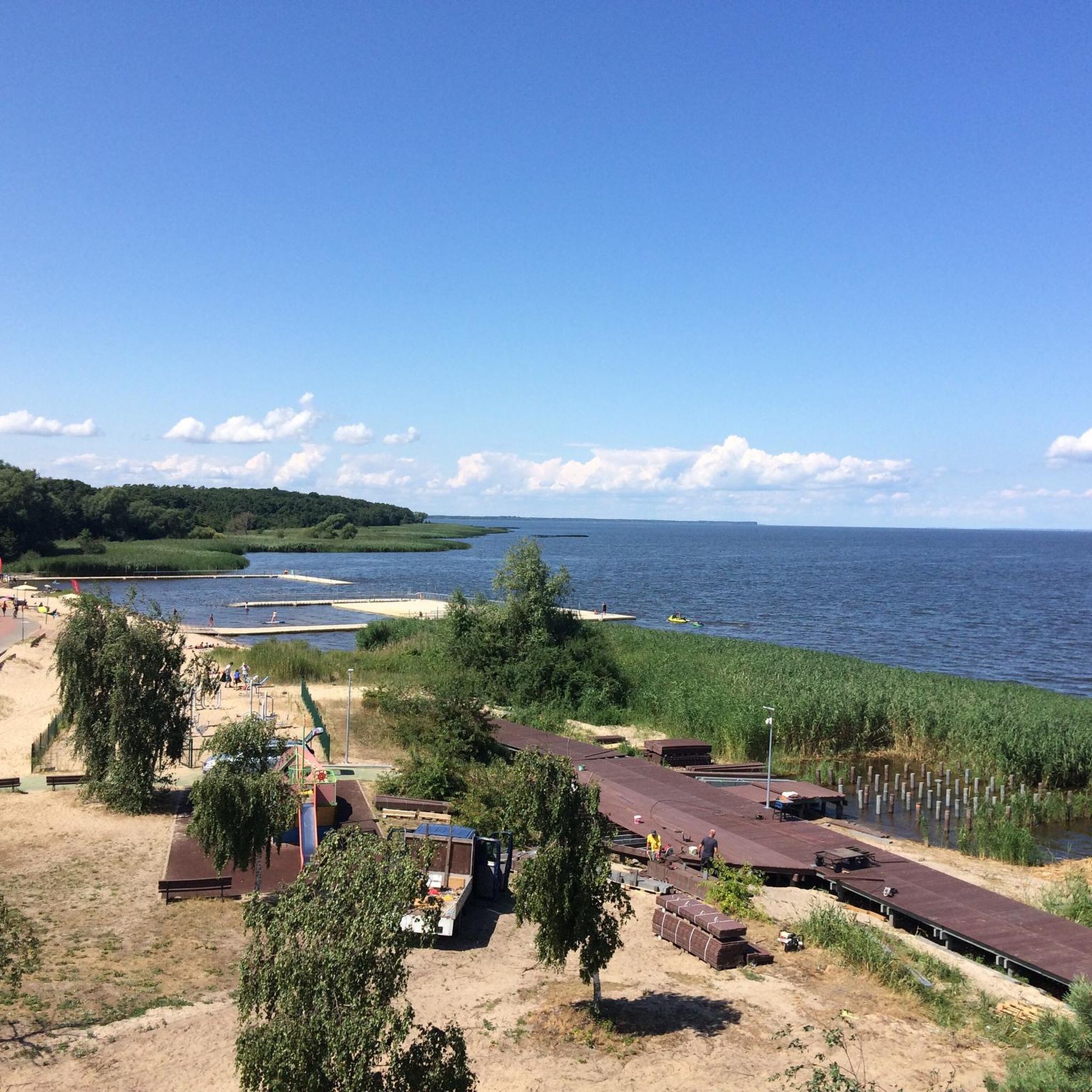
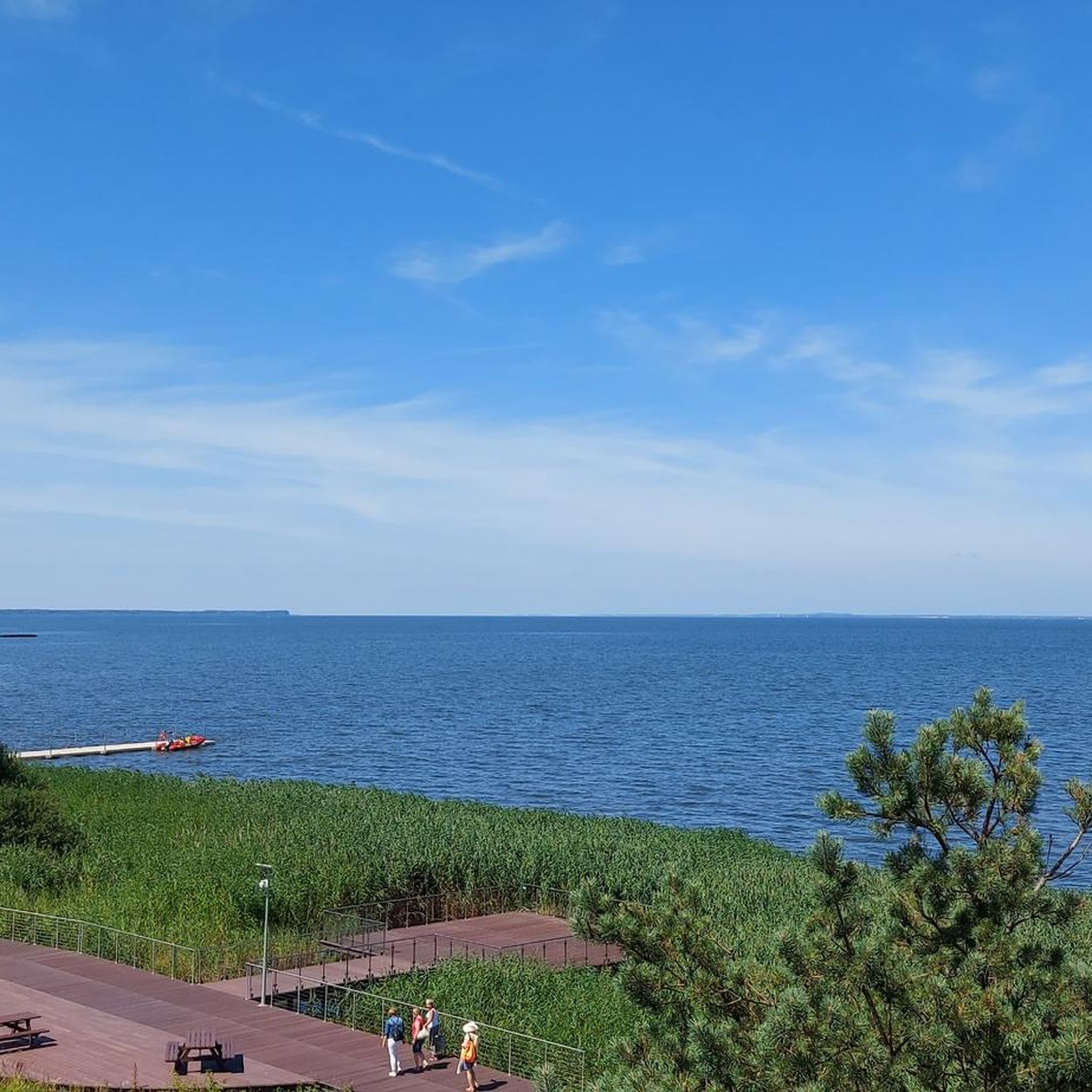
Manowce Castle in Trzebieradz (known as Haffhorst until 1945) was built in the neoclassical style at the beginning of the 20th century, probably based on a design by the architect Theodor Bless. The commissioner and first owner was Georg Wegner, senior physician and director of the hospital in Pommerensdorf. In 1754, a tar kiln stood on this site, and later, a woodshed and raft-building site was built here. Eduard Silbernagel acquired the property in 1923 and sold it to the National Socialist People's Welfare (NSV) in 1941. The NSV established a district school in the castle and used the other buildings as a maternity home. The property survived World War II undamaged. It was captured by the Soviet Army towards the end of April 1945. After 1945, a military post of the border guard was located here. From the late 1940s to the early 1990s, the castle was used for recreational purposes, initially by the Society of Children's Friends and later as a summer camp for the Warsaw City Council. In the 1990s, a private investor purchased the property and began renovating the castle and surrounding buildings, but eventually abandoned his investment. A few years ago, a new owner took over the castle and its park and restored them to their former glory.
1
1

Everything has already been said by the previous speakers, I hope that one day you can visit it
1
0

The Renaissance castle is a former residence of the Dukes of Pomerania, which until its destruction in World War II was the best preserved castle of the Griffin Dukes who died out during the Thirty Years' War. After reconstruction, the Duke's castle is now one of the largest cultural centers in the West Pomeranian Voivodeship.
5
0
The brick Gothic building dates back to the 13th century and was destroyed in World War II. It was rebuilt in 1975 in the form it had in the 15th century, taking into account some later Baroque elements. Today the building houses the City Museum of Szczecin's history. There is a restaurant in the Gothic cellars. The town hall is part of the European Route of Brick Gothic.
4
0

The palace was built at the end of the 19th century by the von Enckevorth family, owners of the Karszno estate. After the end of World War II, the nearby estate and the palace were nationalized. In the 1970s, the palace was completely renovated, transformed and used as an outpost of the Border Protection Forces. During the renovation, the palace lost its original character. Among other things, reinforced concrete stairs were built, replacing the previous wooden ones. No original equipment has survived. Currently, the palace is in private hands and is undergoing another renovation, which restores its original appearance. It is not known what will be here after the renovation is completed. Currently, the palace can only be seen from the outside, behind a fence and a massive gate.
3
1

The Old Town Hall is the second brick building to be built on this site and a symbol of the independence of Szczecin's citizens. It was built in the 15th century on the remains of an older building from the previous century. After being destroyed in World War II, it was rebuilt in 1968. And—let's face it—the columns below are crooked...
4
0

The palace is located south of Nowe Warpno. Its gardens overlook the Nowy Warpie Bay.
0
0

The old town hall directly at the Heumarkt. There is a rustic brewery in the building's vaulted cellar - highly recommended.
4
0
Frequently Asked Questions
What kind of historical sites can I expect to find around Gmina Police?
While Gmina Police itself doesn't feature traditional, well-preserved medieval castles, the region offers a diverse historical landscape. You can explore remnants of early medieval fortified settlements, such as the Gród in Mścięcin, and significant monastic ruins like the Augustinian Monastery in Jasienica. The broader area, including nearby Szczecin, features more prominent structures like the Pomeranian Dukes’ Castle and the Old Town Hall.
Are there any actual castles or palaces I can visit in the wider Gmina Police area?
Yes, the wider region offers several notable sites. The Pomeranian Dukes’ Castle (Szczecin) is a prominent Renaissance castle now serving as a cultural center. You can also view the Stolec Palace, a classicist building from the 18th century, though it can only be appreciated from a distance as it is privately owned. Another significant site is the Manowce Palace, a beautifully restored early 20th-century palace, also privately owned but offering scenic views from its surroundings.
What is the historical significance of the Gród in Mścięcin?
The Gród in Mścięcin is an early medieval Slavic fortified settlement dating back to the 9th-11th centuries. While no standing castle structures remain, it is historically significant as a testament to the early Slavic presence and the evolution of defensive structures in the region. It offers a glimpse into ancient life and defense strategies.
What can I see at the Augustinian Monastery Ruins in Jasienica?
The Jasienica Augustinian Monastery Ruins, founded in the 13th century, showcase beautiful medieval monastic architecture. You can explore the initial Gothic foundations, peripheral walls reaching up to the first floor, and cellar rooms. Preserved decorative window arches and arcades highlight its original Gothic style, providing an atmospheric and picturesque setting. An Augustinian fair is also held there annually.
Are there family-friendly historical sites in the area?
Yes, the Pomeranian Dukes’ Castle (Szczecin) is considered family-friendly, offering cultural events and interesting courtyards. The Old Town Hall (Ratusz Staromiejski), Szczecin, which houses a museum, is also a good option for families.
What outdoor activities can I do near these historical sites?
The Gmina Police area offers various outdoor activities. You can find numerous hiking and cycling routes. For hiking, explore options like the 'Beach with a Shell loop from Trzebież' or the 'Trzebież Observation Tower – Trzebież Marina loop'. Cyclists can enjoy routes such as the 'Bridge over the Gunica River in Tanowo – Nowe Warpno Monument loop' or the 'Cycle Path 3A Tanowo–Pilchowo – Beach Entrance – Głębokie Lake loop'. You can find more details on these and other routes in the Easy hikes around gmina gmina Police and Road Cycling Routes around gmina gmina Police guides.
What do visitors enjoy most about the castles and historical sites around Gmina Police?
Visitors appreciate the diverse historical insights offered by the region, from early medieval settlements to Renaissance castles and 18th-century palaces. The Pomeranian Dukes’ Castle is particularly popular for its cultural events and interesting architecture. The atmospheric ruins of the Jasienica Monastery are also highly regarded for their picturesque setting and historical depth.
Is there a place to eat or drink near the historical sites in Szczecin?
Yes, the Old Town Hall (Ratusz Staromiejski), Szczecin, which houses the National Museum, also features a highly recommended brewery in its vaulted cellar. The Pomeranian Dukes’ Castle also has a restaurant on-site.
Can I visit the Stolec Palace or Manowce Palace?
The Stolec Palace is privately owned and no longer accessible to the public; it can only be viewed from a distance. Similarly, the Manowce Palace is also private, but you can enjoy a nice view from its gate, as it is beautifully located directly on the Szczecin Lagoon.
What is the best time to visit the historical sites around Gmina Police?
The historical sites can be visited year-round. However, for exploring the outdoor ruins like the Mścięcin Gród or the Jasienica Monastery, and for enjoying the nearby hiking and cycling routes, the warmer months from spring to early autumn (April to October) generally offer more pleasant weather conditions.
Are there any historical sites that are less crowded or considered 'hidden gems'?
The Gród in Mścięcin, being an archaeological site rather than a grand standing structure, might offer a quieter, more reflective experience for those interested in early medieval history. The Jasienica Augustinian Monastery Ruins, while popular, still provide an atmospheric setting that can feel less crowded than major tourist attractions, especially outside of the annual Augustinian fair.
Most popular routes around gmina gmina Police
Most popular attractions around gmina gmina Police

Get inspired with the komoot mobile app


Explore more
Looking for the best castles somewhere else? Discover other guides around gmina gmina Police:
