Top 14 Castles around Poznań
Best castles around Poznań offer a journey through centuries of history in the Greater Poland region. The city itself features significant historical structures, including the Imperial Castle and the Royal Castle, reflecting diverse architectural periods. Beyond the city, the surrounding area is home to additional historical residences and palaces. This region provides a varied landscape for exploring historical sites.
Best castles around Poznań
- The most popular castles is Royal Castle in Poznan, a castle with medieval origins. It is…
Last updated: June 30, 2026
Royal Castle in Poznan
Highlight • Castle
Translated by Google •
Tip by

Imperial Castle in Poznań
Highlight • Castle
Translated by Google •
Tip by

Sign up now to discover places like this
Get recommendations on the best single tracks, peaks, & plenty of other exciting outdoor places.
Sign up for free
Biedrusko Palace
Highlight • Historical Site
Tip by

Rogalin Palace
Highlight • Castle
Translated by Google •
Tip by

Owińska Palace
Highlight • Monument
Tip by

Sign up for free to discover even more castles around Poznań.
Sign up for free
Already have an account?
Start today with a free account
Your next adventure awaits.
Login or Signup
Popular around Poznań
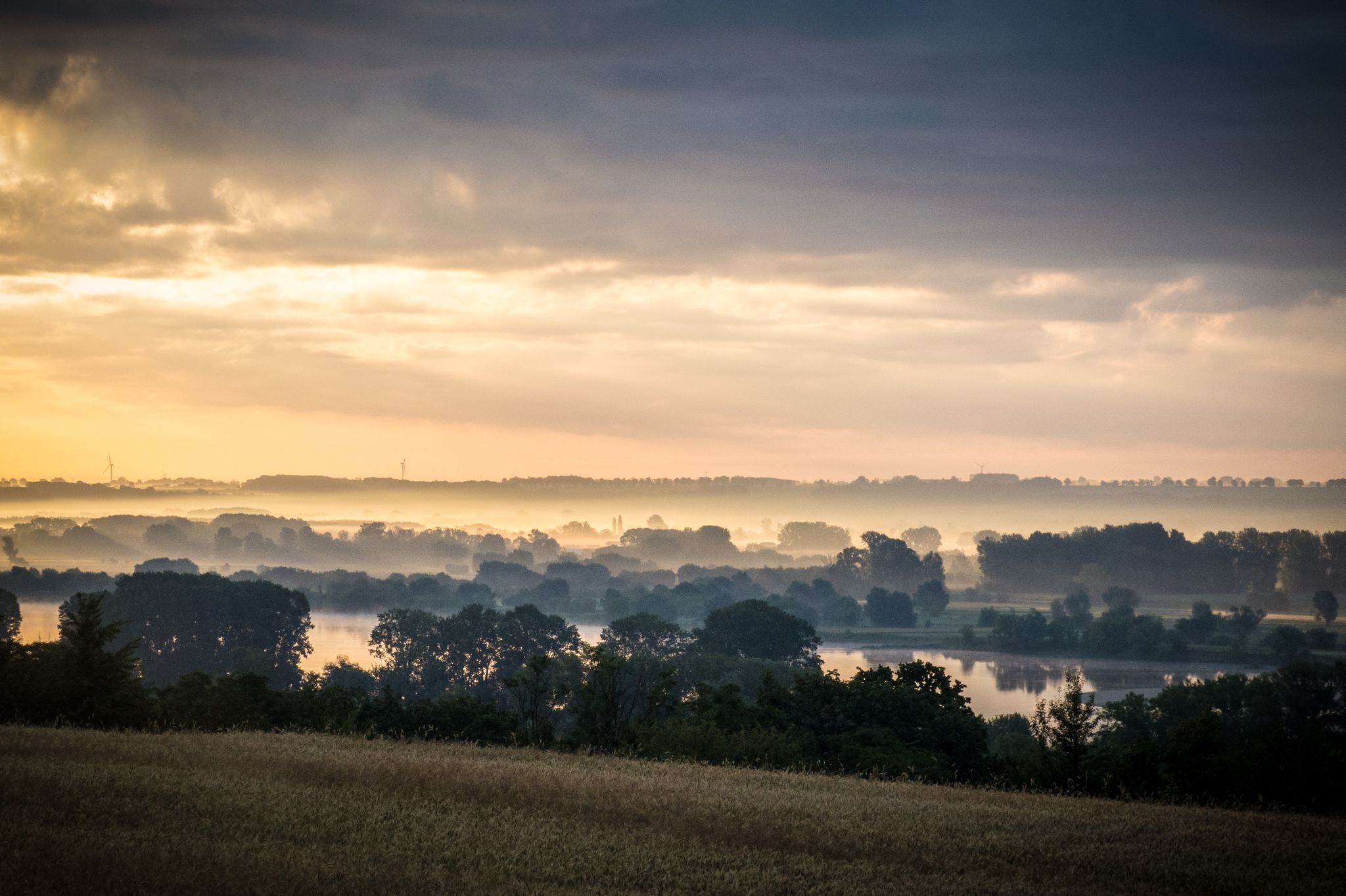
EuroVelo 9 – The Amber Route from the Baltic to Adriatic Sea
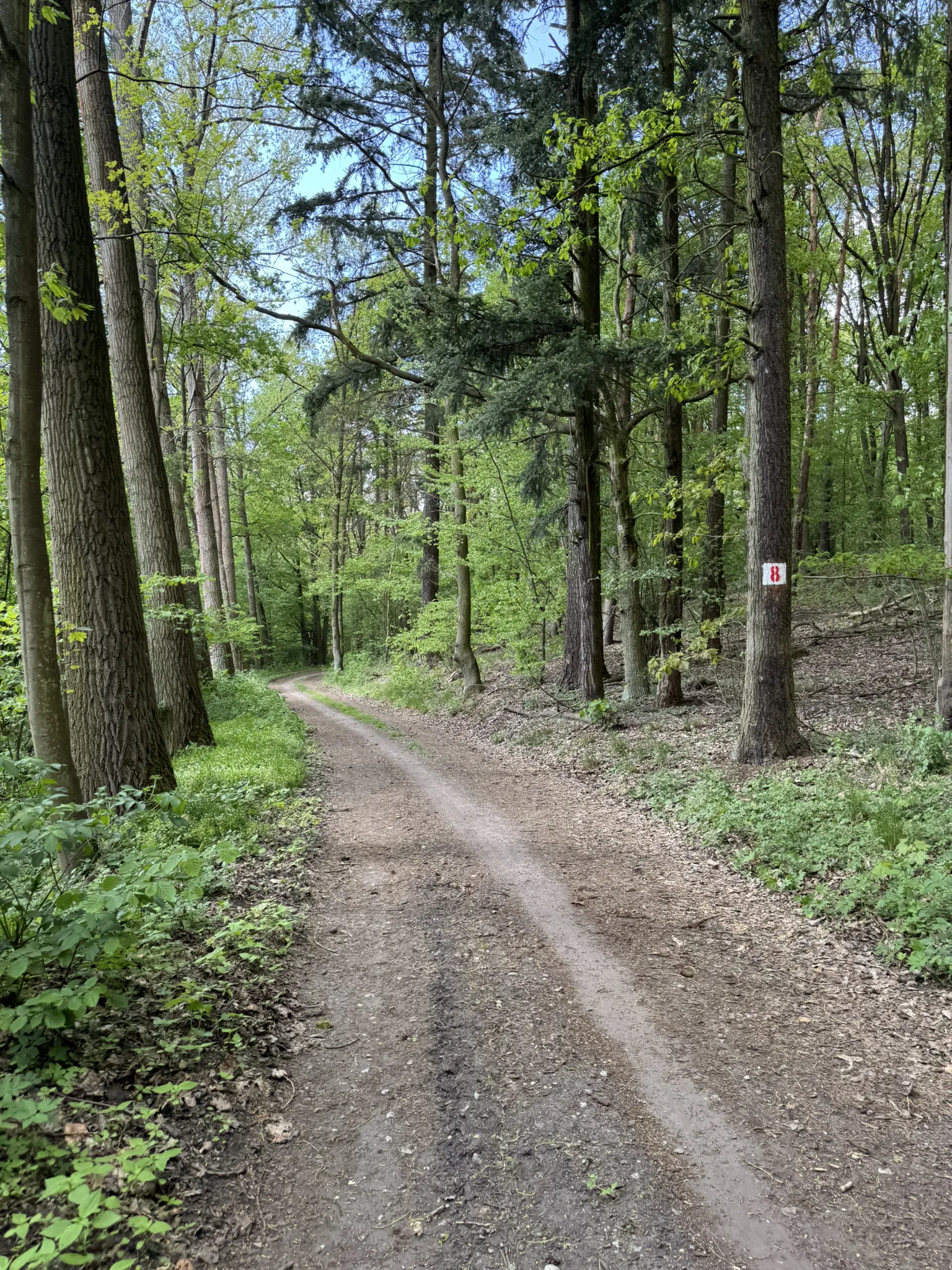
Piast Bicycle Route - by bicycle through the cradle of the Polish state
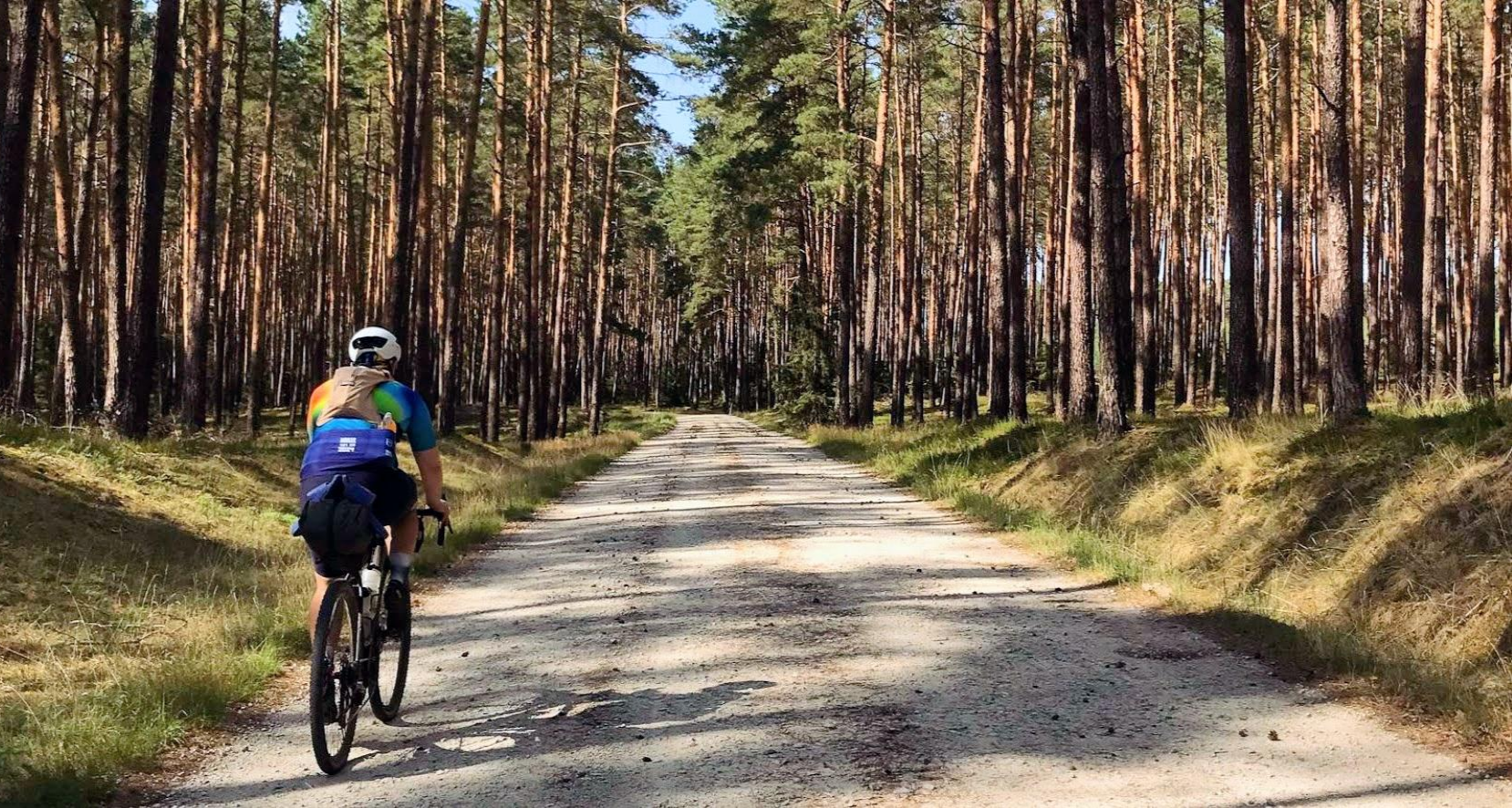
Trail of the Greater Poland Ultramarathon - Warta Gravel 400
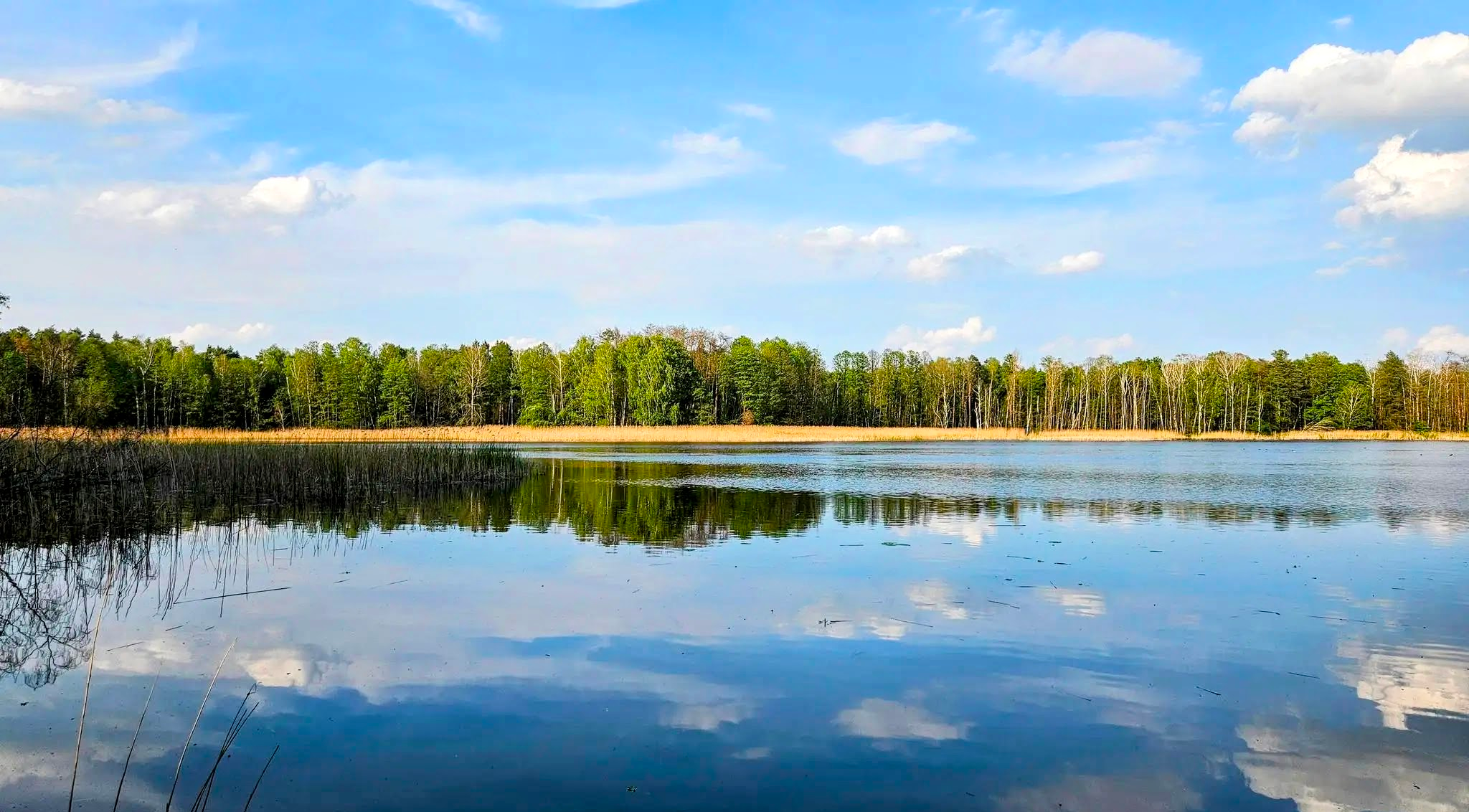
As Diverse as Greater Poland – Trans-Greater Poland Cycling Route (TTR)
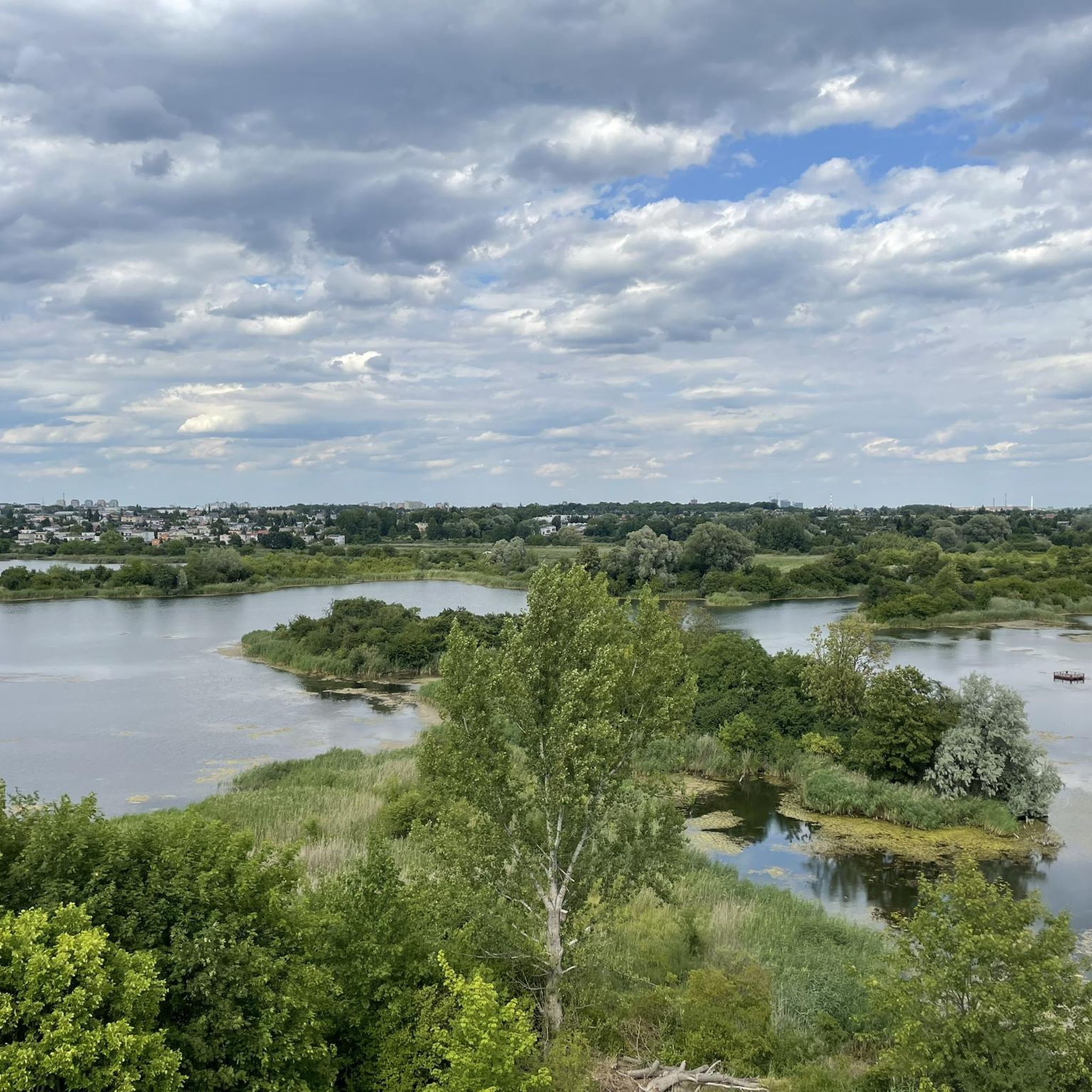
Running Trails around Poznań
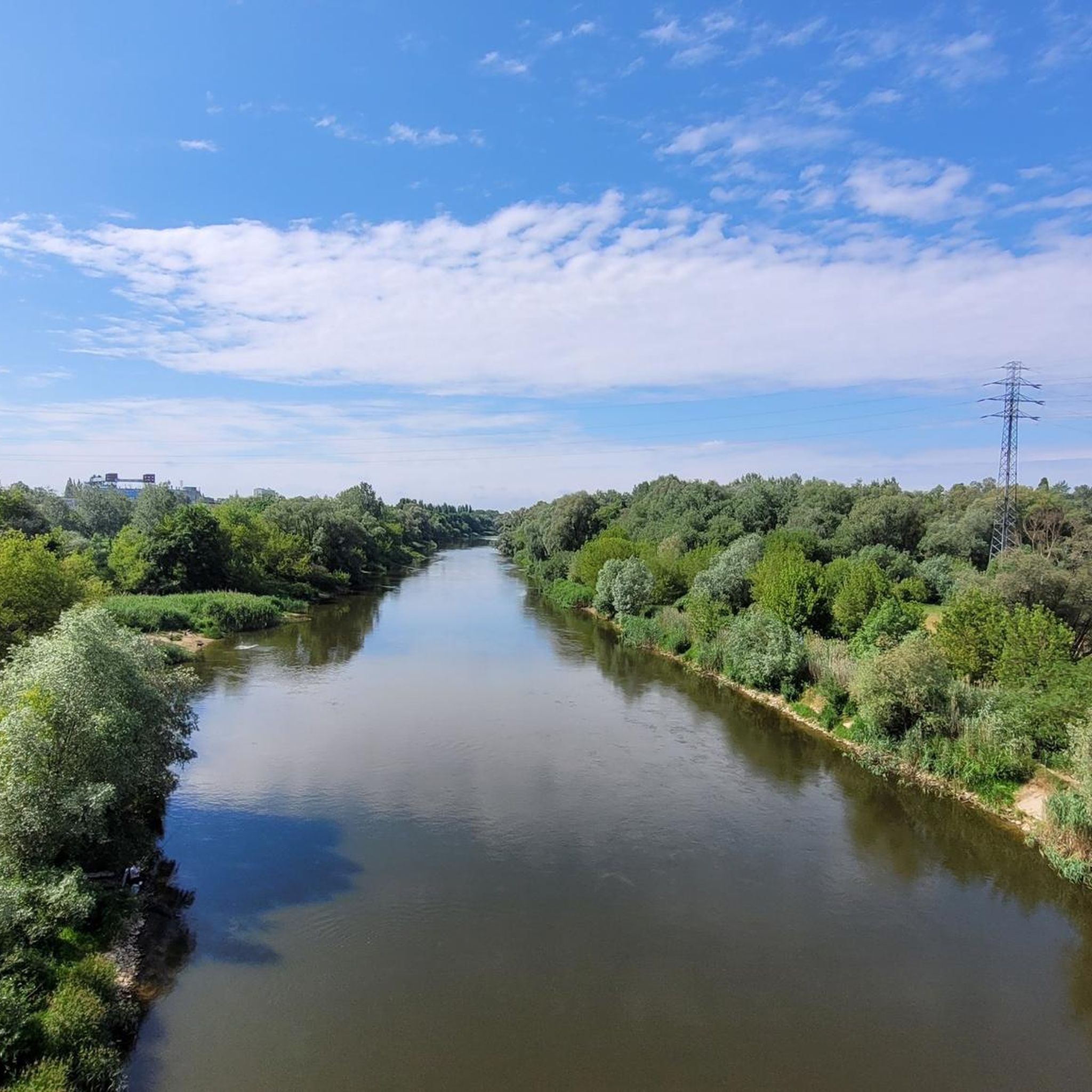
Cycling around Poznań
Road Cycling Routes around Poznań
Hiking around Poznań
MTB Trails around Poznań

Gravel biking around Poznań
Other adventures around Poznań


Tips from the Community


The last and youngest royal residence in Europe, built in 1910 for Emperor Wilhelm II.
2
0

Royal Castle in Poznań – a royal residence in Poznań, probably built in the 13th century by Przemysł II, then expanded many times. The castle witnessed many historical events. In 1493, the Grand Master of the Teutonic Knights, Hans von Tieffen, paid homage to the King of Poland here. The castle was partially destroyed during the Great Northern War and fell into ruin. Partially rebuilt at the end of the 18th century. Destroyed again in 1945, partially rebuilt in the years 1959–1964, then reconstructed in the years 2010–2013 according to the design of Witold Milewski.
0
0

The simplest way is to go right next to the monument of two crosses 1956
0
0

The building, now known as the Poznań Royal Castle, is an imaginative attempt, built between 2012 and 2016, to reconstruct the late medieval state of one of the oldest royal residences in Poland (Wikipedia).
3
1

Magnificently reconstructed royal castle from the 13th century with a viewing tower. Today the headquarters of the Museum of Applied Arts.
4
0

The most important and largest building of the Imperial District in Poznań. It was created for the last German emperor and King of Prussia, Wilhelm II. The construction was completed in 1910
2
0

Unaffectionately, this reconstructed castle has the nickname of Gargamel.
0
0
Frequently Asked Questions
Which castles offer unique architectural styles or historical insights in Poznań?
Poznań features the Imperial Castle, a Neo-Romanesque structure built for Emperor Wilhelm II, which now serves as a major cultural center. The Royal Castle in Poznan, with its medieval origins and numerous reconstructions, offers a glimpse into Poland's royal history. Outside the city, Rogalin Palace is a monumental aristocratic palace in the late Baroque style with Classicist elements, known for its beautiful gardens.
Are the castles around Poznań family-friendly?
Yes, several castles are considered family-friendly. The Royal Castle in Poznan, Biedrusko Palace, Rogalin Palace, and Kórnik Castle are all categorized as family-friendly, offering engaging experiences for visitors of all ages.
What is the best time of year to visit the castles around Poznań?
While castles can be visited year-round, spring and autumn offer pleasant weather for exploring the grounds and nearby parks. Summer is also popular, especially for enjoying the gardens at places like Rogalin Palace or the arboretum at Kórnik Castle. Some cultural events at the Imperial Castle might be seasonal.
Are there cycling routes that include castles around Poznań?
Yes, the Poznań region offers various cycling routes. For example, the 'Piastowski Trakt Bicycle' is a difficult route over 100 km. You can find more cycling options, including moderate and easy routes, in the Cycling around Poznań guide and the Road Cycling Routes around Poznań guide.
Can I find hiking trails near the castles in Poznań?
Yes, there are hiking opportunities around Poznań. While not directly adjacent to every castle, you can find trails like the 'Malta Lake Lakeside Walk' or routes around Lake Rusałka. Explore more options in the Hiking around Poznań guide.
What do visitors enjoy most about the castles in Poznań?
Visitors appreciate the rich history and architectural diversity. The Royal Castle in Poznan is noted for being a well-maintained monument and the oldest royal residence. Rogalin Palace is praised for its magnificent complex and beautiful gardens, while Kórnik Castle is loved for its interesting architecture and extensive arboretum.
Are there cafes or restaurants near the castles?
Yes, for instance, Biedrusko Palace operates as a palace hotel with a restaurant. The Imperial Castle in Poznań, now a cultural center, often has cafes or eateries within its complex or nearby. For castles outside the city like Kórnik and Rogalin, you can typically find local establishments in the surrounding towns.
What is the historical significance of the Imperial Castle in Poznań?
The Imperial Castle was built between 1905 and 1910 for German Emperor Wilhelm II as his provincial residence. It's a significant example of Neo-Romanesque architecture and has served various governmental roles, including as a Nazi German delegation headquarters during WWII. Today, it's a major cultural institution, reflecting a complex 20th-century history.
What makes the Royal Castle in Poznań unique?
The Royal Castle in Poznan dates back to 1249 and is considered the oldest royal residence in Poland. Despite being destroyed and rebuilt multiple times, it has been a site of significant historical events and royal visits. Its ongoing reconstruction efforts and the Museum of Applied Arts housed within offer a deep dive into Polish medieval and early modern history.
Can I visit the castles around Poznań with my dog?
While specific dog policies vary by site, generally, dogs are often restricted from entering the interior of historical buildings for preservation reasons. However, many castle grounds or parks, like the arboretum at Kórnik Castle or the gardens at Rogalin Palace, might allow leashed dogs. It's best to check individual castle websites for their specific pet policies before visiting.
Are there accessible castles for wheelchair users around Poznań?
Accessibility can vary greatly between historical sites. Modern cultural centers like the Imperial Castle (CK Zamek) are generally more accessible, often equipped with ramps and elevators. Older structures like the Royal Castle in Poznan, due to their historical nature and multiple reconstructions, might have limited accessibility in certain areas. It is recommended to contact specific castles directly for detailed accessibility information.
What is the Owińska Palace and why is it notable?
Owińska Palace is a late Classicism palace built between 1804 and 1808 by the von Treskow family. It features a simple and clearly structured design, and is considered by some to be an early work by Karl Friedrich Schinkel. While it has faced periods of neglect, it remains a notable architectural landmark with a large park.
What is special about Kórnik Castle?
Kórnik Castle is a neo-Gothic castle, originally from the 14th century, that was significantly rebuilt in the 19th century. It houses a museum and a renowned library. The castle is surrounded by a 40-hectare arboretum, which is the largest and oldest in Poland, featuring over 3,000 species of trees and shrubs, making it a unique blend of history and nature.
Most popular routes around Poznań
Most popular attractions around Poznań

Get inspired with the komoot mobile app


