Attractions and Places To See in the Hejaz Mountains - Top 20
Best attractions and places to see in the Hejaz Mountains span a diverse landscape along Saudi Arabia's western coast. This region features significant natural wonders, ancient cultural sites, and pivotal religious landmarks. The terrain includes diverse mountain peaks, extensive lava fields, and valleys descending towards the Red Sea. Visitors can explore a variety of historical sites, natural monuments, and religious buildings.
Best attractions and places to see in the Hejaz Mountains
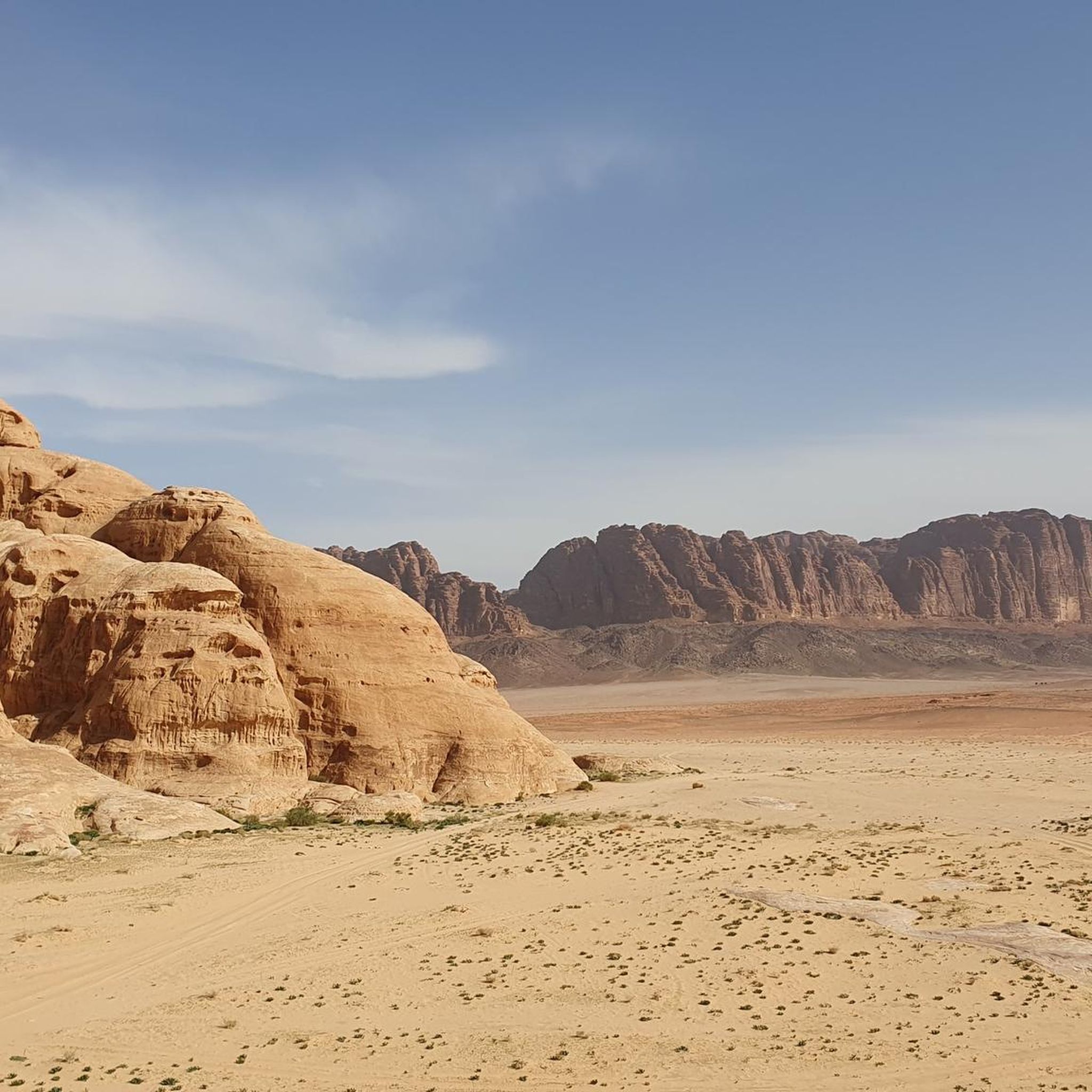
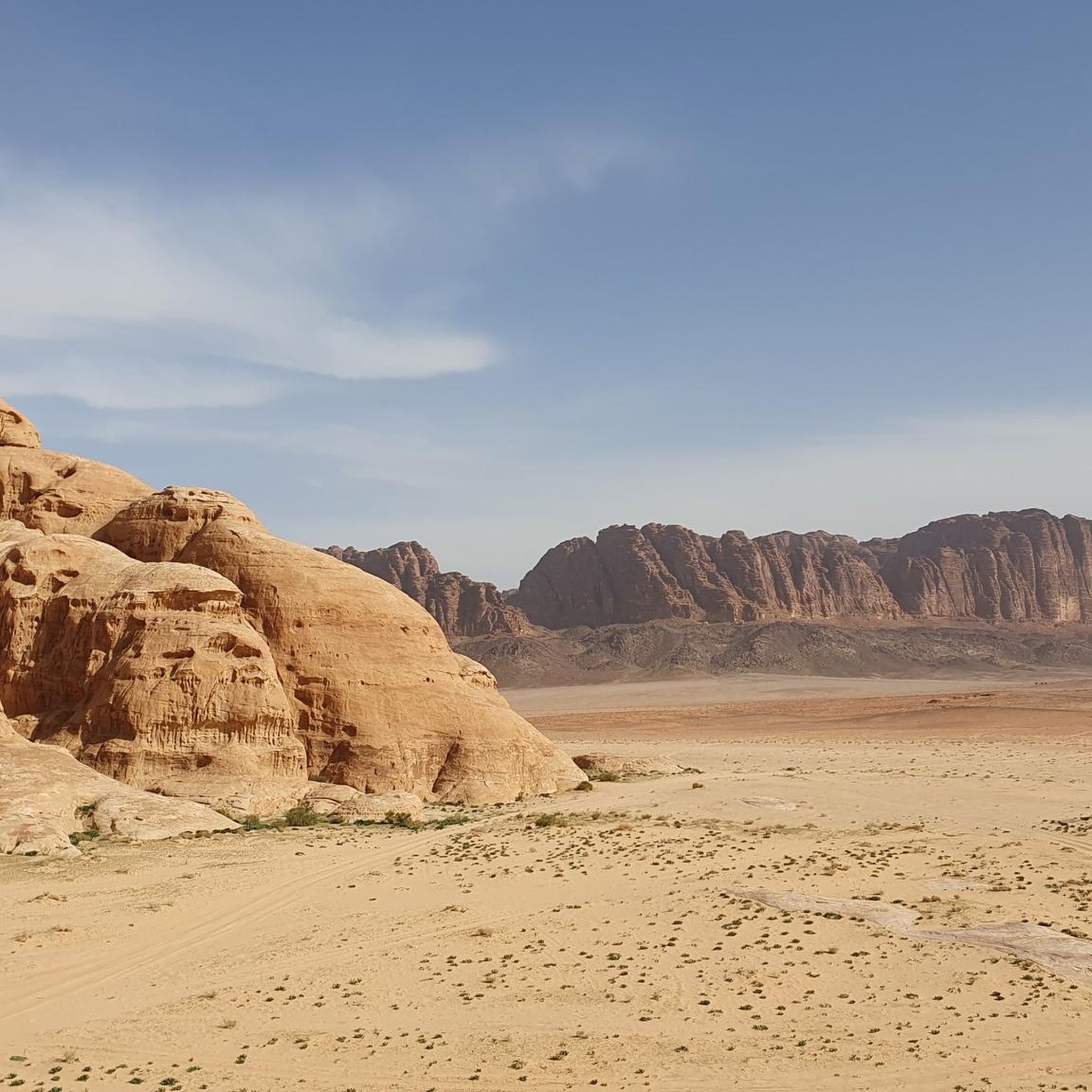
- The most popular attractions is Rock Arch in Wadi Rum, a natural monument that is an impressive stone formation created by erosion. It offers opportunities for exploration and photography.
- Another must-see spot is Seven Pillars of Wisdom, a natural monument. This rock formation near the entrance to Wadi Rum is named after T. E. Lawrence's autobiographical account.
- Visitors also love Al-Sharif Al-Hussein bin Ali Mosque, a religious building. This mosque features a pristine white structure, intricate glass windows, and soaring minarets, boasting the largest dome among Jordan’s mosques.
- Hejaz Mountains is known for natural monuments, historical sites, and religious buildings. The region offers a variety of attractions to see and explore, from ancient rock carvings to significant architectural landmarks.
- The attractions in the Hejaz Mountains are appreciated by the komoot community, with 19 upvotes and 18 photos shared by visitors.
Last updated: May 11, 2026
Al-Sharif Al-Hussein bin Ali Mosque
Highlight • Religious Site
With its pristine white structure, intricate glass windows and soaring minarets, Al Hussein Bin Ali mosque is a beacon of Islamic architecture and a moving sight among the hustle and bustle of city life. It also boasts the largest dome among Jordan’s’ mosques. It is considered a main mosque for Aqaba’s citizens. Visitors can quietly stroll around the elegant interior and watch the city’s daily life at its most tranquil and pious
Tip by

Rock Arch in Wadi Rum
Highlight • Natural Monument
But Wadi Rum offers a lot more impressions. It is particularly worthwhile to cross the desert on foot instead of being driven around the area by Toyota pickups.
Translated by Google •
Tip by

Sign up now to discover places like this
Get recommendations on the best single tracks, peaks, & plenty of other exciting outdoor places.
Sign up for free
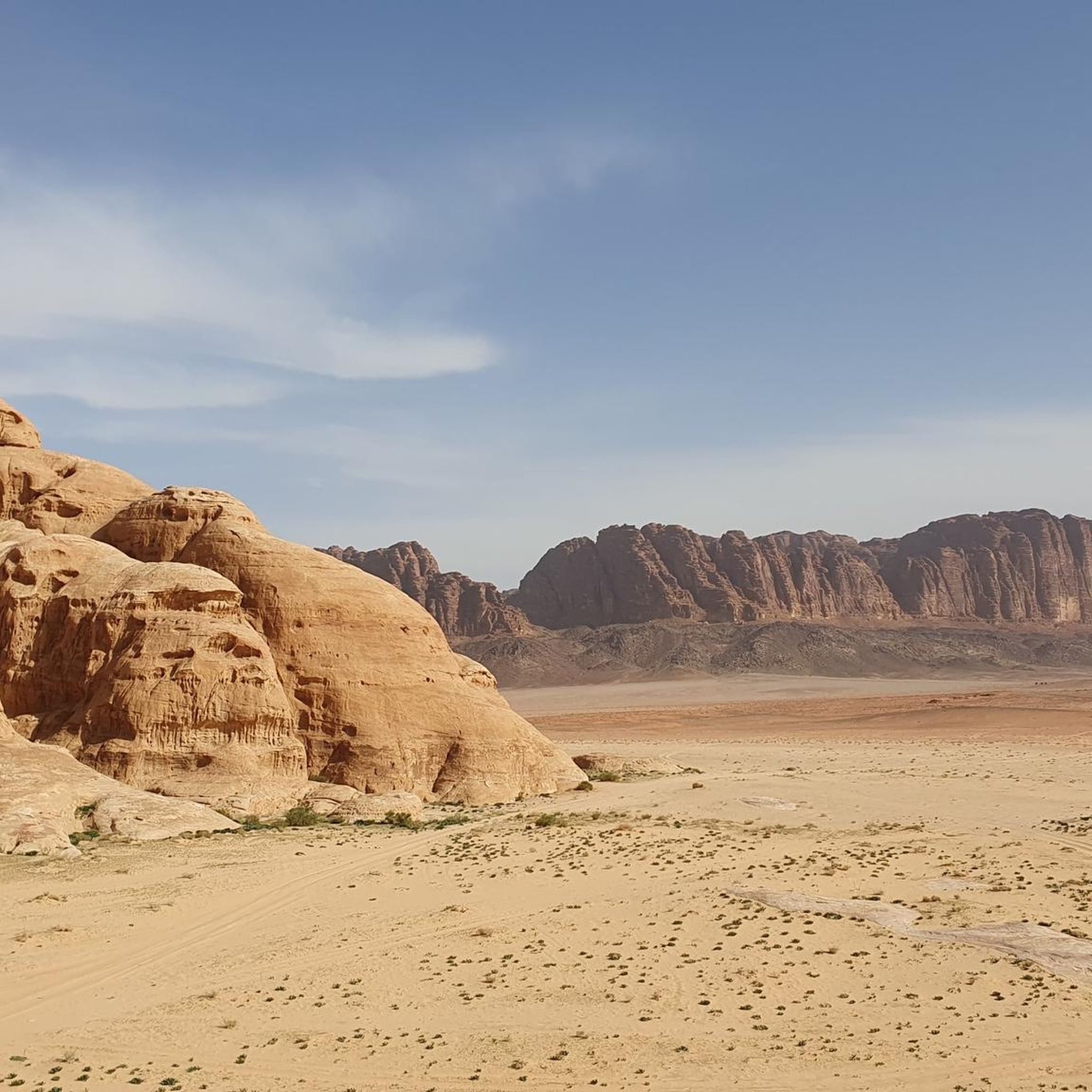
Seven Pillars of Wisdom
Highlight • Natural Monument
Many places in the Wadi Rum area were named after 'Lawrence of Arabia', including the rock formation near the entrance to the park, now also known as the 'Seven Pillars of Wisdom'.
en.wikipedia.org/wiki/Seven_Pillars_of_Wisdom
Translated by Google •
Tip by

Al-Khazali Canyon
Highlight • Canyon
Tip by
Aqaba Bazaar
Highlight • Settlement
Translated by Google •
Tip by

Red Sand Dune, Wadi Rum
Highlight • Natural Monument
Tip by
The Prophet's Mosque (Al-Masjid An-Nabawi), Medina
Highlight • Religious Site
Al-Masjid an-Nabawi, commonly known as the Prophet's Mosque, is a mosque built by the Islamic prophet Muhammad in the city of Medina in the Al Madinah Province of Saudi Arabia.
It was the second mosque built in Islam and is now one of the largest mosques in the world. It is the second-holiest site in Islam, after the Great Mosque of Mecca. The mosque stands as a beacon of peace and spiritual tranquility, drawing millions of pilgrims and visitors each year.
The mosque's most distinctive feature is the Green Dome, which stands over the tomb of the Islamic prophet Muhammad. The dome was built in 1818 by the Ottoman sultan Mahmud II and was originally painted white. It was later painted green in 1837.
The mosque's courtyard is a vast expanse, dotted with retractable umbrellas that provide shade during the day and create a stunning visual spectacle when illuminated at night.
Visiting Al-Masjid an-Nabawi offers a profound spiritual experience, deeply connecting visitors to Islamic history and heritage.
While respectful attire is essential, the serene atmosphere within the mosque provides a unique opportunity for contemplation and prayer. It is advised to visit during cooler parts of the day, especially in the early morning or late evening, to fully appreciate the beauty and tranquility of this sacred site.
Tip by

Ruins of the Ancient City of Ayla
Highlight • Historical Site
The early Muslims used to built special urban forms called Misr that included a congregrational mosque, a governor's residence and tribal quarters
Tip by
Wadi Rum Petroglyphs
Highlight • Historical Site
Translated by Google •
Tip by

Lawrence and Prince Faisal Rock Carvings
Highlight • Monument
Translated by Google •
Tip by
Sign up for free to discover even more attractions in the Hejaz Mountains.
Sign up for free
Already have an account?
Start today with a free account
Your next adventure awaits.
Login or Signup
Popular around Hejaz Mountains


Tips from the Community

Please do pray for the health of my parents when you get there. 🙏
5
0
For any visitor to Al-Masjid an-Nabawi, one of the most profoundly worth-doing things is to seek out and pray in Riyad-ul-Jannah, a small, highly blessed area within the mosque marked by green carpets, which is believed to be a garden from Paradise. While it can be exceptionally crowded, the spiritual reward and feeling of peace experienced here are often described as unparalleled. Beyond this specific spot, taking the time to offer voluntary prayers throughout the mosque, reflecting on the Quran in its serene halls, and simply absorbing the spiritual ambiance among thousands of fellow worshippers from around the globe are all deeply enriching experiences that contribute to a truly meaningful visit.
5
0
Upon visiting Al-Masjid an-Nabawi, there are many spiritually enriching activities to engage in. The most prominent is offering prayers, especially in the Rawdah, a revered area within the mosque believed to be a garden of Paradise, though it can be very crowded. Visitors can also pay respects at the Prophet Muhammad's tomb beneath the Green Dome and visit the Jannatul Baqi cemetery nearby, where many companions of the Prophet are buried. Exploring the mosque's magnificent architecture, including the intricate details of its domes and minarets, and witnessing the grand spectacle of the retractable umbrellas opening and closing in the courtyard, are also highly recommended. Additionally, attending religious lectures, joining Quranic recitation circles, and simply spending time in quiet contemplation can deepen one's spiritual connection to this sacred place.
5
0
When visiting Al-Masjid an-Nabawi, it's crucial to remember that it is a deeply sacred site. Therefore, avoid any disrespectful behavior, such as loud talking, running, or pushing. Do not engage in photography that might disturb worshippers or disrespect the sanctity of the place. Refrain from touching or leaning on structures within the mosque that are not designated for such interaction, as this could damage historical elements or disrupt the flow of visitors. Dress modestly, ensuring shoulders and knees are covered, and for women, a head covering is essential. Failing to adhere to these guidelines can lead to discomfort for yourself and others, and is considered highly inappropriate in such a revered location.
5
0
Al-Masjid An-Nabawi, Medina, Saudi Arabia 🇸🇦 Al-Masjid an-Nabawi, commonly known as the Prophet's Mosque, is a mosque built by the Islamic prophet Muhammad in the city of Medina in the Al Madinah Province of Saudi Arabia. It was the second mosque built in Islam and is now one of the largest mosques in the world. It is the second-holiest site in Islam, after the Great Mosque of Mecca. The mosque stands as a beacon of peace and spiritual tranquility, drawing millions of pilgrims and visitors each year. The mosque's most distinctive feature is the Green Dome, which stands over the tomb of the Islamic prophet Muhammad. The dome was built in 1818 by the Ottoman sultan Mahmud II and was originally painted white. It was later painted green in 1837. The mosque's courtyard is a vast expanse, dotted with retractable umbrellas that provide shade during the day and create a stunning visual spectacle when illuminated at night. Visiting Al-Masjid an-Nabawi offers a profound spiritual experience, deeply connecting visitors to Islamic history and heritage. While respectful attire is essential, the serene atmosphere within the mosque provides a unique opportunity for contemplation and prayer. It is advised to visit during cooler parts of the day, especially in the early morning or late evening, to fully appreciate the beauty and tranquility of this sacred site.
5
0

At the entrance to the 'Siq Um Tawaqi' gorge are carved rock images of 'Lawrence of Arabia' and 'Prince Faisal', popularized by the 1962 feature film.
2
0
'Seven Pillars of Wisdom' is the autobiographical account of the experiences of British Army Colonel T. E. Lawrence ('Lawrence of Arabia') as a military advisor to the Bedouins during the Arab Revolt against the Ottoman Empire from 1916 to 1918. Many places in the Wadi Rum area were named after 'Lawrence of Arabia', including the rock formation near the entrance to the park, now also known as the 'Seven Pillars of Wisdom'. https://en.wikipedia.org/wiki/Seven_Pillars_of_Wisdom
3
0

Although the desert seems hostile at first glance, there is still a surprising amount of life there. Among other things, white-flowering onion plants and a herb that dromedaries like to eat. But various insects and birds can also be observed.
0
0
Frequently Asked Questions
What are some notable natural landmarks to explore in the Hejaz Mountains?
The Hejaz Mountains are home to several impressive natural formations. You can visit the Rock Arch in Wadi Rum, an impressive stone formation created by erosion, or the Seven Pillars of Wisdom, a distinctive rock formation near the entrance to Wadi Rum. Another significant natural wonder is the Al-Wahbah Crater, a vast volcanic crater near Taif, offering stunning views and opportunities for exploration. The region also features diverse mountain peaks like Mount Wirqan and Mount Radwa, and extensive lava fields such as Harat Khaybar.
What significant historical and cultural sites can I visit in the Hejaz Mountains?
The Hejaz Mountains are rich in history and culture. You can explore Madāʾin Ṣāliḥ (Al-Hijr), Saudi Arabia's first UNESCO World Heritage Site, known for its ancient rock-carved structures. The Historic City of Medina offers sites like the Khaybar Museum and the Quba Mosque. Ancient rock art and settlements can also be found, particularly around Taif and Medina, depicting humans and animals. Don't miss the Ruins of the Ancient City of Ayla, which provides insight into the region's past.
Are there any important religious sites in the Hejaz Mountains region?
Yes, the Hejaz Mountains region is home to some of the most sacred sites in Islam. These include Al-Masjid an-Nabawi (The Prophet's Mosque) in Medina, which houses the Green Dome over Prophet Muhammad's tomb, and Al-Masjid al-Haram (The Great Mosque) in Mecca, surrounding the Kaaba. Mount Uhud in Medina holds historical significance as the site of an early Islamic battle, while Jabal al-Nour in Mecca contains the Cave of Hira, where Prophet Muhammad is believed to have received his first revelation. The Al-Sharif Al-Hussein bin Ali Mosque in Aqaba is also a beautiful religious building with intricate architecture.
What kind of outdoor activities can I do near the attractions in the Hejaz Mountains?
The Hejaz Mountains offer a variety of outdoor activities. You can find numerous scenic hiking trails through impressive landscapes, including golden dunes and dramatic rock formations. For cycling enthusiasts, there are options for both touring and road cycling. You can explore routes like the 'Migdalor Beach, Eilat loop' for touring bicycles or the 'Eilat Mountains – Eilat Mountains Nature Reserve loop' for road cycling. Mountain biking trails are also available, such as the 'Flamingo lookout loop from Eilat'. For more details on routes, check out the guides for Cycling in the Hejaz Mountains, MTB Trails in the Hejaz Mountains, and Road Cycling Routes in the Hejaz Mountains.
Are there family-friendly attractions in the Hejaz Mountains?
Yes, several attractions in the Hejaz Mountains are suitable for families. The Al-Sharif Al-Hussein bin Ali Mosque is considered family-friendly, offering a beautiful architectural experience. The Ruins of the Ancient City of Ayla can be an interesting historical exploration for families. Additionally, the Aqaba Bazaar provides a lively cultural experience with various shops. Raghadan Forest Park in Al Baha also offers activities like zip-lining and incredible viewpoints that families can enjoy.
What is the best time to visit the Hejaz Mountains?
The Hejaz Mountains experience diverse weather. Generally, the cooler months from October to April are ideal for outdoor activities like hiking and exploring, as temperatures are more moderate. Summers can be very hot, especially in lower elevations, making early mornings or late afternoons preferable for any outdoor excursions. It's always advisable to check local weather forecasts closer to your travel dates.
What kind of geological features can be found in the Hejaz Mountains?
The Hejaz Mountains boast a unique geological landscape. Beyond the prominent mountain peaks, the region features extensive lava fields and volcanic plateaus, such as Harat Khaybar and Harat Rahat. There are also numerous valleys, including Wadi Fatimah and al-Safra, that descend towards the Red Sea. The Al-Wahbah Crater is a striking example of the region's volcanic past. The desert plains also present dramatic steep canyons and towering rock formations.
Where can I see ancient rock art or petroglyphs in the Hejaz Mountains?
The Hejaz region is known for its ancient rock art. You can find significant petroglyphs at Wadi Rum Petroglyphs, which offer a glimpse into ancient civilizations. Additionally, the Al-Khazali Canyon also features ancient inscriptions on its walls from the Nabataean culture. Ancient rock art depicting humans and animals, along with prehistoric burial sites, can be found particularly around Taif and Medina.
Are there any impressive viewpoints in the Hejaz Mountains?
Yes, the Hejaz Mountains offer several breathtaking viewpoints. The Rock Arch in Wadi Rum and the Seven Pillars of Wisdom are natural monuments that double as excellent spots for panoramic views. The Red Sand Dune in Wadi Rum also provides a great vantage point. Raghadan Forest Park in Al Baha is noted for its incredible viewpoints overlooking the surrounding landscapes.
What do visitors enjoy most about the attractions in the Hejaz Mountains?
Visitors frequently appreciate the unique natural beauty and historical depth of the Hejaz Mountains. The impressive stone formations like the Rock Arch in Wadi Rum are popular for photography and exploration. The historical sites, such as the ancient inscriptions in Al-Khazali Canyon, are often highlighted for their cultural significance. The serene and beautiful architecture of religious buildings like the Al-Sharif Al-Hussein bin Ali Mosque also leaves a lasting impression. The region's diverse landscapes, from golden dunes to dramatic rock formations, are consistently praised.
Can I find any traditional villages or cultural landscapes in the Hejaz Mountains?
Yes, the Sarawat Mountains, which include parts of the Hejaz range, feature rural cultural landscapes with traditional villages and terraced farming. These areas showcase sustainable living practices and offer a glimpse into the region's heritage. The historic city of Al-Ula, once a crucial stop on the ancient incense trade route, also provides an archaeological district set against the backdrop of the Hejaz Mountains, reflecting a rich cultural past.
Most popular routes in the Hejaz Mountains
Most popular attractions in the Hejaz Mountains

Get inspired with the komoot mobile app


Explore more
Still not found the Highlight you’re looking for? See guides of the top attractions in other regions:
