Top 12 Castles around Lubań
Castles around Lubań are situated in the Lower Silesian Voivodeship, a region known for its historical fortifications and diverse architectural heritage. The area features structures ranging from medieval defensive towers within Lubań to grand palaces and castles in the surrounding countryside. This landscape, often near river valleys like the Kwisa, offers a blend of history and natural beauty.
Best castles around Lubań
- The most popular castles is Czocha Castle, a castle that was built in the 13th century as a border fortress. Its early 20th-century reconstruction gave it an almost fairy-tale appearance.
- Another must-see spot is Włosień Palace, a historical site where only ruins remain. The grounds include a park and a castle pond, with two brick outbuildings and an entrance across a bridge.
- Visitors also love Rajsko Castle, a castle that was likely built in the 13th or 14th century as a counterweight to Czocha Castle. It was rebuilt in the 19th century in a neo-Gothic style.
- Lubań is known for medieval defensive towers, Renaissance palaces, and Baroque palaces. The region offers a variety of historical structures to explore, from well-preserved sites to picturesque ruins.
- The castles around Lubań are appreciated by the komoot community, with more than 140 upvotes and over 320 photos shared by visitors.
Last updated: June 30, 2026
Czocha Castle
Highlight • Castle
Adultery seems to have been a serious topic at the castle. At least one woman (Ulrike) was drowned for adultery in the castle well and a trap for adulterers is installed in a bed. There are also plenty of secret passages that you can do on the tour.
The entrance costs just over five euros, tours are only in Polish, but to start the tours you get German info sheets
Translated by Google •
Tip by

Rajsko Castle
Highlight • Castle
Translated by Google •
Tip by

Sign up now to discover places like this
Get recommendations on the best single tracks, peaks, & plenty of other exciting outdoor places.
Sign up for free
Włosień Palace
Highlight • Historical Site
Translated by Google •
Tip by

Gallows Bastion Tower
Highlight • Monument
Translated by Google •
Tip by
View of Kriebstein Castle from the campsite
Highlight • Viewpoint
Translated by Google •
Tip by

Sign up for free to discover even more castles around Lubań.
Sign up for free
Already have an account?
Start today with a free account
Your next adventure awaits.
Login or Signup

Tips from the Community

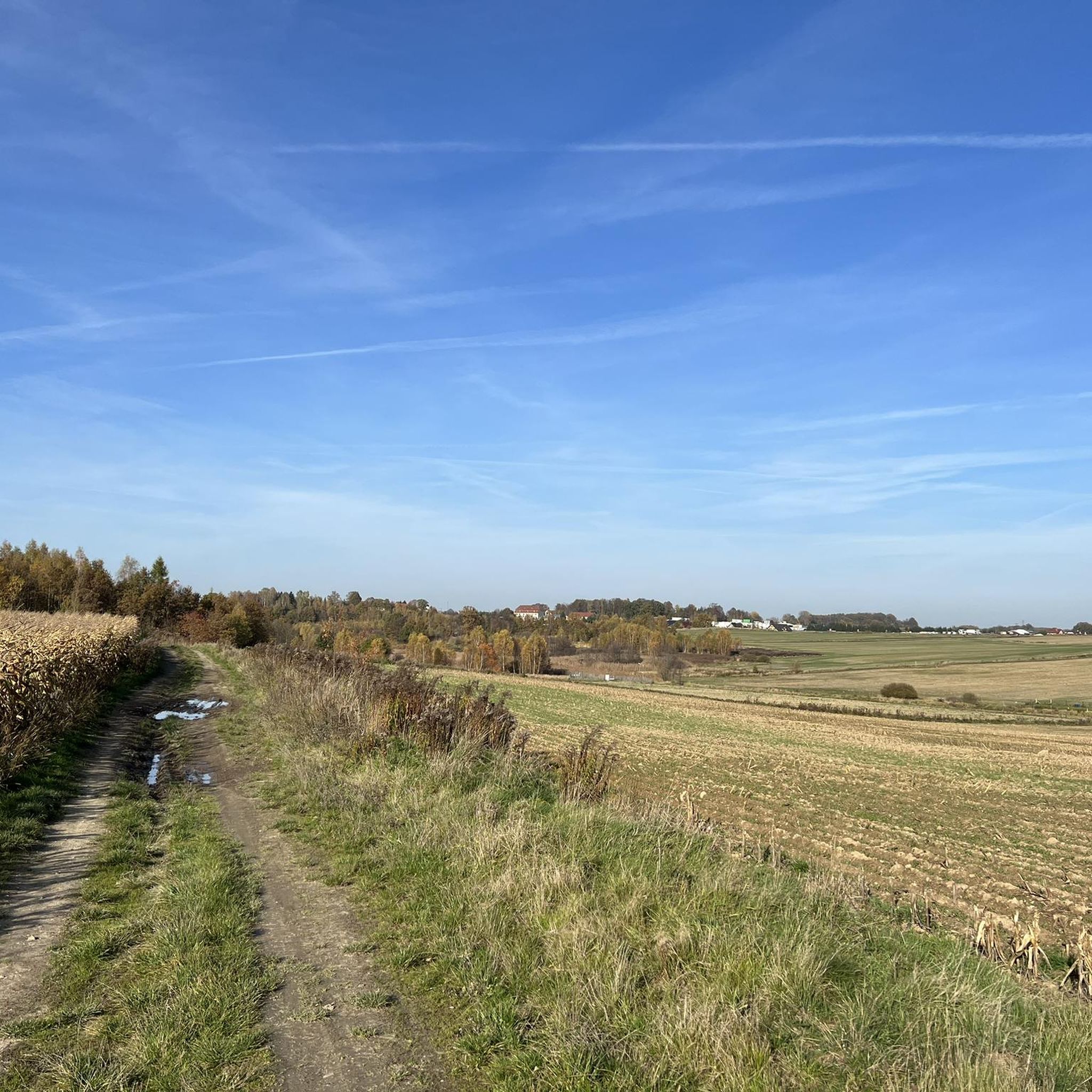
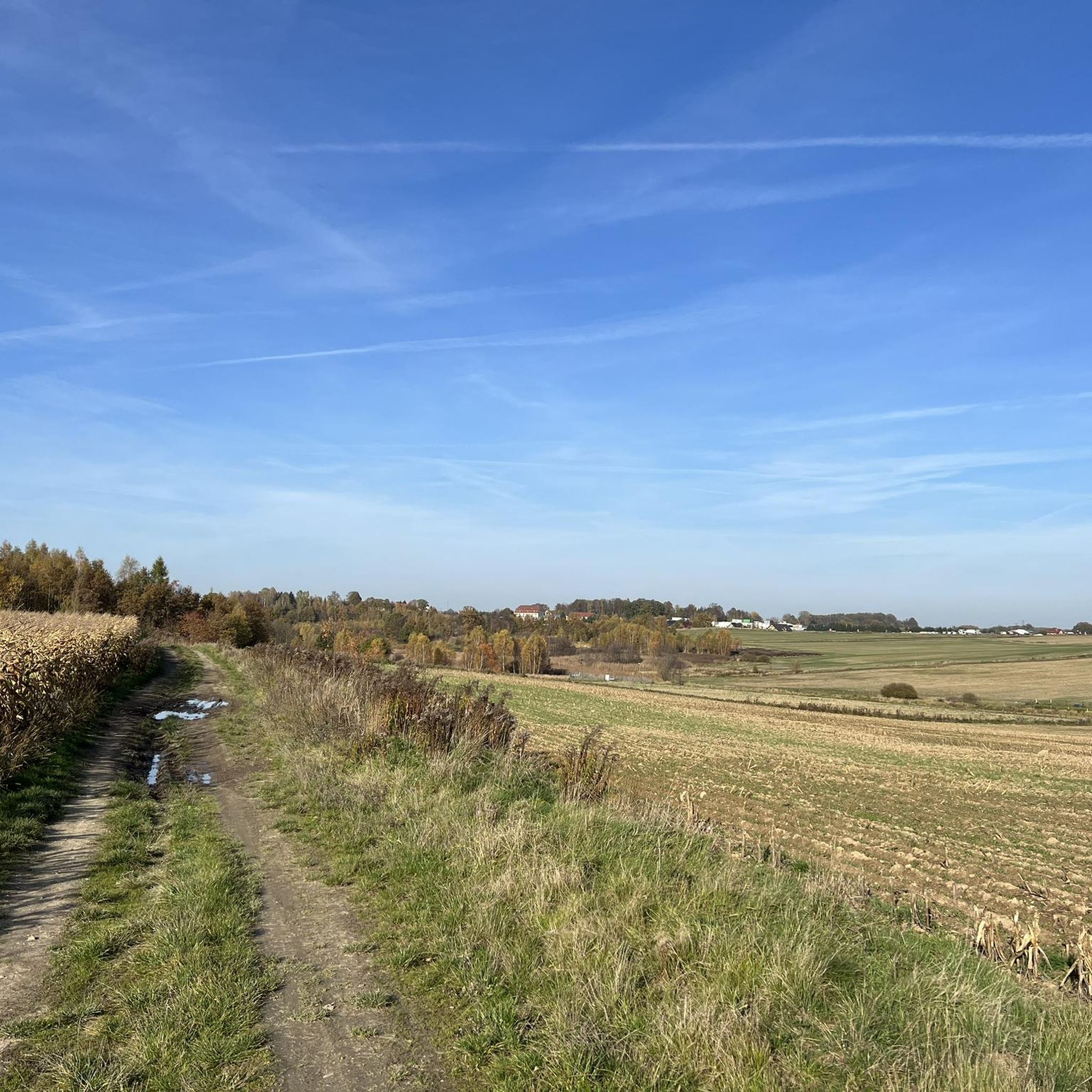
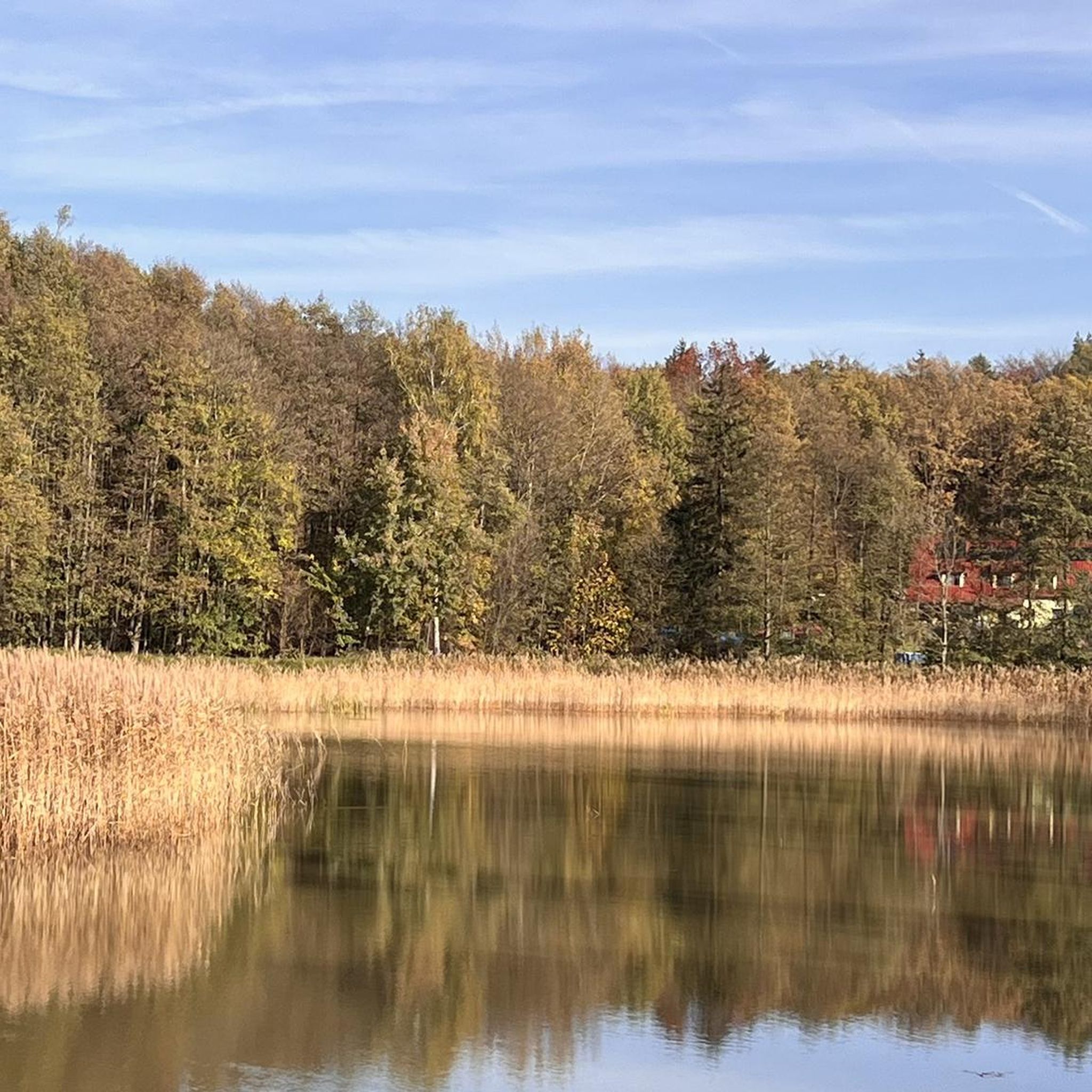
Włosien Palace, also known as Heidersdorf Castle, is located in the town of Włosien. Only ruins remain. The grounds include a park and a castle pond. The entire property is privately owned.
2
0

The castle was probably built in the 13th or 14th century on the initiative of the Silesian Piasts. Rajsko was certainly intended to be a counterweight to the neighbouring Lusatian castle of Czocha. Rajsko, known in the past as Neidburg or Neidberg, was inhabited by Jobst von Kolditz. This knight was involved in robberies and attacked merchants' camps, which made him the terror of the entire area. The castle was captured by the Hussites and burned down. Over time, the ruins of the stronghold disappeared into the thicket of bushes and trees. In 1862-1863, the castle was rebuilt without preserving any of the period style, by Baron Aleksander von Minutowi. In the interwar period, it housed a youth hostel. Currently, the castle is in private hands and is being rebuilt, and the pop star Ed Sheeran spent his holiday there a few years ago. The castle can be visited or lived in upon request. (source: Olszyna commune website)
1
0

Very beautiful and tranquil, quiet and steeped in history
1
0


In German, this is the Galgen-Bastei, i.e. for executions, as Arek already writes. The building now stands in a fenced area of a hotel.
1
0

Former execution site. Now a little rebuilt. In private hands.
1
0

The garden is small but has a lot of beautiful flowers and some great figures.
6
0
Currently, the ruins are in private hands. In front of the palace, there are two brick outbuildings, and between them there is an entrance across the bridge. There is a park behind the palace.
2
0
Frequently Asked Questions
What types of historical structures can I explore in Lubań and its surrounding region?
The Lubań region offers a diverse range of historical structures. Within Lubań itself, you can find medieval defensive towers like the Bracka Tower and the Trynitarska Tower, as well as the unique Salt House, a 16th-century basalt granary. In the broader Lubań County, there are grand castles and palaces, including the famous Czocha Castle, the Baroque Biedrzychowice Palace, and the Renaissance Nawojów Łużycki Palace.
Which castles near Lubań are particularly well-preserved or have unique features?
Among the well-preserved and unique sites, Czocha Castle stands out with its 13th-century origins and early 20th-century fairy-tale reconstruction. The Salt House in Lubań is also notable for its raw basalt facades and well-preserved interiors, being one of the few such granaries left in Poland. The Nawojów Łużycki Palace features a striking two-story loggia adorned with heraldic cartouches.
Are there any castles or palaces near Lubań that offer accommodation or special events?
Yes, Czocha Castle operates as a hotel and is also used for weddings, offering a unique historical setting for stays and events. Rajsko Castle, which is privately owned, can also be visited or lived in upon request.
What is the history behind Czocha Castle?
Czocha Castle was originally built in the 13th century by a Czech ruler as a powerful border fortress. While very old, its current 'fairy-tale' appearance largely comes from an extensive early 20th-century reconstruction. The castle has a rich history, having been ruled by various aristocratic families, and is surrounded by legends, including tales of adultery and secret passages that can be explored during tours.
Can I visit castle ruins or privately owned historical sites near Lubań?
Yes, you can. The ruins of Włosień Palace, also known as Heidersdorf Castle, are privately owned but include a park and castle pond. Rajsko Castle is also privately owned and can be visited. The Unięcice Palace, a large Baroque aristocratic seat, is currently privately owned and awaiting renovation.
Are there family-friendly activities or features at the castles around Lubań?
Czocha Castle is considered family-friendly, offering tours where you can learn about its legends, including secret passages. The castle's impressive architecture and historical tales make it an engaging visit for all ages. Many castles also have surrounding parks or natural areas suitable for family walks.
What outdoor activities can I do near the castles around Lubań?
The region around Lubań offers various outdoor activities. You can find numerous hiking and cycling routes. For example, there are easy hikes like the Czocha Castle loop, or more moderate road cycling routes such as the Road Along the Kwisa River – Kliczków Castle loop. These routes often pass by or offer views of the historical sites and natural landscapes.
Are there hiking trails specifically near Czocha Castle?
Yes, there are hiking opportunities around Czocha Castle. An easy 4.2 km Czocha Castle loop starts directly from the castle, allowing you to explore the surroundings and enjoy views of the Kwisa River valley.
What is the best time of year to visit the castles around Lubań?
While specific seasonal conditions vary, spring and autumn generally offer pleasant weather for exploring the castles and their surrounding parks. The natural beauty of the Kwisa River valley, where many castles are located, is particularly appealing during these seasons. Summer is also popular, though it can be warmer, while winter visits might offer a unique, snow-dusted perspective on the historical sites.
What makes the Biedrzychowice Palace significant?
The Biedrzychowice Palace is considered one of the most beautiful Baroque palaces in Lubań County. Originally a 16th-century structure, it underwent a significant Baroque reconstruction in the 18th century. After being plundered in 1945, it was converted into a school in 1960, which continues to operate there today, giving it a unique contemporary function.
Are there any castles or palaces near Lubań that were centers of scientific or cultural activity?
Yes, the Unięcice Palace, built between 1766 and 1770, was uniquely adapted from its inception to serve as a research center, museum, and large library for scholar Adolf Traugott von Gersdorff. It lacked a typical representative hall, focusing instead on intellectual pursuits, and became a hub of scientific thought in Upper Lusatia. Its collections later formed the foundation of valuable library and museum collections in Zgorzelec.
What do visitors enjoy most about the castles and historical sites in the Lubań area?
Visitors frequently appreciate the rich history and diverse architecture, from medieval towers to grand palaces. The 'fairy-tale' appearance of Czocha Castle and its legends are often highlighted. Many also enjoy the beautiful natural surroundings, such as the Kwisa River valley, which complement the historical exploration. The komoot community has shared over 320 photos and given more than 140 upvotes to these sites, indicating a strong positive reception.
Most popular routes around Lubań
Most popular attractions around Lubań

Get inspired with the komoot mobile app


Explore more
Looking for the best castles somewhere else? Discover other guides around Lubań:
