Top 9 Lakes around Bielsko
Best lakes around Bielsko offer a diverse natural landscape, situated at the foot of the Little Beskids and Żywiec Beskids. The region features several artificial reservoirs, primarily created on the Soła and Wapienica Rivers, serving functions such as flood protection, electricity production, and drinking water supply. These lakes are set against a backdrop of mountain scenery, providing varied environments for exploration. The area is characterized by its blend of engineered water bodies and natural settings, including forest-covered hills and wetland habitats.
Best lakes around Bielsko
- The most popular lakes is Porąbka Dam, a man_made_monument that dams the Soła River, creating Jezioro Międzybrodzkie. This dam was considered a pinnacle of technological advancement when built and is a significant hydrotechnical construction.
- Another must-see spot is Ignacy Mościcki Dam, a man_made_monument that forms the Wielka Łąka Lake on the Wapienica River. This dam, built between 1929 and 1932, was one of Europe's most modern facilities of its type at the time.
- Visitors also love Komorowickie Ponds, a lake complex primarily used for fish farming. These 18 artificial reservoirs are known for their rush vegetation and diverse wetland bird species, offering a tranquil natural experience.
- Bielsko is known for artificial reservoirs, fish farming ponds, and smaller natural lakes. The region offers a variety of water bodies, from large recreational lakes to protected drinking water sources and birdwatching havens.
- The lakes around Bielsko are appreciated by the komoot community, with 107 upvotes and 40 photos shared across 10 highlights.
Last updated: October 3, 2026
Porąbka Dam
Highlight • Monument
Works were supposed to start in 1914, but World War I thwarted these plans.
The subject of construction returned immediately after its completion. The dam design was consulted with Gabriel Narutowicz, the creator of the dam on the Aar River in Mühlenberg, Switzerland. The narrowing between the Żaru and Zasolnica massifs was chosen as the site of the Soła dam. Construction began in 1921. However, due to scarce funds, it was repeatedly discontinued. Soła was also not idle and was destroying the effects of human efforts. The work started again from the hoof in 1934. The project was supervised by an outstanding specialist - engineer Jerzy Skrzyński. The company Frankopol was building. For the purposes of the investment, a small power plant was opened nearby. The latest technological achievements were used - e.g. waterproof cement from Goleszów. 2,500 workers and several hundred juniors passed through the construction site. The dam is 260 m long and 37.4 high; throughput - 1690 cubic meters. The capacity of the Międzybrodzkie Lake was calculated at 32.2 million cubic meters. The cost of the project was over PLN 20 million at that time! The construction site was visited by President Ignacy Mościcki himself. The opening ceremony in December 1936 was attended, among others, by Deputy Prime Minister Eugeniusz Kwiatkowski and Cardinal Adam Sapieha. In the 1950s, a hydroelectric power plant was commissioned at the dam. Currently, it has a capacity of 12.6 MW.
zabytkitechniki.pl/culturalheritage/3129/zapora-w-porabce
porabka.net/budowa-zapory.html
Translated by Google •
Tip by

Ignacy Mościcki Dam
Highlight • Monument
The reservoir is located in the Wapienica Valley and is surrounded on each side by the hills of the Silesian Beskids. On the north and west side there are: Palenica, Wysokie and Podłra, and on the south and east side - the mountains: Stołów and Szyndzielnia.
The project of building a dam in Wapienica existed from 1911, and it was put forward in the course of attempts to solve the problem of water supply to the rapidly developing Bielsko. However, it was not until 1929 that the city council of Bielsko decided to entrust the construction of the dam to the Katowice branch of the German company Dyckerhoff und Widmann. The cost of building the dam, put into operation on June 26, 1932 and named the Dam. President Ignacy Mościcki, amounted to PLN 13 million at that time, which was the equivalent of nearly USD 2.6 million.
At that time, the Wapienicka Dam was one of the most modern facilities of this type in Europe.
pl.wikipedia.org/wiki/Zapora_w_Wapienicy_im._Ignacego_Mo%C5%9Bcickiego
Translated by Google •
Tip by
Sign up now to discover places like this
Get recommendations on the best single tracks, peaks, & plenty of other exciting outdoor places.
Komorowickie Ponds
Highlight • Lake
The whole includes 18 artificial water reservoirs intended for fish farming, only four of which are located outside the city. The Komorowice Ponds are located between Bielsko and Bestwina.
Each of the ponds has its own name: the Smallest Pond, the Old Big Pond, the Zielony Pond, the Stone Pond, the Wrotny Pond III, the Wrotny Pond II, the Mały Pond, the Swamp Pond, the Large Urgent Pond and the Border Pond.
Apart from the Komorowice Ponds, near Bielsko-Biała, there are also Barkowskie Ponds, Nyczowe Ponds and smaller water reservoirs by the Nyczówka River.
Rush vegetation dominates in the Komorowice Ponds, among which there live numerous species (50) of wetland birds: night herons, bitterns, little bitterns, grebes and herons. The Komorowice Ponds are also an ideal breeding ground for amphibians: frogs, kumaszek, newts, frogs, toads and common frogs.
There is a 4.5 km long tourist and educational path around the Komorowice Ponds.
There are stops around the ponds where you can observe the fauna and flora of the ponds:
Ponds Komorowickie and Ponds Bestwińskie cover over 170 ha.
Translated by Google •
Tip by
Wapienica Dam
Highlight • Monument
Due to the purpose of the reservoir (water collection for consumption purposes), its banks are inaccessible to the public (the reservoir is covered by a direct sanitary protection zone), while the catchment areas of the Wapienica, Barbara and Żydowski streams constitute a strict protection zone.
The water in the reservoir meets the standards for Class I water purity in terms of physicochemical and bacteriological parameters. This condition has been maintained since 1993. There is no fishing economy here in any form and there is a ban on practicing water sports. There are also filter stations that purify water for municipal purposes.
Translated by Google •
Tip by

Wilczy Staw in Kozy
Highlight • Lake
There are beautiful, tall Douglas fir trees probably planted by foresters employed by former owners of Goats.
Recently, a second pond has been built nearby - an overflow storage reservoir.
kozy.pl/wilczy-staw-w-kozach-i-i-jego-okolicamiejsceniezwykle/site/88.html
facebook.com/178426498978272/posts/1868144370006468
Translated by Google •
Tip by
Krzywa Chata Inn by the Wisła Czarne Dam
Highlight • Restaurant
Tip by

Water reservoir on 'Hip Hopa Air'
Highlight • Structure
Translated by Google •
Tip by

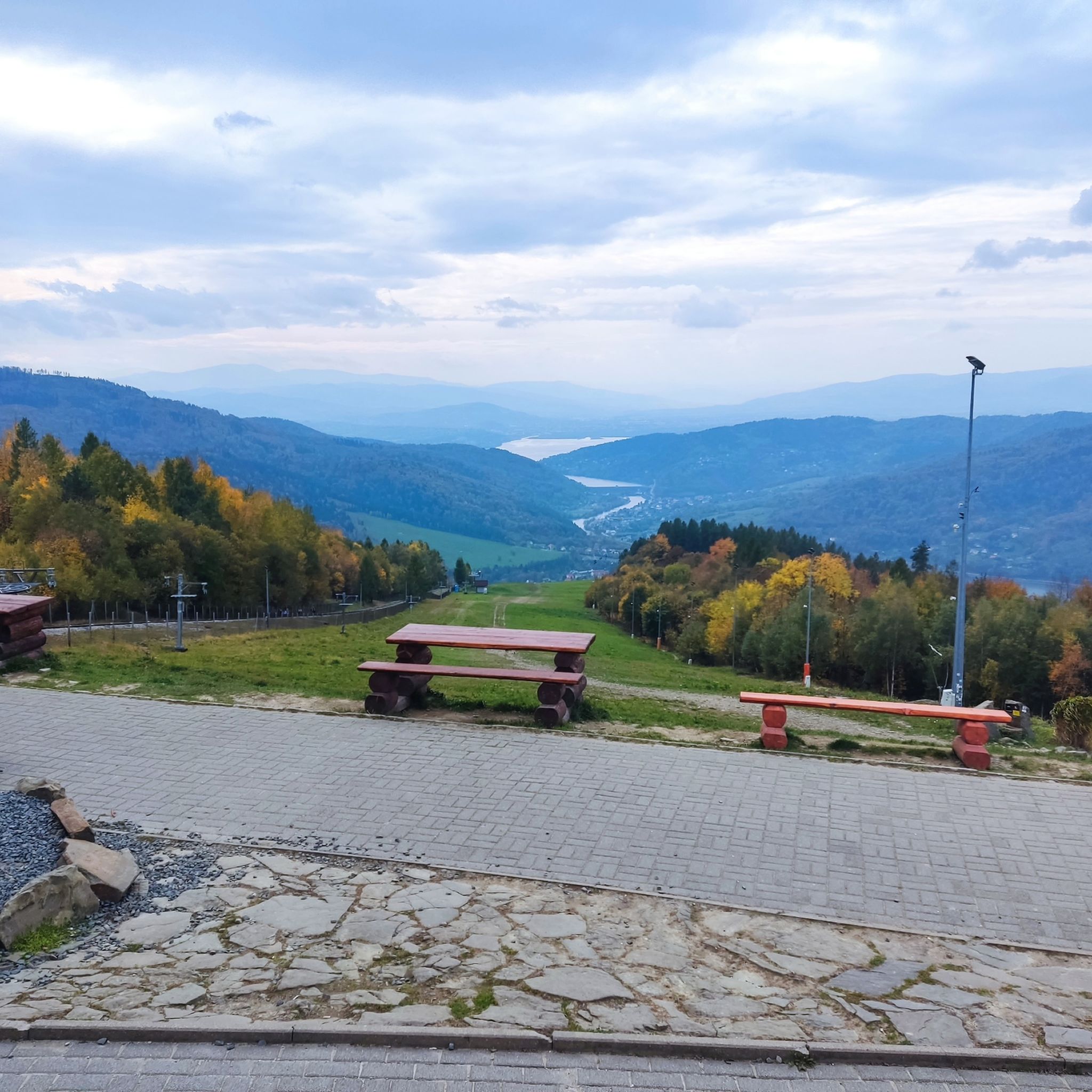
View of the valley and lake in the Silesian Beskids Landscape Park
Highlight • Viewpoint
You can go down the other way again towards the dam, or go a little higher to the summit of Błatnia.
Showing Translation
Tip by

View of the Porąbka-Żar Pumped-Storage Power Plant from Kiczera
Highlight • Viewpoint
Translated by Google •
Tip by

Viewpoint at the Quarry Lake
Highlight • Viewpoint
Translated by Google •
Tip by

Sign up for free to discover even more lakes around Bielsko.
Already have an account?
Start today with a free account
Your next adventure awaits.

Tips from the Community

Great surroundings for walks and cycling.
0
0

Relatively easy access from under the dam in Wapienica, although you have to drive a bit, but the terrain is not demanding. Probably the place with the best view of the dam in Wapienica. You can go down the other way again towards the dam, or go a little higher to the summit of Błatnia.
0
0

Personally, I found the short running route pleasant. There were asphalt paths and forest paths! Nice viewpoint where you can stop!
0
0

The President Ignacy Mościcki Dam – a concrete and earth dam built in 1929–1932 on the Wapienica River and the Barbara stream in the town of Wapienica (today a district of Bielsko-Biała). The reservoir created by damming the water is called Wielka Łąka Lake. Due to the purpose of the reservoir (water collection for consumption purposes), its banks are inaccessible to the public (the reservoir is covered by a direct sanitary protection zone), while the catchment areas of the Wapienica, Barbara and Żydowski streams constitute a strict protection zone. The water in the reservoir meets the standards for Class I water purity in terms of physicochemical and bacteriological parameters. This condition has been maintained since 1993. There is no fishing economy here in any form and there is a ban on practicing water sports. There are also filter stations that purify water for municipal purposes.
1
2

A strange, slightly cosmic, perfectly round water tank at the start of the "Hip Hop Air" route. What is it here for?
1
0

It is one of the oldest dams in Poland, built in 1928-1936. The dam creates the picturesque Międzybrodzkie Lake, ideal for walking and admiring the landscape. The area around the dam is a great place for hiking and cycling.
0
0

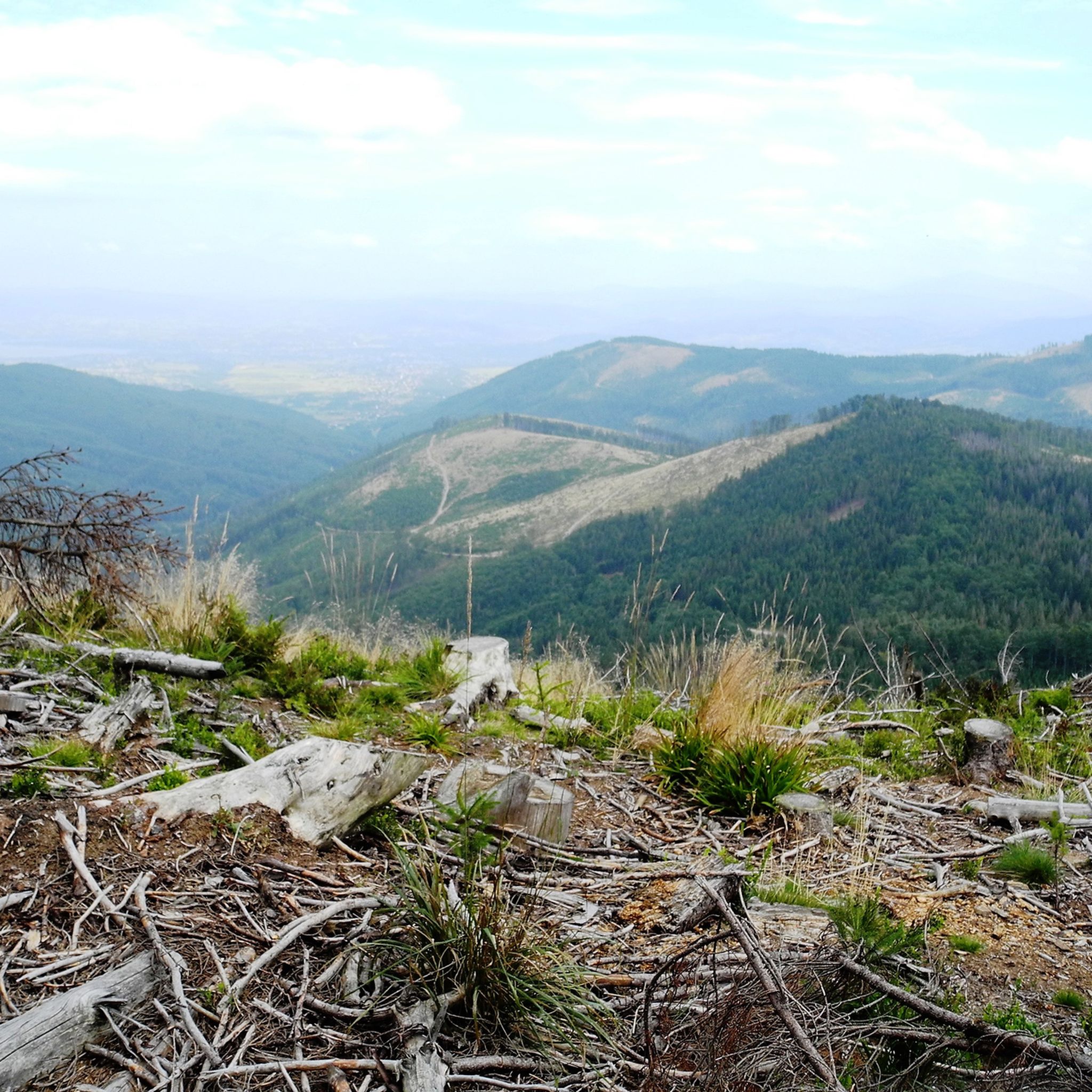
The Kiczora peak is covered with forest, but the slopes below the peak are treeless. In the past, these were shepherds' pastures and meadows. Currently, due to economic unprofitability, they are no longer used for agriculture and are gradually overgrowing with forest, but there are still extensive panoramas. From the clearing on the northern side of the peak, there is a panorama of views covering the Wielka Puszcza valley, the Bukowski Groń ridge rising above it, Złota Góra, Przełęcz Targanicka and Wielka Bukowa. Above them and to the right are visible: Jawornica, Łamana Skała, Potrójna, Leskowiec. In the back, a view of the Silesian Foothills with the towns of Kęty and Andrychów. The view from the clearing on the western slopes is even more extensive. In the foreground, you can see the large water reservoir of the Porąbka-Żar pumped-storage power plant, behind it the peaks of the Beskid Mały mountain range rising on the western side of the Soła River, on their left the Beskid Śląski mountain range and the Beskid Żywiecki mountain range, and below them Lake Żywieckie, Lake Czanieckie and Kęty
0
0

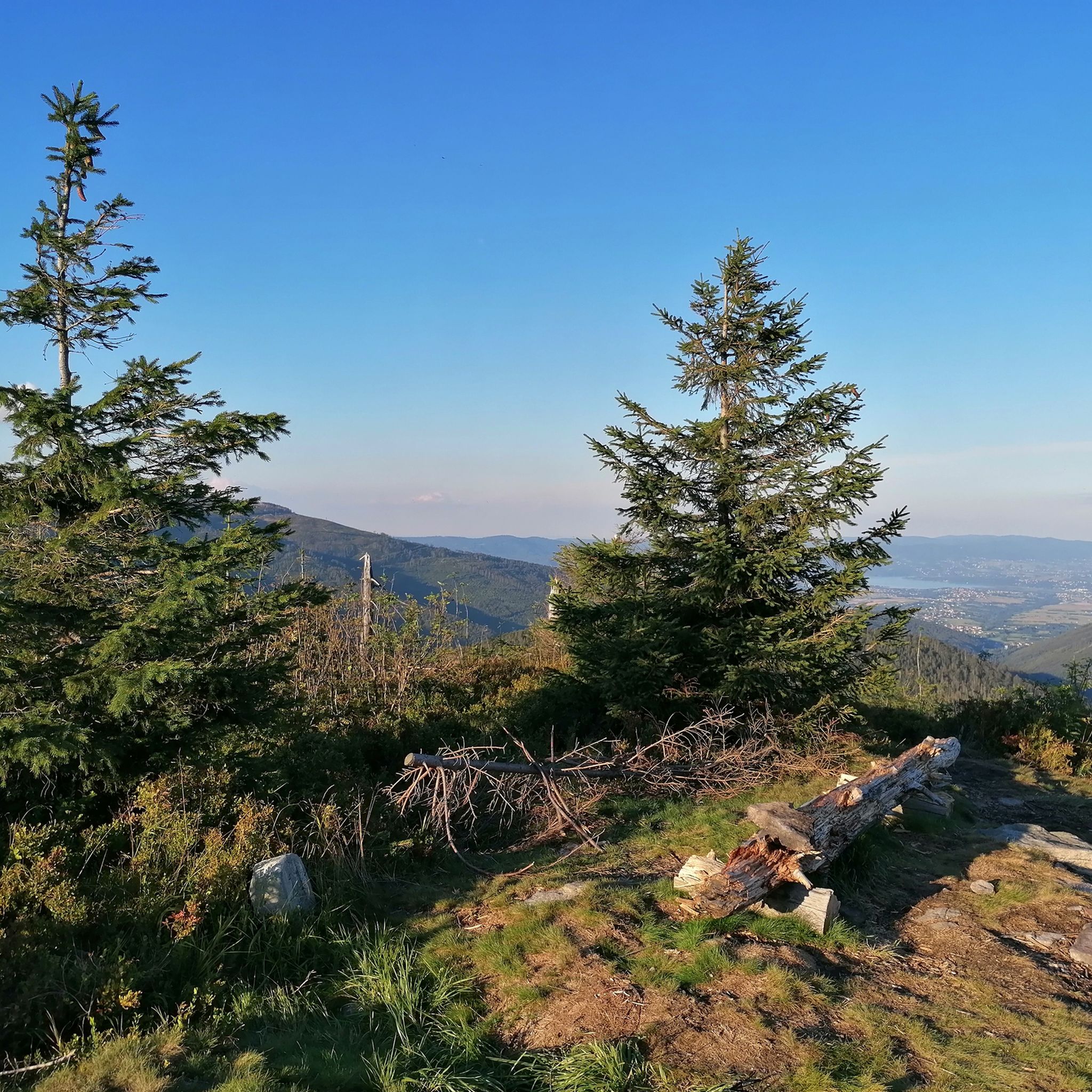
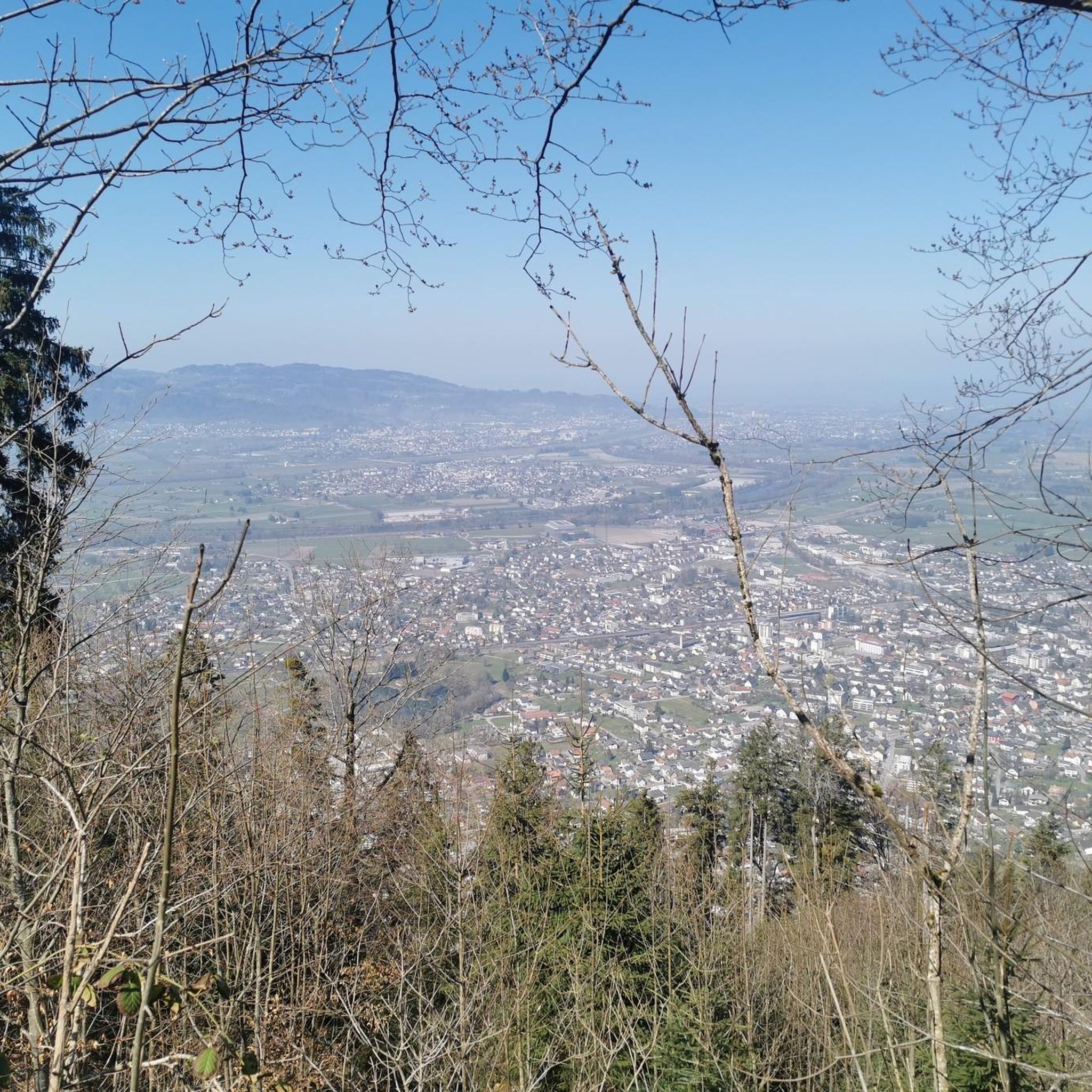
Beautiful views of the surrounding towns, and in good conditions also of Upper Silesia (visible heaps) and part of Lesser Poland. The viewpoint is accessible for strollers and people in wheelchairs. One kilometer from the parking lot on gravel roads
0
0
Frequently Asked Questions
Which lakes around Bielsko-Biała are best for family activities?
For families, Jezioro Żywieckie and Jezioro Międzybrodzkie are excellent choices, offering beaches, water sports rentals, and easy access to recreational areas. The Komorowickie Ponds also provide a peaceful setting for nature observation, and the Porąbka Dam and Wapienica Dam areas are noted as family-friendly.
What water sports are available on the lakes near Bielsko-Biała?
Jezioro Żywieckie and Jezioro Międzybrodzkie are popular for a wide array of water sports, including kayaking, sailing, and paddle boating. Rental equipment is readily available at both locations.
Are there good hiking opportunities around the lakes?
Yes, the mountainous surroundings of lakes like Jezioro Żywieckie and Jezioro Międzybrodzkie offer numerous hiking trails in the Beskid Żywiecki and Beskid Mały. You can also find walking and cycling paths around Jezioro Czanieckie and an educational path around the Komorowickie Ponds. For more detailed routes, explore the Hiking around Bielsko guide.
Which lakes are suitable for birdwatching or nature observation?
The Komorowickie Ponds are ideal for birdwatching, known for their diverse wetland bird species like night herons, bitterns, and grebes. Jezioro Czanieckie also offers a tranquil natural setting with picturesque, forest-covered hills.
Can I swim in all the lakes around Bielsko-Biała?
No, swimming is not permitted in all lakes. While Jezioro Żywieckie and Jezioro Międzybrodzkie have designated swimming areas and beaches, Jezioro Czanieckie and Wielka Łąka Lake (Ignacy Mościcki Dam) are primarily drinking water reservoirs, and swimming or motor water sports are restricted to preserve water quality.
Are there any historical or notable man-made structures near the lakes?
Absolutely. The Porąbka Dam, which created Jezioro Międzybrodzkie, was considered a pinnacle of technological advancement when built. Similarly, the Ignacy Mościcki Dam (Wielka Łąka Lake), built between 1929 and 1932, was one of Europe's most modern facilities of its type.
What is the best time of year to visit the lakes around Bielsko-Biała?
The lakes are generally most enjoyable during the warmer months, from late spring to early autumn (May to September), when conditions are best for water sports, hiking, and outdoor recreation. The scenic beauty, however, can be appreciated year-round, with autumn offering vibrant foliage and winter providing a tranquil, snowy landscape.
Are there viewpoints offering scenic vistas of the lakes?
Yes, you can find several viewpoints. The crown of the dam at Jezioro Czanieckie offers panoramic views. For a unique perspective, consider the View of the Porąbka-Żar Pumped-Storage Power Plant from Kiczera, which overlooks Jezioro Międzybrodzkie. There's also a Viewpoint at the Quarry Lake.
Are dogs allowed at the lakes?
While specific regulations can vary by location, many natural areas and trails around Jezioro Żywieckie, Jezioro Międzybrodzkie, and the Komorowickie Ponds are generally dog-friendly, especially on leashes. However, areas designated for swimming or nature protection might have restrictions. Always check local signage.
Where can I find cafes or accommodation near the lakes?
Both Jezioro Żywieckie and Jezioro Międzybrodzkie have well-developed recreational infrastructures, including cafes, pubs, and accommodation options nearby. For example, the Krzywa Chata Inn by the Wisła Czarne Dam and Krzywa Chata Café with View of Wapienica Reservoir offer places to relax with a view.
What makes Jezioro Międzybrodzkie unique compared to other lakes?
Many consider Jezioro Międzybrodzkie to be particularly picturesque due to its immediate mountain surroundings, where the peaks of the Little Beskids reflect in its waters. It's also overlooked by Góra Żar, which hosts a pumped-storage power plant, adding to its distinct character.
What is the primary purpose of Jezioro Czanieckie?
Jezioro Czanieckie serves a crucial role as a drinking water reservoir for the Silesian agglomeration, including cities like Katowice, Tychy, and Bielsko-Biała. This function ensures its exceptionally clean water and tranquil, preserved natural character, as recreational activities like swimming are restricted.
Most popular routes around Bielsko
Most popular attractions around Bielsko

Get inspired with the komoot mobile app


Didn’t find what you were looking for?
Find the best lakes around Bielsko per region:
Explore more
Still not found your perfect lake around Bielsko? Check out the guides of these regions to see even more beautiful places.
