Sequoia-Kings Canyon Wilderness
Sequoia-Kings Canyon Wilderness
Top 6 Huts and Cabins in Sequoia-Kings Canyon Wilderness
Best huts in Sequoia-Kings Canyon Wilderness are situated within the high Sierra Nevada mountains. This region is characterized by its dramatic granite landscapes, deep canyons, and subalpine meadows. It offers a challenging wilderness experience with significant elevation changes and is home to notable landmarks and historical structures. The area provides access to high-elevation Sierra terrain and is a popular destination for backcountry exploration.
Best huts in Sequoia-Kings Canyon Wilderness
- The most popular huts is Mount Whitney, a summit that…
Last updated: July 13, 2026
Mount Whitney
Highlight • Summit
Tip by

Smithsonian Institution Shelter
Highlight • Mountain Hut
Only four days after the first trail to the summit was completed in 1904, an employee of …
Tip by
Sign up now to discover places like this
Get recommendations on the best single tracks, peaks, & plenty of other exciting outdoor places.
Sign up for free
Muir Hut
Highlight • Mountain Hut
Tip by
Big Arroyo Junction Camp
Highlight • Rest Area
Tip by

Pear Lake
Highlight • Lake
Tip by

Sign up for free to discover even more huts and cabins in Sequoia-Kings Canyon Wilderness.
Sign up for free
Already have an account?
Start today with a free account
Your next adventure awaits.
Login or Signup
Popular around Sequoia-Kings Canyon Wilderness
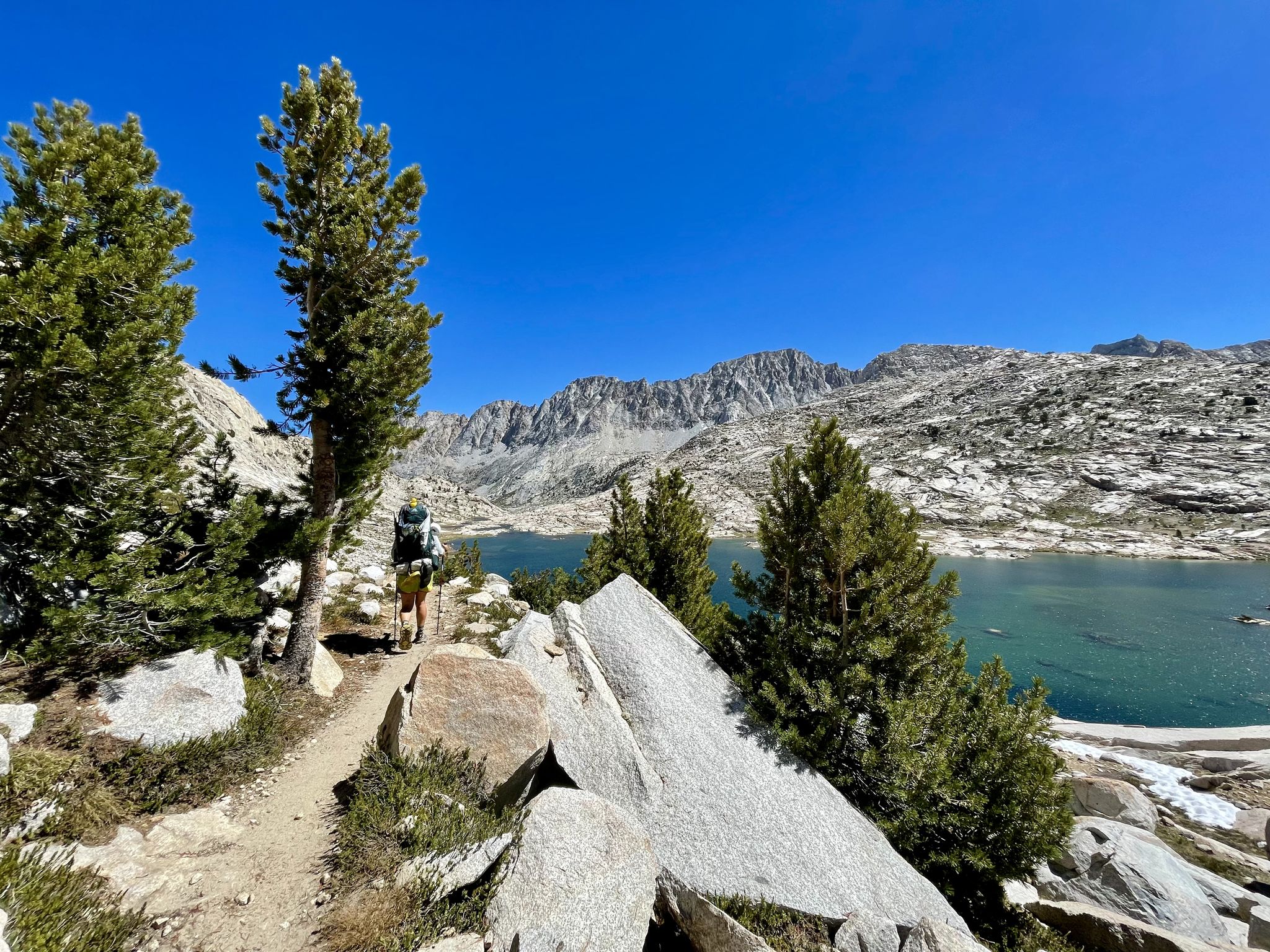
John Muir Trail – Along the legendary trail through the magical Sierra Nevada
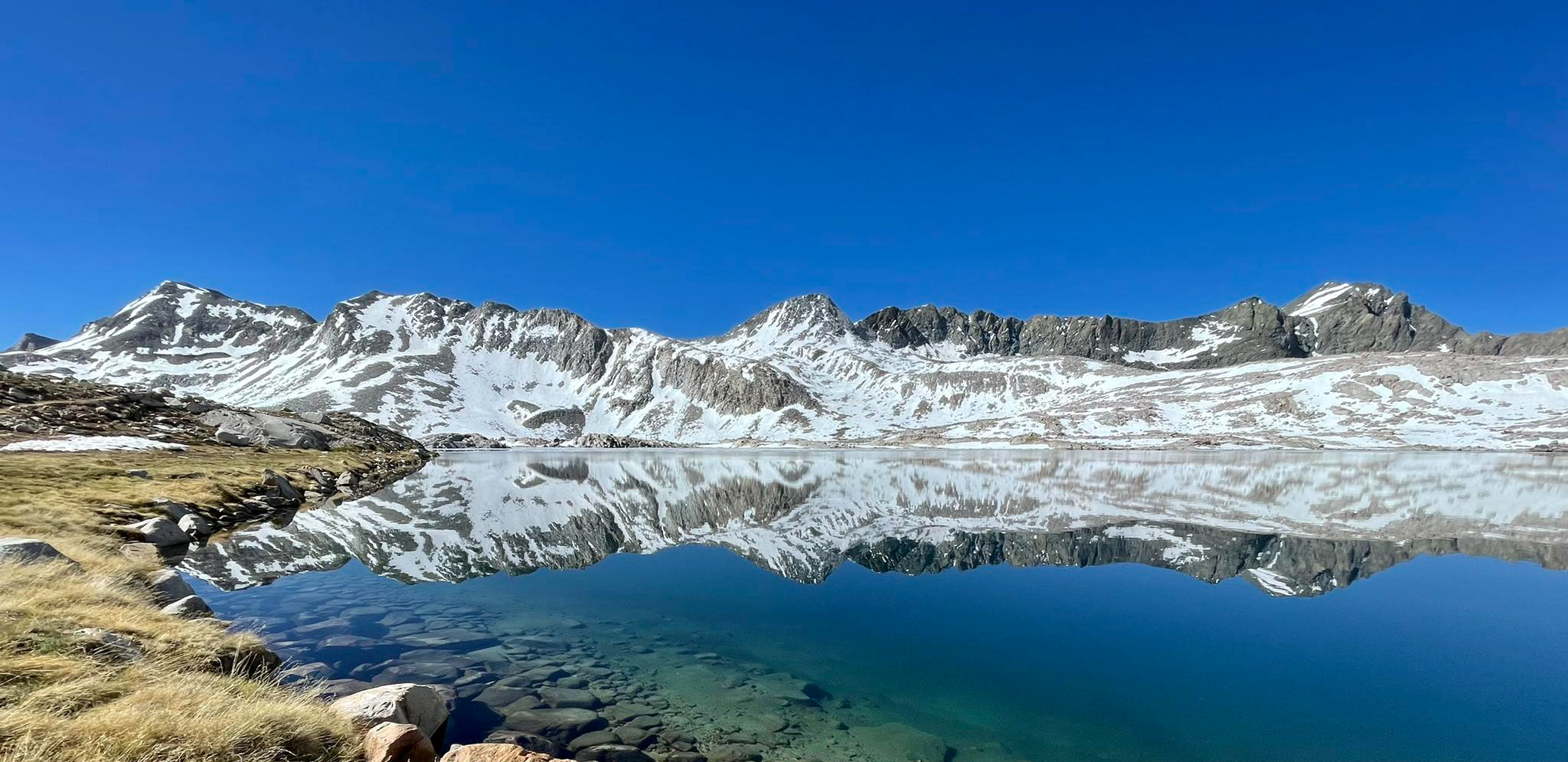
The Sierra High Route — Solitude in California's alpine country

Pacific Crest Trail from Mexico to Canada – 4,200 kilometres of wilderness
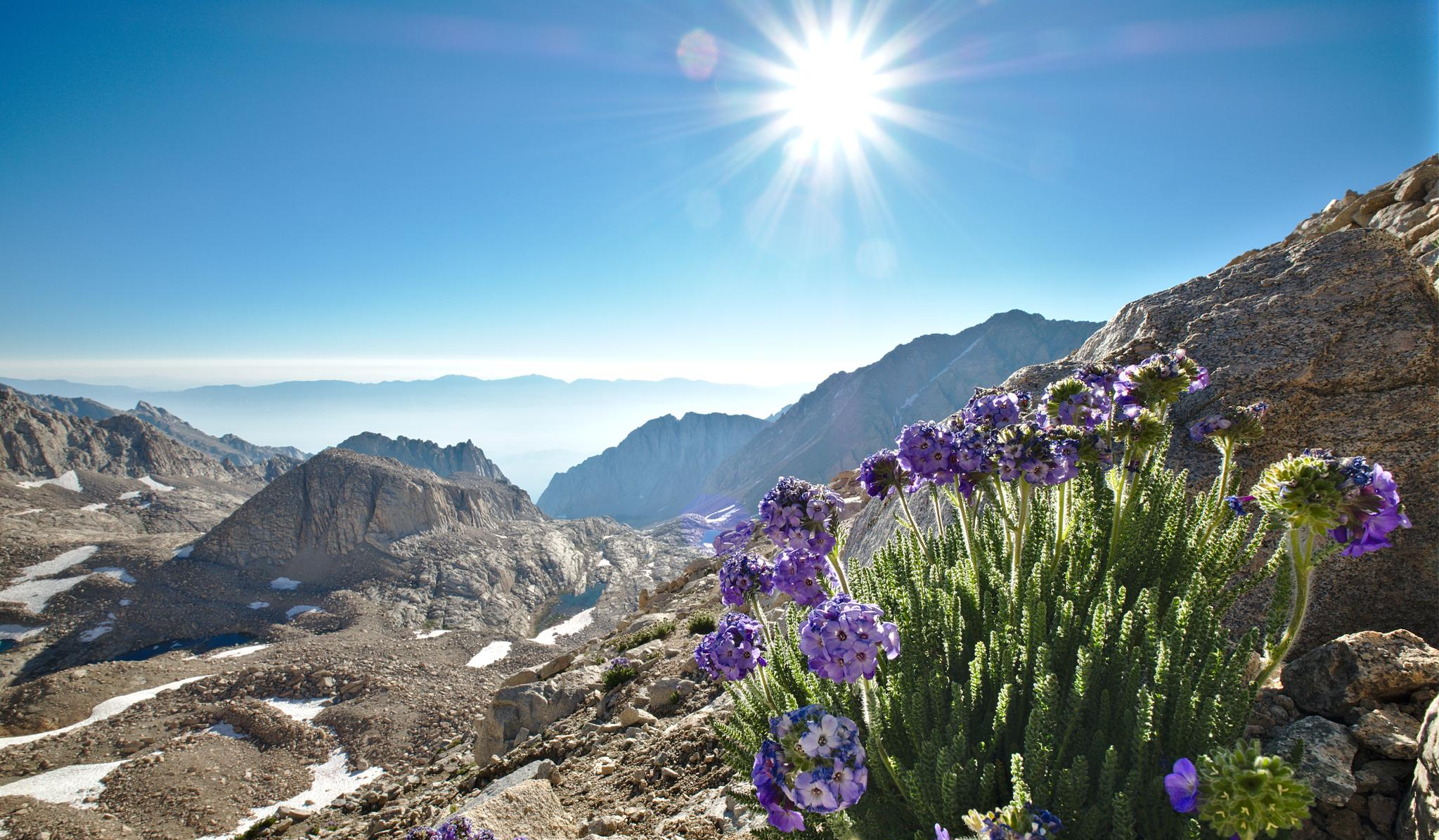
The High Sierra Trail — The Ultimate Sierra Experience
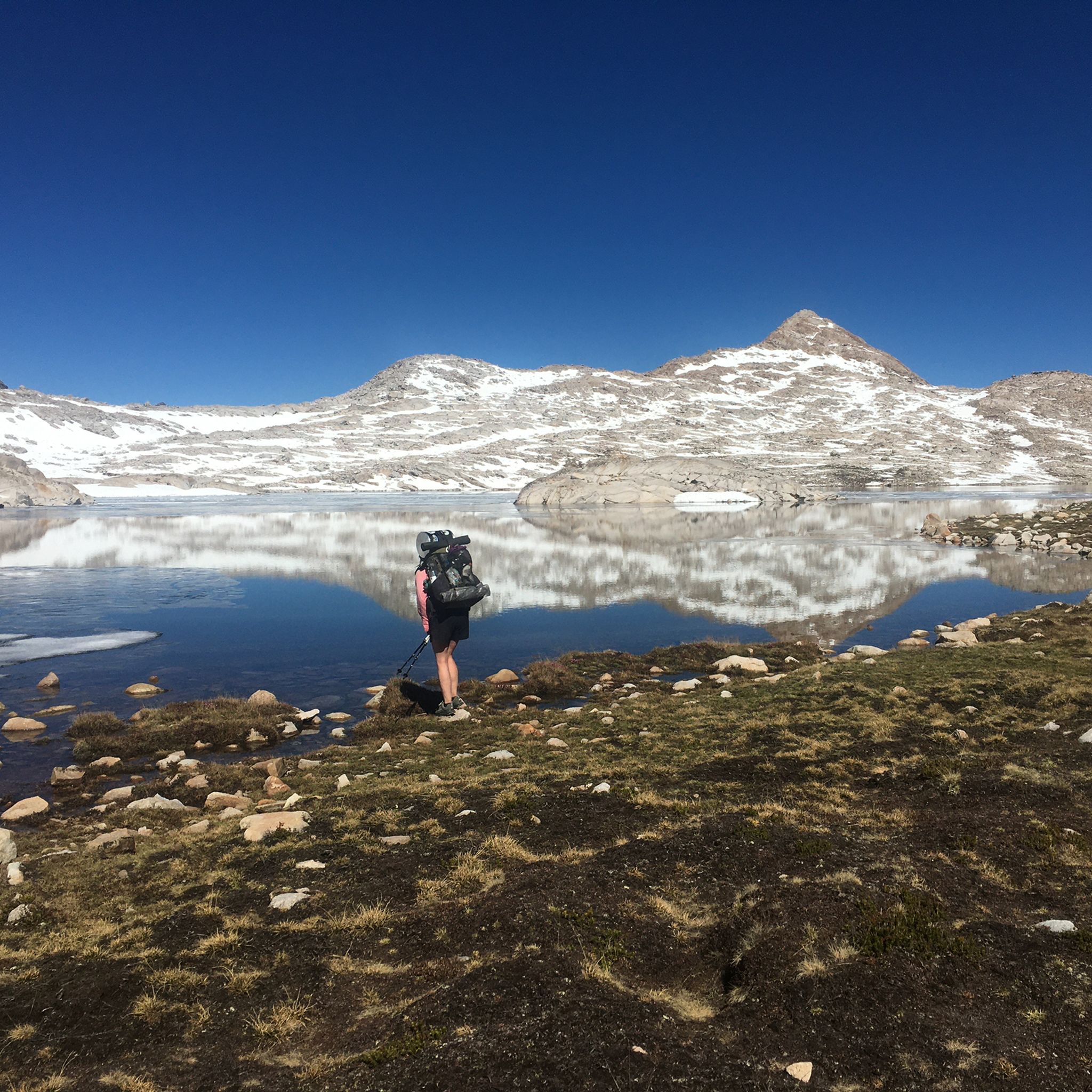
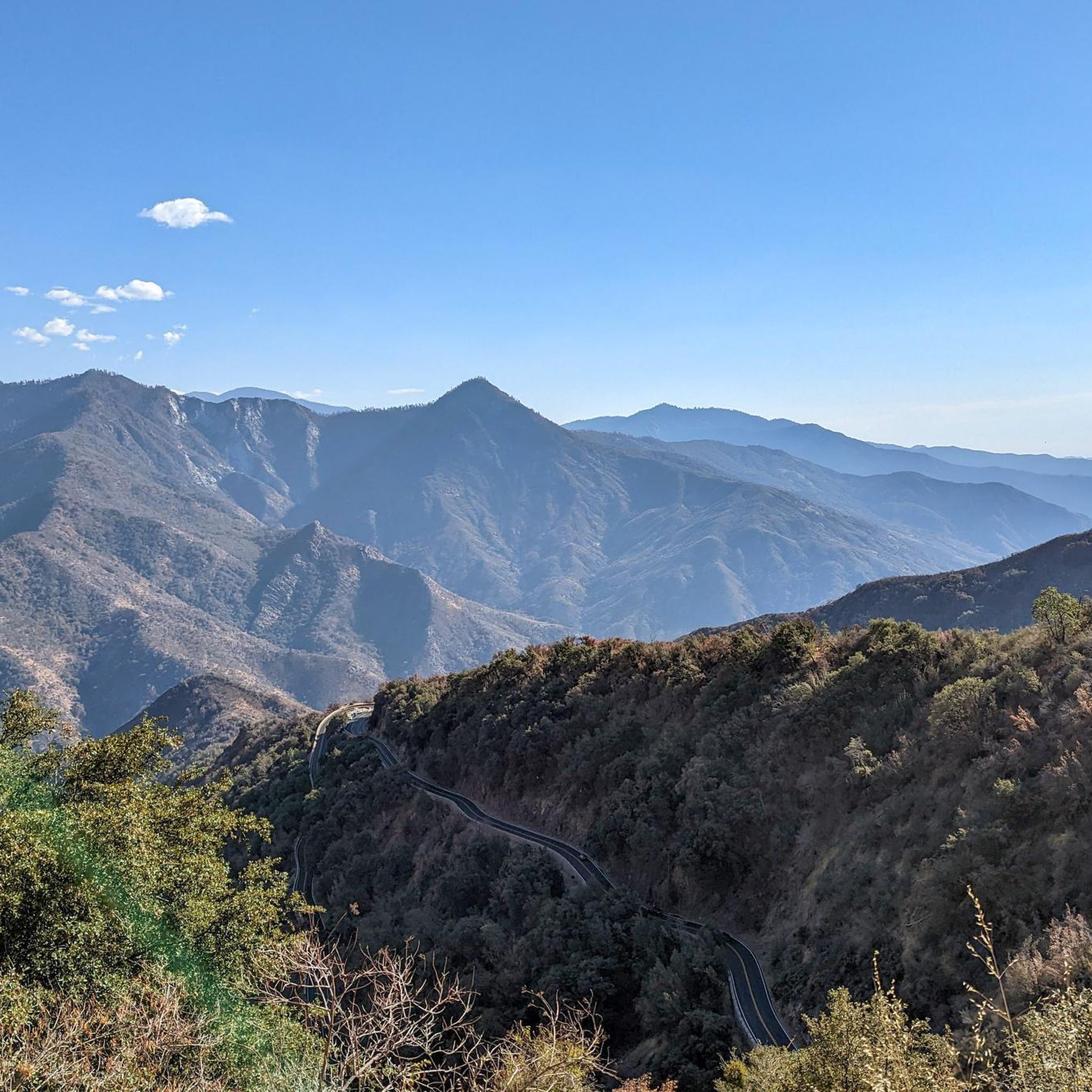
Hiking in Sequoia-Kings Canyon Wilderness
Cycling in Sequoia-Kings Canyon Wilderness
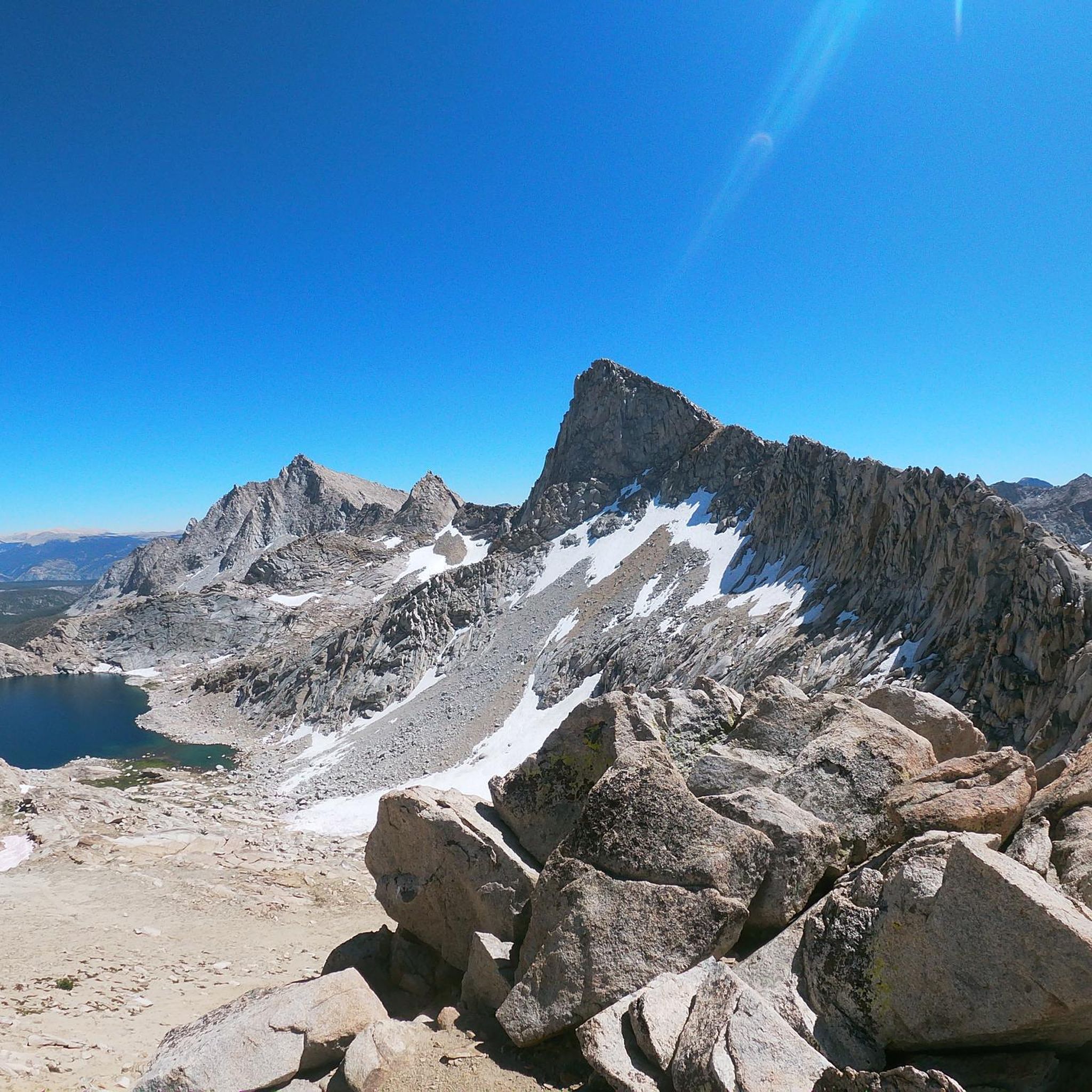
Running Trails in Sequoia-Kings Canyon Wilderness
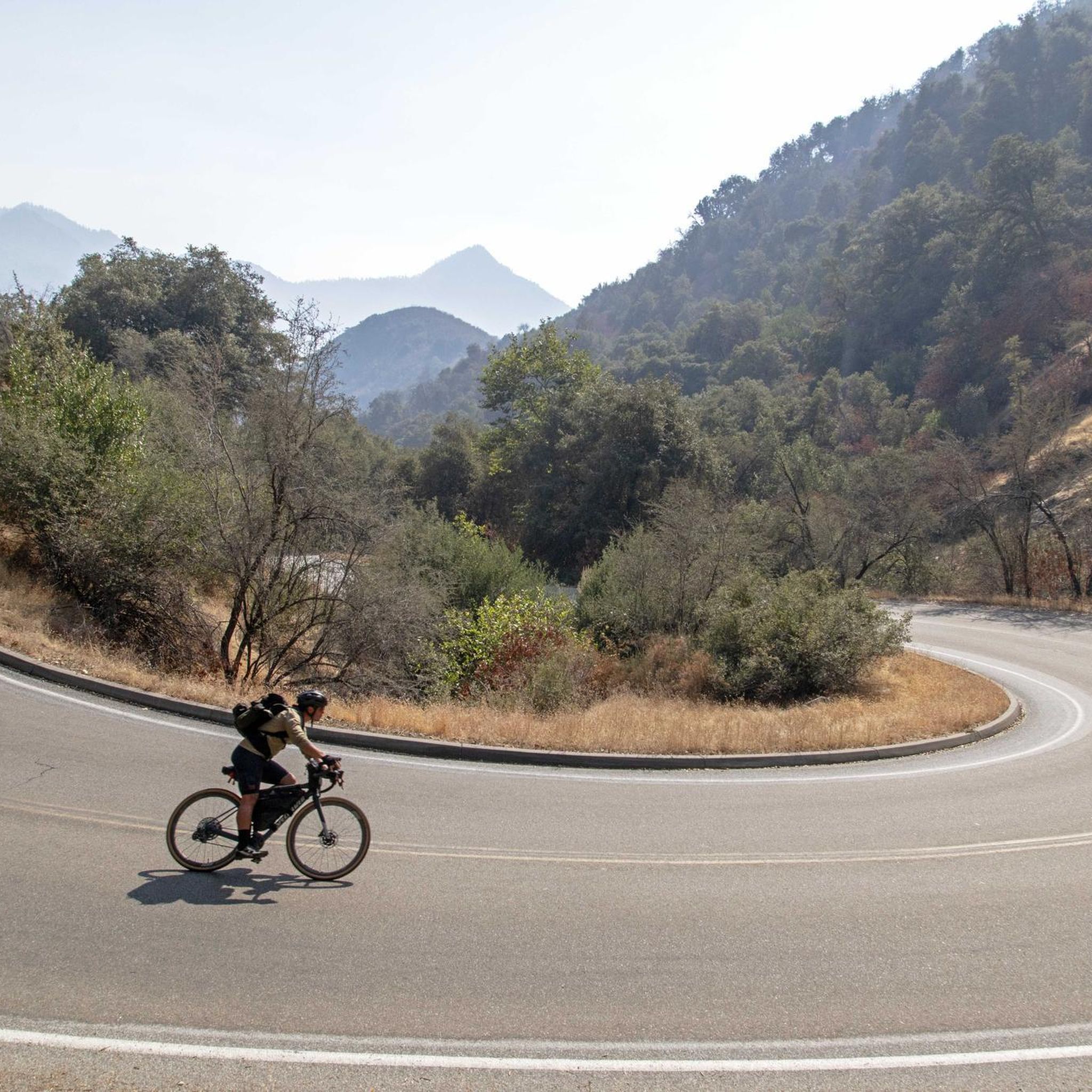
Road Cycling Routes in Sequoia-Kings Canyon Wilderness
Other adventures in Sequoia-Kings Canyon Wilderness


Tips from the Community

Big Arroyo Junction is a popular backcountry camping area along the High Sierra Trail, located about 20 miles from Crescent Meadow and just beyond Kaweah Gap (10,700 feet). Situated at 9,100 feet, this site offers flat, well-established campsites near Big Arroyo Creek, making it a good place to stop for the night after the challenging climb over Kaweah Gap. There are no amenities, but hikers will find ample tent space, reliable water sources from the creek (which must be filtered or treated), and bear boxes for food storage. The area is surrounded by granite landscapes and subalpine meadows, and there is a cool old log cabin near by to check out. If you are unable to reach this spot by Big Arroyo Junction, there are many other established backcountry sites back along the trail on Big Arroyo Creek after Kaweah Gap. These sites offer good alternatives for camping and allow for more flexibility in daily mileage, especially for hikers adjusting to the high elevation, or for those who simply want more time on this amazing trail!
0
0

The ascent of Mount Whitney offers breathtaking natural beauty, including stunning alpine scenery, glacial lakes, and panoramic views of the surrounding peaks. The mountain attracts a diverse range of visitors, from seasoned mountaineers to ambitious hikers looking to conquer a significant summit. Check more information on https://geometry-dashlite.io
0
0

A pit toilet and ranger station are at this location. Ranger station is available as a hut during winter adventures.
0
0

First 4000er - and then one like that!! #justgotengaded
0
2

Breathtaking view and feelings of happiness guaranteed after the ascent! There are several metal signs on the summit that can be used for a photo. The shelter was full of snow when we were up and I didn't look further. And yes, there is a cell phone network and almost all thru hikers use this to get in touch with loved ones. ;)
1
0

With an elevation of 4,421 meters, Mount Whitney is the highest point in the United States. The summit is the southern end of the famous John Muir Trail. At the summit is the Mount Whitney Summit Shelter, a granite shelter built in 1909. It has three rooms and was built as a refuge for hikers from storms, but also to house scientists studying altitude. It is the site of Charles Greeley Abbot's spectroscopic observations of Mars to test whether or not the planet had water.
0
0

The destination of Pear Lake is one of the most popular within the national Sequoia Park. A hard-built house serving as a refuge for skiers has even been built. It is possible to camp on site.
1
0
Frequently Asked Questions
What types of huts can I find in the Sequoia-Kings Canyon Wilderness?
The Sequoia-Kings Canyon Wilderness offers a range of lodging experiences, from rustic wilderness huts to historic stone shelters. These include specialized winter huts like the Pear Lake Winter Hut, historic structures such as the Smithsonian Institution Shelter on Mount Whitney, and emergency shelters like the Muir Hut. These structures provide vital refuge and a base for exploring the high-elevation Sierra terrain.
What is unique about the Smithsonian Institution Shelter?
The Smithsonian Institution Shelter, also known as the Mount Whitney Summit Shelter, is a historic three-room granite hut built in 1909. Located on the summit of Mount Whitney, it was constructed to protect hikers from storms and served as housing for scientists, including Charles Greeley Abbot, who conducted spectroscopic observations of Mars there. Its location marks the highest point in the contiguous United States.
Are there any huts specifically for winter activities?
Yes, the Pear Lake Winter Hut is specifically designed for wilderness skiers and snowshoers during the winter months. It's situated at an elevation of 9,200 feet and provides ten bunkbeds and a wood-pellet stove, offering crucial shelter after a strenuous six-mile journey from Lodgepole.
What permits are required for overnight hut stays or wilderness camping?
For wilderness hut stays and camping, especially in areas like those around Mount Whitney, you will need to obtain a valid wilderness permit. For example, to camp at sites like Lone Pine Lake or Trail Camp on the Mount Whitney Trail, permits are required from the forest service. The Pear Lake Winter Hut also requires a free wilderness permit. You can apply for Mount Whitney permits between February 1 and March 15 at recreation.gov.
What is the best time of year to visit the huts in Sequoia-Kings Canyon Wilderness?
The best time to visit depends on the type of experience you seek. For high-elevation huts like the Smithsonian Institution Shelter or Muir Hut, summer and early fall offer the most accessible conditions. For a unique winter backcountry experience, the Pear Lake Winter Hut is available by reservation only during the winter months, catering to skiers and snowshoers.
What kind of outdoor activities can I do near these huts?
The Sequoia-Kings Canyon Wilderness offers extensive opportunities for outdoor activities. Near many huts, you can find challenging hiking trails, such as those leading to Mount Whitney or along the John Muir Trail. For cycling enthusiasts, there are various routes like those found in the Cycling in Sequoia-Kings Canyon Wilderness guide. Waterfall hikes are also popular, with options detailed in the Waterfall hikes in Sequoia-Kings Canyon Wilderness guide.
Are there any historical sites among the huts?
Yes, the Smithsonian Institution Shelter on Mount Whitney is a significant historical site, built in 1909. Another notable historical structure is the Muir Hut at Muir Pass, constructed in 1930 by the Sierra Club as an emergency shelter and memorial to John Muir.
What is the difficulty level for reaching these wilderness huts?
Reaching many of the wilderness huts in Sequoia-Kings Canyon Wilderness, such as the Smithsonian Institution Shelter or Muir Hut, involves challenging high-elevation treks. The Pear Lake Winter Hut requires a strenuous six-mile journey on skis or snowshoes with a 2,000-foot elevation gain. These trips often demand intermediate to advanced skills, good endurance, and knowledge of wilderness travel.
Can I find any backcountry camping areas with basic facilities?
Yes, areas like Big Arroyo Junction Camp offer established backcountry campsites. Located along the High Sierra Trail, it provides flat tent space, reliable water sources (requiring filtration), and bear boxes for food storage. While there are no amenities, it's a good place to stop after challenging climbs and features a cool old log cabin nearby.
What should I pack for a hut trip in the Sequoia-Kings Canyon Wilderness?
Packing essentials for a hut trip in this wilderness depend on the season and specific hut. For winter trips to places like the Pear Lake Winter Hut, you'll need skis or snowshoes, appropriate winter clothing, and avalanche safety gear. For any backcountry trip, always carry sufficient water (or a filter), food, navigation tools, first-aid supplies, and bear-resistant food containers. Be prepared for significant elevation changes and variable weather.
Are there any family-friendly options for experiencing the Sequoia-Kings Canyon area, even if not deep wilderness huts?
While the deep wilderness huts are generally for experienced adventurers, the broader Sequoia and Kings Canyon National Parks offer more accessible lodging options like Grant Grove Cabins, Cedar Grove Lodge, and Wuksachi Lodge. These provide varying levels of amenities and are more suitable for families seeking a less strenuous experience within the park boundaries, though they are not considered traditional wilderness huts.
Where can I find more information about general lodging options within Sequoia & Kings Canyon National Parks?
For information on a wider range of lodging options within the parks, including more accessible cabins and lodges, you can visit the official National Park Service website: nps.gov/seki/planyourvisit/lodging.htm.
Most popular routes in Sequoia-Kings Canyon Wilderness
Most popular attractions in Sequoia-Kings Canyon Wilderness

Get inspired with the komoot mobile app


