Top 3 Lakes around Suquamish
Best lakes around Suquamish are primarily defined by the region's deep connection to the Puget Sound saltwater environment. The Suquamish Tribe has historically inhabited these shores, rivers, and streams, making water a central feature of the area. While large natural freshwater lakes are not prevalent, the Kitsap Peninsula offers several notable water bodies, including managed freshwater resources and park ponds. These areas provide opportunities for enjoying scenery and experiencing the local natural landscape.
Best lakes around Suquamish
- The most popular…
Last updated: August 23, 2026
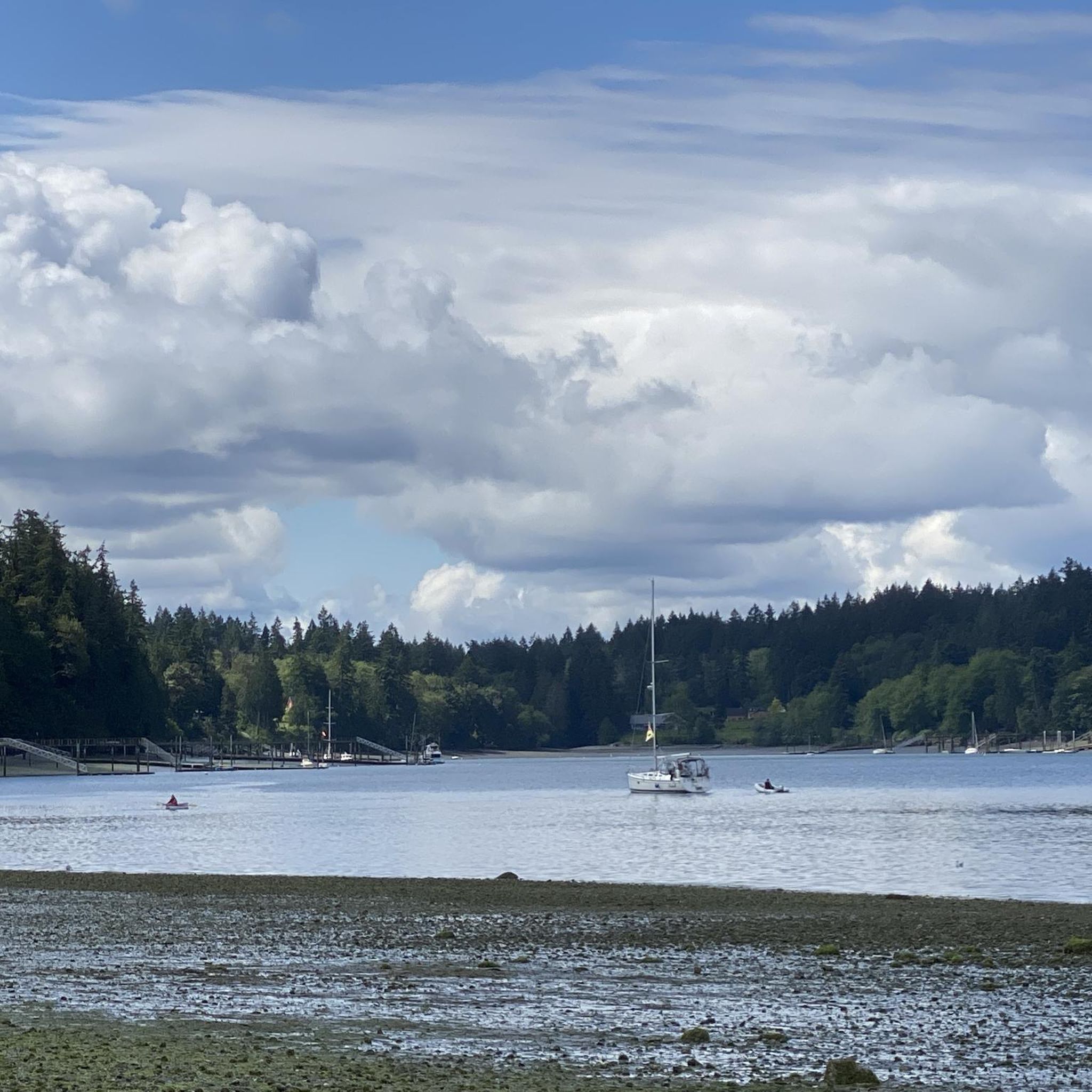
John Nelson Park
Highlight • Rest Area
Tip by

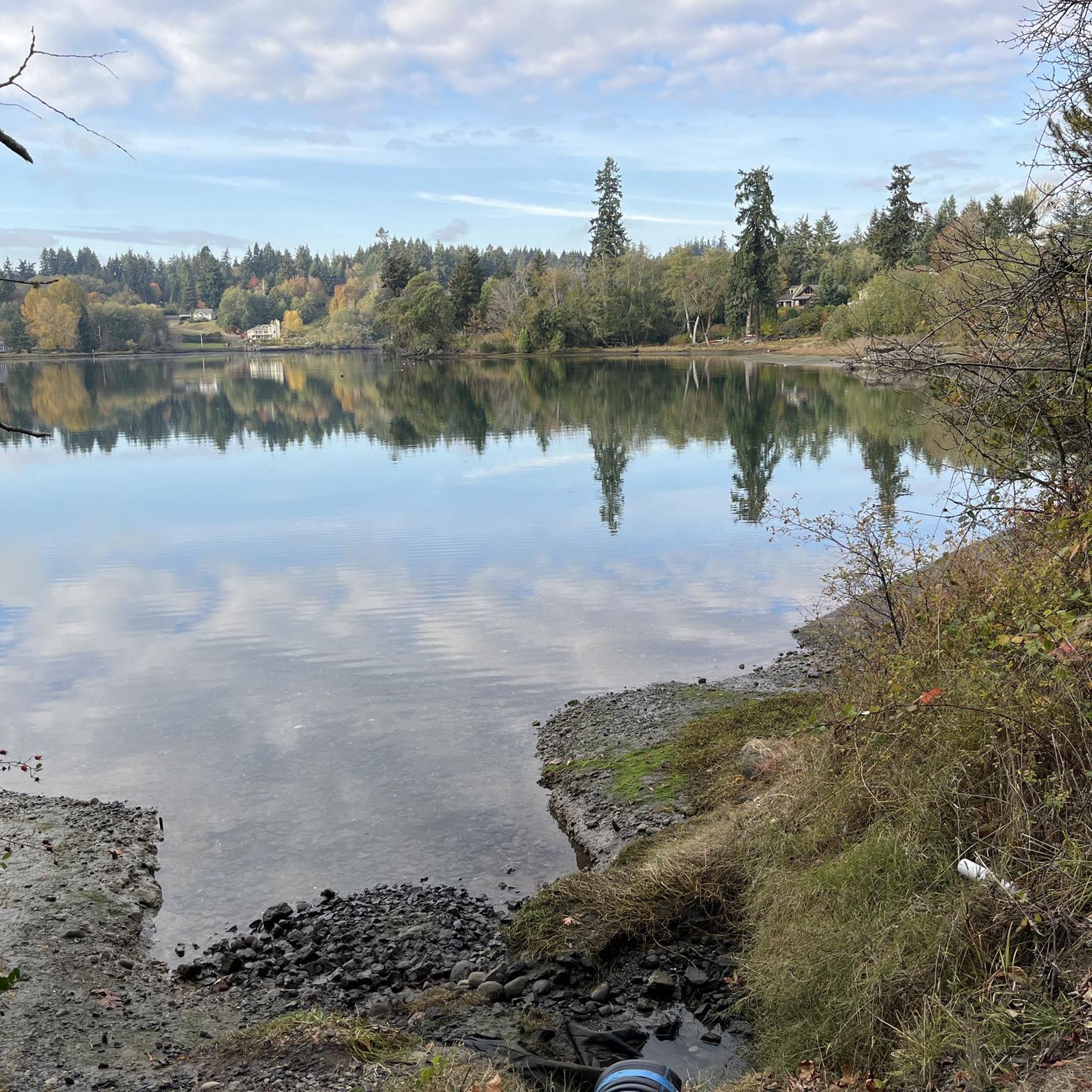
Sakai Park and pond
Highlight • Natural
Tip by
Sign up now to discover places like this
Get recommendations on the best single tracks, peaks, & plenty of other exciting outdoor places.
Sign up for free
Battle Point Park
Highlight (Segment) • Rest Area
Tip by
Gazzam Lake Main Trail
Highlight (Segment) • Trail
Tip by
Start today with a free account
Your next adventure awaits.
Login or Signup


Tips from the Community

There is an 18-foot-tall troll made from recycled wood residing in the park: Pia the Peacekeeper, an installation by Copenhagen-based artist Thomas Dambo. Also two asphalt-surfaced tennis courts, with accessible parking.
0
0

The main trails in Gazzam Lake Nature Preserve are well-signed and make for easy walking through the forest. The side trails tend to be narrower and brushier.
1
0
Once a naval radio station, this 90-acre park is now home to two ponds, walking/jogging trails, an equestrian area, a picnic shelter and kids' playground, lots of green space, and recreational facilities for everything from tennis, soccer and basketball to (indoor) gymnastics meets.
0
0
Previously known as Strawberry Plant Park, in 2013 this park was renamed in honor of John Nelson. Nelson — a local resident and shipyard worker — originally donated this tract of land in the 1950s in hopes it would become a park.
0
0
This park is named after a Japanese family who cultivated berries here during their World War II internment. It's now a tranquil, almost 23-acre nature preserve, featuring a pond and even some small wetlands.
2
0
Frequently Asked Questions
What kind of water bodies can I expect to find around Suquamish?
The Suquamish area is primarily defined by its deep connection to the Puget Sound saltwater environment. While large natural freshwater lakes are not prevalent, you'll find a variety of water features including managed freshwater resources, local park ponds, and the significant Puget Sound waterfront. The Suquamish Tribe also operates important hatchery lakes near Indianola for salmon enhancement.
Are there any parks with ponds or small lakes for recreation?
Yes, several parks in the vicinity offer ponds and water features for recreation. On nearby Bainbridge Island, Sakai Park and pond is a tranquil nature preserve with a pond and wetlands. Also on Bainbridge Island, Battle Point Park, a large 90-acre park, features two ponds among its many recreational facilities. Closer to Suquamish, John Nelson Park offers local access to water for recreation.
Are there hiking trails near the lakes and water features around Suquamish?
Yes, there are several hiking opportunities. For example, Battle Point Park on Bainbridge Island has walking and jogging trails around its ponds. The Gazzam Lake Main Trail offers easy walking through a forest preserve. You can find more options for easy hikes in the area by exploring the easy hikes guide around Suquamish.
What kind of natural features can I expect to see around these water bodies?
Beyond the water itself, you can expect to see diverse natural features. Sakai Park and pond features wetlands and a nature preserve setting. The Puget Sound waterfront offers stunning views and marine life. Areas like the hatchery lakes near Indianola are crucial for salmon populations, especially during September and October when Chinook salmon can be observed.
Are there family-friendly activities or parks with water features in the Suquamish area?
Absolutely. Battle Point Park is very family-friendly, offering two ponds, a kids' playground, picnic shelters, and plenty of green space. John Nelson Park also provides a local spot for family recreation near the water. The tranquil setting of Sakai Park and pond, with its unique troll sculpture, is also a hit with families.
What is the best time to visit the water features and parks around Suquamish?
The best time to visit depends on your interests. For general outdoor activities and enjoying the parks, spring through fall offers pleasant weather. If you're interested in observing salmon, the hatchery lakes near Indianola are particularly active during September and October when Chinook salmon can be seen. The Puget Sound waterfront is beautiful year-round.
Are there any dog-friendly trails or parks near the lakes?
Many parks in the Kitsap Peninsula are dog-friendly, though leash laws typically apply. While specific dog-friendly trails around the immediate ponds aren't detailed, larger parks like Battle Point Park often welcome leashed dogs on their walking trails. Always check local signage for specific rules regarding pets.
What kind of outdoor activities can I do near these water bodies?
Beyond enjoying the scenery, you can engage in various outdoor activities. Kayaking and fishing are popular along the Puget Sound waterfront. Hiking and running trails are available in parks like Battle Point Park and the Gazzam Lake Nature Preserve. You can also find options for gravel biking and running trails in the broader Suquamish area.
Is there parking available at these parks and water access points?
Yes, parking is generally available at the mentioned parks. For instance, Sakai Park and pond has accessible parking. Battle Point Park, being a large recreational area, also provides ample parking. The Puget Sound waterfront in Suquamish typically has public parking options as well.
Are there any cultural or historical points of interest related to water in Suquamish?
Yes, the Suquamish Tribe's history is deeply intertwined with the water. The name 'Suquamish' itself originates from 'clear salt water,' reflecting their historical presence along the Puget Sound. The House of Awakened Culture, located by the Suquamish Waterfront, is a significant cultural site. The Tribe's ongoing efforts to protect and enhance marine and fresh waters throughout Kitsap County also highlight their profound connection to the aquatic environment.
Can I find cafes or accommodation near the water features in Suquamish?
Suquamish and nearby towns like Poulsbo and Bainbridge Island offer various cafes, restaurants, and accommodation options. While not directly adjacent to every pond, you'll find amenities within a short drive. For more information on the area, you might find resources on Visit Kitsap helpful.
What is the terrain like on trails near these water bodies?
The terrain varies. Trails around parks like Battle Point Park are generally well-maintained and suitable for walking or jogging. The Gazzam Lake Main Trail offers easy walking through a forest. While some areas might have gentle inclines, most trails directly associated with these water features are considered easy to moderate in difficulty.
Most popular attractions around Suquamish

Get inspired with the komoot mobile app


Explore more
Still not found your perfect lake around Suquamish? Check out the guides of these regions to see even more beautiful places.
