Top 8 Caves on the Isle of Skye
Best caves on the Isle of Skye are found within a landscape characterized by dramatic coastlines, ancient geological formations, and a rich history. The island's terrain features basalt columns, limestone formations, and sea-carved cliffs. These natural features have created a variety of caves, some with historical significance and others showcasing unique geological structures. The Isle of Skye offers diverse cave exploration opportunities for those interested in natural history and geology.
Best caves on the Isle of Skye
- The most popular caves is Uamh Oir (Cave of Gold), Isle of Skye, a cave known for its striking hexagonal basalt columns. This sea cave is located near Kilmuir and is visually notable from the outside.
- Another must-see spot is Spar Cave, a natural monument with calcite formations. It is accessible only at low tide and features a cascade of flowstone and a pool deeper within.
- Visitors also love Prince Charles' Cave, a historical site. This cave holds significance as a refuge for Bonnie Prince Charlie in 1746 before his departure from Skye.
- Isle of Skye is known for sea caves, limestone caves, and historical underground structures. The variety includes natural monuments with unique geological features and sites with archaeological importance.
- The caves on the Isle of Skye are appreciated by the komoot community. There are 8 highlights with 10 upvotes and 17 photos shared by users.
Last updated: October 10, 2026
Spar Cave
Highlight • Natural Monument
You need to scramble down to the beach and then left (facing out to sea) around the headland. The cave itself is amazing with a cascade of flow stone and a pool on the other side if you climb up to see. It's all very slippery but absolutely awesome.
Tip by

Prince Charles' Cave
Highlight • Cave
One place he took refuge on his journey was a cave on the coast near Elgol. With the unwavering support of local allies, including the illustrious Flora MacDonald, he managed to stay hidden. Flora MacDonald famously disguised him as her maid, “Betty Burke,” to help him escape to the Isle of Skye.
The cave itself stands as a powerful symbol of the Prince’s desperate flight and the steadfast loyalty of the Highlanders who supported him.
Tip by

Sign up now to discover places like this
Get recommendations on the best single tracks, peaks, & plenty of other exciting outdoor places.
Uamh Oir (Cave of Gold), Isle of Skye
Highlight • Cave
The final pathless coastal slope down to the cave is very steep and dangerous and requires great care.
Tip by

Staffin Sea Cave
Highlight • Viewpoint
Tip by

Beinn an Dubhaich Cave
Highlight • Cave
Tip by
Sgurr Sgumain Bivi Cave
Highlight • Viewpoint
Tip by

High Pasture Cave
Highlight • Cave
Tip by
Kilvaxter Iron Age Souterrain
Highlight • Structure
Tip by
Start today with a free account
Your next adventure awaits.
Popular around Isle of Skye
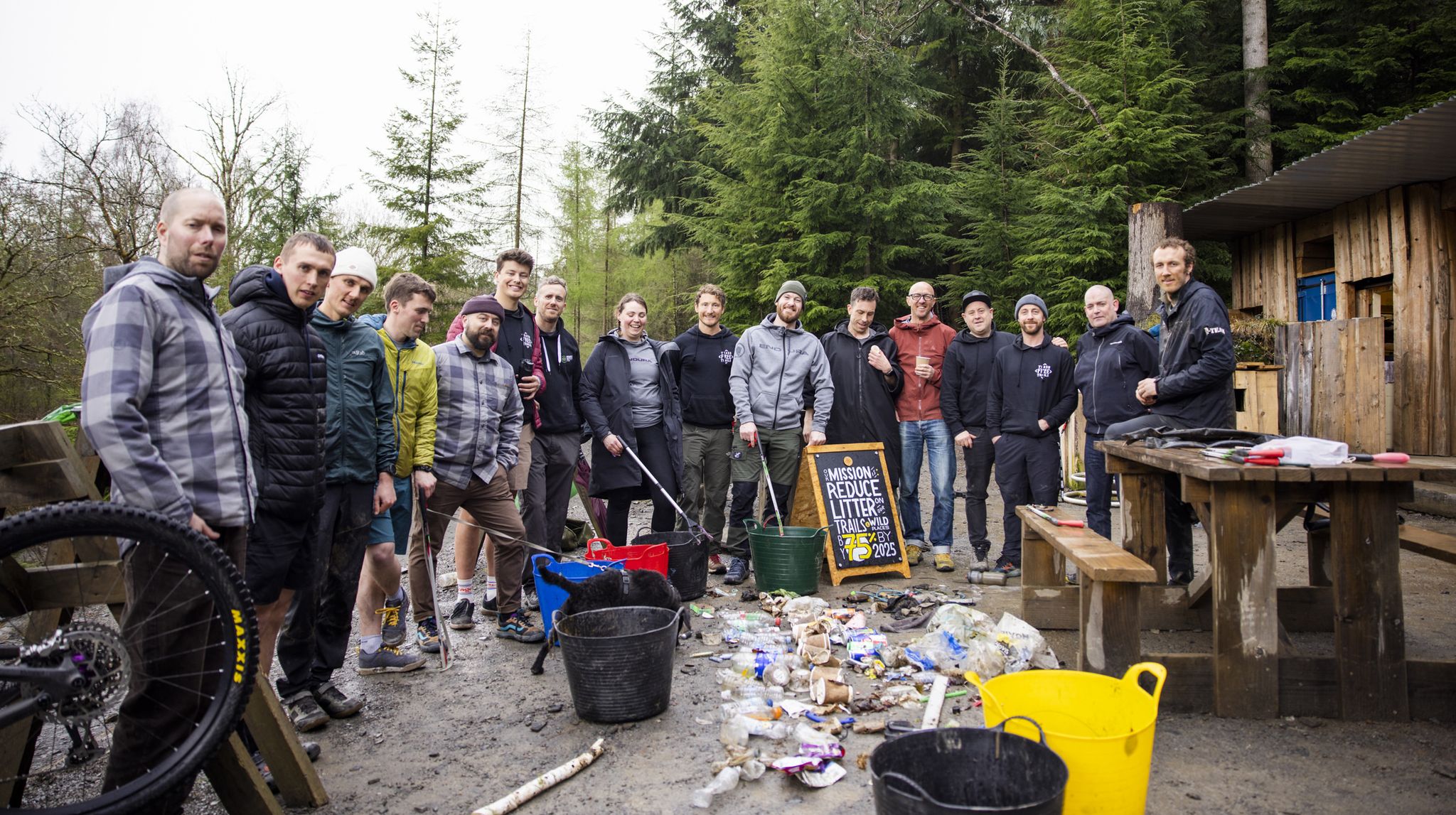
Adventures with a Purpose – our A-TEAMers’ best routes
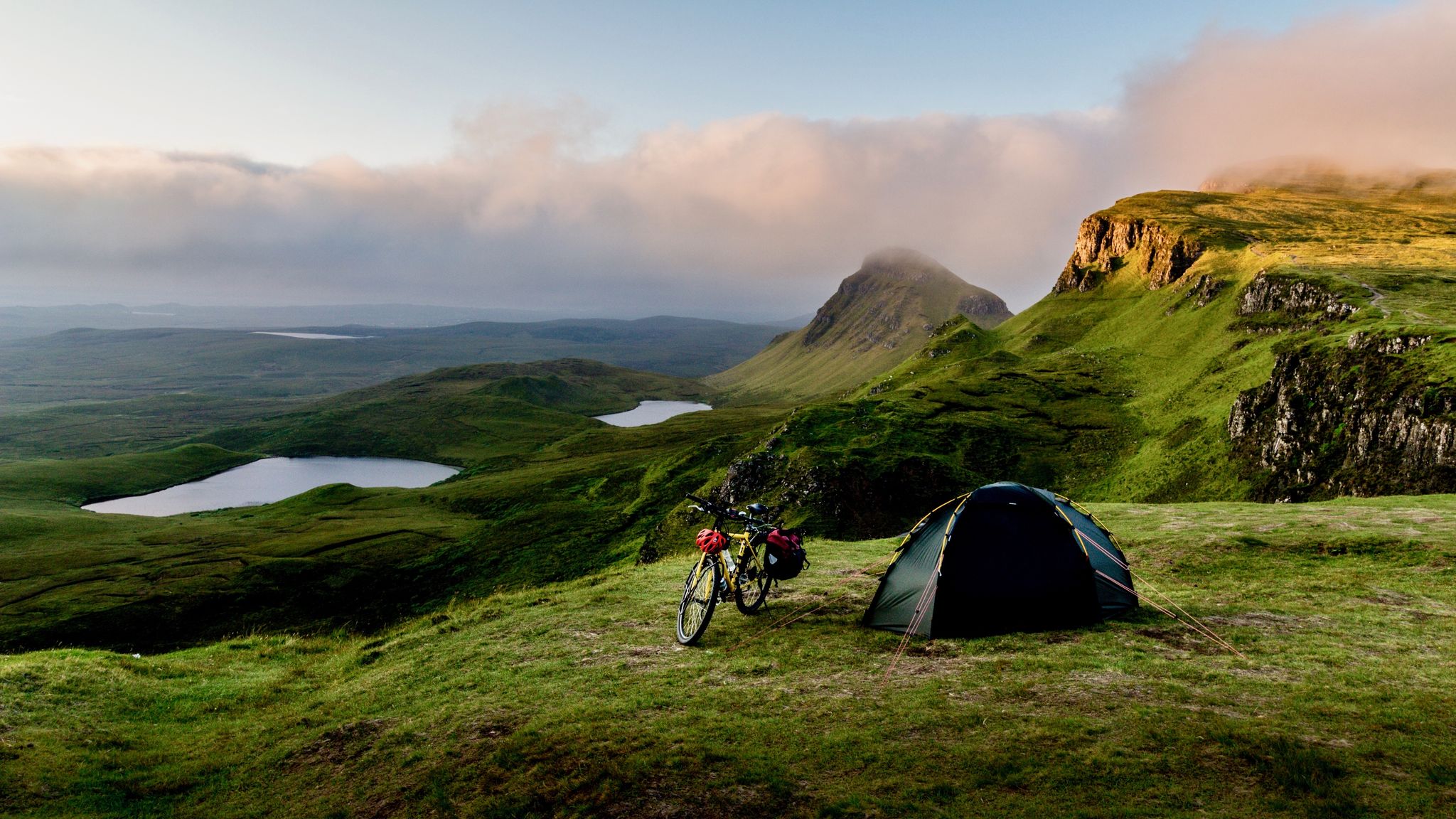
Hebridean hopscotch — cycling along Scotland's magical west coast
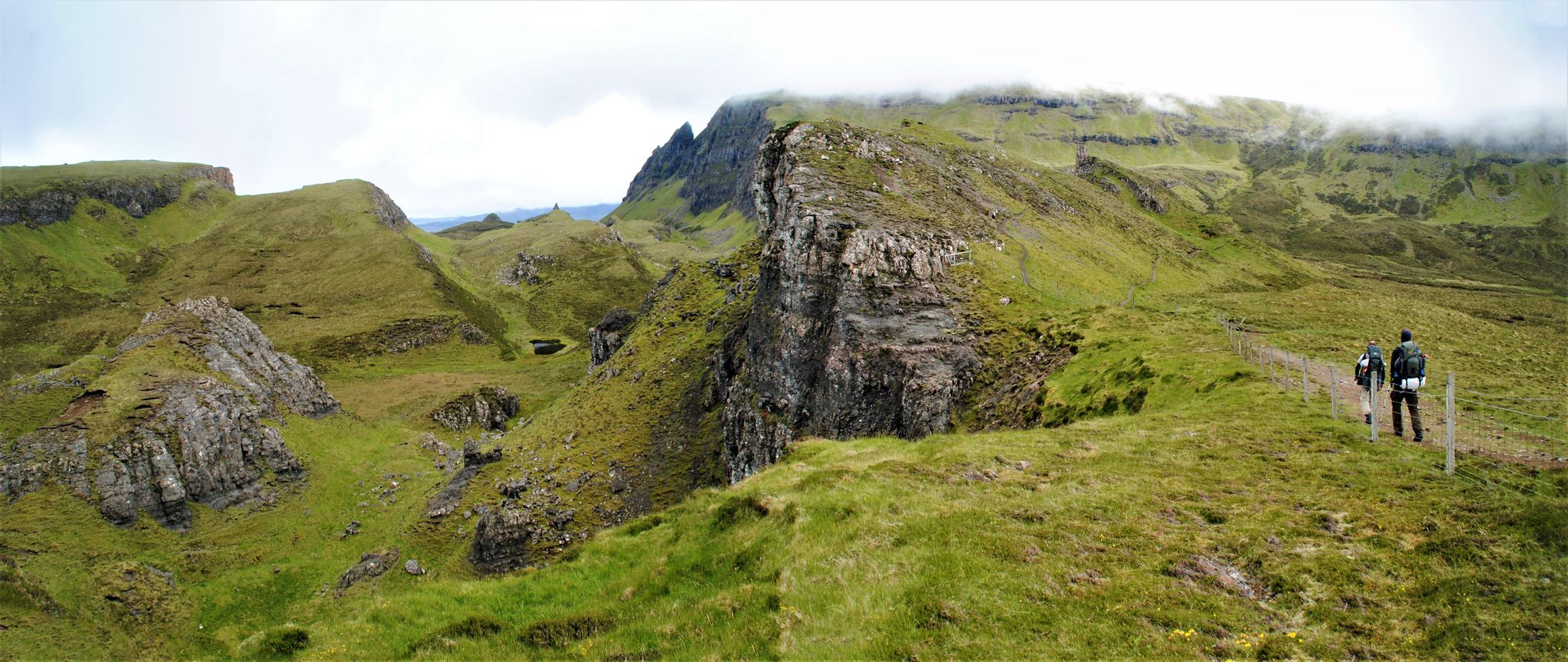
The Skye Trail – Old castles and dramatic cliffs
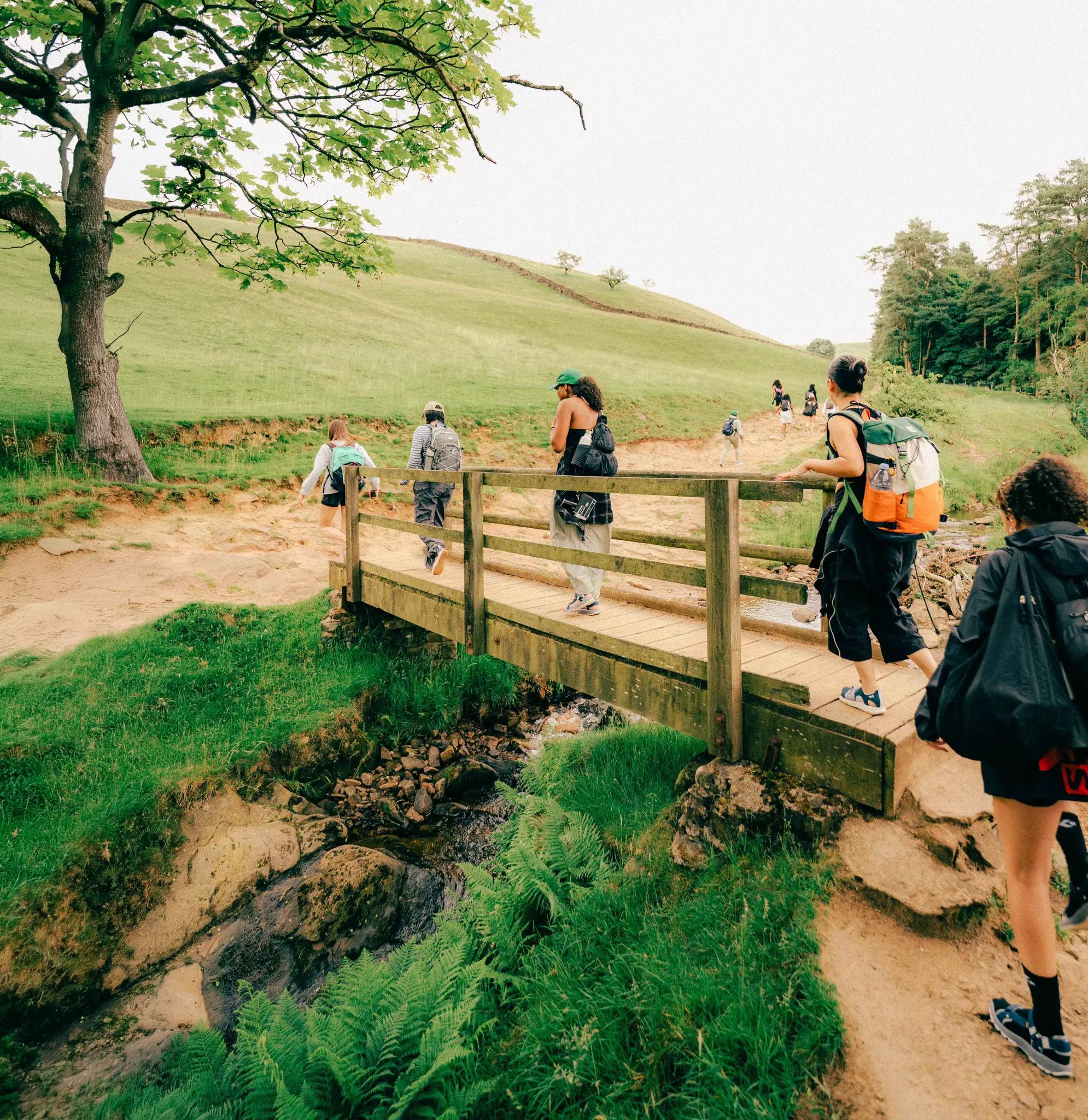
Scenic Trails to Natural Swimming Spots
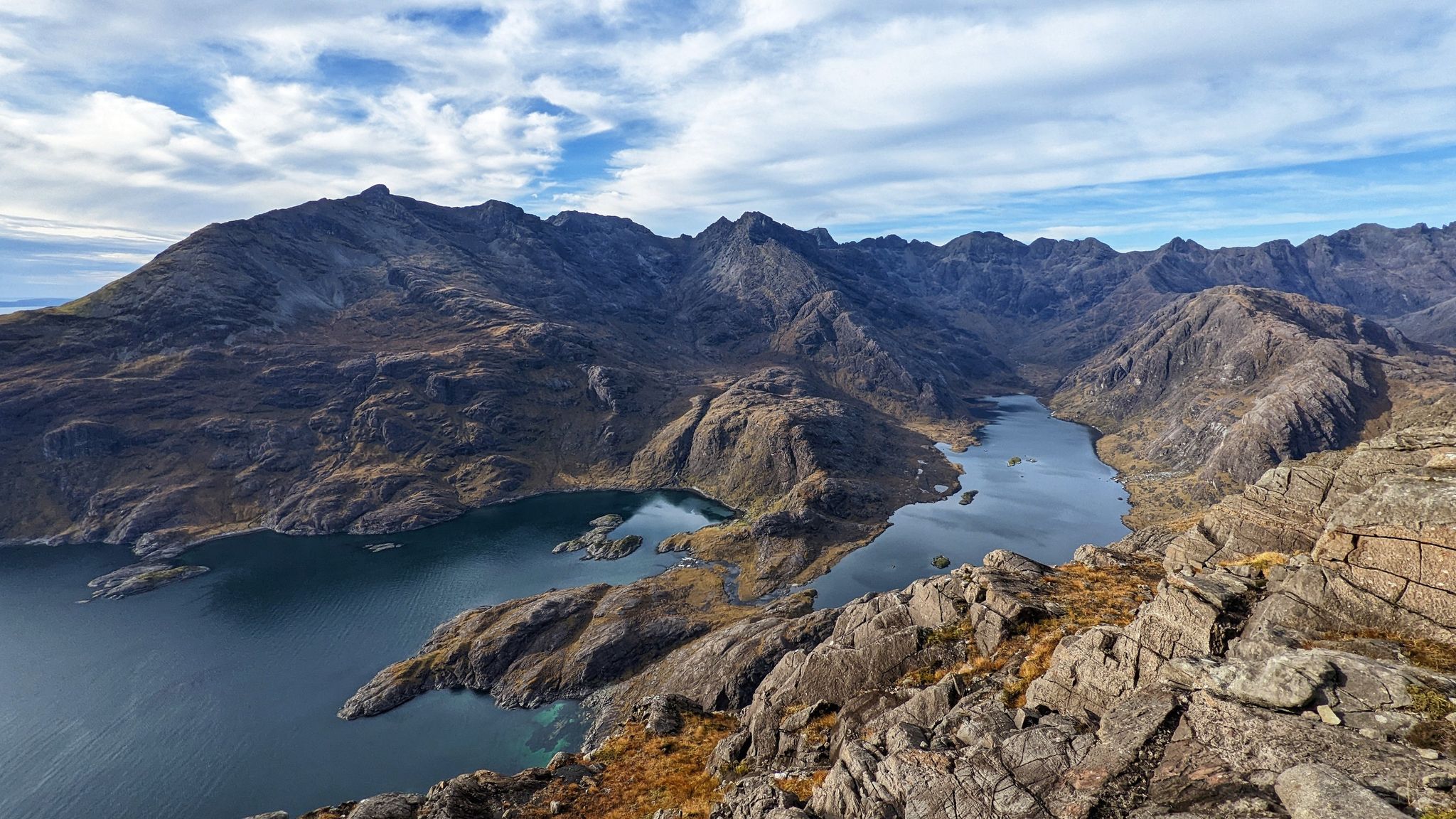
Beauty and the beastly black ridge – hiking on the Isle of Skye
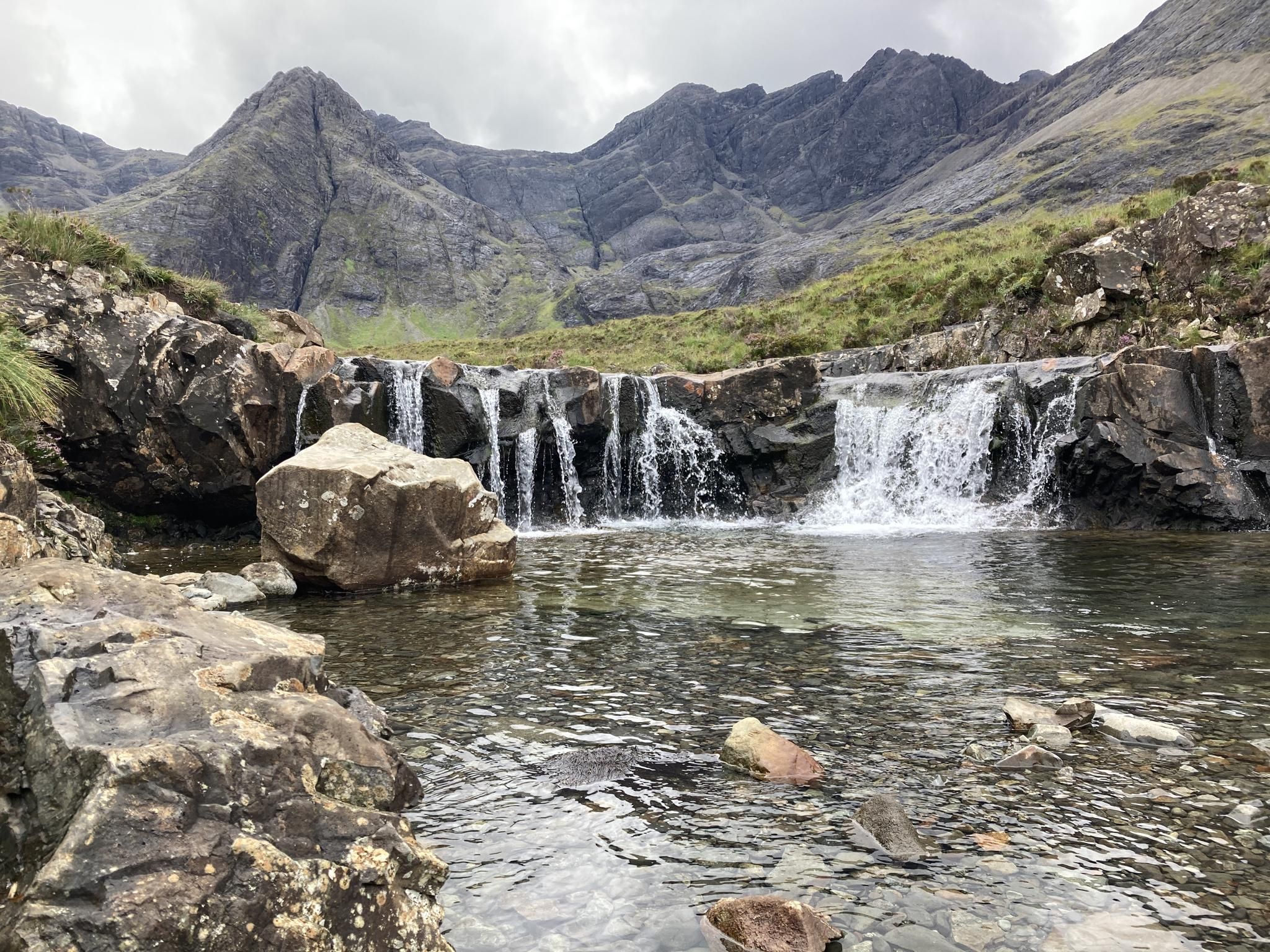
Glistening Lakes and Sublime Cascades – Wild Swim Walks
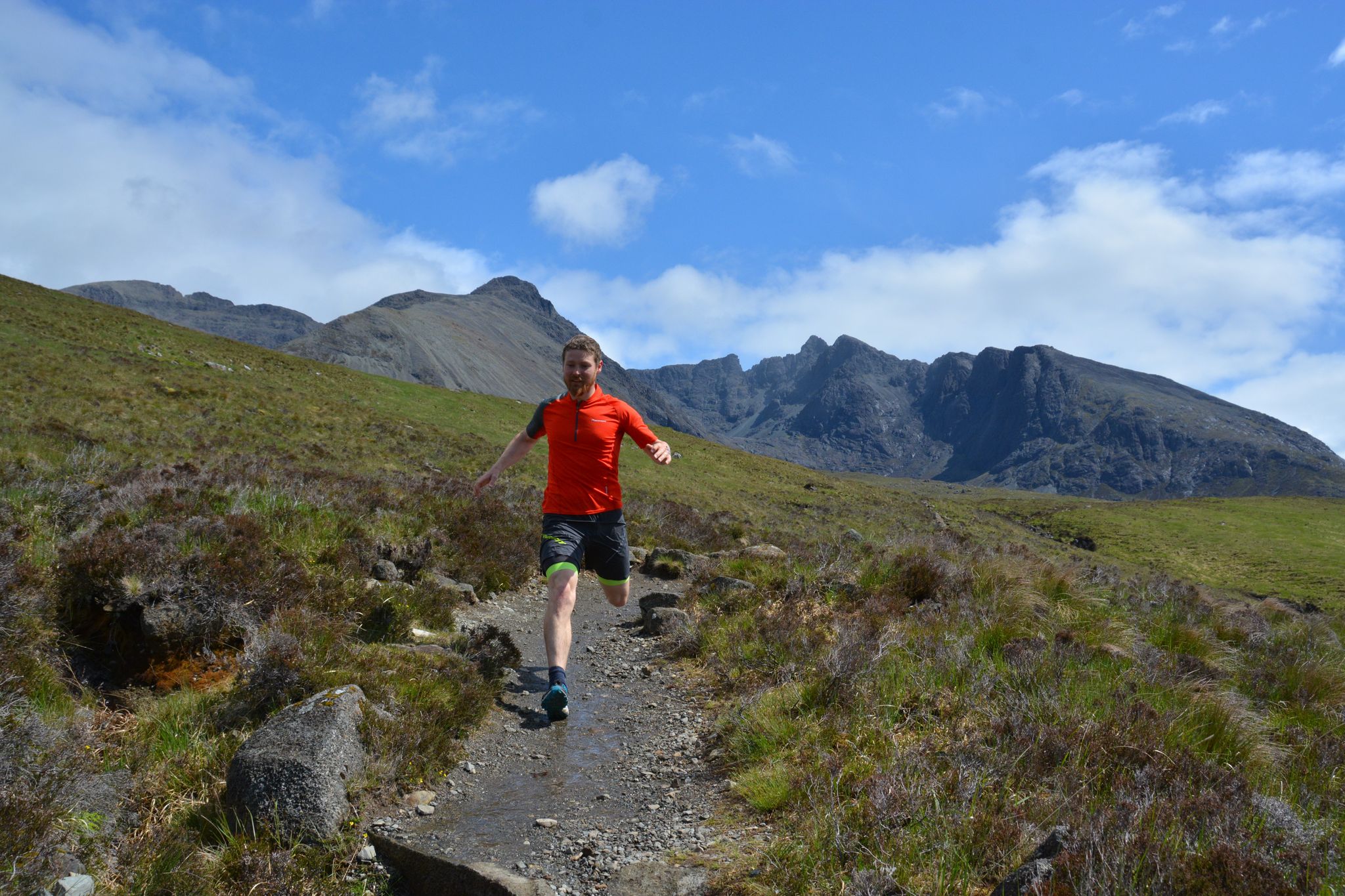
Where the mountains meet the sea — 9 trail runs on the Isle of Skye
Around the edge in 80 days — cycling the coastline of Britain
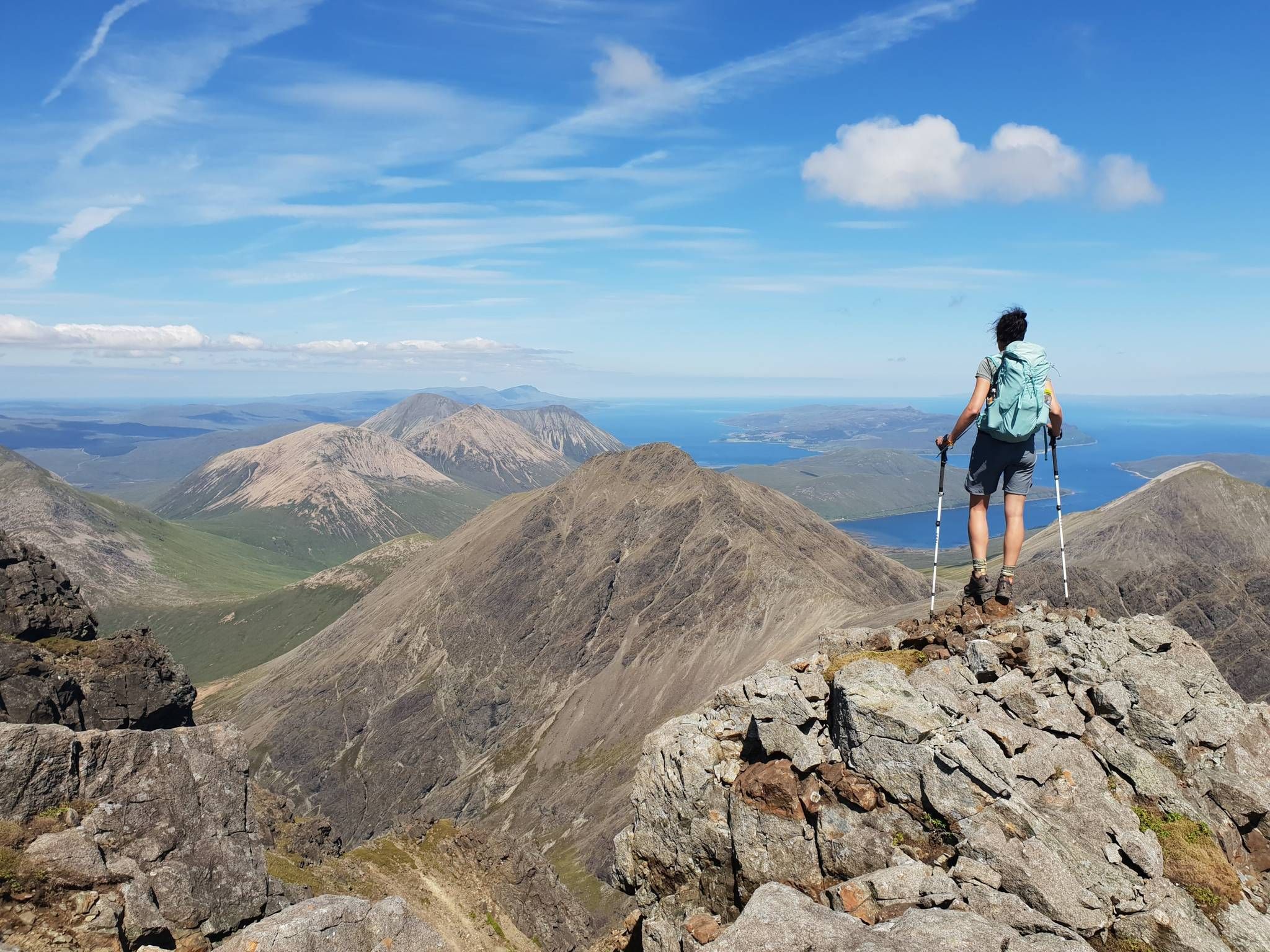
Hiking the 282 munro mountains of Scotland in 95 routes
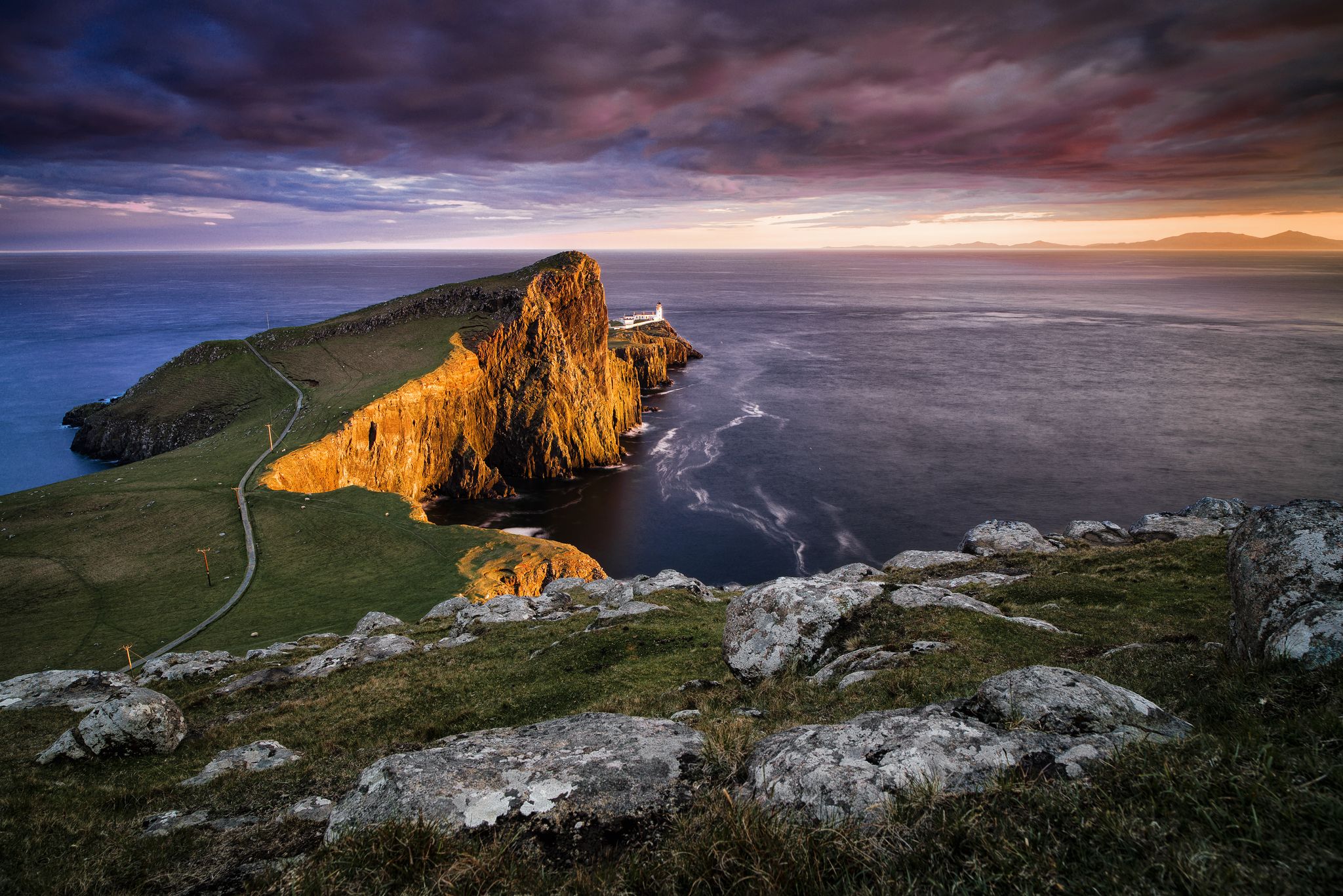
Epic sunset spots in Western Europe
Other adventures on the Isle of Skye


Tips from the Community


A prehistoric ritual site hidden in the limestone beneath Beinn Dùbhaich. Used for thousands of years, with hearths, feasting, burials, and a stone stairway leading into the earth. The cave was deliberately sealed in antiquity, marking it as a sacred threshold rather than a home. A powerful, liminal place where deep time still lingers.
0
0
Discovered in 2000, this Iron Age underground passage on Skye’s Trotternish Peninsula is thought to have been used for food storage. The stone-lined tunnel stretches about 17m and features a side chamber. Easy to access from the A855, with an info board and short walk. Bring a torch to explore inside!
0
0
After the heart-wrenching defeat at the Battle of Culloden in 1746, Bonnie Prince Charlie became a fugitive, weaving through the mystical Highlands and islands of Scotland. His journey is a legendary tale of resilience and loyalty, where many brave Scots risked their lives to aid him. One place he took refuge on his journey was a cave on the coast near Elgol. With the unwavering support of local allies, including the illustrious Flora MacDonald, he managed to stay hidden. Flora MacDonald famously disguised him as her maid, “Betty Burke,” to help him escape to the Isle of Skye. The cave itself stands as a powerful symbol of the Prince’s desperate flight and the steadfast loyalty of the Highlanders who supported him.
2
0
Uamh Oir, also known as the Cave of Gold, is a fascinating sea cave located on the Isle of Skye, near Kilmuir. This remote and rarely visited cave is renowned for its striking hexagonal basalt columns.
0
0

Great emergency shelter or bivi spot for those looking to do the full ridge. Especially good during winter (snow tends to stay out)
0
0
Beinn an Dubhaich Cave is a limestone cave on the Isle of Skye, near the hamlet of Torrin. It is the second longest cave on the island, after Valley Head Cave, and has a length of 174 m and a vertical range of 10.7 m1. The cave has two entrances: a sink entrance where a stream goes underground and a main entrance that is a shaft with a tree growing out of it. The cave has several passages and chambers, some of which are dry and some of which are flooded. The cave is connected to Beinn an Dubhaich Rising, a nearby resurgence, by a short underwater passage that was first dived in 1980. The cave is of geological and archaeological interest, as it shows evidence of multiphase cave development and granite/limestone contact, and it is located near the High Pasture Cave, a prehistoric site that was used for ritual purposes.
0
0
Frequently Asked Questions
What unique geological features can be found in Skye's caves?
The Isle of Skye's caves showcase diverse geological formations. Spar Cave is famous for its stunning calcite formations, including a cascade of flowstone and a natural staircase of calcium carbonate. Uamh Oir (Cave of Gold) features impressive hexagonal basalt columns, reminiscent of the Giant's Causeway. Beinn an Dubhaich Cave is a limestone cave with various passages, some dry and some flooded, and shows evidence of granite/limestone contact.
What is the historical significance of Prince Charles' Cave?
Prince Charles' Cave holds a significant place in Scottish history. It is where Bonnie Prince Charlie spent his last hours on Skye in July 1746 before departing for the mainland and eventually France, following his defeat at the Battle of Culloden. It symbolizes his desperate flight and the loyalty of his supporters.
How can I visit Spar Cave safely?
Spar Cave is only accessible for a short window around low tide. It requires careful planning, checking tide times, and a scramble over wet rocks. Visitors should bring at least two torches (ideally headlamps) due to slippery surfaces. It's best to arrive an hour before the lowest tide to avoid being cut off. For more information, you can visit Atlas Obscura.
What is known about High Pasture Cave?
High Pasture Cave is an important prehistoric ritual site located beneath Beinn Dùbhaich. Archaeological findings indicate it was used for thousands of years, with evidence of hearths, feasting, burials, and a stone stairway. The cave was deliberately sealed in antiquity, suggesting it was considered a sacred threshold rather than a dwelling.
What is the Kilvaxter Iron Age Souterrain?
The Kilvaxter Iron Age Souterrain is an underground passage discovered in 2000 on the Trotternish Peninsula. It is believed to have been used for food storage, featuring a stone-lined tunnel about 17 meters long with a side chamber. It is easily accessible from the A855 and requires a short walk and a torch for exploration.
Are there family-friendly caves on the Isle of Skye?
While many caves on Skye require caution due to challenging terrain or tide dependency, the Kilvaxter Iron Age Souterrain is relatively easy to access with an information board and a short walk, making it suitable for families with older children. The Fairy Glen, while not a traditional cave, offers a magical landscape with small rock formations that can be enchanting for families.
What outdoor activities can I do near the caves on the Isle of Skye?
The Isle of Skye offers numerous outdoor activities near its caves. You can find various hiking opportunities, such as those listed in the Hiking on the Isle of Skye guide, including routes like the Old Man of Storr loop. For those interested in waterfalls, the Waterfall hikes on the Isle of Skye guide features trails like the Fairy Pools. Gravel biking is also popular, with routes available in the Gravel biking on the Isle of Skye guide.
When is the best time to visit the caves on the Isle of Skye?
The best time to visit Skye's caves generally aligns with the warmer, drier months from late spring to early autumn (May to September). This period offers more stable weather conditions, which is crucial for coastal caves like Spar Cave that are tide-dependent and require careful planning. Always check local weather and tide tables before your visit.
What should I wear or bring when exploring the caves?
When exploring caves on the Isle of Skye, it's essential to be prepared. Wear sturdy, waterproof footwear with good grip, as surfaces can be wet and slippery. Bring headlamps or torches (and spares) for visibility, especially in deeper caves. Layers of clothing are advisable, as cave temperatures can be cooler. For coastal caves, be mindful of tides and wear appropriate gear for scrambling over rocks.
Are there any sea caves on the Isle of Skye?
Yes, the Isle of Skye is known for its sea caves. Uamh Oir (Cave of Gold) is a visually spectacular sea cave with hexagonal basalt columns. The Staffin Sea Cave is another impressive example carved out by the sea. Exploring the sea caves near Staffin by kayak is a popular activity.
What is the Beinn an Dubhaich Cave?
Beinn an Dubhaich Cave is the second-longest limestone cave on the Isle of Skye, located near the hamlet of Torrin. It measures 174 meters in length and has two entrances: a sink entrance where a stream disappears underground and a main shaft entrance. The cave features various passages and chambers, some dry and some flooded.
Most popular routes on the Isle of Skye
Most popular attractions on the Isle of Skye

Get inspired with the komoot mobile app


Didn’t find what you were looking for?
Discover more caves on the Isle of Skye region by region:
Explore more
Extend your search for the best caves by checking out these guides of the top ones on the Isle of Skye:
