Top 8 Lakes around Loch Ness
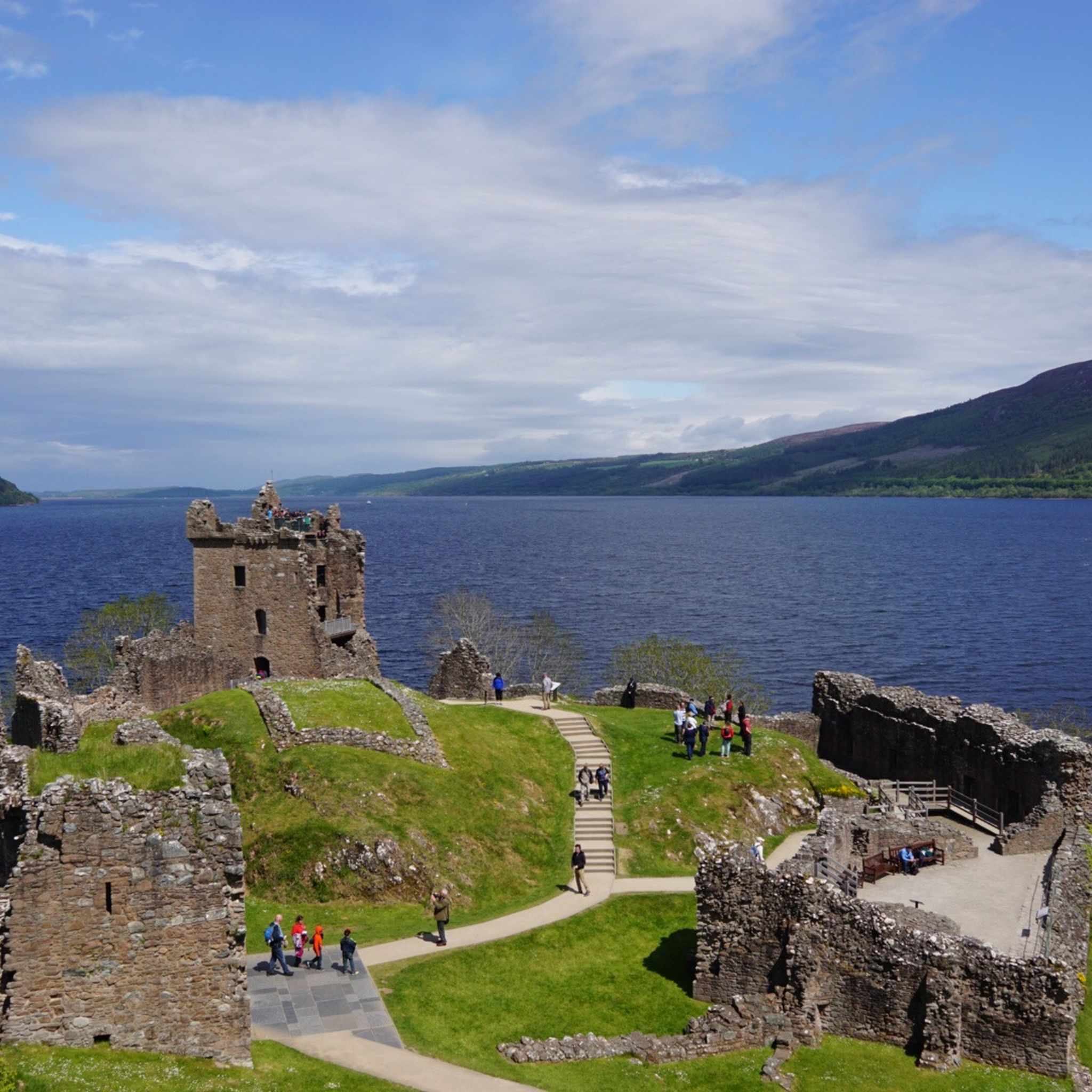
Best lakes around Loch Ness include the iconic Loch Ness itself, a vast freshwater loch in the Scottish Highlands. It is known for its immense volume, reaching depths of up to 240 meters, and its connection to the Caledonian Canal. The loch's murky waters contribute to the enduring legend of the Loch Ness Monster. The surrounding area features historical sites like Urquhart Castle and offers various natural water features.
Best lakes around Loch Ness
- The most popular lakes is Foyers…
Last updated: June 23, 2026
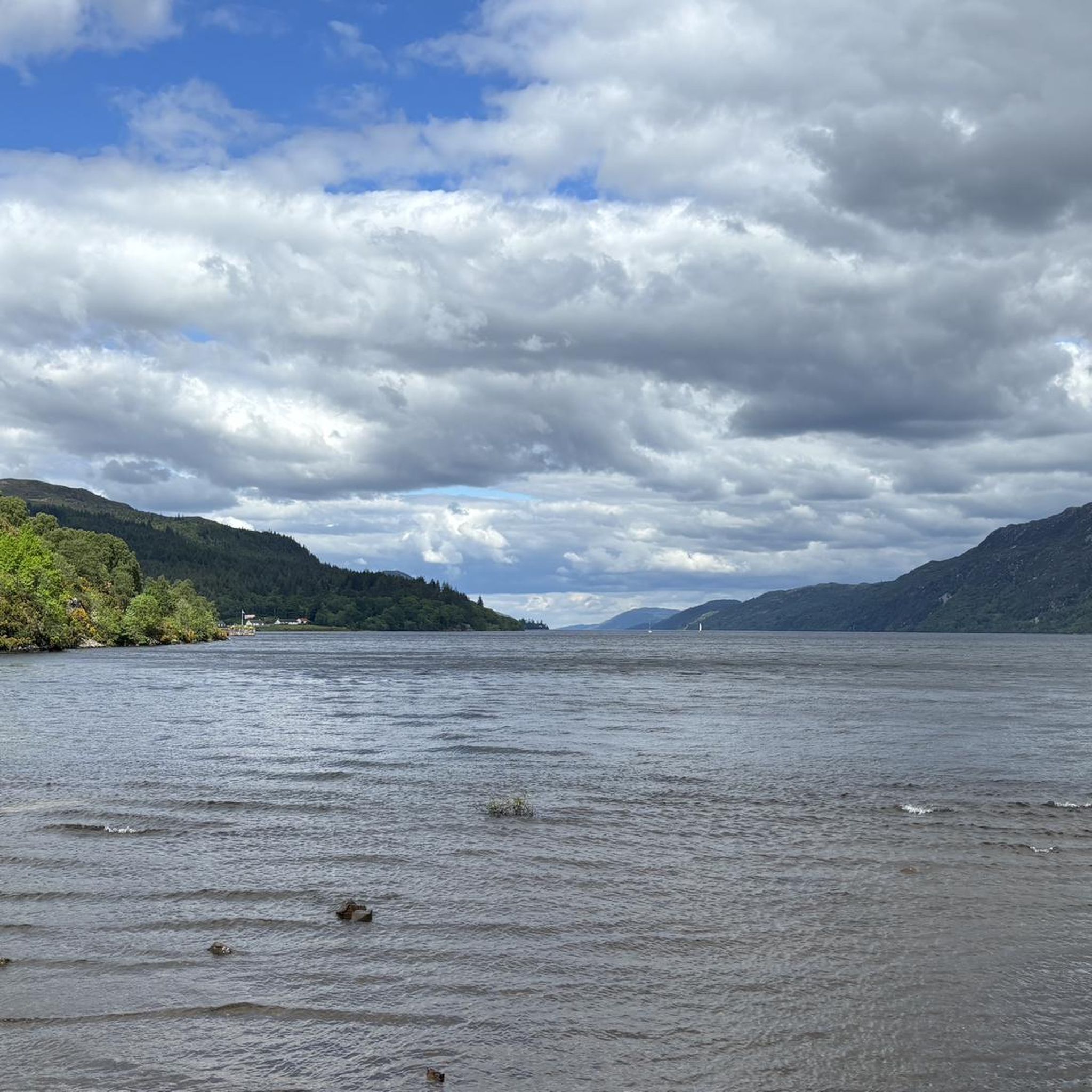
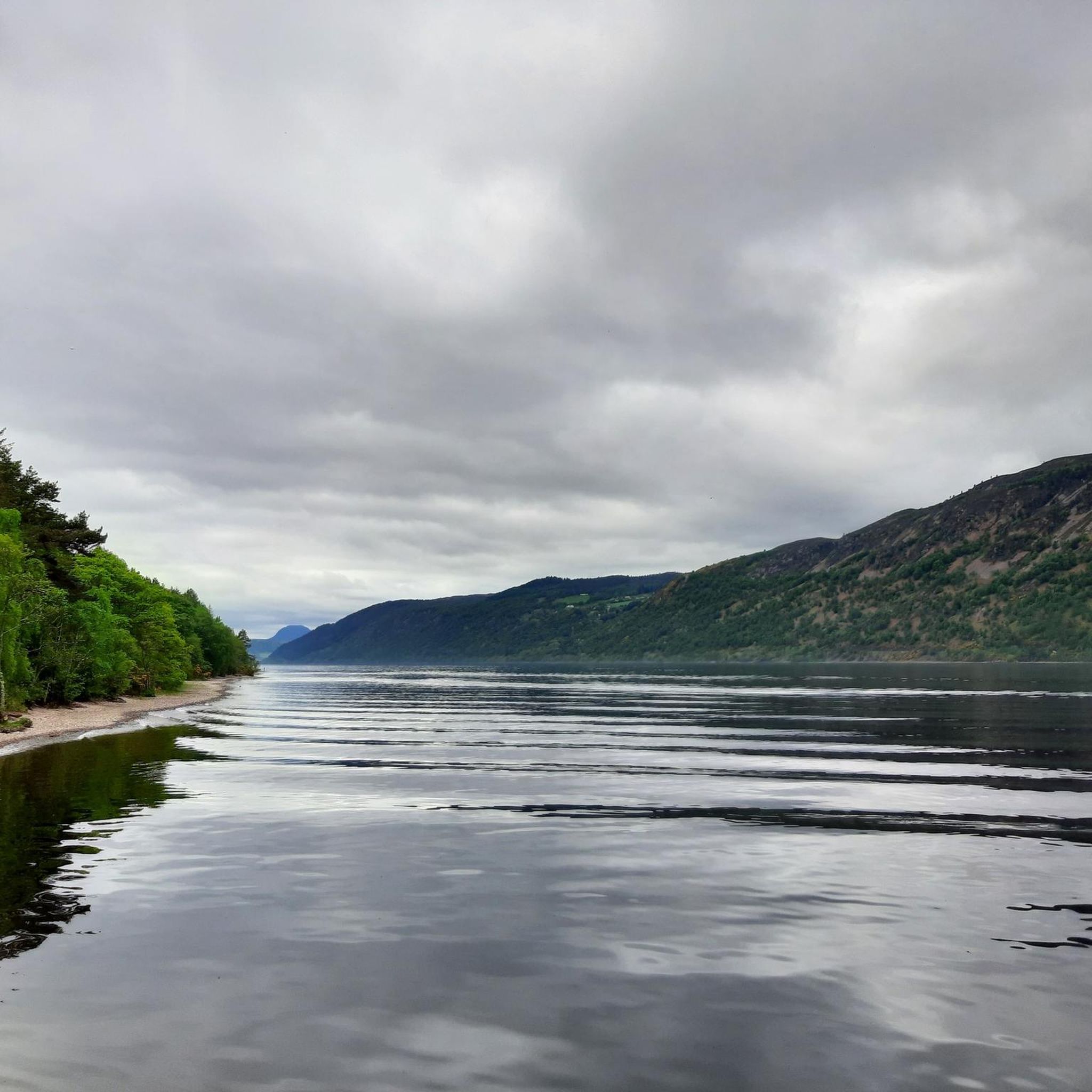
Foyers Gravel Beach, Loch Ness
Highlight • Lake
Tip by

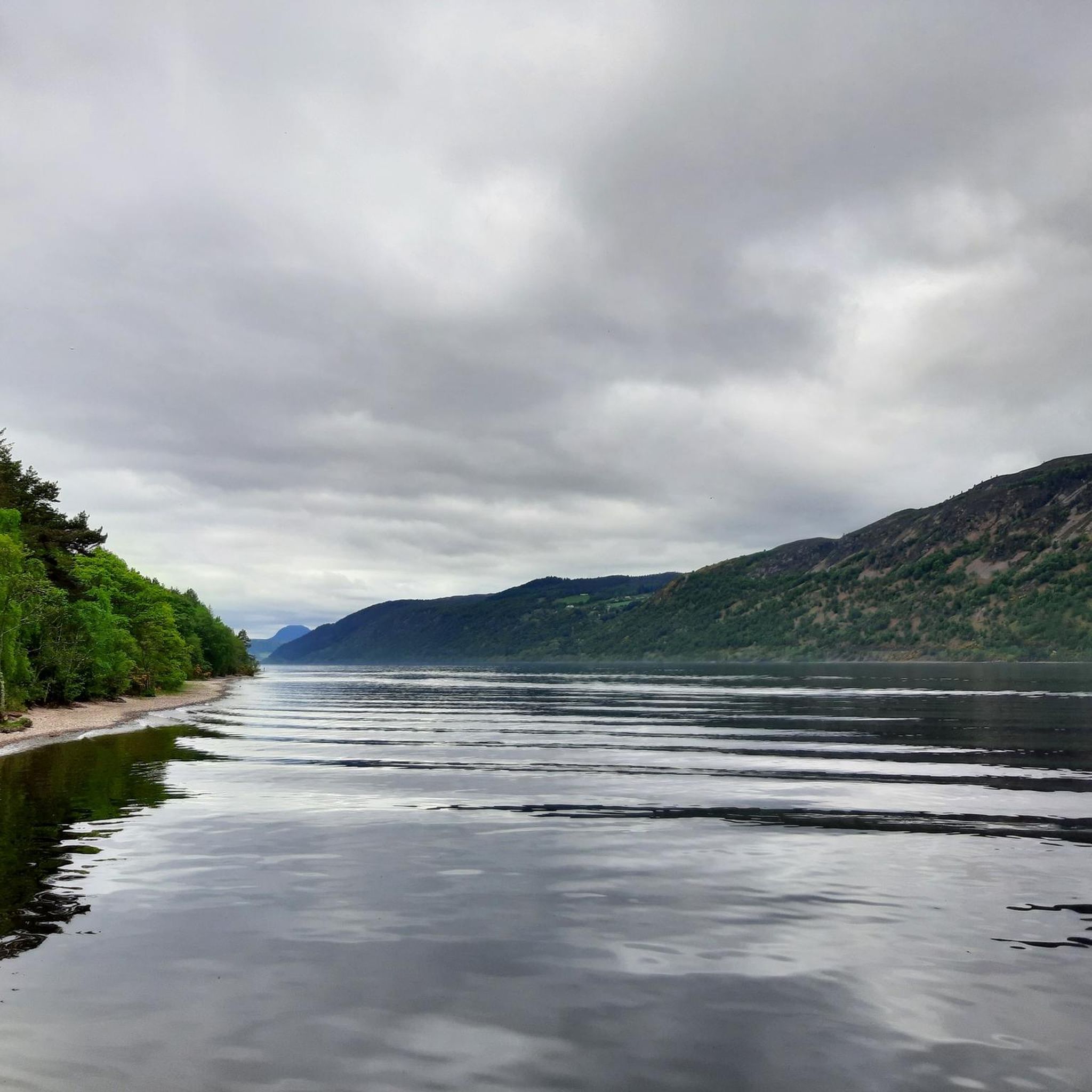
Stony Beach on Loch Ness
Highlight • Beach
Translated by Google •
Tip by

Sign up now to discover places like this
Get recommendations on the best single tracks, peaks, & plenty of other exciting outdoor places.
Sign up for free
Loch Ness
Highlight • Natural
Tip by

Clansman Harbour, Loch Ness
Highlight • Viewpoint
An underpass leads to the Caledonian Canal. The Caledonian Canal runs through the Great Glen and connects the east and west coasts of Scotland. …
Translated by Google •
Tip by

Aldourie Pier – View of Loch Ness
Highlight • Viewpoint
Tip by
Sign up for free to discover even more lakes around Loch Ness.
Sign up for free
Already have an account?
Start today with a free account
Your next adventure awaits.
Login or Signup
Tips from the Community

Quite nice, but don't expect too much—there are completely different prospects! After all, there's a good chance you'll be pretty much alone here.
1
0


a bit of surefootedness and balance is required to cross the streams over the stones. As soon as they carry a little more water, probably only feasible with rubber boots
0
0

Clansman Harbor overlooks the Caledonian Canal. An underpass leads to the Caledonian Canal. The Caledonian Canal runs through the Great Glen and connects the east and west coasts of Scotland. Unfortunately I didn't see Nessie. The region thrives on this myth.
2
0

This gravel beach extends into Loch Ness where the famous Nessie monster is said to live. It's a pleasant place for a stop on a walk and gives lovely views down the length of the Loch.
1
0
This small pier gives a lovely view across Loch Ness. It is a nice escape from the woodland paths here.
1
0

Just run into the water.
1
0
Frequently Asked Questions
What are some lesser-known lochs near Loch Ness worth exploring?
Beyond the famous Loch Ness, the wider region offers several beautiful lochs. Consider visiting Loch Tarff for its quiet scenery and wildlife, including red deer. Loch Duntelchaig is another peaceful option known for its clear waters, popular for angling and quiet walks. Both offer a different, more serene experience compared to the bustling Loch Ness.
What makes the waters of Loch Ness so distinctive?
Loch Ness is known for its exceptionally murky, dark waters. This is due to a high peat content in the surrounding soil, which washes into the loch. This low visibility, combined with its immense depth (up to 240 meters), contributes to the loch's mystique and the enduring legend of the Loch Ness Monster.
Are there any islands in Loch Ness?
Yes, Loch Ness features one small, artificial island known as Cherry Island. It is a crannog, believed to have been constructed during the Iron Age, adding a touch of ancient history to the loch's natural landscape.
What historical sites can I visit around Loch Ness?
The area around Loch Ness is rich in history. The dramatic ruins of Urquhart Castle, perched on the loch's shore near Drumnadrochit, are a must-see. Additionally, the Caledonian Canal, which Loch Ness forms a crucial part of, is an impressive feat of 19th-century engineering, connecting the east and west coasts of Scotland.
What are some popular viewpoints around Loch Ness?
For stunning views of Loch Ness, consider visiting Foyers Gravel Beach, which offers lovely vistas down the length of the loch. Another great spot is Aldourie Pier, providing a beautiful perspective across the water. Clansman Harbour also offers views overlooking the Caledonian Canal and Loch Ness.
Are there opportunities for wild swimming in the Loch Ness area?
Yes, the Loch Ness area offers spots for wild swimming. Stony Beach on Loch Ness provides direct access to the water, though some surefootedness is required. For a quieter experience, the exceptionally clear waters of Loch Duntelchaig are also popular with wild swimmers.
What kind of walking and hiking routes are available near the lakes?
The region around Loch Ness is excellent for walking and hiking. You can find routes ranging from moderate to difficult, such as the 'View of Loch Ness – Moor and Heathland loop from Foyers' or the 'Enchanted Forest – Fort Augustus Locks loop'. For more options, explore the Hiking around Loch Ness guide.
Can I go cycling or gravel biking around Loch Ness?
Absolutely! The Loch Ness area offers numerous routes for both cycling and gravel biking. You can find challenging rides like the 'Loch Ness & Loch Mhor loop from Fort Augustus' for cycling, or the 'View of Loch Ness – Suidhe Chuimein Viewpoint loop from Fort Augustus' for gravel biking. Check out the Cycling around Loch Ness guide and the Gravel biking around Loch Ness guide for detailed routes.
Are there easy walks suitable for families around the lochs?
Yes, several spots around Loch Ness are family-friendly. Foyers Gravel Beach is a pleasant stop on a walk with lovely views. The area around Clansman Harbour also offers accessible paths. Many of the shorter sections of the Great Glen Way or Loch Ness 360 are also suitable for families.
Are there any wheelchair-accessible spots or facilities near the lochs?
Yes, Clansman Harbour, Loch Ness is noted as being wheelchair accessible and offers facilities like cafes and restaurants. It provides a good starting point for enjoying the views and atmosphere of the loch and the Caledonian Canal.
What is the best time of year to visit the lakes around Loch Ness?
The best time to visit the Loch Ness area is generally during the spring (April-May) and autumn (September-October) for pleasant weather and fewer crowds. Summer (June-August) is also popular, offering the warmest temperatures and longest daylight hours, ideal for outdoor activities, though it can be busier. Winter offers a dramatic, quieter landscape for those prepared for colder conditions.
What do visitors enjoy most about Loch Ness?
Visitors are captivated by the immense scale and mysterious atmosphere of Loch Ness, especially the enduring legend of Nessie. Many appreciate the stunning views from various points like Foyers Gravel Beach and the opportunity to explore historical sites like Urquhart Castle. The natural beauty and diverse outdoor activities also draw many to the region.
Most popular routes around Loch Ness
Most popular attractions around Loch Ness

Get inspired with the komoot mobile app


Explore more
Still not found your perfect lake around Loch Ness? Check out the guides of these regions to see even more beautiful places.
