Top 5 Castles around Valdemorillo
Best castles around Valdemorillo are situated in the Community of Madrid, an area rich in diverse historical structures. While traditional medieval castles are not prominent within Valdemorillo itself, the region offers a range of historical sites. These include ancient fortifications, significant religious buildings, and industrial heritage sites. The landscape provides insights into various periods of Spanish history.
Best castles around Valdemorillo
- The most popular castles is Aulencia Castle, a castle located in Villanueva de la Cañada. This private property…
Last updated: July 1, 2026
Aulencia Castle
Highlight • Castle
Almost all year round you can pedal on your bike, but you have …
Translated by Google •
Tip by

Royal Monastery of San Lorenzo de El Escorial
Highlight • Historical Site
Translated by Google •
Tip by

Sign up now to discover places like this
Get recommendations on the best single tracks, peaks, & plenty of other exciting outdoor places.
Sign up for free
Tower of the Lodones
Highlight • Castle
Translated by Google •
Tip by
Technical MTB Ascent to Castillo de Polvoranca
Highlight • Climb
Translated by Google •
Tip by

Start today with a free account
Your next adventure awaits.
Login or Signup

Tips from the Community

The Monastery of El Escorial was built by King Philip II in the 16th century to commemorate a military victory and serve as a royal pantheon for the Habsburg dynasty. Designed by architects Juan Bautista de Toledo and Juan de Herrera, it is characterized by its sober, Renaissance style. Today it is a UNESCO World Heritage Site.
6
1

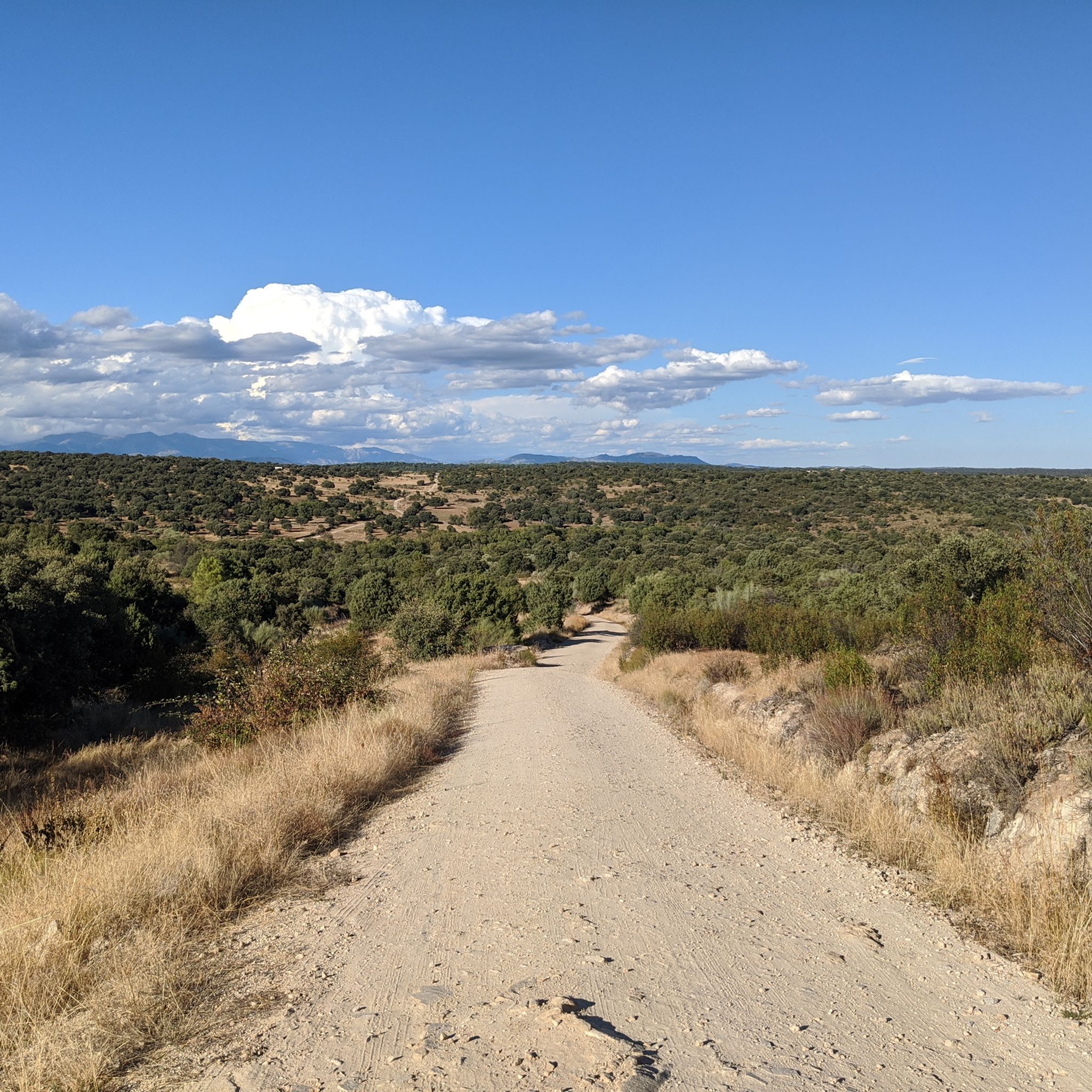
Good short walk of about 6 km leaving from the shopping center
1
0
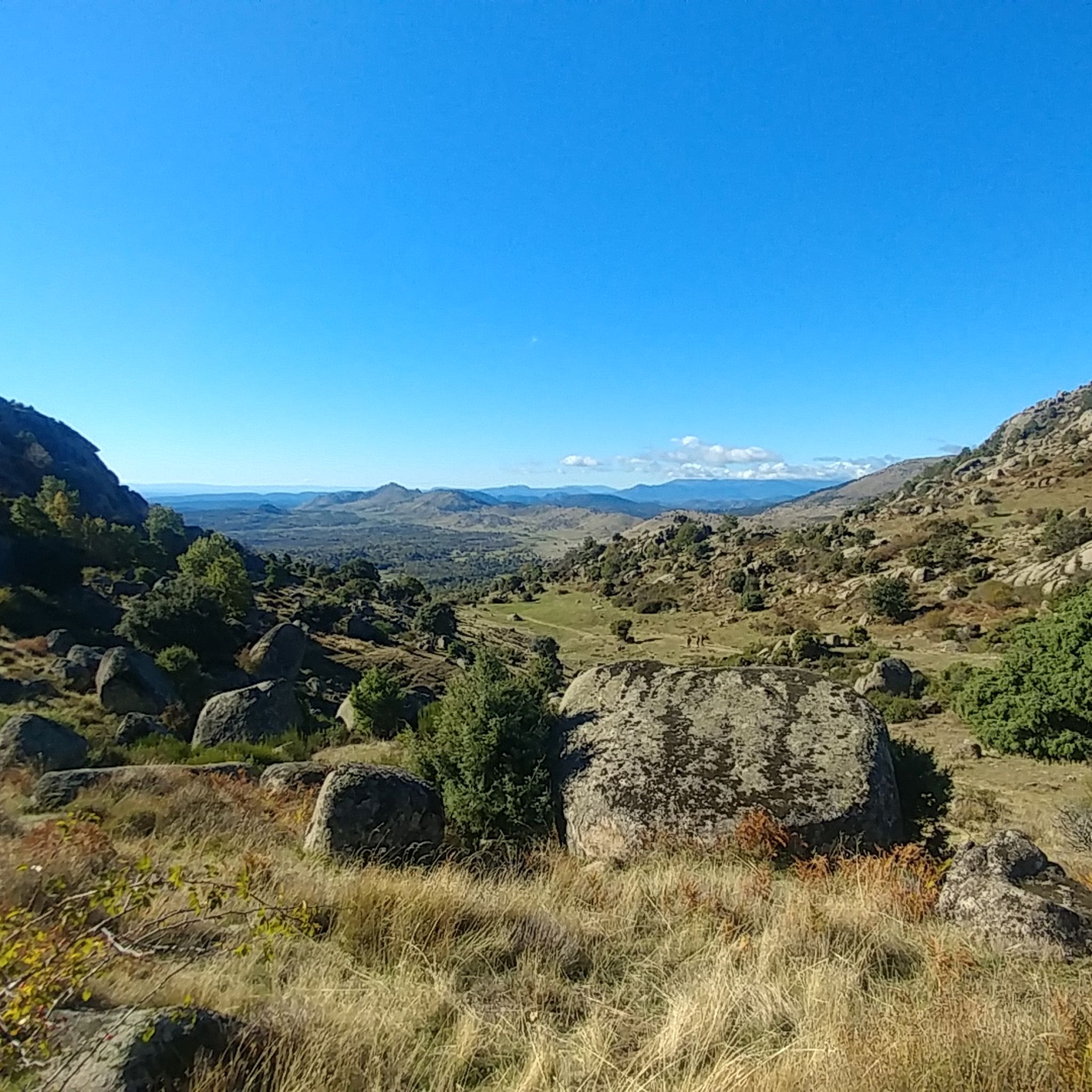
Easy access from Las Marias, if you go up from the clean point it is a little harder, but it is possible in normal physical condition. Good views
0
0

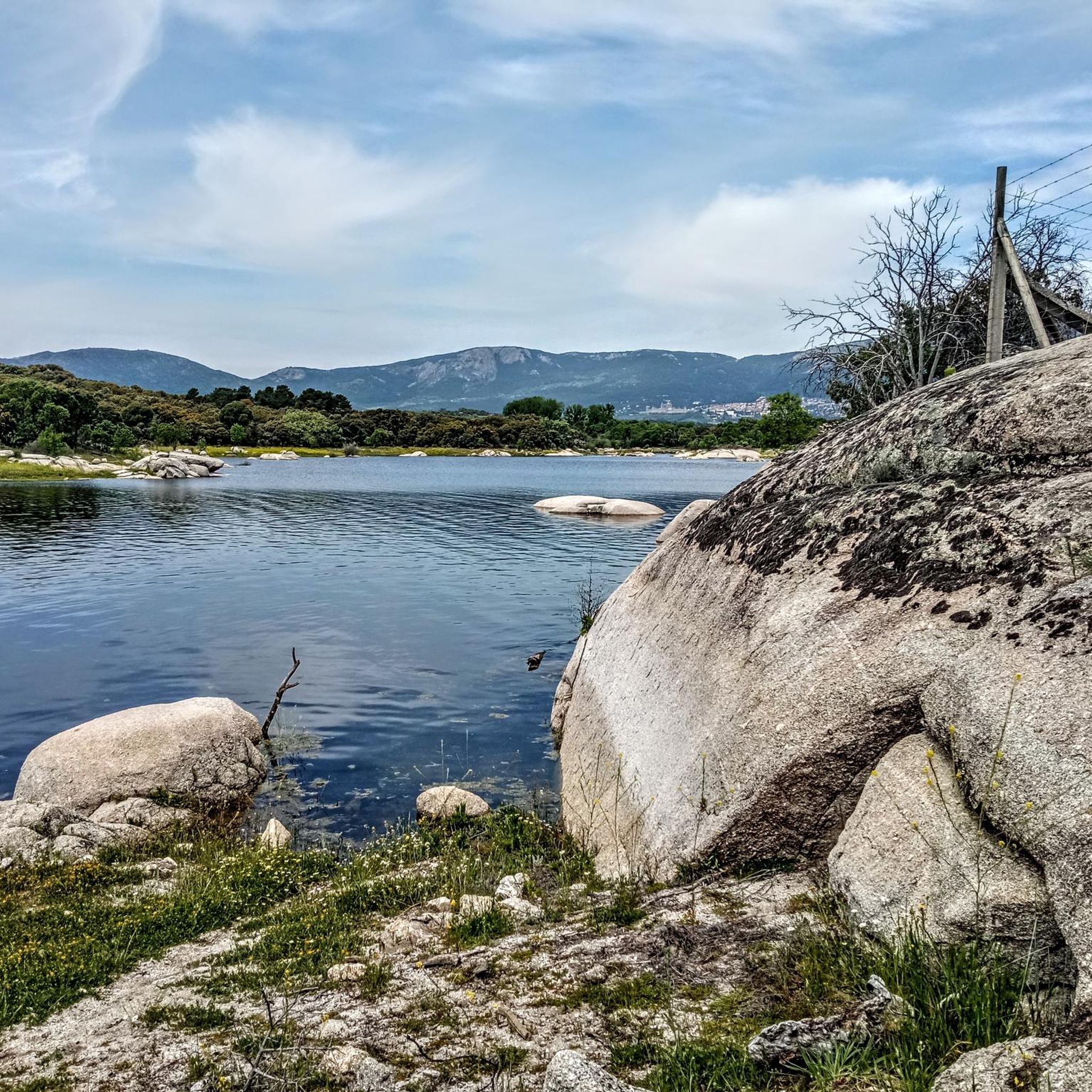
Unfortunately it is inside a fenced private property.
2
0

In the area of this castle, also known as Villafranca, there was an old medieval town called El Horcajo, later changed to Villafranca. It is believed that the castle was most likely built at that time, in the mid-15th century. It is cataloged as an Asset of Cultural Interest, BIC.
2
0

The Lodones tower is one of the best preserved Arab watchtowers in the Community of Madrid. It was probably built between the 10th and 11th centuries during the Umayyad period. Although its current state is the product of conservation actions.
1
0

Characteristic tower of Torrelodones. Hiking area and many MTB trails.
0
1

The Royal Monastery of San Lorenzo de El Escorial is a complex that includes a royal palace, a basilica, a pantheon, a library, a school and a monastery. It is located in the Spanish town of San Lorenzo de El Escorial, in the Community of Madrid, and was built in the 16th century between 1563 and 1584. The palace was the residence of the Spanish royal family, the basilica is the burial place of the kings of Spain and the monastery – founded by monks of the Order of Saint Jerome – is currently occupied by friars of the Order of Saint Augustine. It is one of the most unique Renaissance architectures in Spain and Europe. Located in San Lorenzo de El Escorial, it occupies an area of 33,327 m², on the southern slope of Mount Abantos, at an altitude of 1,028 m, in the Guadarrama mountain range. It is managed by National Heritage. Also known as the Monastery of San Lorenzo El Real, or simply El Escorial, it was designed in the second half of the 16th century by King Philip II and his architect Juan Bautista de Toledo, although later Juan de Herrera, Juan de Minjares, Giovanni Battista Castello El Bergamasco and Francisco de Mora. The king conceived a large multifunctional, monastic and palatial complex that, shaped by Juan Bautista de Toledo according to the paradigm of the Universal Trace, gave rise to the Herrerian style. Since the end of the 16th century, it was considered the Eighth Wonder of the World, both for its size and functional complexity as well as for its enormous symbolic value. Its architecture marked the transition from Renaissance plateresque to unadorned classicism. An enormous work, of great monumentality, it is also a receptacle for other arts. Its paintings, sculptures, hymn books, scrolls, liturgical ornaments and other sumptuary, sacred and court objects make El Escorial also a museum. Its complex iconography and iconology has earned the most varied interpretations from historians, admirers and critics. El Escorial is the crystallization of the ideas and will of its promoter, King Philip II, a Renaissance prince. On November 2, 1984, UNESCO declared the Monastery and Site of El Escorial as a World Heritage Site. It is one of the main tourist attractions in the Community of Madrid. The monumental complex receives more than 500,000 visitors a year.
0
1
Frequently Asked Questions
What types of historical sites can I explore around Valdemorillo?
While traditional medieval castles are not prominent within Valdemorillo itself, the region offers a diverse range of historical structures. You can find medieval-era towers like the Tower of the Lodones, significant religious buildings such as the Royal Monastery of San Lorenzo de El Escorial, and even 20th-century Civil War fortifications. The area also features the historic Church of Nuestra Señora de la Asunción and a former ceramics factory, now a museum.
Are there any actual castles near Valdemorillo?
Yes, you can find sites like Aulencia Castle, also known as Villafranca Castle, located in Villanueva de la Cañada. However, it is important to note that Aulencia Castle is private property. Another notable structure is the Tower of the Lodones, a restored 10th-century Arab watchtower.
Which historical sites are family-friendly around Valdemorillo?
The Royal Monastery of San Lorenzo de El Escorial is an excellent family-friendly option. This UNESCO World Heritage Site offers a rich historical experience for all ages, showcasing Spain's 'golden' era.
What outdoor activities can I do near these historical sites?
The area around Valdemorillo is great for outdoor enthusiasts. You can find numerous routes for hiking, mountain biking, and gravel biking. Some popular hiking routes include the 'Route of the Mills of the Perales River' and the 'Cerro Alarcón Reservoir and Puente del Pasadero Loop'.
Are there any accessible historical sites in the Valdemorillo area?
The Royal Monastery of San Lorenzo de El Escorial is a major historical attraction with facilities designed to accommodate a wide range of visitors. For specific accessibility information, it is recommended to check their official website before your visit.
Can I visit the Civil War fortifications in Valdemorillo?
Yes, Valdemorillo is known for its 20th-century Civil War fortifications. These 'concrete castles' or strongholds offer a unique glimpse into military history, particularly related to the Battle of Brunete. You can explore sites with machine-gun nests and defensive structures, providing a distinct cultural tourism experience.
What is the best time of year to visit the historical sites around Valdemorillo?
The best seasons to visit are generally spring (April-June) and autumn (September-October) when the weather is mild and pleasant for exploring both indoor and outdoor sites. Summers can be hot, and winters can be chilly, though all sites are generally accessible year-round.
Are there any historical sites that are also natural monuments?
Yes, the Tower of the Lodones is recognized as both a castle and a natural monument. It's an icon of Torrelodones and offers historical significance alongside natural beauty.
Where can I find information about tickets and visiting hours for the Royal Monastery of San Lorenzo de El Escorial?
For the most up-to-date information on visiting hours and to purchase tickets for the Royal Monastery of San Lorenzo de El Escorial, please consult their official website directly.
What do visitors appreciate most about the historical sites around Valdemorillo?
Visitors often appreciate the rich historical context and the diversity of sites, from ancient watchtowers to grand monasteries. The Royal Monastery of San Lorenzo de El Escorial is particularly praised for its grandeur and insight into Spain's 'golden' era, while the Tower of the Lodones is valued for its historical preservation and scenic views.
Are there any lesser-known historical gems in the Valdemorillo area?
Beyond the more prominent sites, Valdemorillo's historical landscape includes the 1601 Church of Nuestra Señora de la Asunción with its Herrerian-style facade, and the restored Old Ceramics Factory, which now houses the Cueva Museo de Cerámica y Vidrio. These offer insights into different facets of the region's past.
Can I combine a visit to a historical site with a bike ride?
Absolutely! Many of the historical sites are situated within areas perfect for cycling. For example, you can find gravel biking routes that pass by or near historical points of interest, such as the 'Hermitage of the Virgen del Soto – Aulencia Castle loop'.
Most popular routes around Valdemorillo
Most popular attractions around Valdemorillo

Get inspired with the komoot mobile app


Explore more
Looking for the best castles somewhere else? Discover other guides around Valdemorillo:
