The 5 Most Amazing Peaks around Wayford
Best mountain peaks around Wayford are characterized by rolling countryside and river valleys, rather than traditional mountainous terrain. While the immediate vicinity of Wayford in Somerset or Norfolk is generally low-lying, the broader region features prominent hills and ancient hillforts that offer elevated views. These natural and historical landmarks provide opportunities for outdoor activities and exploration. The area is known for its diverse landscape, including woodlands and historical sites.
Best mountain peaks around Wayford
- The most popular mountain peaks is…
Last updated: June 30, 2026
Pilsdon Pen Summit and Trig Point
Highlight • Natural Monument
Tip by

Coney's Castle Hillfort and Bluebell Woods
Highlight • Forest
Tip by

Sign up now to discover places like this
Get recommendations on the best single tracks, peaks, & plenty of other exciting outdoor places.
Sign up for free
Lambert's Castle Hillfort
Highlight • Viewpoint
Tip by
View of Pilsdon Pen and Lewesdon Hill
Highlight • Viewpoint
Tip by

View of Golden Cap and Thorncombe Beacon
Highlight • Viewpoint
Tip by
Sign up for free to discover even more peaks around Wayford.
Sign up for free
Already have an account?
Start today with a free account
Your next adventure awaits.
Login or Signup

Tips from the Community

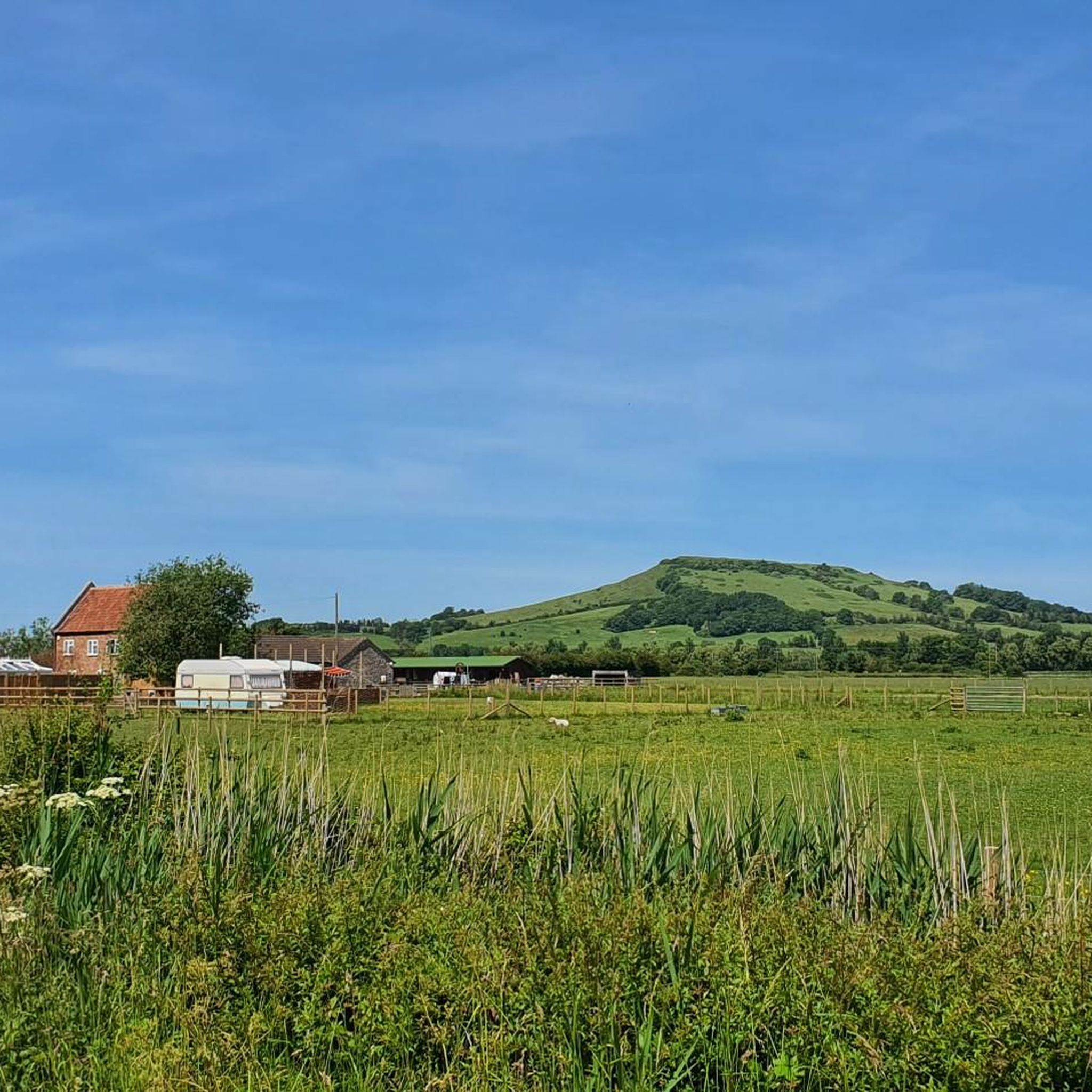
From the trig point at Pilsdon Pen summit, you get spectacular, wide-open views across Dorset. Looking south, the eye sweeps over the lush farmlands and rolling hills of the Marshwood Vale, extending all the way down to Bridport and the dramatic cliffs of the Jurassic Coast.
0
0
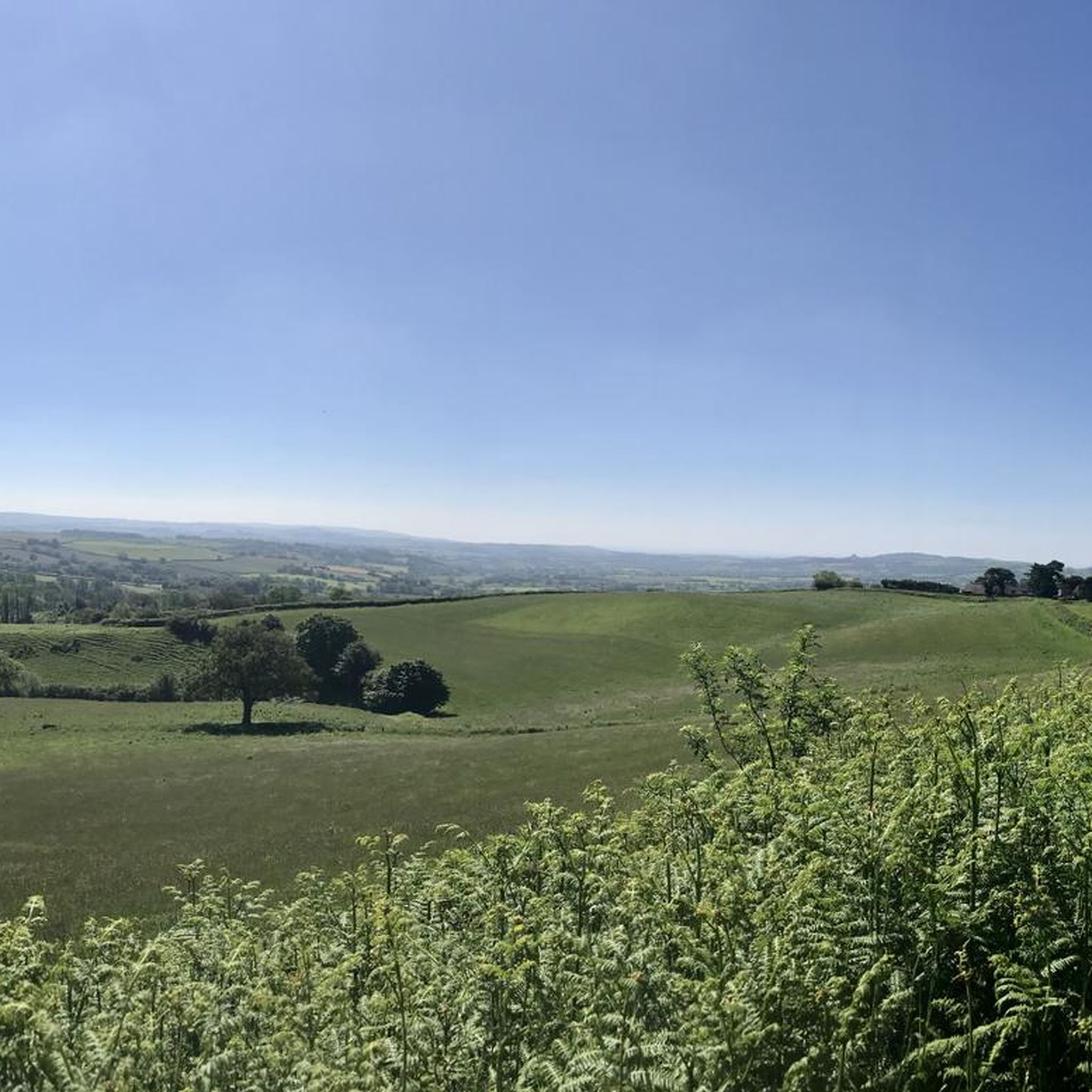
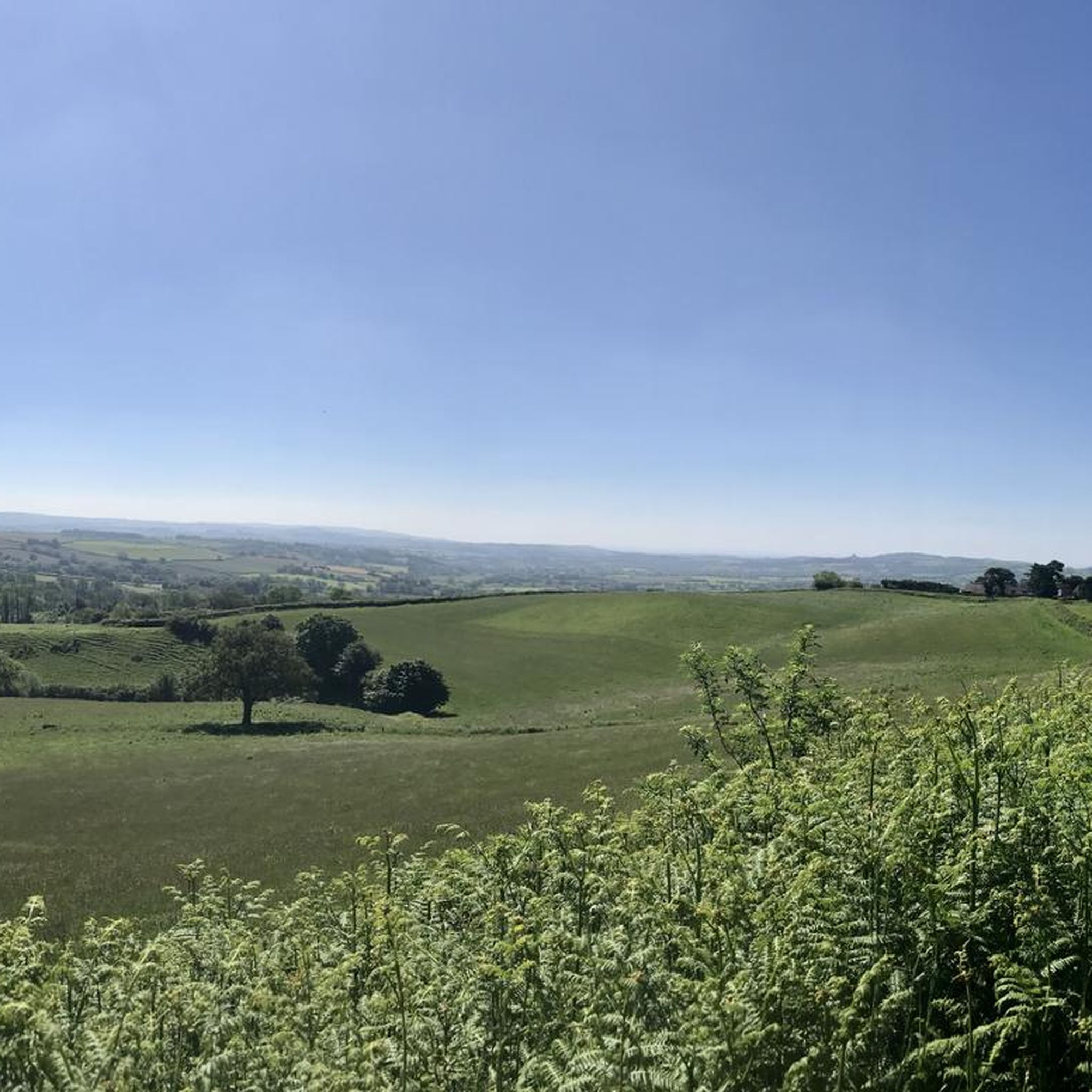
If you’ve hauled yourself up to the ramparts of Lambert’s Castle, congratulations! You are currently standing on an Iron Age "penthouse" with a view that makes most postcards look like blurry thumbprints. Looking south toward the coast, the landscape does a dramatic drop-and-roll toward the English Channel. Here is the lowdown on the two big celebrities you’re staring at: 1. Golden Cap: The Gilded Giant Dominating the horizon is Golden Cap, the highest point on the South Coast of England. The Look: It’s basically a massive, flat-topped wedge of rock that looks like nature tried to bake a giant loaf of bread and then gave it a glowing, golden crust. The Vibe: From Lambert’s Castle, you can see exactly why it got its name. When the sun hits that upper layer of Greensand, it glows like a pirate’s treasure chest. Fun Fact: At 191 meters (627 feet), if you were standing on top of it, you’d be higher than any other cliff-dweller in southern England. From up here on the hill, it looks like the ultimate finish line. 2. Thorncombe Beacon: The Dramatic Sidekick Just to the east of Golden Cap sits its slightly shorter, but equally moody sibling, Thorncombe Beacon. The Look: It’s got that classic "dinosaur spine" silhouette. It’s part of the same rollercoaster of cliffs that makes the Jurassic Coast look like it’s trying to jump into the sea. The Vibe: It feels a bit more "wild and windy." Historically, this was part of a chain of fire beacons used to warn everyone that the Spanish Armada was coming to ruin the weekend. The Perspective: From your vantage point, you can see the deep "V" of the Seatown valley tucked between the two peaks, looking like a perfect little green cradle.
0
0
From the summit of Lambert’s Castle Hill (258m), you are treated to one of the most celebrated panoramas in Dorset. Looking eastward across the sprawling Marshwood Vale, Pilsdon Pen and Lewesdon Hill stand out as the two most prominent landmarks on the horizon. The View of Pilsdon Pen Appearance: From Lambert's Castle, Pilsdon Pen (277m) is easily identified by its distinctive "flat-topped" profile. It is an Iron Age hillfort and was long thought to be the highest point in Dorset. Perspective: It sits approximately 4.7km (just under 3 miles) to the east-northeast. Because the Marshwood Vale drops away between the two hills, Pilsdon Pen appears as a massive, brooding green rampart rising sharply from the valley floor. Detail: On a clear day, you can clearly see the triple-dyked earthworks that ring its summit. The View of Lewesdon HillAppearance: Located just slightly south of Pilsdon Pen, Lewesdon Hill (279m) is the true "County Top" (the highest point in Dorset). Unlike the open, grassy summit of Pilsdon, Lewesdon is heavily wooded with ancient oak and beech trees.Perspective: From your vantage point at Lambert's Castle, Lewesdon appears as a dark, rounded, tree-covered dome. It lacks the sharp architectural lines of the hillforts but provides a lush, textured contrast to the surrounding fields.Context: Because it is so close to Pilsdon Pen (separated only by a small saddle), they are often referred to as "twin peaks" of the Marshwood Vale.
0
0

The summit of this hill represents the second highest point in Dorset, and from here, you'll have breathtaking panoramic views. At the top, there was an Iron Age hillfort, which was excavated in the mid-20th century.
0
0

Lewesdon Hill is the highest point in Dorset
0
0
#NT Golden Cap is the highest point on the South Coast
0
0

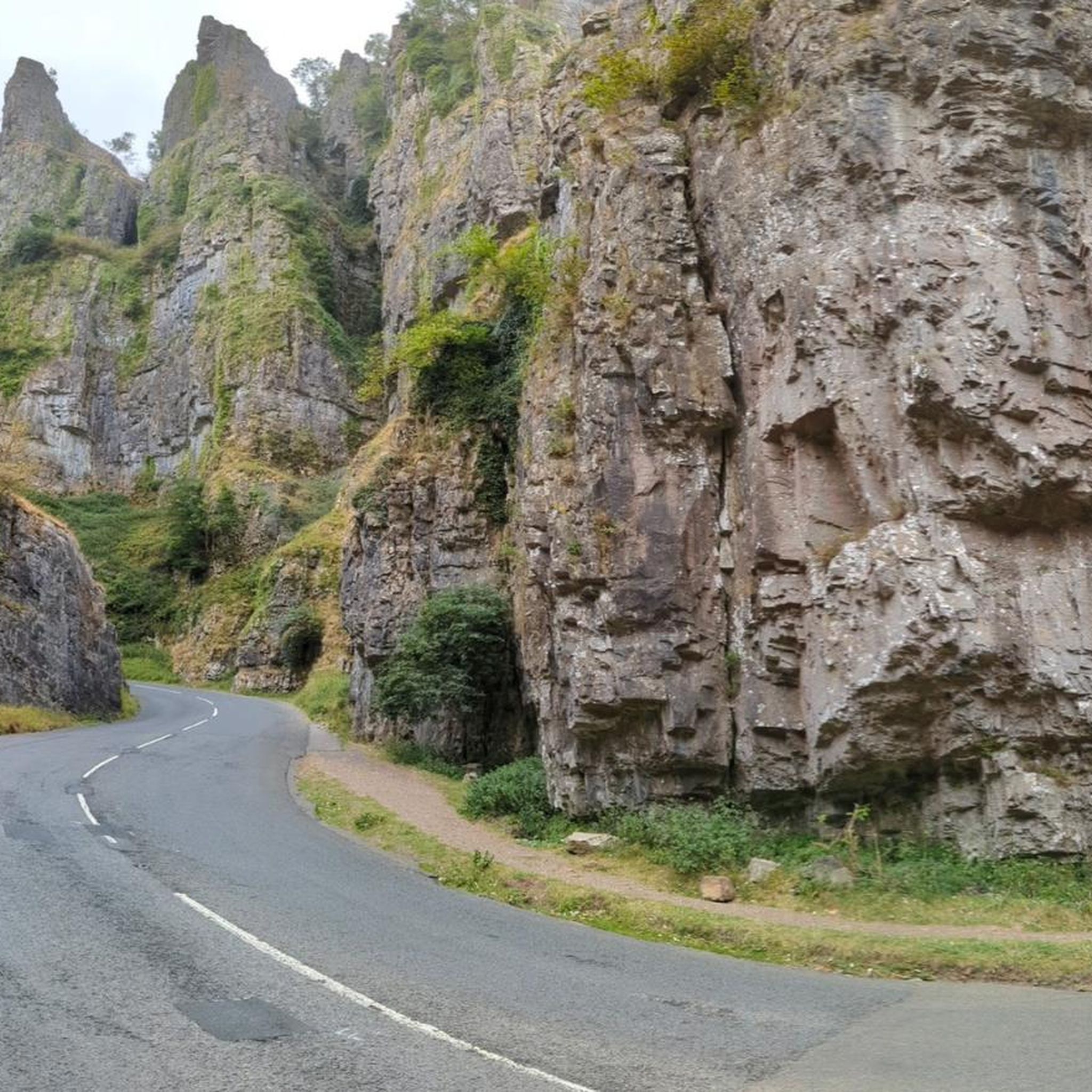
This Iron Age hillfort is the smaller cousin of Lambert’s Castle, a little to the north. With ancient woodland and a fantastic spring bluebell display, Coney’s Castle is a peaceful little summit and one of numerous such hillforts in the area. Check out the earthwork ramparts on the north, south and east sides. The western edge used the natural slope of the hill as a defense. Managed by the National Trust, this hillfort is free to roam around and served by a car park. Its only downside is that there’s a road right through the middle of it.
0
0
Around 2,500-years-old, this Iron Age hillfort sits at the north end of the appropriately-named Lambert’s Castle Hill. You’ll find evidence of earthworks here and lovely views of the surrounding landscapes, particularly if you explore the entire hill. There’s a trig point to the south of the hillfort, at 840 feet (256 m). Lambert’s Castle is managed by the National Trust and is free to enter. There’s a car park to the south west and the Liberty Trail hiking path runs right through the middle of the fort.
0
0
Frequently Asked Questions
What kind of 'mountain peaks' can I expect to find around Wayford?
The area around Wayford is characterized by rolling countryside and river valleys, rather than traditional mountainous terrain. The 'peaks' are prominent hills and ancient hillforts that offer elevated views and historical significance. These include sites like Pilsdon Pen Summit and Trig Point and View from Lewesdon Hill.
Which are the highest points or most prominent hills in the Wayford area?
The highest point in Dorset, offering extensive views, is Lewesdon Hill, standing at 279 meters (915 feet). Another significant elevation is Pilsdon Pen Summit and Trig Point, which is the second highest point in Dorset.
Are there any historical sites or ancient hillforts among the peaks near Wayford?
Yes, several prominent hills in the region feature ancient Iron Age hillforts. You can explore the 2,500-year-old Lambert's Castle Hillfort, or visit Pilsdon Pen Summit and Trig Point, which also has an Iron Age fort at its summit. Coney's Castle Hillfort is another notable Iron Age site with ancient woodland.
What kind of views can I expect from these elevated points?
From places like Pilsdon Pen Summit and Trig Point, you can enjoy fine views over the rolling Dorset countryside, including Golden Cap, Marshwood Vale, and the ocean. Lewesdon Hill offers breathtaking panoramic views stretching over Dorset, Devon, Somerset, and out to sea.
Are there family-friendly walks or easy hikes around the Wayford peaks?
Yes, there are several easy hikes suitable for families. You can find routes like the 'Wayford Woods – Magdalen Farm loop' or the 'Pilsdon Pen Summit loop' which are generally considered easy. For more options, explore the Easy hikes around Wayford guide.
What outdoor activities can I do near the Wayford peaks?
Beyond hiking, the area offers opportunities for road cycling and running. You can find various routes in the vicinity, such as those listed in the Road Cycling Routes around Wayford and Running Trails around Wayford guides.
Is there parking available at the trailheads for these hillforts and peaks?
Yes, for some locations, parking is available. For instance, Coney's Castle Hillfort is served by a car park. Lambert's Castle Hillfort also has a car park to its south-west.
When is the best time of year to visit the peaks around Wayford?
Spring and autumn are particularly beautiful. In spring, the woodlands, such as those around Lewesdon Hill and Coney's Castle Hillfort, erupt with bluebells. In autumn, the golden leaves and fungi make for an enchanting experience.
Are there any circular walks available around the Wayford peaks?
Yes, many of the hiking routes in the area are designed as loops. For example, the 'Pilsdon Pen Summit loop' and 'Lewesdon Hill – Broadwindsor Post Office loop' are popular circular options for hikers. You can find more details in the Easy hikes around Wayford guide.
What do visitors enjoy most about the Wayford area's elevated spots?
Visitors frequently highlight the breathtaking panoramic views, the historical significance of the Iron Age hillforts, and the peaceful, natural surroundings. The opportunity to combine outdoor activity with exploring ancient sites is a major draw, often described as offering magnificent views and a chance to replenish oneself.
What should I wear for hiking the trails around Wayford?
Given the rolling countryside and potential for varied weather, it's advisable to wear comfortable walking shoes or hiking boots, layers of clothing, and waterproofs, especially outside of summer. The trails can be exposed, so sun protection is also recommended on brighter days.
Can I bring my dog on the mountain trails near Wayford?
Many of the trails and open access areas around the hillforts and countryside are dog-friendly. However, it's always best to keep dogs on a lead, especially near livestock or during ground-nesting bird seasons, and to check specific site rules if visiting National Trust properties.
Most popular attractions around Wayford

Get inspired with the komoot mobile app


Explore more
See even more amazing summits around Wayford with these guides:
