Top 4 Castles around Healaugh
Best castles around Healaugh include historical sites that offer insights into medieval ecclesiastical life and manorial estates in North Yorkshire. Healaugh Hall Garth provides evidence of an early manorial presence, while Healaugh Park Priory blends medieval priory elements with an Elizabethan manor house. These locations provide a historical context for the region's development.
Best castles around Healaugh
- The most popular castles is Clifford's Tower, a historical site that was the moated castle keep of York Castle. It offers views over York's historic skyline.
- Another must-see spot is Bishopthorpe Palace Gatehouse, a man-made monument. This gatehouse is part of the official home of the Archbishop of York since 1241, situated along the River Ouse.
- Visitors also love St Mary's Abbey Ruins, Museum Gardens, a historical site featuring the ruins of St. Mary's Abbey. The gardens are registered botanical gardens with historical significance.
- Healaugh is known for fortified manor houses, priory sites with castle-like features, and archaeological remains. These sites offer a variety of historical structures to explore.
- The castles around Healaugh are appreciated by the komoot community, with more than 160 upvotes and 60 photos.
Last updated: June 30, 2026
Clifford's Tower
Highlight • Historical Site
Translated by Google •
Tip by

St Mary's Abbey Ruins, Museum Gardens
Highlight • Historical Site
In 1960 the gardens and Yorkshire Museum were entrusted to the City of York Council and they became a public park. Since 2002 they have been managed by the York Museums Trust together with York Castle Museum and York Art Gallery. The gardens are maintained by the Askham Bryan College of Agriculture
Translated by Google •
Tip by
Sign up now to discover places like this
Get recommendations on the best single tracks, peaks, & plenty of other exciting outdoor places.
Sign up for free
Bishopthorpe Palace Gatehouse
Highlight • Monument
Whilst the inside of the palace is only open for pre-arranged tours with quite a long waiting list, you can still admire the palace and its beautiful gatehouse from the footpath outside.
Tip by

Baile Hill – Remains of York's Norman Castle
Highlight • Castle
Tip by

Ryther Castle
Highlight • Castle
Tip by
Start today with a free account
Your next adventure awaits.
Login or Signup


Tips from the Community

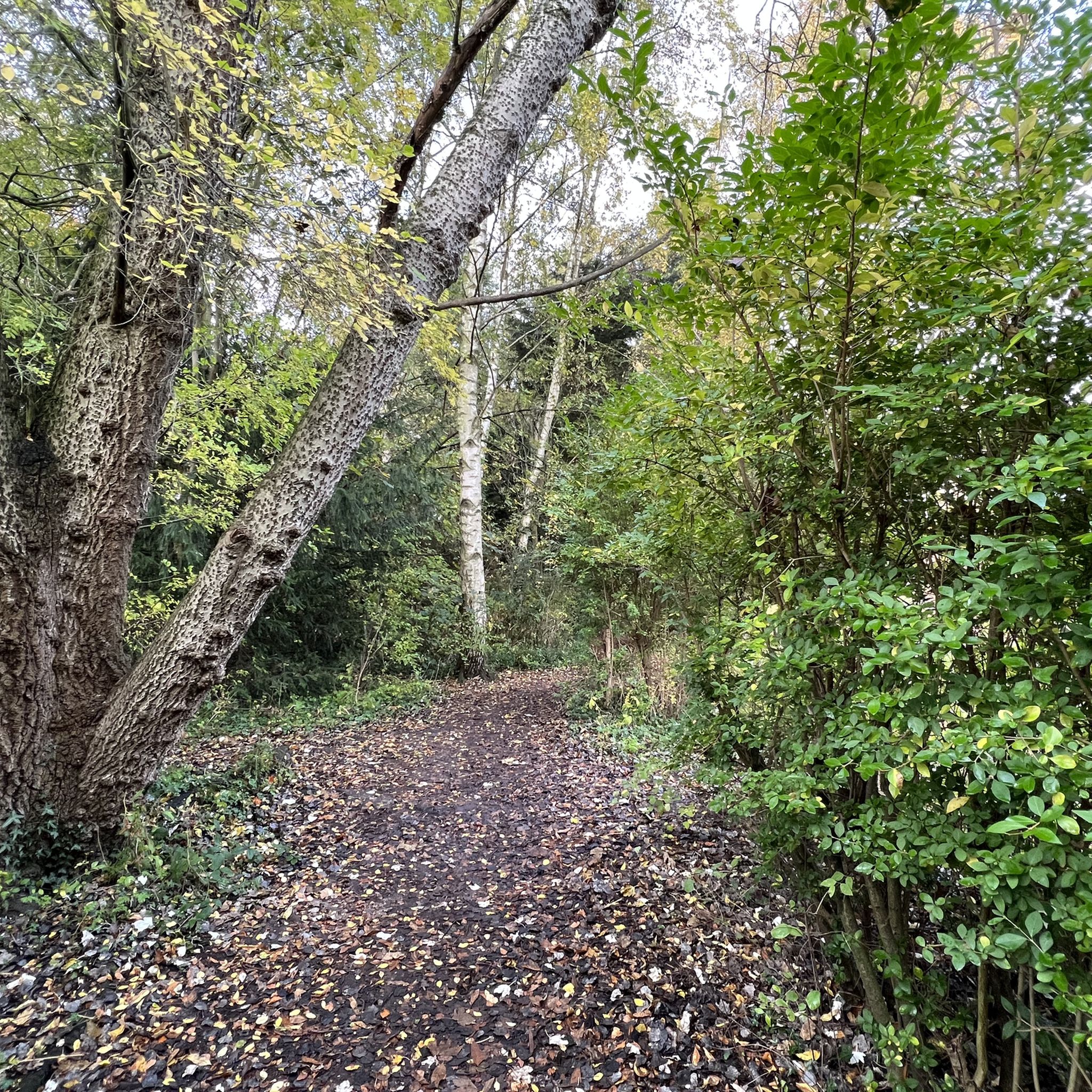
Scholars describe Ryther Castle as a modest, fortified manor, likely never having substantial defences. It is also known by the name Hall Garth, referring to the field where it stood. The castle's decline is suggested by a 1440 report on Sir William Ryther's estate, which described the manor house and several cottages as being in a "ruinous" or "waste" condition. By the time the de Rhythre family relinquished the estate, the structure was a total loss. Today there is nothing to see here, merely an overgrown beck and bog, largely obscured by trees.
1
0
You could read Eric Gee's 1983 "Bishopthorpe Palace: An Architectural History", but Eric never had the tinterweb in 1983. We do >>> https://historicengland.org.uk/listing/the-list/list-entry/1166705?section=official-list-entry, https://en.wikipedia.org/wiki/Bishopthorpe_Palace
1
0
The tower at the base of the hill is classified as the first of the 39 towers (not all survive) around the city walls. It was built in 1878 to a design by G. Styan as a terminal feature to the wall which finished abruptly at the foot of the flight of steps up the side of Baile Hill. It is a semi-octagon with a crenellated parapet, built of brown sandstone.
1
0

Baile Hill is the remnant of a Norman motte and bailey castle built in 1069. Following a rebellion, the castle was part of a defensive system for York's southwest side. William the Conqueror ordered its construction. The castle consisted of a man-made mound (motte) topped with a wooden tower. A deep ditch surrounded the motte for added defense. Built alongside another castle across the River Ouse (now Clifford's Tower), they controlled the city and traffic on the river.
0
0

Bishopthorpe Palace is situated along the beautiful River Ouse south of the city centre of York. It's the official home of the Archbishop of York, and has been for all previous Archbishop's of York since 1241. Whilst the inside of the palace is only open for pre-arranged tours with quite a long waiting list, you can still admire the palace and its beautiful gatehouse from the footpath outside.
4
0

In 1890, the prison commissioners agreed to declare Clifford's Tower a national monument and preserve it as a historic site. [112] In 1902, Clifford's Tower was given to York Corporation, along with a grant of £3,000 (equivalent to £320,000 in 2019) for conservation and repairs arranged by Lord Wenlock. The removal of rubble and damage to the castle's masonry in the 16th century placed excessive pressure on the retaining wall, leading to renewed subsidence in the 14th century. [117] Sir Basil Mott, a leading Victorian engineer, installed concrete underpinnings to stabilize the structure beneath the gatehouse. [117]In the early 20th century, Clifford's Tower was regularly open to visitors and in 1915 it was handed over to the Office of Works as a national monument (source: https://en.wikipedia.org/wiki/York_Castle).
5
0

Beautiful gardens, well maintained. With some ruins
0
1

Cliffords Tower is a remarkable fortress on a motte (artificial hill). Opposite is York Castle in the gusset between the River Foss and the River Ouse.
5
0
Frequently Asked Questions
What kind of historical sites related to castles can I find directly in Healaugh?
Directly in Healaugh, you'll find sites like Healaugh Hall Garth, which is identified as a site with cropmark and earthwork remains of a possible timber or masonry castle, or more likely, a fortified manor house. There's also Healaugh Park Priory, which began as an Augustinian priory and was later transformed into an Elizabethan manor house with a distinctive battlemented parapet, giving it a castle-like appearance. These sites offer insights into medieval ecclesiastical life and manorial estates, rather than traditional, imposing castles.
Can I visit Healaugh Park Priory or Healaugh Hall Garth?
Healaugh Park Priory is now Healaugh Manor Farm, which incorporates parts of the original monastic buildings and is a Grade II* listed building. Healaugh Hall Garth primarily consists of archaeological remains and earthworks. Access to these historical sites may be limited as they are often on private land. It's advisable to research current access arrangements before planning a visit.
What are some of the most popular castle-related sites near Healaugh?
Some of the most popular castle-related sites near Healaugh include Clifford's Tower, the moated castle keep of York Castle offering views over the city. Also popular are Bishopthorpe Palace Gatehouse, part of the Archbishop of York's official home, and St Mary's Abbey Ruins, Museum Gardens, which features significant historical ruins within botanical gardens.
Are there any family-friendly castle sites around Healaugh?
Yes, several sites are considered family-friendly. Clifford's Tower offers an engaging historical experience with new walkways and soundscapes. St Mary's Abbey Ruins, Museum Gardens provides open spaces and historical exploration. The Bishopthorpe Palace Gatehouse can be admired from a public footpath, offering a glimpse of history along the River Ouse.
What outdoor activities can I do near these castle sites?
The area around Healaugh offers various outdoor activities. You can find numerous road cycling routes, such as the 'John Smith's Brewery – Bramham Moor Summit loop'. There are also running trails, including the 'View of Newton Kyme Hall – Tadcaster Castle loop'. For hiking, consider the 'Tadcaster to Healaugh loop' or the 'Healaugh Priory – Footpath Near Woodhouse Farm loop'. You can explore more options on the dedicated guides for Road Cycling Routes around Healaugh, Running Trails around Healaugh, and Hiking around Healaugh.
Are there any specific walking routes that include historical sites or castle views near Healaugh?
Yes, there are several walking routes that allow you to explore the historical landscape. The 'Tadcaster to Healaugh loop' is a moderate hike that can bring you close to the village's historical context. Another moderate option is the 'Healaugh Priory – Footpath Near Woodhouse Farm loop' which offers a chance to see the area around the former priory. For more details, check the Hiking around Healaugh guide.
What is the history behind Baile Hill in York?
Baile Hill is the remnant of a Norman motte and bailey castle built in 1069 by William the Conqueror. It was part of a defensive system for York's southwest side, consisting of a man-made mound topped with a wooden tower and surrounded by a deep ditch. It was built alongside another castle across the River Ouse, which is now Clifford's Tower.
What can I expect to see at Ryther Castle today?
Ryther Castle is described as a modest, fortified manor that likely never had substantial defenses. Today, there is little to see at the site, which is largely overgrown with a beck and bog, obscured by trees. Historical reports from 1440 already described the manor house as being in a 'ruinous' or 'waste' condition.
What do visitors enjoy most about the castle sites around Healaugh?
Visitors often appreciate the rich historical context and the opportunity to explore significant ruins and architectural heritage. At Clifford's Tower, the panoramic views over York's skyline are a highlight. At St Mary's Abbey Ruins, Museum Gardens, the blend of historical ruins with beautiful botanical gardens and the presence of tame squirrels are often mentioned. The overall experience of stepping back in time and understanding the region's past is highly valued.
Are there any pubs or cafes near the historical sites in Healaugh?
Healaugh is a small village, so amenities directly adjacent to Healaugh Hall Garth or Healaugh Park Priory might be limited. However, the nearby town of Tadcaster offers various pubs, cafes, and accommodation options. For sites further afield like those in York, there are abundant choices for refreshments and dining.
What is the best time of year to visit the castle sites around Healaugh?
The best time to visit historical sites and enjoy outdoor activities around Healaugh is generally during the spring, summer, and early autumn months (April to October). The weather is typically milder and more conducive for exploring ruins, walking, and cycling. During these periods, the gardens at sites like St Mary's Abbey are also in full bloom. Some indoor attractions, like Clifford's Tower, are accessible year-round, but outdoor exploration is more pleasant in warmer months.
Where can I find more information about Healaugh Park Priory's history?
For more in-depth historical information about Healaugh Park Priory, you can refer to resources such as its Wikipedia page: Healaugh Park Priory on Wikipedia. This provides details on its origins as an Augustinian priory and its transformation into Healaugh Manor Farm.
Are there any viewpoints near the castle sites in York?
Yes, Clifford's Tower in York is a prominent viewpoint. Climbing to the top offers unrivalled views over York's historic skyline, including its medieval buildings and the famous Minster. It's an excellent spot to get a panoramic perspective of the city.
Most popular attractions around Healaugh

Get inspired with the komoot mobile app


Explore more
Looking for the best castles somewhere else? Discover other guides around Healaugh:
