Top 6 Castles around Offchurch
Best castles around Offchurch include historical sites within the village and notable castles in the wider Warwickshire area. While Offchurch itself features historical sites like Offchurch Bury, a manor house on the site of a potential Anglo-Saxon palace, and St. Gregory's Church with Norman elements, the region offers several traditional castles. These historical locations provide insight into the area's past, from Anglo-Saxon origins to medieval fortifications. The surrounding landscape of Warwickshire provides a setting for exploring these historical structures.
Best castles around Offchurch
- The most popular castles is Kenilworth Castle, a castle that features an impressive 12th-century Norman keep with walls 14 feet wide. It is considered one of the finest examples of a semi-royal palace from the later Middle Ages, having survived a six-month siege and hosted Queen Elizabeth I.
- Another must-see spot is Tiltyard Dam at Kenilworth Castle, a man_made_monument. This dam was constructed in phases, possibly starting around 1125, creating a great defensive lake for the castle. It was later breached in 1649 by Parliamentarians to damage the castle beyond repair.
- Visitors also love Bagot's Castle, a 14th-century castle now standing in ruins in Baginton. Originally believed to be built in the 11th century, it was rebuilt in the late 1300s and has since undergone conservation efforts.
- Offchurch is known for its medieval castles, ruined castles, and historical fortified sites. Visitors can explore a variety of historical structures, from well-preserved fortresses to ancient manor house sites.
- The castles around Offchurch are appreciated by the komoot community, with over 195 upvotes and 75 photos shared by visitors.
Last updated: June 30, 2026
Kenilworth Castle Ruins
Highlight • Castle
Tip by

Kenilworth Castle
Highlight • Castle
Tip by

Sign up now to discover places like this
Get recommendations on the best single tracks, peaks, & plenty of other exciting outdoor places.
Sign up for free
Tiltyard Dam at Kenilworth Castle
Highlight (Segment) • Monument
At the end of the Civil War in 1649, Cromwell’s Parliamentarians were determined to ensure that the former Royalist strongholds would never again provide a safe haven for those who opposed the new republican parliament’s powers. So, Colonel Joseph Hawkesworth, MP was appointed to ‘slight’ or damage the castle beyond repair and it is said he breached the Tiltyard to drain the mere as part of the slighting.
Tip by

Elizabethan Garden at Kenilworth Castle
Highlight • Historical Site
The two arbours, one at each end of the terrace, described by Langham as ‘perfumed with sweet trees and flowers’, are now planted with scented plants (vines, honeysuckle, sweet musk rose).
The garden is divided into quarters, with a pierced obelisk at the centre of each. Each quarter is subdivided into two knots, defined by low privet hedges, wit patterns of planting based on contemporary Flemish drawings. All the flowering plants used were popular in Elizabeth’s day (carnations, pinks, stocks, wallflowers) and the focal points of the knots are small trees and shrubs.
At the centre of the garden is a spectacular fountain in Carrara marble. The faces of the octagonal basin are carved with scenes from Ovid’s Metamorphoses.
Tip by
Bagot's Castle
Highlight • Castle
The original building is believed to have been constructed on the site in the 11th century, at the time of King Henry I. It was rebuilt as the current castle in the late thirteen hundreds by Sir William Bagot, a distinguished nobleman of the time. He is thought to have entertained many distinguished guests there, including the Duke of Hereford (later Henry IV).
The castle subsequently passed through several hands, and eventually became derelict in the 16th Century. It remains so to this day, but in the middle of the last century excavation work was carried out to expose the remains.
In the last few years there has been renewed interest in the castle. The remains have been consolidated and the whole site opened up to expose other historic features. An education visitor centre has been built, a picnic area added and woodland walks constructed for the many visitors who have visited the castle since it was opened to the public 2009.
Tip by
Sign up for free to discover even more castles around Offchurch.
Sign up for free
Already have an account?
Start today with a free account
Your next adventure awaits.
Login or Signup

Tips from the Community

The area surrounding Castle Green offers picturesque views of the castle ruins and a greenery for visitors interested in England's rich history and architecture
0
0

The castle was founded after the Norman Conquest of 1066; with development through to the Tudor period. It has been described by the architectural historian Anthony Emery as "the finest surviving example of a semi-royal palace of the later middle ages, significant for its scale, form and quality of workmanship". Kenilworth played an important historical role: it was the subject of the six-month-long siege of Kenilworth in 1266, thought to be the longest siege in medieval English history, and formed a base for Lancastrian operations in the Wars of the Roses. Kenilworth was the scene of the removal of Edward II from the English throne, the perceived French insult to Henry V in 1414 of a gift of tennis balls (said by John Strecche to have prompted the campaign that led to the Battle of Agincourt), and the Earl of Leicester's lavish reception of Elizabeth I in 1575. It has been described as "one of two major castles in Britain which may be classified as water-castles or lake-fortresses...
0
0
Robert Langham (C16) - "The Castle has the name of Killingwoorth, but if truth grounded upon faithful story, Kenelwoorth [Kenilworth]. It stands in Warwickshire, a 74 mile North-West from London, and as it were in the navel of England, four mile somewhat South from Coventry a proper city, and a like distance from Warwick, a fair Shire town on the North. In air sweet and wholesome, raised on an easy-mounted hill, is set evenly coasted with the front straight into the East, has the tenants and town about it, that pleasantly shifts from dale to hill, sundry wherewith sweet springs burst forth; and is so plentiful and well sorted on every side into arable, meadow, pasture, wood, water, and good air, as it appears to have need of nothing that may pertain to living or pleasure."
1
0
Much of the right-hand court is occupied by the privy garden created by Dudley for the queen. Now known as the Elizabethan Garden, it has been recreated on the basis of archaeological evidence and an account of the 1575 festivities by Robert Langham. The two arbours, one at each end of the terrace, described by Langham as ‘perfumed with sweet trees and flowers’, are now planted with scented plants (vines, honeysuckle, sweet musk rose). The garden is divided into quarters, with a pierced obelisk at the centre of each. Each quarter is subdivided into two knots, defined by low privet hedges, wit patterns of planting based on contemporary Flemish drawings. All the flowering plants used were popular in Elizabeth’s day (carnations, pinks, stocks, wallflowers) and the focal points of the knots are small trees and shrubs. At the centre of the garden is a spectacular fountain in Carrara marble. The faces of the octagonal basin are carved with scenes from Ovid’s Metamorphoses.
0
0
The dam was probably constructed in three phases; initially circa 1125, then subsequently raised by King John and lastly the western lane and bridge possibly 17th century. It is not known when the castle’s great defensive lake, created by the dam, was first called a Mere nor when the breach, shown here being repaired in 1964, was first called Hawkesworth’s Gap. At the end of the Civil War in 1649, Cromwell’s Parliamentarians were determined to ensure that the former Royalist strongholds would never again provide a safe haven for those who opposed the new republican parliament’s powers. So, Colonel Joseph Hawkesworth, MP was appointed to ‘slight’ or damage the castle beyond repair and it is said he breached the Tiltyard to drain the mere as part of the slighting.
0
0

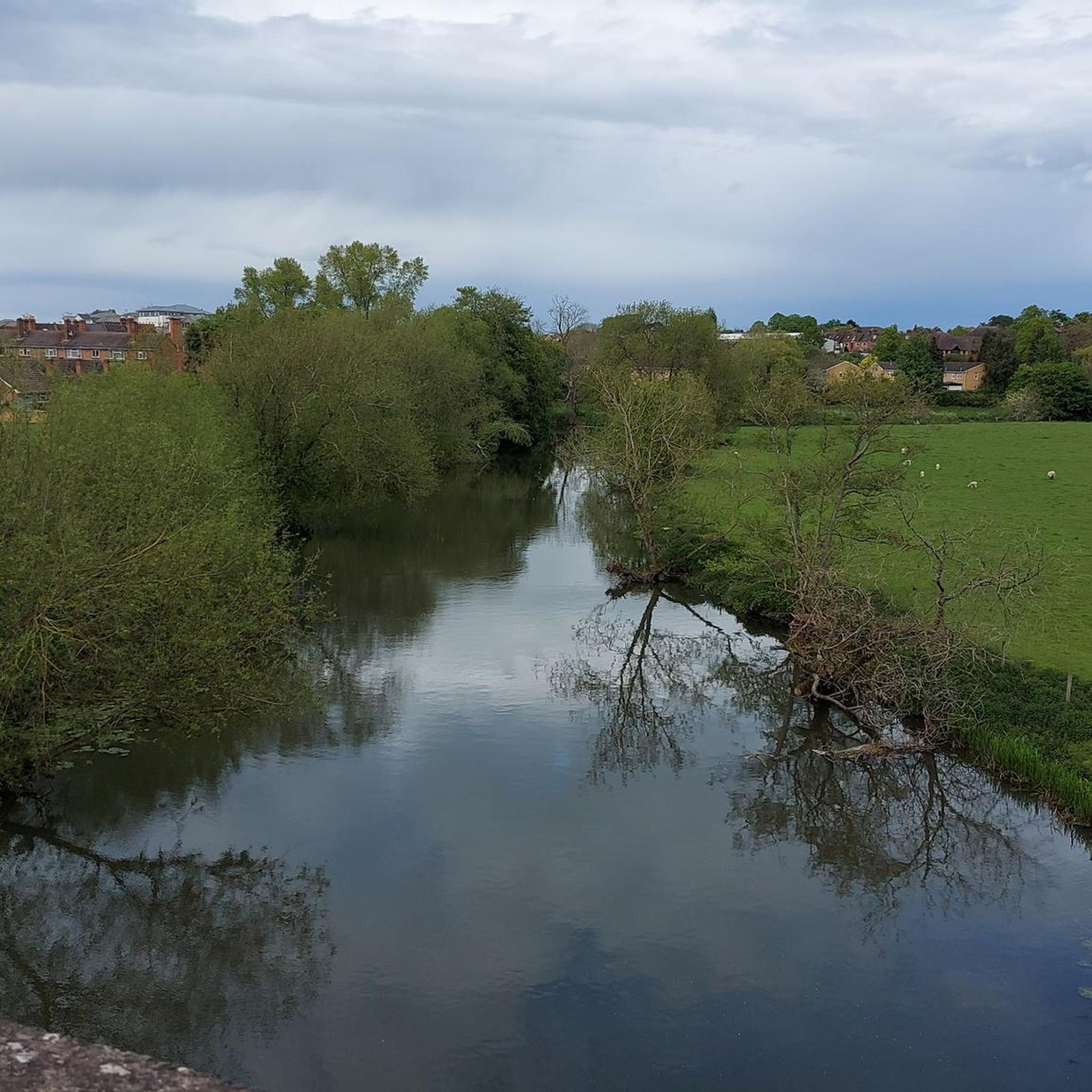
Drop down and corner past a medieval castle. Pretty cool.
0
0

Although much of it is still in ruins, it is definitely worth the visit, very accessible from the centre and with a good car park (paid) next to it. The castle, which was built between the beginning of Norman rule in England and the Tudor period, played a significant role in history.
1
0

One of the finest examples of a semi-royal palace of the later middle ages. Built over 900 years ago the castle has survived a six month siege, it was an important base in the War of the Roses and hosted queen Elizabeth 1st. Today it's managed by English Heritage and hosts jousts and re-enactments as well as themed days. Non members pay entry. Café and facilities on site. Open 10:00 - 17:00 mon to fri.
0
0
Frequently Asked Questions
What historical sites are located within Offchurch itself?
While Offchurch does not feature traditional castles, it is home to significant historical sites. You can visit Offchurch Bury, a manor house believed to stand on the site of an Anglo-Saxon palace belonging to King Offa. The parish church of St. Gregory, with its Norman elements and potential Anglo-Saxon origins, is also a notable historical building in the village.
Which major castles are located a short distance from Offchurch?
Several historically significant castles are easily accessible from Offchurch. These include Kenilworth Castle, known for its extensive ruins and role in English history, and Warwick Castle, a major tourist attraction with well-preserved medieval architecture. You can also explore the ruins of Bagot's Castle in Baginton.
Are there family-friendly castles to visit near Offchurch?
Yes, several castles near Offchurch are suitable for families. Kenilworth Castle and Warwick Castle are both known for offering family-friendly experiences, including historical reenactments and extensive grounds. Bagot's Castle also welcomes families and has a visitor centre and woodland walks.
What is unique about Kenilworth Castle?
Kenilworth Castle is considered one of the finest examples of a semi-royal palace from the later Middle Ages. It features an impressive 12th-century Norman keep with walls 14 feet wide and has a rich history, including enduring the longest siege in Medieval English history and hosting Queen Elizabeth I. The Tiltyard Dam, which created a great defensive lake for the castle, is another unique historical feature.
Can I find walking or hiking trails near the castles around Offchurch?
Yes, the area around Offchurch and its nearby castles offers various walking and hiking opportunities. For instance, you can find numerous routes in the 'Hiking around Offchurch' guide, which includes trails like the 'St Gregory's Church, Offchurch – Rapeseed Fields loop'. Explore more options in the Hiking around Offchurch guide.
Are there easy hiking trails available near Offchurch?
Absolutely. If you're looking for less strenuous options, there are several easy hikes around Offchurch. An example is the 'Offchurch Greenway – Radford Skew Viaduct loop from Offchurch', which is an easy 3 km route. You can discover more easy trails in the Easy hikes around Offchurch guide.
What kind of outdoor activities can I do near these castles, besides hiking?
Beyond hiking, the region offers mountain biking opportunities. For example, the 'MTB Trails around Offchurch' guide features routes like the 'Hatton Locks – Kenilworth Castle Ruins loop from Leamington Spa', which is a moderate 41.9 km ride. Check out the MTB Trails around Offchurch guide for more details.
What is the best time of year to visit the castles near Offchurch?
The best time to visit castles near Offchurch generally depends on your preference for weather and crowds. Spring and summer offer warmer weather and longer daylight hours, ideal for exploring the extensive grounds and ruins. However, these seasons can also be busier. Autumn provides beautiful foliage, while some castles may offer special events during winter, though opening hours might be reduced.
Is there parking available at Kenilworth Castle?
Yes, parking is available at Kenilworth Castle. It is managed by English Heritage, and there are facilities on site. It's always a good idea to check the official English Heritage website for the most current parking information and any potential fees before your visit.
What can I expect to see at Bagot's Castle?
Bagot's Castle is a 14th-century castle that now stands in ruins in Baginton. It offers a glimpse into medieval history, with ongoing conservation efforts by volunteers. Visitors can explore the consolidated remains, an education visitor centre, a picnic area, and woodland walks that have been constructed around the site.
Are there any specific historical features to look out for at Warwick Castle?
At Warwick Castle, a prominent feature is Guy's Tower, which is 12-sided and stands at 29 meters high. It includes machicolations, which were defensive openings from which projectiles could be dropped on attackers. The castle itself was founded by Ethelfleda, King Alfred the Great's daughter, highlighting its deep historical roots.
What do visitors enjoy most about the castles around Offchurch?
Visitors frequently appreciate the rich history and impressive architecture of the castles. For instance, Kenilworth Castle is praised for its dominant Norman keep and its status as a semi-royal palace. The community has shared over 75 photos and given more than 195 upvotes, indicating a strong appreciation for the historical significance and visual appeal of these sites.
Most popular attractions around Offchurch

Get inspired with the komoot mobile app


Explore more
Looking for the best castles somewhere else? Discover other guides around Offchurch:
