The 4 Most Amazing Peaks around Dundrum
Mountain peaks around Dundrum offer access to distinct mountain ranges, whether referring to the suburb in Dublin or the village in County Down. Dundrum in County Down provides direct access to the Mourne Mountains, known for their granite peaks and dramatic landscapes. Dundrum in Dublin is near the Dublin Mountains, which form the northern edge of a granite range extending into County Wicklow. These areas provide diverse terrain for hiking and exploration.
Best mountain peaks around Dundrum
- The most popular…
Last updated: October 2, 2026
Slieve Commedagh Summit
Highlight • Summit
Tip by

Summit Shelter Tower, Slieve Corragh
Highlight • Monument
Tip by
Sign up now to discover places like this
Get recommendations on the best single tracks, peaks, & plenty of other exciting outdoor places.
Slievenaglogh Summit
Highlight • Summit
Tip by

Start today with a free account
Your next adventure awaits.

Tips from the Community

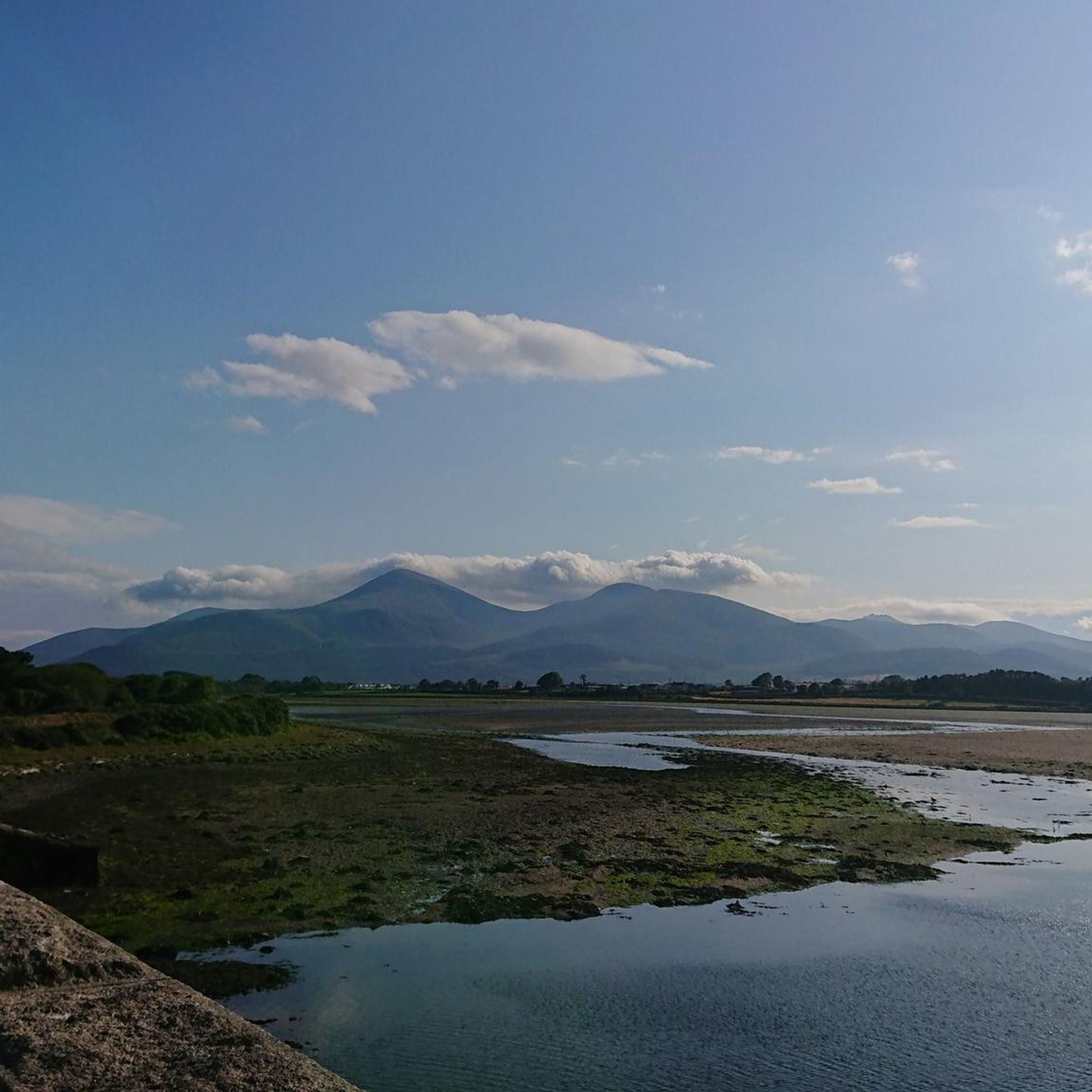
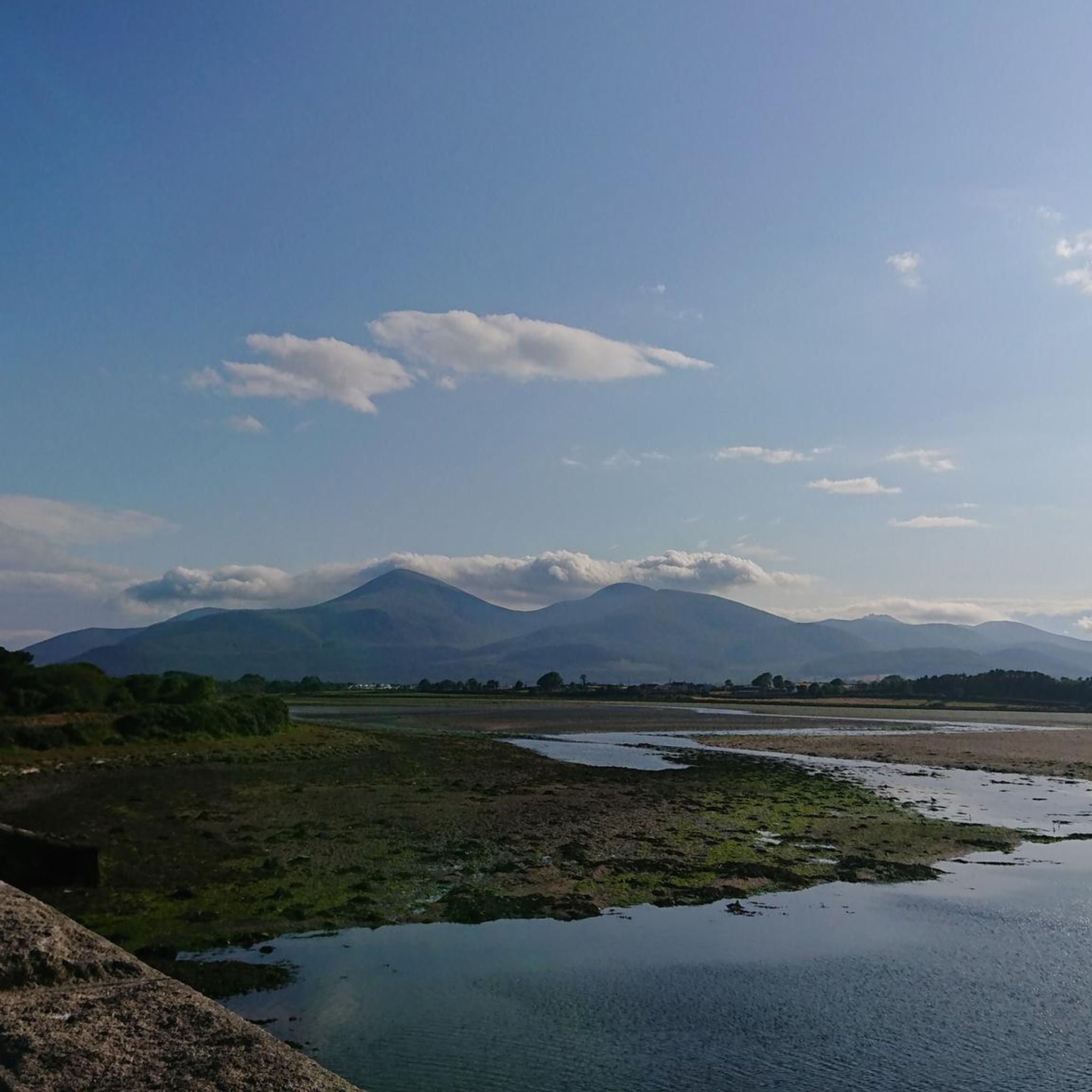
Slieve Commedagh, at 767 meters, is the second-highest peak in the Mourne Mountains and a rewarding climb for any hiker. Its summit offers sweeping views across the Mournes and out to the Irish Sea, a reminder of how close these mountains sit to the coast. The ascent is steep and demanding, often over pathless ground, but never overly technical in good weather. You can climb it on its own or link it with nearby peaks such as Slieve Donard, making for a truly memorable day in the heart of the Mournes.
3
0
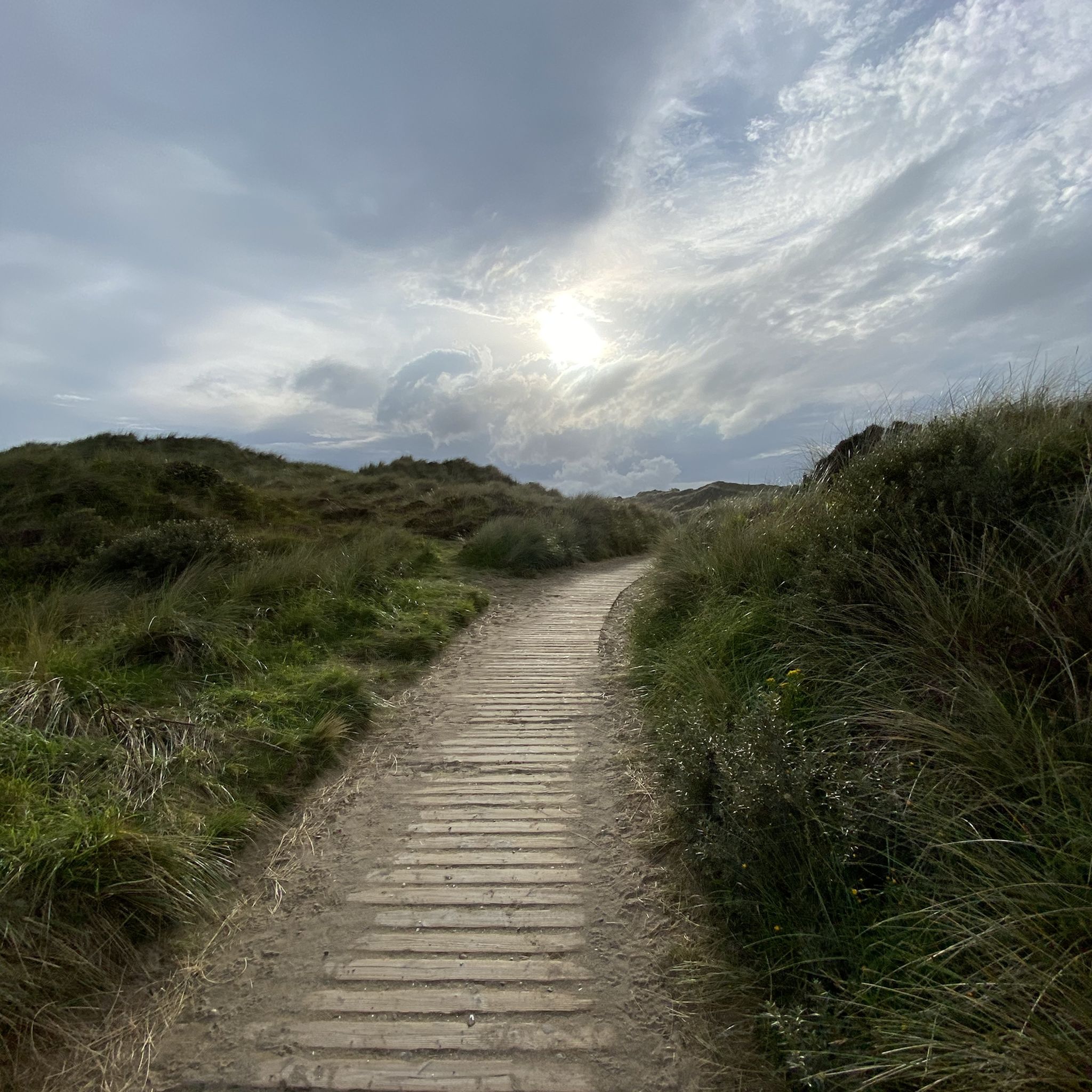
The Summit Shelter Tower is located near Slieve Corragh, a welcome spot to rest after the steady climb up. The shelter gives hikers a place to pause, shielded from the wind, and enjoy the sweeping mountain scenery.
4
0

Not one of the tallest peaks in the range but has some wonderful views down over the Ben Crom reservoir and deeper into the central Mournes.
1
0
Slieve Commedagh is the second-highest mountain in NI at 767m. With spectacular views across Newcastle and over the rest of the Northern Mournes, it is well worth the climb. To reach the peak, head slightly north-east from this point and travel a few hundreds metres.
1
0

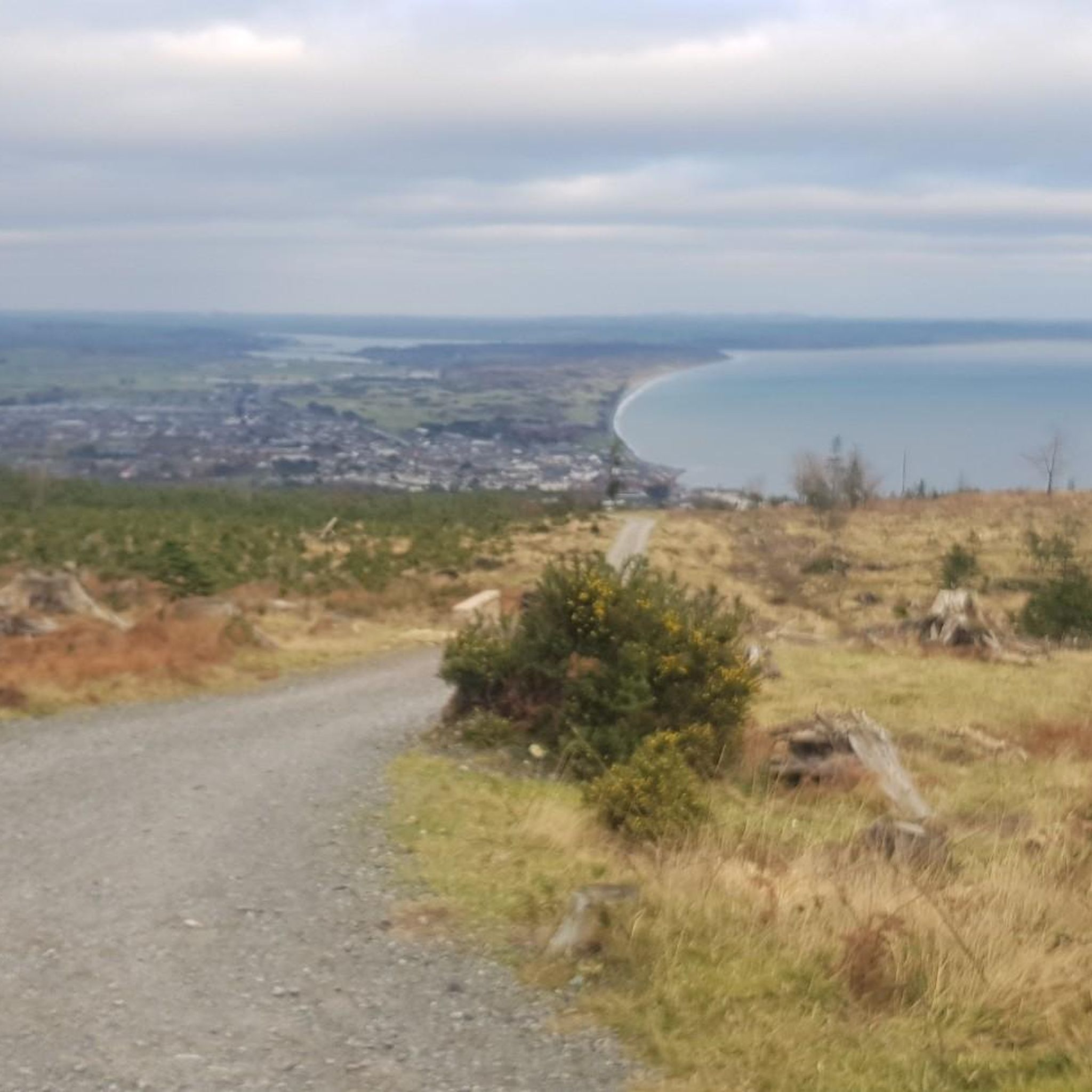
Slieve Commedagh holds the impressive title of being the second-highest peak in the entire Mournes Mountain range. The peak commands excellent views of Donard Forest and the Newcastle coast to the North East and the inner Mournes to the rear.
2
0
Frequently Asked Questions
What are the most prominent mountain peaks to explore near Dundrum, County Down?
The Mourne Mountains, visible from Dundrum Bay, offer several prominent peaks. Slieve Commedagh Summit is the second-highest peak, offering sweeping views. Other notable peaks include Slieve Donard, the highest in Northern Ireland, and Slieve Binnian, known for its granite tors. You can also find Slievenaglogh Summit, which provides wonderful views over the Ben Crom reservoir.
What are the difficulty levels of mountain trails near Dundrum?
The Mourne Mountains offer a range of difficulties. Peaks like Slieve Commedagh involve steep and demanding ascents, often over pathless ground, making them challenging. Other summits like Slievenaglogh Summit are considered intermediate. Generally, trails range from moderate to difficult, suitable for those with reasonable fitness. Always check specific route details before heading out.
Are there any unique geological features in the Mourne Mountains near Dundrum?
Yes, the Mourne Mountains are renowned for their dramatic granite landscapes and glacial formations. Slieve Binnian is particularly famous for its magnificent granite tors at the summit. Another unique feature is the Mourne Wall, a 31 km dry-stone wall that traverses over 15 peaks, built to enclose the Silent Valley Reservoir catchment area.
What outdoor activities can I do near the mountain peaks around Dundrum?
Beyond hiking the peaks, the area around Dundrum offers diverse outdoor activities. You can find numerous road cycling routes, including challenging loops like the 'Strangford & Castleward loop from Newcastle' or moderate ones like the 'Clough Castle Ruins – Dundrum Castle loop'. Mountain biking is also popular, with trails such as the 'Castlewellan MTB Trails and Newcastle Way Loop'. For more options, explore the dedicated guides for Road Cycling Routes around Dundrum and MTB Trails around Dundrum.
Are there hiking trails suitable for families near Dundrum?
While many mountain ascents are challenging, there are easier hiking options in the wider Dundrum area. For family-friendly walks, consider routes like the 'Murlough National Nature Reserve Loop' or the 'Dundrum Coastal Path', both offering easier terrain and scenic views. You can find more details in the Hiking around Dundrum guide.
What is the best time of year to hike the mountains near Dundrum?
The best time to hike the Mourne Mountains is generally during the spring (April-May) and autumn (September-October) when the weather is often milder and the landscapes are vibrant. Summer offers longer daylight hours but can be busier. Winter hiking is possible but requires essential gear due to potentially harsh conditions, including strong winds and snow on higher elevations.
Are there any shelters or resting points on the mountain trails?
Yes, on some trails, you'll find designated resting points. For instance, the Summit Shelter Tower near Slieve Corragh provides a welcome spot to pause, shielded from the wind, and enjoy the sweeping mountain scenery after a steady climb.
What kind of views can I expect from the mountain peaks around Dundrum?
The views from the Mourne Mountains are spectacular and far-reaching. From Slieve Commedagh Summit, you can enjoy sweeping vistas across the Mournes and out to the Irish Sea. On clear days, from higher peaks like Slieve Donard, you might even see the Isle of Man, Scotland, Wales, and Donegal. Slievenaglogh Summit offers views down over the Ben Crom reservoir and into the central Mournes.
Are there any historical landmarks in the Mourne Mountains?
Yes, the Mourne Mountains hold historical significance. Slieve Donard, for example, features two burial cairns believed to be Neolithic tombs dating back to 3,000 BC. The Mourne Wall itself, while a man-made monument, is a significant historical feature, built over many years in the early 20th century.
What should I know about parking for mountain walks near Dundrum?
Parking is available at various access points to the Mourne Mountains. For popular routes like Slieve Donard, parking is often available at Donard Park in Newcastle. For other trails, look for designated car parks at trailheads. It's advisable to arrive early during peak season to secure a spot.
Can I find less crowded mountain routes near Dundrum?
While popular peaks like Slieve Donard can be busy, the vastness of the Mourne Mountains allows for less crowded options. Exploring peaks like Slieve Bearnagh or linking less-frequented sections of the Mourne Wall can offer a more solitary experience. Researching specific routes and visiting during off-peak times can also help avoid crowds.
Most popular attractions around Dundrum

Get inspired with the komoot mobile app


Explore more
See even more amazing summits around Dundrum with these guides:
