Attractions and Places To See in the Mount Nemërçkë Mountains - Top 15
Best attractions and places to see in the Mount Nemërçkë Mountains are located in southern Albania, featuring a rugged and scenic landscape. The massif includes Papingu, the highest peak at 2,482 meters, and is characterized by Mesozoic and Paleogene limestones with a karstified ridge. The region offers opportunities for outdoor activities such as hiking, with diverse natural features including valleys, thermal springs, and waterfalls.
Best attractions and places to see in the Mount Nemërçkë Mountains
- The most popular attractions is Waterfall in the Albanian Alps, a waterfall that is impressive in its mountain setting. This natural monument is situated in a beautiful mountain world.
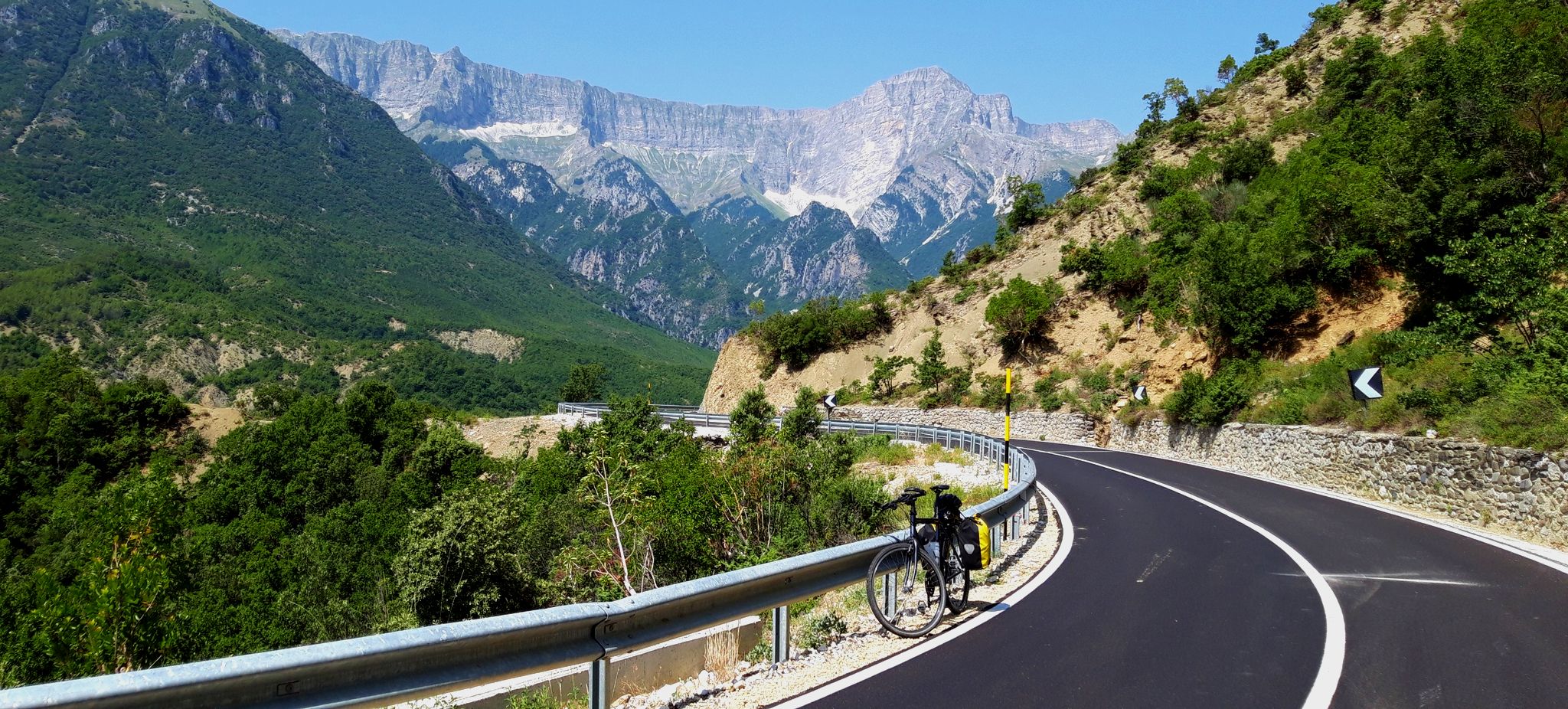
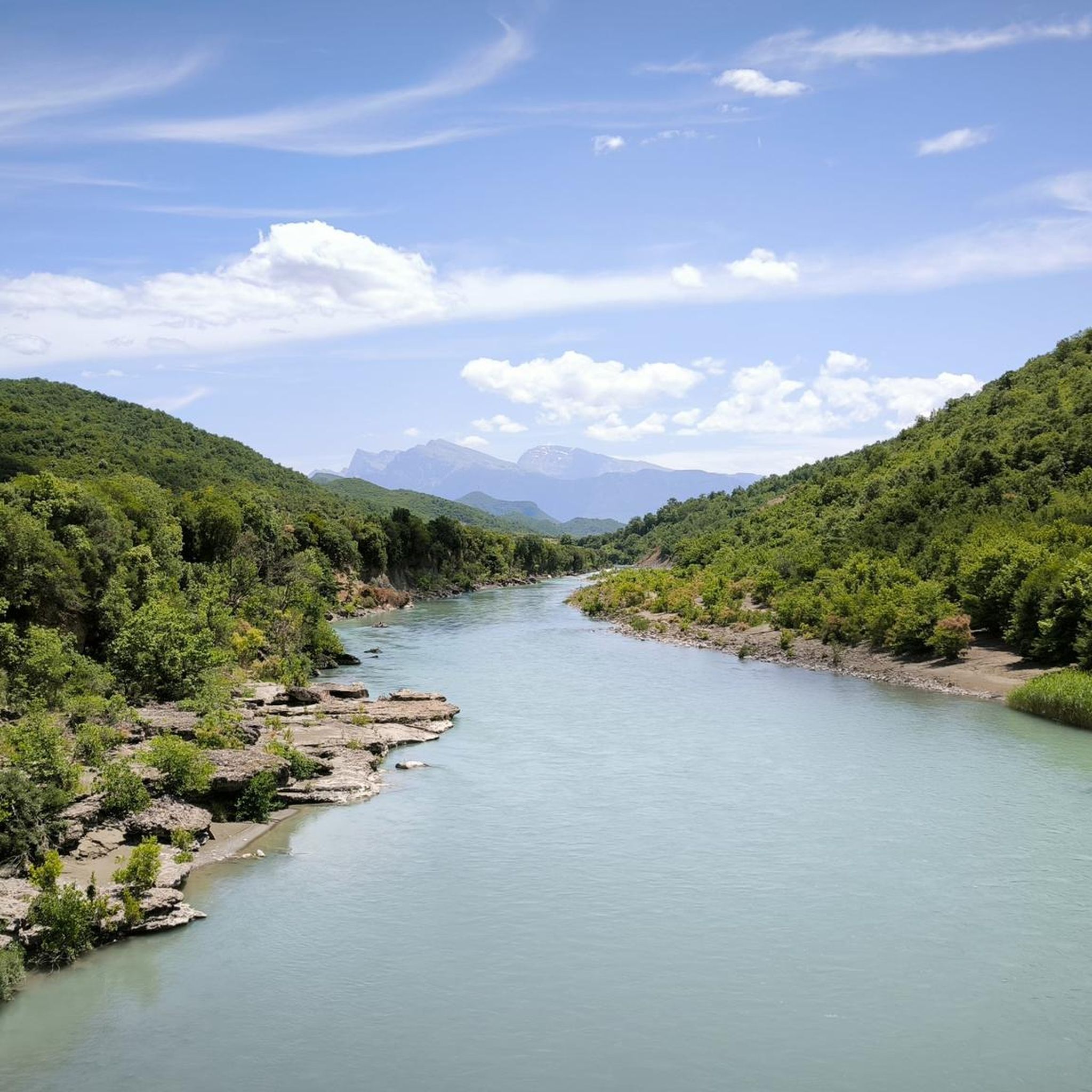
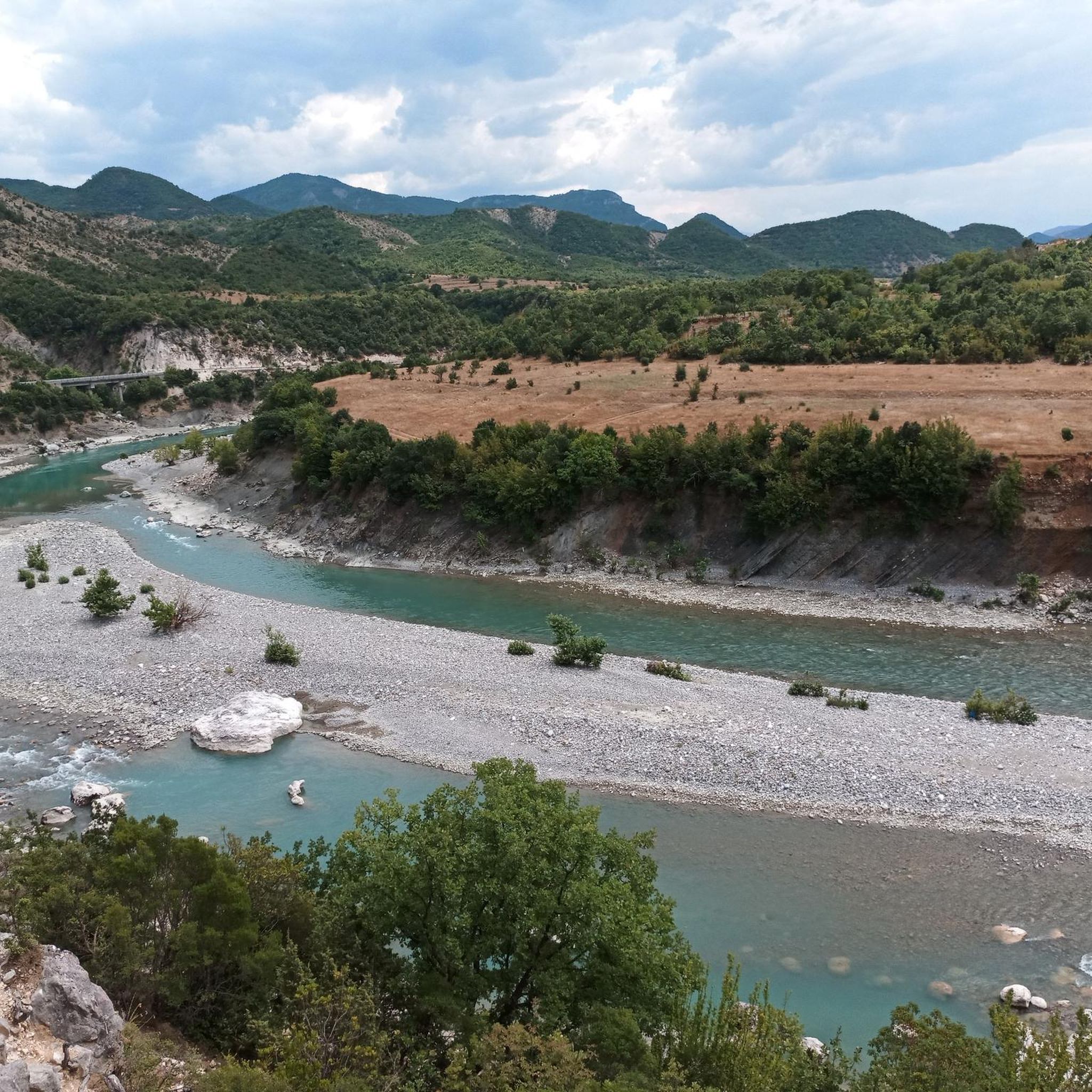
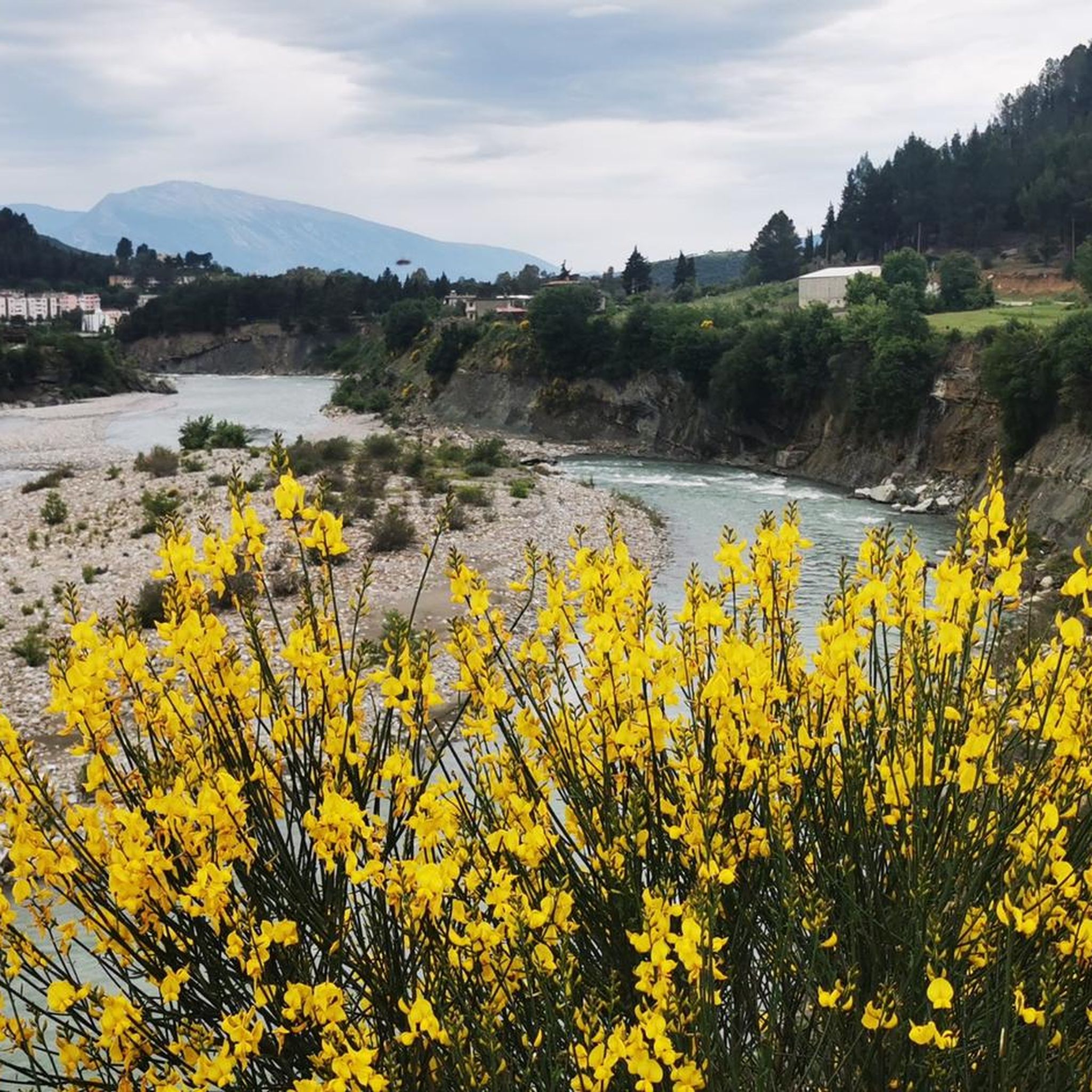
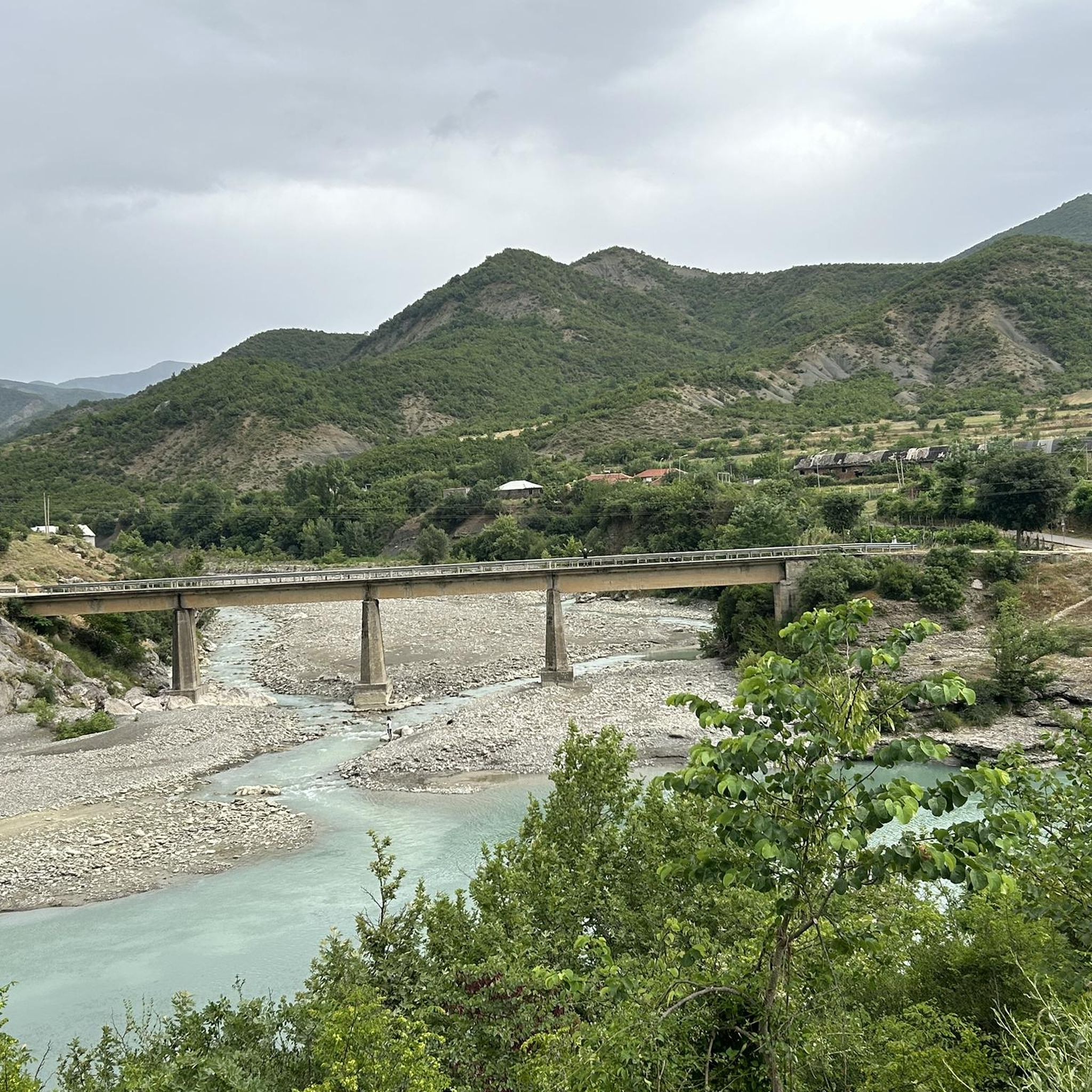
- Another must-see spot is Vjosa Valley, a gorge where the turquoise waters of the Vjosa River flow between large mountains. Visitors can expect a spectacular section of road through the valley.
- Visitors also love Church of Saint Mary of Leusa, a religious building with well-preserved frescoes. This historical site is beautifully situated and maintained.
- Mount Nemërçkë Mountains is known for its natural monuments, historical sites, and scenic trails. The region offers a variety of attractions to see and explore, from mountain peaks to ancient churches.
- The attractions in the Mount Nemërçkë Mountains are appreciated by the komoot community, with 13 upvotes and 22 photos shared.
Last updated: June 29, 2026
Gravel Road Through Bredhi i Hotovës-Dangëlli National Park
Highlight (Segment) • Trail
Tip by

Dracove – Zhepe Anikoli Gravel Road
Highlight (Segment) • Trail
Tip by

Sign up now to discover places like this
Get recommendations on the best single tracks, peaks, & plenty of other exciting outdoor places.
Sign up for free
Vjosa Valley
Highlight • Gorge
Translated by Google •
Tip by

Church of Saint Mary of Leusa
Highlight • Religious Site
magnificent paintings
Village residents have the key
Translated by Google •
Tip by

Përmet City Stone (Gur i Qytetit)
Highlight (Segment) • Natural Monument
Ascend for free at your own risk.
The remains of a castle can be found on the summit plateau.
Translated by Google •
Tip by

Waterfall in the Albanian Alps
Highlight • Waterfall
Translated by Google •
Tip by

Bar Restaurant Ana
Highlight • Restaurant
Tip by

Benja Stone Bridge and Hot Springs
Highlight (Segment) • Bridge
Tip by

Along the Vjosa River
Highlight (Segment) • River
Translated by Google •
Tip by

Gravel Route from Osumi Canyon to Piskovë in Bredhi i Hotovës-Dangëlli National Park
Highlight (Segment) • Trail
Tip by
Sign up for free to discover even more attractions in the Mount Nemërçkë Mountains.
Sign up for free
Already have an account?
Start today with a free account
Your next adventure awaits.
Login or Signup
Other adventures in the Mount Nemërçkë Mountains

Tips from the Community

Easily accessible with a gravel bike. Magnificent views!
0
0

Easily doable with loaded gravel bikes. Stunning scenery and views, highly recommended.
0
0

A truly beautiful route. However, with loaded bikes, it was also quite challenging. We had to dismount and push at times.
0
0

Very steep gravel road. The view is breathtaking but get ready to spend 2-3 hours on this road and to push your bike a lot, especially if you're a bikepacker. No real villages or water sources on this stretch
0
0

Done with a fully loaded MTB tandem. Beautiful track with its views and also relatively easy. The surface is quite smooth (good for a MTB, probably practicable on gravel without too much luggage). I highly recommend it, the most beautiful track we have done in Albania.
0
0
⚠️The road is mainly gravel, it is not pleasant except for mountain bikes possibly.
0
0
There are sections that are “gravel road” but majority of the way is large, loose, sharp rocks very unpleasant to navigate even with gravel bikes. Although the views are nice, we spent 95% of the time looking down to navigate the poor conditions of the “road”. I would not recommend - not worth the added time and unpleasantness, especially in the heat.
3
0
Frequently Asked Questions
What natural features can I explore in the Mount Nemërçkë Mountains?
The region is rich in natural beauty. You can discover the impressive Waterfall in the Albanian Alps, a natural monument set in a stunning mountain landscape. The Vjosa Valley offers spectacular views where the turquoise Vjosa River flows between large mountains. The highest peak, Papingu (Maja e Papingut), reaches 2,482 meters, offering panoramic vistas. You'll also find karstified ridges, steep cliffs, and evidence of Quaternary glaciations.
Are there any historical or cultural sites to visit in the area?
Yes, the region has notable historical and cultural sites. The Church of Saint Mary of Leusa is a beautifully situated and maintained religious building known for its well-preserved frescoes. Nearby, you can also find the historic Kadi Bridge, often included in hiking loops that feature the Bënja Thermal Springs.
What kind of outdoor activities are available in the Mount Nemërçkë Mountains?
The Mount Nemërçkë Mountains are ideal for outdoor enthusiasts. Hiking and trekking are popular, with routes starting from villages like Skore and Përmet. You can also find opportunities for cycling, including road cycling and touring. For more detailed route information, explore the hiking guides and cycling guides for the region.
Are there family-friendly options for visitors in the Mount Nemërçkë Mountains?
While many trails are challenging, some areas offer easier access. The Bënja Thermal Springs, located near the mountains, are a popular natural attraction where families can enjoy warm, sulphurous waters. For dining, Bar Restaurant Ana is listed as family-friendly. When planning hikes, look for 'easy' rated routes in the easy hikes guide.
What is the best time of year to visit the Mount Nemërçkë Mountains?
The higher elevations of Mount Nemërçkë are typically covered in snow from November to April. For hiking and exploring the natural features, late spring through early autumn (May to October) would generally offer the most favorable weather conditions. During winter, special precautions like ice axes and crampons are advised for higher trails due to snow and potential avalanches.
Are there specific hiking trails recommended for different skill levels?
Yes, hiking trails vary in difficulty. Routes to climb the main peaks can be challenging, with some starting from Skore (shorter and steep) and others from Përmet (longer and more challenging). For easier options, you can find several 'easy' rated routes, such as the Leus Village loop or the Megalo Papingo loops, in the easy hikes guide.
Where can I find amenities like cafes or restaurants near the attractions?
Përmet is a nearby town that serves as a base for exploring the region and offers various amenities. Within the highlights, Bar Restaurant Ana is specifically mentioned as a place to eat. The villages of Skore and Dracove, which are starting points for treks, may also offer local establishments.
What are the geological characteristics of the Mount Nemërçkë Mountains?
The mountains are primarily composed of Mesozoic and Paleogene limestones, forming a heavily karstified ridge with an elongated anticlinal structure. The eastern slopes are characterized by steep, often impassable cliffs, while the western side is more gradual. Evidence of Quaternary glaciations, such as cirques, can be observed on the eastern slope above 1,700 meters.
Is it possible to go cycling in the Mount Nemërçkë Mountains?
Absolutely! The region offers various cycling opportunities. You can find gravel roads like the Gravel Road Through Bredhi i Hotovës-Dangëlli National Park and the Dracove – Zhepe Anikoli Gravel Road. There are also specific guides for road cycling and general cycling, detailing routes like the Vjosa Valley – Kadi Bridge loop.
What wildlife might I encounter in the Mount Nemërçkë Mountains?
The diverse landscape of Mount Nemërçkë is home to various wildlife. You might encounter mountain partridges, wild turkeys, wild goats, and wild boars. The area's natural habitats, including shrubs and summer pastures, support this biodiversity.
Are there any thermal springs or unique water features?
Yes, a notable natural attraction is the Bënja Thermal Springs, located near the mountains. These springs offer warm, sulphurous water, popular for bathing. The historic Benja Stone Bridge and Hot Springs is a highlight that combines both natural beauty and historical interest.
Do I need permits for hiking in the Mount Nemërçkë Mountains?
The provided information does not indicate that specific permits are required for general hiking in the Mount Nemërçkë Mountains. However, it's always advisable to check local regulations or with a local guide if you plan extensive treks, especially in protected areas or during specific seasons.
What should I know about winter hiking in the Mount Nemërçkë Mountains?
Winter hiking in Mount Nemërçkë can be challenging. Snow typically covers higher elevations from November to April. Hikers are advised to be cautious of 'snow balconies' near the summit and to carry essential gear like ice axes and crampons due to frequent avalanches on the western slope. It's crucial to be well-prepared and aware of weather conditions.
How accessible are the Mount Nemërçkë Mountains for visitors with disabilities?
The rugged and mountainous terrain of the Mount Nemërçkë Mountains, characterized by steep cliffs and challenging trails, generally presents significant accessibility challenges for visitors with disabilities. While some main roads might offer scenic views from a vehicle, most natural attractions and hiking trails are not designed for wheelchair access or those with limited mobility.
Most popular routes in the Mount Nemërçkë Mountains
Most popular attractions in the Mount Nemërçkë Mountains

Get inspired with the komoot mobile app


Explore more
Still not found the Highlight you’re looking for? See guides of the top attractions in other regions:
