Top 5 Castles around Burley
Best castles around Burley are found in a region characterized by its historical significance and natural landscapes, particularly within the New Forest National Park. This area features a mix of historical sites, from medieval ruins to grand architectural estates. The diverse terrain offers opportunities to explore ancient fortifications and more recent castle-like structures, providing insights into different periods of history.
Best castles around Burley
- The most popular castles is Highcliffe Castle, a castle that is a Grade 1 listed building, built between 1831 and 1836. It is known for its Romantic and Picturesque style of architecture and incorporates medieval French masonry.
- Another must-see spot is Christchurch Castle and Norman House, a historical site featuring the ruins of a Norman motte and bailey castle and a rare example of Norman domestic architecture. Visitors can explore the remains of the Keep and the Constable's House, which includes one of the oldest stone chimneys in the country.
- Visitors also love Rhinefield House Hotel, a castle-like hotel and historical site. It offers a glimpse into a grand estate within the New Forest.
- Burley is known for historical mansions, Norman ruins, and castle-like hotels. The area offers a variety of historical structures to see and explore, ranging from ancient fortifications to more modern architectural marvels.
- The castles around Burley are appreciated by the komoot community, with more than 40 photos and over 40 upvotes from visitors.
Last updated: June 29, 2026
Highcliffe Castle
Highlight • Castle
There is an international importance, too. For a large amount of medieval French masonry, shipped across the Channel, was used in its construction. It is this Norman and Renaissance carved stone, along with the Castle’s Gothic revival features and ancient stained glass, that make it appear older than it is.
Built mainly between 1831 and 1836, the Castle is the realisation of one man’s fantasy. He was Lord Stuart de Rothesay, a distinguished diplomat who had known and loved the cliff-top site overlooking Christchurch Bay since he was a boy.
The magnificent building, once lavishly furnished in the 18th century French style remained a family home until the 1950s. In the late 1960s two fires rendered the building derelict and in 1977, to prevent further deterioration, Christchurch Borough Council purchased it.
Tip by

Christchurch Castle and Norman House
Highlight • Historical Site
Translated by Google •
Tip by

Sign up now to discover places like this
Get recommendations on the best single tracks, peaks, & plenty of other exciting outdoor places.
Sign up for free
Constable's House (Norman House)
Highlight • Historical Site
The ground floor was probably used for storage. An external staircase led to the main rooms on the first floor, where a small lobby divided the two principal rooms, the hall and solar chamber. The hall was open to the roof with widely splayed windows to let in as much light as possible. The elaborately decorated window at the north end of the hall marks the dais end, where the high table stood. The private solar chamber had an adjoining latrine emptying into the mill stream.
The east wall of the house, nearest the river, is thicker as it served as the defensive curtain wall of the castle. All the doors and windows on this exposed side had drawbars in case of attack.
Tip by

Castle Street Bridge and the ruins of Christchurch Castle
Highlight • Historical Site
Tip by
Rhinefield House Hotel
Highlight • Castle
Tip by

Start today with a free account
Your next adventure awaits.
Login or Signup
Popular around Burley
New Forest National Park – A Walk in the Parks
New Forest - The most Beautiful Cycling Routes
New Forest - Walking in the National Park
Heath, coast, woods and wildlife – hikes in the New Forest National Park
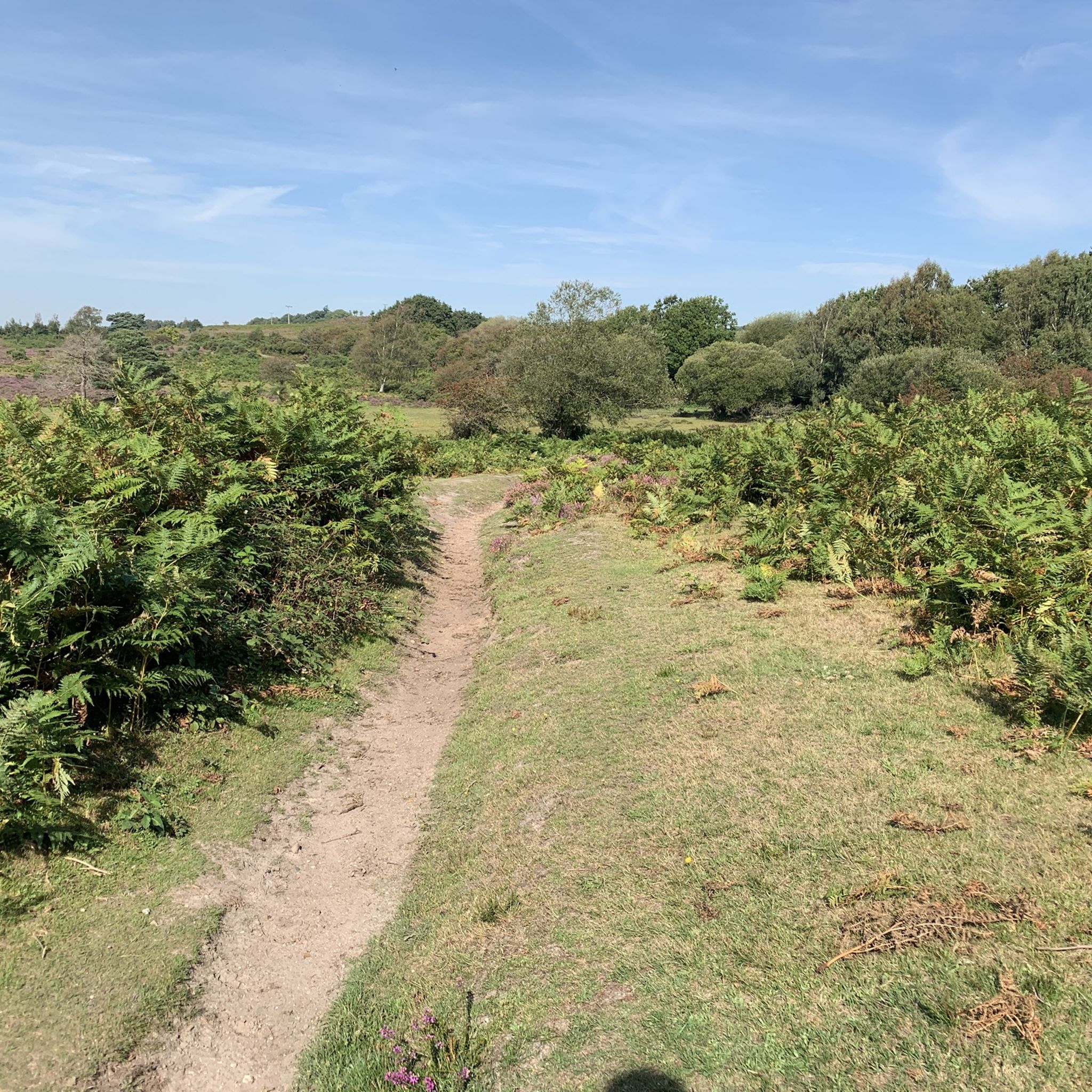
Hiking around Burley
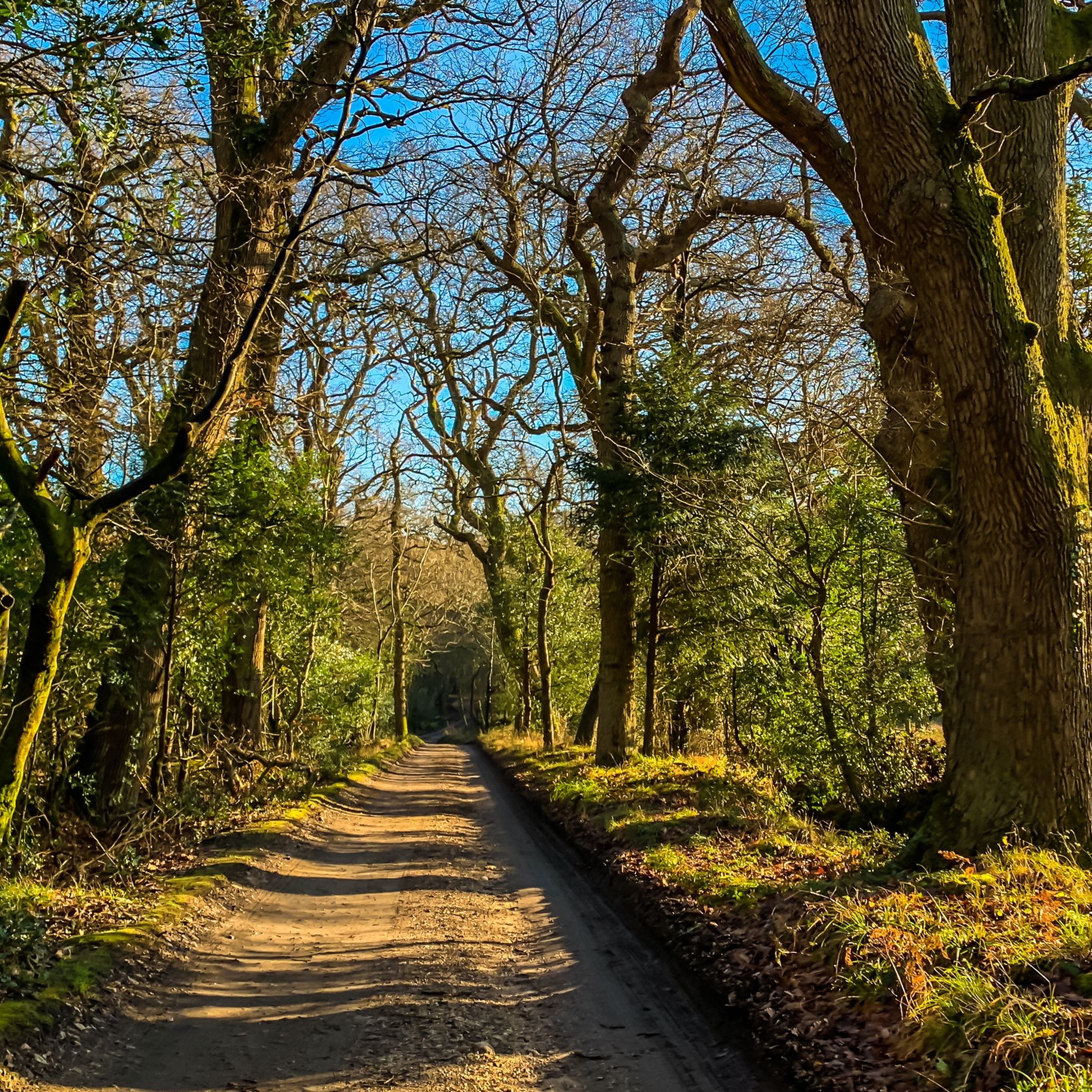
Cycling around Burley
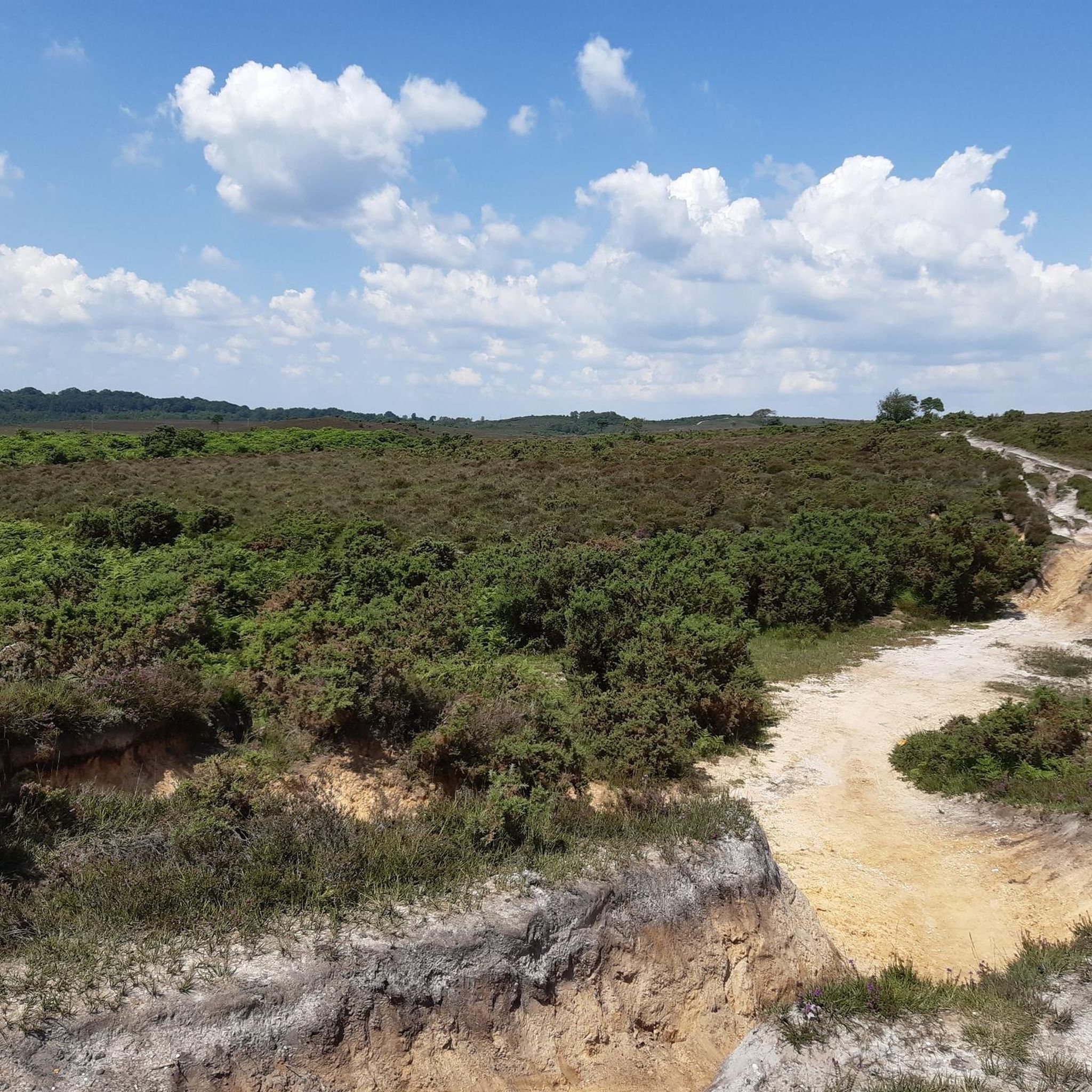
Road Cycling Routes around Burley
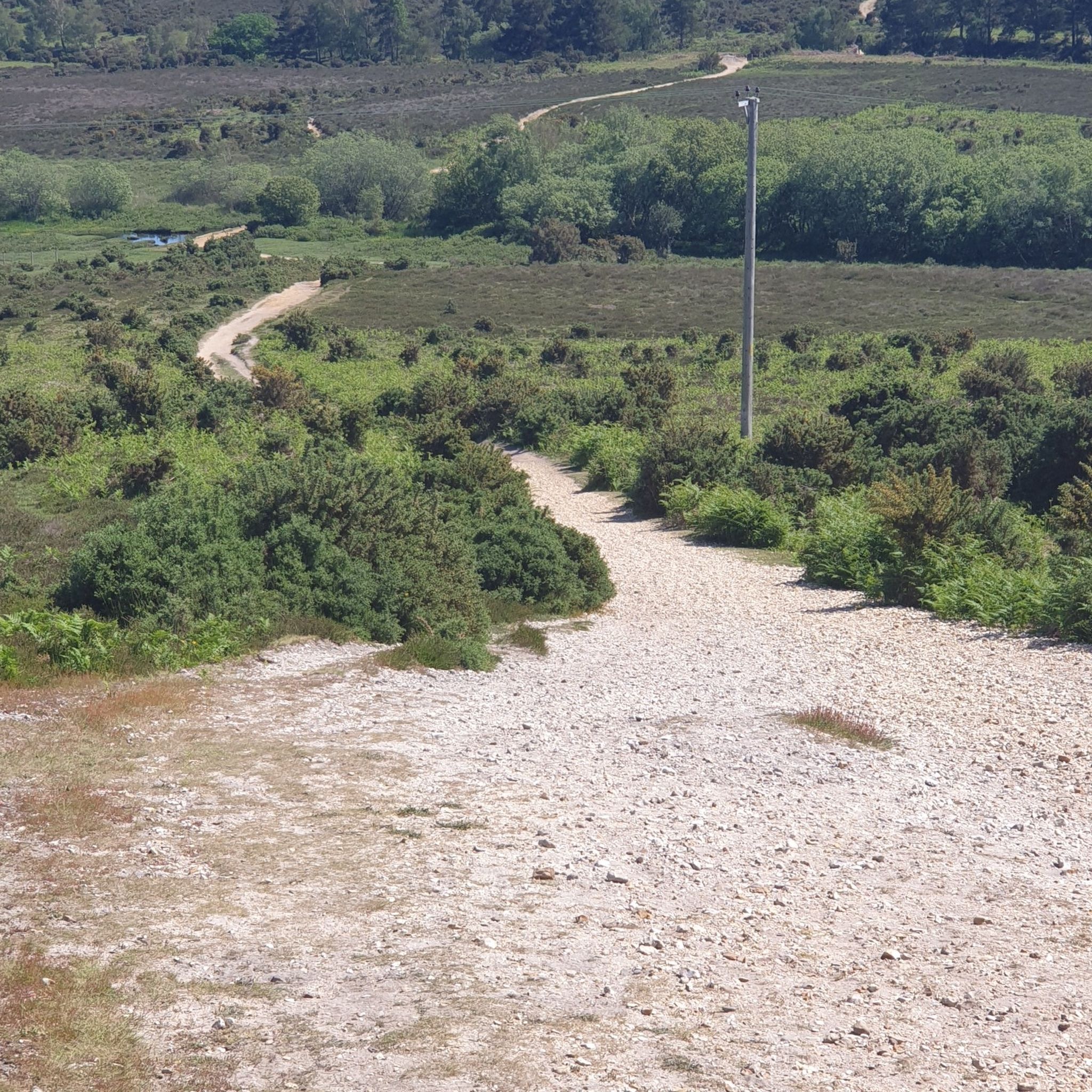
MTB Trails around Burley
Running Trails around Burley
Gravel biking around Burley
Other adventures around Burley


Tips from the Community

If you’re hanging out in Christchurch, you’ve hit the jackpot for a "two-for-one" history fix. The Priory and the Castle Ruins are practically neighbors, separated only by a lovely little stretch of grass and some very photogenic streams. It’s the kind of place where you can spend an hour wandering through ruins and then step into one of the most massive, peaceful churches in England. This is the "rugged" part of the tour. Built in the late 11th century to keep an eye on the harbor, the castle isn't a massive fortress anymore, but what’s left is pretty evocative. The Constable’s House: This is actually the hidden star of the show. It’s a rare example of a Norman domestic house. Look for the old stone chimney—it’s one of the oldest in the country. It sits right on the edge of the Mill Stream, and it’s a great spot to watch the local ducks while imagining life in the 1100s. The Keep: You can still see the remains of the Great Tower sitting atop its "motte" (the big grassy mound). If you’re feeling energetic, you can walk up the path for a better view of the town, though the tower itself is mostly a "shell" these days. The Vibe: It’s totally free to wander through. On a sunny day, you’ll see people sitting on the grass nearby with ice creams. It’s history without the velvet ropes.
0
0
The Norman House is a rare example of Norman domestic architecture in England. Whereas most ordinary domestic buildings of this date were built of timber, the house was built of stone, reflecting the high status of its builder. The tall, circular Norman chimney is a particularly unusual survival. The ground floor was probably used for storage. An external staircase led to the main rooms on the first floor, where a small lobby divided the two principal rooms, the hall and solar chamber. The hall was open to the roof with widely splayed windows to let in as much light as possible. The elaborately decorated window at the north end of the hall marks the dais end, where the high table stood. The private solar chamber had an adjoining latrine emptying into the mill stream. The east wall of the house, nearest the river, is thicker as it served as the defensive curtain wall of the castle. All the doors and windows on this exposed side had drawbars in case of attack.
0
0
Christchurch Castle is a Norman motte and bailey castle in Christchurch, Dorset, England. The earliest stonework has been dated to 1160. The castle's site is inside the old Saxon burh dominating the River Avon's lowest crossing.The castle is believed to stand on the site of an earlier wooden fort built in 924 following the capture of the town ramparts in 901 by King Æthelwold of Wessex, and subsequently fortified with a motte by King Edward the Elder.[2] After the Norman Conquest of 1066 the castle's defences were strengthened by the addition of a ditch and bailey surrounded by a wooden palisade. The wooden fort was eventually replaced with a stone keep. The Norman castle was a strategic defensive structure controlled by the King's constable until King Henry I granted it as the caput of a feudal barony to his cousin Richard de Redvers, feudal baron of Plympton, Devon. While the Saxon defences had been against outside threats such as Viking raiders, the Norman fortress was more concerned with subduing the local populace. It was also a useful base for enforcing the New Forest Laws. The castle controlled the harbour and inland access via the Rivers Avon and Stour. The earliest masonry has been dated to c. 1160, and there is documentary evidence of the castle existing in c. 1130. Richard de Redvers is often named as the castle's first builder, although there is little documentary evidence of this, and this castle may well have been on the site of the earlier Saxon castle. The castle was rebuilt by Baldwin de Redvers to resist King Stephen during the civil war with the Empress Matilda in 1147. A great tower was built probably around 1300. The castle again saw action during the Civil War of 1642–1651. The Parliamentarians were allowed to take control of the castle in 1644. The Royalists laid siege to it for 3 days, demolishing houses on the corner of Church Street and Castle Street in order to site their cannons. The Royalists were unable to take the castle and Oliver Cromwell, fearing such a powerful stronghold, ordered it to be slighted in 1652. The castle is now in ruins; a couple of the keep walls remain and the remains of a rectangular moat.
0
0
Road bridge over River Avon. Erected in the C15 or C16; repaired and strengthened over the centuries, including widening around 1900 and the erection of footbridge.
0
0
Highcliffe Castle has been described as arguably the most important surviving house of the Romantic and Picturesque style of architecture, which flourished at the end of the 18th century and the beginning of the 19th century. Its significance is recognised nationally by its Grade 1 status on the Statutory List of Buildings of Special Architectural and Historical Interest. The Castle was built between 1831 and 1836 and is the realisation of one man’s fantasy. That man was Lord Stuart de Rothesay. When he built it he was following in the footsteps of his grandfather the 3rd Earl of Bute, who had built an earlier mansion on the site during the 1770s. A keen botanist, Lord Bute created a scaled-down version of Kew. Perched on the edge of the cliff, on heathland with magnificent views out to sea, this house stood for only 38 years before land springs and sea erosion destabilised it. today the Castle is again a beautiful building – now for all to enjoy. Owned by the Council since 1977 and benefitting from English Heritage funding and two National Lottery grants (in the 1990s and 2010s), the Castle now hosts joyous weddings, stages a variety of productions, and hosts fairs, exhibitions and events throughout the year. It is a valued asset at the heart of the community and a popular tourist attraction. We welcomed BBC’s The Antiques Roadshow in 2012 and made an appearance more recently in Mr Selfridge on ITV.
0
0

Remains of a mound top keep and a stone building known as the Norman house.
0
0

This spot offers a sneak peek into Rhinefield House which is a beautiful hotel/hospitality venue in the New Forest
2
0

Christchurch Castle is the ruins of a castle in English Christchurch. It consists of the wall remains of the Keep, which stands in the middle of a rectangular trench system, and the remains of the so-called Constable's House. The buildings were once part of a large Norman fortress.
1
0
Frequently Asked Questions
What types of historical sites can I explore around Burley?
Around Burley, you can explore a variety of historical sites. These include the grand, relatively modern Highcliffe Castle, known for its Romantic and Picturesque architecture, and the ancient ruins of Christchurch Castle and Norman House, which features a rare example of Norman domestic architecture. The area also has castle-like estates such as Rhinefield House Hotel, offering a glimpse into a grand estate within the New Forest.
Are there any Iron Age or earlier fortifications near Burley, Hampshire?
Yes, in Burley, Hampshire, within the New Forest National Park, you can visit Castle Hill. This is an Iron Age univallate hillfort, not a medieval stone castle. It consists of well-preserved earthworks, dating back around 2,500 years, and offers spectacular views over the surrounding countryside.
What is the history behind Highcliffe Castle?
Highcliffe Castle was built between 1831 and 1836 by Lord Stuart de Rothesay. It is a Grade 1 listed building, celebrated for its Romantic and Picturesque architectural style. Notably, it incorporates a significant amount of medieval French masonry, giving it an appearance older than its actual construction date. The castle remained a family home until the 1950s and, after suffering two fires, was acquired by Christchurch Borough Council in 1977 for preservation.
What can I see at Christchurch Castle and Norman House?
At Christchurch Castle and Norman House, you can explore the ruins of a Norman motte and bailey castle. Key features include the remains of the Keep and the Constable's House, which is a rare example of Norman domestic architecture. The Constable's House also boasts one of the oldest stone chimneys in the country. The site is free to wander and offers a glimpse into 12th-century life.
Are there family-friendly castles or historical sites around Burley?
Yes, both Highcliffe Castle and Christchurch Castle and Norman House are considered family-friendly. Highcliffe Castle often hosts events and exhibitions, while the ruins of Christchurch Castle provide an open space for exploration, where children can imagine medieval times. Rhinefield House Hotel, while a hotel, is also a historical site that families might enjoy seeing from the outside.
What outdoor activities can I do near these castles?
The area around Burley, particularly within the New Forest National Park, offers numerous outdoor activities. You can find various running and hiking trails. For running, options include the 'Smugglers Road running loop' or longer routes like 'Wootton Bridge and Ford – Holmsley Passage loop'. For hiking, popular choices include 'Burley & Whitton Pond loop via Turf Hill' or 'Burley Village' for an easier walk. You can find more details on these routes in the Running Trails around Burley and Hiking around Burley guides.
Are there any easy hiking trails near the castles in Burley?
Yes, there are several easy hiking trails around Burley. For example, the 'Burley Village' route is an easy 6.8 km hike. Other easy options include the 'Burbush Hill – The Tree of Jonah loop' and the 'Whitten Pond – Pond loop'. These trails allow you to enjoy the natural beauty of the New Forest. More easy hikes can be found in the Easy hikes around Burley guide.
What do visitors enjoy most about the castles around Burley?
Visitors appreciate the diverse historical experiences offered. For Highcliffe Castle, the unique Romantic architecture and the use of medieval French masonry are highlights. At Christchurch Castle and Norman House, the evocative ruins, particularly the rare Norman domestic house and its ancient chimney, are highly valued. The overall blend of ancient fortifications and grander, more recent castle-like structures within the scenic New Forest setting is a major draw.
Is there a Burley Castle in Rutland, and what is its significance?
Yes, there is a Burley Castle in Rutland, also known as Alstoe. It is not an intact castle but consists of significant earthworks. Originally a Saxon moot, it shows evidence of a small motte and bailey castle from the late 11th or early 12th century. It's a valuable site for history enthusiasts interested in early medieval defensive structures. You can find more information about it on Wikipedia.
Can I find accommodation near the castles in Burley?
Yes, the area offers various accommodation options. Rhinefield House Hotel itself is a castle-like hotel within the New Forest, offering a luxurious stay. Beyond this, Burley and the surrounding New Forest area have numerous pubs, guesthouses, and other hotels suitable for visitors.
Are there any viewpoints or natural features near the castles?
The castles around Burley are situated within or near the New Forest National Park, offering beautiful natural surroundings. Castle Hill in Burley, Hampshire, provides spectacular views over the countryside towards the Avon valley and Poole Harbour. Highcliffe Castle is perched on a cliff-top site overlooking Christchurch Bay, offering magnificent sea views. The ruins of Christchurch Castle are located by the Mill Stream, providing a scenic spot to observe local wildlife.
What is the best time to visit the castles around Burley?
The New Forest area, where many of these sites are located, is beautiful year-round. Spring and summer offer pleasant weather for exploring the outdoor ruins and grounds, with longer daylight hours. Autumn brings vibrant foliage to the New Forest, making it a picturesque time for visits. Some sites, like Highcliffe Castle, host events throughout the year, so checking their schedule might influence your visit.
Most popular routes around Burley
Most popular attractions around Burley

Get inspired with the komoot mobile app


Explore more
Looking for the best castles somewhere else? Discover other guides around Burley:
