Top 20 Caves in the Crete
Best caves in the Crete are found across an island known for its diverse natural landscapes and rich history. The region's geology has created a significant network of subterranean sites. These caves offer insights into ancient mythology, historical events, and unique geological formations. They represent a notable feature of Crete's natural environment.
Best caves in the Crete
- The most popular caves include Marmara Beach, a beach and cave area accessible by foot or boat-taxi. This location features small caves suitable for swimming and water with a distinct turquoise color due to marble rocks.
- Another must-see spot is Kourtaliotiko Gorge Waterfall, a waterfall and cave site. Visitors can access the waterfall, which is hidden within a cave, via old or new staircases, offering an impressive natural experience.
- Visitors also love Milona Waterfall, a waterfall and cave location. The walk to this waterfall is notable for its path through wild thyme and along an old, bricked water pipe, leading to a refreshing natural feature.
- Crete is known for its mythological caves, historical refuge caves, and geological formations. These include sites associated with ancient worship, those used as sanctuaries during conflicts, and others featuring impressive stalactites and stalagmites.
- The caves in the Crete are appreciated by the komoot community. With more than 335 upvotes and 204 photos, they offer a rich experience for explorers.
Last updated: October 11, 2026
Marmara Beach
Highlight • Beach
In the tavern above the beach you can relax and unwind. Many reserve a table there.
Translated by Google •
Tip by

Kourtaliotiko Gorge Waterfall
Highlight • Waterfall
Translated by Google •
Tip by

Sign up now to discover places like this
Get recommendations on the best single tracks, peaks, & plenty of other exciting outdoor places.
Milona Waterfall
Highlight • Waterfall
The gravel road there is rather boring, the approximately 1 km long path through wild thyme on an old, bricked water pipe along is all the more beautiful.
The water was still cool and refreshing at the beginning of June. Take a bathing suit with you!
Translated by Google •
Tip by

Lissos archaeological site and the Asclepion (Temple of Asclepius)
Highlight • Historical Site
Translated by Google •
Tip by
Dikteon Cave (Cave of Zeus)
Highlight • Cave
de.wikipedia.org/wiki/H%C3%B6hle_von_Psychro
Translated by Google •
Tip by
Path to Psychro Cave
Highlight • Trail
Translated by Google •
Tip by

Platania Gorge
Highlight • Gorge
Translated by Google •
Tip by

Cave of the 99 Saints
Highlight • Cave
Translated by Google •
Tip by

Trapeza Cave
Highlight • Cave
Judging by that, the stone stairs leading up to the cave are made with a lot of care, it's just nice there! This is not to be expected when approaching the climb from the road on the gravel path. And up there you have a very nice view of the Lasithi plateau!
A nice overall experience that you shouldn't miss if you're curving around the Lasithi plateau anyway.
Translated by Google •
Tip by

Saint Anthony's Cave Church
Highlight • Religious Site
Tip by

Sign up for free to discover even more caves in the Crete.
Already have an account?
Start today with a free account
Your next adventure awaits.
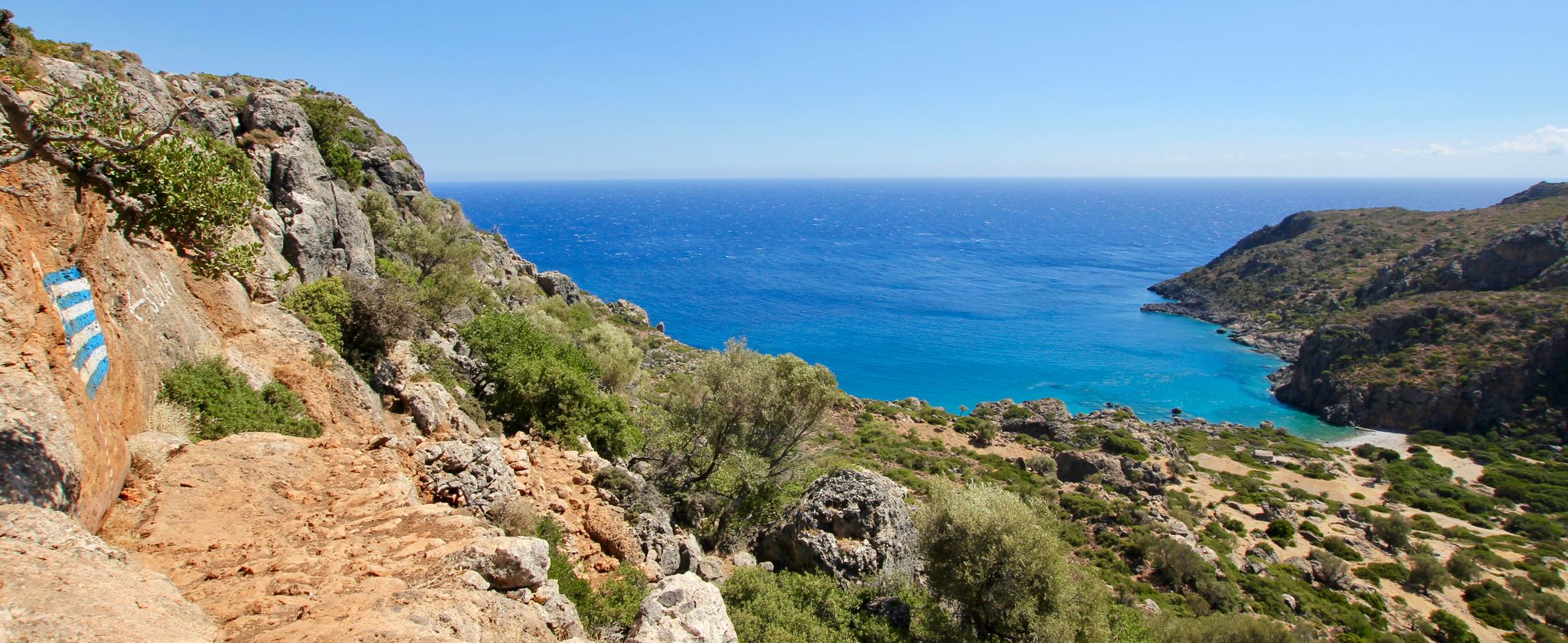
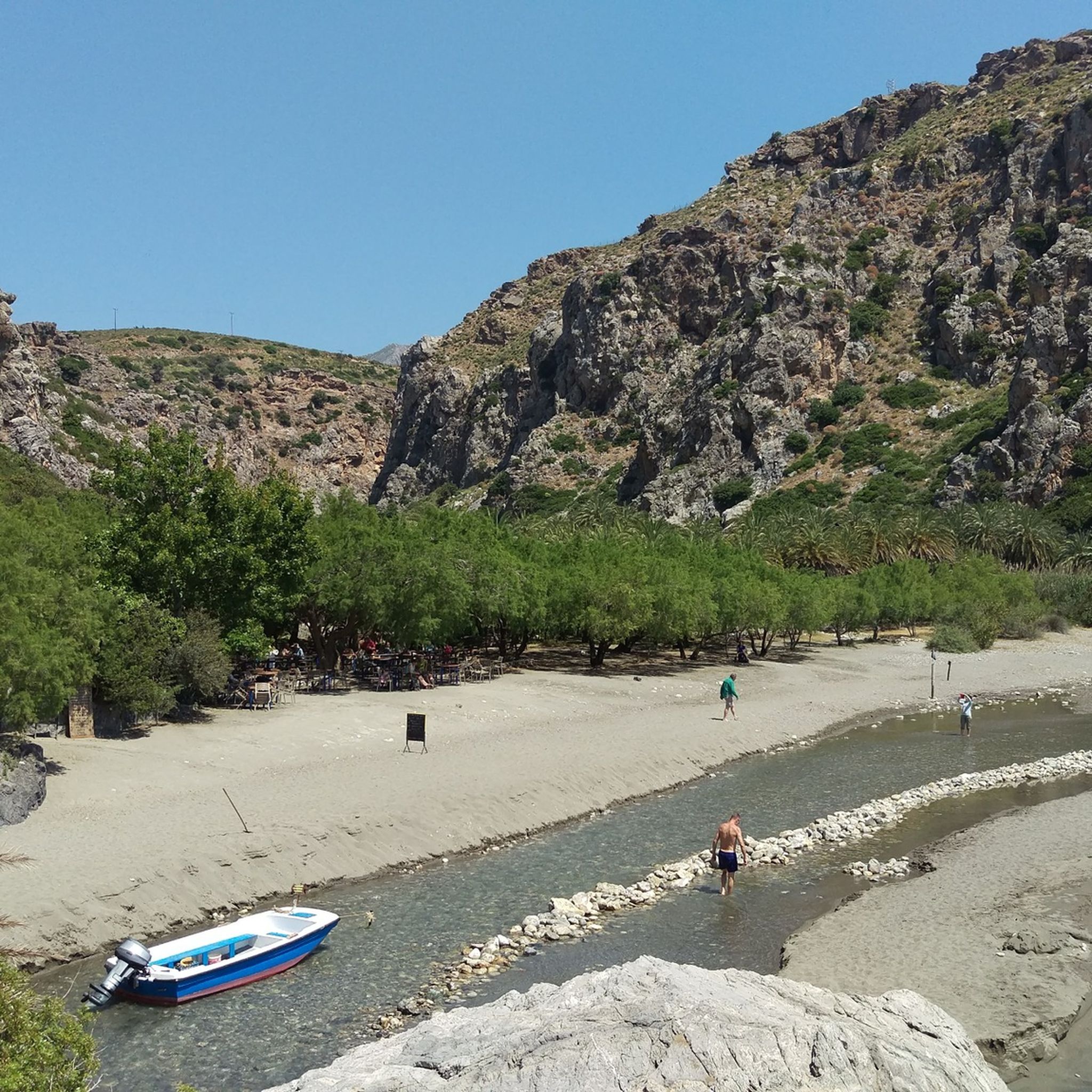
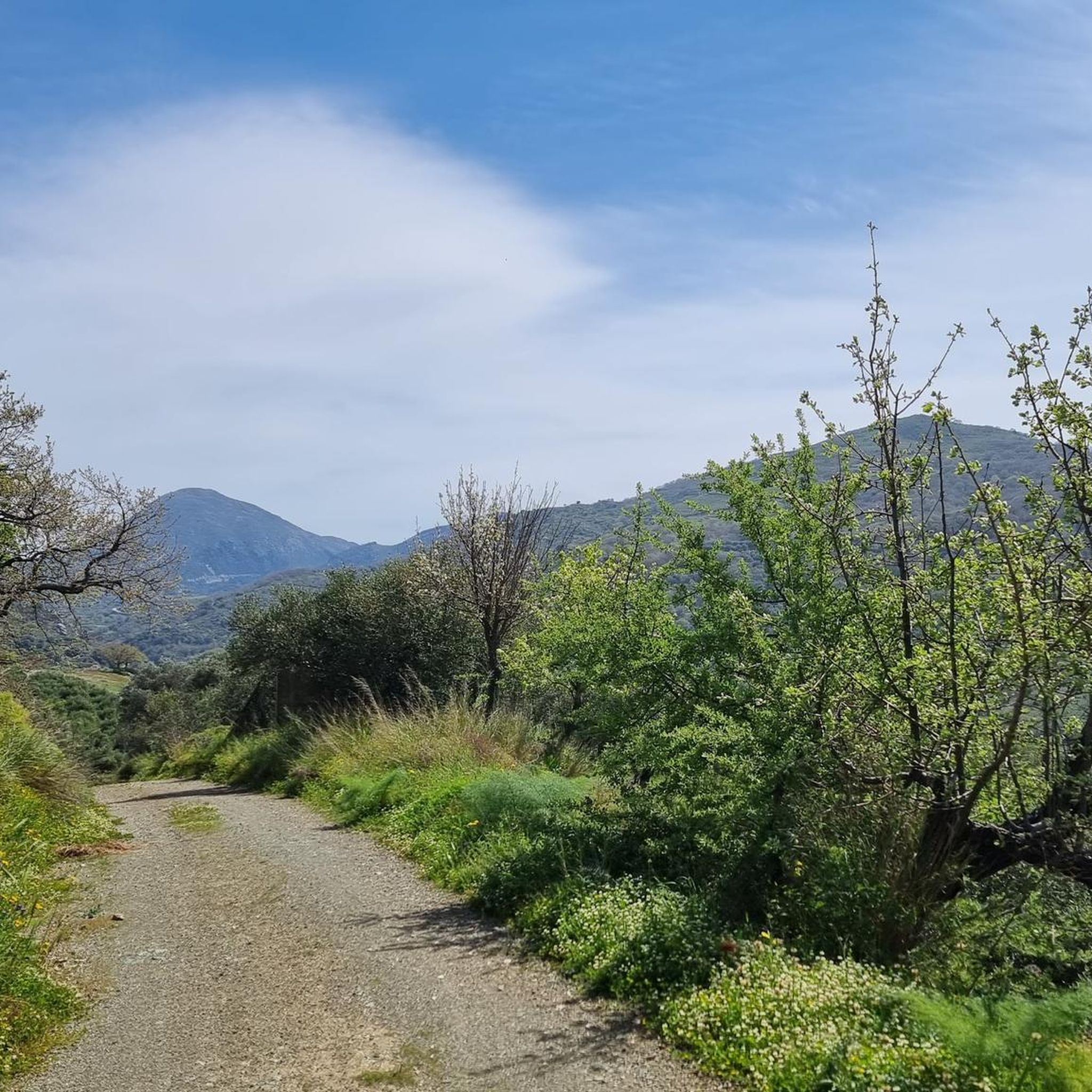
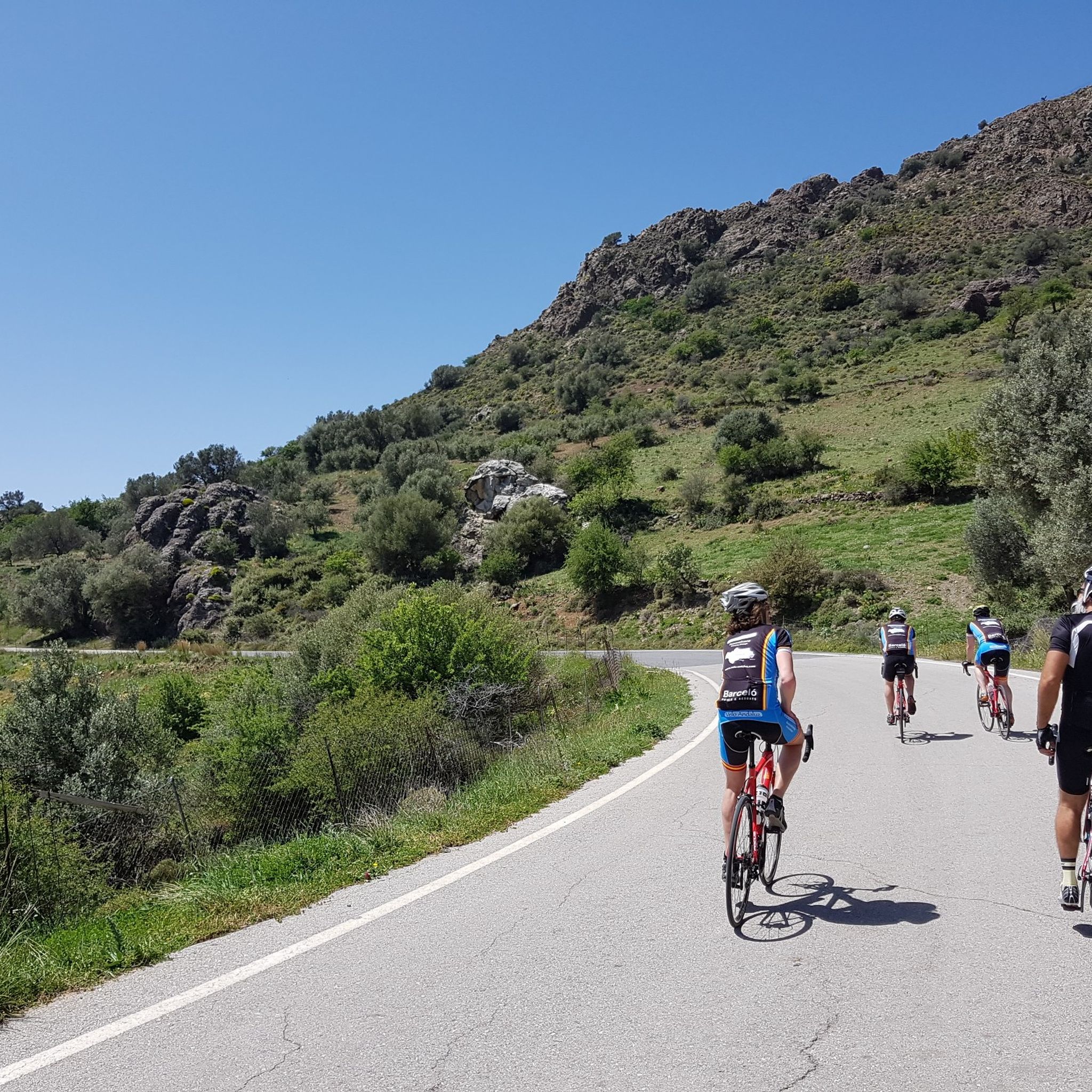

Other adventures in the Crete

Tips from the Community

Beautiful destination for a short hike from Platania. In summer temperatures, you should definitely take enough to drink and use sunscreen. There is a public toilet and a drinking water tap at the car park in Platania.
0
0

It was our first hike 😄 but we were immediately disappointed, the cave is closed on Tuesdays and today was Tuesday! 😔 Furthermore, it costs 15 Euros entrance/person . Very touristy, 4 scoops of ice cream = 10 Euros, a sporty price!!
0
0

beautiful hiking trail through the gorge
0
1

Descending into the cave via the iron ladders requires courage, but the reward is well worth it. The iron ladders appear solid and well-secured. Be sure to bring a flashlight, or even better, a headlamp!
1
1

This is drinking water for a lot of people, don't swim in it.
0
0

The journey there is worthwhile, always along the E4.....
2
0

An absolute highlight. The dung isn't really pretty, but the cave is absolutely amazing. It's nice that places like this are open to the public, and completely free of charge. The cave is equipped with electric lighting. However, since it's only powered by photovoltaics, you should definitely bring your own flashlight.
3
0

Although the cave appears inconspicuous, finds dating back to the Bronze Age have been made there, and it appears to have been quite significant at the time. Just search for the cave online; you'll find more information. The path there is well-maintained, and the climb is not very long, but quite steep. It could be a challenge for those with circulatory problems and poor fitness.
0
0
Frequently Asked Questions
Which caves in Crete are known for their mythological significance?
Crete is rich in mythological caves. The Dikteon Cave, also known as the Cave of Zeus, is famously believed to be one of the birthplaces of Zeus. The Idaean Cave, located on Mount Psiloritis, is where Zeus was said to have been raised. Both were important ancient sanctuaries.
Are there caves in Crete that are significant for their history?
Yes, several caves hold historical importance. Melidoni Cave is a solemn memorial to hundreds of locals who perished there during the Ottoman occupation. Milatos Cave also served as a refuge during the Greek War of Independence, tragically ending in a massacre. The Dead's Gorge (Zakros Gorge) Cave Tombs are ancient burial sites, giving the gorge its name. Skotino Cave was used as a pagan sanctuary from the 3rd millennium BC until the Roman period.
Which caves in Crete are notable for their impressive natural formations?
Crete offers several caves with stunning geological features. Dikteon Cave is renowned for its incredible display of stalactites and stalagmites, including the 'cloak of Zeus' formation. Sfendoni Cave is considered one of Crete's most spectacular, featuring massive chambers and intricate, beautifully illuminated formations. The Cave of Agia Sophia is also brimming with stalactites and stalagmites.
Are there any family-friendly caves to visit in Crete?
Sfendoni Cave is well-organized for tourists and offers guided tours, making it a good option for families. The Marmara Beach area features small caves suitable for swimming, which can be a fun family activity, accessible by foot or boat-taxi.
What is the best time of year to explore caves in Crete?
The best time to visit caves in Crete is generally during the spring (April-May) and autumn (September-October) months. The weather is milder, making outdoor activities and cave exploration more comfortable. Summer can also be suitable, but some caves might offer a cool respite from the heat.
Are there any unique or unusual caves in Crete?
The Cave of Elephants, located near Chania, is a unique underwater cave accessible only by diving. It contains fossilized remains of elephants and other ancient creatures, offering a rare glimpse into Crete's prehistoric past. The Matala Caves are artificial caves originally used as tombs, later gaining fame as a hippie haven in the 1960s and 70s.
What kind of outdoor activities can I do near the caves in Crete?
Crete's diverse landscape offers many activities near its caves. You can find numerous hiking opportunities, such as those through the Samaria Gorge or Imbros Gorge. For cyclists, there are extensive road cycling routes and gravel biking trails across the island, often passing through scenic areas close to cave sites.
Which caves in Crete are known for their archaeological findings?
Several caves have yielded important archaeological discoveries. Dikteon Cave was excavated in 1900, revealing significant archaeological objects. Melidoni Cave has archaeological evidence suggesting it was a Minoan shrine. Skotino Cave holds artifacts from ancient times, indicating its use as a place of worship. The Cave of Agia Sophia has findings of Neolithic tools, proving human use over 10,000 years ago.
What should I wear when exploring caves in Crete?
When exploring caves in Crete, it's advisable to wear comfortable, sturdy shoes with good grip, as paths can be uneven or slippery. Even on warm days, cave interiors can be cool, so bringing a light jacket or long-sleeved top is recommended. For wilder caves, a headlamp or flashlight is essential, and gloves might be useful for grip.
Are there any caves in Crete that are less crowded but still worth visiting?
The Trapeza Cave, also known as Kronion Cave, is a lesser-known site on the Lasithi Plateau with significant archaeological importance and striking formations. While popular caves like Sfendoni and Dikteon can attract crowds, visiting during off-peak hours or seasons can also offer a more tranquil experience.
Can I find waterfalls within or near caves in Crete?
Yes, Crete features several impressive waterfall and cave combinations. The Kourtaliotiko Gorge Waterfall is hidden within a cave, accessible via staircases, offering a unique natural experience. The Milona Waterfall also has a cave element, with a refreshing natural feature at the end of a scenic walk.
Most popular routes in the Crete
Most popular attractions in the Crete

Get inspired with the komoot mobile app


Explore more
Extend your search for the best caves by checking out these guides of the top ones in the Crete:
