Top 4 Castles around Tully
Castles around Tully offer a glimpse into the 17th-century Plantation era, set amidst the scenic landscapes of County Fermanagh, Northern Ireland. The region features historical sites like fortified houses and castle ruins, many strategically located near Lower Lough Erne. These sites provide historical insights into a turbulent period, with some offering walking routes and interactive exhibitions. Visitors can explore the remains of these structures and appreciate their natural surroundings.
Best castles around Tully
- The most popular castles is Old Castle…
Last updated: May 1, 2026
Old Castle Archdale
Highlight • Forest
Tip by

Tully Castle Ruins
Highlight • Castle
Tip by

Sign up now to discover places like this
Get recommendations on the best single tracks, peaks, & plenty of other exciting outdoor places.
Sign up for free
Castle Archdale Courtyard Buildings
Highlight • Monument
Tip by
Monea Castle Ruins
Highlight • Historical Site
Tip by

Start today with a free account
Your next adventure awaits.
Login or Signup

Tips from the Community

During WW2 Castle Archdale was a major base for flying boats and housed up to 2,500 people. Buildings such as these would have been a central location for the RAF fighters who lived here. Sometimes exhibitions are held in these courtyards to display some of the key historical notes of the use of this area during the war.
2
0
Old Castle Archdale is situated on Castle Hill within a 520 hectare coniferous and mixed broadleaved forest. The castle was built in the 1600s and was the main castle on this former estate before its successor took it's place in the 1800s, Castle Archdale.
2
0

Old Castle Archdale sits on a forest clifftop. It is named 'old' to distinguish it from its successor, the 18th century Castle Archdale. The castle was built by an Englishman from Suffolk who had been granted the estate in 1612 after paying 5 pounds, 6 shillings and 8 pence for the 1000 acres of land. During the Irish Rebellion of 1641 the castle was captured by Rory Maguire as part of the uprising to retake his lands that had been lost in 1607. The heir to the castle was saved by his nurse however the other children were killed. After the castle was returned to the family it was repaired and lived in until 1689. The castle saw its end during the Williamite Wars when the castle was burnt out and abandoned.
1
0
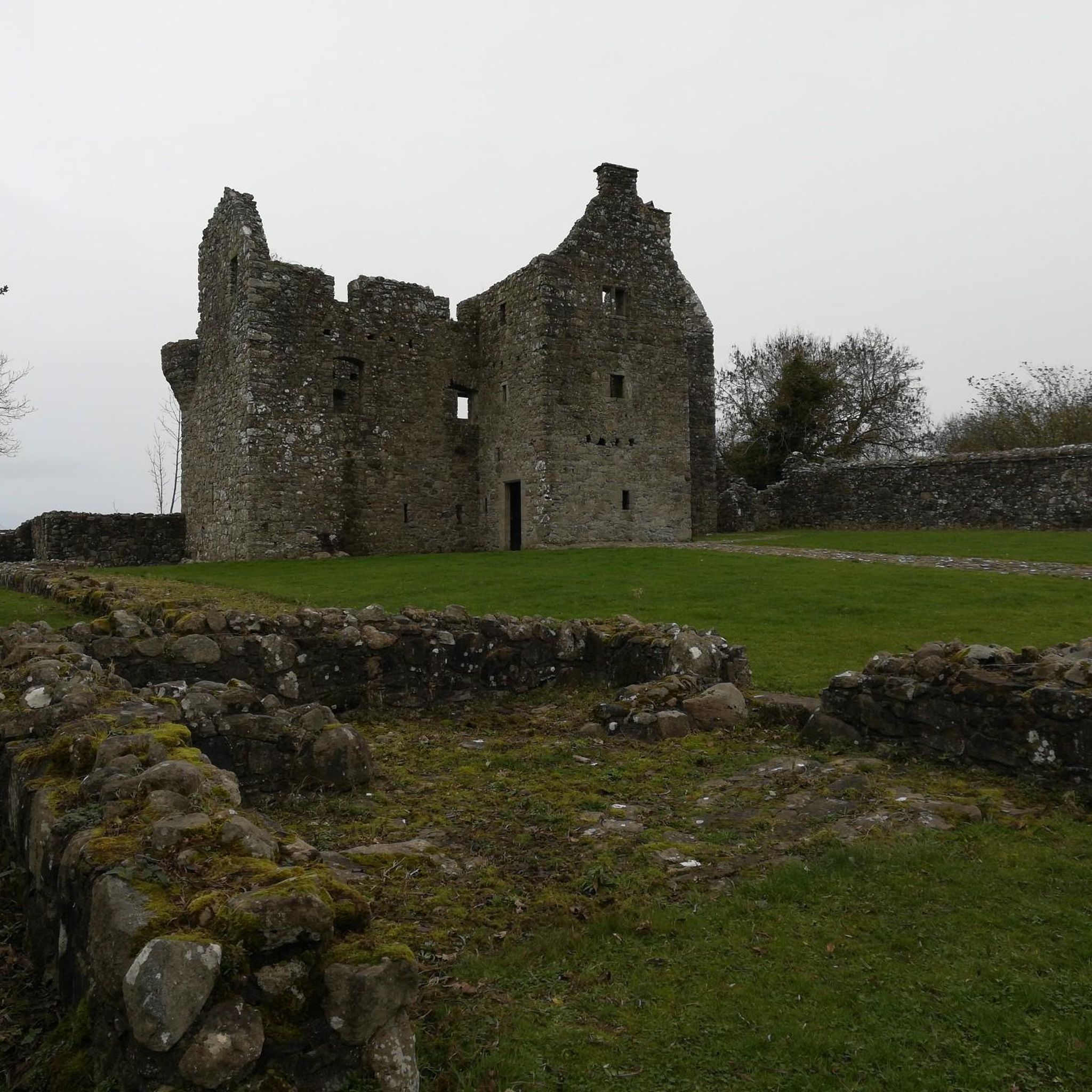
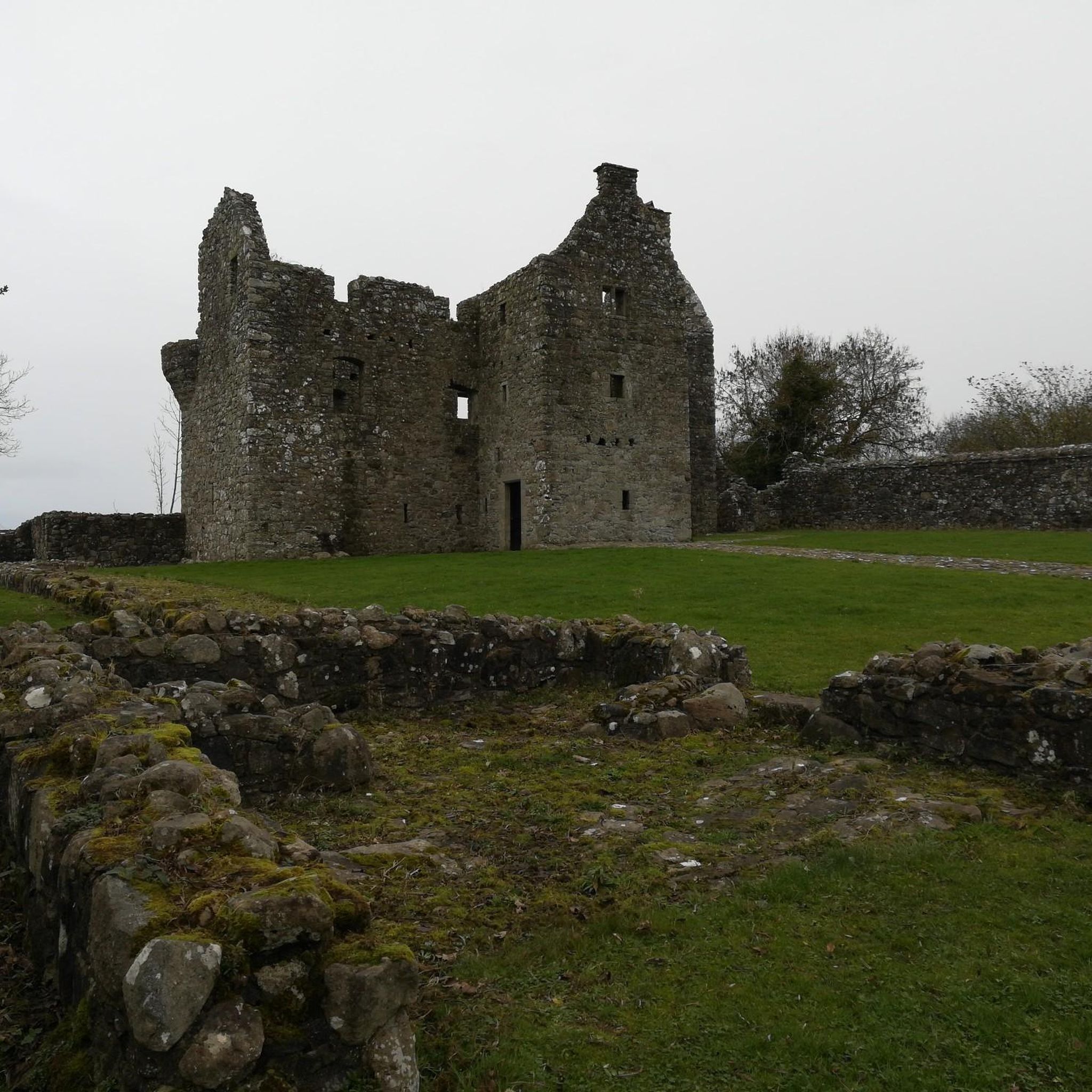
This fortified house is on Tully Point and built for Sir John Hume who occupied the house until 1641 when it was attacked by John Maguire and burned on Christmas Eve with all its inhabitants massacred. After that it was not lived in again. There is a visitors centre in a restored farmhouse that has an interesting exhibition telling a number of stories relating to the castle. To visit the castle be sure to step off the bike as it is on foot only!
1
0

Like many other castles in the area, Monea Castle was built during the Plantation in the 17th century, when settlers from Great Britain colonised lands in Ireland. The Scottish Reverend Malcolm Hamilton built the castle in 1616 in a distinctly Scottish style. The castle was attacked and occupied during the Irish Rebellion of 1641 and was lived in by the family of colonel Gustav Hamilton until 1704. A few decades later, a fire destroyed much of the castle, leaving it ruined as it is today. The ruins are free to visit and open 9am to 5pm Monday to Friday.
1
0
Perched atop a cliff and surrounded by thick forest, it's easy to imagine how life would have been hundreds of years ago as you wander the crumbling walls of Old Castle Archdale. Built in 1615 by Englishman John Archdale, the castle was captured by the Irish in the Irish Rebellion of 1641. The castle was inhabited until 1689, when it was destroyed by fire and abandoned.
0
0

This fortified house and bawn are set on Tully Point and were built for Sir John Hume who occupied the house until 1641 when it was attacked and burned on Christmas Eve by Rory Maguire and the inhabitants massacred. It was not lived in again. A visitor’s centre, located in a restored farmhouse, houses an exhibition telling local stories relating to the castle. (https://discovernorthernireland.com/things-to-do/tully-castle-p675521)
3
0
Frequently Asked Questions
What are the most historically significant castles to visit around Tully?
The region is rich in 17th-century Plantation era history. Tully Castle Ruins is famously associated with the 1641 Rebellion, where it was attacked and burned. Old Castle Archdale, built in 1615, also played a role in the 1641 uprising and was later destroyed during the Williamite Wars. Monea Castle Ruins, built in a distinct Scottish style in 1616, was similarly attacked during the 1641 rebellion.
Are there family-friendly castles to visit near Tully?
Yes, several castles in the area are suitable for families. Tully Castle Ruins features a visitor's centre in a restored farmhouse with an interactive exhibition telling local stories. Monea Castle Ruins is free to visit and offers an open space for exploration. The Castle Archdale Courtyard Buildings, while not a traditional castle, are part of a historical estate that often hosts exhibitions, providing an engaging experience for all ages.
What kind of natural scenery can I expect around the castles?
The castles around Tully are set amidst the scenic landscapes of County Fermanagh. Tully Castle Ruins is strategically located on a peninsula overlooking Lower Lough Erne, offering beautiful lakeside views and a loughshore walking route. Old Castle Archdale is perched atop a cliff within a 520-hectare coniferous and mixed broadleaved forest, providing a natural backdrop for exploration.
Are there walking or hiking routes near the castles?
Yes, the area offers opportunities for walking and hiking. Tully Castle Ruins includes a walking route that skirts the loughshore. Additionally, the wider region around Tully has numerous hiking trails. You can find routes like the 'Cliffs of Magho loop' or the 'Castle Archdale loop' for various difficulty levels. For more details, explore the hiking guide for Tully.
What is the best season to explore castles near Tully?
While the castles can be visited year-round, spring and autumn often offer pleasant weather for exploring the outdoor ruins and surrounding natural beauty. The mild temperatures and changing foliage can enhance the experience. Summer is also popular, but can be busier. Winter visits are possible, but be prepared for colder, wetter conditions.
What should I wear when visiting castles near Tully, especially in autumn?
Given the often unpredictable weather in Northern Ireland, especially in autumn, it's best to dress in layers. Waterproof and windproof outerwear is highly recommended, along with comfortable, sturdy walking shoes or boots, as many sites involve walking on uneven terrain or grassy paths. A hat and gloves can also be useful.
Are there any cycling routes that pass by or near these castles?
Yes, the region around Tully is suitable for cycling. You can find routes such as the 'Rossmore Point Beacon – Old Castle Archdale loop' which passes by Old Castle Archdale. There are also longer, more challenging routes like the 'Tully Castle Ruins – Lough Melvin loop'. For more cycling options, refer to the cycling guide for Tully.
Can I learn about the local history of the area at these castle sites?
Absolutely. The castles provide deep insights into the 17th-century Plantation era and the Irish Rebellion of 1641. Tully Castle Ruins has an interactive exhibition in its visitor's centre that delves into local stories related to the castle's turbulent past. The ruins of Old Castle Archdale and Monea Castle Ruins also offer a poignant glimpse into this period, with interpretive signs often providing historical context.
Are there any specific visitor facilities at Tully Castle?
Tully Castle Ruins offers a walking route around the site and a traditional Irish cottage housing an interactive exhibition. This exhibition provides context to the castle's history and local stories. Entry to Tully Castle is free.
What do visitors enjoy most about the castles around Tully?
Visitors frequently appreciate the historical depth and the evocative nature of the ruins, which offer a tangible connection to a turbulent period of Irish history. The beautiful natural settings, particularly the lakeside location of Tully Castle Ruins and the forest surroundings of Old Castle Archdale, are also highly valued. The opportunity for peaceful walks and reflection amidst scenic views is a common highlight.
Are the castles around Tully generally accessible for visitors with mobility challenges?
As many of the sites are historical ruins, accessibility can be limited. Tully Castle Ruins has a visitor's centre, but the paths around the ruins themselves may be uneven. Old Castle Archdale is on a forest clifftop, which may present challenges. It is advisable to check specific site conditions or contact the local heritage services for detailed accessibility information before your visit.
Are there other historical sites from the Plantation era in the wider Fermanagh area?
Beyond the immediate vicinity of Tully, the wider Fermanagh area features other significant Plantation era sites. Monea Castle Ruins is another excellent example of a Scottish-style castle from this period. These sites collectively offer a comprehensive look into the region's 17th-century history.
Most popular attractions around Tully

Get inspired with the komoot mobile app


Explore more
Looking for the best castles somewhere else? Discover other guides around Tully:
