Top 20 Natural Monuments in the Basque Mountains
Best natural monuments in the Basque Mountains showcase diverse landscapes, from dramatic coastlines to rugged limestone massifs and lush forests. These areas feature significant geological formations and rich biodiversity. The region offers a variety of natural settings for outdoor activities. The Basque Mountains are home to over 20 natural monuments, providing numerous opportunities for exploration.
Best natural monuments in the Basque Mountains
- The most popular natural monuments is Algorri Flysch, a natural monument where flysch rock structures are formed…
Last updated: October 13, 2026
Algorri Flysch
Highlight • Natural Monument
Translated by Google •
Tip by

La Arena Beach
Highlight • Beach
Translated by Google •
Tip by

Sign up now to discover places like this
Get recommendations on the best single tracks, peaks, & plenty of other exciting outdoor places.
San Telmo Hermitage
Highlight • Religious Site
Translated by Google •
Tip by

Devil's Eye
Highlight • Natural Monument
Getting …
Translated by Google •
Tip by

Artzubi Bridge
Highlight • Bridge
The itinerary of the Camino de Santiago from the north or from the coast runs over it.
Translated by Google •
Tip by

Old Tree of Gernika (Gernikako Arbola)
Highlight • Natural Monument
Translated by Google •
Tip by

Anboto (1,331 m)
Highlight • Summit
Translated by Google •
Tip by
Oma Forest
Highlight • Forest
Translated by Google •
Tip by

Natural Rock Arch of Puentedey
Highlight • Natural Monument
Translated by Google •
Tip by

Peine del Viento
Highlight • Monument
Translated by Google •
Tip by
Sign up for free to discover even more natural monuments in the Basque Mountains.
Already have an account?
Start today with a free account
Your next adventure awaits.
Popular around Basque Mountains
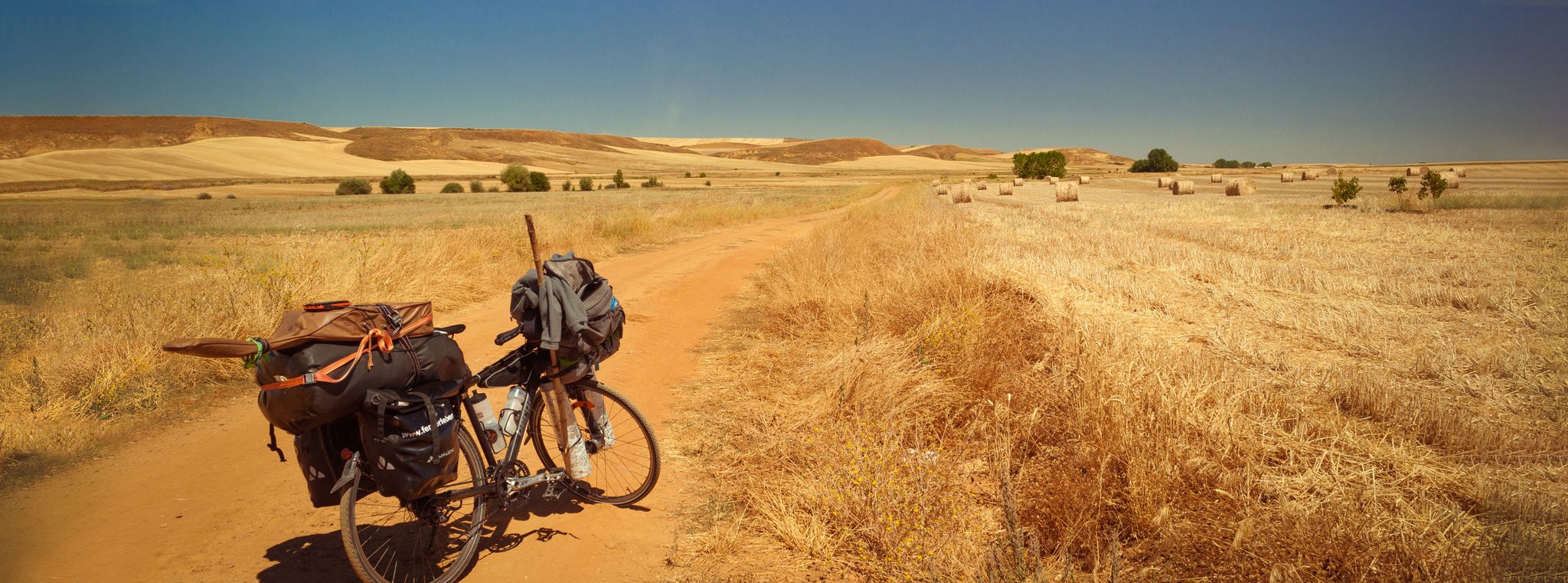
Camino Francés and Camino Finisterre – Cycling pilgrimages in Spain
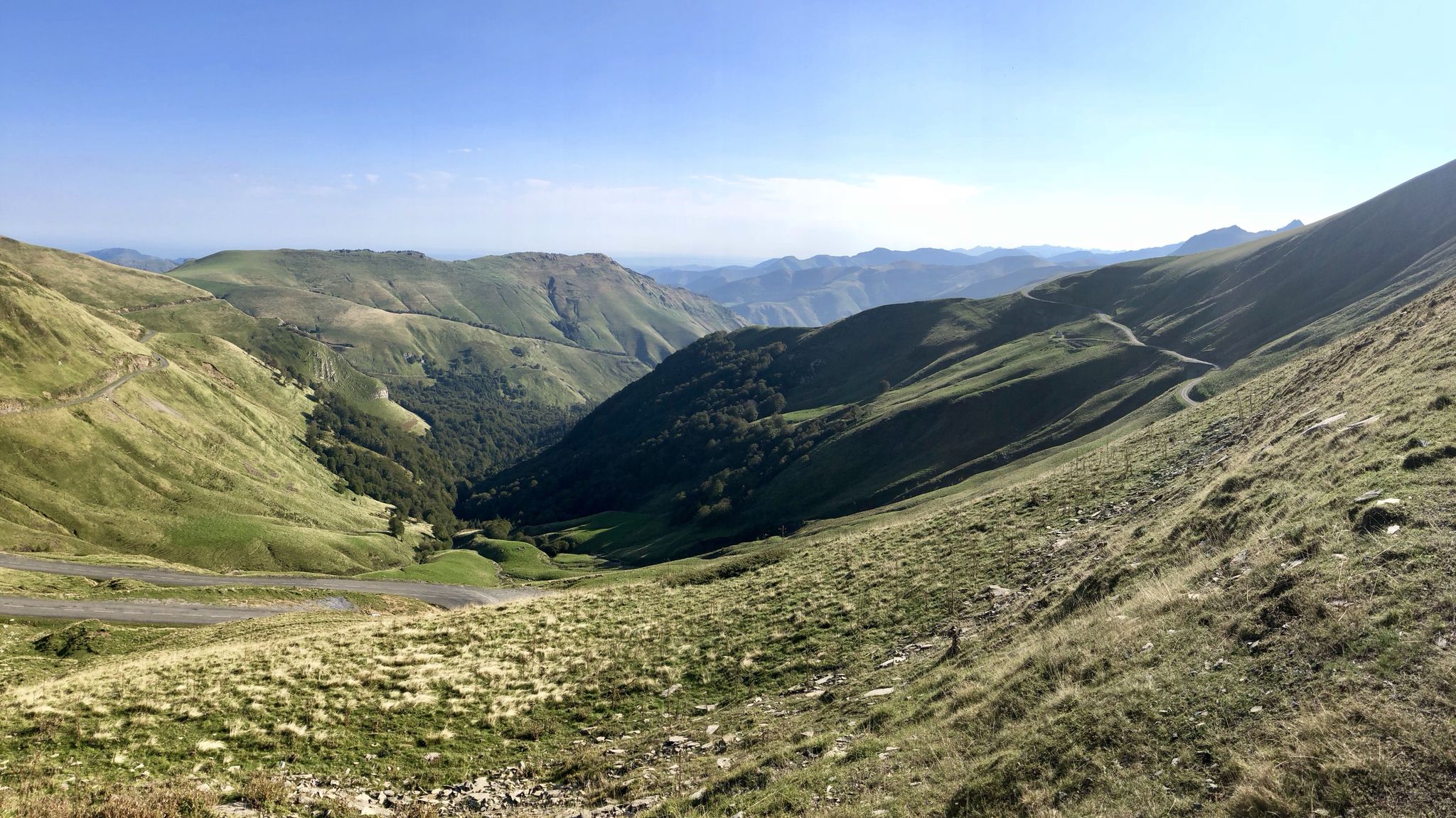
Euskal Herria footpath (GR 12) – The infinite mountain range
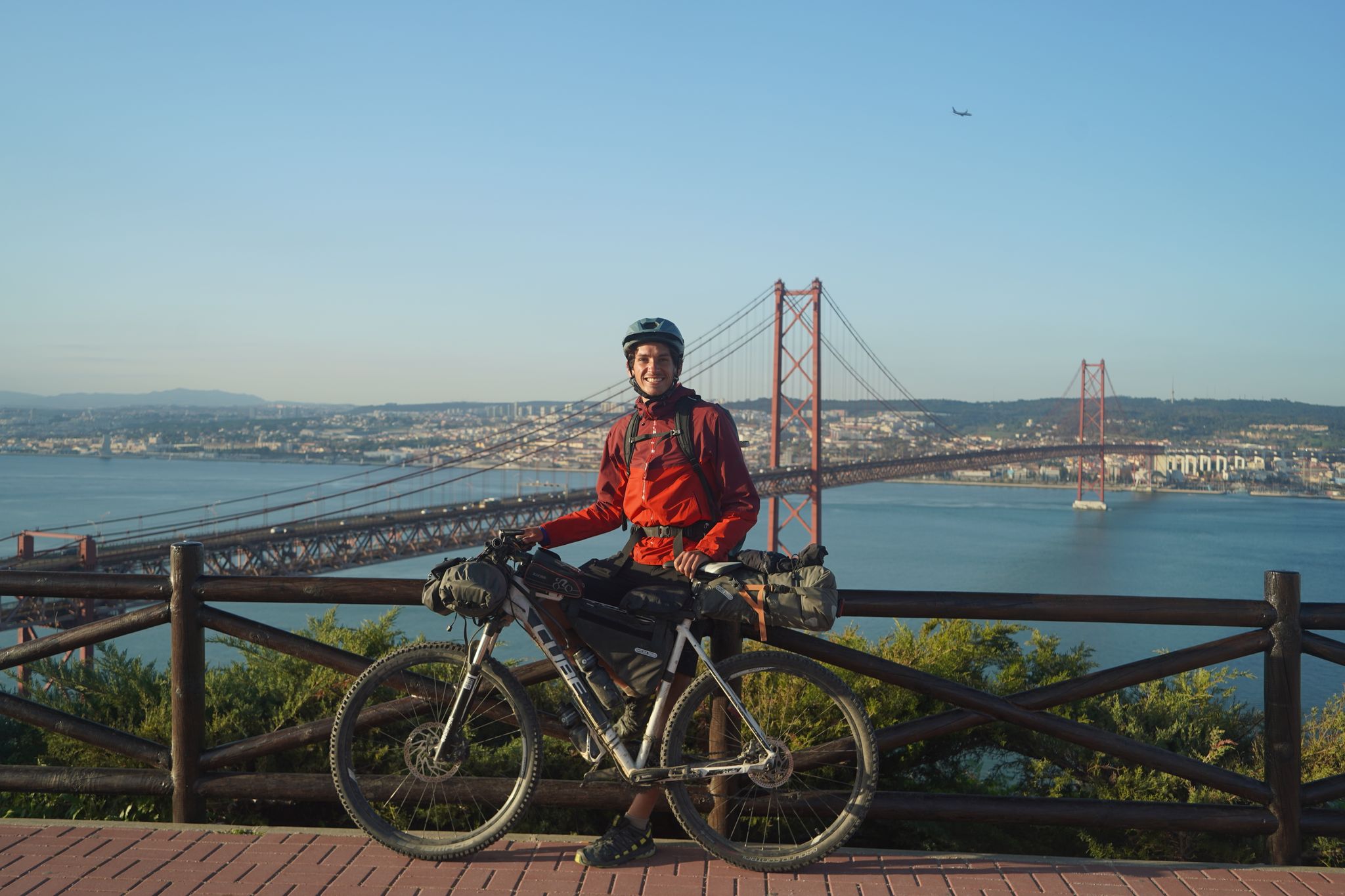
Road to Lisbon – bikepacking the Alps, Pyrenees and Picos de Europa
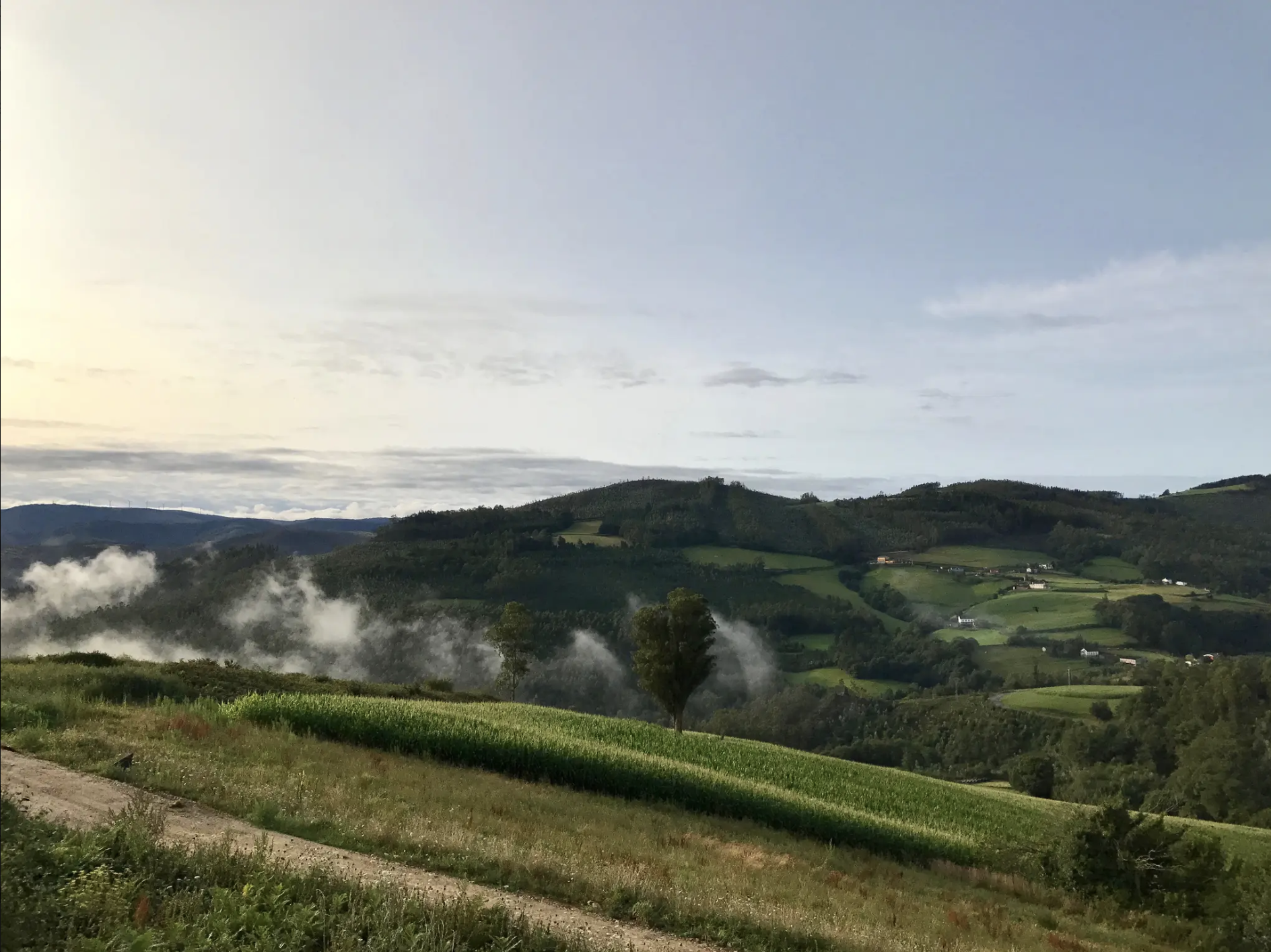
Camino del Norte (in reverse) – Discovering northern Spain's stunning coastline
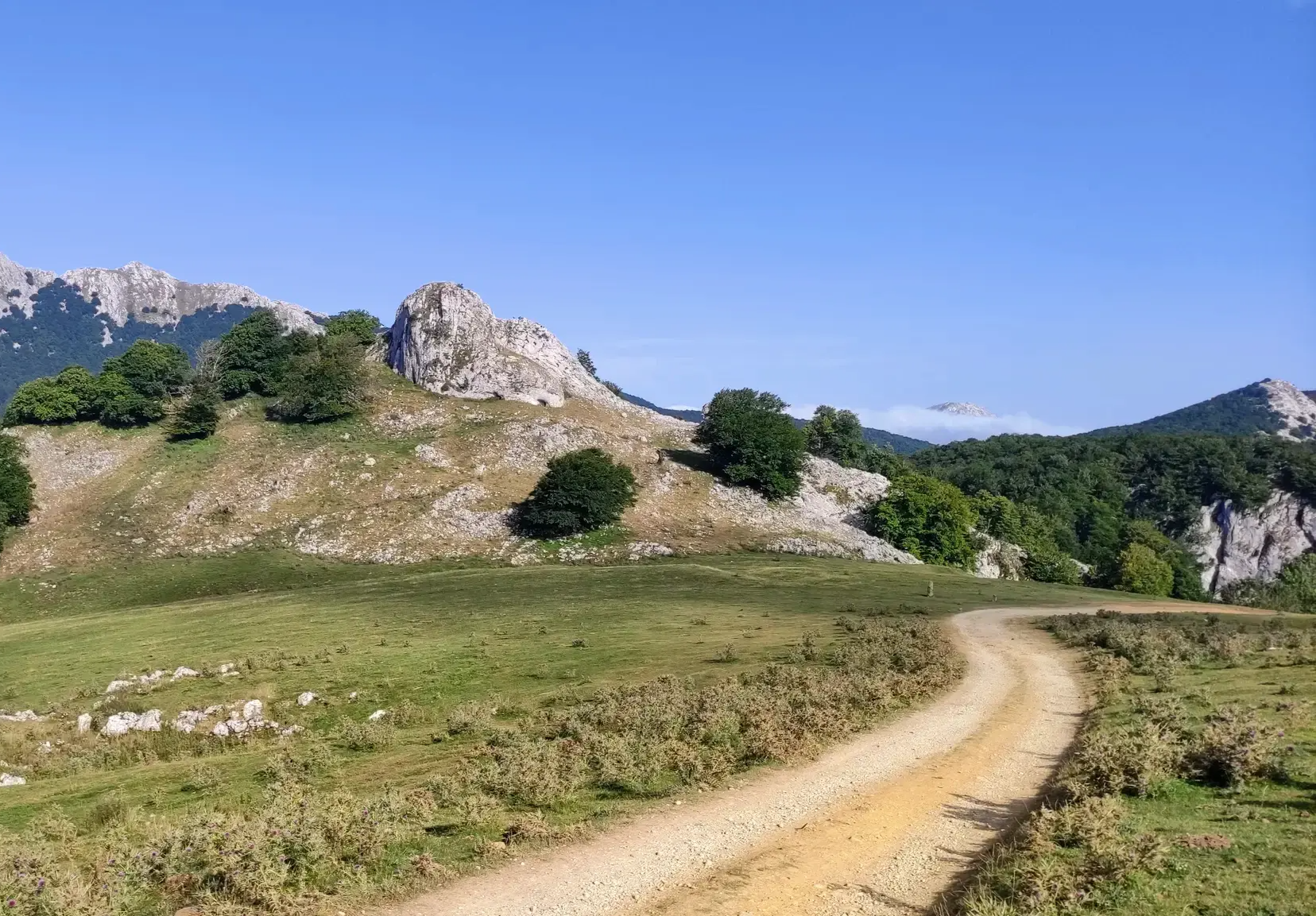
The Ignatian Way - In the footsteps of Ignatius of Loyola
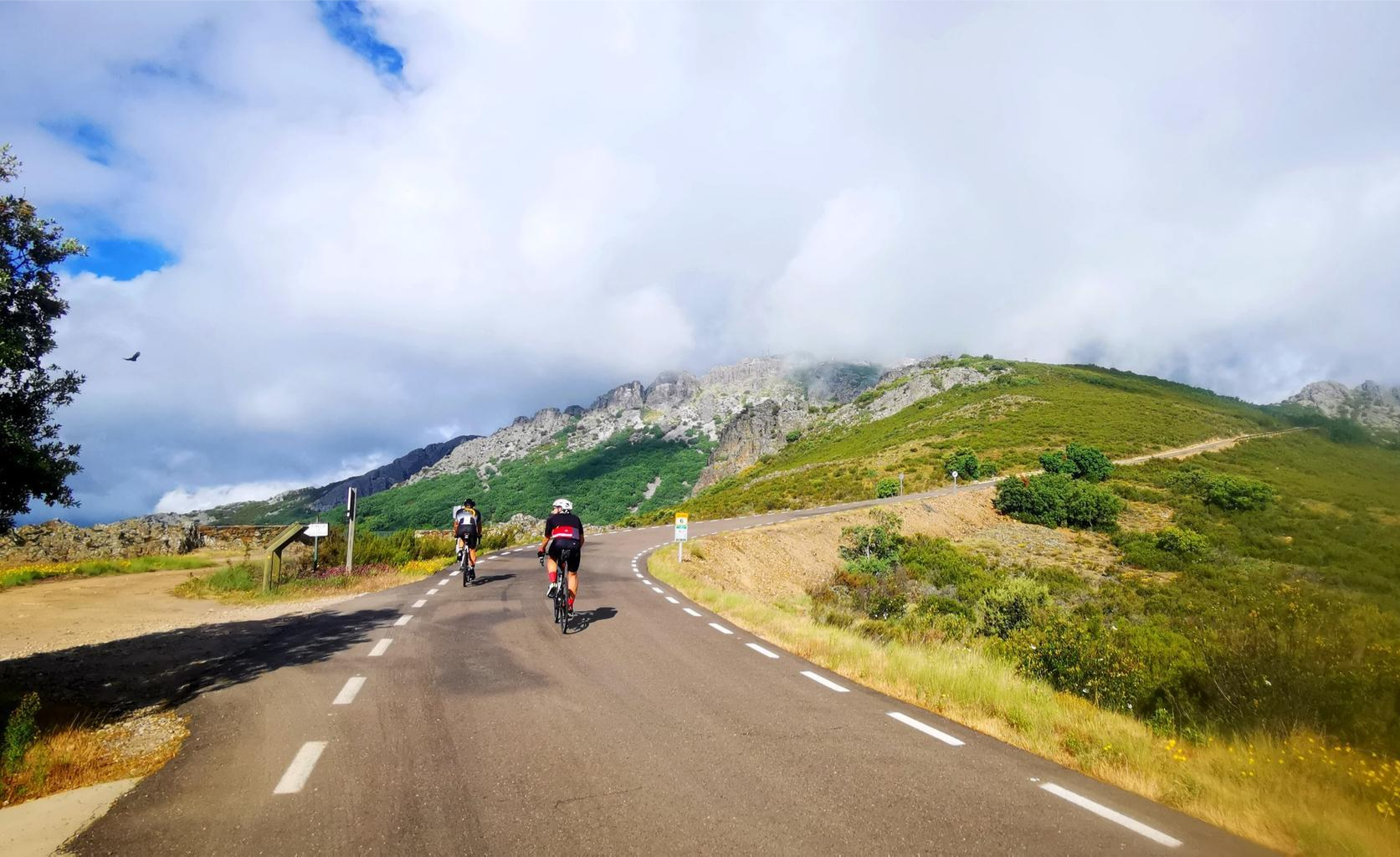
Legendary climbs - Ports of La Vuelta a España
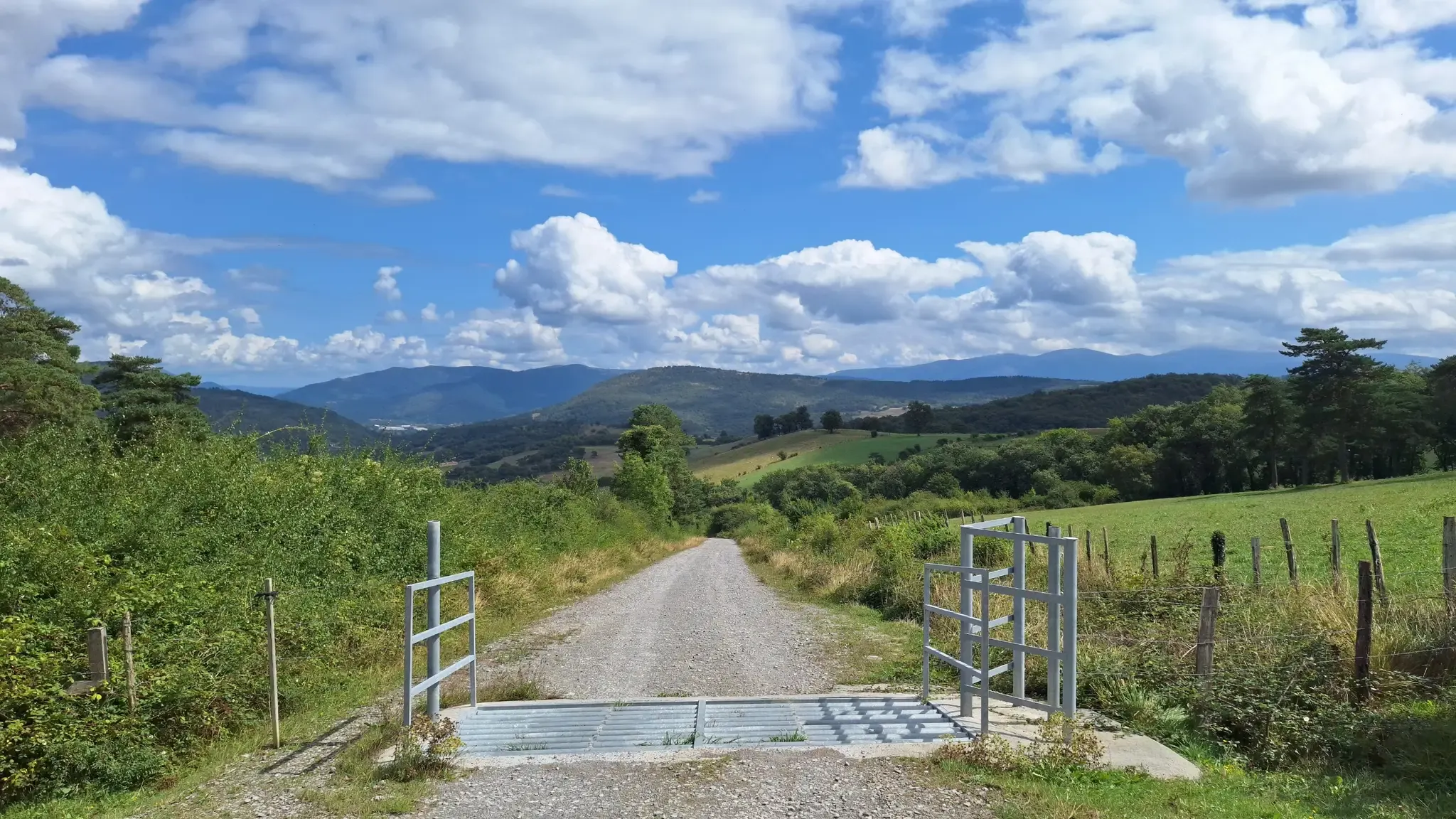
Royal Road of La Sopeña - GR 284
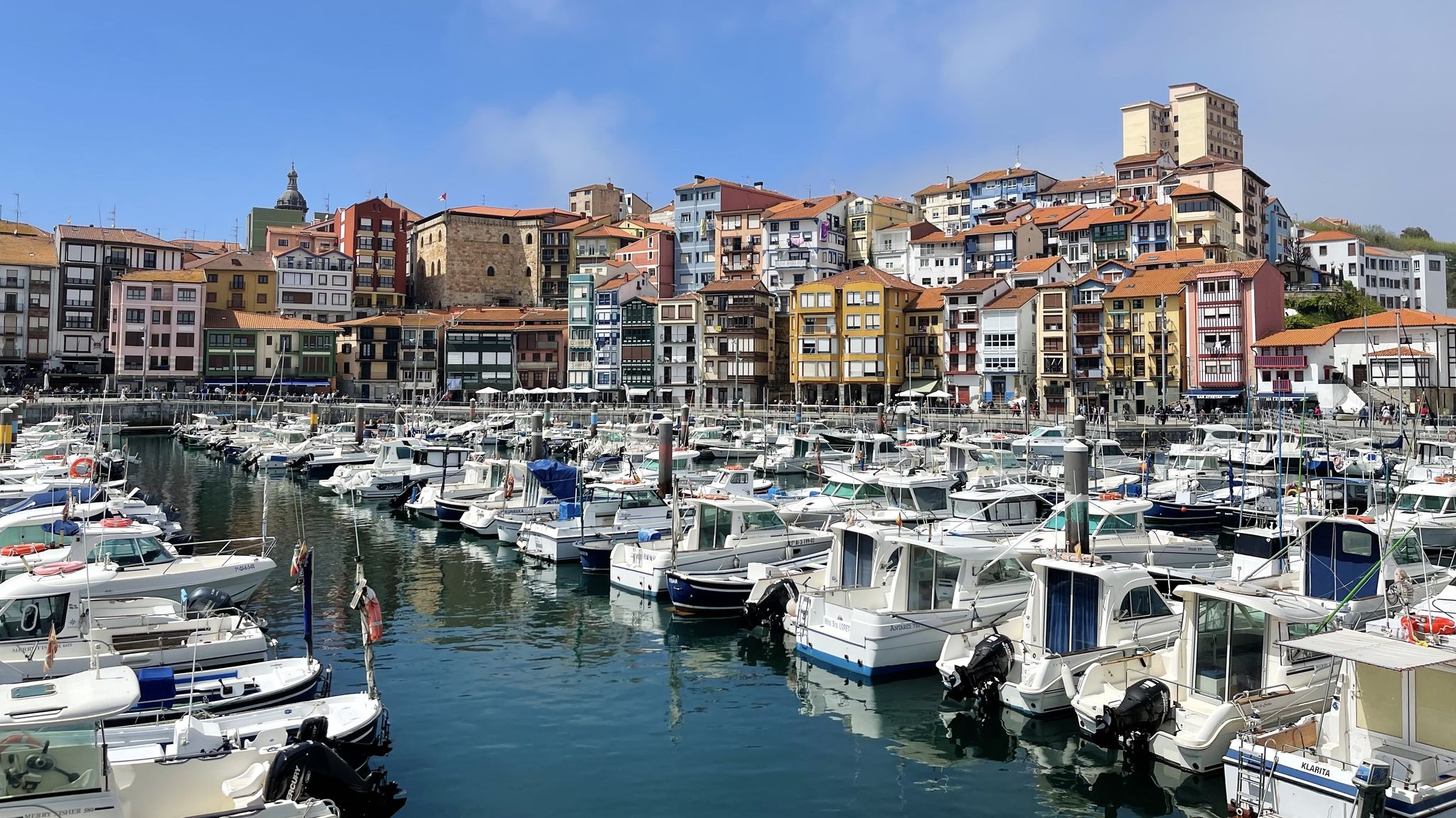
Nature and Culture — The Tour of Urdaibai (GR 98)
Zazpiak Bat Packing – a cycling adventure in the Basque Country
12 hiking gems throughout Spain
Other adventures in the Basque Mountains


Tips from the Community


The view through the devil's eye onto the coast at Sonabia is breathtakingly beautiful and rewards the strenuous journey here. The stone arch can be reached either via the coastal path between Sonabia and Villanueva or, less spectacularly, through the mountains to the south from a parking lot near the A8. An absolute postcard motif!
0
0

A visit to the renovated Oma forest is highly recommended. There are 32 marked points on the ground, which even indicate the direction to look to see the visual combinations between the trees.
1
0

The first (or last section if reversing the route) section is absolutely NOT accessible. Possibly only at extreme low tide. We were there an hour before extreme low tide, and it was completely impossible. I would choose to simply follow the route at a higher elevation and skip the "beach" section. Especially since the beach is made up of large stones and rocks, difficult to walk on because you always have to watch your step due to loose stones.
1
0

Mostly the area is windy especially due to topography. Do not forget to carry water with yourself. Enjoy the Bay of Biscay
3
0

Ideal for taking a dip on hot days!
1
0

Spectacular route along the Cantabrian cornice enjoying the famous flich dating back 50 million years and its small hermitage with 8 Basque surnames.
4
0
Frequently Asked Questions
What unique geological formations can I explore in the Basque Mountains?
The Basque Mountains are home to diverse geological wonders. You can explore the spectacular Algorri Flysch in the Basque Coast Geopark, where rock layers record over 60 million years of Earth's history. Armañón Natural Park features extensive cave systems, including the Pozalagua Cave with its unusual eccentric stalactites. Additionally, Aiako Harria Natural Park showcases an ancient granite massif, one of the oldest geological formations in the region.
Are there natural monuments in the Basque Mountains suitable for families?
Yes, several natural monuments offer family-friendly experiences. La Arena Beach is a popular spot with a large sandbank, ideal for a relaxing day by the sea. The Oma Forest, also known as the Painted Forest, offers a unique artistic and natural experience that children often enjoy. The Natural Rock Arch of Puentedey is another accessible and picturesque site for families.
What kind of outdoor activities can I do near the natural monuments?
The natural monuments in the Basque Mountains are excellent starting points for various outdoor activities. You can find numerous routes for hiking, cycling, and mountain biking. For instance, there are challenging mountain hikes around peaks like Anboto and Gorbeia, as well as scenic cycling routes and MTB trails throughout the region. You can explore more options in the guides for Mountain Hikes in the Basque Mountains, Cycling in the Basque Mountains, and MTB Trails in the Basque Mountains.
Which natural monuments offer the best panoramic views?
For breathtaking panoramic views, consider visiting Jaizkibel Summit, which offers a magnificent panorama over the Bay of Hendaye, the Atlantic coast, and Spain. The Devil's Eye viewpoint also provides majestic views from a natural rock window, making for a spectacular and picturesque experience.
Are there any natural monuments with historical or cultural significance?
Yes, many natural monuments in the Basque Mountains are rich in history and culture. Anboto (1,331 m) is a mountain of great mythological importance, believed to be the main dwelling of the goddess Mari in Basque folklore. Aiako Harria Natural Park contains ancient Roman mines (Arditurri) and megalithic monuments, reflecting a long history of human activity. Urkiola Natural Park also features the Urkiola Sanctuary and caves with prehistoric remains, intertwined with local legends.
What is the best time to visit the natural monuments in the Basque Mountains?
The best time to visit the natural monuments in the Basque Mountains generally depends on your preferred activities. Spring and autumn offer pleasant temperatures for hiking and exploring, with lush landscapes in spring and vibrant colors in autumn. Summer is ideal for coastal areas like the Basque Coast Geopark and beaches. Some higher-altitude parks like Gorbeia and Urkiola can be enjoyed year-round, though winter may bring snow to the peaks, offering different challenges and scenery.
Can I find any impressive waterfalls in the Basque Mountains?
Yes, the Basque Mountains feature impressive waterfalls. Gorbeia Natural Park is home to the Gujuli Waterfall, an impressive cascade with a 100-meter drop. Aiako Harria Natural Park also boasts a 100-meter waterfall along the Aitzondo stream, offering a scenic natural spectacle.
What kind of wildlife can I expect to see in the natural parks?
The natural parks in the Basque Mountains are rich in biodiversity. In Armañón Natural Park, you might spot roe deer, wild boar, and various birds of prey. Gorbeia Natural Park also supports a variety of fauna, including deer and wild boar. Aiako Harria Natural Park is home to 147 species of vertebrates, including roe deer, wild boar, griffon vultures, European mink, and salmon.
Are there any natural monuments that are particularly known for their caves?
Armañón Natural Park is particularly renowned for its extensive subterranean cave systems, with over 200 caves and potholes. The Pozalagua Cave within this park is famous for its impressive and unusual 'eccentric stalactites.' The Itxina Karst Massif in Gorbeia Natural Park also features numerous caves, such as Supelegor.
What do visitors enjoy most about the natural monuments in the Basque Mountains?
Visitors frequently praise the diverse landscapes, from the dramatic coastal formations of the Flysch to the rugged inland mountains. Many appreciate the unique geological features, such as the ancient rock layers and impressive cave systems. The opportunities for hiking, the stunning panoramic views from summits like Jaizkibel Summit, and the rich cultural and mythological significance of sites like Anboto are also highly valued.
Are there any natural monuments that are easily accessible or offer easier trails?
While many areas offer challenging terrain, some natural monuments provide easier access or trails. La Arena Beach offers a nice walkway and is generally accessible. The Natural Rock Arch of Puentedey is also a relatively easy-to-visit natural monument. For specific easy hiking trails, it's recommended to check local park information centers or detailed route guides.
Where can I find information about the coastal natural monuments?
The Basque Coast Geopark, encompassing municipalities like Zumaia, Deba, and Mutriku, is the primary coastal natural monument. You can find detailed information about its famous Flysch cliffs and coastal heritage at the Algorri Interpretation Centre in Zumaia and the Nautilus Interpretation Centre in Mutriku. The Algorri Flysch itself is a key highlight within this geopark.
Most popular routes in the Basque Mountains
Most popular attractions in the Basque Mountains

Get inspired with the komoot mobile app


Explore more
Extend your search for the best caves by checking out these guides of the top ones in the Basque Mountains:
