Top 4 Lakes around Great Canfield
Lakes around Great Canfield are found in a region of Essex, England, characterized by its historical wetlands and ancient woodlands. The area offers a mix of natural and man-made water features, from significant forest lakes to smaller village ponds. These water bodies contribute to the local biodiversity and provide settings for various outdoor activities. The landscape reflects a history of royal hunting forests and agricultural development.
Best lakes around Great Canfield
- The most popular lakes is Hatfield Forest Lake,…
Last updated: June 28, 2026
Hatfield Forest Lake
Highlight • Lake
Tip by

Lakes Near Little Easton Church
Highlight • Lake
Tip by

Sign up now to discover places like this
Get recommendations on the best single tracks, peaks, & plenty of other exciting outdoor places.
Sign up for free
Pleshey Village
Highlight • Settlement
Tip by

Beggar's Hall Fishing Lake
Highlight • Viewpoint
The …
Tip by
Lake Bridge
Highlight • Bridge
Tip by

Sign up for free to discover even more lakes around Great Canfield.
Sign up for free
Already have an account?
Start today with a free account
Your next adventure awaits.
Login or Signup
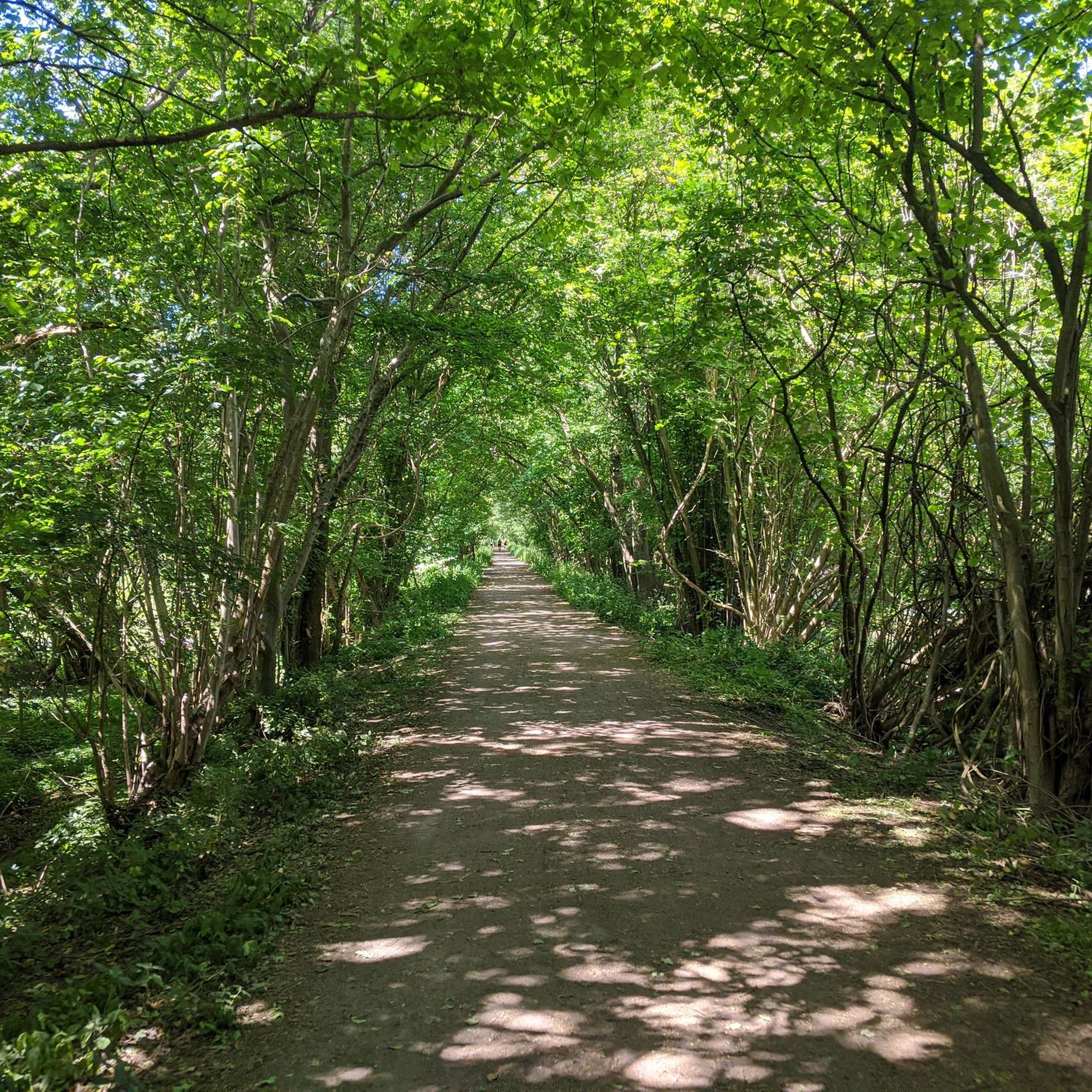
Tips from the Community

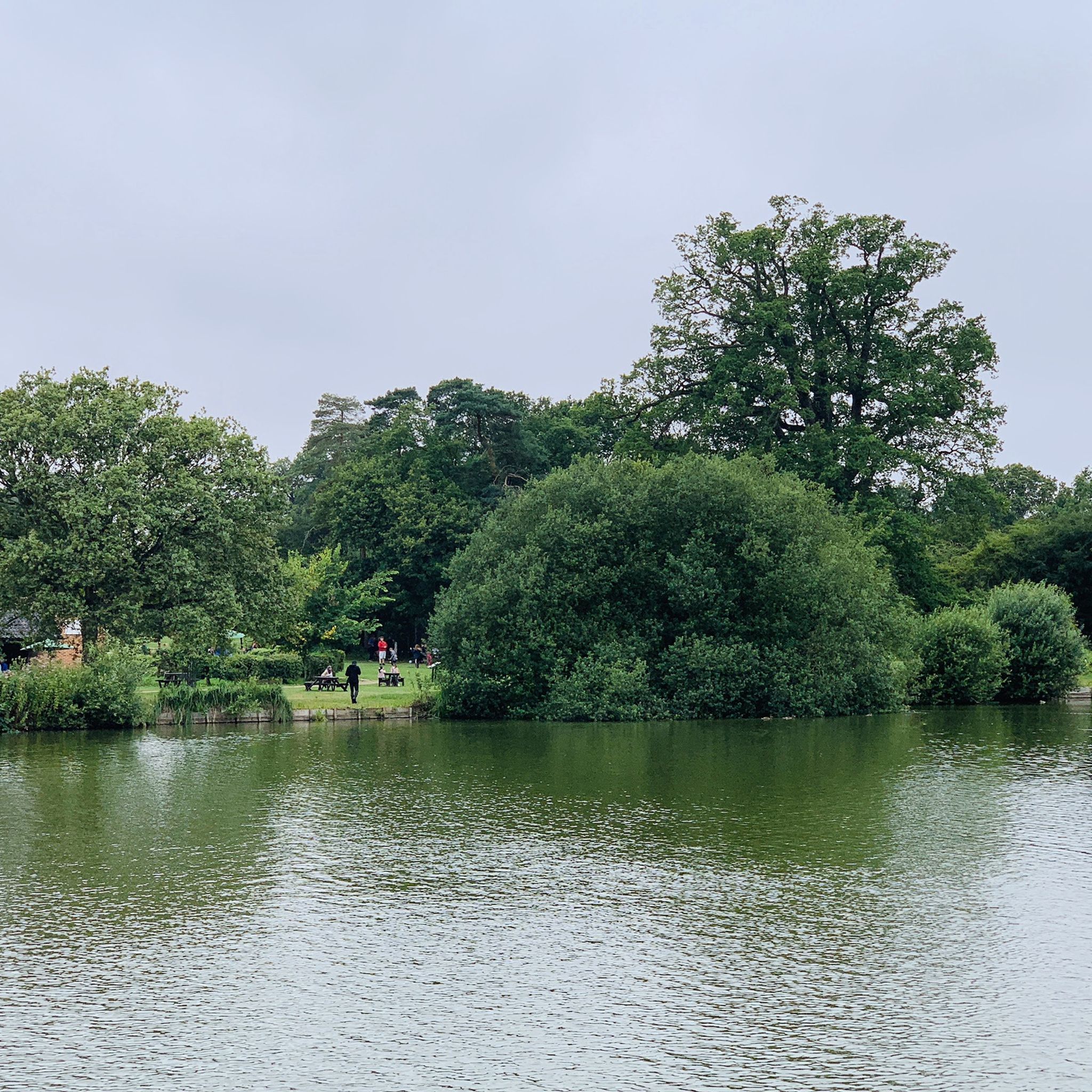
A great way to view the lake and even feed the ducks from the pellet machine. Great for families and walkers.
0
0

These ponds were part of the formal gardens of Little Easton Manor. They are still part of the estate, currently used as fishing lakes. The pond at the road is called Horse Pond with the larger pond to the north called Great Pond.
0
0

This scenic fishing lake sits on the western edge of Hatfield Forest. You can enjoy the tranquil countryside setting from a bench while watching fishermen reel in their dinner. The lake holds a poignant history as the site of the tragic Korean Air Cargo Flight crash in 1999, a sombre reminder amidst its serene surroundings.
1
0
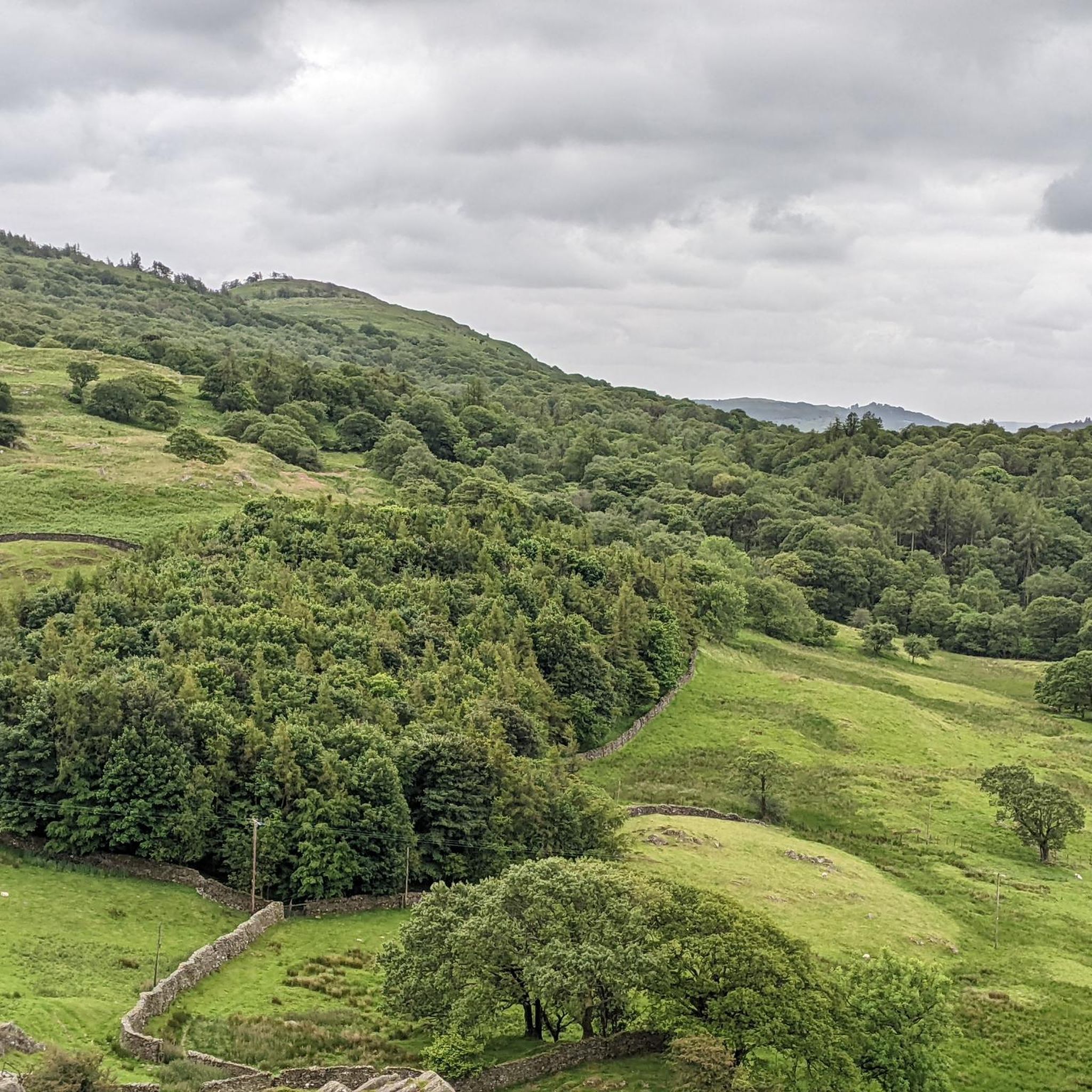
Hatfield Forest is an ancient royal hunting forest, and considered to be one of the best-preserved medieval forests in the world. In the past, deer were kept in the forest for hunting. Today you'll find deer aplenty still, though no longer pursued for the same reason. The forest boasts ancient trees, over 3,500 species of fungi, rare insects and a diverse array of birdlife. There's also a beautiful lake, café and river that meanders through.
1
0

Pretty Essex village centred around the village pond. A lovely spot to stop for a breather or refreshment.
0
0

Quaint village, site of a former royal castle, now just the earthworks left (sadly mostly obscured from view and on private property).
0
0

Hatfield Forest is a 403.2 hectare biological Site of Special Scientific Interest in Essex, three miles east of Bishop's Stortford. It is also a National Nature Reserve and a Nature Conservation Review site. It is owned and managed by the National Trust. A medieval warren in the forest is a Scheduled Monument. Hatfield is the only remaining intact Royal Hunting Forest and dates from the time of the Norman kings. Other parts of the once extensive Forest of Essex include Epping Forest to the southwest, Hainault Forest to the south and Writtle Forest to the east. Hatfield Forest was established as a Royal hunting forest in the late eleventh century, following the introduction of fallow deer and Forest Laws were imposed on areas by the king. Deer hunting and chasing was a popular sport for Norman kings and lords and the word ‘forest’ strictly means place of deer rather than of trees. In the case of Hatfield the area under Forest Law consisted of woodlands with plains.
1
1
Frequently Asked Questions
What types of water features can I explore around Great Canfield?
The area around Great Canfield offers a variety of water features, from significant forest lakes to smaller village ponds and fishing lakes. You can find ancient royal hunting forest lakes like Hatfield Forest Lake, quaint village ponds such as in Pleshey Village, and dedicated fishing lakes like those near Little Easton Church.
Are there family-friendly lakes or water features in the Great Canfield area?
Yes, several spots are great for families. Hatfield Forest Lake is highly recommended, offering space for walking, picnics, and even rowing boat hire in summer. The ponds near Little Easton Church and Pleshey Village also provide pleasant, accessible settings for a family outing.
What kind of wildlife can I spot around the lakes near Great Canfield?
The lakes and surrounding areas are rich in wildlife. At Hatfield Forest Lake, you can observe diverse birdlife including greylag geese, Canada geese, mute swans, great crested grebes, and occasional kingfishers. The Aubrey Buxton Nature Reserve, with its man-made ponds, is an excellent spot for Great Crested Newts, dragonflies, damselflies, and various bird species like nuthatches and woodpeckers.
Are there opportunities for fishing near Great Canfield?
Yes, fishing is a popular activity. The ponds near Little Easton Church, including Horse Pond and Great Pond, are actively used as fishing lakes. Additionally, Beggar's Hall Fishing Lake offers a tranquil setting on the western edge of Hatfield Forest where you can watch fishermen.
What historical significance do the lakes and surrounding areas hold?
Hatfield Forest Lake is part of Hatfield Forest, an ancient royal hunting forest dating back to Norman times and considered one of the best-preserved medieval forests globally. The lake itself was designed as part of an 18th-century pleasure ground by Capability Brown. Pleshey Village is also historically significant as the site of a former royal castle.
What outdoor activities can I do near the lakes around Great Canfield?
Beyond enjoying the lakes themselves, the region offers various outdoor activities. You can find numerous running trails, such as 'The Green Man loop from Little Canfield,' and cycling routes like 'Flitch Way — East section' for touring or gravel biking. For more details on these activities, explore the Running Trails around Great Canfield or Cycling around Great Canfield guides.
Are there walking trails around the lakes near Great Canfield?
Yes, walking is a primary activity. Hatfield Forest Lake offers extensive walking paths through the ancient forest. The Aubrey Buxton Nature Reserve also provides pleasant walks through woodlands and grasslands around its ponds. For specific routes, you can check out the Running Trails around Great Canfield guide, which includes many suitable walking paths.
What is the best time of year to visit the lakes near Great Canfield?
The lakes and surrounding natural areas are enjoyable year-round. Drier months are particularly good for walking, running, cycling, and horse riding in places like Hatfield Forest. Summer offers opportunities for rowing boats on Hatfield Forest Lake, while spring and autumn bring vibrant flora and fauna, including wildflowers and diverse fungi.
Are there cafes or pubs near the lakes for refreshments?
Yes, Hatfield Forest has a café and picnic areas available for visitors. Pleshey Village, with its central pond, is also described as a lovely spot to stop for a breather or refreshment, suggesting local options.
What makes Hatfield Forest Lake a significant place to visit?
Hatfield Forest Lake is a central feature of Hatfield Forest, which is a 403.2-hectare biological Site of Special Scientific Interest and a National Nature Reserve. It's renowned for being the only remaining intact Royal Hunting Forest from Norman times, boasting ancient trees, over 3,500 species of fungi, rare insects, and diverse birdlife. The lake itself was part of an 18th-century pleasure ground designed by Capability Brown.
Can I find easy or beginner-friendly walks around the lakes?
Many areas around the lakes offer easy and accessible paths. Hatfield Forest provides well-maintained trails suitable for various fitness levels. The village ponds, such as in Pleshey Village, also offer gentle strolls. For specific easy cycling routes, you can refer to the Cycling around Great Canfield guide, which lists options like 'Flooded Road – Hellman's Cross Stocks loop from Takeley' as easy.
Are there any reedbed ecosystems to explore in the area?
Yes, the Sawbridgeworth Marsh Nature Reserve, located in the valley of the River Stort, is characterized by its vibrant reedbeds. In summer, these areas come alive with flowering marsh plants, singing warblers, and a rich abundance of invertebrates, offering a chance to observe specialized wetland species.
Most popular attractions around Great Canfield

Get inspired with the komoot mobile app


Explore more
Still not found your perfect lake around Great Canfield? Check out the guides of these regions to see even more beautiful places.
