Top 5 Castles around White Roothing
Best castles around White Roothing are primarily represented by historical moated sites and earthworks, reflecting the region's medieval past. This area, historically known as White Roding, features numerous high-status residences and manor houses from the 13th to 15th centuries. These sites offer a glimpse into the historical importance and desire for safeguarding property in the region. Visitors can explore the remains of these structures, which often include visible moats and archaeological features.
Best castles around White Roothing
- The most popular castles is Pleshey Village, a settlement that is the site of a former royal castle. This quaint village is centered around a pond and offers a spot for refreshment.
- Another must-see spot is Pleshey Castle Earthworks and Brick Bridge, a historical site featuring the remains of a 12th-century motte and bailey castle. Visitors can observe the earthworks, sections of the moat, and a 14th-century brick bridge.
- Visitors also love Chipping Ongar Castle, a historical settlement with a rich past. Although the 12th-century castle was demolished, its site is still visible, and the town offers pubs and restaurants.
- White Roothing is known for moated sites, motte and bailey castles, and historical earthworks. These sites provide a variety of historical structures to see and explore, from medieval manor house remains to Norman fortifications.
- The castles around White Roothing are appreciated by the komoot community, with 29 upvotes and 19 photos shared by visitors.
Last updated: June 28, 2026
Chipping Ongar Castle
Highlight • Settlement
You find some decent pubs and restaurants in the town, making it a good choice for a pit-stop. There is also a vintage railway line.
Tip by

Pleshey Castle Earthworks and Brick Bridge
Highlight • Bridge
Tip by
Sign up now to discover places like this
Get recommendations on the best single tracks, peaks, & plenty of other exciting outdoor places.
Sign up for free
Chipping Ongar Castle Motte and Bailey
Highlight • Castle
Tip by

Remains of the Norman Castle Mound
Highlight • Historical Site
Tip by

Pleshey Village
Highlight • Settlement
Tip by

Sign up for free to discover even more castles around White Roothing.
Sign up for free
Already have an account?
Start today with a free account
Your next adventure awaits.
Login or Signup
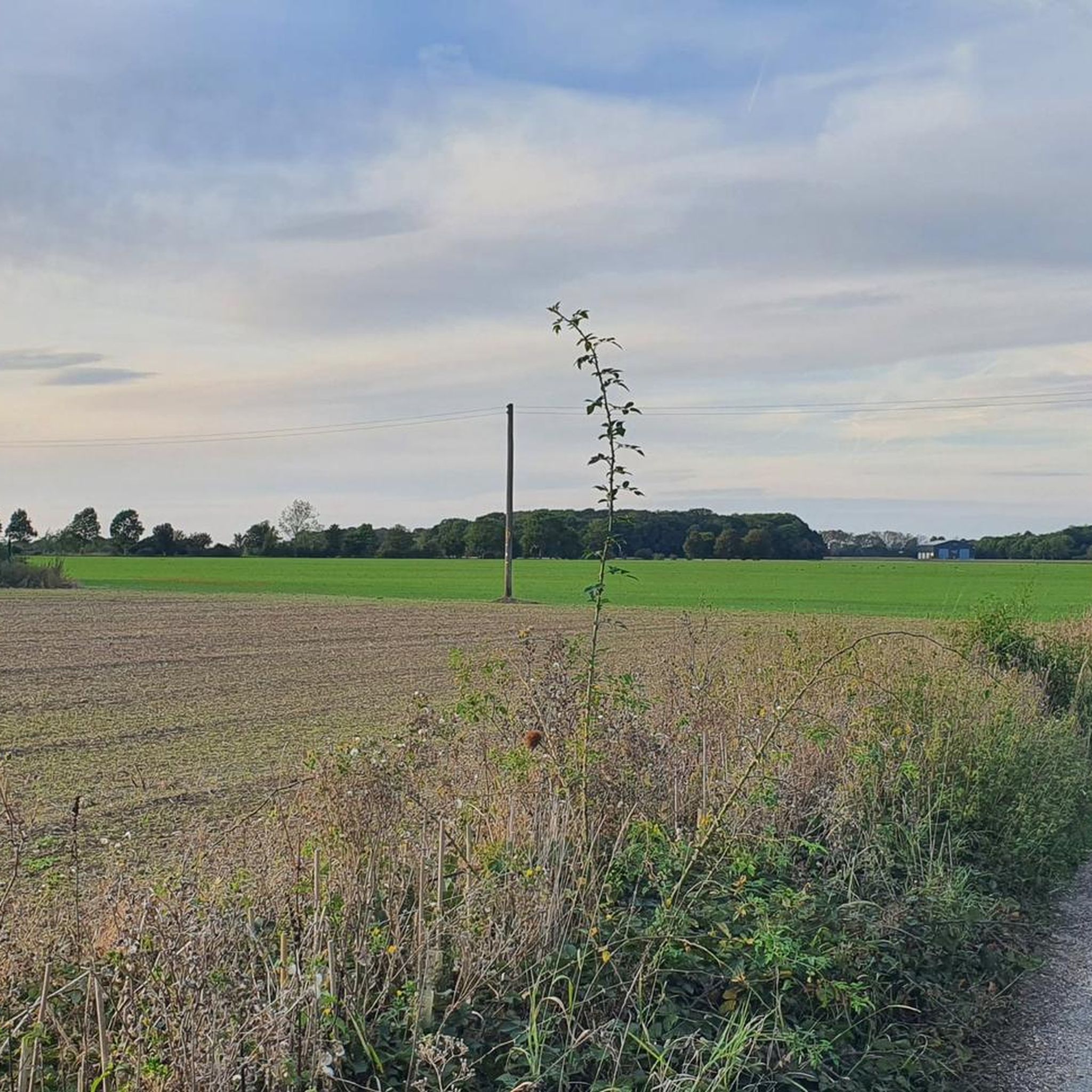
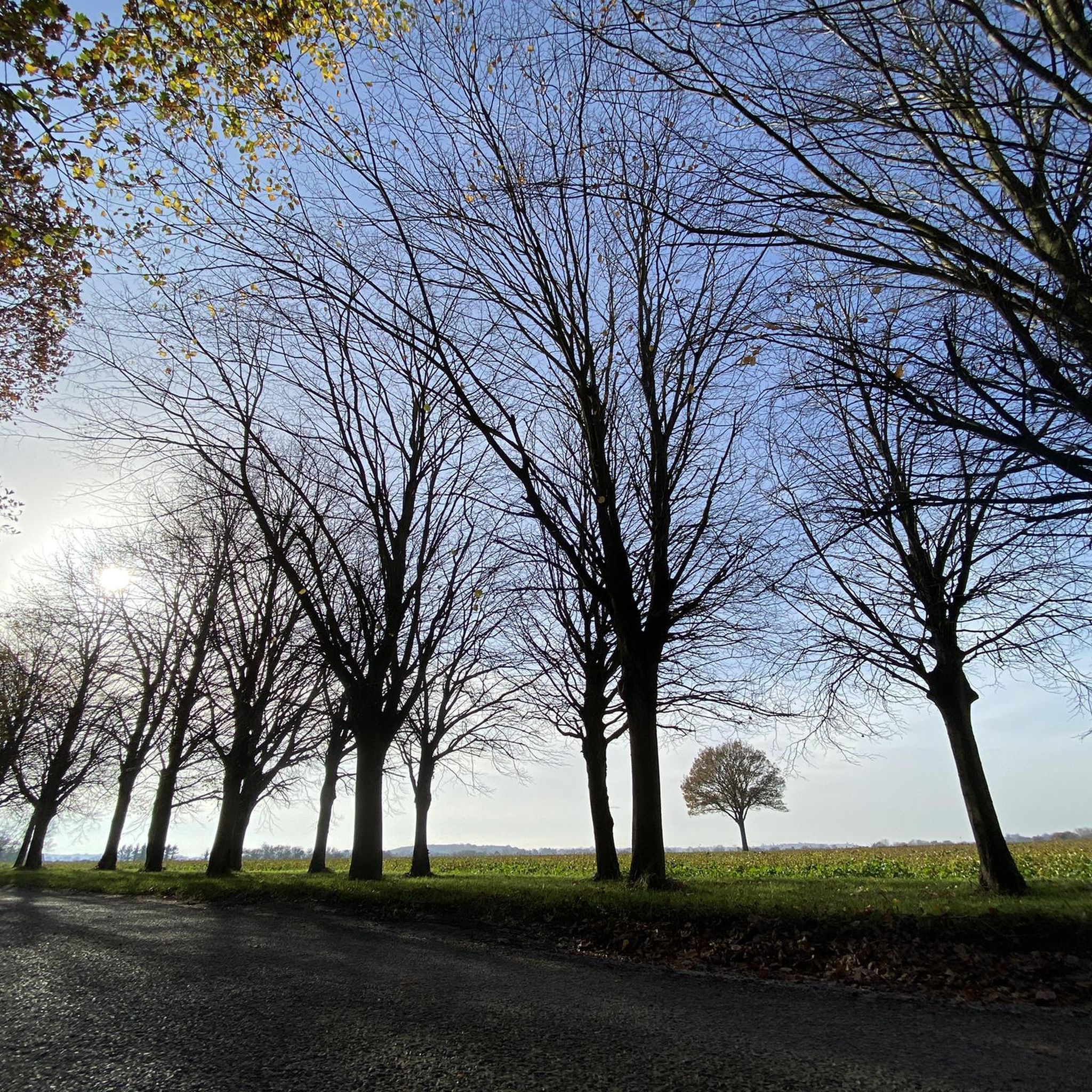
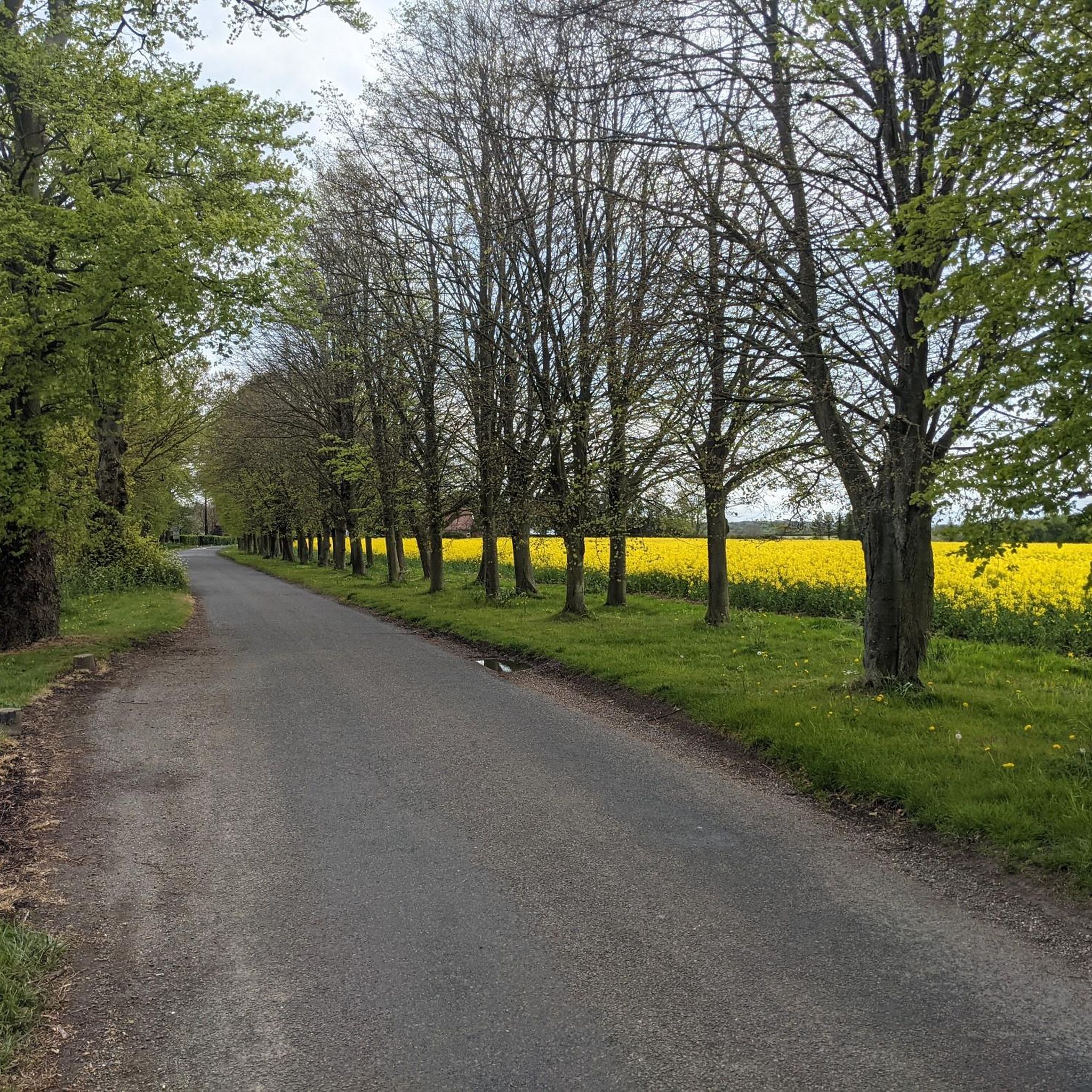

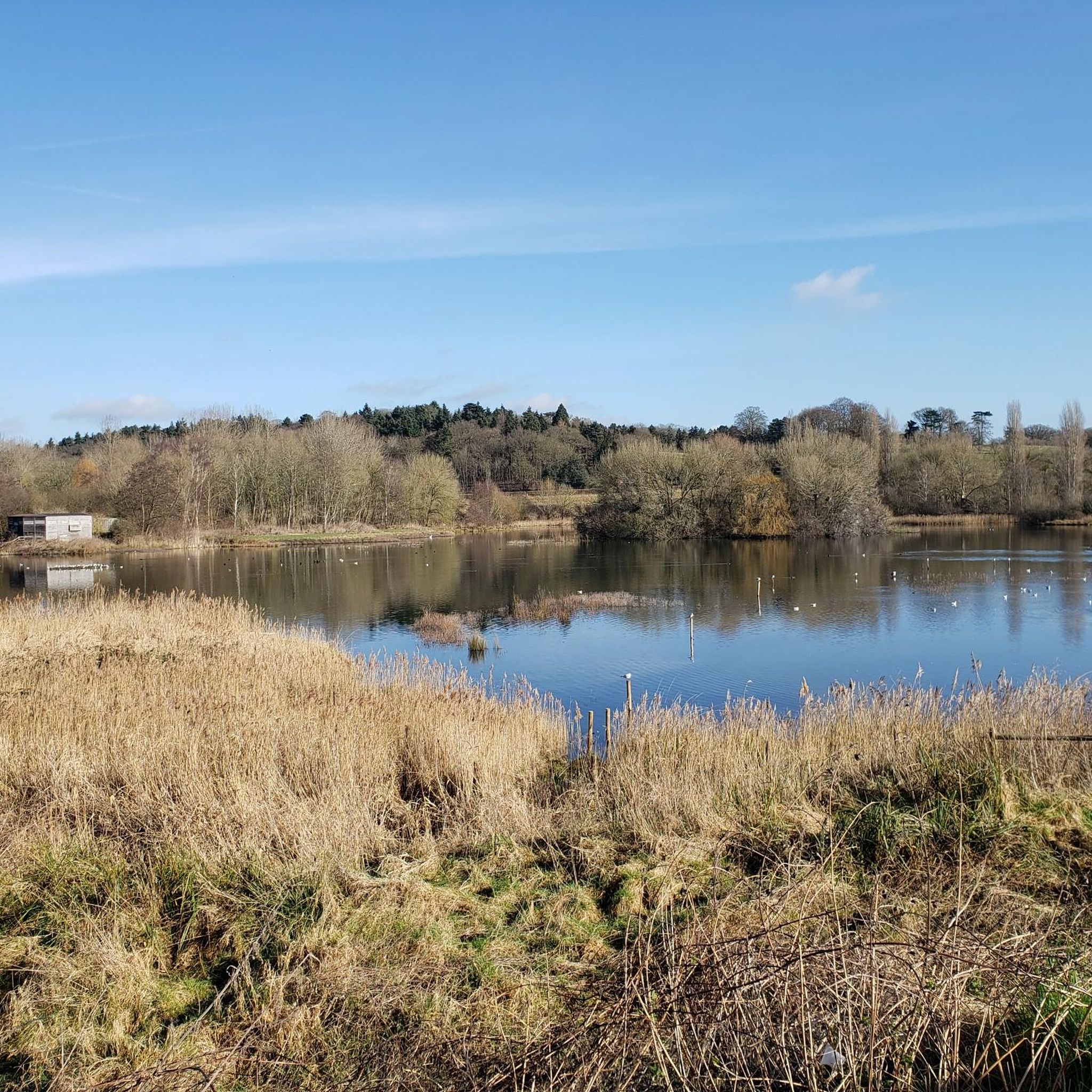

Tips from the Community

An amazing place, not too much to see, brilliant view from the top, have a guided tour to understand why it was here and what it was like back in the day.
0
0

Pretty Essex village centred around the village pond. A lovely spot to stop for a breather or refreshment.
0
0

Quaint village, site of a former royal castle, now just the earthworks left (sadly mostly obscured from view and on private property).
0
0

No structure of the castle remains and are located on private land, but you can still see the high mound of the Norman motte and bailey. And Ongar has some lovely shops and eateries.
0
0

Beautiful village of chipping Ongar With great walks and the oldest wooden church in the world.
1
0

Pleshey Castle was completed around the turn of the 12th century and was a motte and bailey. These days, nothing much survives, apart from the earthworks, sections of mote, and a 14th-century brick-built bridge. You still get a good sense of the fortification, though.
2
0
Chipping Ongar is a pretty market town with a rich history. It was once the centre of an Anglo-Saxon hundred, an administrative area developed during the period. In 1162, Richard de Lucy, Chief Justice of England, built a great castle in the town. Whilst the castle was demolished in the 16th century, you can still see the site. You find some decent pubs and restaurants in the town, making it a good choice for a pit-stop. There is also a vintage railway line.
1
0
No remains of the castle exists, but still nice to walk around and explore.
1
0
Frequently Asked Questions
What kind of historical sites can I expect to find around White Roothing?
Around White Roothing, you'll primarily discover medieval moated sites, which were high-status residences or manor houses from the 13th to 15th centuries. These sites, like Rookwood Hall, Colville Hall, and Mascallsbury, offer a glimpse into the region's rich history and were more symbols of wealth than military fortifications. You can also explore the earthworks of former castles, such as those at Pleshey Castle Earthworks and Brick Bridge.
Are there any traditional castles or significant castle remains to visit?
While White Roothing is known for its moated sites, you can visit the remains of more traditional castle structures nearby. Pleshey Castle Earthworks and Brick Bridge features the earthworks of a 12th-century motte and bailey castle, including sections of the moat and a 14th-century brick bridge. The village of Pleshey Village itself is the site of a former royal castle. Additionally, the site of Chipping Ongar Castle, though demolished, still shows its historical footprint.
Which historical sites are suitable for families with children?
Several sites around White Roothing are family-friendly. Pleshey Village, with its pond and historical context, is a pleasant spot. The earthworks at Pleshey Castle Earthworks and Brick Bridge offer an interesting outdoor exploration for all ages. Chipping Ongar Castle's site is also listed as family-friendly, and the town offers pubs and restaurants.
What outdoor activities can I do near these historical sites?
You can combine your historical exploration with various outdoor activities. There are numerous hiking opportunities, including easy hikes around White Roothing, which you can find in the Easy hikes around White Roothing guide. For more challenging routes, check out the Hiking around White Roothing guide. If you enjoy cycling, there are also gravel biking routes available in the Gravel biking around White Roothing guide.
Are there any specific moated sites worth visiting for their historical significance?
Yes, several moated sites hold significant historical value. Rookwood Hall, though its 16th-century building was demolished, hosted Queen Elizabeth I in 1578, and its moated site is now an archaeological site with visible moat parts. Colville Hall, a Grade II* listed building, dates back to around 1500 and has Roman artifacts discovered on its grounds. Mascallsbury is another Grade II listed timber-framed house from the 15th century.
What is the best time of year to visit the historical sites around White Roothing?
The historical sites, particularly the earthworks and moated remains, are generally accessible year-round. Spring and summer offer pleasant weather for walking and exploring the outdoor sites, with lush greenery. Autumn provides beautiful foliage, while winter visits can offer a stark, atmospheric perspective, though some paths might be muddy. Always check local conditions before your visit.
Can I find places to eat or drink near the historical sites?
Yes, you can. Chipping Ongar Castle is located in a town that offers pubs and restaurants. Pleshey Village is also a lovely spot to stop for a breather or refreshment, with local options available.
What do visitors enjoy most about the historical sites in this area?
Visitors appreciate the rich history and the opportunity to explore the remains of medieval structures. Many enjoy the sense of stepping back in time, imagining the lives of those who inhabited these sites. The visible earthworks and moats, like those at Pleshey Castle Earthworks and Brick Bridge, offer a tangible connection to the past, even if the original buildings are gone. The quaint villages and surrounding nature also add to the appeal.
Are there any hidden gems among the moated sites?
Beyond the more prominent sites, White Roothing is dotted with numerous other moated sites that reflect its historical importance. These include the Rectory, Gatehouse, Elms, Snows, Lucas Farm, Cammas Hall, and Pottings. While some may be on private land or less accessible, their presence highlights the unique historical landscape of the region and can be interesting to research for those seeking deeper historical context.
How long should I plan to spend visiting these sites?
The time required varies depending on the site. For earthworks like Pleshey Castle Earthworks and Brick Bridge, you might spend 1-2 hours exploring the remains and surrounding area. For a village like Pleshey Village or Chipping Ongar Castle, you could spend half a day enjoying the historical context, local amenities, and perhaps a short walk. A full day trip could involve visiting a couple of these sites and enjoying a meal or a longer hike.
What is the historical context of the moated sites in White Roothing?
The moated sites in White Roothing, predominantly constructed between the 13th and 15th centuries, served as high-status residences or manor houses. The moats were primarily symbols of wealth and status rather than military defenses. They signify the historical importance of the region and the desire for safeguarding property during the medieval and Tudor periods. These sites offer a fascinating glimpse into the architectural and social history of the area.
Are there any sites with connections to notable historical figures?
Yes, Rookwood Hall in nearby Abbess Roothing is particularly noted for having hosted Queen Elizabeth I in September 1578. During her visit, a meeting of the Privy Council was held to discuss the prevalence of plague in London. This connection adds a significant layer of historical importance to the site.
Most popular attractions around White Roothing

Get inspired with the komoot mobile app


Explore more
Looking for the best castles somewhere else? Discover other guides around White Roothing:
