Top 8 Lakes around Mancetter
Best lakes around Mancetter offer diverse recreational opportunities and natural beauty in North Warwickshire, England. The area features several notable lakes and reservoirs, including Shustoke Reservoir, Kingsbury Water Park, and Lea Marston Lakes. These water bodies provide varied landscapes for outdoor activities, from tranquil nature reserves to expansive country parks. Mancetter's proximity to these sites makes it a central point for exploring the region's aquatic environments.
Best lakes around Mancetter
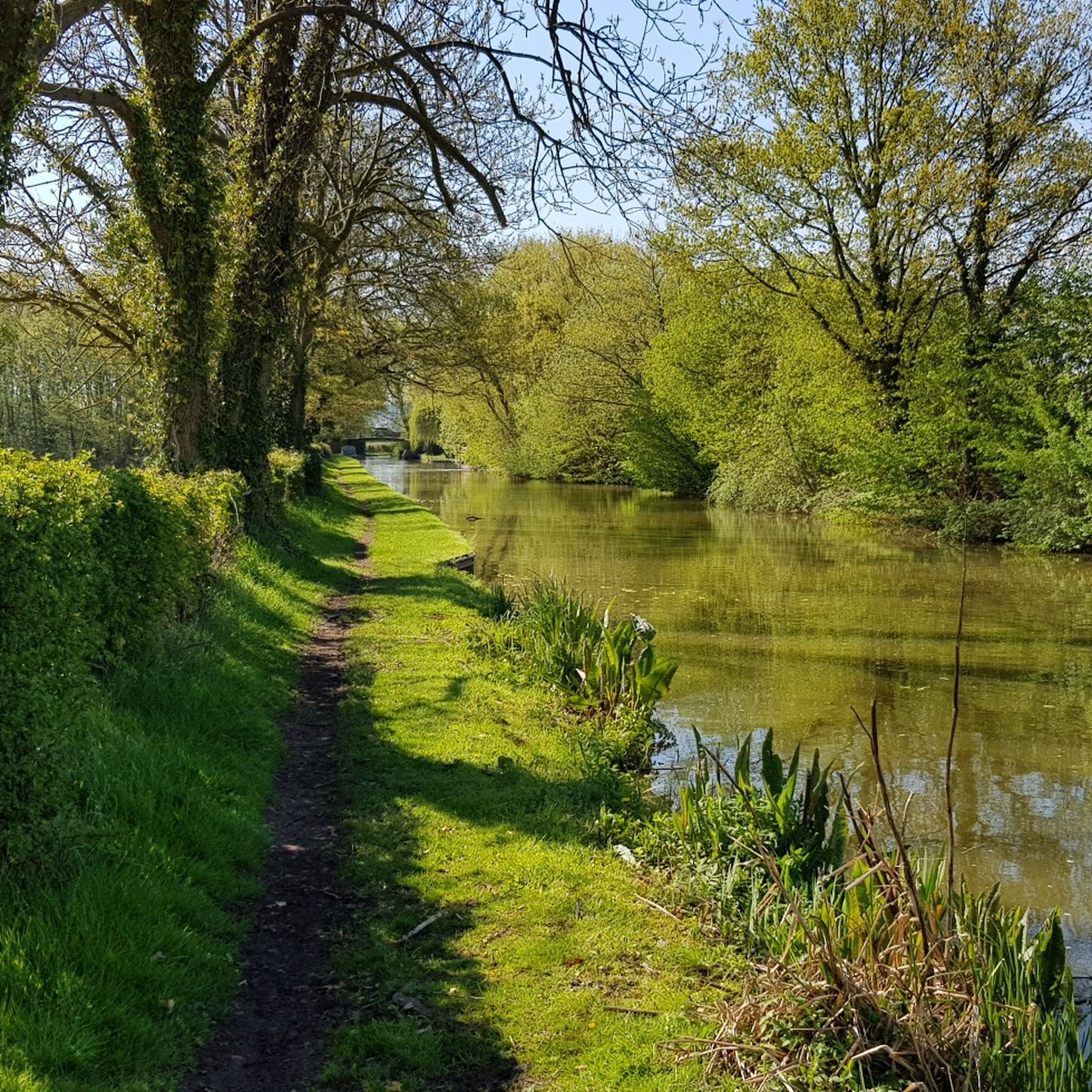
- The most popular lakes is Shustoke Reservoir, a lake that was completed in 1884 to supply water to Birmingham, and now serves Nuneaton and the surrounding area. It is known for its wildflower displays and is a location for birdwatching.
- Another must-see spot is Gibson's Pool, one of the larger lakes within Kingsbury Water Park. This area offers fishing pitches and is part of a country park with 15 lakes across over 600 acres.
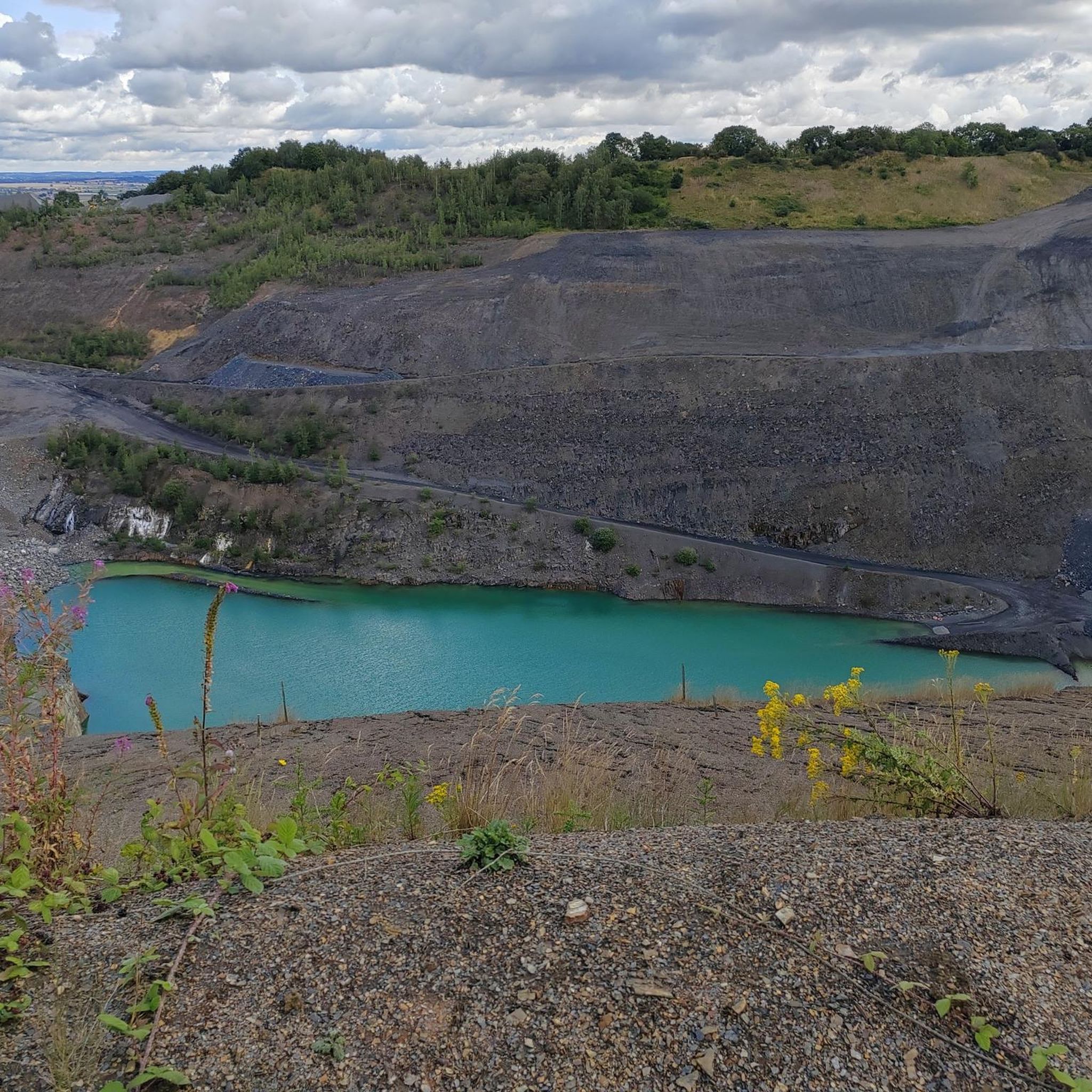
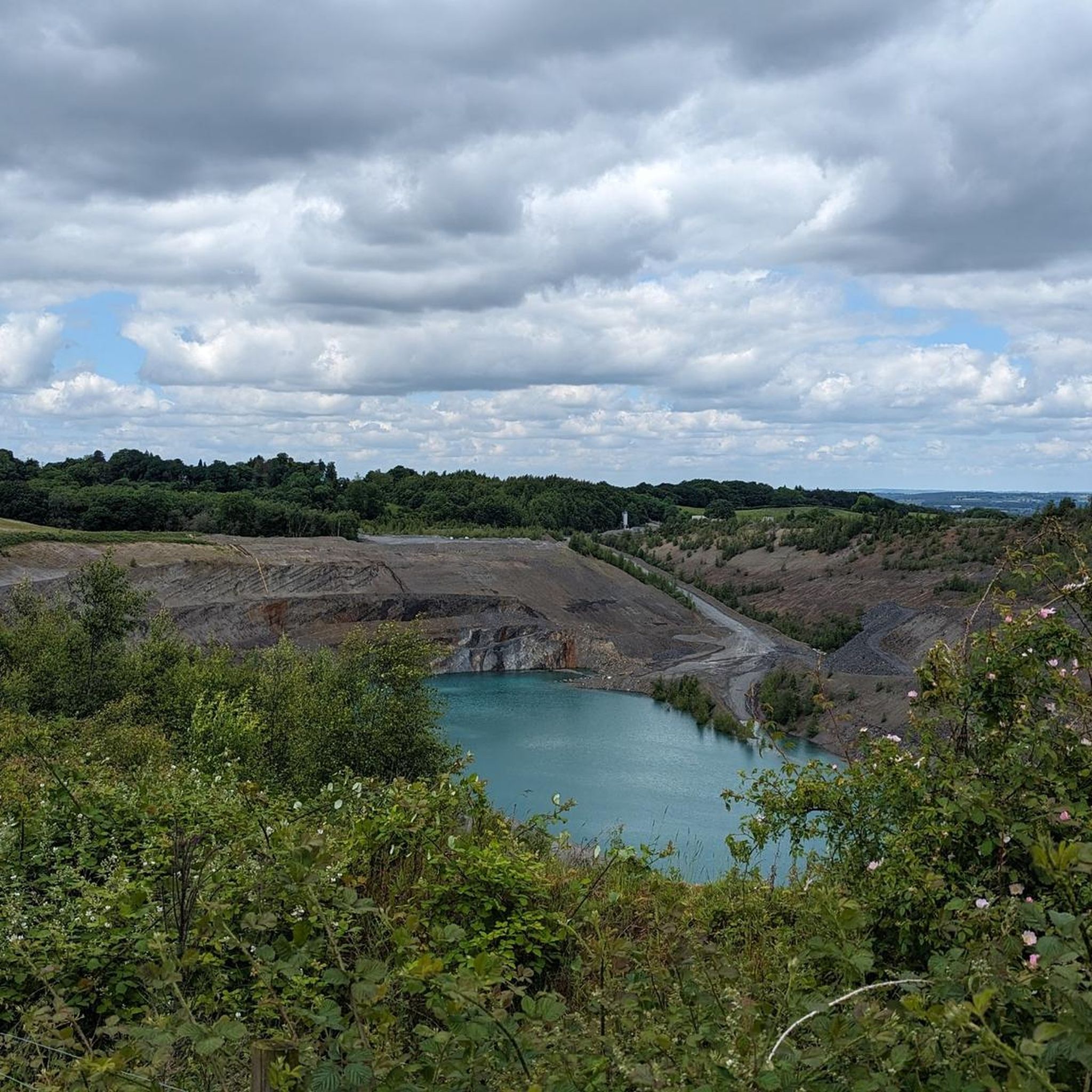
- Visitors also love Lea Marston Lakes, a trio of purification lakes originally formed from reclaimed gravel extraction sites. These lakes hold regional importance as sanctuaries for wintering wildfowl populations and offer birdwatching from a designated hide.
- Mancetter is known for reservoirs, purification lakes, and country park lakes. The area offers a variety of water bodies to explore, each with distinct features and activities.
- The lakes around Mancetter are appreciated by the komoot community, with more than 50 upvotes and 22 photos shared across the highlights.
Last updated: June 28, 2026
Shustoke Reservoir
Highlight • Lake
Tip by

Kingsbury Water Park Visitor Centre
Highlight • Natural
Tip by

Sign up now to discover places like this
Get recommendations on the best single tracks, peaks, & plenty of other exciting outdoor places.
Sign up for free
Lea Marston Lakes
Highlight • Natural
Tip by

Gibson's Pool
Highlight • Lake
Tip by
Willow Pool
Highlight • Lake
Tip by
Sign up for free to discover even more lakes around Mancetter.
Sign up for free
Already have an account?
Start today with a free account
Your next adventure awaits.
Login or Signup
Tips from the Community

Lea Marston is a trio of purification lakes, originally formed by the Environment Agency through the reclamation of former gravel extraction sites. Established in 1980, these lakes played a vital role in cleansing pollutants from the River Tame. While no longer serving their initial purpose, these lakes hold regional importance as sanctuaries for wintering wildfowl populations. Visitors can explore the area, enjoying birdwatching from a designated bird hide and leisurely walks encircling the lakes.
1
0

Sitting on the dock of the bay wasting time. It was pretty good
0
0
Interesting place helpful guy on the desk
0
0

A Warwickshire Council managed country park covering over 600 acres and including 15 different lakes. The park was created by flooding old gravel pits.
0
1
Shustoke Reservoir is managed by Severn Trent. The reservoir was completed in 1884 to provide water for Birmingham. Nowerdays the reservoir supplies Nuneaton and the surrounding area.
1
0

The history of Shustoke Why were the reservoirs created here? In 1870 the Industrial Revolution was in full swing, as was the birthrate and the need for clean water was becoming more pressing. The Birmingham Water Works Company therefore applied to Parliament for permission for water to be taken from the Rivers Bourne and Blythe, whose gathering grounds in rural areas to the East of Birmingham were declared to be away from pollution, and to impound the water from the Bourne in a reservoir which was built at Shustoke. A pumping station, filter beds and another small reservoir was also constructed at Whitacre. What was here before? Before the reservoir was built, the land was occupied by Whitacre Lodge which was part of the Hams Estate. This was sold by Lord Norton in 1879, for the building of Shustoke Reservoir. How long did it take to build the Reservoirs? The time-scale granted for this work was 10 years and although most of the work at Whitacre was completed in the time scheduled, an extension of five years was applied for in 1879 as the reservoir at Shustoke had hardly been started; the eventual completion was around 1884. What is the Reservoirs role in the water supply network? When the reservoirs were built they were to supply water to the nearby Whitacre Treatment Works, which was to provide 28 million litres of water daily to Birmingham. As the city grew this soon became inadequate and with the completion of the Elan Valley scheme in 1904 Whitacre was relegated to standby duty. In 1908 Whitacre was recommissioned to supply water to Coventry to supplement the local borehole supplies. In the 1050’s Whitacre also started to supply Nuneaton and now about 10% of the water from Shustoke supplies Coventry with the rest going to Nuneaton and the surrounding districts of Bedworth and Atherstone. Where does the water come from? The water is gravity fed by the nearby River Bourne which runs along the north of the two reservoirs. How deep and big are the reservoirs? The reservoirs consist of a settling pool of 7.8 acres and a storage reservoir of 92 acres. Combined they have a capacity of around 460,000,000 gallons.
0
0

Frequently Asked Questions
What are the most popular lakes around Mancetter?
The most popular lakes in the area include Shustoke Reservoir, known for its historical significance and natural beauty, and Gibson's Pool, which is part of the extensive Kingsbury Water Park. Lea Marston Lakes are also highly regarded for their ecological importance and birdwatching opportunities.
Are there family-friendly lakes around Mancetter?
Yes, Kingsbury Water Park is an excellent choice for families, offering 15 lakes across 600 acres with surfaced paths, two play areas, and a miniature railway. Shustoke Reservoir also features a gentle, mostly flat 2-mile circular walk suitable for pushchairs.
What kind of outdoor activities can I do near the lakes around Mancetter?
The lakes around Mancetter offer a variety of outdoor activities. You can enjoy walking and cycling on surfaced paths at Kingsbury Water Park, or take a tranquil walk around Shustoke Reservoir. Fishing is popular at Gibson's Pool and fly fishing at Shustoke. For more structured activities, explore the many hiking, road cycling, and mountain biking routes available in the wider Mancetter area.
Where can I go birdwatching near Mancetter?
Both Shustoke Reservoir and Lea Marston Lakes are excellent for birdwatching. Shustoke is known for its diverse avian visitors, while Lea Marston Lakes, a sanctuary for wintering wildfowl, features a designated bird hide for optimal viewing. Kingsbury Water Park also boasts over 230 recorded bird species.
Are there accessible walking paths around the lakes?
Yes, Kingsbury Water Park offers extensive surfaced paths suitable for all ages and fitness levels, including those with pushchairs or wheelchairs. The 2-mile circular walk around Shustoke Reservoir is mostly flat, and Lea Marston Lakes also provide accessible paths for a relaxing outdoor experience.
What natural features can I expect to see at the lakes?
You'll find diverse natural features. Shustoke Reservoir is celebrated for its impressive wildflower displays in spring. Kingsbury Water Park, with its 15 lakes, offers varied landscapes and abundant wildlife, including swans, ducks, and herons. Lea Marston Lakes are significant for their role as sanctuaries for wintering wildfowl populations.
Can I bring my dog to the lakes around Mancetter?
Many areas around the lakes are dog-friendly, particularly for walks on leads. Kingsbury Water Park, for example, welcomes dogs on its extensive network of paths. Always check specific signage at each location for any restrictions or designated off-leash areas.
What is the best time to visit the lakes around Mancetter?
The lakes offer beauty year-round. Spring is particularly lovely at Shustoke Reservoir for its wildflower displays. Sunny weather enhances the picturesque views at all locations. For birdwatching, winter is ideal at Lea Marston Lakes due to the presence of wintering wildfowl.
Are there cafes or facilities available at the lakes?
Yes, Kingsbury Water Park Visitor Centre provides a cafe, gift shop, and friendly advice. While other lakes like Shustoke and Lea Marston offer a more natural, tranquil experience, you can find amenities in nearby towns such as Atherstone.
What is the historical significance of Shustoke Reservoir?
Shustoke Reservoir was completed in 1884. It was originally built to supply water to Birmingham during the Industrial Revolution and now serves Nuneaton and the surrounding areas, including a portion of Coventry. Its construction involved impounding water from the Rivers Bourne and Blythe.
Can I go wild swimming in the lakes?
No, swimming and the use of personal kayaks or paddleboards are generally not permitted in the lakes, particularly at Kingsbury Water Park. These lakes are primarily for conservation, water supply, or specific recreational activities like fishing and sailing. Always observe local regulations and signage.
Where can I find information about parking and public transport for the lakes?
Parking is available at major sites like Kingsbury Water Park, which has a dedicated visitor centre. For detailed information on parking, permits, and public transport options for specific lakes, it's best to check the official websites or local council resources, such as the Warwickshire County Council website for Kingsbury Water Park.
Most popular attractions around Mancetter

Get inspired with the komoot mobile app


Explore more
Still not found your perfect lake around Mancetter? Check out the guides of these regions to see even more beautiful places.
