Top 5 Castles around Balsall
Best castles around Balsall include historical sites near Balsall Common, an area known for its rich history, particularly Temple Balsall with its Knights Templar origins. The region offers a blend of medieval monastic sites and impressive castles. Balsall's location provides access to several significant historical structures within a short distance. Visitors can explore a range of historical sites, from ancient halls to formidable castle ruins.
Best castles around Balsall
- The most popular castles is Kenilworth Castle, a castle that…
Last updated: August 22, 2026
Kenilworth Castle Ruins
Highlight • Castle
Tip by

Baddesley Clinton Manor House and Gardens
Highlight • Settlement
Tip by

Sign up now to discover places like this
Get recommendations on the best single tracks, peaks, & plenty of other exciting outdoor places.
Sign up for free
Tiltyard Dam at Kenilworth Castle
Highlight (Segment) • Monument
Tip by

Bagot's Castle
Highlight • Castle
Tip by
Guy's Tower, Warwick Castle
Highlight • Castle
Tip by
Sign up for free to discover even more castles around Balsall.
Sign up for free
Already have an account?
Start today with a free account
Your next adventure awaits.
Login or Signup

Tips from the Community

The area surrounding Castle Green offers picturesque views of the castle ruins and a greenery for visitors interested in England's rich history and architecture
0
0

Robert Langham (C16) - "The Castle has the name of Killingwoorth, but if truth grounded upon faithful story, Kenelwoorth [Kenilworth]. It stands in Warwickshire, a 74 mile North-West from London, and as it were in the navel of England, four mile somewhat South from Coventry a proper city, and a like distance from Warwick, a fair Shire town on the North. In air sweet and wholesome, raised on an easy-mounted hill, is set evenly coasted with the front straight into the East, has the tenants and town about it, that pleasantly shifts from dale to hill, sundry wherewith sweet springs burst forth; and is so plentiful and well sorted on every side into arable, meadow, pasture, wood, water, and good air, as it appears to have need of nothing that may pertain to living or pleasure."
1
0
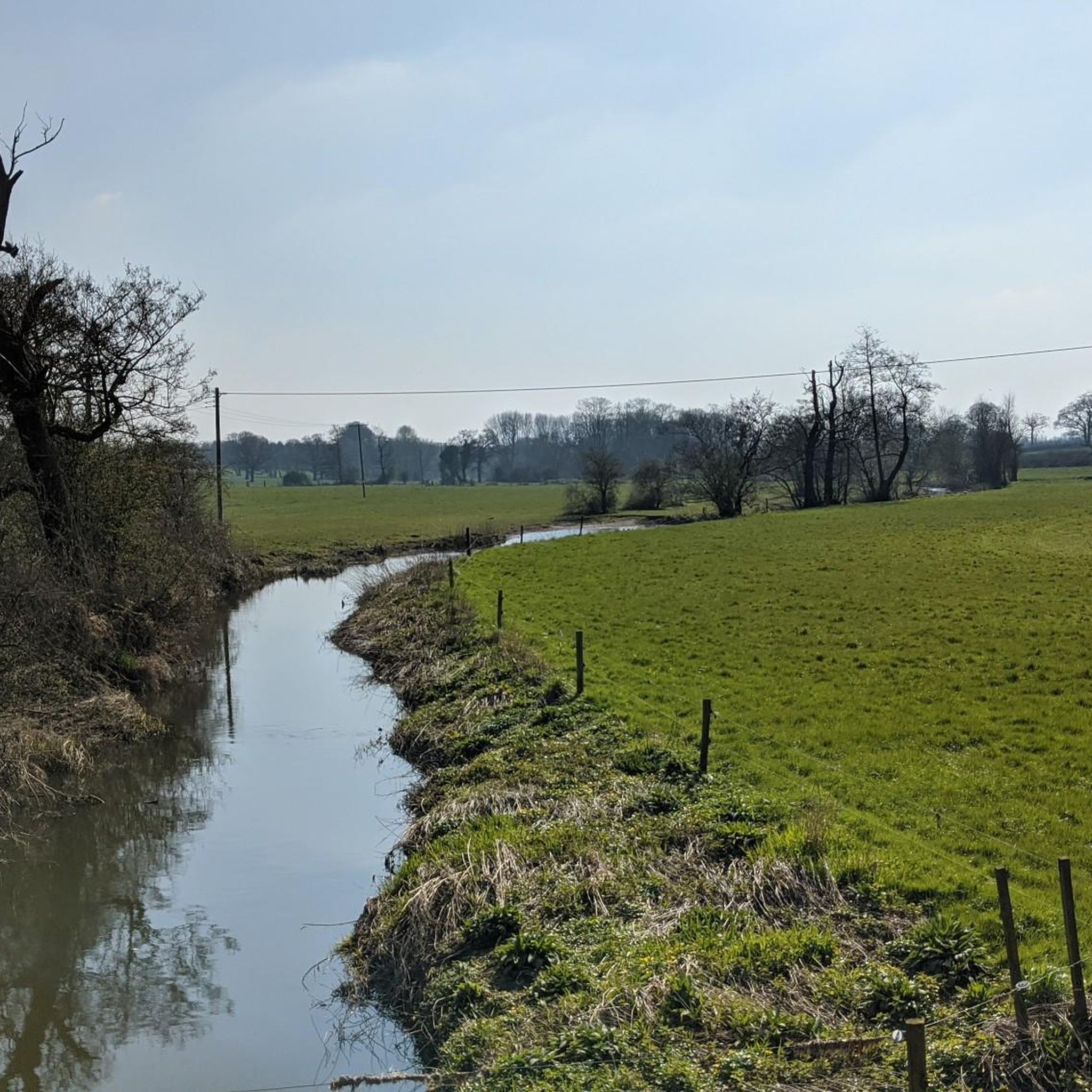
The dam was probably constructed in three phases; initially circa 1125, then subsequently raised by King John and lastly the western lane and bridge possibly 17th century. It is not known when the castle’s great defensive lake, created by the dam, was first called a Mere nor when the breach, shown here being repaired in 1964, was first called Hawkesworth’s Gap. At the end of the Civil War in 1649, Cromwell’s Parliamentarians were determined to ensure that the former Royalist strongholds would never again provide a safe haven for those who opposed the new republican parliament’s powers. So, Colonel Joseph Hawkesworth, MP was appointed to ‘slight’ or damage the castle beyond repair and it is said he breached the Tiltyard to drain the mere as part of the slighting.
0
0

Visited to see Dragonslayer show fantastic castle and grounds
0
0

Although much of it is still in ruins, it is definitely worth the visit, very accessible from the centre and with a good car park (paid) next to it. The castle, which was built between the beginning of Norman rule in England and the Tudor period, played a significant role in history.
1
0

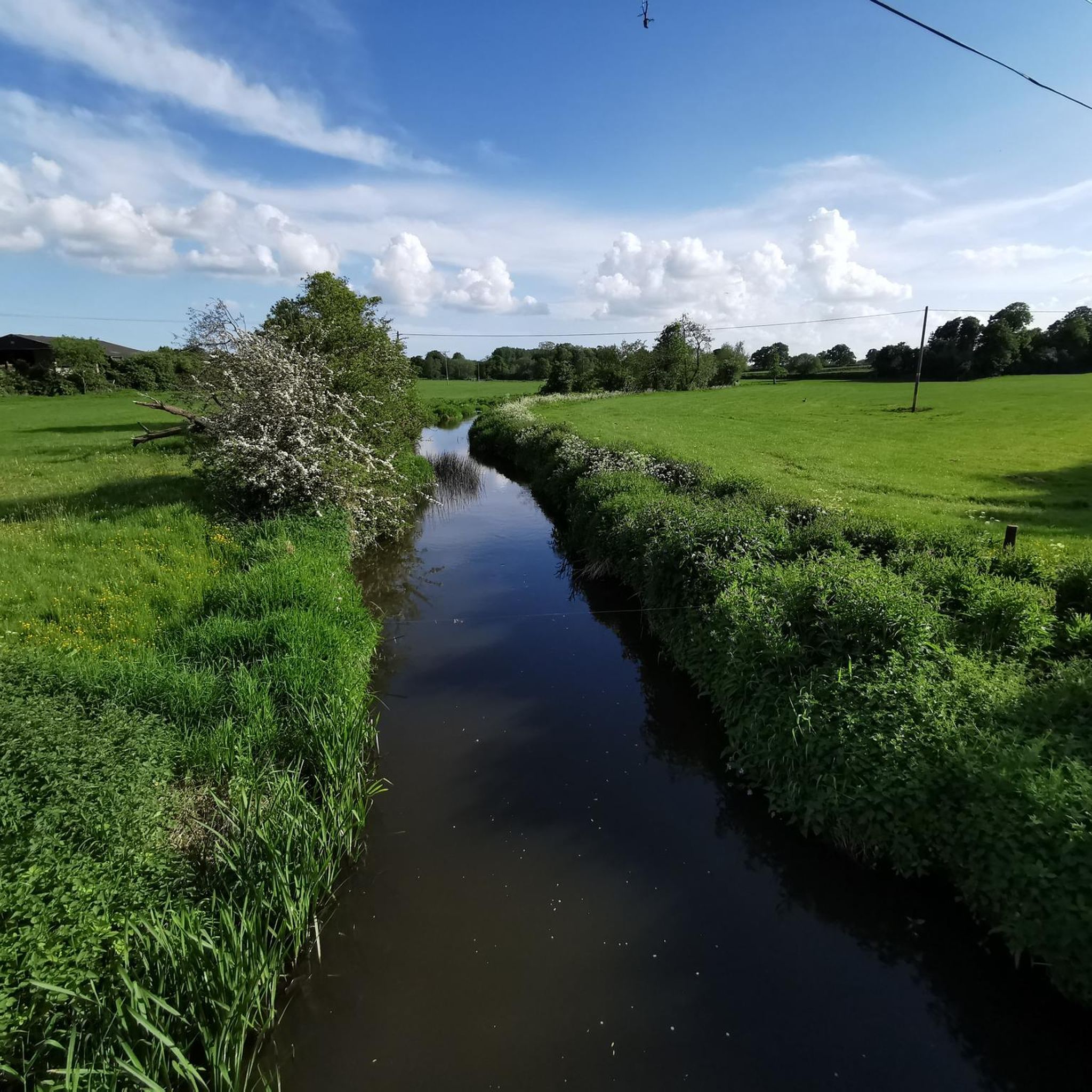
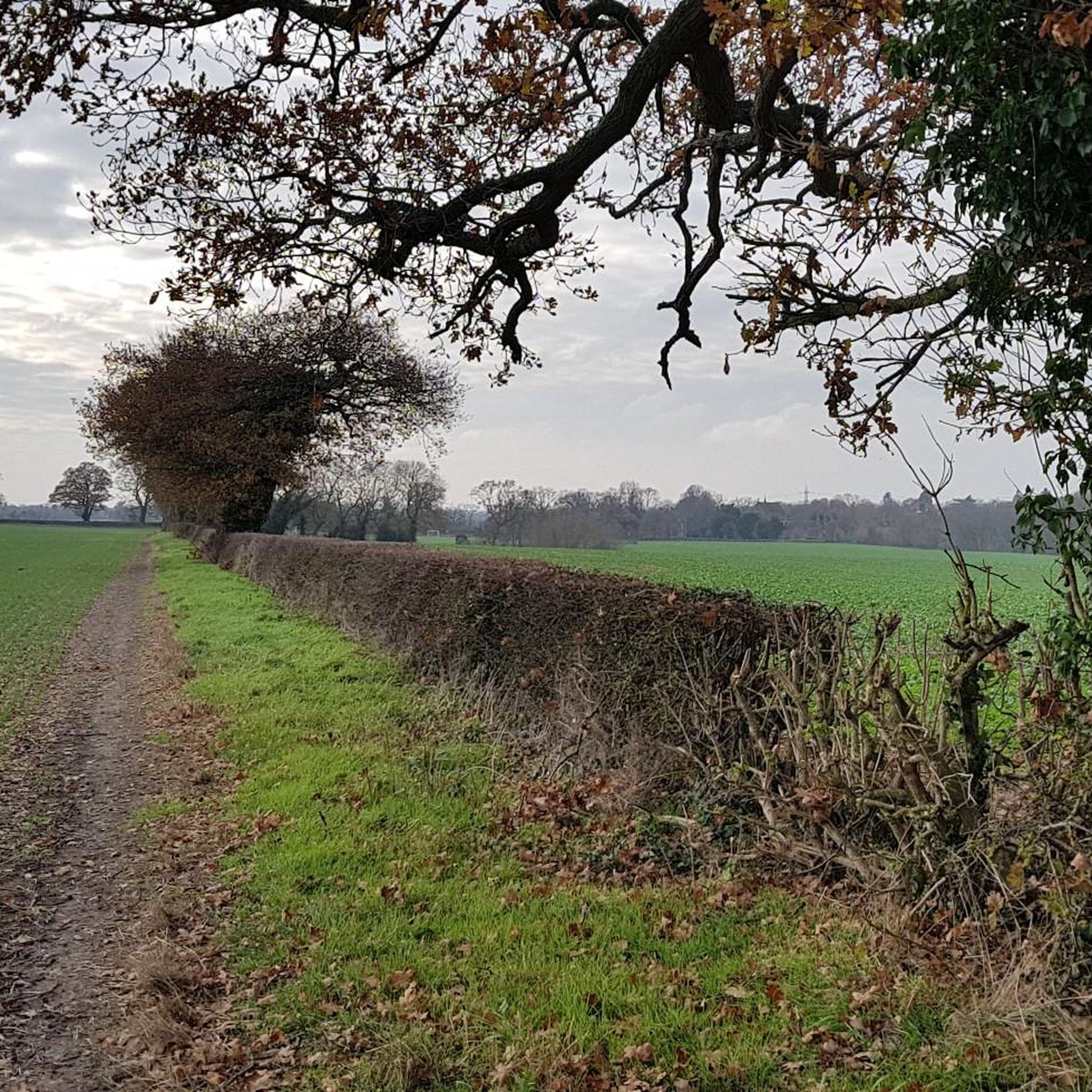
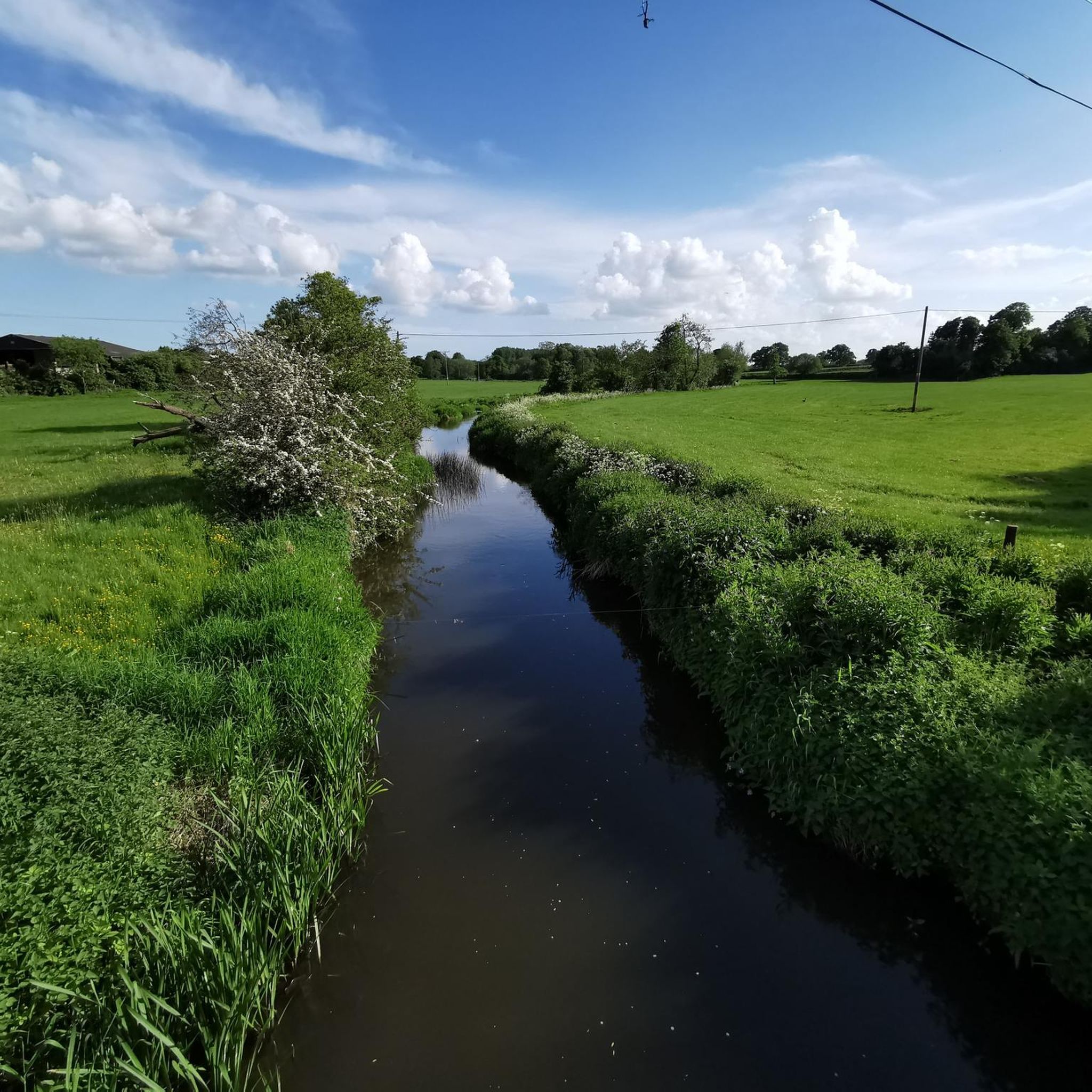
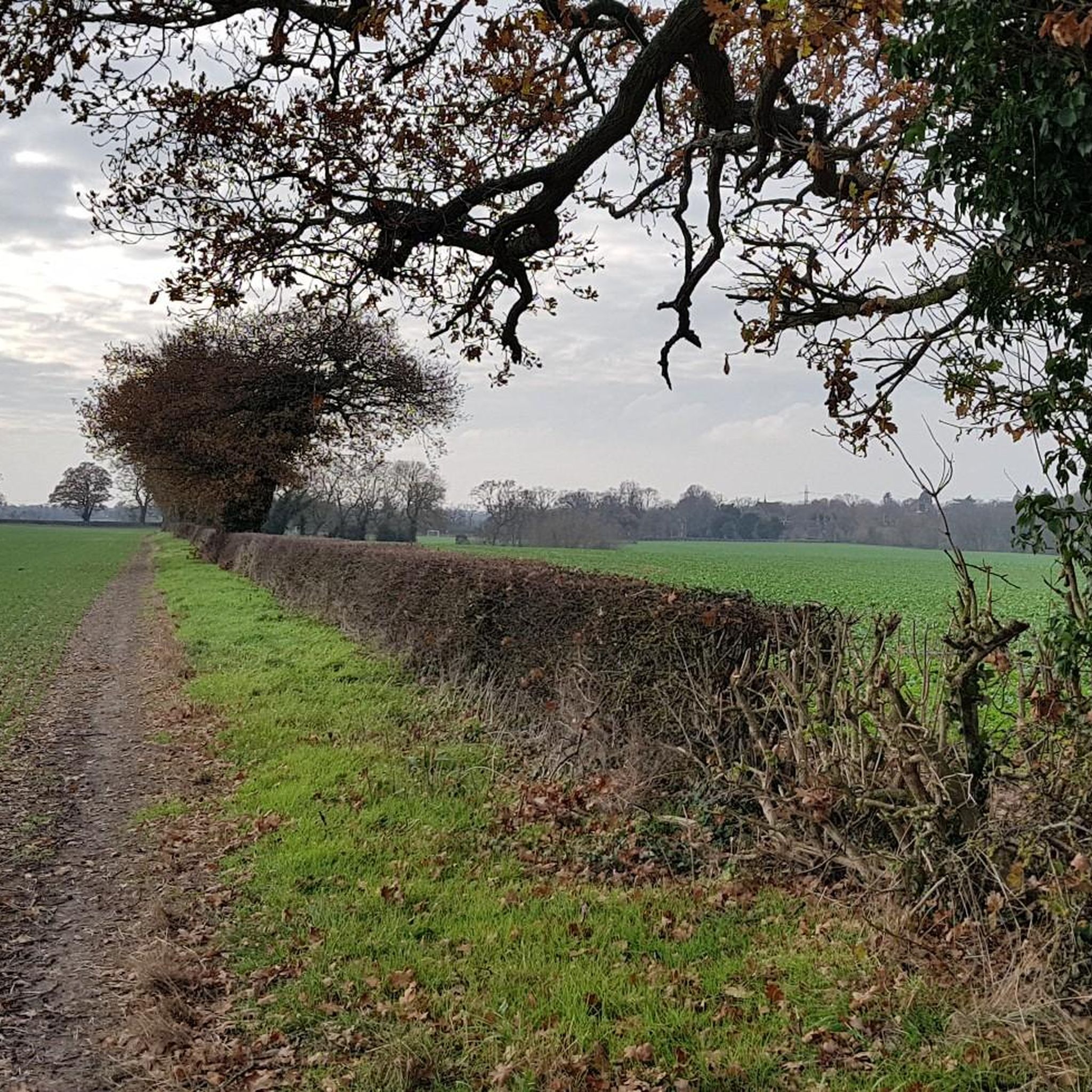
Nice Circular Walk using a mixture of Canal towpath fieldpaths and minor link roads.
0
0

Nice place with a beautiful Garden good to walk from Baddesley to Packwood
0
0

A small but worth a visit NT place, incorporate Packwood house as well for a full day out.
0
0
Frequently Asked Questions
What are the most historically significant sites around Balsall?
Balsall and its surroundings are rich in history. Kenilworth Castle stands out with its 12th-century Norman keep and a history spanning 500 years, including hosting Queen Elizabeth I. Another significant site is Temple Balsall, with its origins dating back to the Knights Templar in the 12th century. The Old Hall and Church of St Mary at Temple Balsall are among the oldest and most interesting sites in the borough, offering a glimpse into medieval monastic life. You can learn more about Temple Balsall's history on Solihull Council's website.
Are there family-friendly castles to visit near Balsall?
Yes, several castles and historical sites near Balsall are suitable for families. Kenilworth Castle often hosts jousts and re-enactments, providing an engaging experience for all ages. Baddesley Clinton Manor House and Gardens, a moated manor, is also listed as family-friendly, offering beautiful grounds to explore. Bagot's Castle, though in ruins, has an education visitor centre and woodland walks, making it an interesting outing for families.
What kind of outdoor activities can I do near these castles?
The area around Balsall offers various outdoor activities. You can find numerous routes for mountain biking and gravel biking. For instance, there are moderate MTB trails like the 'Hatton Locks – Hatton Locks Café loop' or gravel biking routes such as the 'Kenilworth Castle – Kenilworth Greenway loop'. If you enjoy running, there are several running trails around Balsall Common, ranging from 5km to 13km. You can explore more options on the MTB Trails around Balsall guide, the Gravel biking around Balsall guide, or the Running Trails around Balsall guide.
Are there any hidden gems or lesser-known historical sites worth exploring?
While not a 'hidden gem' in the sense of being unknown, Temple Balsall is a particularly significant historical site that might be overlooked by those solely seeking traditional castles. Its deep roots with the Knights Templar and later the Knights Hospitaller, along with its well-preserved 13th-century church and Old Hall, offer a unique historical experience. Bagot's Castle, though a ruin, has undergone significant excavation and conservation, revealing its 14th-century past and offering a more intimate exploration compared to larger, more commercialized sites.
What are the accessibility options for visitors with wheelchairs?
Accessibility varies by site. For Kenilworth Castle, English Heritage provides detailed accessibility information on their official website, which is recommended to check before your visit. Many historical sites, especially those with medieval origins like castles, may have uneven terrain, stairs, or gravel paths that can pose challenges. It's always best to consult the specific attraction's official website or contact them directly for the most up-to-date accessibility information.
Can I bring my dog to the castles near Balsall?
Dog policies differ between historical sites and properties. For example, National Trust properties like Baddesley Clinton Manor House and Gardens often allow dogs in certain outdoor areas but not inside buildings. English Heritage sites like Kenilworth Castle typically welcome dogs on leads in the grounds but may restrict access to interior spaces. Always check the individual castle or site's official website for their specific dog policy before planning your visit.
What are the best times of year to visit the castles around Balsall?
The spring and summer months (April to September) generally offer the most pleasant weather for exploring castle grounds and gardens. During this time, many sites also host special events, re-enactments, and have longer opening hours. Autumn can be beautiful with changing foliage, while winter visits might offer a more serene experience, though some facilities or areas might be closed, and weather can be unpredictable. Always check specific opening times and event schedules for your chosen destination.
What are the parking facilities like at the castles near Balsall?
Most major castles and historical attractions like Kenilworth Castle and Baddesley Clinton Manor House provide dedicated parking facilities, often for a fee. For smaller or ruined sites like Bagot's Castle, parking might be more limited or involve nearby public car parks. It's advisable to check the official website of each specific site for details on parking availability, charges, and directions.
How can I reach the castles near Balsall using public transport?
Public transport options vary depending on the specific castle. Kenilworth Castle is accessible by local bus services from nearby towns like Warwick and Leamington Spa. Warwick Castle is also well-served by public transport. For sites further afield or in more rural locations, public transport might be less frequent, potentially requiring a combination of bus and walking, or a taxi from the nearest train station. Planning your route using online journey planners is recommended.
Where can I find refreshments or places to eat near the castles?
Many of the larger attractions, such as Kenilworth Castle and Baddesley Clinton Manor House, have on-site cafes or tea rooms. For other sites, or if you prefer more variety, nearby towns and villages will offer pubs, restaurants, and cafes. For example, the village of Baginton near Bagot's Castle would have local establishments. Temple Balsall also has local amenities in the surrounding area.
What do visitors particularly enjoy about the castles and historical sites in the Balsall area?
Visitors frequently praise the rich history and impressive architecture. For Kenilworth Castle, the 12th-century Norman keep and its historical significance as a semi-royal palace are often highlighted. The beautiful grounds and moated setting of Baddesley Clinton Manor House are also a favorite. The conservation efforts and the educational visitor centre at Bagot's Castle are appreciated, allowing visitors to connect with its 14th-century past and woodland walks.
Beyond castles, what other historical sites are there in Balsall itself?
Within Balsall itself, Temple Balsall is a key historical site. It dates back to the 12th century and was established by the Knights Templar. The site features the Old Hall and the Church of St Mary, which are significant surviving structures with Templar origins. It later passed to the Knights Hospitaller. The 17th-century almshouses also add to the historical fabric of the area. This site offers a deep dive into medieval monastic and knightly orders. You can find more information on Wikipedia.
Which castles offer a good experience for history enthusiasts?
For history enthusiasts, Kenilworth Castle is a must-visit, offering a deep dive into 500 years of castle life, including its role in the War of the Roses and hosting Queen Elizabeth I. The Tiltyard Dam at Kenilworth Castle also has a fascinating history, including its breaching by Cromwell's Parliamentarians. Bagot's Castle, though a ruin, provides insight into a 14th-century castle and its notable guests like Henry IV, with ongoing conservation efforts revealing its past.
Most popular routes around Balsall
Most popular attractions around Balsall

Get inspired with the komoot mobile app


Explore more
Looking for the best castles somewhere else? Discover other guides around Balsall:
