Top 2 Castles around Folkestone
Best castles around Folkestone are situated in a region rich in history, offering insights into centuries of English defense and architecture. The area features a diverse landscape, from coastal cliffs to rolling hills, providing strategic locations for these historical fortifications. Folkestone itself is known for its historical earthworks, and its proximity to the English Channel has made it a significant defensive point throughout history. This concentration of historical sites provides a tangible connection to pivotal moments in the nation's past.
…Last updated: August 22, 2026
Dover Castle
Highlight • Castle
Tip by

Sandgate Castle
Highlight • Monument
Tip by

Sign up now to discover places like this
Get recommendations on the best single tracks, peaks, & plenty of other exciting outdoor places.
Sign up for free
View of Lympne Castle
Highlight • Historical Site
Tip by

Start today with a free account
Your next adventure awaits.
Login or Signup

Other adventures around Folkestone

Tips from the Community

Castle built in the reign of Henry VIII to protect England against invasion by France, and which later played a role in the Civil War and Napoleonic Wars. Now a private residence.
0
0

Sandgate Castle is an artillery fort originally constructed by Henry VIII in Sandgate in Kent, between 1539 and 1540.
5
0

Sandgate Castle is an artillery fort originally constructed by Henry VIII in Sandgate in Kent, between 1539 and 1540. It formed part of the King's Device programme to protect England against invasion from France and the Holy Roman Empire, and defended vulnerable point along the coast. It comprised a central stone keep, with three towers and a gatehouse. It could hold four tiers of artillery, and was fitted with a total of 142 firing points for cannon and handguns. Van <https://en.wikipedia.org/wiki/Sandgate_Castle>
13
1

An imposing fortress with Roman (or even older) roots, which has not lost its importance since William the Conqueror through centuries up to the Cold War. Lots of history and impressive views.
0
0

A medieval castle dating from the 14th century, Lympne Castle was a historic residence of the Archbishop of Canterbury. It isn't usually open to the public but is available to hire as a wedding or corporate venue. For more details, see the website https://www.lympnecastle.com/
0
0

In the early morning with wonderful peace 🤩
1
0

Beautiful and absolutely worth seeing fortress, you should definitely plan about 3 to 4 hours for a tour of the system and participation in guided tours through the tunnel system. For several centuries, Dover Castle has watched over the narrowest part of the English Channel and thus over the "entrance" to England, which is why it is also known as the "Key to England". Dover Castle towers over the chalk cliffs and is considered one of England's most famous landmarks with great symbolic value.
5
0

The castle is well maintained and you can enter almost anywhere. An ancient lighthouse stands next to the castle. In addition, there are relics to see after World War II, i.e. bunkers and tunnels hollowed out in the cliff.
3
0
Frequently Asked Questions
What kind of historical experiences do the castles around Folkestone offer?
The castles in the Folkestone area provide a rich tapestry of English history. You can explore the impressive Norman earthworks of Folkestone Castle, which offers insight into early medieval defensive structures. For a more extensive experience, Dover Castle, known as the 'key to England,' showcases nine centuries of defense with its magnificent Great Tower, medieval tunnels, and underground hospital. Sandgate Castle, a Tudor artillery fort, represents Henry VIII's coastal defense program, while Westenhanger Castle offers a glimpse into medieval fortified manor living, with a history spanning from the 14th century through the Tudor period.
Which castles near Folkestone are good for families?
For a family-friendly outing, Dover Castle is an excellent choice. It's listed as family-friendly in our highlights and offers a wide range of activities, including exploring the Great Tower, medieval tunnels, and underground hospital, which can captivate visitors of all ages. The sheer scale and interactive elements make it a memorable experience for families.
Are there castles near Folkestone that offer impressive views?
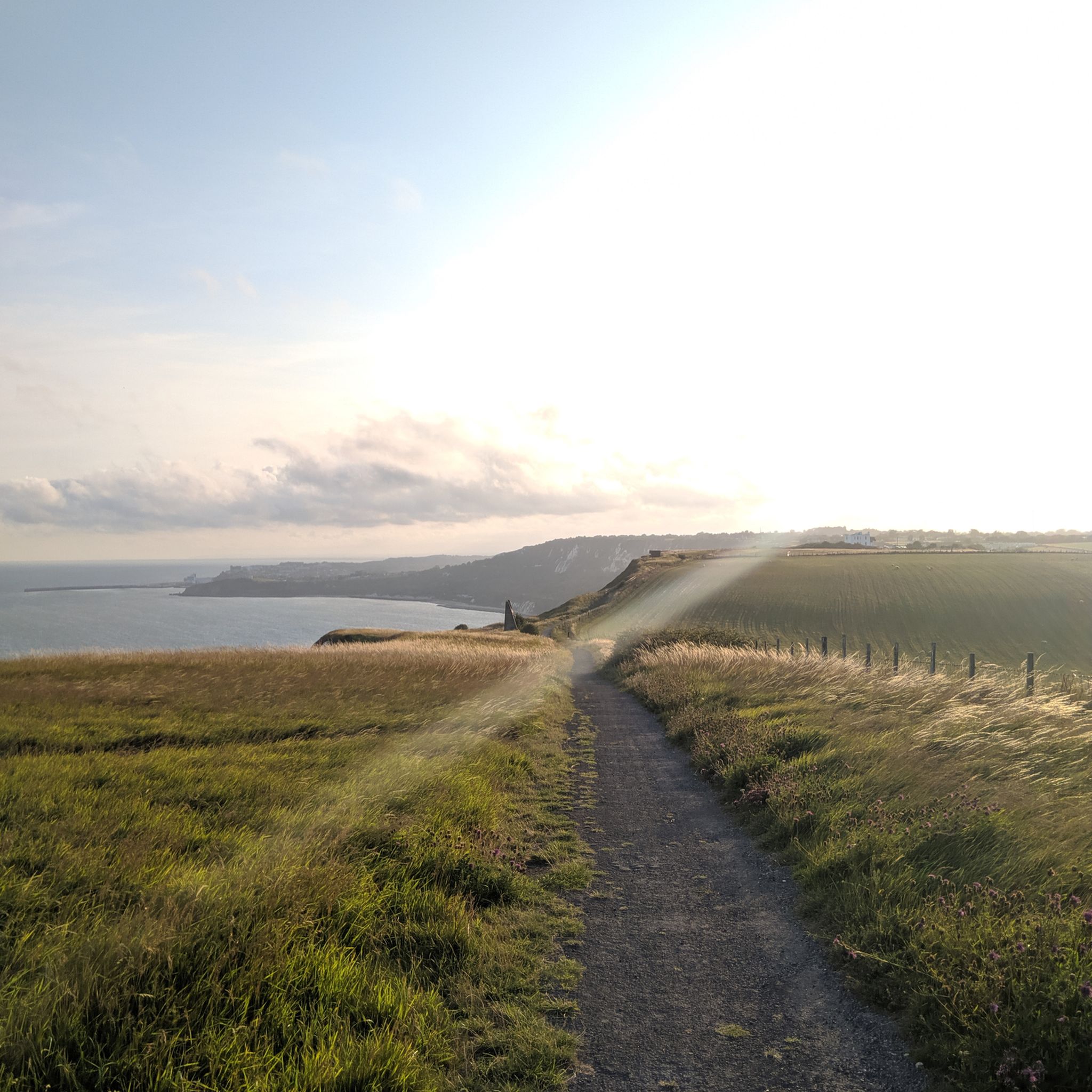
Yes, several castles provide stunning vistas. Folkestone Castle, despite being primarily earthworks, offers splendid views over Folkestone, the coast, Romney Marsh, and even as far as Dungeness. Dover Castle, perched atop the white cliffs, provides impressive views of the English Channel and the surrounding coastline, a strategic position that highlights its historical significance. You can also get a great view of Dover Castle itself from the cliffs.
Can I explore the earthworks of Folkestone Castle?
Yes, Folkestone Castle, also known as 'Caesar's Camp,' is primarily an earthwork site. You can explore its impressive defensive earthen bank (rampart) and deep outer ditch. Access is easiest from Crete Road West, with marked footpaths available for exploration. It's a great spot to understand Norman defensive structures and enjoy panoramic views.
What outdoor activities can I do near these castles?
The area around Folkestone's castles offers various outdoor activities. You can find numerous hiking and cycling routes. For instance, there are easy hikes around Folkestone, including routes that pass by Sandgate Castle. For cyclists, there are traffic-free bike rides, with some routes offering views of Dover Castle or passing near Saltwood Castle. These routes allow you to combine historical exploration with active outdoor pursuits.
Is Lympne Castle open to the public?
Lympne Castle, a medieval castle dating from the 14th century, is not usually open to the public for general visits. It primarily functions as a venue available for hire, such as for weddings or corporate events. You can, however, enjoy a view of Lympne Castle from nearby viewpoints.
Are there less crowded castles to visit near Folkestone?
If you prefer a less crowded experience, Folkestone Castle, with its extensive earthworks, offers a more tranquil visit compared to larger, more popular sites. Westenhanger Castle, a scheduled monument with a rich history, is also being secured as a community asset and may offer a quieter exploration of a medieval fortified manor. More information on Westenhanger Castle can be found on the Folkestone & Hythe Council website.
How long should I plan for a visit to Dover Castle?
To fully experience Dover Castle, it is recommended to allow at least 3 to 4 hours. This will give you enough time to explore the Great Tower, delve into the medieval tunnels, visit the underground hospital, and take part in any guided tours available, ensuring you appreciate its vast historical significance and scale.
What is the history behind Sandgate Castle?
Sandgate Castle is an artillery fort constructed by Henry VIII between 1539 and 1540 as part of his 'Device programme.' This initiative aimed to defend England against invasion. Originally designed with a central stone keep, three towers, and a gatehouse to hold four tiers of artillery, it played a role in the English Civil War and Napoleonic Wars. While much of the original structure was rebuilt, it remains a significant example of Tudor coastal defense. You can learn more about Sandgate Castle on Wikipedia.
Are there any castles near Folkestone that are currently being developed for public access?
Yes, Westenhanger Castle, a significant historical site near Folkestone, is currently undergoing development. It is being secured as a community asset with future plans to integrate it into a public park, which will enhance public access and enjoyment of this medieval fortified manor. Further details are available on the Folkestone & Hythe Council website.
Most popular routes around Folkestone
Most popular attractions around Folkestone

Get inspired with the komoot mobile app


Explore more
Looking for the best castles somewhere else? Discover other guides around Folkestone:
